
 English
 русский
 Français
 Español
 Deutsch

Provide you with the latest enterprise and industry news
How to Operate a Petrol Mini Dumper Safely
Update:22-06-2026
Posted by Admin
Content
- 1 What should be checked before the machine is put into use?
- 2 How does positioning affect control during operation?
- 3 What does the first movement usually feel like?
- 4 How does load placement influence stability?
- 5 How should speed be adjusted during different conditions?
- 6 What changes during turning or direction shifts?
- 7 How does terrain quietly influence machine behavior?
- 8 What should be considered when stopping the machine?
- 9 How do operators develop safer habits over time?
- 10 Why does awareness matter more than fixed steps?
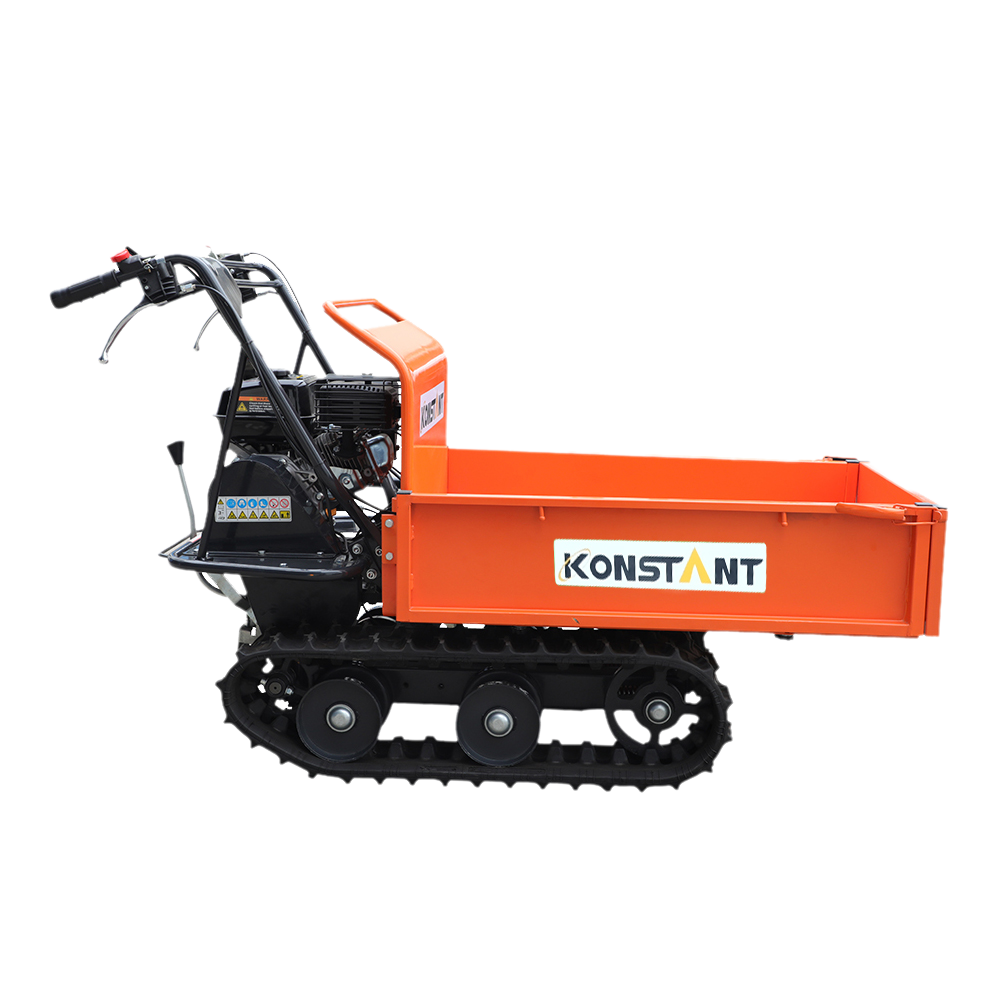
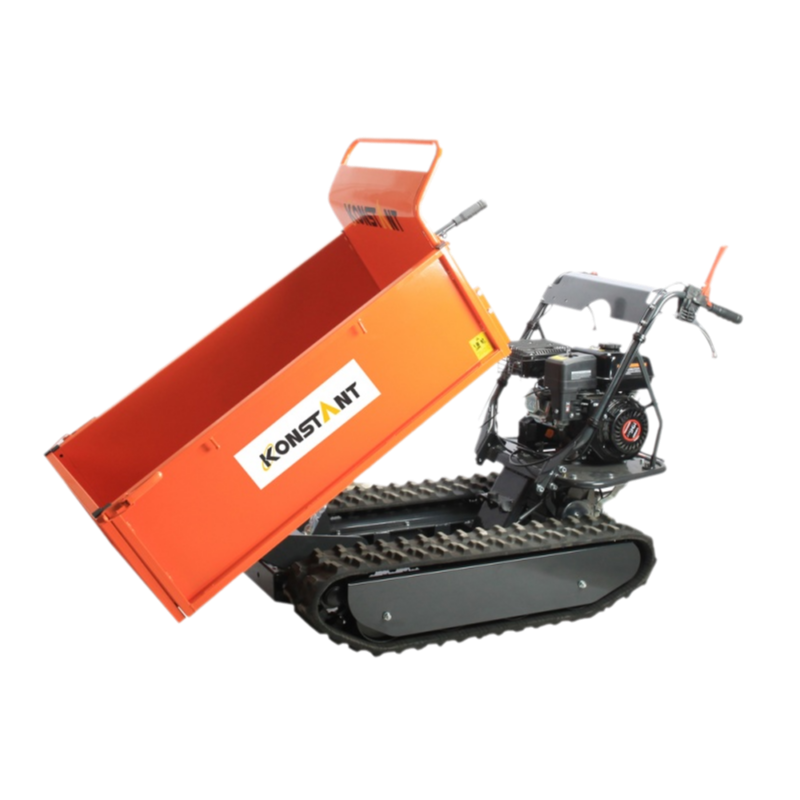
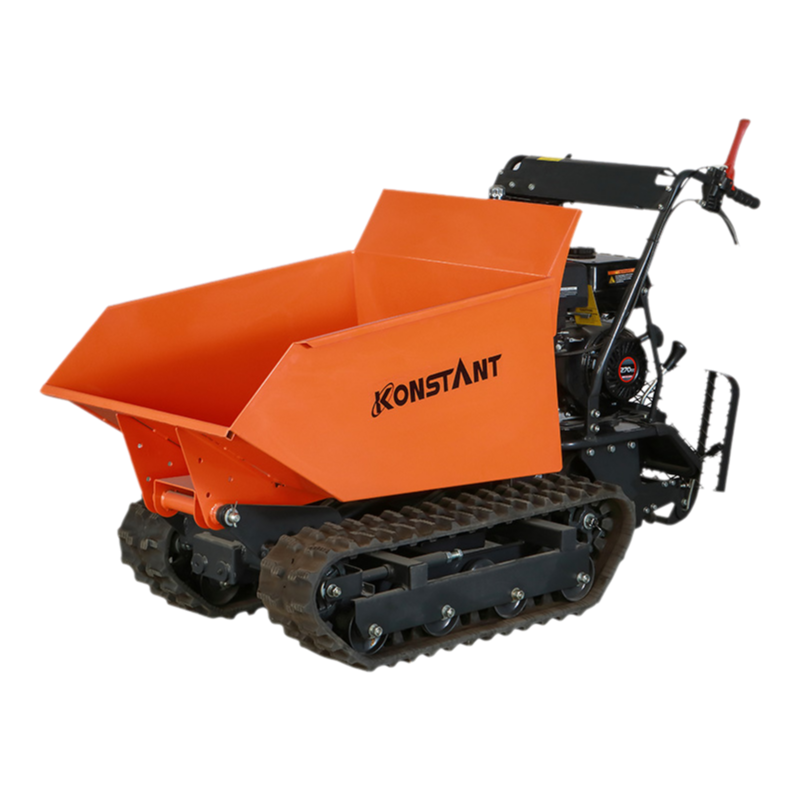
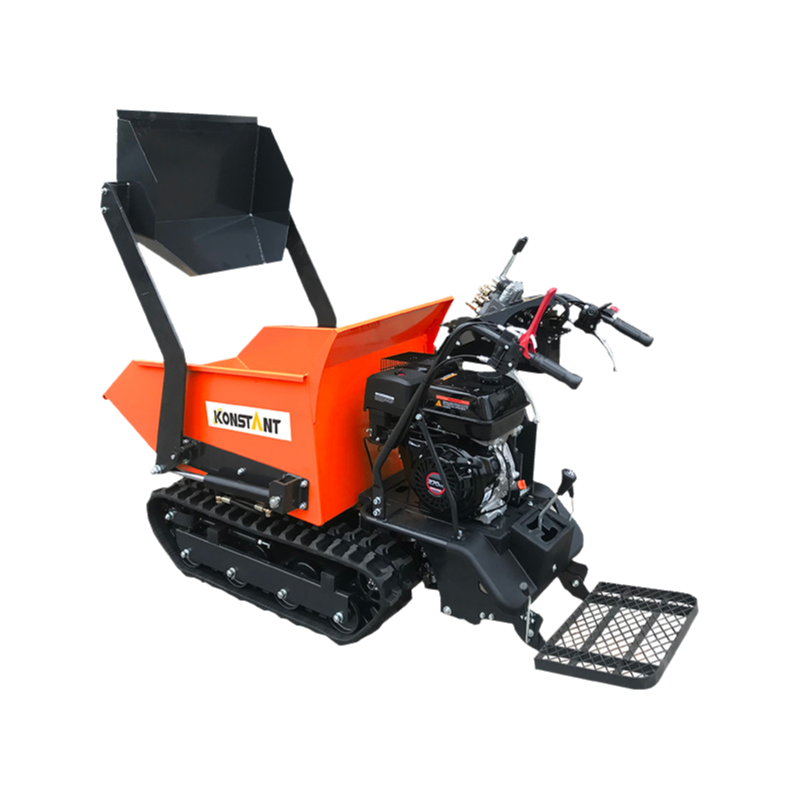
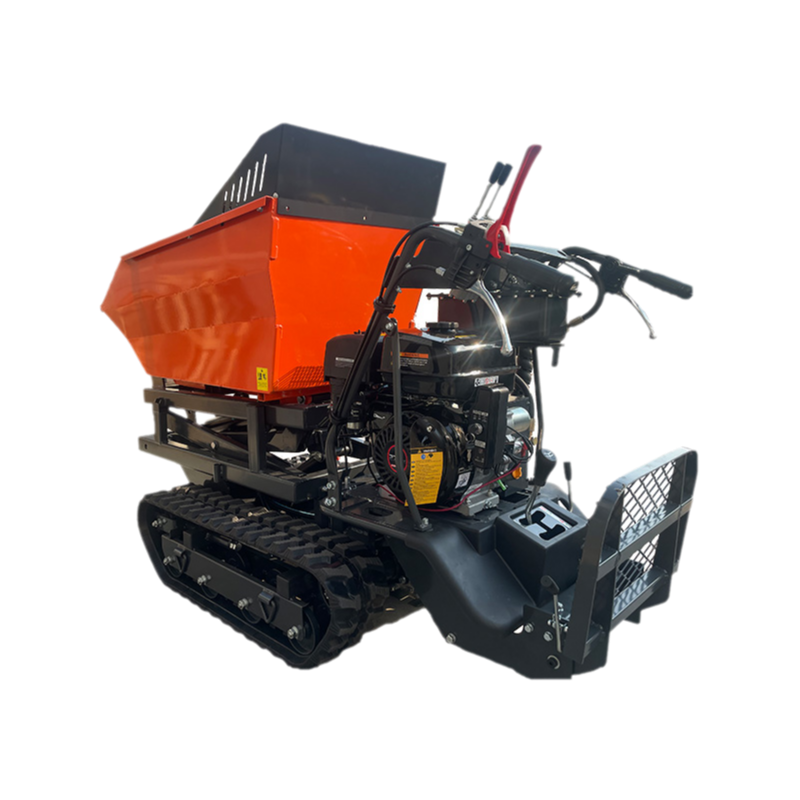
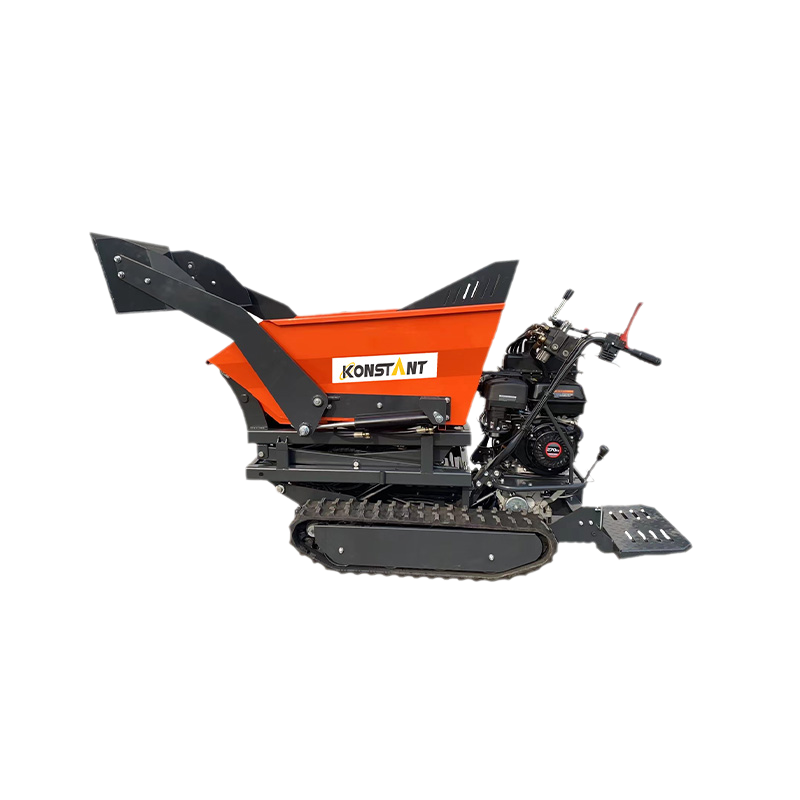
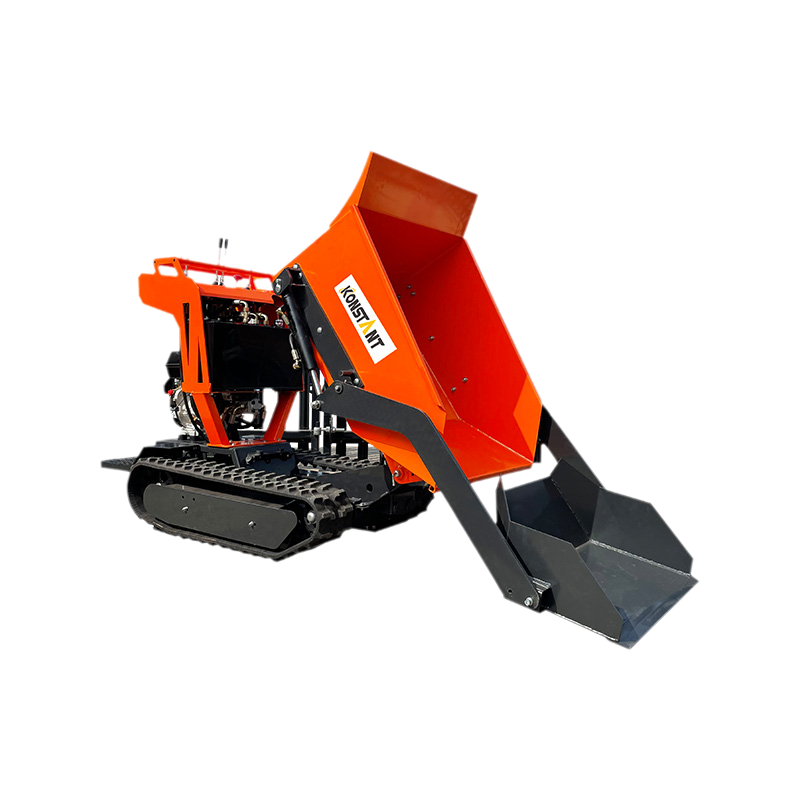
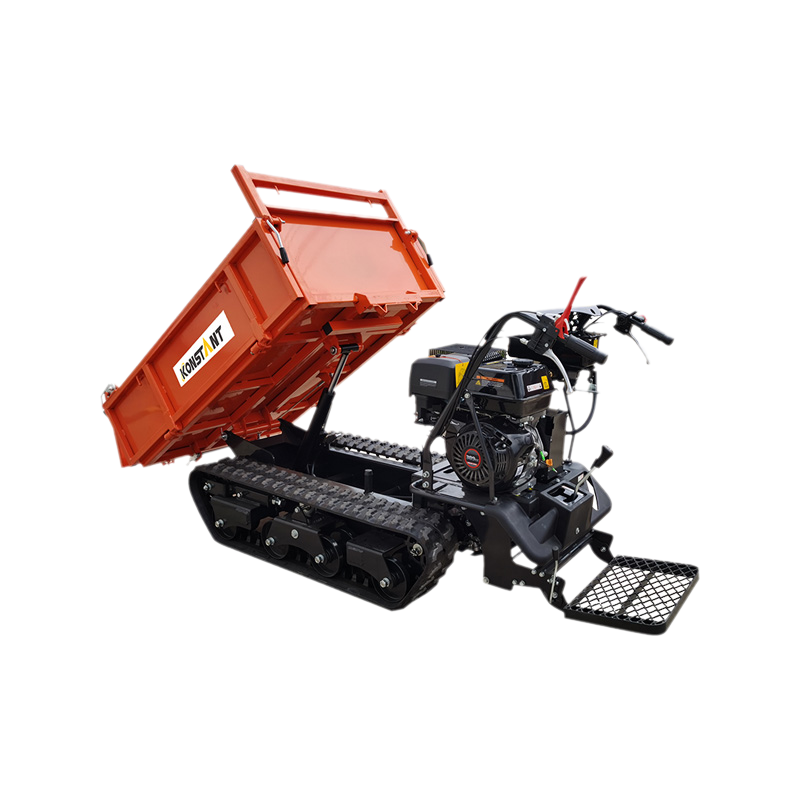
A petrol mini dumper is often seen in places where materials need to be moved across uneven ground. Construction sites, landscaping work, small renovation areas, and storage yards are common environments.
It is not a complicated machine in appearance. A small body, a load container, and a simple control setup. But once it starts moving with weight, the behavior becomes more sensitive than it looks at first glance.
Ground condition, load balance, and operator input all influence how it moves. Because of that, safe operation is less about fixed instructions and more about paying attention during actual use.
What should be checked before the machine is put into use?
Before starting, operators do not spend too much time on formal inspection. It is usually a short routine done out of habit.
The machine is looked over from a standing position first. Then the ground around it is checked. This step helps avoid starting in an area that already has risks like soft soil or scattered debris.
Some of the common points people notice include:
- whether the front path is open enough for movement
- whether there are loose objects under the machine
- whether the load area is empty or properly arranged
- whether the machine is sitting level on the ground
- whether anything nearby could interfere during turning
Even without detailed inspection tools, these quick observations help reduce uncertainty once the machine begins moving.
Ground condition often gets more attention than expected. A surface that looks flat may still have soft patches or uneven sections that affect stability once weight is applied.
How does positioning affect control during operation?
Positioning is not about strict posture. It is more about having a clear view of movement and enough space to react.
Some operators stand behind the machine. Others stay slightly to the side depending on the working space. What matters is whether the operator can see both the load and the path ahead.
When visibility is blocked, even a small directional change can feel uncertain. That is where minor corrections become harder to manage.
Hands on the control area are usually kept relaxed. A stiff grip often leads to over-adjustment, especially when the machine reacts slightly differently on uneven ground.
Foot placement also matters in a simple way. Stable footing helps maintain balance if the machine shifts unexpectedly during movement or turning.
What does the first movement usually feel like?
The moment the machine starts moving often gives the clearest impression of how the ground will affect it.
On hard and stable surfaces, movement feels steady and predictable. On softer or uneven ground, the response feels slightly delayed or heavier.
This difference is normal, but it changes how the operator continues the task.
A slow start is usually preferred. It gives time to understand how the machine is reacting in that specific environment. Once movement feels stable, speed can be adjusted gradually.
Rushing at the beginning often leads to small corrections that accumulate later, making control less smooth.
How does load placement influence stability?
Load behavior is one of the sensitive parts of operating a mini dumper.
Even when the machine itself is stable, the material inside can shift slightly during movement. This shift is more noticeable when turning or moving on slopes.
A centered load usually feels balanced. When the load is uneven, the machine reacts differently depending on direction and surface.
In daily work, operators often notice patterns like:
- balanced load feels steady even on mild slopes
- side-heavy load creates slight leaning during turns
- forward-placed load increases pressure when stopping
- loose material moves internally during travel
These effects are not always dramatic. Sometimes they are small, but they influence control over time, especially in longer working sessions.
Load placement is often adjusted quickly before movement begins, sometimes without much discussion. It becomes a natural habit through repetition.
How should speed be adjusted during different conditions?
Speed is rarely fixed for long periods. It changes depending on how the ground feels.
On flat and compact surfaces, movement feels easier to manage. In these areas, speed can be slightly higher while still staying controlled.
On softer ground or uneven paths, movement becomes more sensitive. Even small increases in speed can affect steering response or balance.
Because of this, operators usually adjust speed gradually instead of switching suddenly.
Common working conditions that usually require slower movement include:
- loose gravel or soil paths
- muddy or damp surfaces
- sloped areas with uneven pressure
- narrow working spaces with limited turning room
It is not about following strict speed rules. It is more about reacting to how stable the machine feels at that moment.
What changes during turning or direction shifts?
Turning is where balance changes become more noticeable.
When the machine changes direction, weight inside the load area does not stay completely still. Even a slight shift can affect how the machine leans or responds.
On flat ground, this effect is mild. On slopes or uneven terrain, it becomes more obvious.
Most operators naturally reduce speed before turning. This helps reduce sudden shifts in balance and makes steering feel smoother.
Instead of sharp turning, gradual movement is usually more stable. The machine responds better when changes in direction are not forced.
Over time, this becomes less of a decision and more of a habit during normal operation.
How does terrain quietly influence machine behavior?
The ground conditions greatly affect how a machine runs, even though they aren't part of the equipment itself.
The machine acts differently on various surfaces. On solid, firm ground, it moves smoothly and is simple to handle.
On loose dirt or gravel, the machine won't respond right away. The soft surface slows it down and changes how the steering feels.
Wet or muddy ground cuts down traction. The machine becomes harder to move, and it's not as easy to steer accurately.
When working on slopes, gravity keeps pulling at the machine. It affects its balance even when you're not making any turns.
Operators don't spend time studying the ground in detail. They just watch how the machine performs and make small adjustments as they go.
What should be considered when stopping the machine?
Shutting down a machine seems easy, but where you leave it really counts.
Workers usually slow the machine down step by step before bringing it to a full halt. Hard stops are only used in emergencies.
Once it stops, you need to check its position. It should sit on level, firm ground, especially when it's still carrying materials.
If the floor is uneven, you'll need to make small tweaks to keep the machine stable before walking away.
You also have to look over the load inside. Materials might have shifted while moving, which can throw off its balance even after the machine stops.
These checks don't follow strict rules and are done quickly as part of routine work.
How do operators develop safer habits over time?
Safe operation is rarely learned in a single stage. It develops slowly through repeated exposure to real working conditions.
At the beginning, focus is usually on basic control. Over time, attention shifts to how the machine behaves under different conditions.
With experience, operators start to notice small details:
- how ground texture affects movement
- how load position changes turning behavior
- how speed influences stability on slopes
- how early corrections feel easier than late adjustments
These observations turn into habits.
Eventually, safe operation is no longer a separate process. It becomes part of how the machine is naturally handled during work.
Why does awareness matter more than fixed steps?
A petrol mini dumper does not behave exactly the same in every situation. Even small changes in ground or load can affect movement.
Because of that, awareness plays a larger role than strict step-by-step operation.
Operators rely on continuous feedback from the machine. The feel of movement, the response of steering, and the behavior of load all provide information during use.
Instead of following a rigid pattern, operation becomes a series of small adjustments made in real time.
That is why safe use often looks simple from the outside, but actually involves constant observation during movement.
The machine itself stays the same, but the environment and load conditions never stay exactly identical.
Related products

Latest Updates
-
Can a Hydraulic Mini Dumper Improve Material Movement on Uneven Ground
Material movement is part of almost every outdoor project. Construction crews move soil and debris...
-
What Factors Influence the Choice of a Mini Dumper Power Barrow
Moving materials is a routine part of construction, landscaping, agriculture, renovation, and othe...

-
Welcome To Visit Us
No.30, Third Furong Road, Wuxi City, Jiangsu. 214100, China.
-
Call Us
Phone: +86 181-1889-1139
Phone: +86 181-1889-2139
-
Contact Us Online
E-mail: sales@konstantpm.com
E-mail: marketing@konstantpm.com
Copyright WUXI KONSTANT POWER TECH CO., LTD All Rights Reserved
 China Mini Dumpers Manufacturers Power Wheelbarrow Factory