
 English
 русский
 Français
 Español
 Deutsch

Provide you with the latest enterprise and industry news
Mini Petrol Dumper vs Wheelbarrow: Key Differences
Update:26-06-2026
Posted by Admin
Content
- 1 What is a Mini Petrol Dumper Designed to Do?
- 2 What is a Wheelbarrow Still Used For Today?
- 3 How Do Movement and Control Differ Between the Two?
- 4 How Does Load Handling Compare in Real Use?
- 5 What Happens on Uneven or Sloped Ground?
- 6 How Do Operator Effort and Fatigue Differ?
- 7 How Do Speed and Efficiency Compare?
- 8 What About Space and Flexibility?
- 9 How Does Maintenance and Daily Use Differ?
- 10 Where Does Each Tool Fit Best in Real Work Environments?
- 11 Why Both Tools Still Remain in Use?
Material handling on construction sites, gardens, and small working areas often comes down to two common tools: the mini petrol dumper and the wheelbarrow. At first glance, both seem to solve the same problem. They move material from one point to another. Yet the way they work, the effort they require, and the type of work they fit into can feel quite different once they are actually in use.
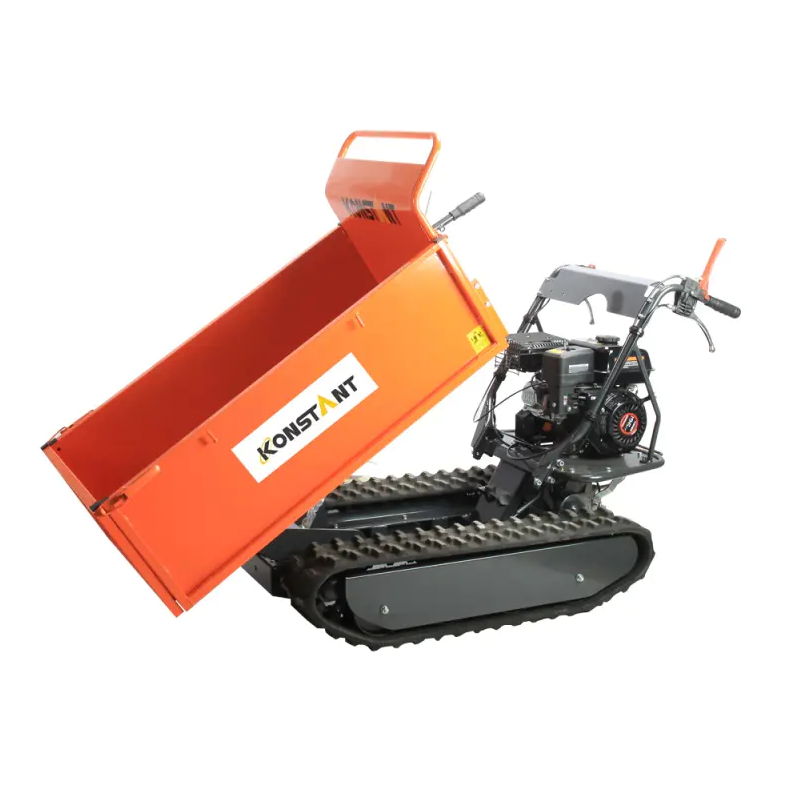
The comparison is not just about size or power. It is more about how movement is controlled, how load is handled, and how the operator interacts with the tool during daily tasks.
What is a Mini Petrol Dumper Designed to Do?
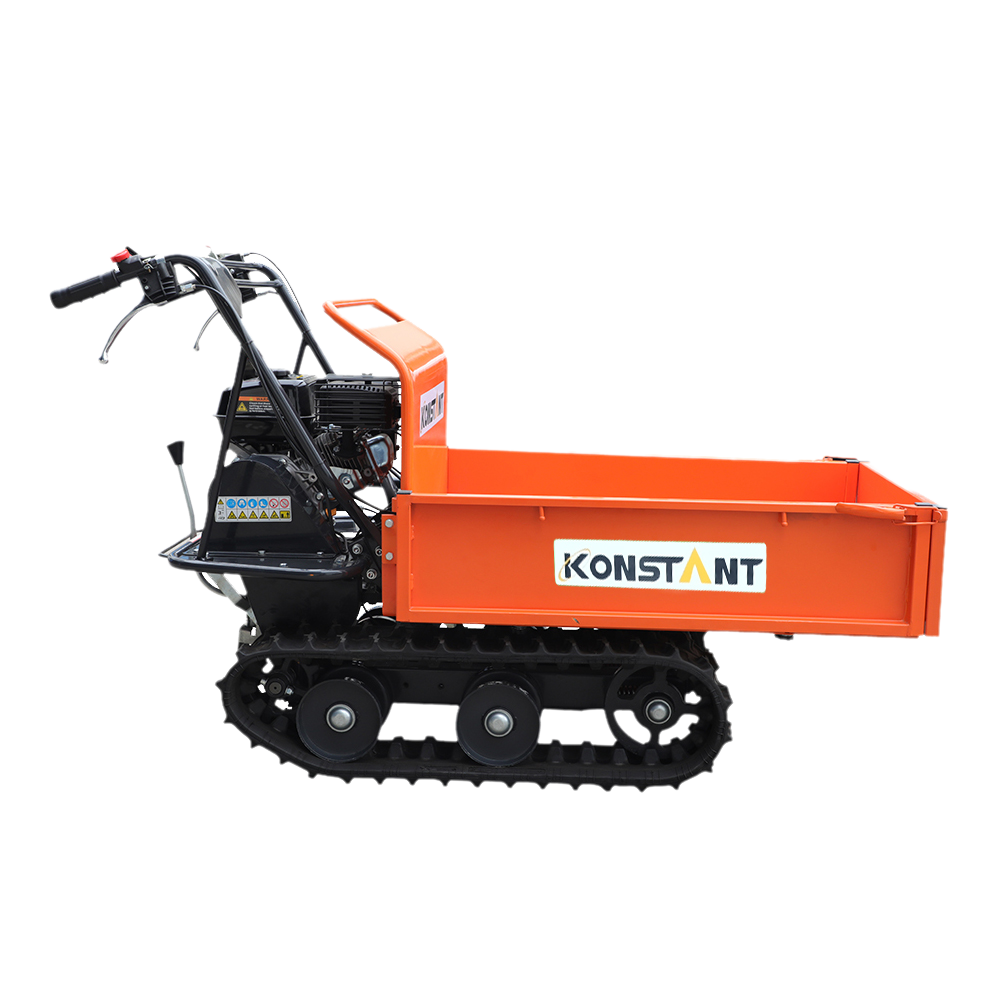
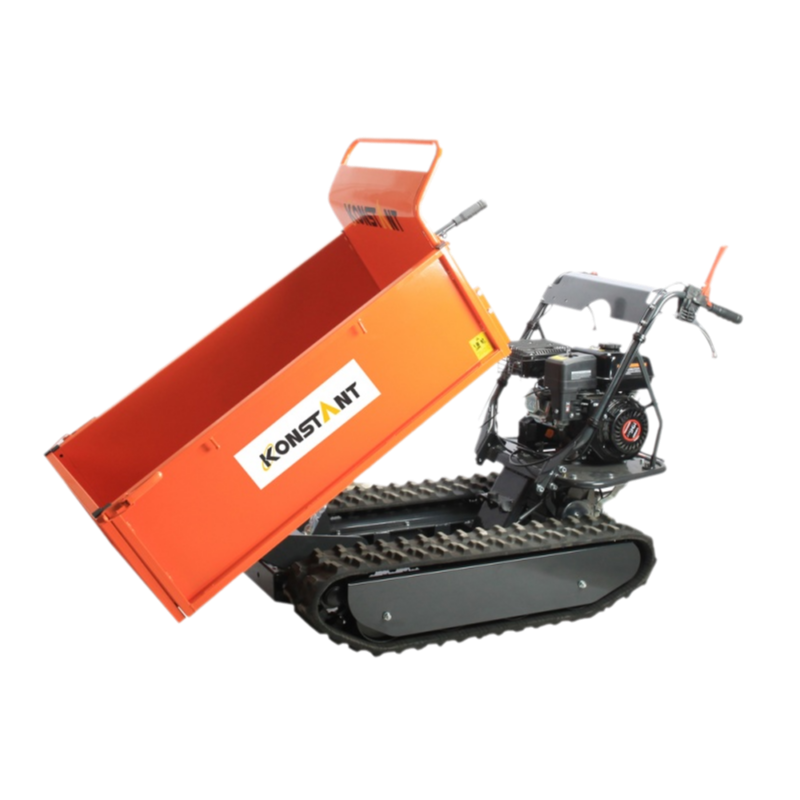
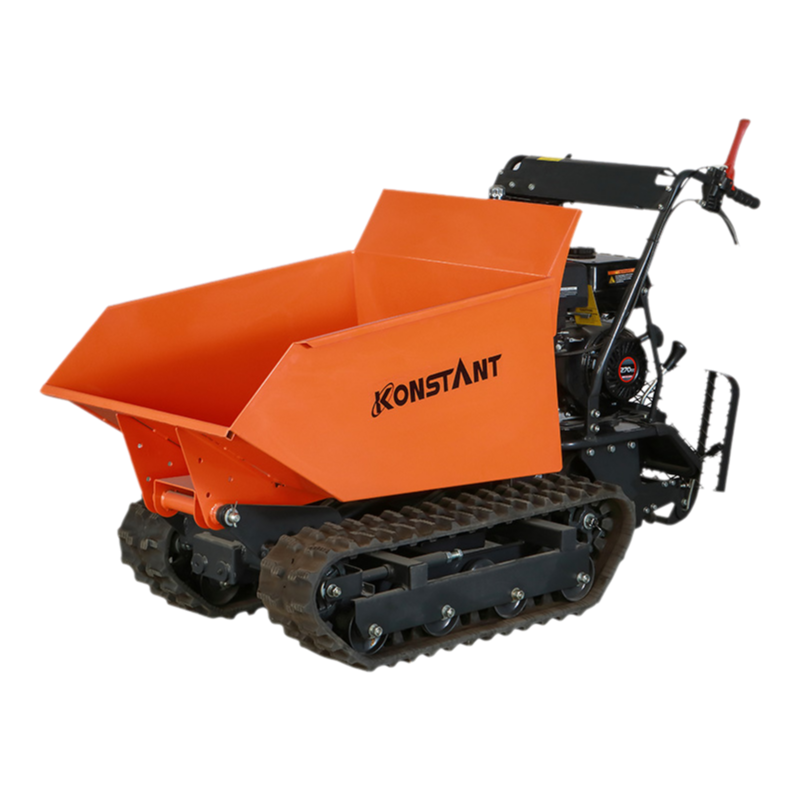
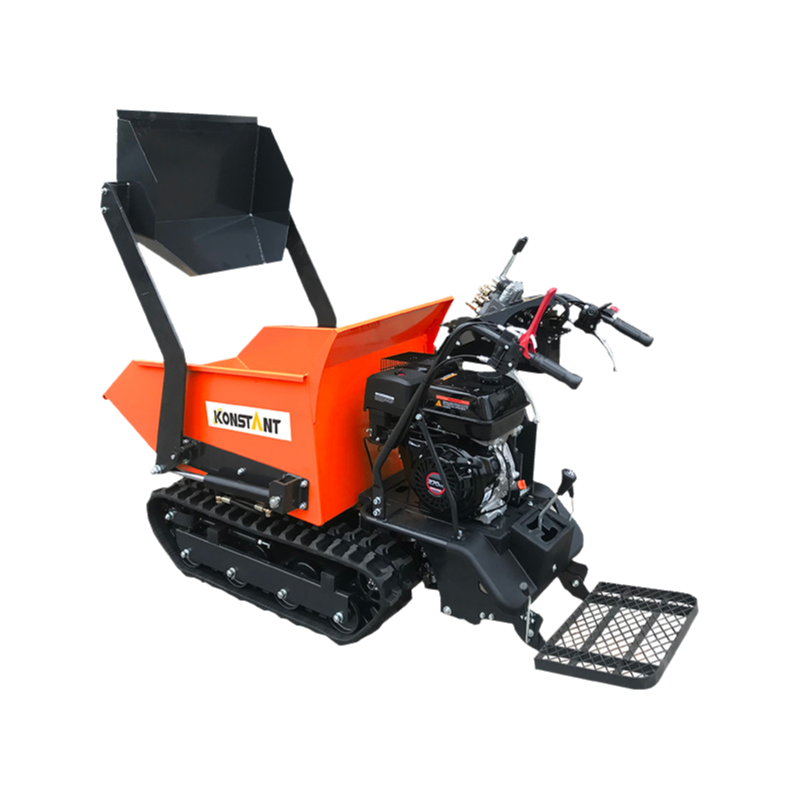
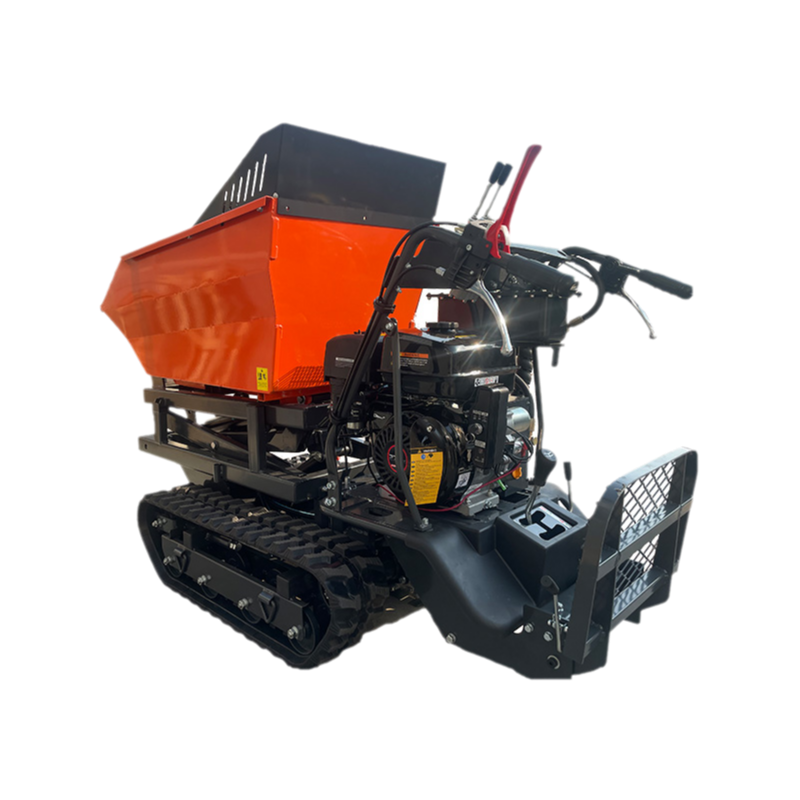
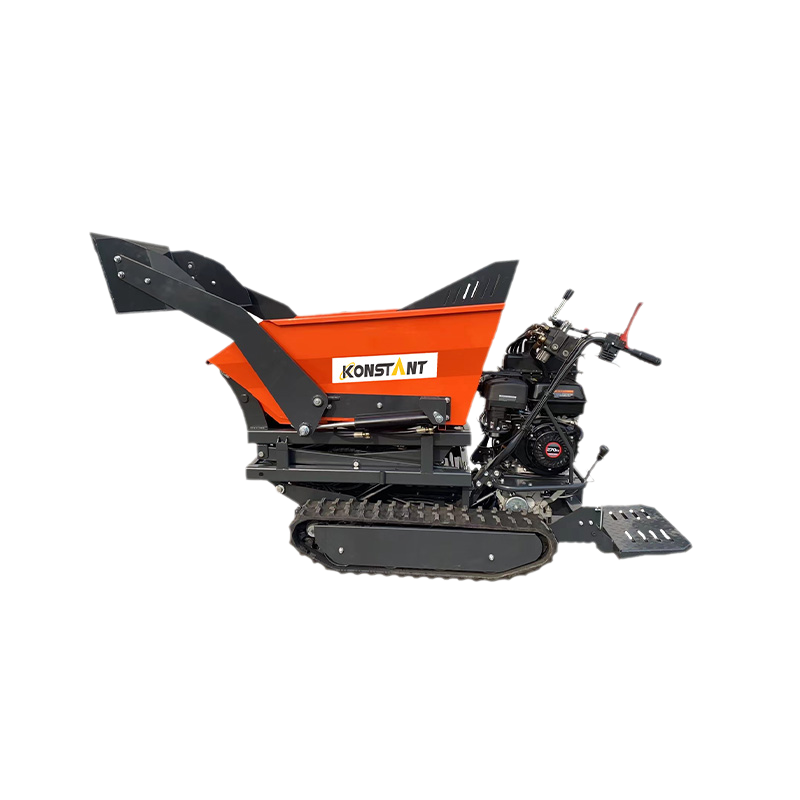
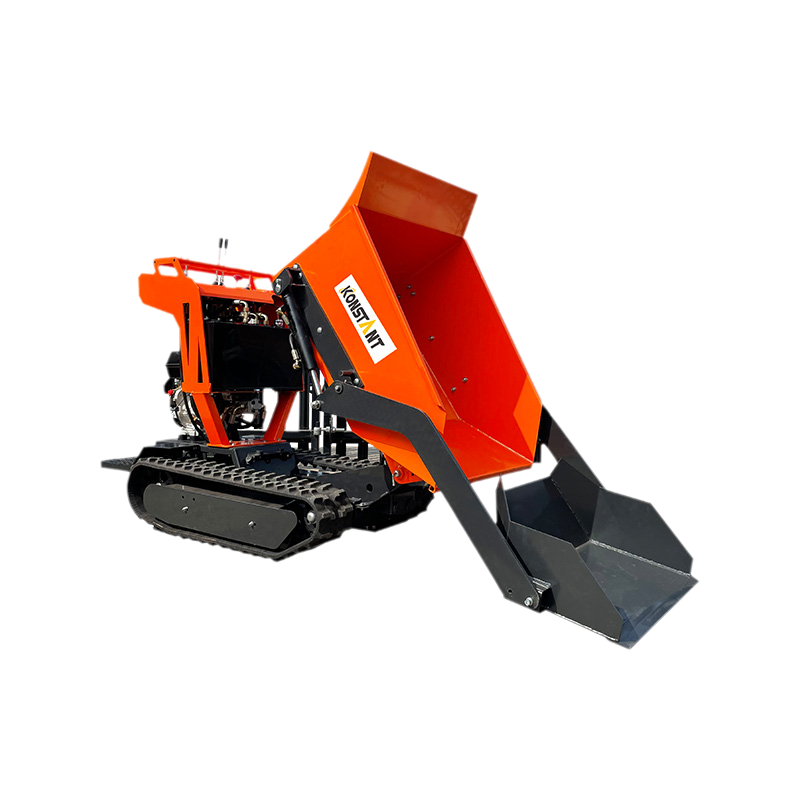
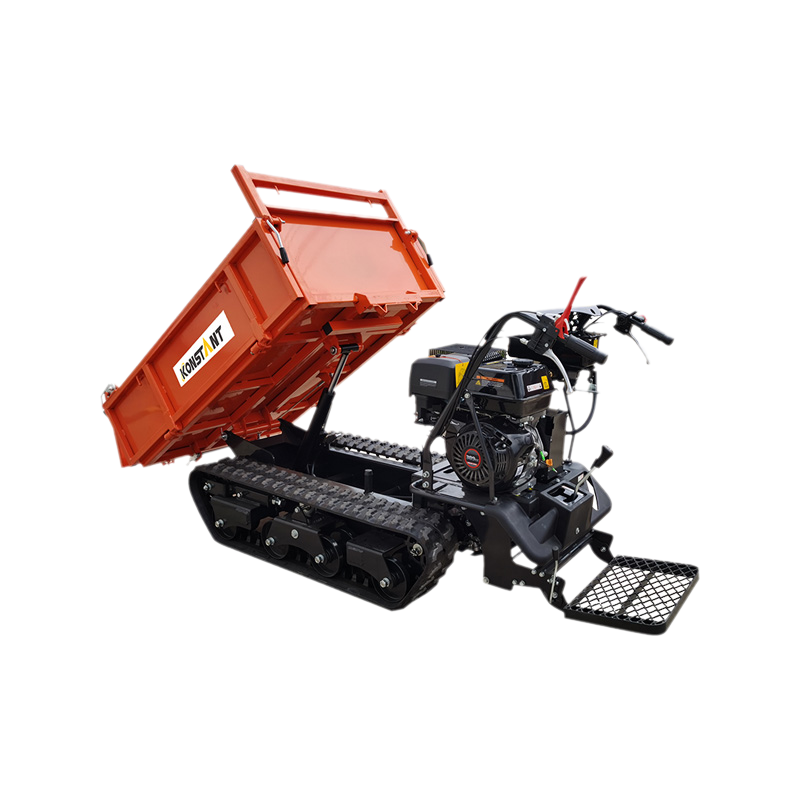
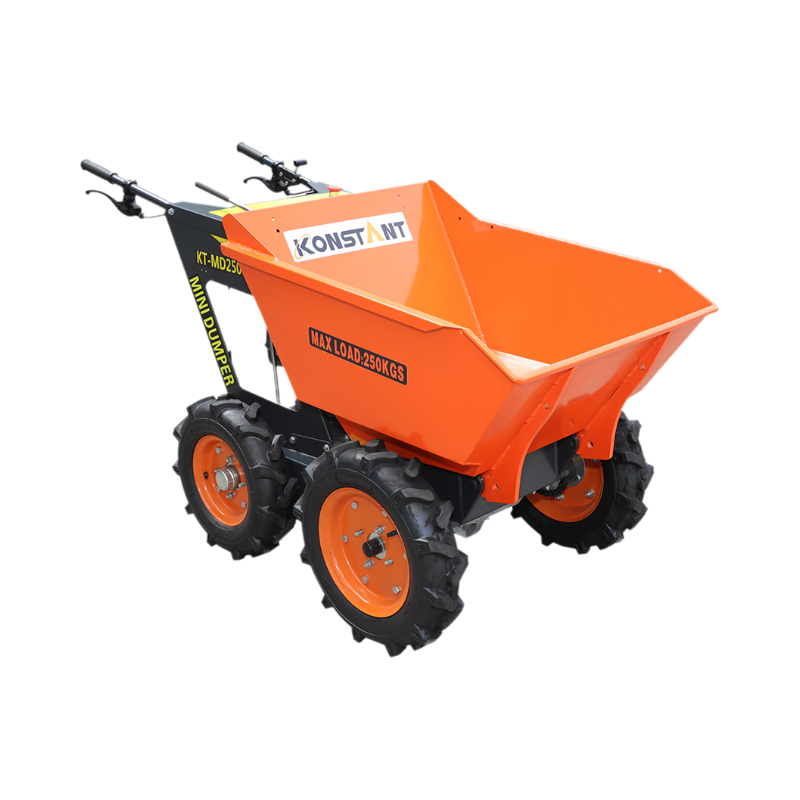
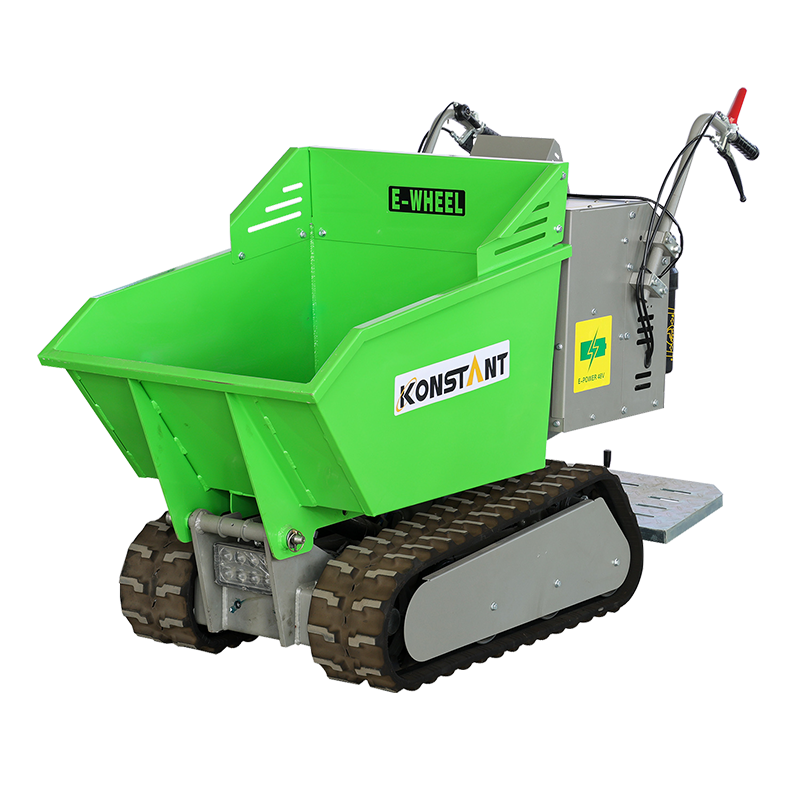
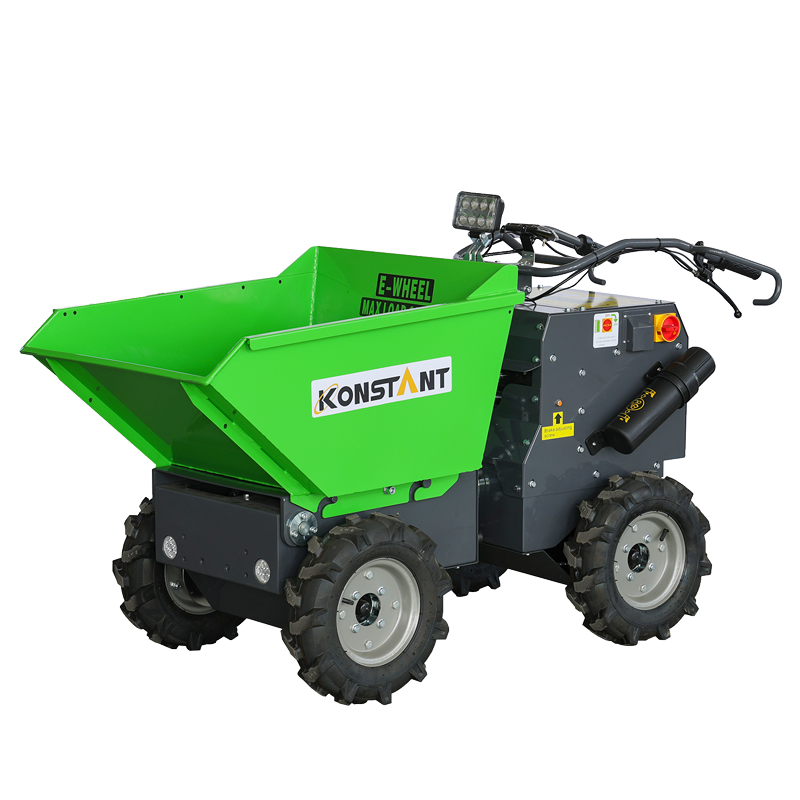
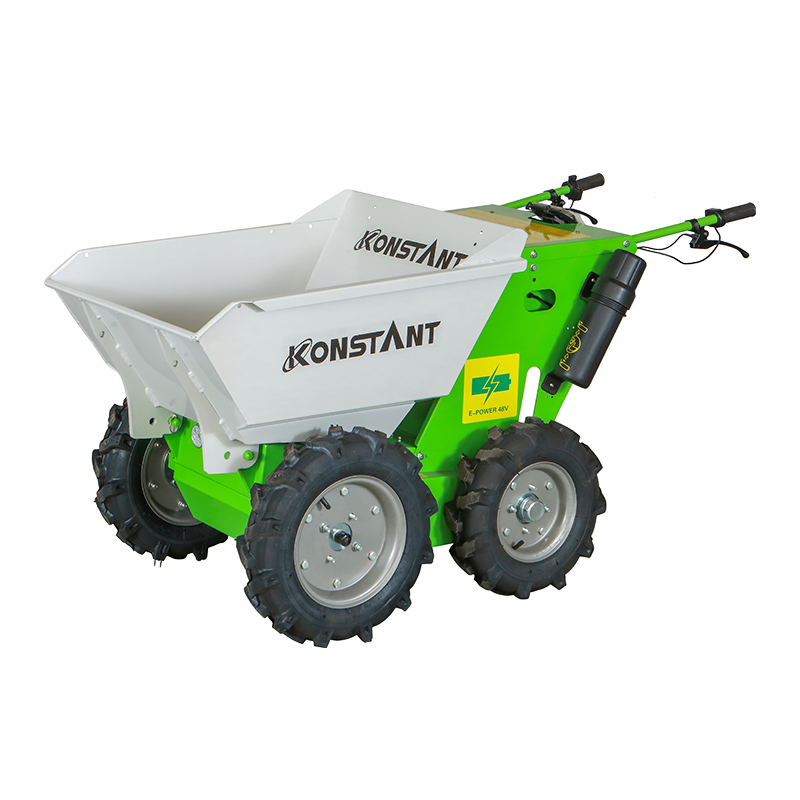
A mini petrol dumper is a small motor-driven transport machine. It is built to carry heavier loads across uneven ground without relying on human pushing strength.
In real use, it often appears in places where material needs to be moved repeatedly over short to medium distances. Soil, gravel, sand, or construction debris are common examples.
Instead of lifting and pushing, the operator mainly guides the machine. Movement is powered, so the physical effort is reduced compared to manual tools.
The design usually focuses on:
- motor-assisted movement
- stable load carrying structure
- controlled forward and reverse motion
- better handling on rough ground
It behaves more like a compact transport unit than a hand tool.
What is a Wheelbarrow Still Used For Today?
A wheelbarrow is one of the simplest material transport tools. It relies entirely on human force for movement and balance.
It is commonly used in small-scale tasks where loads are lighter and distances are short. Gardens, home renovation work, and small repair sites often rely on it.
The structure is basic:
- a single wheel or two support points
- a manual handle system
- an open load container
Everything depends on the operator's strength and balance control.
Even though it is simple, it remains widely used because it does not require fuel, setup, or mechanical maintenance.
How Do Movement and Control Differ Between the Two?
Movement is one of the noticeable differences.
A mini petrol power dumper moves under engine power. The operator controls direction and speed, but does not provide pushing force. On uneven ground, the machine carries most of the effort.
A wheelbarrow works in the opposite way. The operator provides all movement force, including lifting balance at times when the load shifts forward.
The difference becomes clearer on longer routes:
- dumper: steady movement with less physical strain
- wheelbarrow: increasing effort as distance or load grows
On flat surfaces, both feel manageable. On slopes or soft ground, the difference becomes more visible.
How Does Load Handling Compare in Real Use?
Load handling is where the gap becomes more obvious.
A mini petrol dumper is designed to carry heavier and more consistent loads. The structure helps distribute weight across the machine body, reducing strain on the operator.
A wheelbarrow depends heavily on how the load is placed and balanced. If weight shifts forward or sideways, the operator must adjust constantly to keep control.
A simple comparison helps show the difference:
| Feature | Mini Petrol Dumper | Wheelbarrow |
|---|---|---|
| Load support | Machine-supported | Human-supported |
| Balance control | Mechanized stability | Manual adjustment |
| Risk of shifting | Lower during movement | Higher during movement |
| Operator effort | Low to moderate | Moderate to high |
The key idea is not just capacity, but how stability is maintained during movement.
What Happens on Uneven or Sloped Ground?
Ground conditions change everything in practical use.
A mini petrol dumper handles uneven surfaces with motor support. Tracks or wheels help maintain traction, so movement stays more controlled even when the surface is not flat.
A wheelbarrow reacts directly to terrain changes. On slopes or soft soil, balance becomes more difficult. The operator often needs to adjust posture and speed constantly to avoid tipping.
On rough ground:
- dumper maintains more consistent movement
- wheelbarrow requires frequent manual correction
This difference becomes more noticeable in longer work cycles where fatigue starts to build.
How Do Operator Effort and Fatigue Differ?
Physical effort is a major dividing point between the two tools.
With a mini petrol dumper, the operator mainly controls direction and speed. The machine carries most of the load and movement force. Fatigue comes more from attention and control rather than physical pushing.
With a wheelbarrow, physical effort increases with every step. The operator is responsible for lifting balance, pushing force, and directional control at the same time.
Over time, this leads to:
- reduced physical strain for dumper use
- higher muscular effort for wheelbarrow use
In repeated cycles of material transport, this difference becomes more noticeable.
How Do Speed and Efficiency Compare?
Speed is not only about how fast the tool moves. It is also about how consistently it can maintain movement during work.
A mini petrol dumper keeps a more stable pace across different surfaces. It does not slow down as much when load increases or terrain changes slightly.
A wheelbarrow depends on operator strength and terrain conditions. Speed can drop when load increases or ground becomes uneven.
In practical workflow:
- dumper supports continuous movement
- wheelbarrow often includes short pauses for adjustment
This affects overall efficiency, especially in larger work areas.
What About Space and Flexibility?
Wheelbarrows are often preferred in very tight spaces. Their compact size and simple structure allow movement through narrow paths or indoor areas.
Mini petrol dumpers, while still compact compared to large machinery, need slightly more space to operate comfortably. Turning radius and movement path matter more during use.
In practice:
- wheelbarrow fits tighter corners and narrow passages
- dumper works better in open or semi-open areas
This is one reason both tools still exist side by side instead of replacing each other completely.
How Does Maintenance and Daily Use Differ?
Wheelbarrows require very little maintenance. Occasional cleaning and checking for wear are usually enough.
Mini petrol dumpers involve more regular attention. Fuel, moving parts, and mechanical components need basic upkeep to stay in stable condition.
However, maintenance effort is balanced by reduced physical strain during operation.
A simple overview:
- wheelbarrow: low maintenance, high manual effort
- dumper: moderate maintenance, lower manual effort
Choice often depends on whether effort is shifted to human labor or machine care.
Where Does Each Tool Fit Best in Real Work Environments?
Both tools are still widely used, but in different roles.
A mini petrol dumper is often found in:
- construction zones
- landscaping projects
- material transport over uneven ground
- repeated load movement tasks
A wheelbarrow is commonly used in:
- small home projects
- gardening tasks
- tight indoor or backyard areas
- short-distance transport work
The choice is usually shaped by work scale, terrain, and how often material needs to be moved.
Why Both Tools Still Remain in Use?
Even with more mechanical equipment available, both tools continue to appear in real working environments.
The reason is not competition, but suitability. Each one fits a different type of task.
A mini petrol dumper reduces physical strain and supports heavier movement. A wheelbarrow offers flexibility, simplicity, and easy access in narrow spaces.
In daily operations, they are often seen as complementary rather than direct replacements.
The working environment usually decides which one becomes more practical at a given moment.
Related products

Latest Updates
-
How Does a Mini Dumper Electric Support Modern Material Handling
Material handling is part of almost every construction, landscaping, agricultural, and maintenance...
-
Can a Hydraulic Mini Dumper Improve Material Movement on Uneven Ground
Material movement is part of almost every outdoor project. Construction crews move soil and debris...

-
Welcome To Visit Us
No.30, Third Furong Road, Wuxi City, Jiangsu. 214100, China.
-
Call Us
Phone: +86 181-1889-1139
Phone: +86 181-1889-2139
-
Contact Us Online
E-mail: sales@konstantpm.com
E-mail: marketing@konstantpm.com
Copyright WUXI KONSTANT POWER TECH CO., LTD All Rights Reserved
 China Mini Dumpers Manufacturers Power Wheelbarrow Factory