
 English
 русский
 Français
 Español
 Deutsch

Provide you with the latest enterprise and industry news
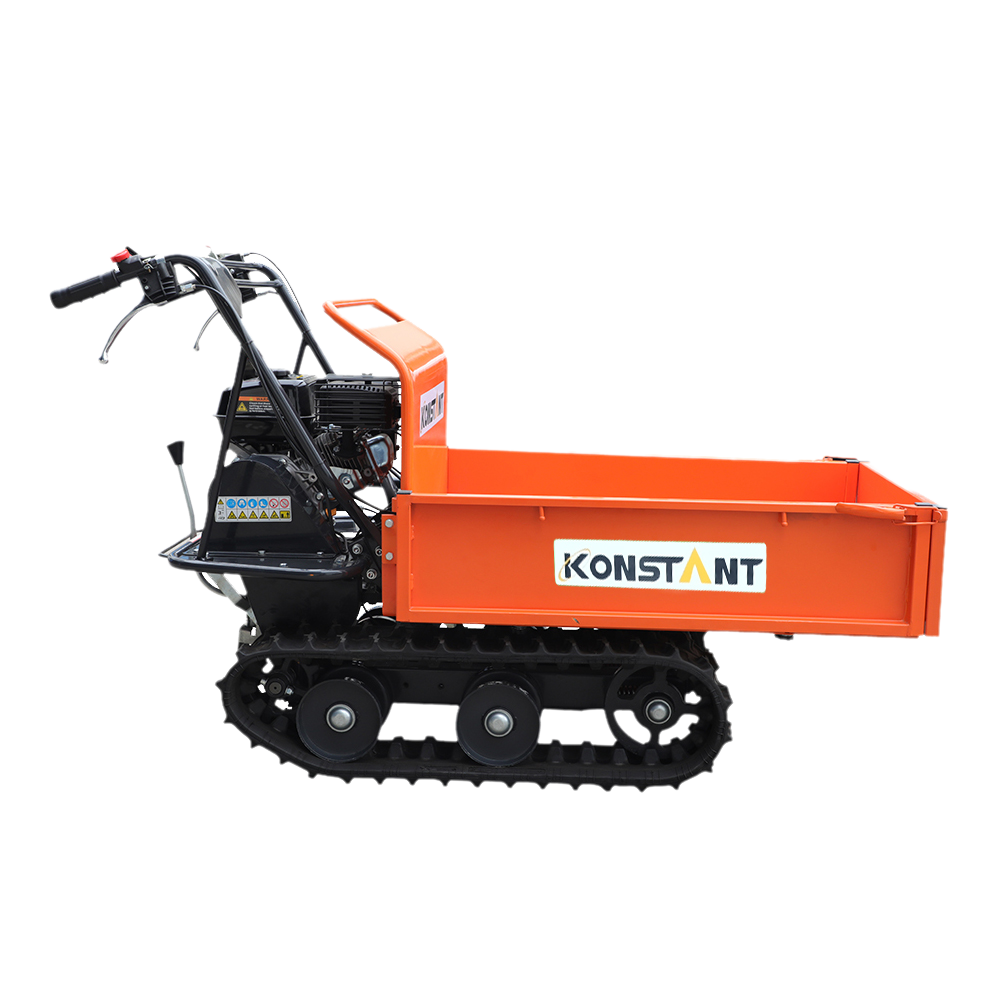
Petrol Track Barrow Enhances Mobility Across Uneven and Sloped Ground
Update:29-06-2026
Posted by Admin
Content
- 1 Why Does Uneven Ground Make Material Transport So Difficult?
- 2 How Does Track Contact Change Movement Behavior?
- 3 Can Slopes Be Managed More Predictably With Track Systems?
- 4 Where Do These Machines Make the Biggest Difference?
- 5 How Does Continuous Movement Affect Work Flow?
- 6 What Changes for the Operator During Use?
- 7 Does Load Behavior Change on Uneven Ground?
- 8 How Do Changing Site Conditions Influence Equipment Choice?
- 9 Can Reduced Physical Strain Affect Overall Work Output?
- 10 How Does Terrain Adaptability Affect Site Planning?
Outdoor working environments rarely offer clean, predictable surfaces. One area may feel firm underfoot, while just a few steps away the ground turns loose, wet, or uneven. Slopes appear without warning in many job sites, especially in landscaping, construction, and rural maintenance work. In these conditions, moving materials is not a simple task. It becomes a constant adjustment between balance, force, and control.
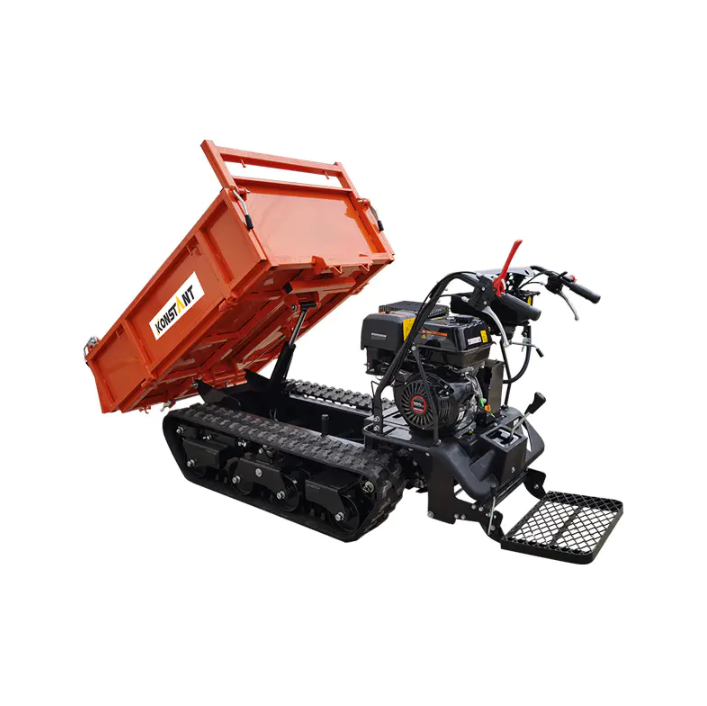
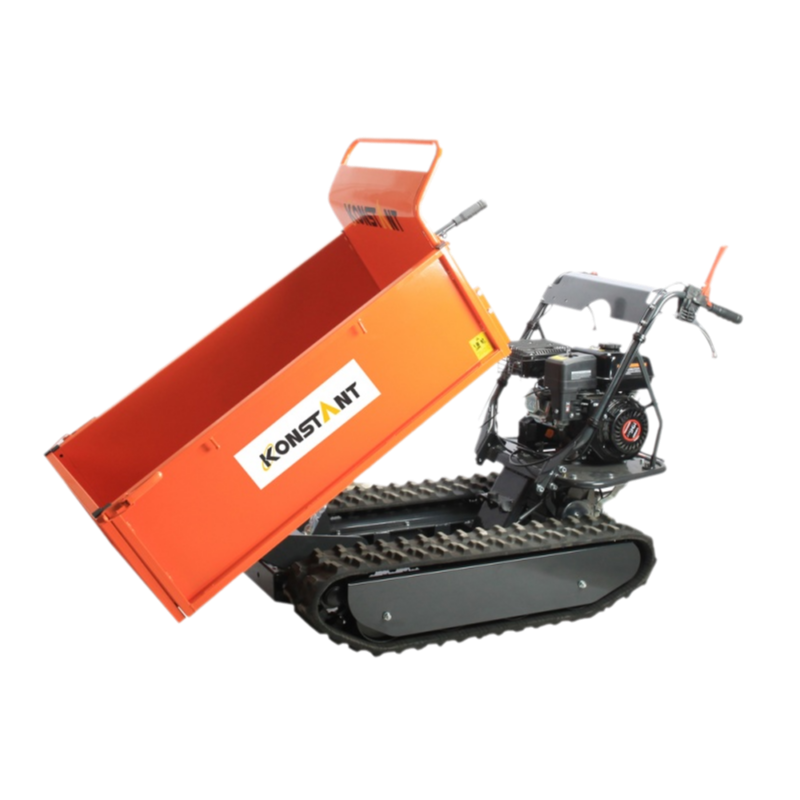
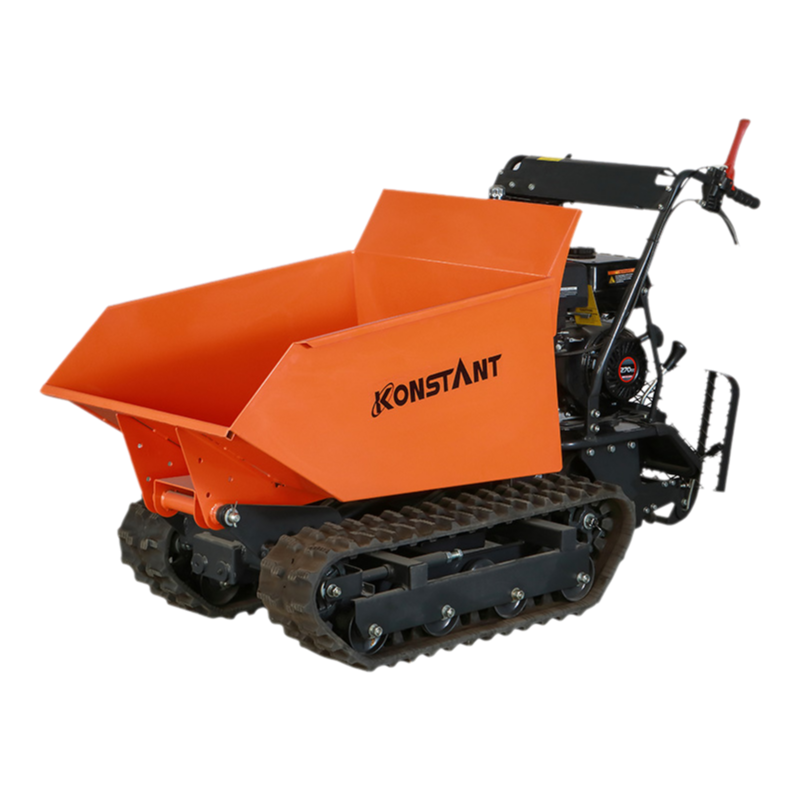
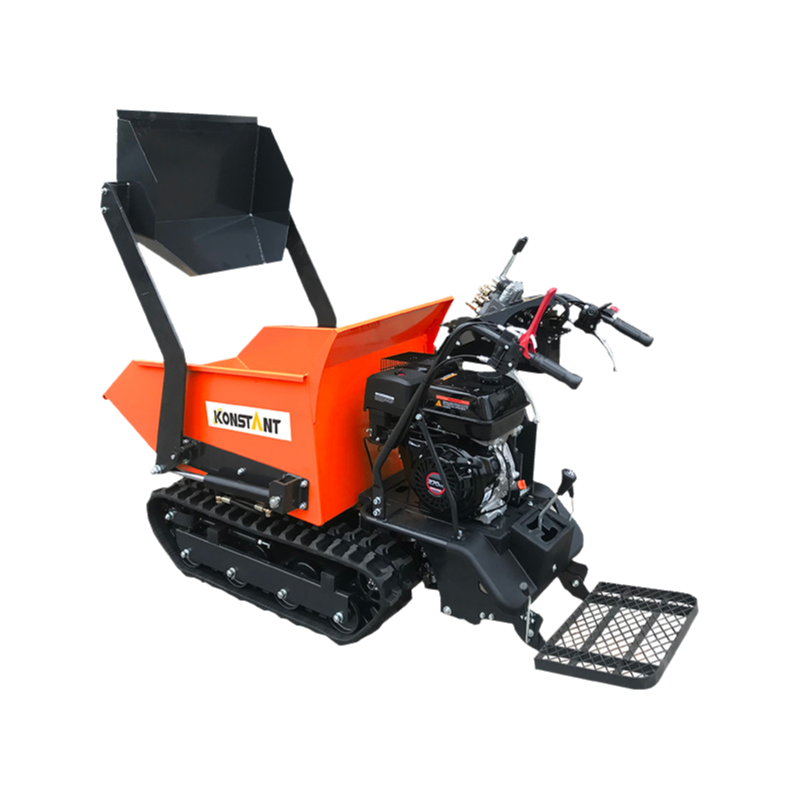
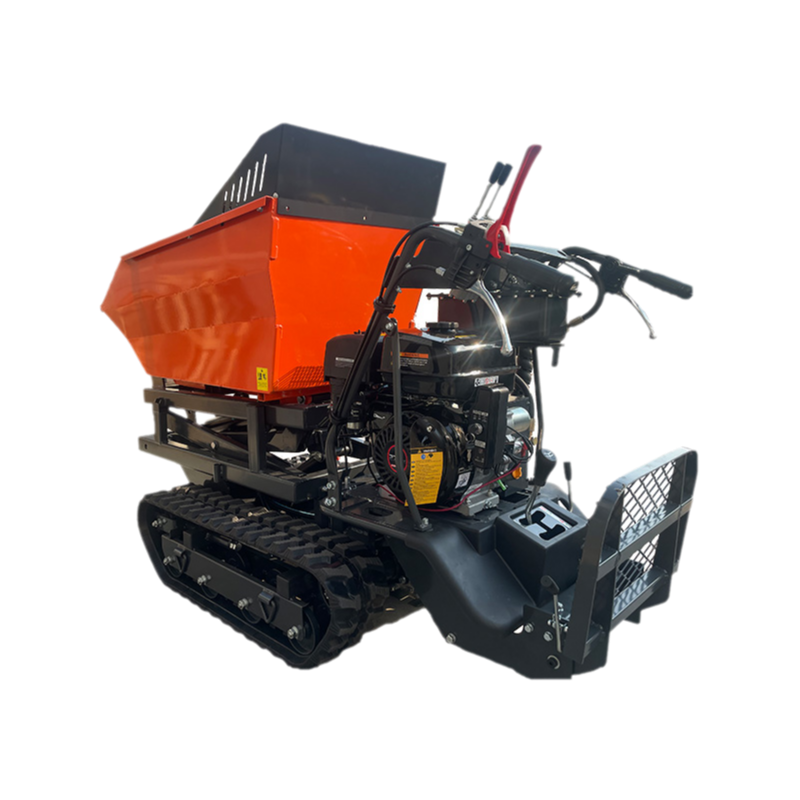
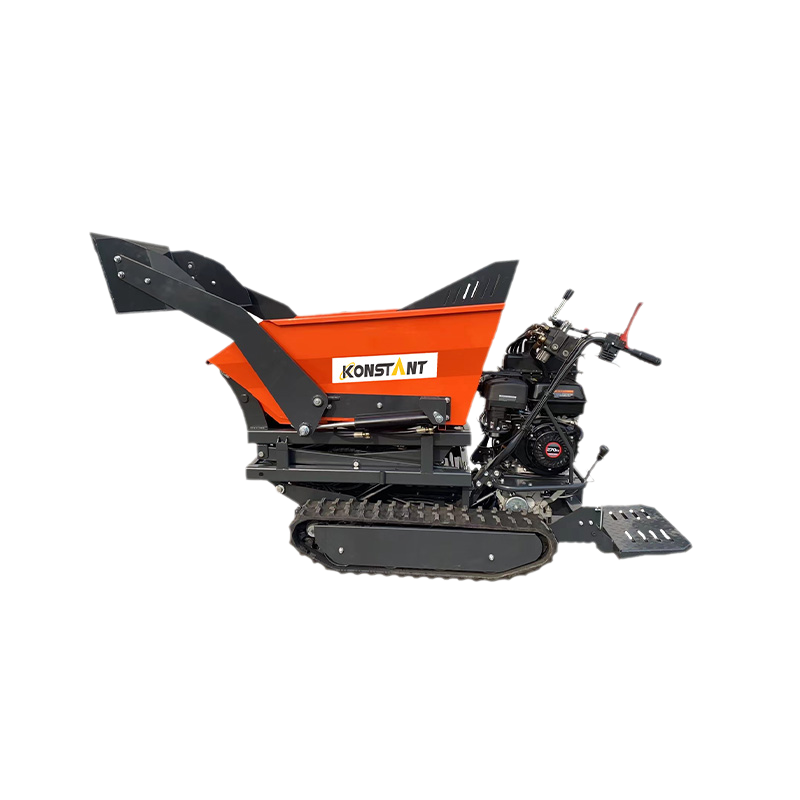
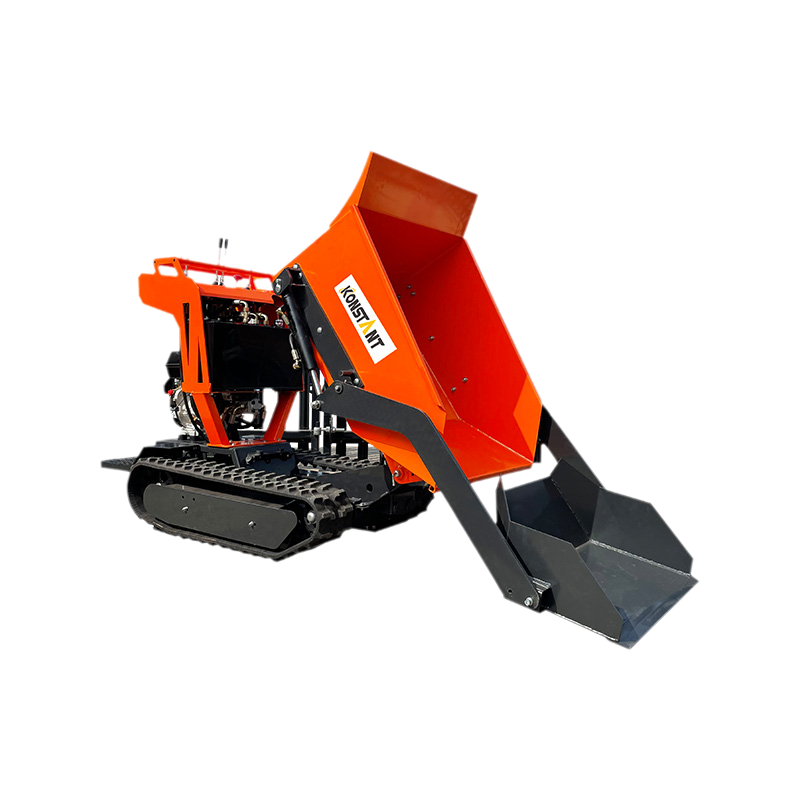
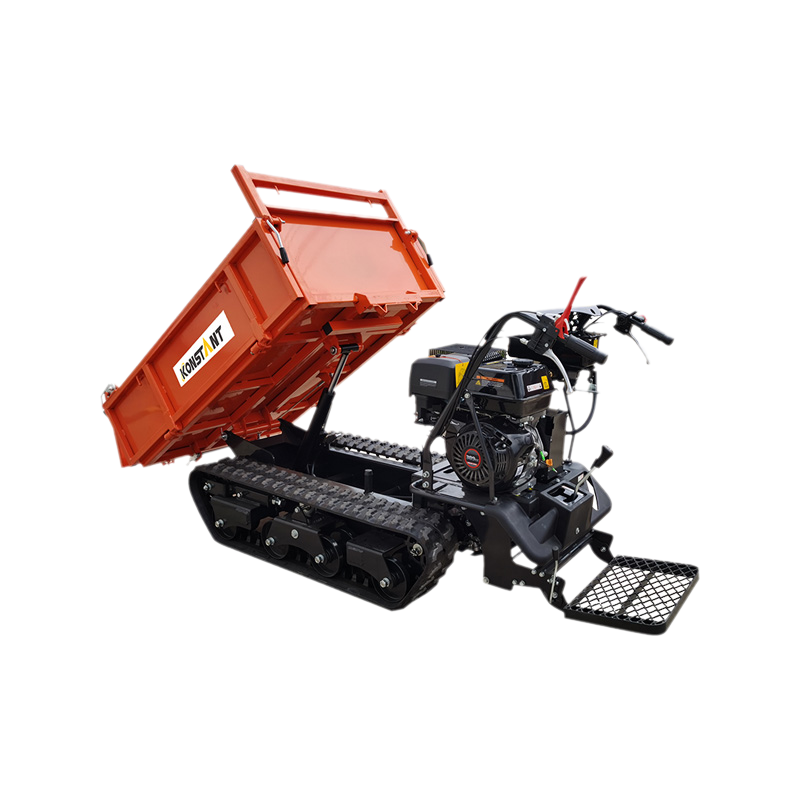
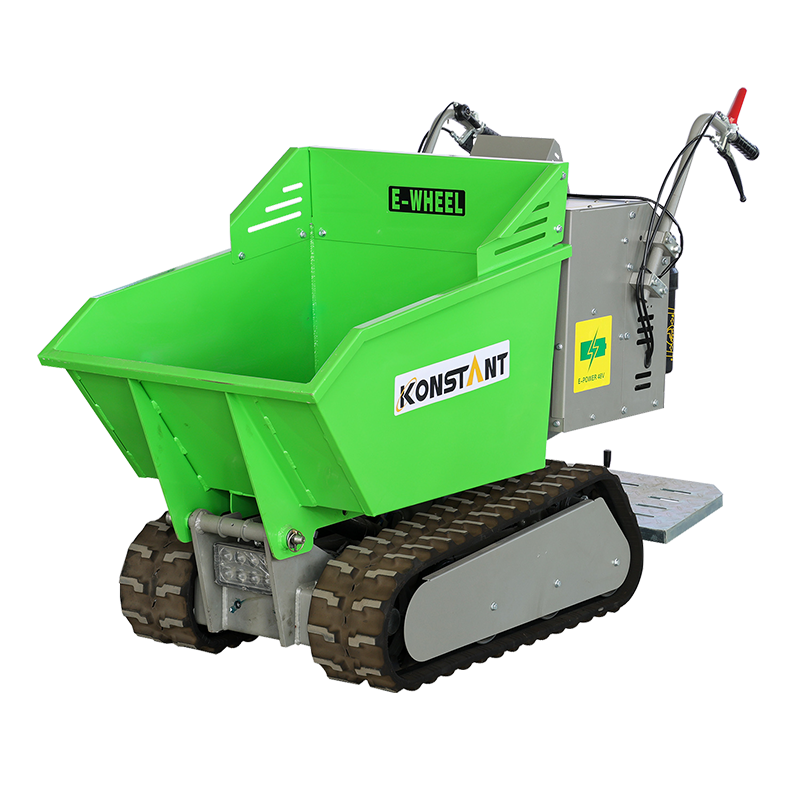
Petrol track barrow are being used more often in these environments because they change how movement behaves on difficult terrain. Instead of fighting against the surface, the machine spreads weight and maintains traction through continuous contact. This creates a different rhythm of transport, one that feels steadier even when the ground is not.
Why Does Uneven Ground Make Material Transport So Difficult?
Uneven ground interrupts movement at every step. A load may shift slightly when a wheel drops into a shallow dip. It may resist when the surface becomes soft. Even small changes in elevation affect how force travels through the machine or the person pushing it.
Sloped areas introduce another layer of difficulty. Going uphill increases resistance. Going downhill reduces control. The same load behaves differently depending on direction, which forces constant adjustment.
These conditions slow down work in a way that is not always visible at first. It is not only about speed. It is about interruption. Each small pause to correct balance or regain grip adds up over time.
Petrol track barrows are designed to reduce this kind of interruption by changing how contact with the ground is maintained.
How Does Track Contact Change Movement Behavior?
The key difference lies in how weight is distributed. Instead of relying on a few small contact points, track systems extend contact along a longer surface area. This changes how pressure interacts with the ground.
On loose soil, the machine is less likely to sink in one spot. On gravel, movement feels less scattered. On uneven ground, small height differences are absorbed along the length of the track rather than felt as sudden jolts.
Movement becomes more continuous. The operator does not need to react as frequently to sudden shifts in balance. The machine maintains a steady path even when the surface underneath changes shape.
This does not remove terrain challenges, but it reduces how sharply those challenges are felt during operation.
Can Slopes Be Managed More Predictably With Track Systems?
Slopes are often where transport difficulties become obvious. Gravity changes the behavior of every load. Uphill movement demands sustained effort. Downhill movement requires careful restraint.
A petrol track barrow responds to slopes by increasing surface contact. This helps maintain grip, which reduces slipping during upward movement. Downward movement becomes more controlled because the track resists sudden acceleration.
The result is not a flat experience on a slope, but a more predictable one. The operator can maintain direction without constantly correcting drift or adjusting footing.
This predictability matters more than raw power. It allows movement to continue without frequent stops.
Where Do These Machines Make the Biggest Difference?
Work sites are rarely uniform. A single location may include compact pathways, soft soil sections, narrow slopes, and open uneven areas all within a short distance.
Petrol track barrows are often used in environments where this mix of terrain appears frequently. The machine does not need a perfectly prepared surface. It adapts to changes as it moves.
Movement Challenges and Response Patterns
| Terrain Condition | Movement Challenge | Track Response Behavior |
|---|---|---|
| Loose soil | Partial sinking | Wider surface load distribution |
| Gravel surface | Rolling instability | Steady continuous contact |
| Sloped path | Loss of directional control | Improved grip and stability |
| Mixed terrain | Frequent adjustment needs | Smooth transition across zones |
This flexibility reduces the need to prepare or modify every section of ground before transport begins.
How Does Continuous Movement Affect Work Flow?
Transport is often a hidden part of workflow. It does not always receive attention until delays appear. When movement slows down, other tasks begin to wait.
Uneven terrain tends to break workflow into small segments. Materials move a short distance, then pause for adjustment. The cycle repeats, creating uneven pacing across the site.
With petrol track barrows, movement becomes more continuous. The machine maintains forward motion across changing surfaces. This reduces the number of interruptions between loading and unloading points.
Over time, this changes how tasks are organized. Work becomes less dependent on ideal paths and more dependent on natural site layout.
What Changes for the Operator During Use?
Operating on rough terrain requires attention. Without support, the operator must constantly manage balance, direction, and resistance at the same time.
Track-based movement reduces some of this pressure. The machine absorbs more of the surface variation. The operator focuses more on guiding direction and less on correcting instability.
This shift does not remove responsibility. It redistributes it. Physical strain decreases, while control becomes more central.
As a result, movement feels less reactive. There is more time to plan direction rather than respond to sudden changes in footing.
Does Load Behavior Change on Uneven Ground?
Load movement is closely tied to ground stability. When the surface shifts unexpectedly, the load can sway or tilt. This affects both safety and control.
A track-based system reduces sudden changes in motion. The longer ground contact helps smooth out small impacts from uneven surfaces.
This leads to more stable load behavior during movement. The load remains more aligned with the direction of travel, even when the terrain underneath is inconsistent.
Stability in this sense is not about eliminating motion. It is about reducing irregular movement patterns that interrupt control.
How Do Changing Site Conditions Influence Equipment Choice?
Outdoor environments do not stay constant. Weather, moisture, and repeated use of paths gradually change ground conditions.
A path that feels firm in the morning may soften later in the day. A dry slope may become slippery after rainfall. These changes affect how transport behaves without warning.
Equipment that relies heavily on consistent surfaces struggles in these situations. By contrast, petrol track barrows continue to function across shifting conditions because they maintain broader contact with the ground.
This allows them to remain useful even when conditions are not stable or predictable.
Can Reduced Physical Strain Affect Overall Work Output?
Physical effort is often spread across many small actions during a workday. Pushing, correcting direction, and stabilizing loads all add up.
When these efforts are reduced, energy can be used differently. Workers are able to maintain focus on coordination and timing instead of continuous force.
This change does not automatically increase speed. It improves consistency. Work becomes less affected by fatigue, especially in long or repetitive transport tasks.
Over time, this can influence how tasks are distributed across a team.
How Does Terrain Adaptability Affect Site Planning?
Site planning often depends on how easily materials can move across space. If certain areas are difficult to cross, routes become fixed and limited.
When transport becomes more adaptable, those limitations loosen. Paths do not need to follow only the easiest ground. Movement can include slopes and uneven sections without creating major delays.
This allows more natural use of available space. Work zones can expand, and transport paths can adjust to the actual layout of the site rather than ideal conditions.
FAQs
What is a petrol track barrow used for?
It is used to move materials across uneven, rough, and sloped ground in outdoor environments.
Why are tracks better than wheels on rough terrain?
Tracks spread weight over a larger surface, reducing sinking and improving stability.
Can it handle slopes safely?
Yes, the continuous ground contact helps maintain grip and directional control on inclines.
Does it reduce manual effort?
It reduces the need for constant pushing and balancing on unstable surfaces.
Is it suitable for changing ground conditions?
Yes, it adapts to different surface types without requiring major adjustments.
How does it affect workflow on site?
It reduces interruptions caused by difficult terrain, allowing more continuous movement.
Does the operator still need control?
Yes, direction and speed are managed by the operator, while the machine stabilizes movement on the ground.
Related products

Latest Updates
-
Why Does Terrain Matter When Choosing a Battery Operated Wheel Barrow
A Battery Operated Wheel Barrow can make material transport easier in many working environments. I...
-
Where Can Petrol Wheelbarrows Be Used for Material Transport
Material transport is a daily part of many outdoor jobs. Soil needs to reach a planting area. Ston...

-
Welcome To Visit Us
No.30, Third Furong Road, Wuxi City, Jiangsu. 214100, China.
-
Call Us
Phone: +86 181-1889-1139
Phone: +86 181-1889-2139
-
Contact Us Online
E-mail: sales@konstantpm.com
E-mail: marketing@konstantpm.com
Copyright WUXI KONSTANT POWER TECH CO., LTD All Rights Reserved
 China Mini Dumpers Manufacturers Power Wheelbarrow Factory