
 English
 русский
 Français
 Español
 Deutsch

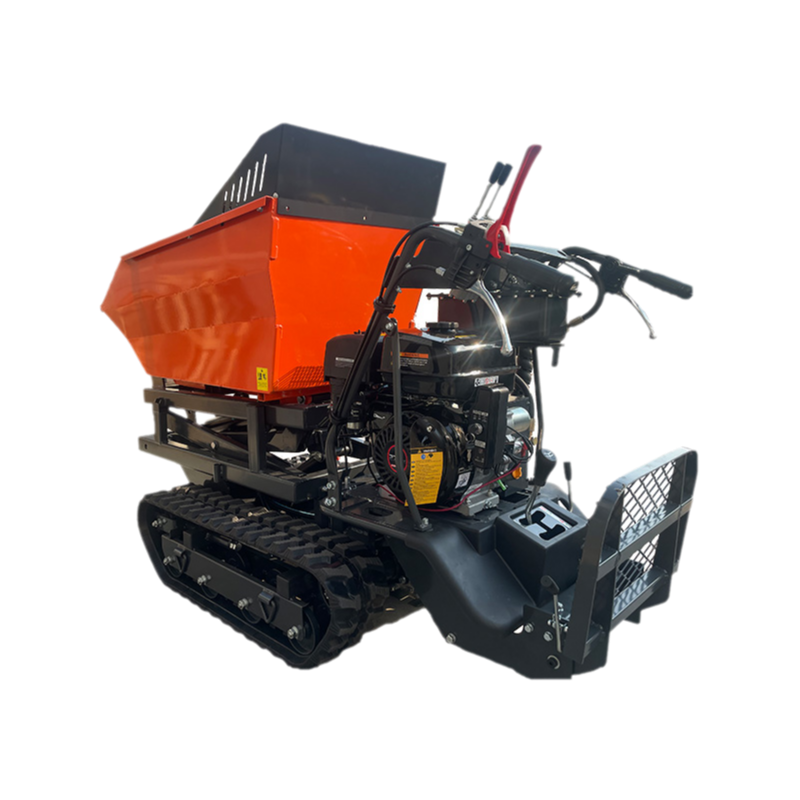
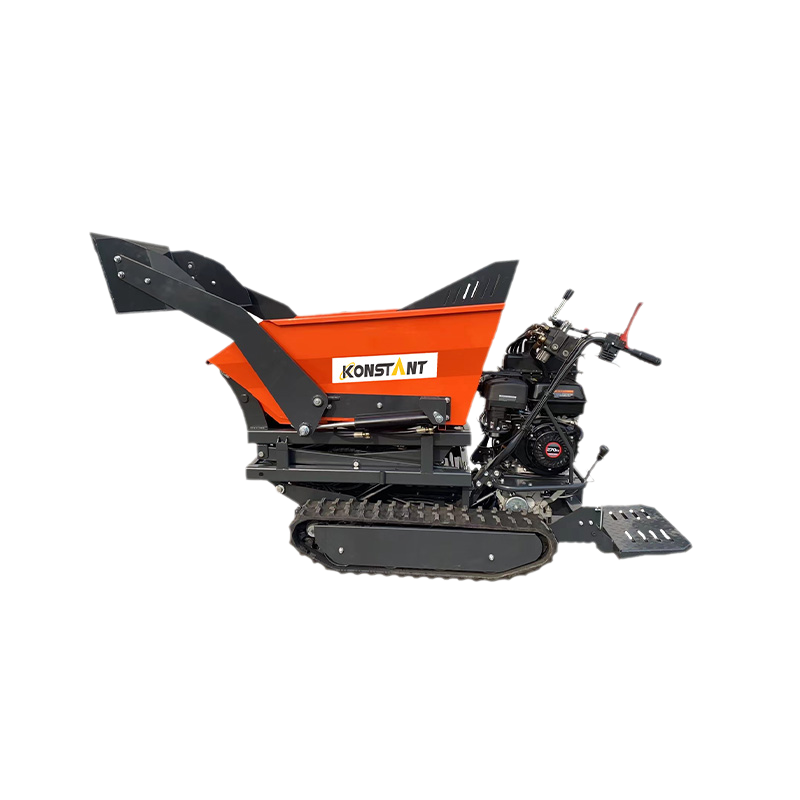
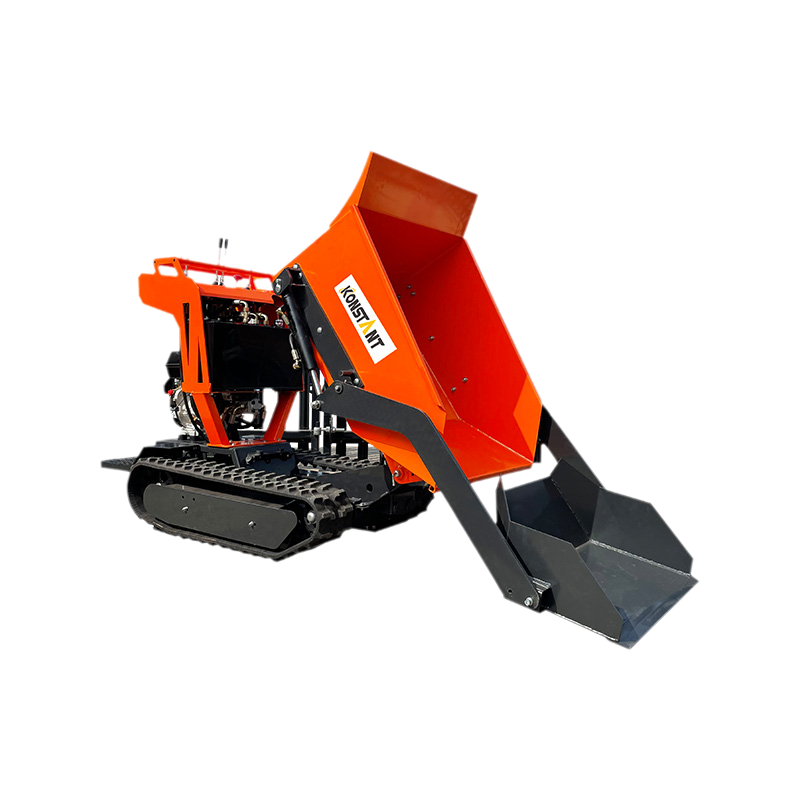
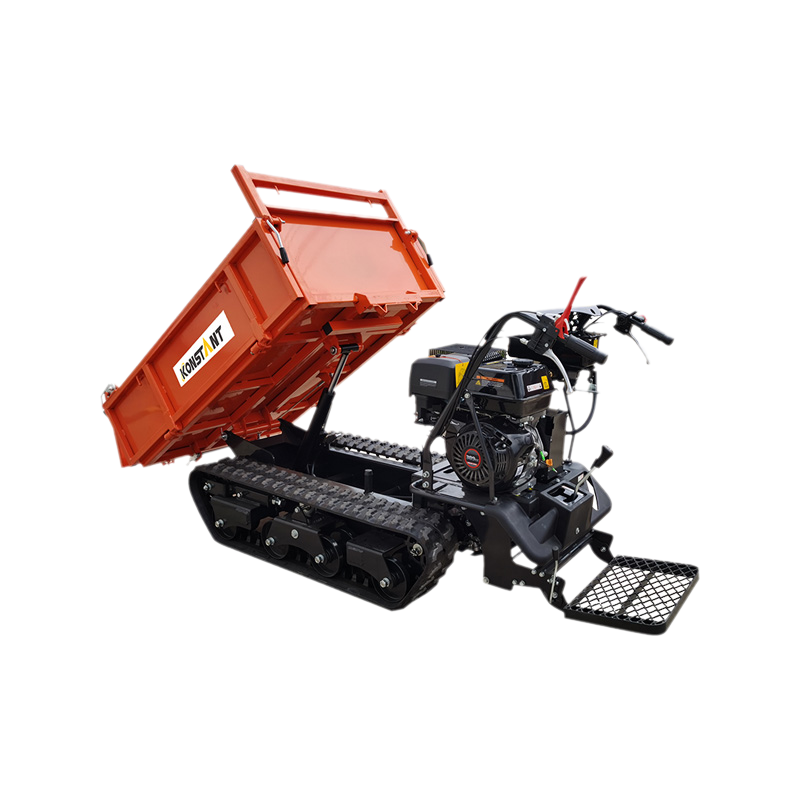
Provide you with the latest enterprise and industry news
Home / News / Industry news / Electric Mini Dumper for Sale Offers Simple Operation for Daily Site Tasks
Electric Mini Dumper for Sale Offers Simple Operation for Daily Site Tasks
Update:03-07-2026
Posted by Admin
Content
- 1 Why Are Daily Site Transport Tasks Becoming More Demanding?
- 2 How Does Simple Operation Change Worksite Experience?
- 3 What Makes Electric Mini Dumpers Suitable for Routine Tasks?
- 4 How Does Electric Operation Influence Site Workflow?
- 5 Can Simple Machines Still Handle Uneven Ground?
- 6 Why Is Ease of Use Important for Small and Large Projects?
- 7 How Does Load Movement Become More Predictable?
- 8 Can Electric Mini Dumpers Reduce Fatigue Across the Day?
- 9 How Does Simple Operation Improve Task Coordination?
- 10 Does Equipment Simplicity Affect Long-Term Use?
- 11 How Do Changing Worksite Expectations Shape Equipment Demand?
Worksites are often busy, uneven, and time sensitive. Materials need to move constantly from one point to another. Soil, sand, rubble, and general supplies do not transport themselves, yet the flow of these materials often decides how smooth a project feels.
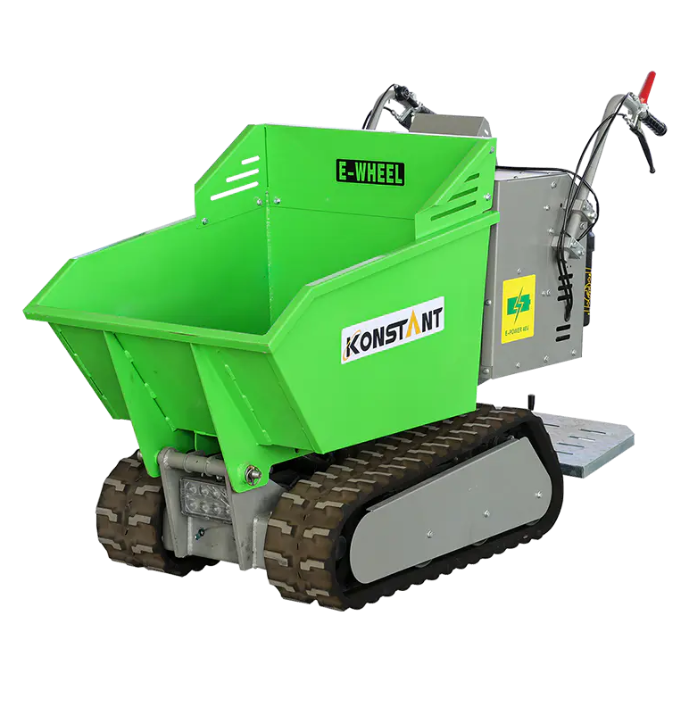
Electric mini dumpers are becoming a familiar presence in this environment. The interest around "electric mini dumper for sale" is not only about equipment availability. It reflects a shift in how daily site tasks are handled. Simpler operation, clearer control, and reduced physical strain are becoming more valued than complicated machinery setups.
The idea is straightforward. Make daily transport less demanding, so attention can stay on the work itself.
Why Are Daily Site Transport Tasks Becoming More Demanding?
At first glance, moving materials seems simple. In practice, it is repeated many times a day across different surfaces and distances. The same task becomes tiring because of repetition, not complexity.
Sites rarely offer better conditions. One area may be flat, another uneven, and another slightly sloped. Each section changes how movement feels. A loaded wheel behaves differently depending on ground texture and incline.
Manual transport increases strain over time. Even short distances add up when repeated throughout the day. Fatigue affects not only speed but also consistency.
Electric mini dumpers are being introduced into this routine to reduce the physical burden while keeping the workflow steady.
How Does Simple Operation Change Worksite Experience?
Simplicity in operation is not about removing control. It is about reducing unnecessary steps. When a machine is easy to start, guide, and stop, less attention is spent on handling the tool itself.
An electric mini dumper focuses on direct movement. The operator guides direction and controls load movement without managing complex adjustments. This creates a smoother interaction between person and machine.
Instead of thinking about force, the operator focuses on positioning. Instead of repeated pushing or lifting, movement becomes guided transport.
This shift changes how tasks feel during the day. The workload remains, but the physical pressure is reduced.
What Makes Electric Mini Dumpers Suitable for Routine Tasks?
Daily site work often involves repeated short trips rather than long continuous transport. Materials are moved from storage areas to working zones and back again.
Electric mini dumpers match this pattern. They are designed for frequent use rather than occasional heavy relocation. Their structure supports steady movement across familiar site paths.
Routine tasks benefit from predictability. When a machine behaves consistently, operators do not need to adjust their approach each time. This reduces hesitation and keeps work flowing.
Electric systems also support smoother start-and-stop movement. This matters in environments where paths are narrow or shared with other activities.
How Does Electric Operation Influence Site Workflow?
Electric equipment alters the whole pace of onsite work. Since heavy manual pushing is no longer needed, workers only focus on steering and coordinating materials.
Operators don't need frequent stops to rest. Job transitions run far more smoothly, and materials get moved without lengthy delays.
Electric machines run quieter than gas-powered alternatives. Less background noise makes it simple for crew members to talk and coordinate with each other.
All work steps connect together more seamlessly. This effect stands out most on small and medium jobsites with short travel routes for material transport.
Can Simple Machines Still Handle Uneven Ground?
Construction sites almost never have flat, even ground. Loose gravel, packed dirt and bumpy terrain are commonplace. Transport gear needs to navigate these surfaces without constant tweaking.
Electric mini dumpers are built to stay balanced over uneven ground. Their frame spreads cargo weight evenly to keep steady movement no matter the surface condition.
On rough ground, steady handling matters more than fast travel. Slow, controlled movement stops loads from sliding around, keeps the machine on track and cuts down on work stoppages.
Sloped ground calls for gradual, consistent travel instead of quick bursts of speed. Electric drive systems deliver smooth acceleration and deceleration, letting operators hold full control going up or down inclines.
Manual Transport vs Electric Mini Dumper Use
| Aspect | Manual Transport | Electric Mini Dumper Use |
|---|---|---|
| Physical effort | High and repetitive | Reduced and supported |
| Movement consistency | Varies with fatigue | More stable over time |
| Terrain handling | Limited by strength | More adaptable to changes |
| Task repetition | Slows with fatigue | Maintains steady rhythm |
| Operator focus | Balance and force control | Direction and coordination |
This comparison highlights how workload shifts from physical strain to operational guidance.
Why Is Ease of Use Important for Small and Large Projects?
Not every site has a large team or dedicated equipment operators. In many cases, different workers rotate between tasks. Equipment needs to be understandable without long instruction.
Electric mini dumpers support this requirement through straightforward control. The learning process is short, which allows more workers to use the machine confidently.
For smaller projects, this reduces dependence on multiple transport tools. One unit can support various daily needs. For larger sites, it helps distribute transport tasks without complex coordination.
Ease of use also reduces hesitation. When equipment feels familiar quickly, it is used more often and more effectively.
How Does Load Movement Become More Predictable?
Predictability in movement is important on busy sites. Sudden shifts or uneven motion can interrupt both safety and workflow.
Electric mini dumpers provide steady forward motion. Load behavior remains more controlled during transport. This reduces unexpected tilting or sudden shifting, especially when ground conditions change.
Predictable movement helps workers position materials more accurately. Instead of correcting placement after transport, less adjustment is needed at the destination.
Over time, this improves task alignment between different stages of work.
Can Electric Mini Dumpers Reduce Fatigue Across the Day?
Workplace tiredness rarely sets in suddenly. It builds up slowly over time from constant repetitive physical work. Daily tasks like lifting heavy materials, pushing loaded equipment and keeping loads balanced all wear workers out gradually throughout the workday.
Electric mini dumpers greatly cut down the physical effort required for material transport work. Instead of relying on their own strength to push and move heavy loads, workers only need to steer and control the machine easily.
This makes a huge difference to workers'stamina. They can keep up a stable, consistent working pace for much longer. Breaks are no longer needed to recover from physical tiredness, and are only used for reasonable work arrangement and schedule adjustment.
How Does Simple Operation Improve Task Coordination?
Worksites rely on coordination between different tasks. Materials must arrive at the right place at the right time. Delays in transport affect other stages of work.
Simple operation helps reduce delays caused by equipment handling. When a machine is easy to use, less time is spent preparing or adjusting it.
Electric mini dumpers support quick transitions between tasks. Loading, moving, and unloading follow a smooth sequence.
This improves coordination between teams. One group can prepare while another moves materials without long waiting periods.
Does Equipment Simplicity Affect Long-Term Use?
Long-term use depends on consistency. Machines that are difficult to operate often see reduced usage over time. Simpler systems tend to stay in regular rotation.
Electric mini dumpers fit into this pattern. Their straightforward control makes them easier to keep in daily use rather than reserved for specific tasks.
This consistent use helps integrate them into site routines. They become part of the normal workflow instead of occasional tools.
Over time, this integration supports smoother project management.
How Do Changing Worksite Expectations Shape Equipment Demand?
Worksites are gradually shifting toward efficiency and simplicity. Complex setups that require heavy coordination are being replaced with more flexible tools.
Transport equipment is part of this change. Instead of focusing only on heavy lifting capacity, attention is moving toward ease of operation and adaptability.
Electric mini dumpers reflect this shift. They align with environments where frequent movement is more important than occasional large-scale transport.
Demand is influenced not only by performance but also by how easily equipment fits into daily routines.
FAQs
What is an electric mini dumper used for?
It is used for moving materials across short distances on construction and outdoor work sites.
Why is simple operation important?
It reduces training time and allows more workers to use the equipment effectively.
Can it handle uneven ground?
Yes, it is designed to move across common rough and uneven surfaces found on work sites.
Does it reduce physical effort?
Yes, it reduces the need for manual pushing and lifting during transport tasks.
Is it suitable for daily use?
It is designed for repeated short-distance transport tasks common in daily site operations.
How does it improve workflow?
It helps maintain steady material movement, reducing delays between tasks.
Does it require complex training?
No, its operation is generally straightforward and easy to understand for most users.
Related products

Latest Updates
-
What Types of Materials Can a Petrol Wheelbarrow Move
Moving material around a job site is just part of the work in a lot of outdoor trades. Constructio...
-
Why Does Terrain Matter When Choosing a Battery Operated Wheel Barrow
A Battery Operated Wheel Barrow can make material transport easier in many working environments. I...

-
Welcome To Visit Us
No.30, Third Furong Road, Wuxi City, Jiangsu. 214100, China.
-
Call Us
Phone: +86 181-1889-1139
Phone: +86 181-1889-2139
-
Contact Us Online
E-mail: sales@konstantpm.com
E-mail: marketing@konstantpm.com
Copyright WUXI KONSTANT POWER TECH CO., LTD All Rights Reserved
 China Mini Dumpers Manufacturers Power Wheelbarrow Factory