
 English
 русский
 Français
 Español
 Deutsch

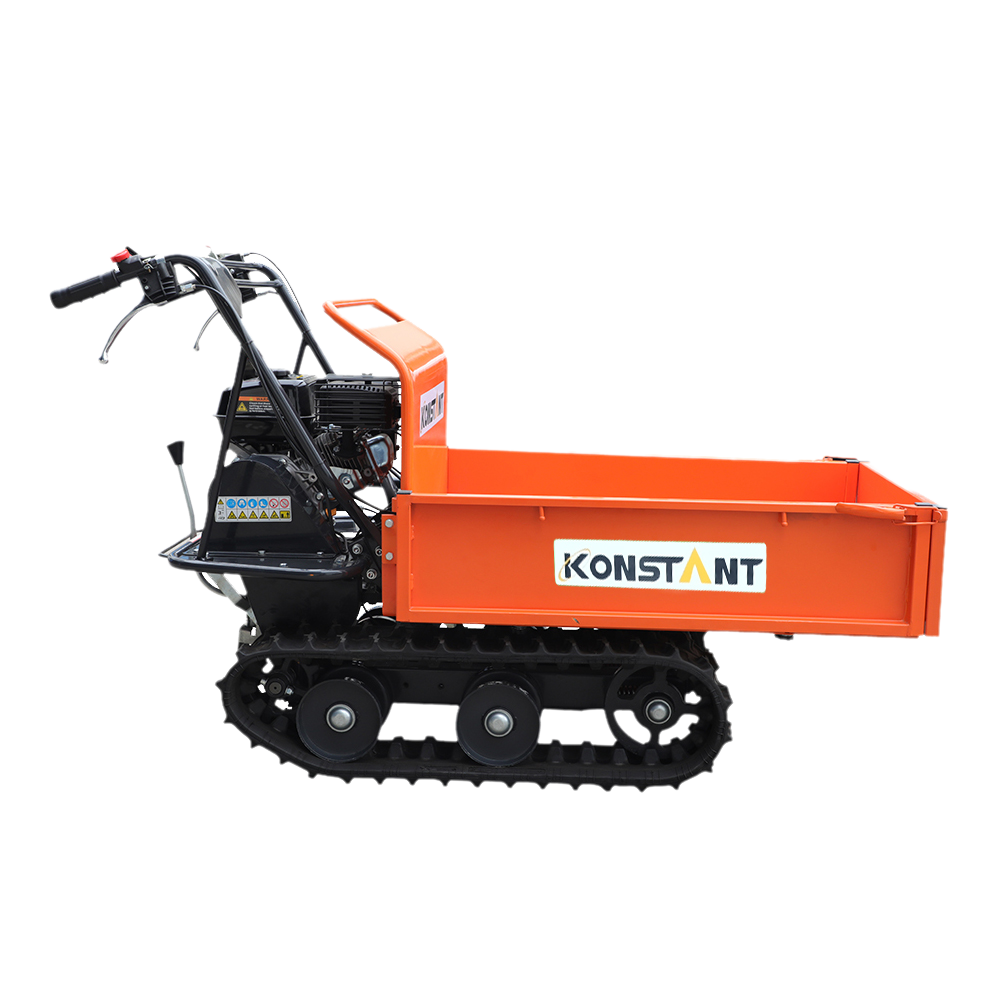
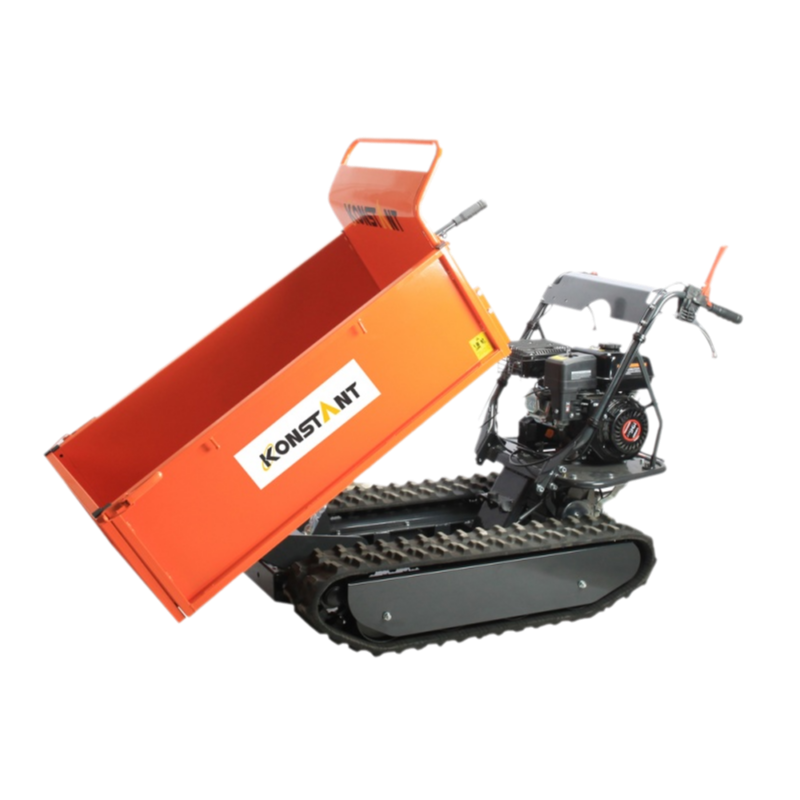
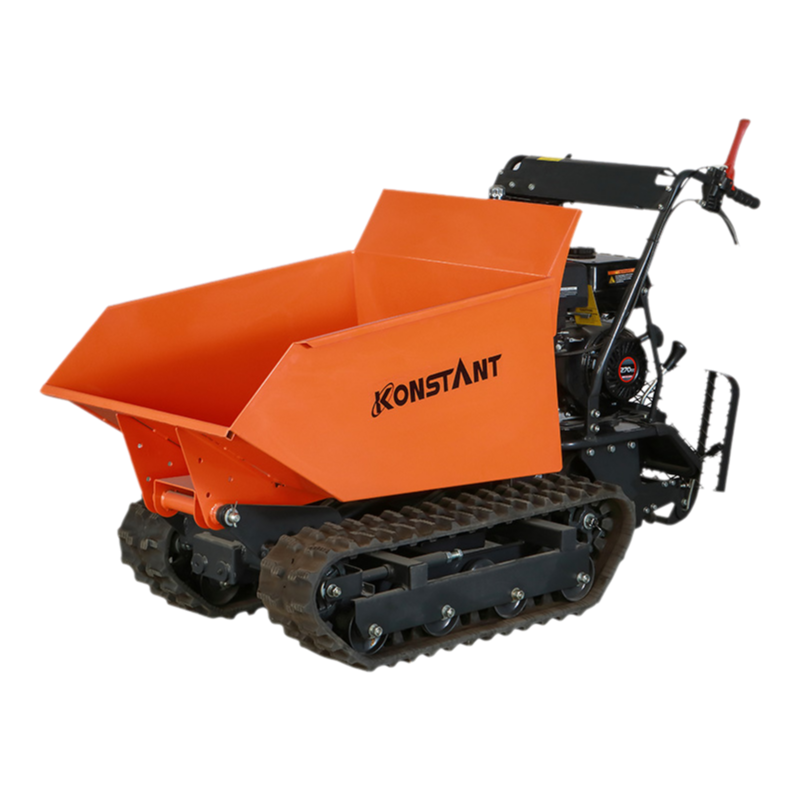
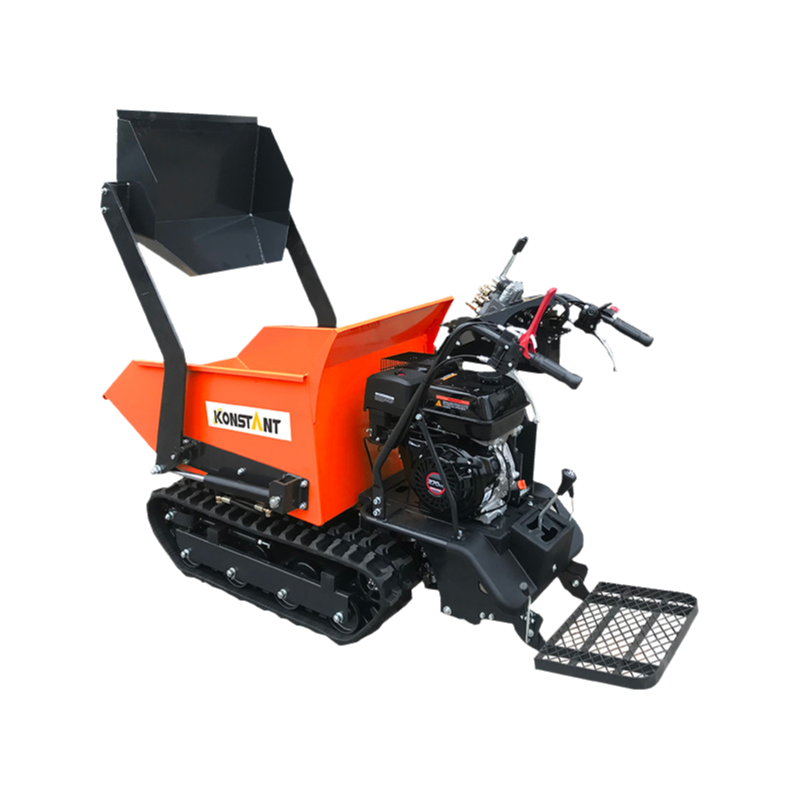
Provide you with the latest enterprise and industry news
Common Problems When Using China Mini Dumper and How to Avoid Them
Update:06-07-2026
Posted by Admin
Content
- 1 Why do mini dumpers behave differently in real working sites?
- 2 Why does the machine feel unstable during movement?
- 3 Why does overloading create control issues?
- 4 Why does material sometimes fall or shift during transport?
- 5 Why does steering feel inconsistent at times?
- 6 Why does vibration increase during use?
- 7 Why does efficiency drop during daily tasks?
- 8 How does daily use affect long-term performance?
- 9 What role does operator awareness play?
- 10 Why are mini dumpers still widely used?
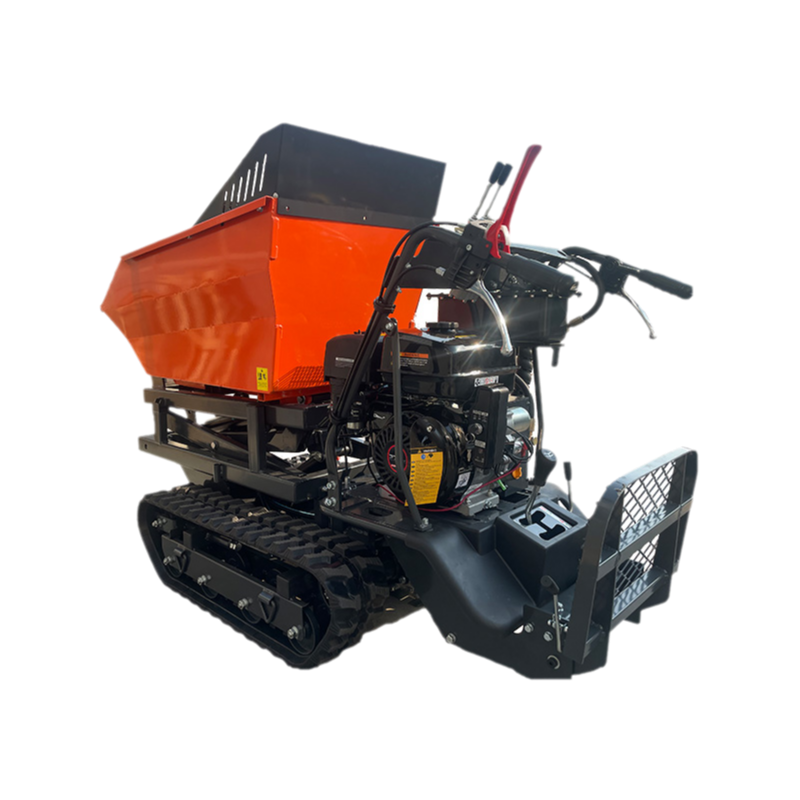
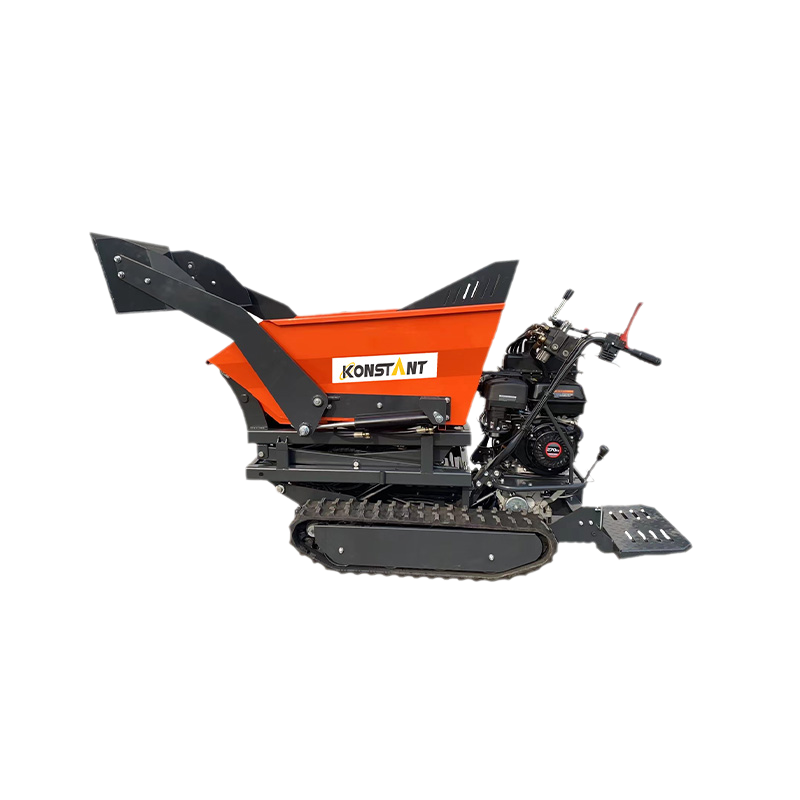
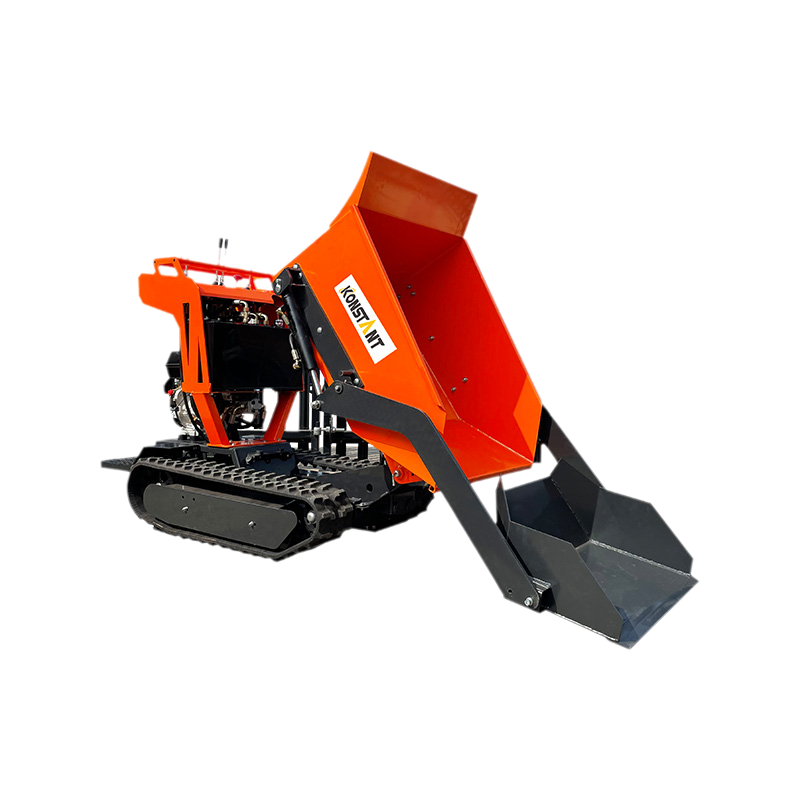
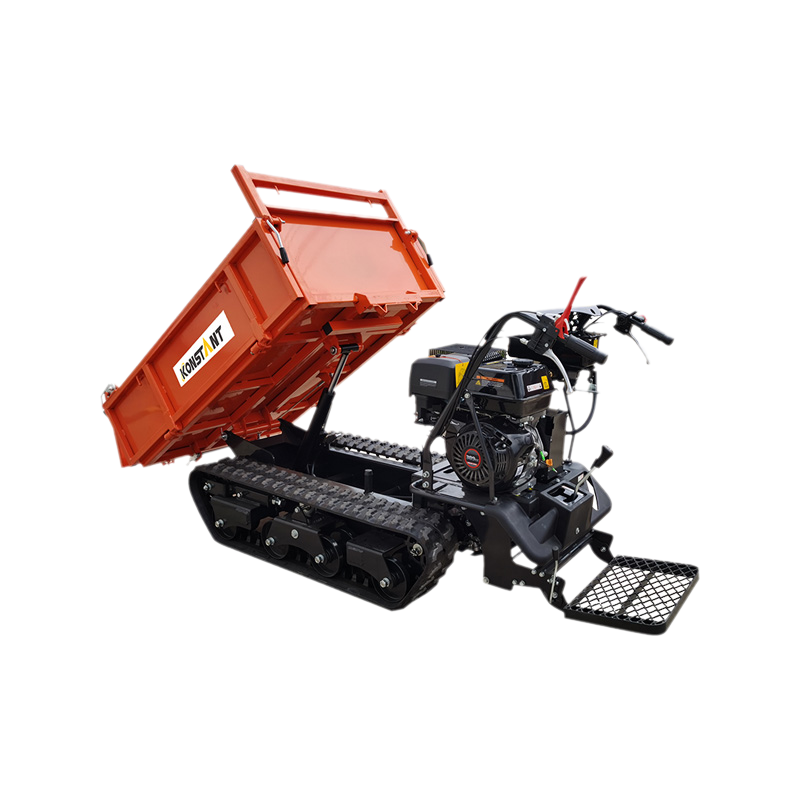
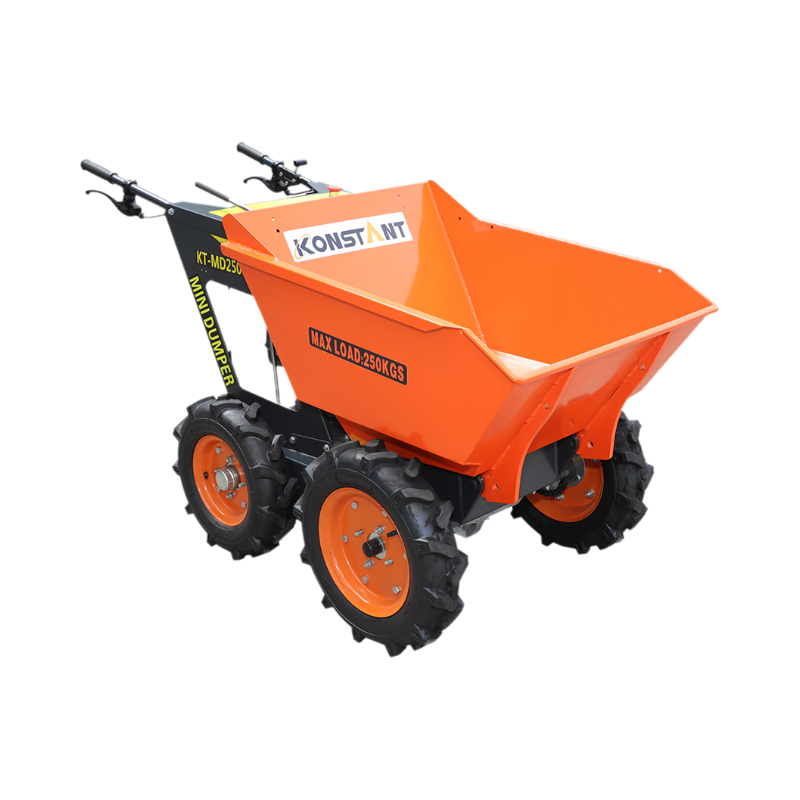
China mini dumper is often seen on small construction sites, garden projects, renovation jobs, and material transfer areas where space is limited. They are built for short-distance transport, especially in places where larger machines cannot easily move.
In real use, they usually perform well in moving soil, sand, bricks, and general building materials. But once they are used in changing ground conditions and busy working routines, small problems can start to show up. These are not always machine faults. In many cases, they come from working habits, surface conditions, or how the load is handled.
Understanding these situations makes day-to-day operation smoother and reduces interruptions.
Why do mini dumpers behave differently in real working sites?
On paper, the machine looks simple to operate. In real environments, conditions are rarely stable.
One area of work may be firm and dry. A few meters away, the ground may be loose or uneven. Sometimes the path changes during the day as materials are moved around.
This variation affects movement more than people expect.
At the same time, operators often adjust speed, load size, and direction depending on urgency. These small decisions add up and can change how the machine feels during use.
So the difference in performance usually comes from a mix of environment and handling, not one single cause.
Why does the machine feel unstable during movement?
Instability is one of the common feelings during operation, especially on rough or mixed surfaces.
A soft patch of ground can slow one side slightly. A small slope can shift balance without warning. Even uneven gravel can affect how smoothly it moves forward.
Load placement also plays a big part. If materials are not centered, the weight shifts while moving. The machine then feels less steady, especially when turning or crossing uneven areas.
Speed changes can make it worse. Sudden movement or quick stops tend to exaggerate imbalance.
A few simple habits usually help:
- Spread material more evenly instead of stacking one side
- Keep movement slow and steady on rough ground
- Avoid sharp turns when the surface is uneven
- Watch the path before driving forward
Most instability problems improve once movement becomes more consistent.
Why does overloading create control issues?
Overloading is common on busy sites where people try to reduce trips.
At first, the machine may still move, but it starts to feel heavier. Turning becomes slower, and steering requires more effort.
The problem is not just about strength. Extra weight changes how the machine reacts during movement. It takes longer to respond when direction changes, especially on uneven surfaces.
Typical signs include:
- Slower response when turning
- Noticeable strain on uneven ground
- Less smooth movement on slopes
- A general feeling of heaviness during operation
A more practical approach is to keep loads consistent rather than letter each trip. It often saves time in the long run because movement stays smoother.
Why does material sometimes fall or shift during transport?
Most shifting happens if your load isn't secured and balanced before you start moving.
Unfixed goods slide around when the vehicle hits rough ground. Tall or lopsided stacks make this shifting far more noticeable.
Sharp braking or quick turns also push all the weight to one side. Once the load shifts inside, it keeps sliding until the machine comes to a steady stop.
Basic handling habits fix this better than complex adjustments:
- Stack cargo low and keep weight centered
- Don't pile materials unevenly
- Slow down ahead of turns and stops
- Stick to smoother travel routes when possible
Small tweaks to how you stack loads usually eliminate sliding issues.
Why does steering feel inconsistent at times?
Uneven weight distribution or uneven ground resistance on either side usually causes erratic steering.
Extra weight on one side pulls the machine toward that direction automatically. Soft, bumpy ground can let one side sink further, throwing your travel path off without warning.
How you operate the machine also counts. Constant small fixes or abrupt turns make the whole ride feel shakier than it really is.
Stable steering comes down to straightforward operating habits:
- Split weight evenly between left and right
- Plan your travel path before you move
- Make gentle, gradual turns instead of sharp jerks
- Stop constantly readjusting the wheel mid-movement
When you move the machine smoothly without sudden shifts, steering stays far more manageable.
Why does vibration increase during use?
Vibration is part of moving over rough surfaces, but it becomes more noticeable under certain conditions.
Broken ground, scattered stones, or compact uneven paths all create irregular movement. If the load is uneven, vibration becomes stronger.
Long continuous use can also make it more noticeable because small movements add up over time.
Ways to reduce it include:
- Using smoother routes when possible
- Keeping load evenly spread
- Reducing speed on rough ground
- Taking short pauses during long work cycles
Less vibration usually means better control and less fatigue for the operator.
Why does efficiency drop during daily tasks?
Efficiency is not only about how fast the machine moves. It is about how smoothly the whole task flows.
Interruptions are the main reason efficiency drops. Stopping to adjust load, correct direction, or deal with unstable movement slows down the process.
Another common issue is inconsistent loading. When each trip carries a different amount, planning becomes harder and less predictable.
Poor path planning also wastes time, especially when routes change frequently.
To improve flow:
- Keep routes clear and simple
- Maintain similar load size per trip
- Reduce unnecessary stops
- Plan the working sequence in advance
A steady routine often works better than rushed movement.
How does daily use affect long-term performance?
Like many working machines, mini dumpers respond to how they are used every day.
Heavy loads, rough operation, and constant exposure to dust or mud gradually affect smooth movement over time.
Even small habits matter. Cleaning after work, checking moving parts, and avoiding unnecessary strain all help maintain stable performance.
Simple care habits include:
- Cleaning after dirty work conditions
- Regular visual checks of key movement areas
- Avoiding sudden force during operation
- Storing in a stable environment when not in use
Long-term condition is shaped more by routine than by occasional maintenance.
What role does operator awareness play?
Most issues do not come from the machine itself, but from how it is handled.
A mini dumper reacts directly to load balance, surface condition, and movement control. Operators who pay attention to these small details usually experience fewer problems.
Early adjustment is often more effective than correction after a problem appears. Noticing small changes in movement helps avoid bigger interruptions later.
Why are mini dumpers still widely used?
Even with these small challenges, mini dumpers remain a common choice in construction and small transport work.
Their main advantage is flexibility. They can move through narrow paths and uneven ground where larger machines cannot operate.
They also reduce manual carrying, which improves efficiency in many working environments.
Most issues can be managed with basic handling habits and awareness of working conditions. When used properly, they remain a practical tool for everyday material transport tasks.
Related products

Latest Updates
-
Can Wheelbarrow Function Support Different Types of Work
Moving materials from one place to another is part of many types of outdoor work. A gardener may n...
-
What Types of Materials Can a Petrol Wheelbarrow Move
Moving material around a job site is just part of the work in a lot of outdoor trades. Constructio...

-
Welcome To Visit Us
No.30, Third Furong Road, Wuxi City, Jiangsu. 214100, China.
-
Call Us
Phone: +86 181-1889-1139
Phone: +86 181-1889-2139
-
Contact Us Online
E-mail: sales@konstantpm.com
E-mail: marketing@konstantpm.com
Copyright WUXI KONSTANT POWER TECH CO., LTD All Rights Reserved
 China Mini Dumpers Manufacturers Power Wheelbarrow Factory