
 English
 русский
 Français
 Español
 Deutsch

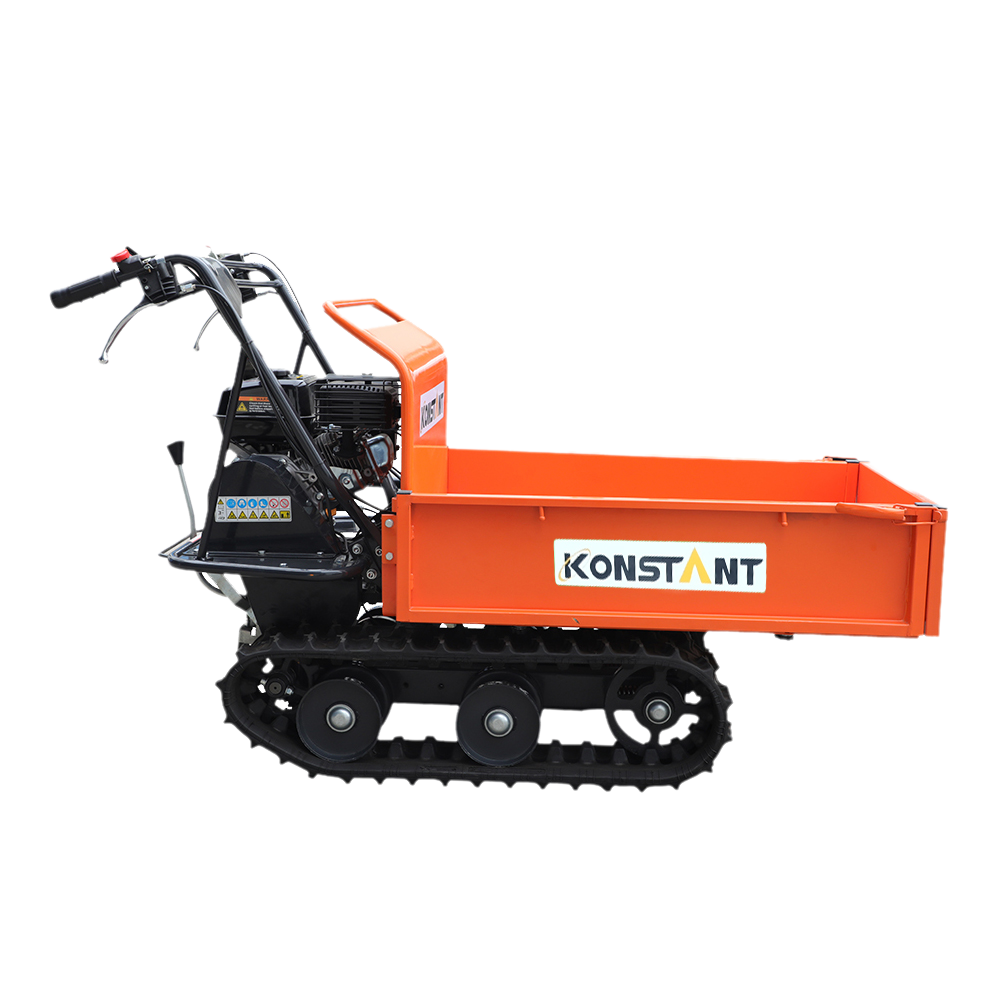
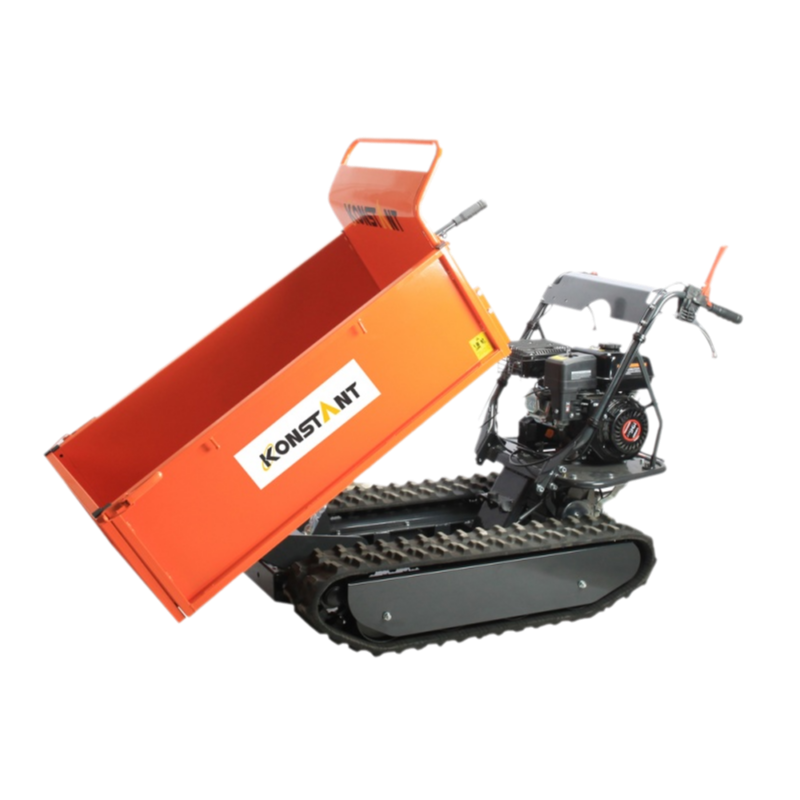
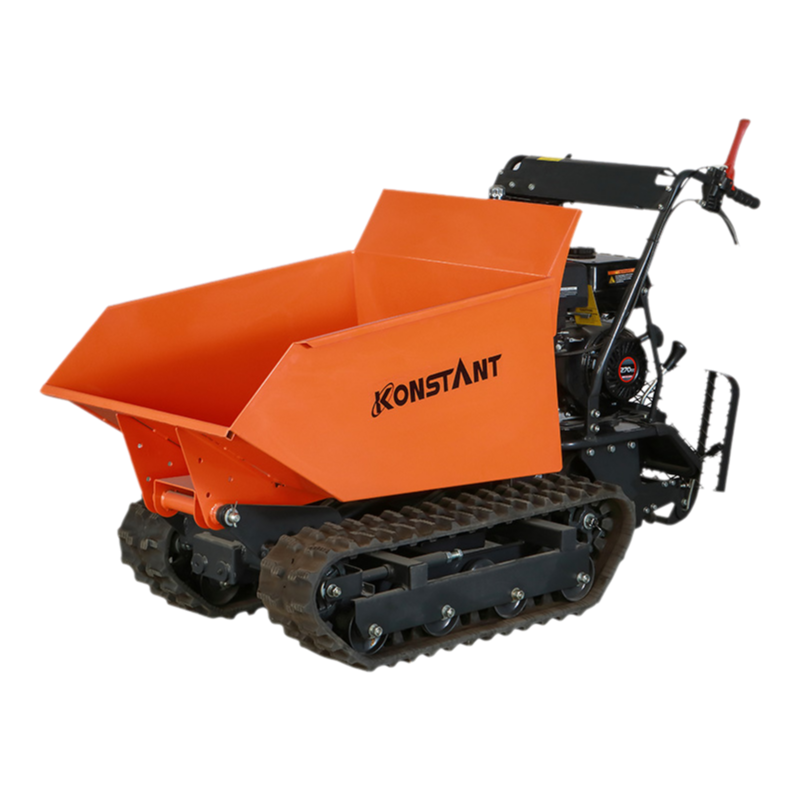
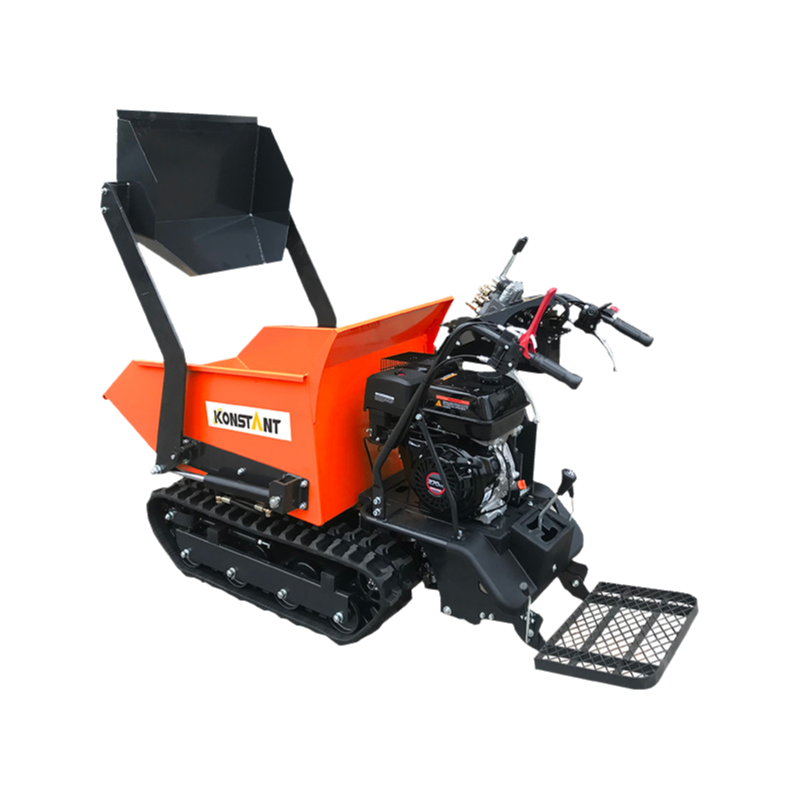
Provide you with the latest enterprise and industry news
Home / News / Industry news / Mini Dumper with Loader vs Traditional Mini Dumper: What's the Difference
Mini Dumper with Loader vs Traditional Mini Dumper: What's the Difference
Update:10-07-2026
Posted by Admin
Content
- 1 What is a traditional mini dumper used for?
- 2 What makes a mini dumper with loader different?
- 3 How does the working process differ between the two?
- 4 How do they compare in daily construction work?
- 5 Which one works better in tight or changing spaces?
- 6 How does operator effort change between the two types?
- 7 What about efficiency in repeated tasks?
- 8 How do both types handle different working surfaces?
- 9 What role does workflow planning play in choosing between them?
- 10 Why do both types continue to be widely used?
Mini dumpers are widely used in construction sites, landscaping projects, and small-scale material transport tasks. They help move soil, sand, bricks, and other materials across narrow paths and uneven ground. In daily operation, they reduce manual carrying and improve work flow in compact workspaces.
As working needs continue to change, two common types often appear in discussions: the traditional mini dumper and the mini dumper with loader . At first glance, they look similar. Both are used for material movement. But once they are placed into real work situations, the differences become clearer in how they handle tasks, reduce effort, and fit into working routines.
What is a traditional mini dumper used for?
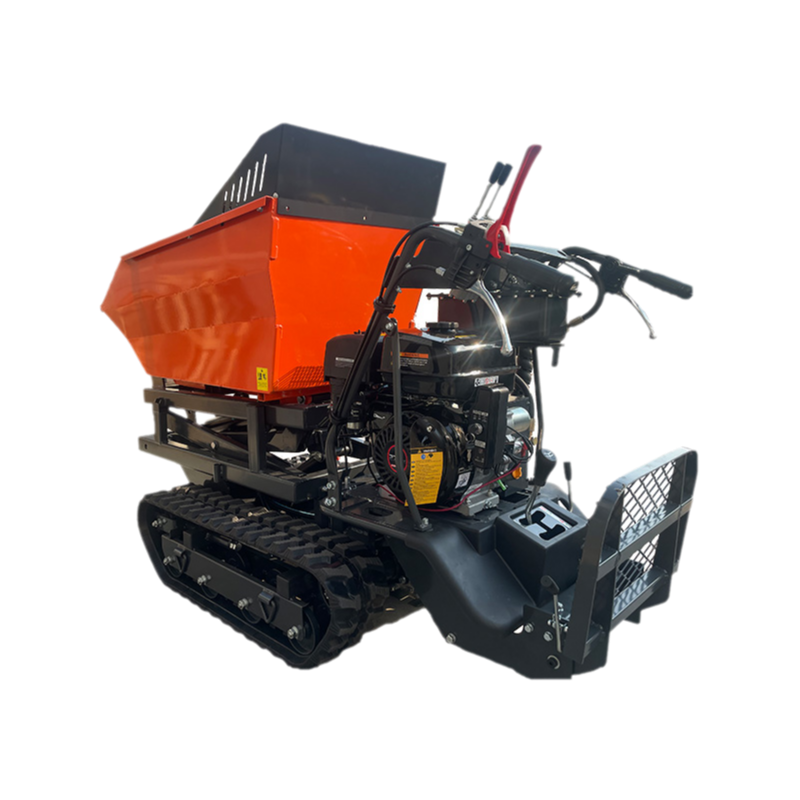
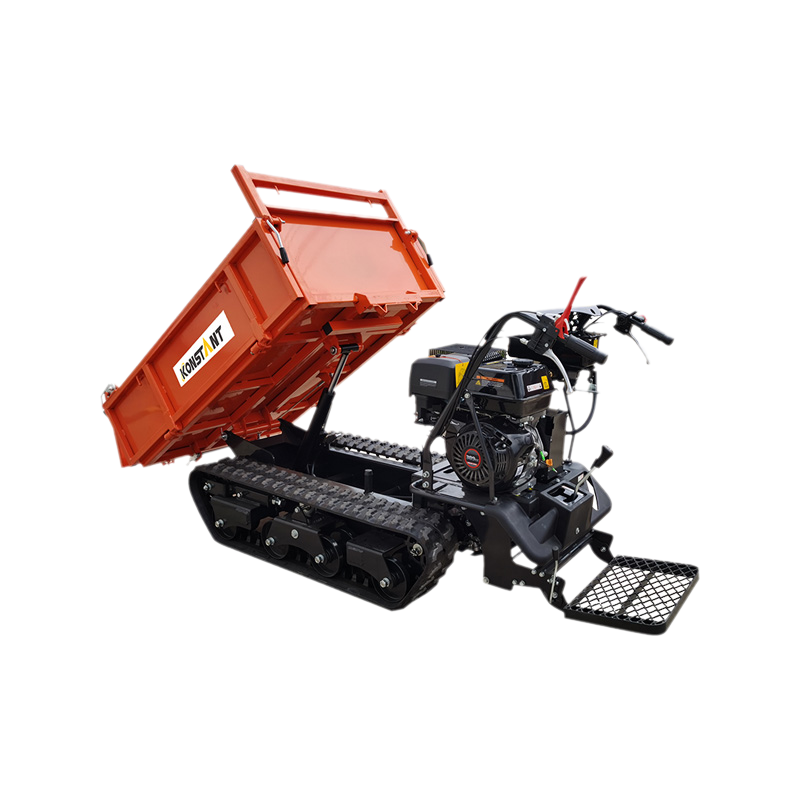
These compact dumpers are built purely to haul materials around work areas.
They carry bulk goods and tip them out once you reach the target spot; their core job is just hauling and unloading loads.
On typical job sites, they handle these common jobs:
- Shifting loose building rubble and aggregate
- Carting soil, gravel and sand over short stretches
- Assisting with small home renovations and garden landscaping jobs
- Navigating tight passageways and rough, sloped terrain
Operating them follows a basic routine: fill the tub, drive to the drop zone, then tip the load. This uncomplicated workflow lets them work well in all kinds of tricky site spaces.
One key limitation to note: you'll need shovels or separate machinery to fill the tub. The dumper has no built-in parts to help scoop and load materials by itself.
What makes a mini dumper with loader different?
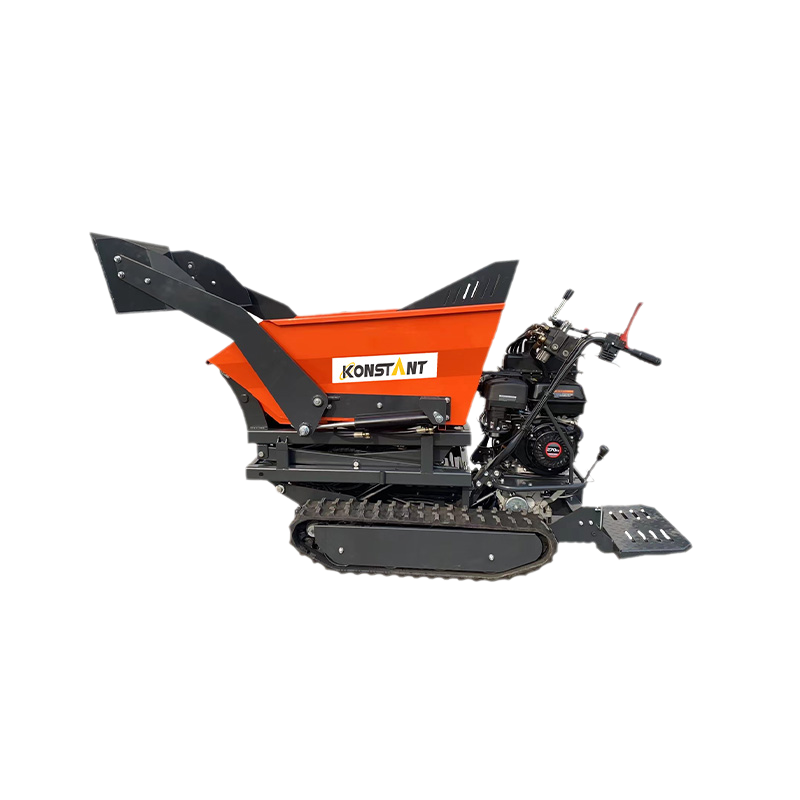
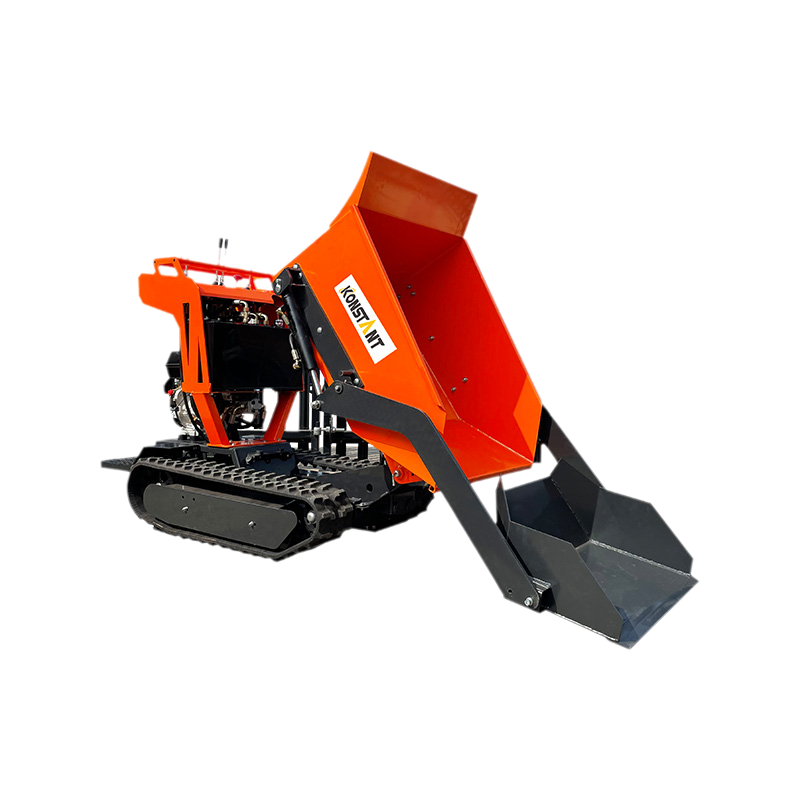
A mini dumper with loader combines transport and loading functions in one system.
Instead of relying only on external loading methods, it can assist in lifting and collecting material before moving it. This changes the working flow from a single-step transport task into a more connected process.
In practical use, it supports:
- Collecting loose material from ground level
- Reducing manual loading effort
- Moving and dumping material in one cycle
- Working in tighter jobsite routines
This added function changes how the machine fits into daily tasks. It is no longer only a transport tool but also part of the loading process.
How does the working process differ between the two?
The difference becomes clearer when looking at the actual workflow.
With a traditional mini dumper, the process usually follows separate steps. Material is prepared or loaded first, then transported, then unloaded. Each step may involve different tools or manual work.
With a mini dumper with loader, the process feels more connected. The machine can assist in gathering material and then move it directly to the next location.
The change may seem small, but in daily repetitive tasks, it affects timing and workflow rhythm.
The traditional approach:
- Material prepared separately
- Manual or external loading required
- Transport begins after loading
- Unloading at destination
The loader-equipped approach:
- Material collected with assistance
- Loading and transport connected
- Fewer interruptions between steps
- More continuous movement flow
How do they compare in daily construction work?
In real construction environments, the difference becomes more noticeable when tasks repeat throughout the day.
A traditional mini dumper often depends on coordinated teamwork or additional equipment during loading. This works well in organized sites but may slow down smaller or changing work areas.
A mini dumper reduces dependence on external loading steps. This can help when working in compact spaces or when quick movement between points is needed.
In simple terms:
- Traditional version focuses on transport efficiency
- Loader version focuses on combined task flow
Both can handle similar materials, but the working rhythm is different.
Which one works better in tight or changing spaces?
Space is often limited on construction and renovation sites.
A traditional mini dumper can operate in narrow paths, but it still needs material prepared and placed into it before movement begins. This may require extra handling space.
A mini dumper with loader can reduce the need for separate loading zones. It can work closer to the material source, which helps in tighter environments.
Still, space conditions affect both types. Uneven ground, narrow turns, and obstacles influence movement regardless of function.
The key difference lies in how much preparation space is needed before transport starts.
How does operator effort change between the two types?
Operator effort is not only about driving the machine. It also includes loading, adjusting, and repeated handling.
With a traditional mini dumper, more effort may go into preparing and moving materials into the machine before transport begins. This often involves repeated lifting or coordination with other tools.
With a loader-equipped version, some of this effort shifts into machine-assisted handling. This reduces direct manual input during loading stages.
However, it does not remove all physical work. The operator still manages movement, balance, and unloading.
The difference is more about workload distribution than complete replacement of manual effort.
What about efficiency in repeated tasks?
Efficiency becomes more visible when the same action is repeated throughout the day.
A traditional mini dumper may require more steps before each transport cycle begins. When work is continuous, these extra steps add up.
A mini dumper shortens the preparation stage. Fewer separate actions are needed before movement starts.
This can make the workflow feel smoother, especially in environments where materials are constantly being moved from one point to another.
At the same time, efficiency still depends on terrain, load type, and operator handling. The machine alone does not define total output.
How do both types handle different working surfaces?
Both types are designed for construction-style environments, which often include mixed surfaces such as compact ground, loose soil, or uneven paths.
A traditional mini dumper focuses mainly on stable transport once loaded. Its performance depends on load balance and ground condition during movement.
A mini dumper adds an extra function before transport begins. This means it interacts with material at an earlier stage of the workflow.
On rough or uneven surfaces, both still face similar movement challenges. Stability, balance, and route planning remain important in both cases.
What role does workflow planning play in choosing between them?
Choice between the two types is often linked to how work is organized.
In structured sites with clear loading areas and coordinated teams, a traditional mini dumper may fit well. The loading process is handled separately, and transport becomes the main task.
In smaller or more flexible environments, a mini dumper with loader can reduce steps and simplify task flow. It allows work to continue without relying heavily on external loading preparation.
Work planning, therefore, has a strong influence on which type feels more suitable.
Why do both types continue to be widely used?
Even though they differ in function, both versions remain common in construction and material handling work.
The traditional mini dumper is valued for its simple structure and clear transport focus. It performs well in organized environments where loading is already managed.
The loader version adds flexibility by combining tasks and reducing separate handling steps.
Rather than replacing each other, they are often chosen based on working style, space conditions, and task sequence.
In many sites, both types can even appear together, serving different roles within the same workflow.
Related products

Latest Updates
-
Mini Dumper Purchases: Include the Charging Plan in the Enquiry
A battery powered mini dumper may be selected for its size and payload, while charging is left as a ...
-
Can Wheelbarrow Function Support Different Types of Work
Moving materials from one place to another is part of many types of outdoor work. A gardener may n...

-
Welcome To Visit Us
No.30, Third Furong Road, Wuxi City, Jiangsu. 214100, China.
-
Call Us
Phone: +86 181-1889-1139
Phone: +86 181-1889-2139
-
Contact Us Online
E-mail: sales@konstantpm.com
E-mail: marketing@konstantpm.com
Copyright WUXI KONSTANT POWER TECH CO., LTD All Rights Reserved
 China Mini Dumpers Manufacturers Power Wheelbarrow Factory