
 English
 русский
 Français
 Español
 Deutsch

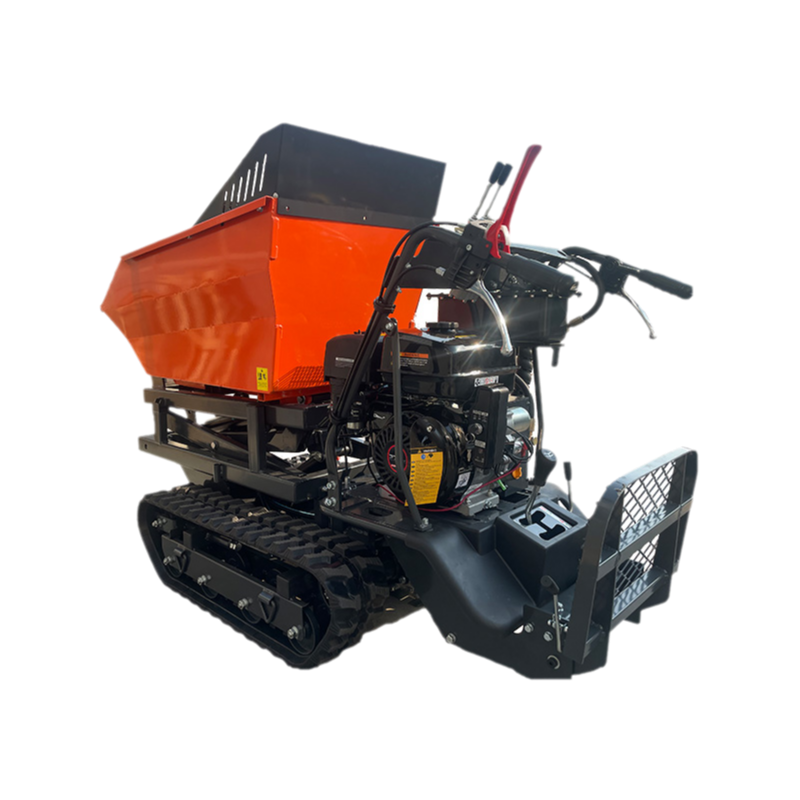
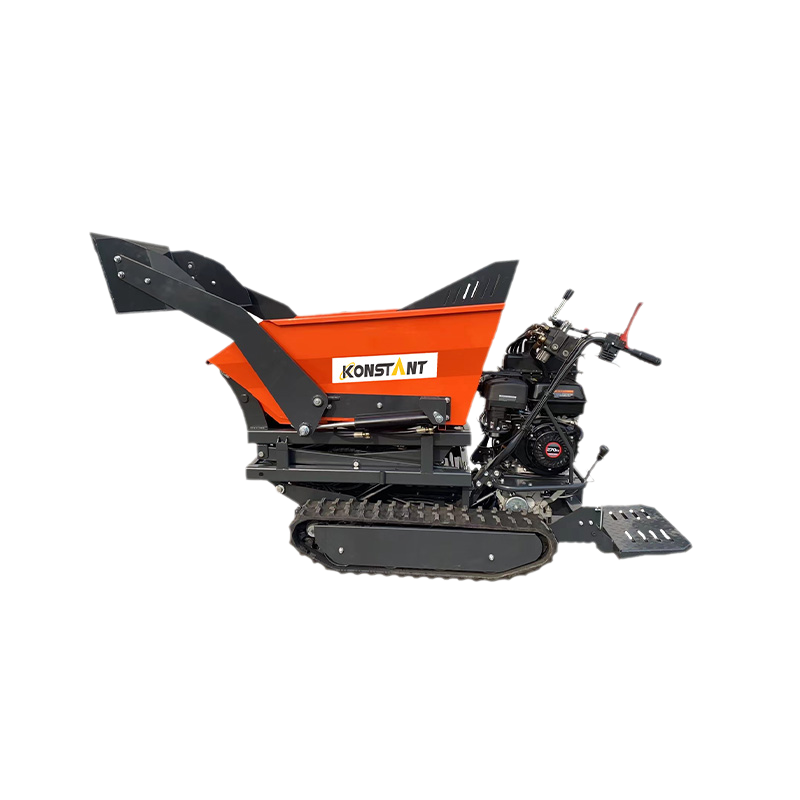
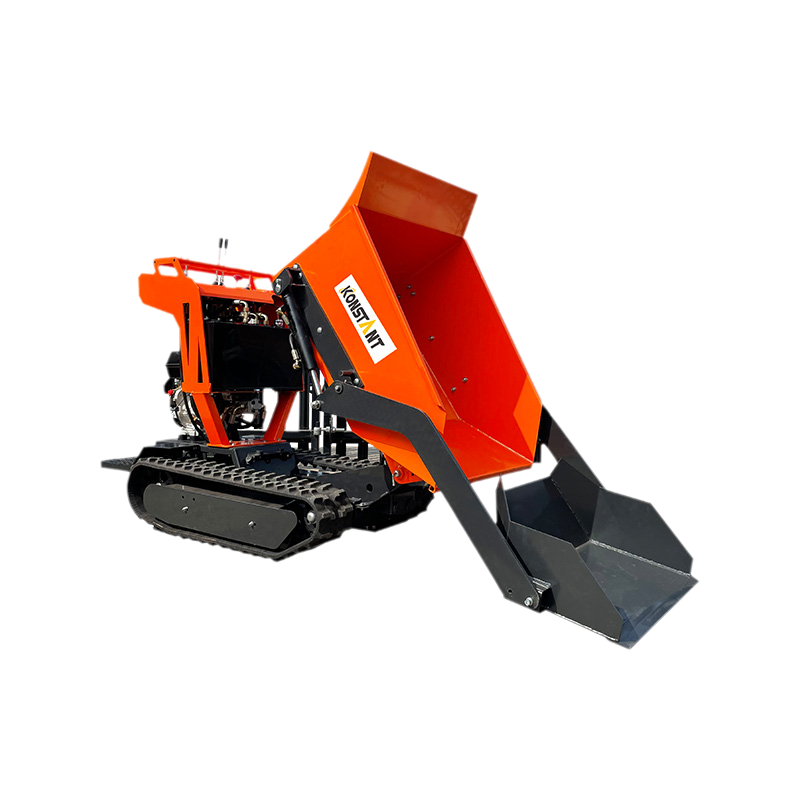
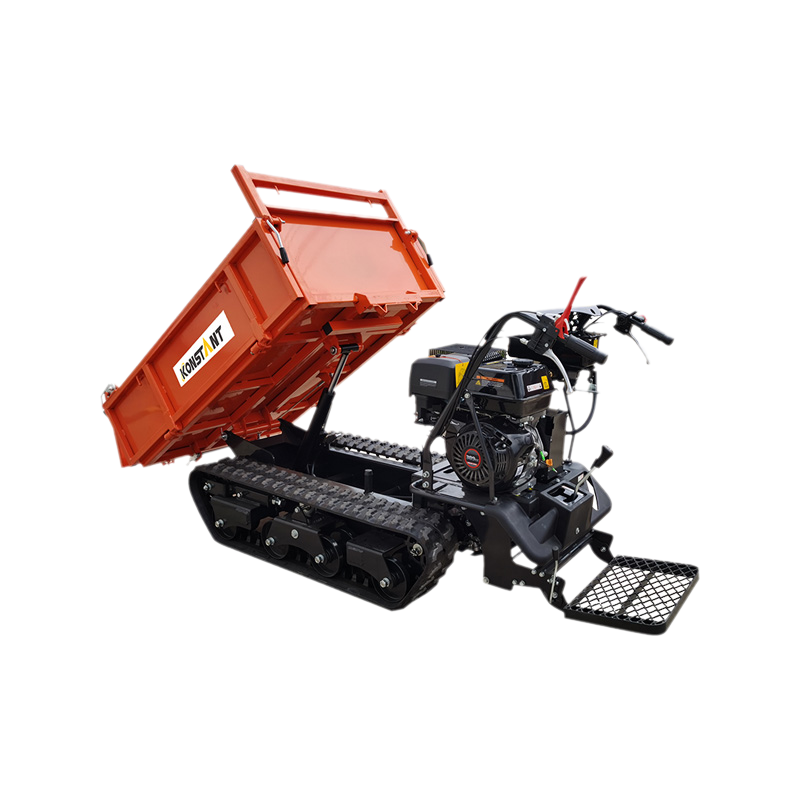
Provide you with the latest enterprise and industry news
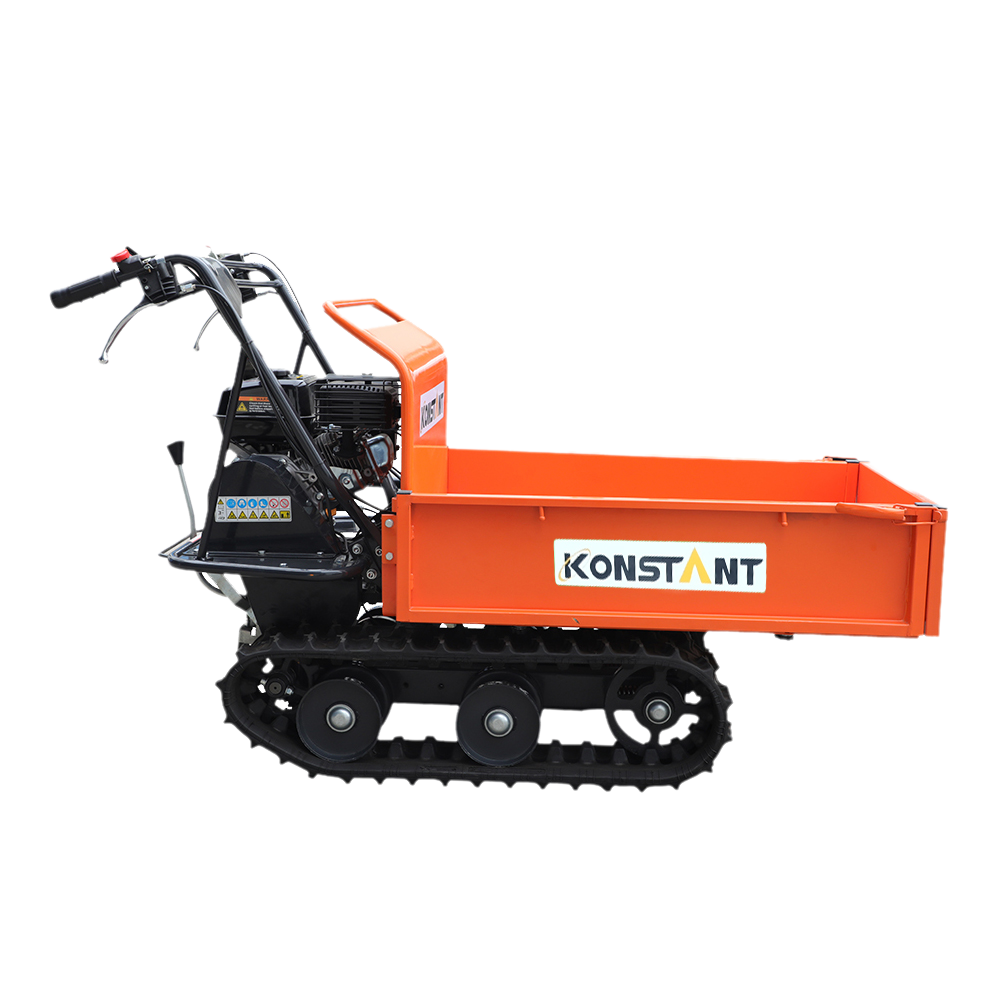
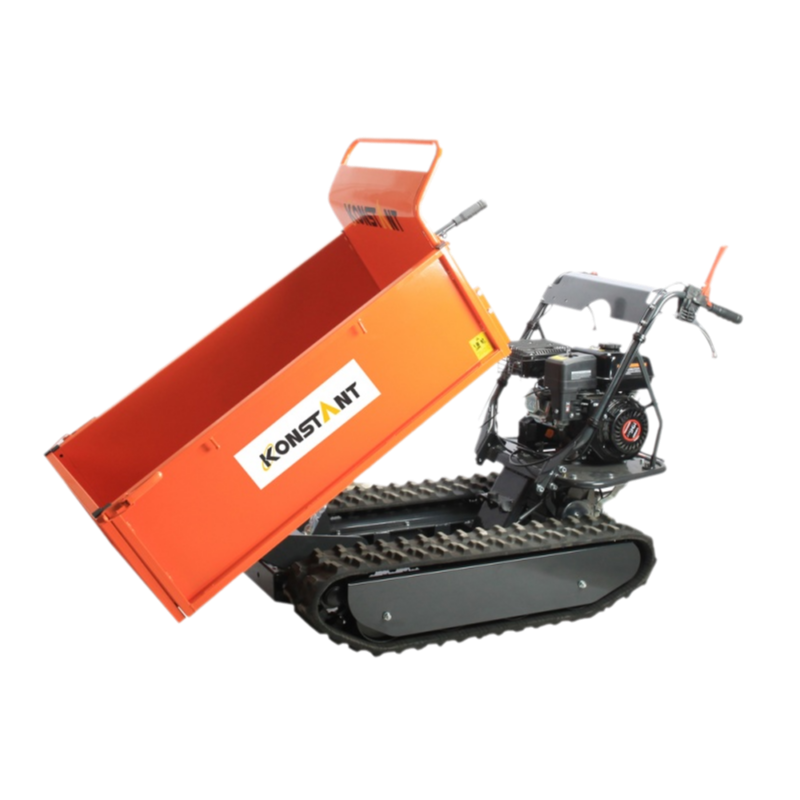
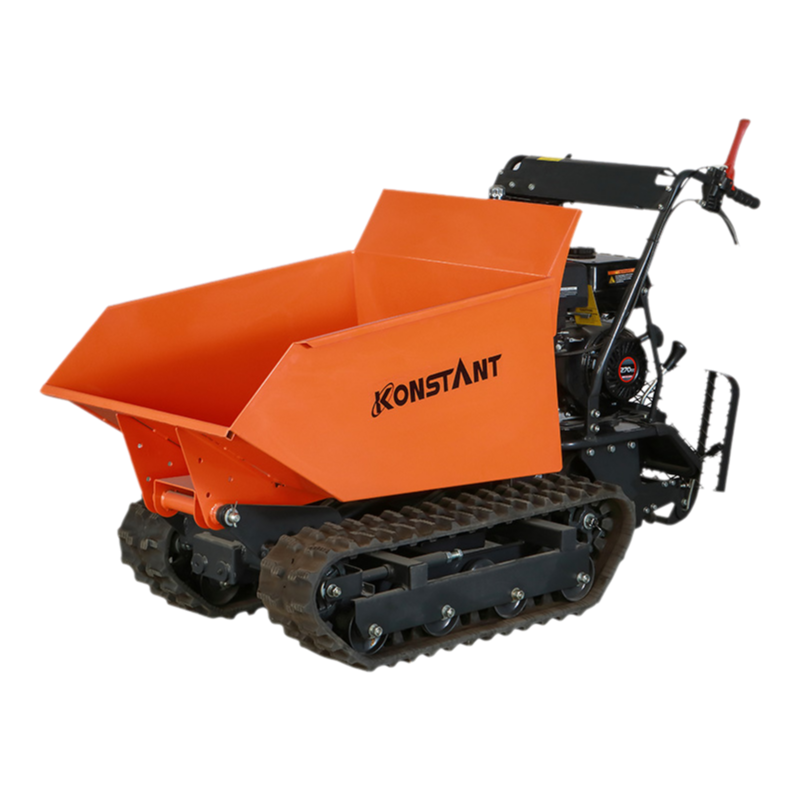
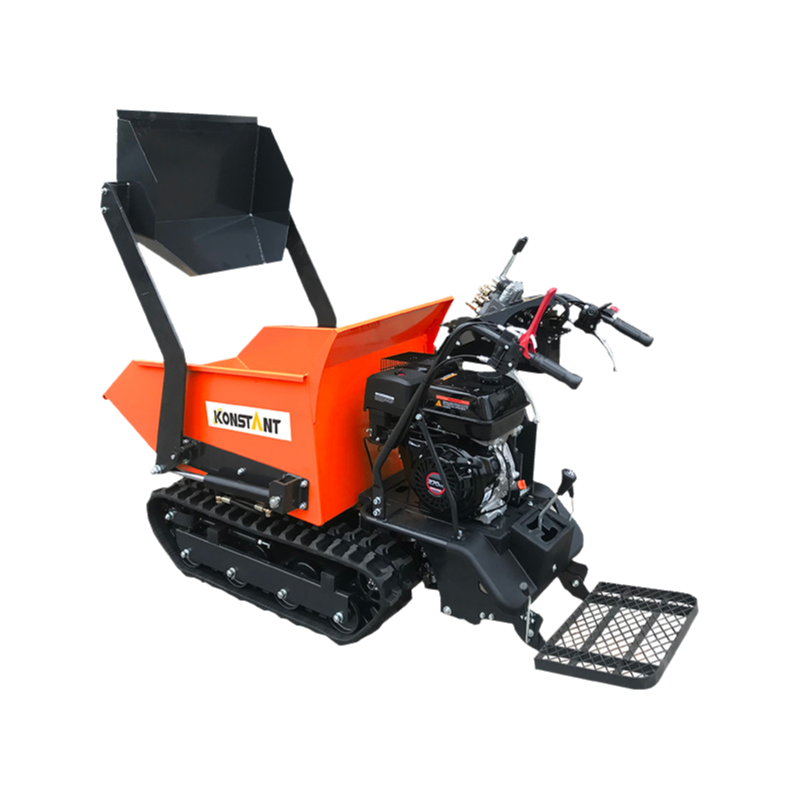
How Does a Gasoline Mini Dumper Perform on Rough and Muddy Terrain
Update:25-05-2026
Posted by Admin
Content
- 1 Why rough and muddy terrain is not a simple surface problem?
- 2 How engine output interacts with unstable ground?
- 3 Traction as the core factor in muddy performance
- 4 Terrain behavior and real machine response
- 5 What happens when terrain becomes unpredictable mid-operation?
- 6 Why load distribution changes everything on soft ground?
- 7 How slope conditions amplify muddy challenges?
- 8 Operator behavior and its influence on performance
- 9 Why continuous motion often performs better in mud?
- 10 How vibration and ground impact affect long-term use?
- 11 What users typically notice during real operation?
- 12 Why consistency matters more than peak performance?
- 13 Manufacturing influence on real terrain behavior
- 14 Final perspective on real-world terrain performance
A gasoline mini dumper is usually introduced into work environments that are already difficult. Construction sites after rain, farmland with softened soil, garden landscaping with uneven ground, or small infrastructure projects where access is limited. These are not controlled spaces. The ground changes from one step to the next.
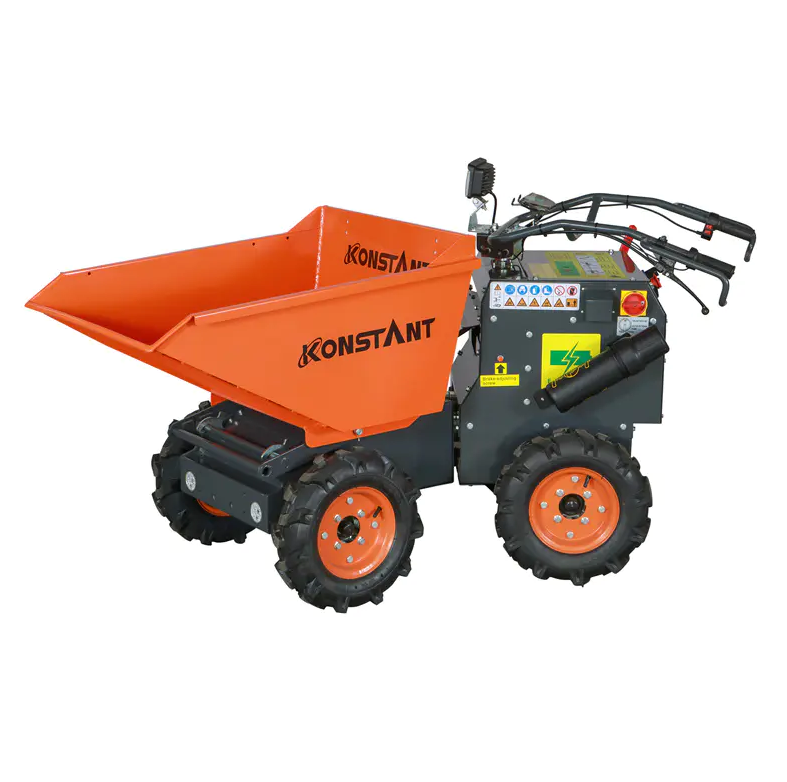
That is why performance in rough and muddy terrain is often discussed as the real test of this type of equipment. Not in ideal conditions, but in situations where the surface keeps shifting under the machine.
In global sourcing discussions, buyers often also look at production channels such as Gasoline Mini Dumper China, or compare long-term cooperation options with a Gasoline Mini Dumper Manufacturer or a Gasoline Mini Dumper Factory, especially when the machine is expected to work repeatedly in demanding environments.
Why rough and muddy terrain is not a simple surface problem?
At glance, rough ground seems like just an uneven surface. Muddy ground seems like just wet soil. In practice, both behave in unpredictable ways.
Rough terrain can include:
- loose gravel that moves under pressure
- hidden dips that affect balance
- small rocks that change rolling resistance
- uneven compact soil that reacts differently under load
Muddy terrain adds another layer:
- soft areas that sink under weight
- sticky zones that slow movement
- mixed moisture levels within the same path
A machine does not just move forward in these conditions. It constantly adjusts its contact with the ground.
How engine output interacts with unstable ground?
A gasoline engine provides continuous output during long operation. In rough terrain, this steady energy supply becomes more noticeable because resistance is not constant.
Instead of moving at a steady load level, the machine may face sudden increases in resistance. A soft patch of mud, then a firmer section, then a slope.
In these transitions, the machine relies on consistent output rather than short bursts of force.
Common effects in real use include:
- smoother recovery when entering muddy zones
- less hesitation when climbing uneven paths
- more stable forward movement during load changes
A Gasoline Mini Dumper Manufacturer typically considers these conditions during structural design, because field environments rarely stay consistent for long.
Traction as the core factor in muddy performance
If there is one element that defines muddy terrain performance, it is traction.
Without traction, power cannot be converted into movement. The wheels or tracks may rotate, but forward progress becomes limited.
In real working conditions, traction affects:
- how quickly the machine moves through soft ground
- whether it maintains direction under load
- how often it loses grip during turning
A Gasoline Mini Dumper Factory often pays attention to ground contact design, because even small changes in surface grip can affect how the machine behaves across long working cycles.
Terrain behavior and real machine response
| Terrain Type | What the Ground Does | What the Machine Experiences | Typical Operational Response |
|---|---|---|---|
| Loose gravel paths | Shifts under pressure | Slight instability during movement | Steady speed helps maintain direction |
| Deep mud patches | High resistance and sinking tendency | Reduced traction and slower progress | Continuous motion reduces stopping risk |
| Mixed wet soil | Uneven moisture levels | Variable resistance across short distances | Adjusted driving smooths transitions |
| Rocky uneven ground | Sudden elevation changes | Vibration and load shifting | Balanced movement reduces impact stress |
| Sloped muddy surface | Gravity + low grip | Increased sliding tendency | Controlled speed improves stability |
What happens when terrain becomes unpredictable mid-operation?
One of the challenging situations is not a single terrain type, but transitions between them. A machine may move from firm ground into mud within a few meters.
In those moments, behavior changes quickly:
- resistance increases without warning
- traction may reduce suddenly
- load balance shifts slightly
- steering response feels heavier
This is where operator awareness becomes important. The machine does not only react to terrain; it reacts to how the operator continues movement through it.
A Gasoline Mini Dumper China model used in mixed construction environments is often evaluated based on how smoothly it handles these transitions rather than one fixed condition.
Why load distribution changes everything on soft ground?
On stable surfaces, slight load imbalance may not matter much. On muddy terrain, it becomes more noticeable.
If weight shifts too far backward or sideways:
- wheels may lose consistent contact
- turning becomes less predictable
- sinking risk increases in soft areas
Even small load adjustments inside the dumper can change how it interacts with the ground.
This is why experienced operators often spend time before movement ensuring that load placement is centered and stable.
How slope conditions amplify muddy challenges?
Slopes introduce gravity as a constant force. When combined with mud, the difficulty increases significantly.
Uphill movement requires continuous traction. Downhill movement requires controlled resistance.
In muddy slope conditions:
- uphill sections may slow suddenly if grip weakens
- downhill sections may feel less controlled due to sliding
- turning on slopes increases instability risk
A Gasoline Dumper Manufacturer often considers slope behavior in structural balance design, because real job sites rarely avoid inclines.
Operator behavior and its influence on performance
Even with consistent machine design, operator input has a strong influence on terrain performance.
In rough and muddy conditions, experienced operators tend to:
- avoid sudden acceleration
- maintain steady directional control
- reduce unnecessary stopping
- adjust movement based on surface feedback
The machine and operator work together as a system. When the operator reacts smoothly, the machine tends to perform more consistently.
Why continuous motion often performs better in mud?
Stopping in soft ground can create additional resistance. Once the machine stops, the ground may settle around the wheels or tracks.
Restarting movement then requires more force than continuous motion.
Because of this, steady movement is often preferred:
- less chance of sinking during pauses
- more consistent traction usage
- smoother energy distribution over time
This behavior is commonly observed in Gasoline Dumper Factory field testing environments, where continuous operation is closer to real working conditions.
How vibration and ground impact affect long-term use?
Rough terrain is not only about movement. It also affects structure over time.
Repeated vibration from uneven surfaces may gradually influence:
- frame stress distribution
- component alignment stability
- operator comfort during long use sessions
While these effects do not appear immediately, they become noticeable after extended cycles of use.
Machines designed for such environments usually aim for balanced structure rather than rigid stiffness alone.
What users typically notice during real operation?
Instead of technical measurements, field users often rely on sensory feedback:
- whether movement feels smooth or interrupted
- how often traction feels lost and recovered
- whether steering remains predictable under load
- how stable the machine feels during slow movement
These observations often guide long-term evaluation more than initial impressions.
Why consistency matters more than peak performance?
In rough and muddy terrain, peak performance is less important than repeatable behavior.
A machine that performs moderately but consistently often becomes more practical than one that performs strongly only in short bursts.
Consistency helps:
- reduce operator fatigue
- maintain predictable movement
- avoid sudden performance changes during work cycles
This is one reason sourcing decisions often consider long-term reliability alongside specifications.
Manufacturing influence on real terrain behavior
Production quality plays a quiet but important role in field performance. When a Gasoline Dumper Factory maintains consistent assembly standards, machines tend to behave more predictably across units.
This matters especially in:
- fleet operations
- rental equipment usage
- repeated agricultural cycles
Small differences in structure or balance can become more noticeable in difficult terrain.
Final perspective on real-world terrain performance
Rough and muddy terrain does not present a single challenge. It presents changing conditions that shift from moment to moment. A gasoline mini dumper works inside that uncertainty.
In real use, performance is not defined by one feature. It comes from how traction, power delivery, balance, operator control, and terrain interaction work together during continuous movement across unpredictable surfaces.
Related products

Latest Updates
-
Can Wheelbarrow Function Support Different Types of Work
Moving materials from one place to another is part of many types of outdoor work. A gardener may n...
-
What Types of Materials Can a Petrol Wheelbarrow Move
Moving material around a job site is just part of the work in a lot of outdoor trades. Constructio...

-
Welcome To Visit Us
No.30, Third Furong Road, Wuxi City, Jiangsu. 214100, China.
-
Call Us
Phone: +86 181-1889-1139
Phone: +86 181-1889-2139
-
Contact Us Online
E-mail: sales@konstantpm.com
E-mail: marketing@konstantpm.com
Copyright WUXI KONSTANT POWER TECH CO., LTD All Rights Reserved
 China Mini Dumpers Manufacturers Power Wheelbarrow Factory