
 English
 русский
 Français
 Español
 Deutsch

Provide you with the latest enterprise and industry news
What Is a Motor Wheelbarrow Manufacturer and How Does It Work
Update:22-05-2026
Posted by Admin
Content
- 1 How does a motor wheelbarrow actually move?
- 2 What happens when it carries loads?
- 3 Why is it useful on rough or uneven ground?
- 4 Where do people usually use it?
- 5 Does it really improve work speed?
- 6 Is it easy to operate?
- 7 How important is load balance?
- 8 How does it fit into daily site work?
- 9 Final practical view
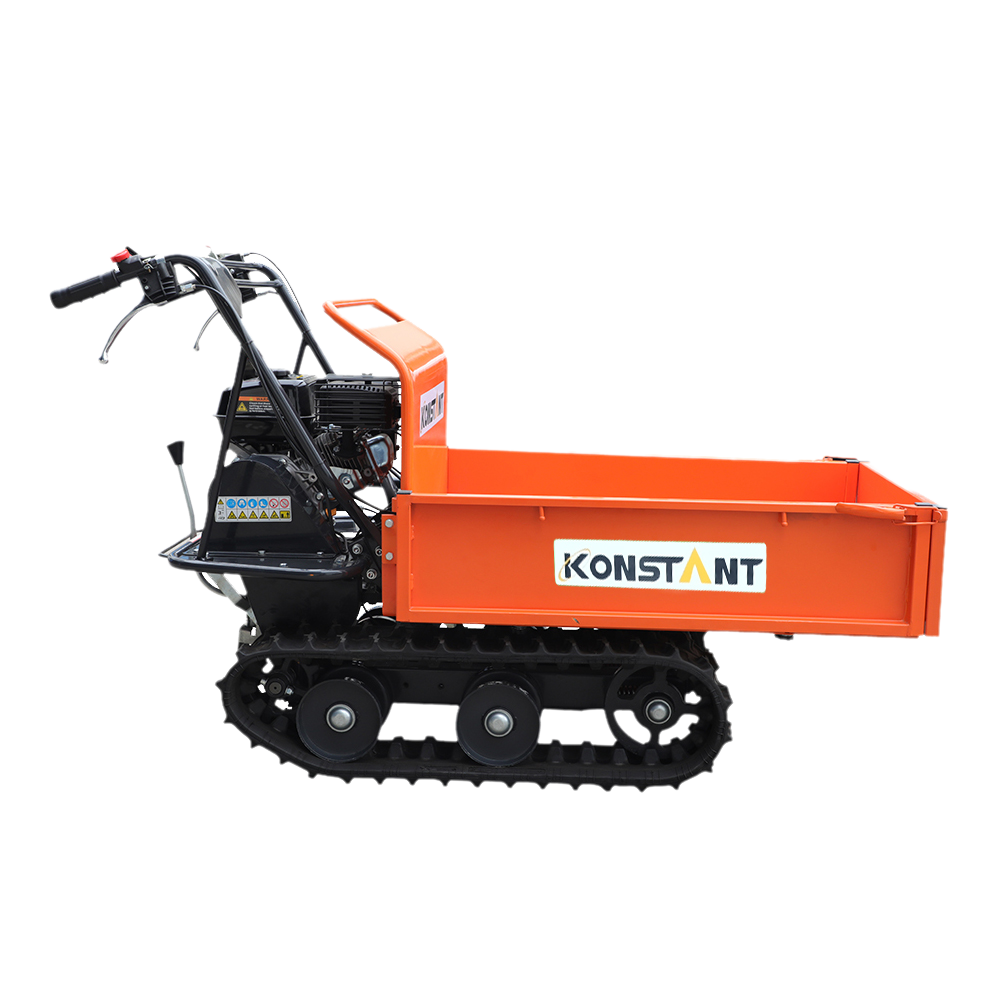
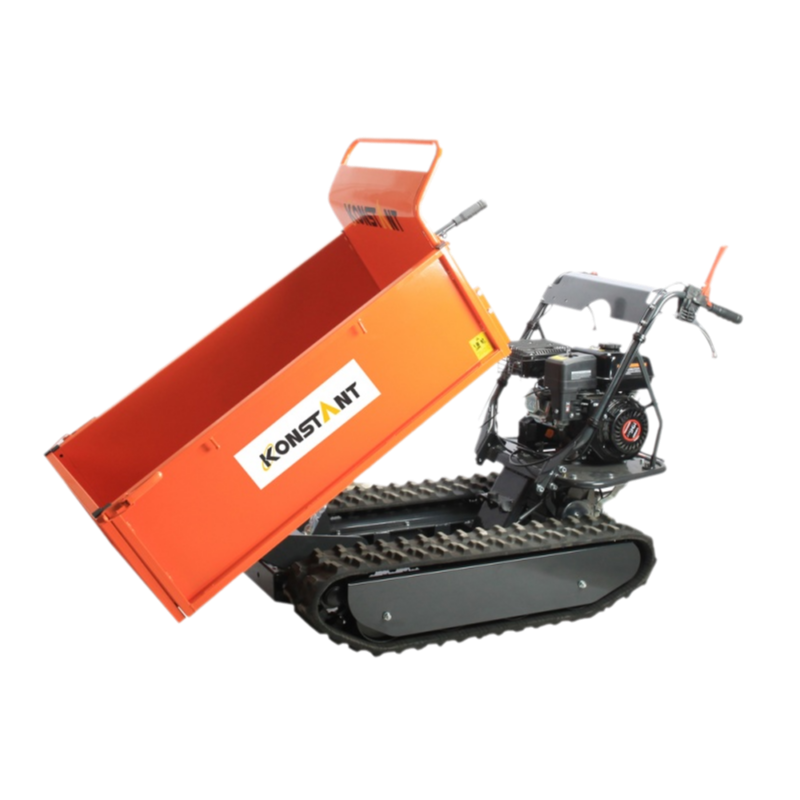
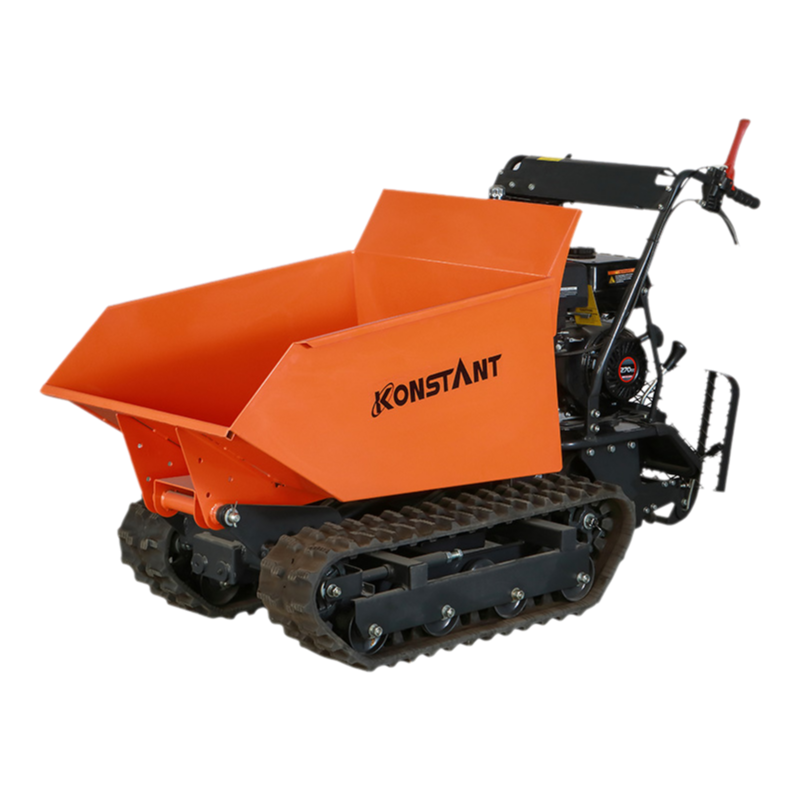
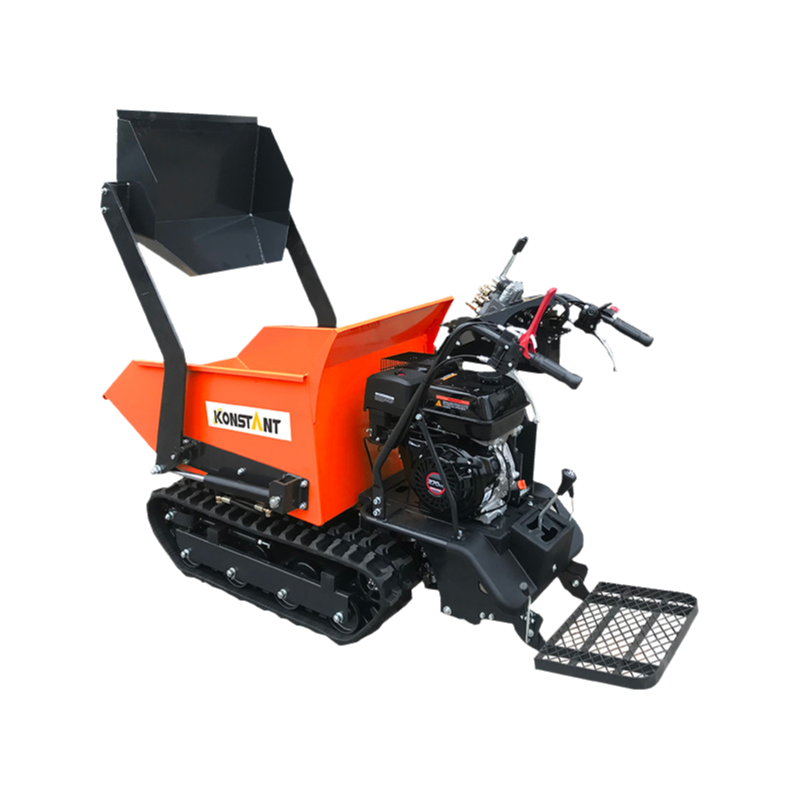
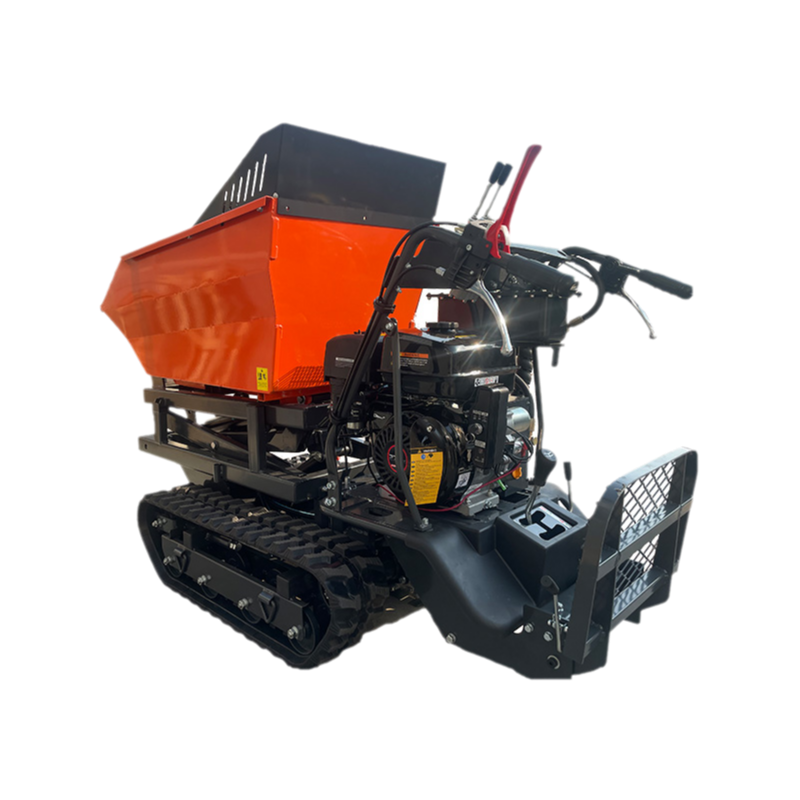
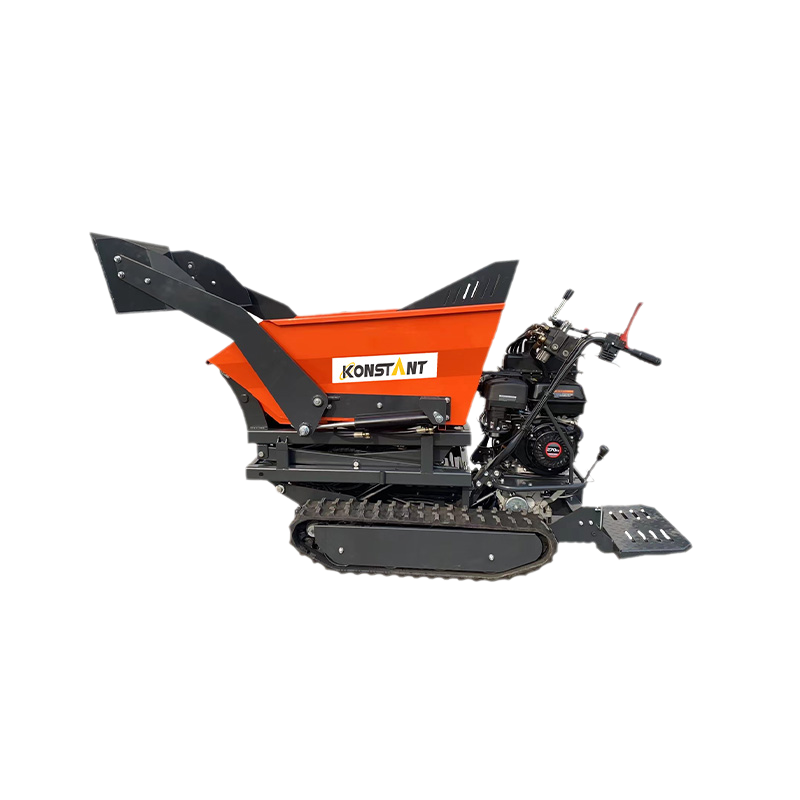
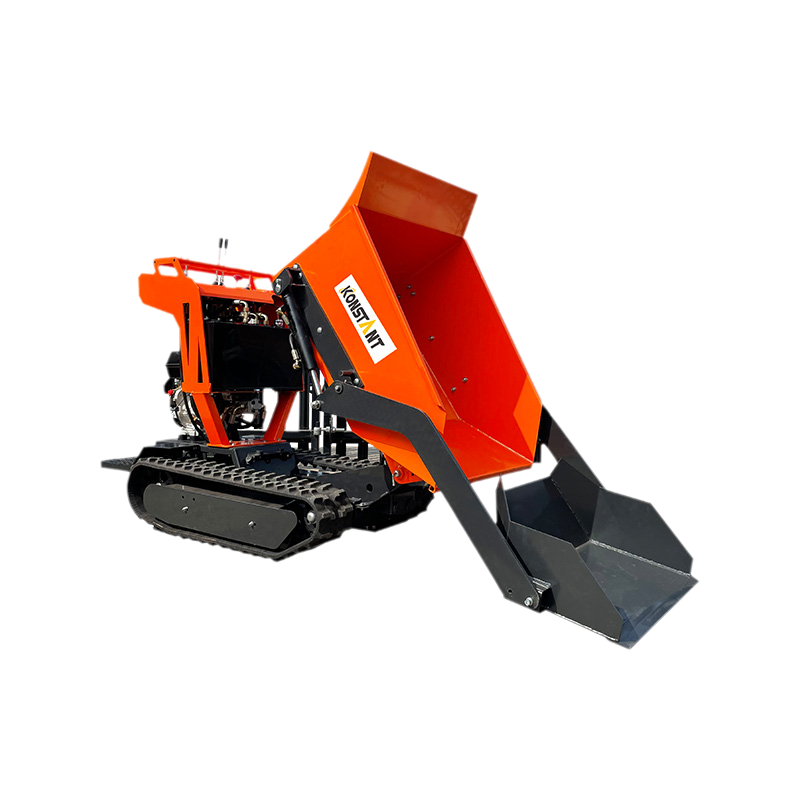
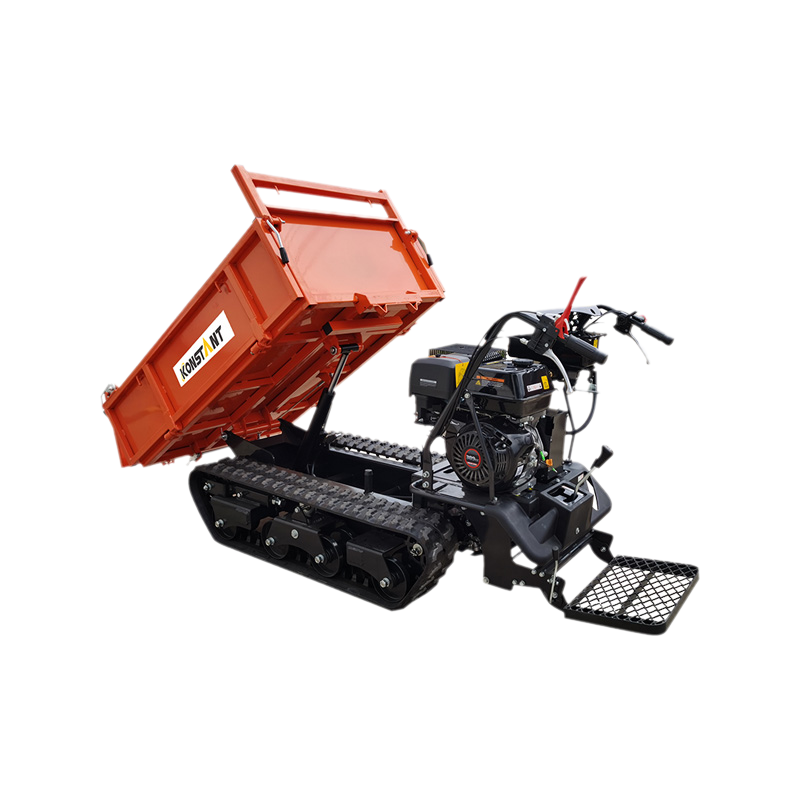
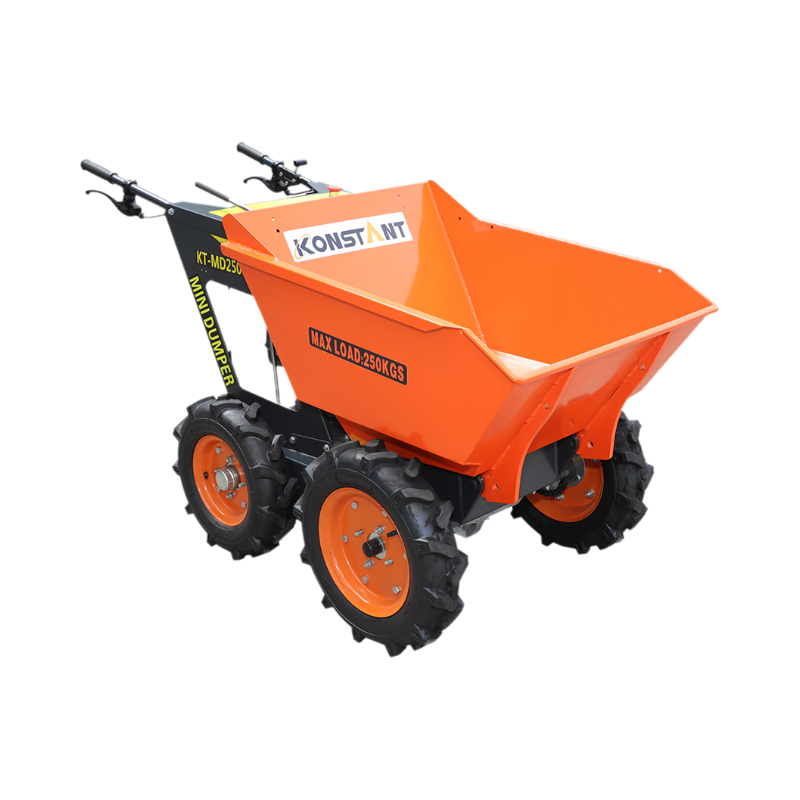
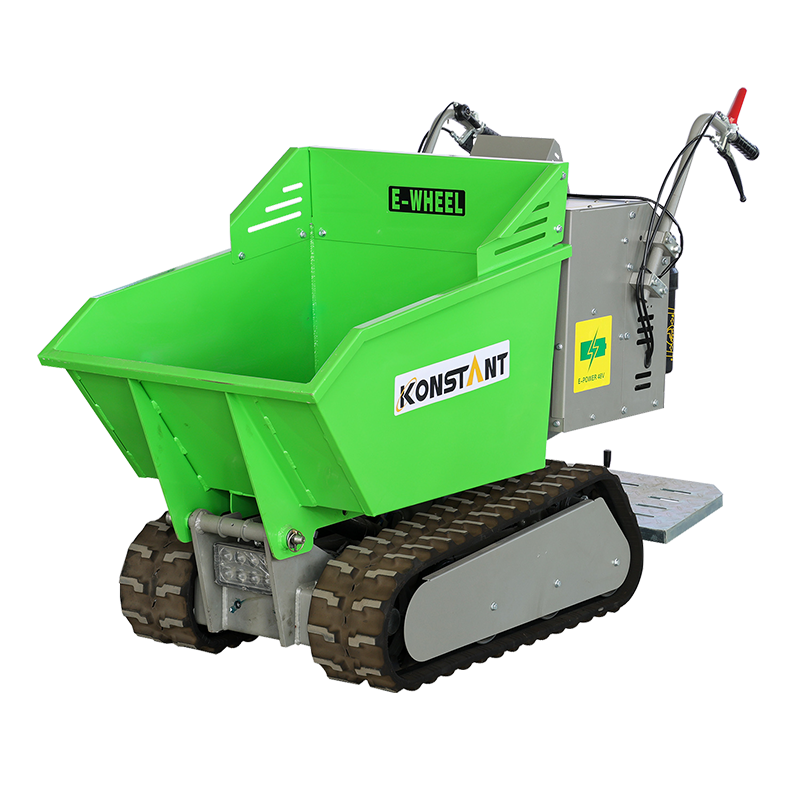
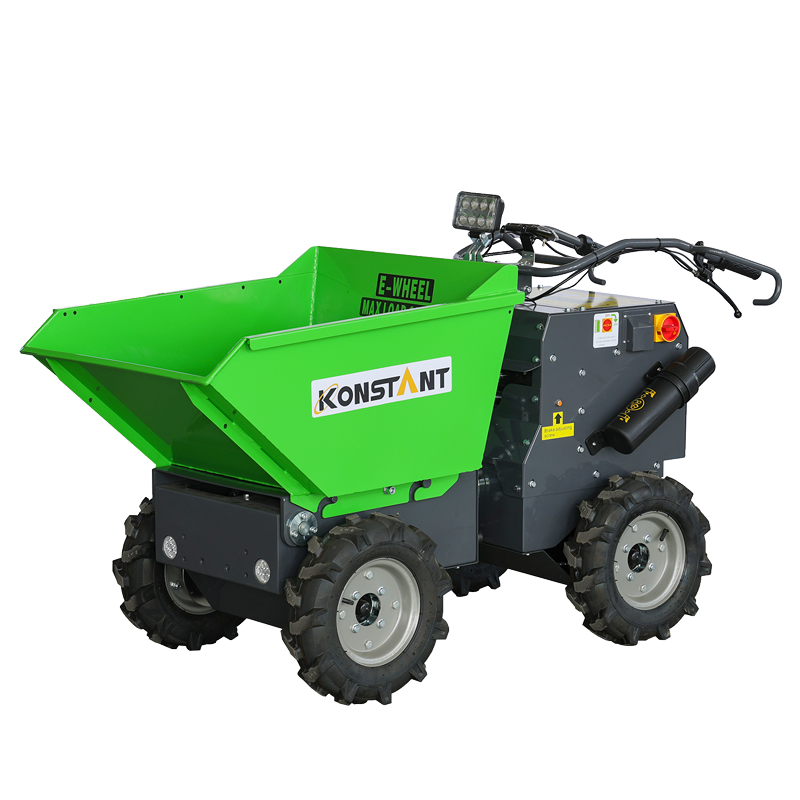
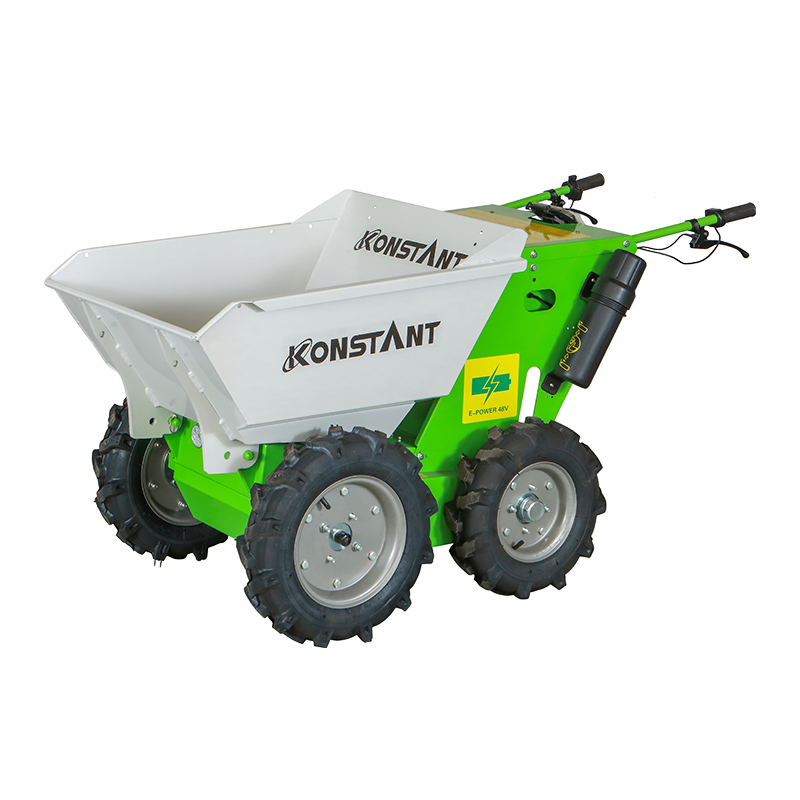
A Motor Wheelbarrow Manufacturer is a small transport machine used for moving materials on construction sites, farms, gardens, and similar working areas. It is designed for places where people still need to carry loads, but doing everything by hand takes too much time or effort.
At glance, it does not look very different from a normal wheelbarrow. It still has the same basic shape with a loading bucket and a front wheel structure. But the real difference shows up when it starts moving. Instead of relying only on human pushing force, it uses a powered system to help it move forward.
That change sounds simple, but in daily work it makes a noticeable difference.
How does a motor wheelbarrow actually move?
Once the machine is turned on, the motor starts assisting movement. The operator does not need to push heavily like with a traditional wheelbarrow. Most of the effort is replaced by guided control.
You basically steer it and decide the direction. The machine helps with the movement itself.
On flat ground, it moves smoothly without much resistance. On uneven ground, it still works, but you may need to adjust your control a bit more carefully.
It does not drive itself. Human control is still important, especially in tight spaces or when the path is not clear.
What happens when it carries loads?
Before movement starts, materials are placed into the loading area. These materials can vary depending on the job. It could be soil, sand, gravel, construction waste, or even farming materials.
Once loaded, the machine begins transport. The motor helps support the weight during movement, so the operator is not doing all the pushing manually.
The key point here is balance. If the load is placed evenly, everything feels smoother. If it is uneven, the machine still works, but handling becomes a bit more sensitive during turns or slopes.
In real working situations, people usually adjust the load a little before starting, just to keep movement stable.
Why is it useful on rough or uneven ground?
Work sites are rarely clean or flat. You often get loose soil, small rocks, slopes, or narrow passages. A normal wheelbarrow becomes harder to push in these conditions.
A motor wheelbarrow helps reduce that difficulty. It does not remove the rough ground, but it reduces how much physical force is needed to move across it.
Instead of struggling with every step, the operator just guides the machine forward.
That is why it is often used in outdoor environments where terrain changes from one area to another.
Where do people usually use it?
You will see motor wheelbarrows in many different working environments. Some of the common ones include:
- Construction sites moving soil, cement-related materials, or debris
- Landscaping work carrying plants, soil, and garden materials
- Farms transporting feed, crops, or organic waste
- Renovation projects removing broken materials and waste
- Small outdoor jobs where space is limited and larger machines cannot enter
Even though the settings are different, the basic idea is the same: moving materials from one point to another without heavy manual effort.
Does it really improve work speed?
It does, but not in a dramatic or unrealistic way. The main improvement comes from reducing repeated physical effort.
Instead of pushing many trips by hand, the operator can move materials more easily in each round.
Over time, this reduces delays caused by fatigue or slow manual transport.
It also helps keep work more continuous. When material movement is smoother, other tasks on site do not get interrupted as often.
Is it easy to operate?
Yes, some people can adapt to it fairly quickly.
The controls are simple. You guide direction, adjust movement, and stop when needed. There is no complicated system that requires long training.
If someone has used a normal wheelbarrow before, the learning curve is not steep. The main adjustment is getting used to the powered movement instead of physical pushing.
After a short time, it usually feels quite natural.
How important is load balance?
Even though the machine helps with movement, load balance still matters.
If materials are evenly placed, the movement feels stable and controlled. If the load shifts too much to one side, you may notice slight pulling or uneven handling, especially on slopes.
This is not a machine problem, but a basic loading behavior issue.
In practice, workers usually adjust the load quickly before starting transport, just to make the movement smoother.
How does it fit into daily site work?
On better job sites, material movement is not a one-time task. It happens repeatedly throughout the day.
A motor wheelbarrow usually becomes part of that routine. It moves between storage areas and working zones, carrying materials back and forth.
It does not replace large machines. Instead, it fills the gap where manual carrying is too slow and heavy equipment is not practical.
That balance is what makes it useful in real working conditions.
Final practical view
A motor wheelbarrow is basically a simple tool with powered support. It does not change the nature of the job, but it makes material transport easier and less physically demanding.
Its real value shows up in daily repetitive work, especially when the ground is uneven or the load is heavy.
In simple terms, it helps people move materials with less effort, while keeping the workflow more steady and manageable.
Related products

Latest Updates
-
Can Wheelbarrow Function Support Different Types of Work
Moving materials from one place to another is part of many types of outdoor work. A gardener may n...
-
What Types of Materials Can a Petrol Wheelbarrow Move
Moving material around a job site is just part of the work in a lot of outdoor trades. Constructio...

-
Welcome To Visit Us
No.30, Third Furong Road, Wuxi City, Jiangsu. 214100, China.
-
Call Us
Phone: +86 181-1889-1139
Phone: +86 181-1889-2139
-
Contact Us Online
E-mail: sales@konstantpm.com
E-mail: marketing@konstantpm.com
Copyright WUXI KONSTANT POWER TECH CO., LTD All Rights Reserved
 China Mini Dumpers Manufacturers Power Wheelbarrow Factory