
 English
 русский
 Français
 Español
 Deutsch

Provide you with the latest enterprise and industry news
What Makes a Power Barrow Ideal for Tight Jobs
Update:13-04-2026
Posted by Admin
Content
- 1 Let's start with the basics—what these compact motorized haulers actually are and how they do their thing
- 2 Keeping things safe and running smooth every single day
- 3 Why these self-propelled haulers feel custom-made for landscaping and garden jobs
- 4 Where these compact haulers make regular material moving way less painful
- 5 When these haulers really earn their keep on tight or restricted-access jobs
Look, if you've ever spent a morning hauling dirt, gravel, sand, or mulch the old-fashioned way, you already know the drill. Your back starts barking by 10 a.m., the wheelbarrow tips over for the third time, and that big truck you rented can't squeeze down the side yard no matter how you angle it. It's frustrating, it's slow, and it eats up the whole crew's energy before the real work even starts. That's exactly why a lot of contractors, landscapers, and property folks are turning to these self-propelled compact haulers. They're small, they're powered, and they let one guy move serious loads without killing his shoulders or wasting half the day on back-and-forth trips. In this piece we're breaking down the six questions that keep coming up when people start shopping for one: what these machines really are and how they run day to day, how to pick the model that actually fits your jobs, smart ways to operate them without drama, why they feel like a game-changer for landscaping and garden work, where they shine on everyday hauling tasks, and exactly when they save the day on tight or awkward sites. Whether you run a two-person crew or manage bigger outdoor properties, these details should help you figure out if adding one to your lineup makes sense.
Let's start with the basics—what these compact motorized haulers actually are and how they do their thing
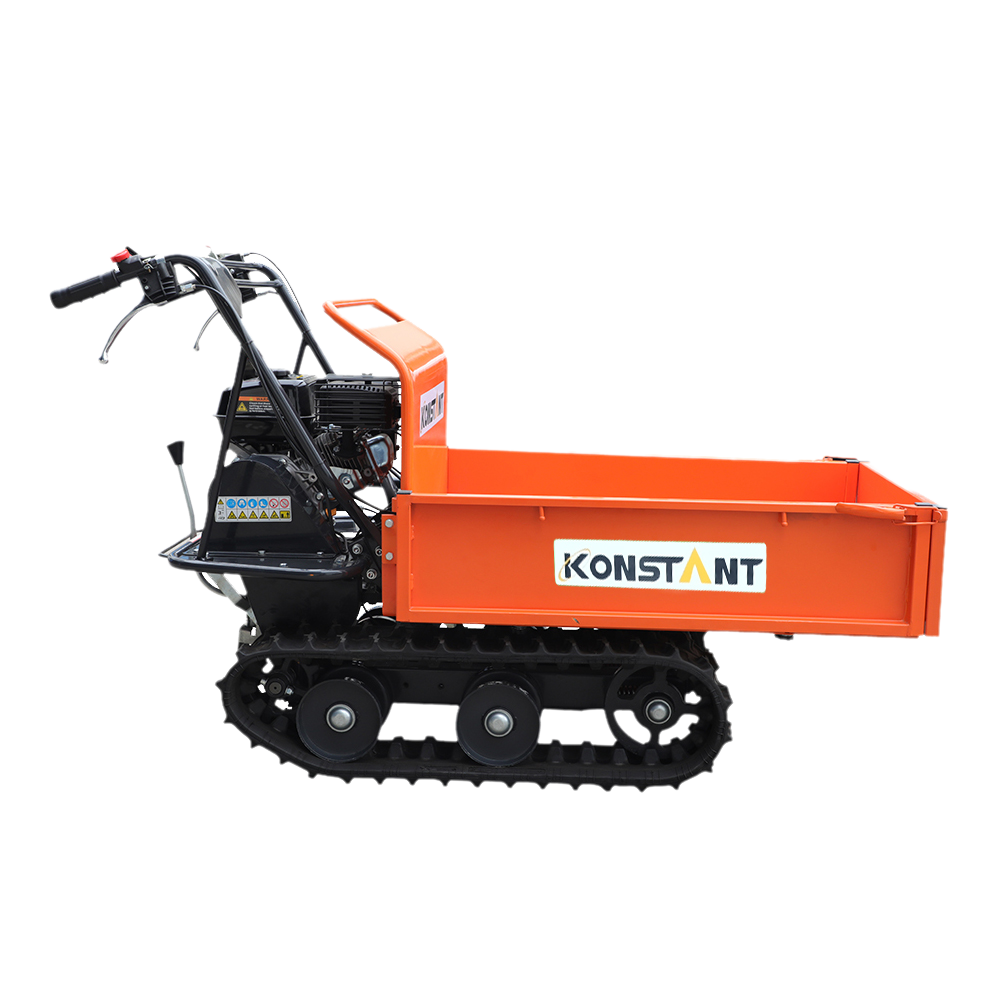
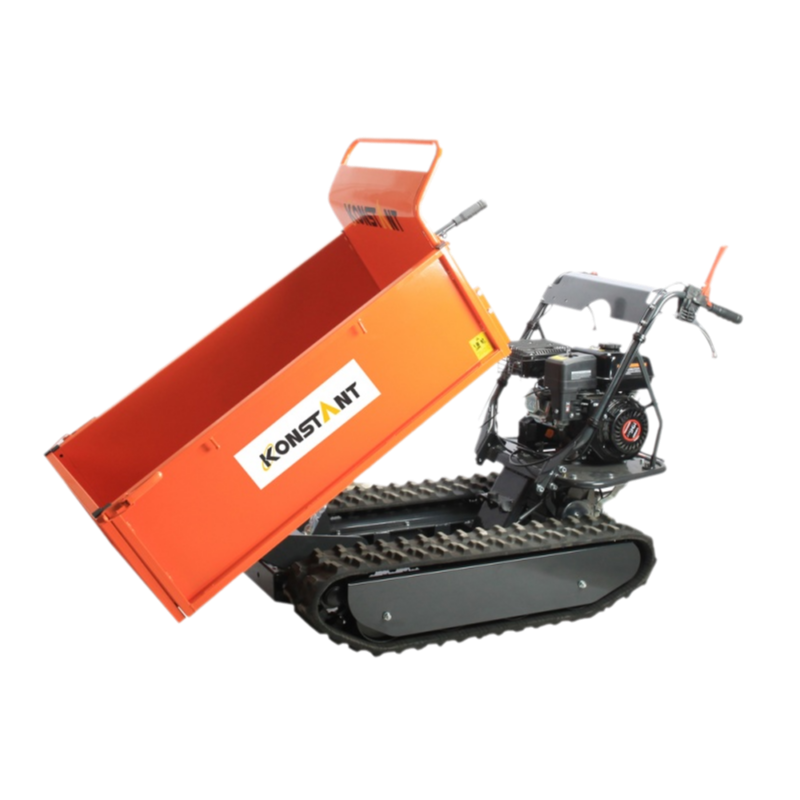
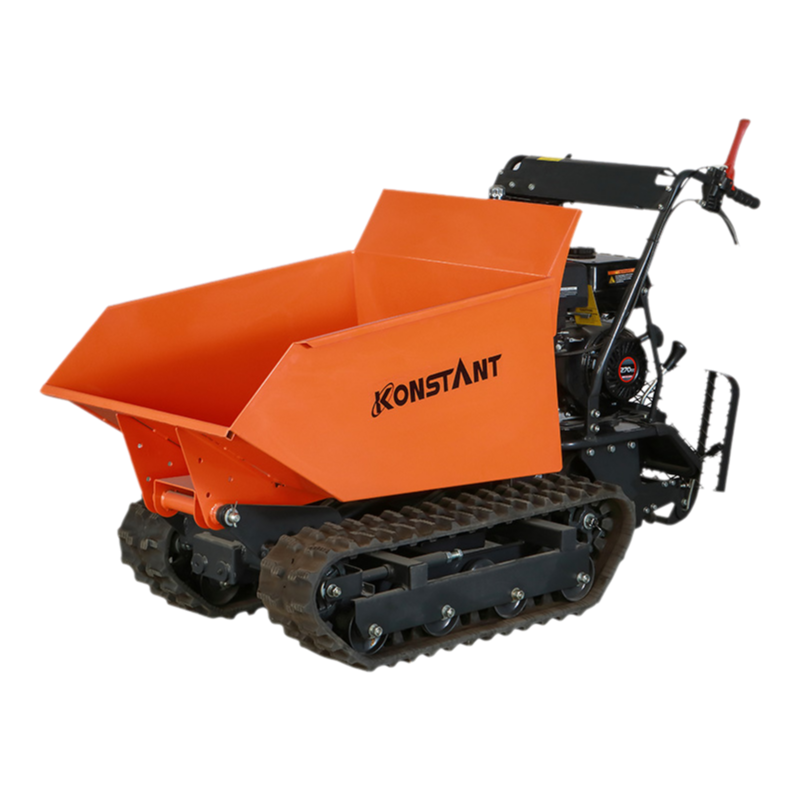
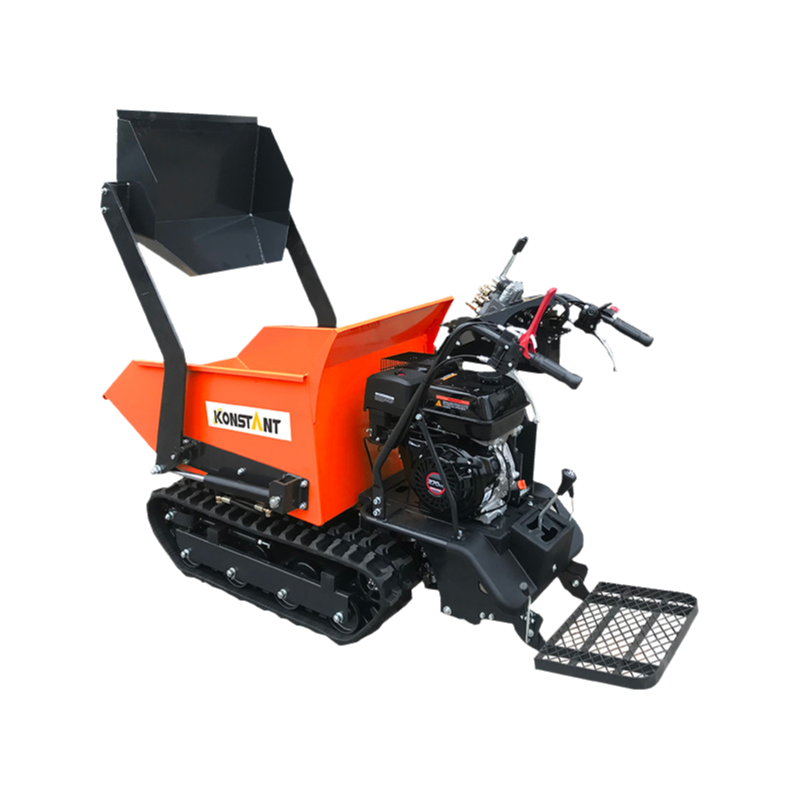
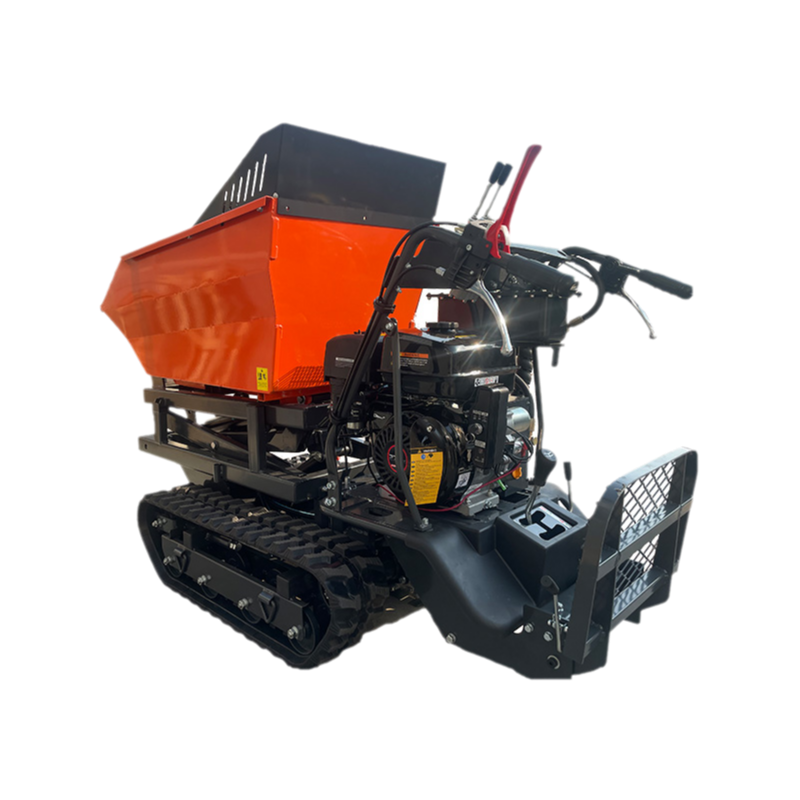
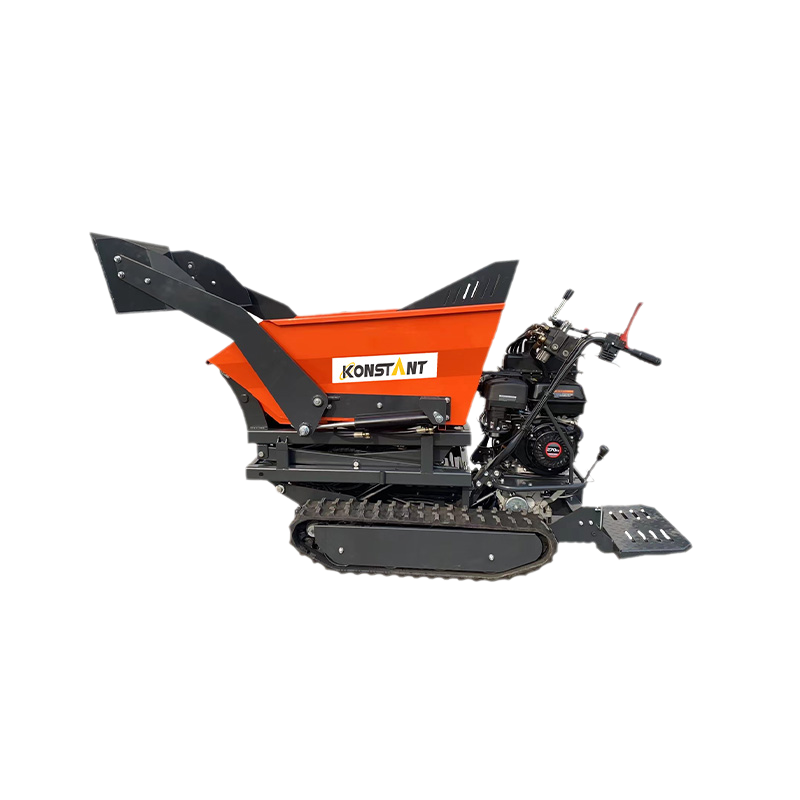
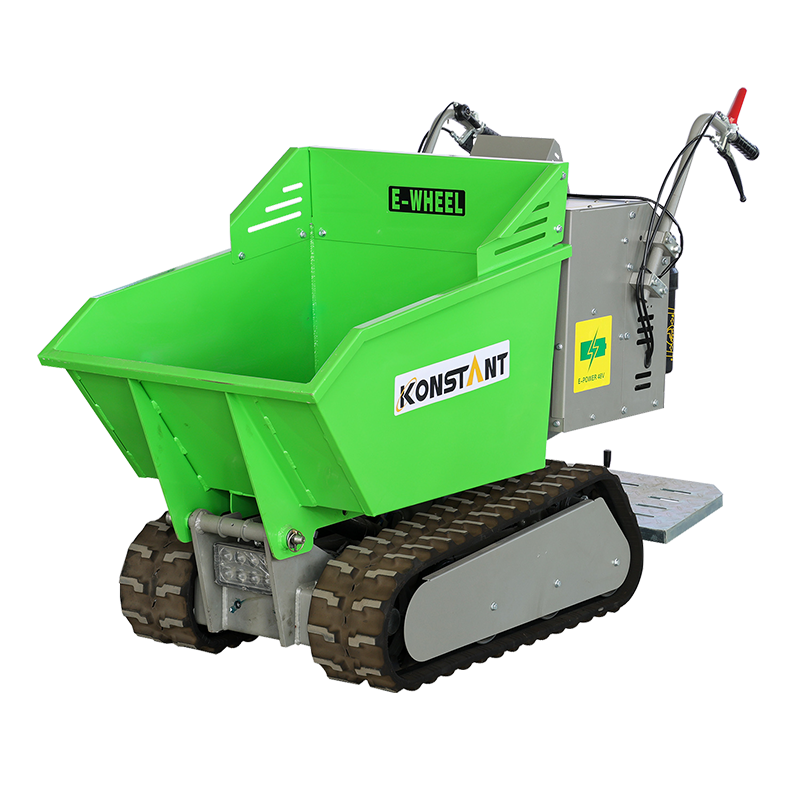
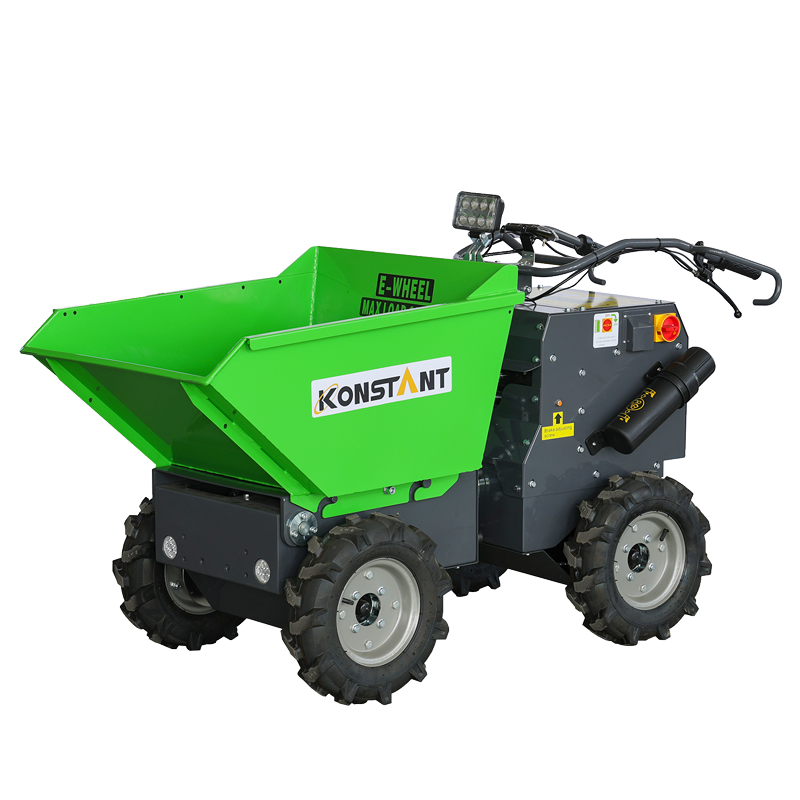
Picture a low-slung, tough little cart that basically drives itself while you steer. That's the heart of it. It rides on wheels or tracks for good grip, has a big tilting tray up front or in the middle, and you either walk behind it or stand on a tiny platform. No more leaning into a loaded wheelbarrow and praying it doesn't dump halfway. Power usually comes from a quiet battery setup or a small gas engine, so the machine does the pushing and pulling instead of your arms and back.
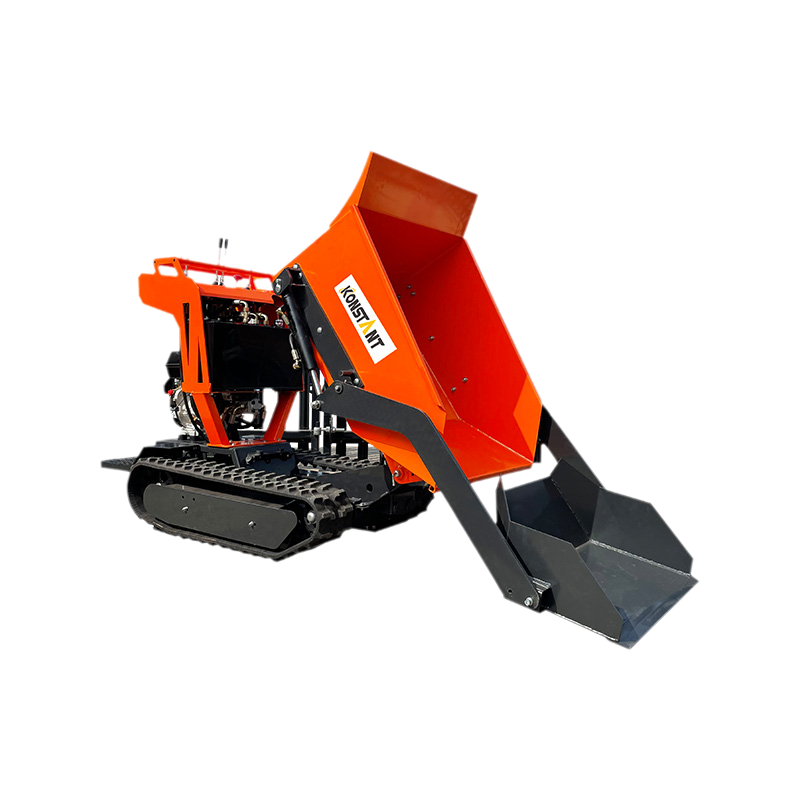
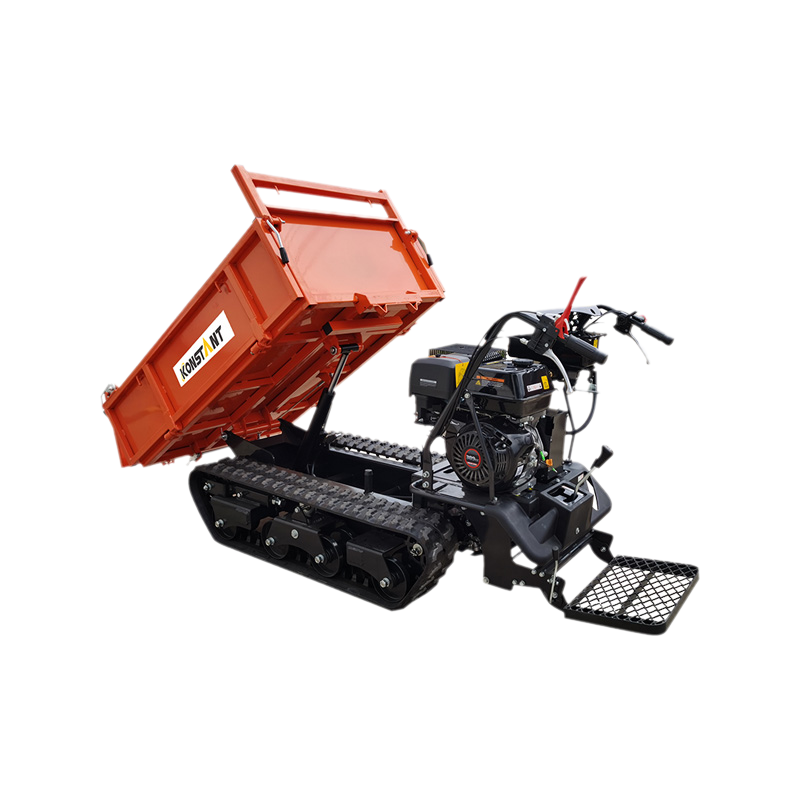
The main pieces are pretty simple: a solid steel frame that holds everything steady, a drive system that spins the wheels or tracks, a lift mechanism (hydraulic or mechanical) that tips the tray when you're ready to unload, and controls that are straightforward—throttle, direction switch, and a dump lever. Some versions keep it dead simple so a new guy can jump on and go after ten minutes. Others throw in extras like variable speed or power steering for those long days when you're covering a lot of ground. When it's time to empty the load, you just stop, hit the tilt, and the material slides out clean where you want it. No shoveling, no balancing acts on uneven ground.
Using one feels pretty natural once you've done it a couple times. Check the power—plug in the battery model overnight or top off the fuel. Flip the switch, load the tray nice and even so it doesn't tip, pick forward or reverse, ease the throttle to match the surface, and steer around whatever's in the way. Get to the spot, work the dump control, let everything fall where it needs to, drop the tray back down, and head back for the next load. Repeat until the job's done. After a short practice run people stop thinking about the controls and just focus on the work.
The real-world payoff shows up fast. You're not wearing out the crew with constant pushing and lifting, so folks stay fresher and get more done before lunch. The whole unit is small enough to slip through regular gates, tight paths between houses, or around landscaping that bigger equipment would tear up. One operator can knock out what used to take three guys with hand carts, which keeps the schedule from falling apart. On a normal day you might see it carrying gravel for a new walkway, clearing dirt from a fresh foundation, or dropping mulch right next to young plants. Each trip moves a decent amount without the old back-and-forth grind. Pretty soon it just becomes part of the routine—like having an extra set of hands that never calls in sick.
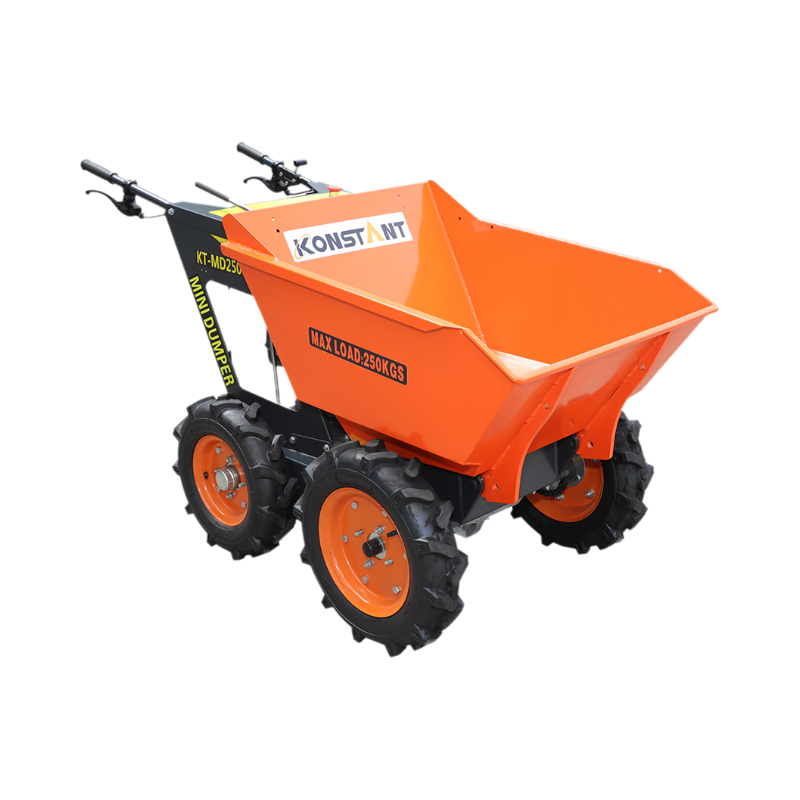
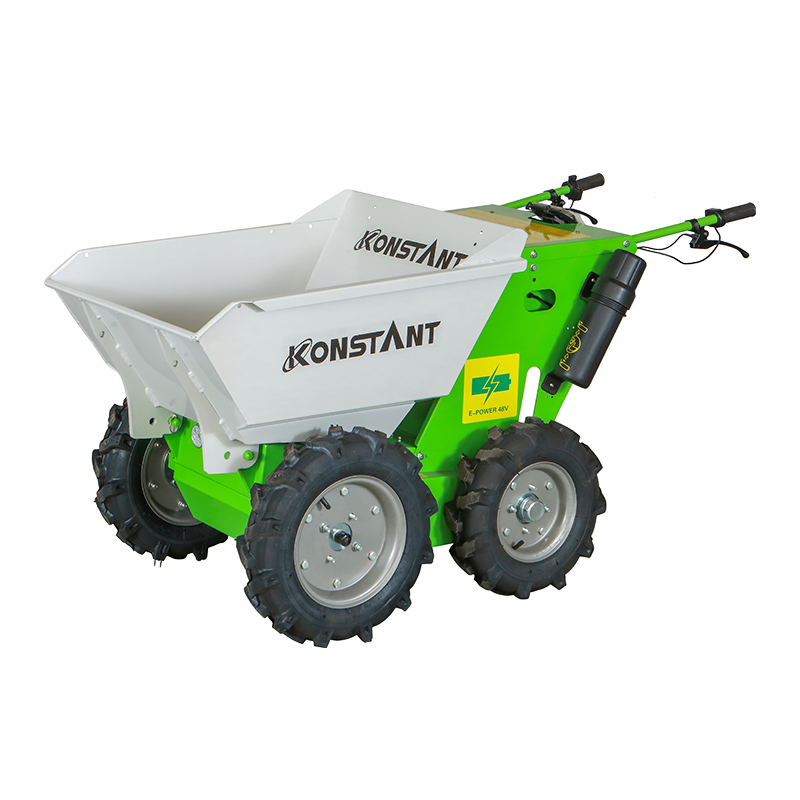
Power Barrow Mini Dumper,figuring out which compact motorized hauler actually fits your daily grind.Picking the right one isn't about grabbing the shiniest model on the lot—it's about matching the machine to what you actually do every week. Start by thinking hard about the stuff you move . Wet soil acts different than dry gravel, and mulch has its own flow, so the tray size, shape, and capacity need to line up with your typical loads. Rough out how much volume you shift in a day and how far each trip usually goes. Then consider the ground: smooth concrete, soft grass, or bumpy dirt all change how the machine handles and how fast the battery or fuel disappears.
Size is huge. Grab a tape measure and check the narrowest spots on your sites—doorways, gates, alleys between buildings, paths squeezed by trees. A tight turning radius saves you minutes every single run and stops you from having to back up and reposition constantly. Weight balance matters too; you want it to feel planted even when it's full and you're going up a gentle slope around a house.
Power source is another big call. Figure out how many hours you'll need between charges or fill-ups and whether your sites have easy electricity or fuel access. Some crews can sneak in a quick recharge at lunch; others need all-day stamina without stopping. Get that part right and you avoid the frustration of dead batteries or empty tanks in the middle of a pour. Controls and comfort count for a lot on long days. Walk-behind handles are great when you're hopping on and off a lot, but a small standing platform can save your legs when you're covering acres. Look for levers you can reach without stretching, good sight lines so you see where the tray is pointing, and little safety touches like auto brakes that give you peace of mind without making things complicated.
Don't forget about moving it between jobs. of these units slide onto a standard trailer or fit in a pickup bed, so hauling them around stays simple. Spend a little time matching the specs to your real-world needs and you'll end up with something that actually helps instead of creating new headaches later.
Keeping things safe and running smooth every single day
Safety and efficiency start the same way every morning: a quick walk-around. Check for loose bolts, worn tires or tracks, or anything bent on the tray hinges. Make sure you've got enough juice or gas for the jobs lined up and that the controls feel solid. Those five minutes save you bigger headaches later.
Loading is all about staying balanced. Spread the material evenly instead of dumping it all to one side or piling it higher than the rating. A centered load keeps steering predictable on turns and gentle hills and keeps wear down on the drive parts. Roll at a speed that matches the ground—slow and careful through soft spots or near obstacles, steady on flat pavement.
When you're ready to dump, stop completely, set the brake if it has one, and double-check that nobody and nothing is behind the tray. Tilt it easy so that the load doesn't avalanche everywhere, then lower it all the way before you move again. That simple habit stops spills that turn into extra cleanup or tripping hazards.
Looking after the power system keeps the whole thing reliable. Follow the manual on charging or refueling at the end of each shift, and let it go through a full cycle when you can. Park it somewhere dry and out of good heat or cold so the electronics and mechanics stay happy. Little routines like that mean it's ready to go every morning without surprise breakdowns.
A couple mistakes show up a lot—don't whip sharp turns with the tray up, and never drive around with a lopsided load. Both mess with stability and can go to tip-overs. Another common one is ignoring changing ground; soft mud or loose rock needs slower speeds and sometimes a different route. Stay sharp, adjust on the fly, and things stay under control.
Gear up properly too. Sturdy boots with real grip, gloves, eye protection, and a high-visibility vest keep you comfortable and easy to spot. A quick training run for anyone who might drive it makes sure everybody's on the same page with the controls and safe habits.
Why these self-propelled haulers feel custom-made for landscaping and garden jobs
Landscaping and gardening work is full of delicate stuff—new plants, finished lawns, carefully edged beds. You can't just drive a big machine through there without leaving scars. These compact haulers move quietly and precisely, so you can drop material exactly where it belongs without tearing up the grass or smashing roots.
Think about a backyard redo: hauling fresh topsoil to new planting zones, clearing out dirt from a patio base, or placing mulch right along flower beds. The tight turn radius lets it slip between trees and shrubs that would stop anything larger. Workers skip the repeated heavy lifts, which means less fatigue and projects that actually finish on time. Garden crews use them to spread compost, clear storm branches, or move stepping stones down narrow paths that hand carts would struggle with.
Even public parks and community gardens see the difference. Maintenance teams can refresh paths or mulch big beds without shutting down whole sections for hours. The quieter operation keeps the peaceful vibe visitors expect, and the small size means faster work with less disruption. After a couple seasons it stops feeling like "extra equipment" and just becomes how you get the yard work done.
Where these compact haulers make regular material moving way less painful
On construction sites they shuttle concrete mix, backfill sand, or demolition debris right up next to the building line where trucks can't reach. That cuts down on guys tied up in hauling and leaves more time for actual building. Warehouses and storage yards shift pallets, leveling gravel, or packaging waste between tight aisles even when bigger gear is stuck outside. Indoor or covered areas love them because there's al no noise or fumes.
Farms and rural spots use them to move feed, soil amendments, or harvested crops from barn to field without squeezing through tight doors or along fence lines. In crowded urban backyards and townhouse rows, where driveways are narrow and neighbors are close, the hauler delivers supplies without blocking the street or ripping up lawns. Inside-house renovations—basement finishes, kitchen gut jobs—benefit too. The unit can carry out old drywall or tile and bring in new material through hallways or side doors that would otherwise mean awkward hand-carrying.
No matter the setting, these machines cut down on endless manual trips, keep the work area cleaner, and let the crew focus on the skilled stuff instead of just moving piles around.
When these haulers really earn their keep on tight or restricted-access jobs
Some of the worst hauling headaches happen in places you can barely walk through—low basements, skinny alleys, rooftop gardens with tiny elevators. The small footprint and precise steering let the machine go where nothing else fits without tearing the site apart. Early demolition creates mountains of debris that need to disappear fast; later finishing stages need steady small deliveries of sand, grout, or decorative rock. Spotting those moments means bringing the right tool instead of forcing hand labor that slows everything down.
Local rules often push you toward the compact option anyway. Many cities limit big equipment noise or access during certain hours; a quiet, small machine keeps work rolling without fines or delays. Indoor jobs or spots with poor ventilation make it the safer pick for the crew and the neighbors.
Quick mental checklist: Is the path narrower than a normal wheelbarrow can handle comfortably? Are you looking at dozens of small loads that would wear everybody out by hand? Any height, noise, or space restrictions on site? If the answer is yes to any of those, chances are this type of hauler will save time and sore backs.
A good compact motorized hauler takes a lot of the everyday frustration out of moving materials on busy sites. It gives you a practical way to shift loads without beating up the crew or creating new logistics nightmares. Once you understand how they work, pick the right size and power for your jobs, run them safely, and spot the places where they shine, the whole process gets smoother. Landscape teams, construction crews, and property managers all run into situations where one of these units just fits naturally and lightens the daily load.
We build practical equipment that solves real problems instead of chasing hype. We've seen these carriers make a genuine difference on all kinds of projects by matching actual site conditions and daily realities. Take a little time to look at your own work patterns and tight spots, and you'll know pretty quick whether one belongs in your fleet. If your days usually involve shifting materials in limited spaces or around sensitive areas, this kind of hauler can give you the steady help that keeps jobs moving forward without the usual drama.
Got questions about how one might fit your typical tasks? Reach out anytime. Our team talks to folks in the field every day and can walk through practical ways to add one to your workflow—no pressure, just honest answers.
Related products

Latest Updates
-
Mini Dumper Purchases: Include the Charging Plan in the Enquiry
A battery powered mini dumper may be selected for its size and payload, while charging is left as a ...
-
Can Wheelbarrow Function Support Different Types of Work
Moving materials from one place to another is part of many types of outdoor work. A gardener may n...

-
Welcome To Visit Us
No.30, Third Furong Road, Wuxi City, Jiangsu. 214100, China.
-
Call Us
Phone: +86 181-1889-1139
Phone: +86 181-1889-2139
-
Contact Us Online
E-mail: sales@konstantpm.com
E-mail: marketing@konstantpm.com
Copyright WUXI KONSTANT POWER TECH CO., LTD All Rights Reserved
 China Mini Dumpers Manufacturers Power Wheelbarrow Factory