
 English
 русский
 Français
 Español
 Deutsch

Provide you with the latest enterprise and industry news
Do You Need an Electric Mini Dumper for Tight Spaces
Update:10-04-2026
Posted by Admin
Content
- 1 Electric Mini Dumper: How to Choose, Use and Apply It on Job Sites, Landscaping and Tight Spaces
- 2 What Is an Electric Mini Dumper and How Does It Work
- 3 How to Choose an Electric Mini Dumper for Your Job Site Needs
- 4 Tips for Safe and Efficient Operation of an Electric Mini Dumper
- 5 Why Electric Mini Dumpers Fit Well in Landscaping and Gardening Projects
- 6 Where Electric Mini Dumpers Make Daily Material Hauling Easier
- 7 When an Electric Mini Dumper Can Help with Tight Space Jobs
Electric Mini Dumper: How to Choose, Use and Apply It on Job Sites, Landscaping and Tight Spaces
Every contractor, landscaper, or property manager knows the drill: hauling dirt, gravel, sand, or mulch eats up half the day and leaves the crew wiped out. Wheelbarrows get heavy in a hurry, trucks can't always squeeze close enough, and the noise or fumes from older machines just add more stress to an already busy site. That's where a battery-powered hauler comes in handy. It quietly moves and tips out loose stuff so everyone spends less time busting their backs and more time actually getting the job done. In this piece we walk through the six things people ask about when they're thinking of adding one to their setup: what the thing actually is and how it runs, how to pick one that matches your daily grind, tips for running it safely without drama, why it clicks so well with garden and yard work, where it really eases up the everyday carrying, and when it shines on those cramped or tricky sites. Whether you run a two-person crew or look after bigger outdoor spaces, these notes should help you figure out if this kind of gear belongs on your next project list.
What Is an Electric Mini Dumper and How Does It Work
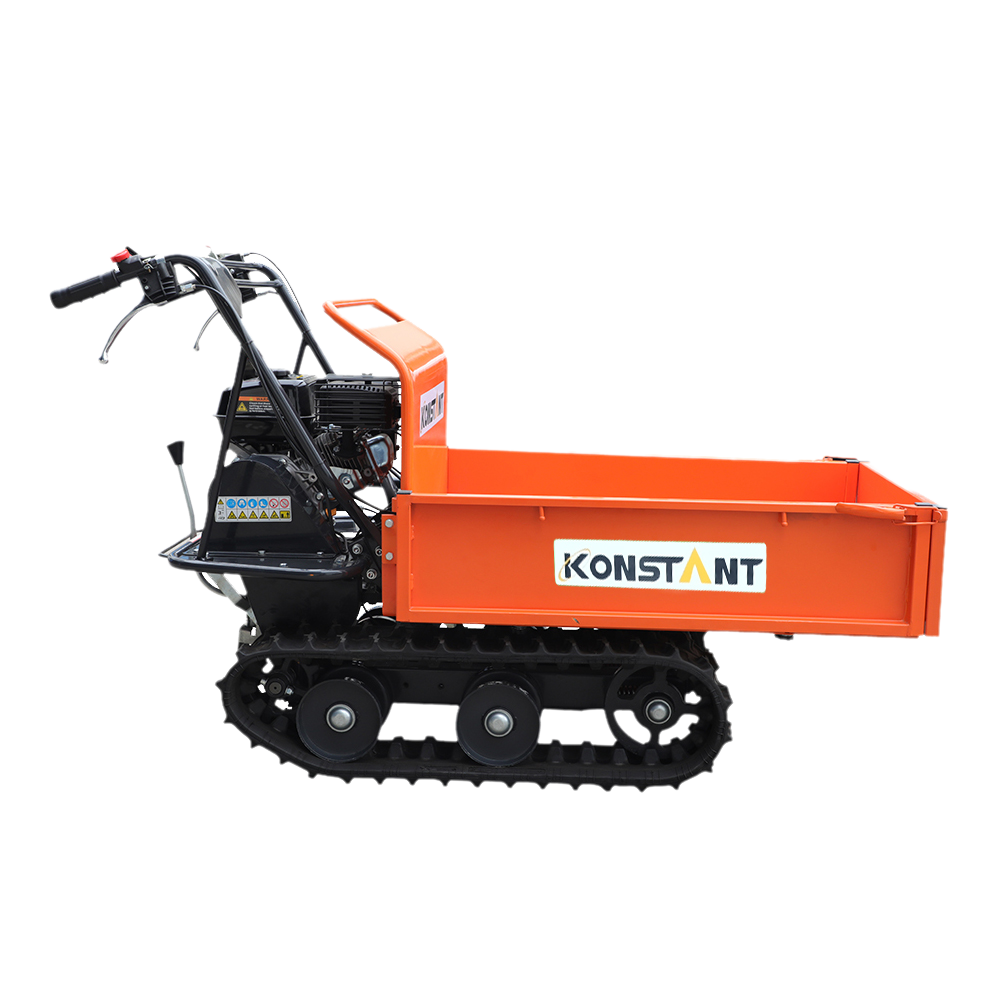
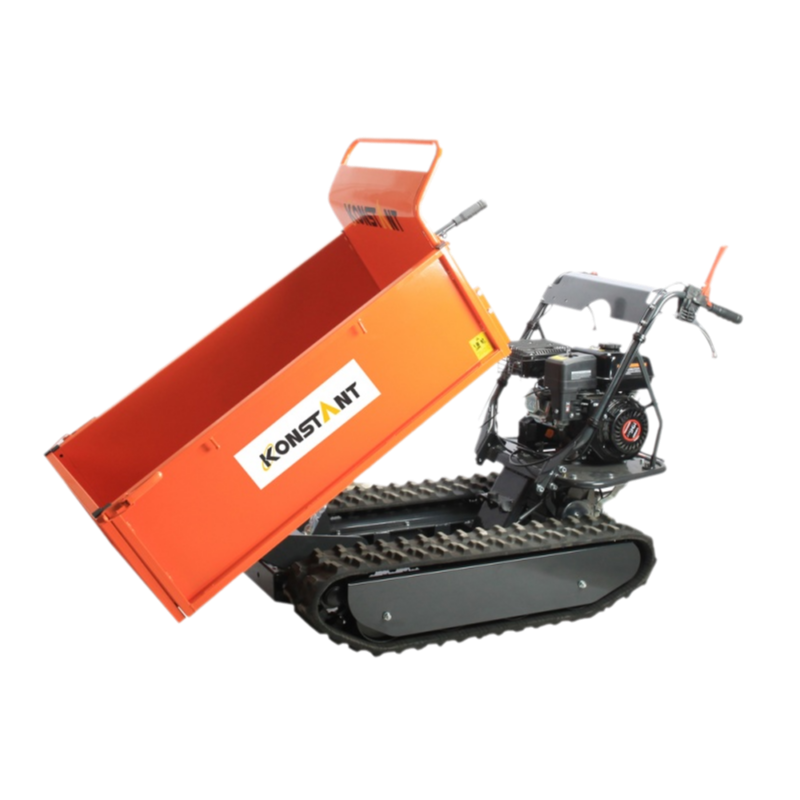
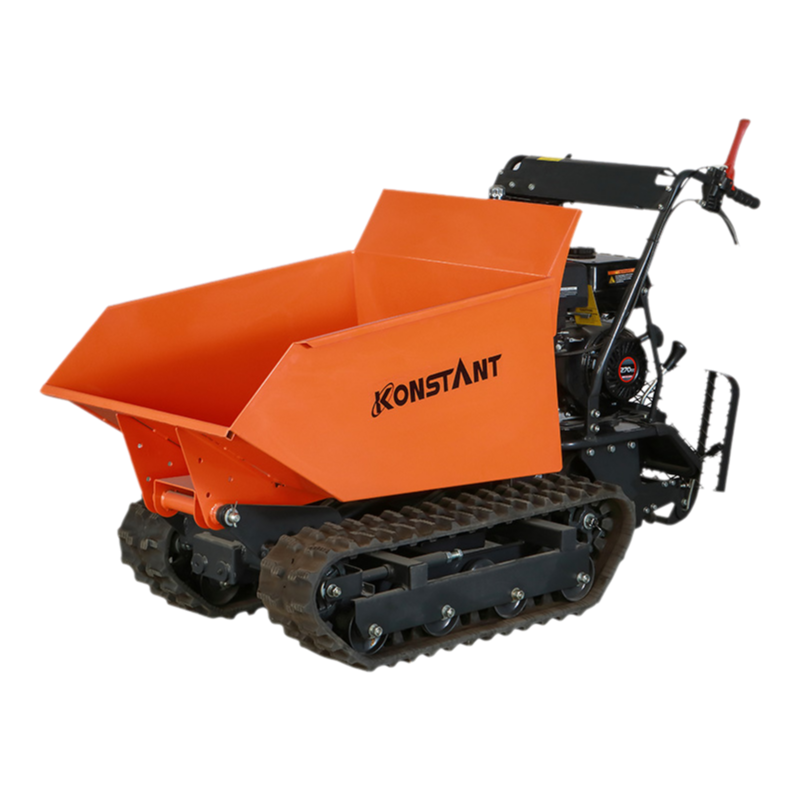
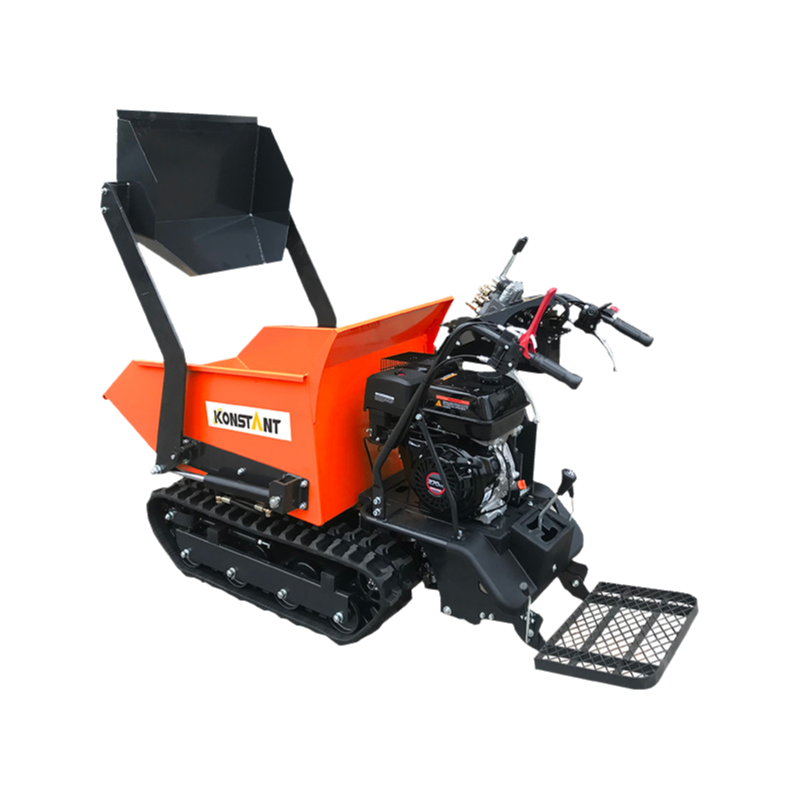
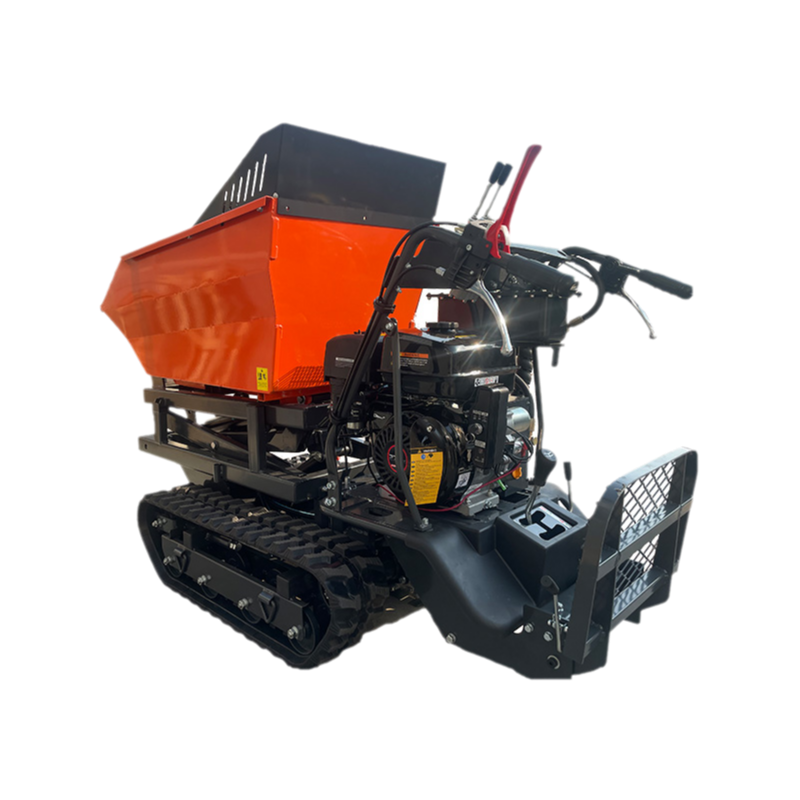
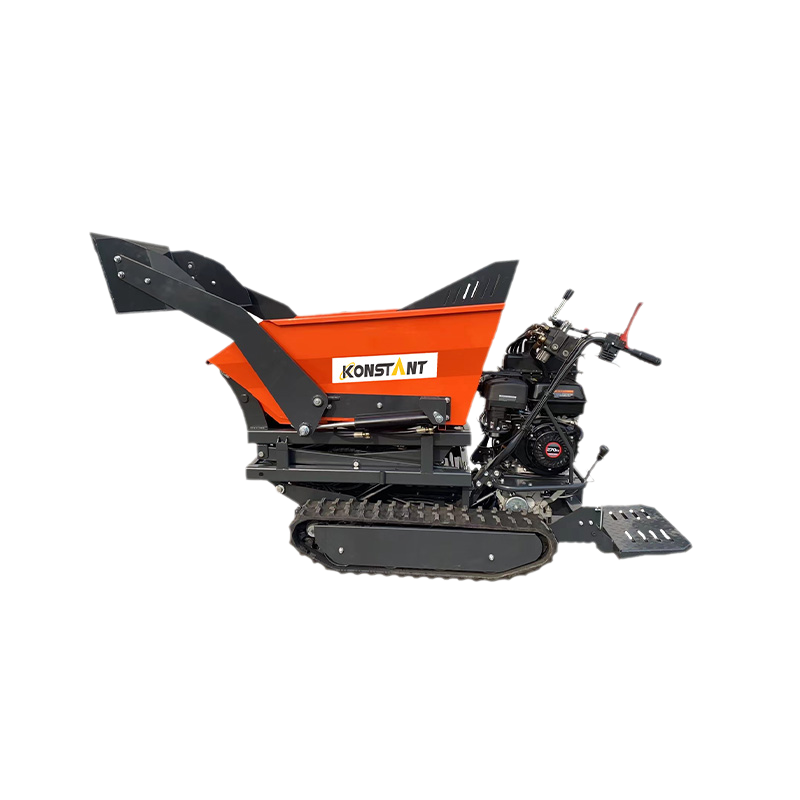
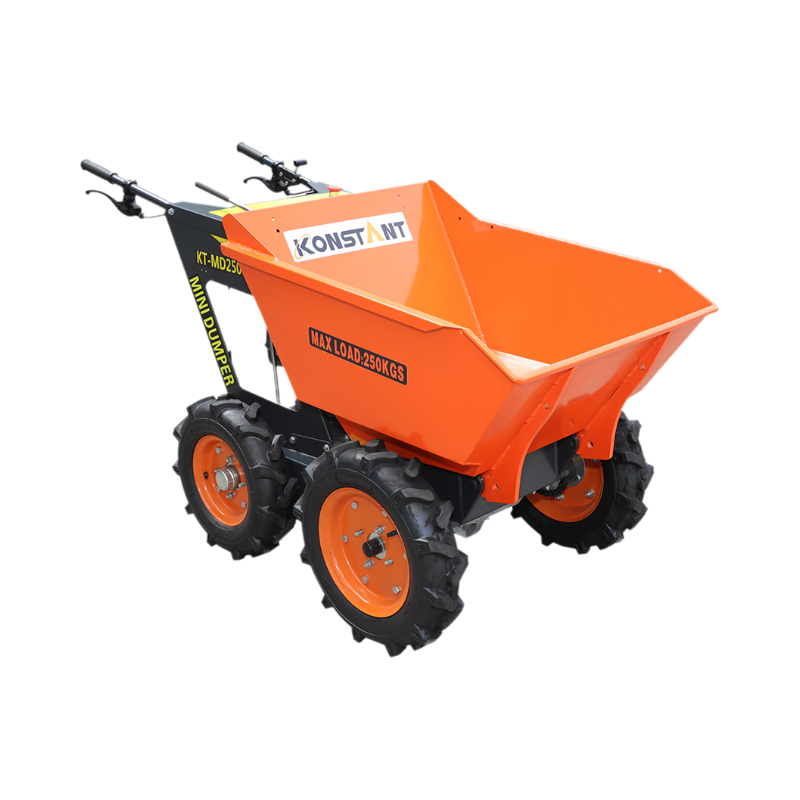
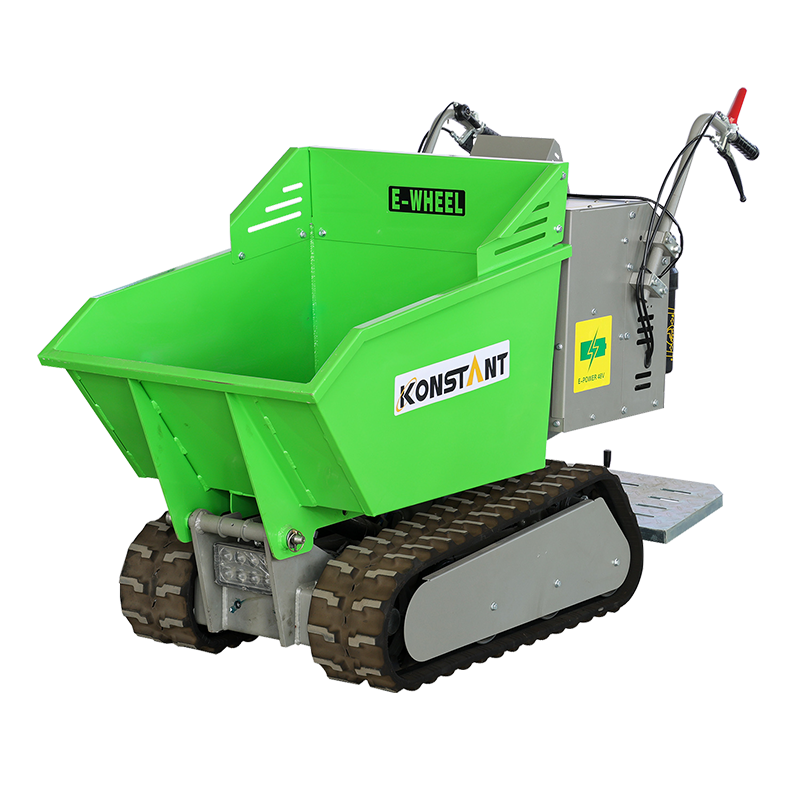
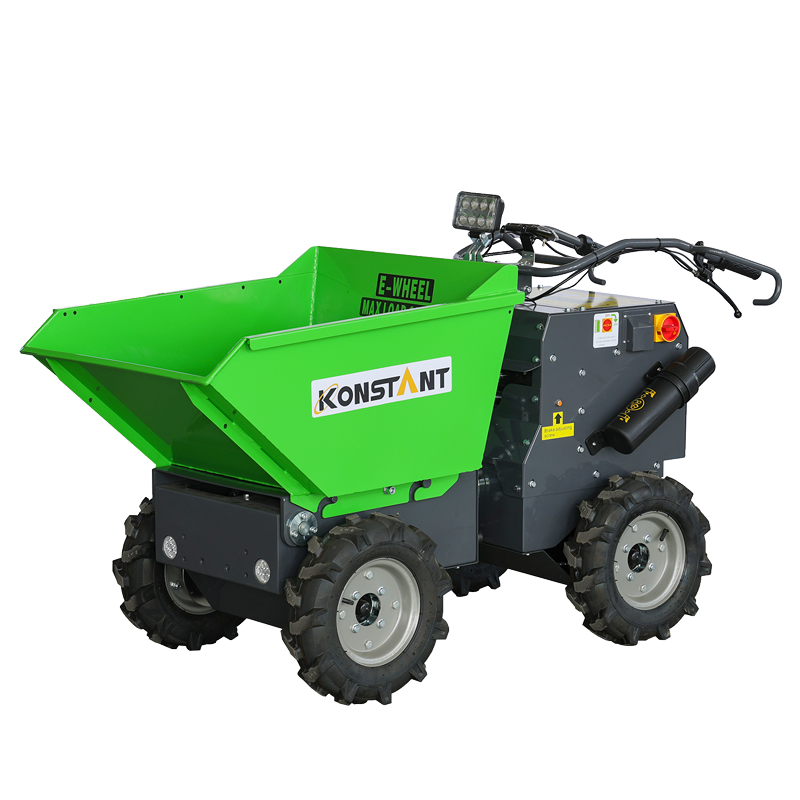
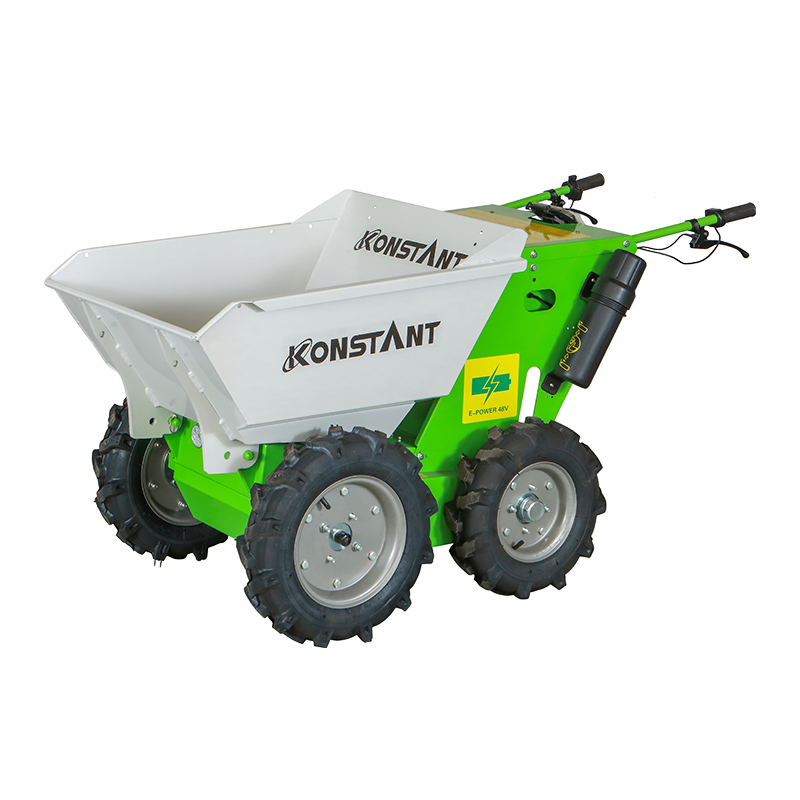
Picture a low, tough little cart on tracks or wheels with a bin that tilts up front. The operator stands or sits at the controls and steers it around posts, plants, or tight corners. It runs off a rechargeable power pack instead of gas, so it stays quiet and throws out zero smoke—perfect for spots near houses or half-covered areas where you don't want to bother the neighbors or the plants.
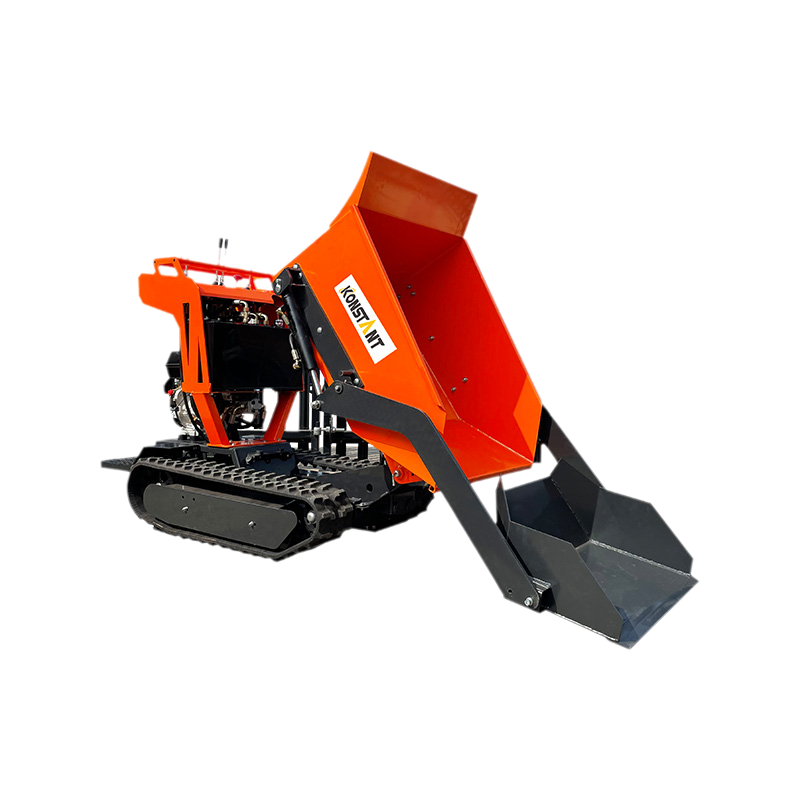
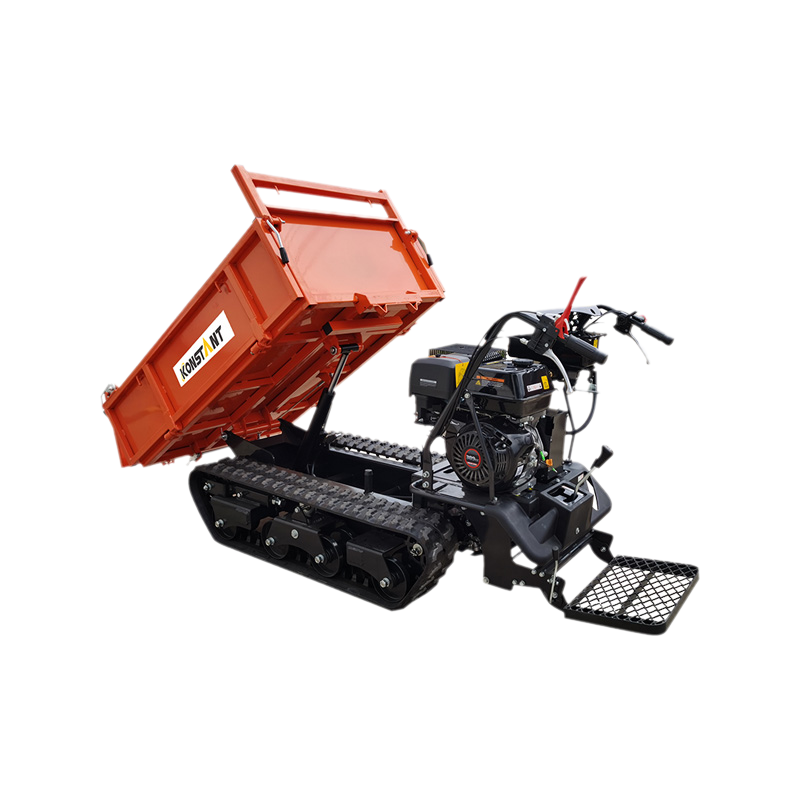
Inside you've got a solid frame, a motor fed straight from the batteries, a simple lift system that raises and angles the bin, plus easy levers for speed, direction, and dumping. The stored energy spins the wheels or tracks so the whole unit glides along smoothly. When it's time to unload, you just hit the control and the bin tips up; the load slides out clean. Some versions give you a small standing platform, others stay walk-behind so they can spin in really tight spots.
Using it is pretty straightforward once you get the rhythm. Charge it overnight or during breaks with a regular outlet. Flip it on, pick forward or reverse, ease the throttle to match the ground, and drive to the drop spot. At the right place you tilt the bin, let everything flow out, drop the bin back down, and head back for the next load. After a day or two it becomes second nature.
The quiet running means you can start earlier or finish later without complaints. No fumes keep indoor spots and plant-heavy zones comfortable. Maintenance is lighter too—no oil changes, no filters to mess with every week, fewer parts that wear out fast. A lot of crews just plug it in at the end of the shift and it's ready again the next morning, so you avoid those surprise delays that kill momentum.
You'll see the carrier shuttling gravel for a fresh walkway, clearing dug soil from a foundation trench, or moving mulch between planting rows. Each trip replaces a bunch of hand hauls, eases the physical load, and keeps the schedule on track. Its small size slips through gates or between buildings where bigger rigs can't go. Pretty soon it just becomes part of the daily flow instead of something the team has to work around.
Electric Mini Dumper appears here for the time while we talk about its basic setup and everyday use.
How to Choose an Electric Mini Dumper for Your Job Site Needs
Picking the right battery-powered hauler starts with an honest look at the work you do . Think about the loads you move and how much volume you shift in a normal day. Soil, sand, and gravel all behave differently, so the bin shape and size need to line up with what you actually handle. Also consider how far each trip will be and what kind of ground the machine will cross—pavement, soft grass, or bumpy dirt all change how it performs.
Size is next on the list. Measure the narrowest gaps on your sites—doorways, fence openings, alleys between obstacles. A unit that turns in a short radius saves a ton of extra back-and-forth. Stability matters too; it should feel steady when full on the gentle slopes you usually find in home yards.
Power duration needs a close check. Figure out how many hours you'll run between charges and whether you can plug in during lunch. Some days let you sneak in a quick top-up; others need longer stretches without stopping. Matching the energy system to your real schedule keeps the crew from sitting around waiting.
Controls and comfort make a difference as well. Some folks like a stand-up spot for quick on-and-off, others prefer sitting for longer runs. Levers that fall right to hand and clear sight lines from the driver area cut down on tiredness and help you place loads more accurately. Simple brakes and stops add confidence without making daily use feel complicated.
Finally think about moving the machine between sites. Fit on a standard trailer or in a pickup bed, so transport stays easy. Going through these points before you buy helps the equipment support your workflow instead of creating new headaches. Taking time to match the carrier to your actual daily demands usually leads to smoother shifts and fewer fixes later.
Tips for Safe and Efficient Operation of an Electric Mini Dumper
Safe running starts with a quick walk-around every morning. Circle the unit, check for loose parts, worn tracks or wheels, or any wear on the bin hinges. Make sure the power level will cover the day's work and that every lever moves smoothly. Those few minutes catch little problems before they turn into big ones.
When loading, spread the material evenly so the machine stays balanced. Don't pile everything to one side or go past the safe volume. An even load takes stress off the motor and keeps steering predictable, especially on turns or small inclines. Drive at a speed that matches the ground—slower over soft spots or near objects, a touch quicker on flat, firm surfaces.
Unloading needs care. Come to a full stop, set any brake, and look behind the bin to make sure the area is clear of people and tools. Raise the bin slowly to control the flow, then lower it completely before you pull away. This habit stops spills that create extra cleanup or slip hazards.
Looking after the power pack helps it last. Hook up the charger after each shift and let it finish a full cycle when you can. Store the unit in a dry, covered spot away from big temperature swings. These easy steps keep the carrier ready day after day without sudden stops.
Watch out for a couple of common mistakes: sharp turns while the bin is raised or driving with an off-center load. Both can affect balance and raise the chance of tipping. Another one is ignoring ground changes—soft mud or loose stones can cause wheel spin if you don't adjust speed. Staying alert to the surface and changing pace as needed keeps everything steady and incident-free.
Good gear adds another layer. Boots with solid grip, gloves, eye protection, and bright clothing help the operator stay comfortable and easy to spot. A quick training session for anyone who will drive the unit makes sure the whole team follows the same safe habits.
Electric Mini Dumper comes up again when crews talk about daily handling and care on the job.
Why Electric Mini Dumpers Fit Well in Landscaping and Gardening Projects
Yard and garden work usually means moving supplies around tender plants, finished lawns, and prepared beds. A compact site tipper handles these jobs without carving deep ruts or releasing smoke that could hurt nearby growth. Its low noise lets teams work in neighborhoods during normal daytime hours without neighbor complaints.
In a typical backyard update the carrier brings fresh soil to new planting zones, removes extra dug material from a patio base, or drops mulch right beside flower borders. Because it turns sharply it slips between trees and shrubs without damaging roots or branches. Controlled tipping means workers can place material exactly where it belongs instead of scattering it across finished surfaces.
Garden maintenance crews use the transporter to move compost, clear storm debris, or carry paving pieces for new paths. Its small build follows narrow garden trails that bigger gear can't enter. This cuts down on hand-carrying heavy loads over distance, lowers physical strain, and helps projects stay on schedule.
Community parks and shared green spaces see the same advantages. Maintenance groups deliver repair supplies for walkways or refresh mulch in large planting sections without closing areas for long. The silent running keeps the calm atmosphere visitors expect. Over time these steady benefits turn the carrier into a regular part of yard routines instead of an occasional extra.
Where Electric Mini Dumpers Make Daily Material Hauling Easier
Construction sites use the portable dump vehicle to move concrete ingredients, backfill sand, or cleared waste with less effort than manual methods. It reaches spots close to the building line where bigger trucks can't pull up, saving time and cutting the number of crew members needed per load.
Storage yards and warehouses shift supplies, leveling gravel, or packaging scraps between zones with the quiet carrier. Indoor or roofed spaces benefit because no fumes affect air quality or stored items. Work keeps going even when other gear has to pause because of sound limits.
Farms and country properties count on the unit for moving feed, soil additives, or harvest items between structures and fields. The small design passes through barn doors and along fence lines, making routine chores quicker and less tiring. In city yards and townhouse developments with narrow driveways and close neighbors, the carrier delivers materials without blocking roads or tearing up grass.
Home renovation jobs inside existing buildings also find value. During basement or kitchen updates the unit can remove old drywall, tile, or cabinets and bring in fresh supplies through tight hallways or side entries. Operating indoors without smoke makes it practical for those enclosed settings.
Across all these places the carrier cuts down on repeated hand trips and helps keep the work zone tidy. Supplies arrive where they're needed, waste leaves promptly, and the team spends more time building or planting than moving things around.
Electric Mini Dumper shows up once more when talking about everyday carrying on different locations.
When an Electric Mini Dumper Can Help with Tight Space Jobs
Cramped areas create some of the tough carrying situations. Low-ceiling basements, narrow lanes between buildings, or rooftop gardens with limited lift access all get easier when a compact carrier can fit and run safely. Its small size and accurate steering let it reach these spots without major site changes.
Certain project stages call for the machine more than others. Early teardown or digging phases produce piles of waste that need to leave quickly before new work starts. Later finishing steps often need small, frequent drops of sand, grout, or trim stone. Spotting these windows helps crews bring the right tool at the right moment and avoid holdups.
Sound and air rules can also decide when the carrier becomes the logical choice. Many local guidelines restrict engine gear during certain hours or in sensitive zones. A battery model works within those limits, letting tasks continue without pauses or penalties. Indoor jobs or spots with weak airflow make this power choice safer for crews and the surroundings.
A short checklist can help spot the right time: Is the path narrower than a wheelbarrow can handle easily? Does the task involve many small loads that would tire people if done by hand? Are there sound or ventilation limits in place? Answering yes to any of these often suggests the carrier could make a difference.
Electric Mini Dumper fits into the conversation here as crews consider space-limited work.
A battery-powered hauler takes care of many routine headaches on work areas by giving you a quiet, practical way to shift materials without extra strain or complications. From understanding its basic setup and running method to picking the right fit, using careful habits, and seeing the places where it performs smoothly, each part adds up to easier daily efforts. Landscape teams, building crews, and property handlers all run into situations where this equipment slides naturally into their routines and lightens the load of carrying.
As a maker focused on useful gear, we watch how these carriers support a wide mix of projects by lining up with actual needs rather than promising unrealistic results. Spending time to review your own sites and tasks helps make sure any equipment you add truly improves flow and safety. If your work includes regular material movement in limited or sensitive settings, this style of carrier may provide the steady assistance that keeps jobs progressing steadily.
For more on fitting this type of gear into your specific operations, feel free to get in touch. Our group stands ready to talk through your usual requirements and point out practical ways to include a carrier in your daily approach.
Related products

Latest Updates
-
Mini Dumper Purchases: Include the Charging Plan in the Enquiry
A battery powered mini dumper may be selected for its size and payload, while charging is left as a ...
-
Can Wheelbarrow Function Support Different Types of Work
Moving materials from one place to another is part of many types of outdoor work. A gardener may n...

-
Welcome To Visit Us
No.30, Third Furong Road, Wuxi City, Jiangsu. 214100, China.
-
Call Us
Phone: +86 181-1889-1139
Phone: +86 181-1889-2139
-
Contact Us Online
E-mail: sales@konstantpm.com
E-mail: marketing@konstantpm.com
Copyright WUXI KONSTANT POWER TECH CO., LTD All Rights Reserved
 China Mini Dumpers Manufacturers Power Wheelbarrow Factory