
 English
 русский
 Français
 Español
 Deutsch

Provide you with the latest enterprise and industry news
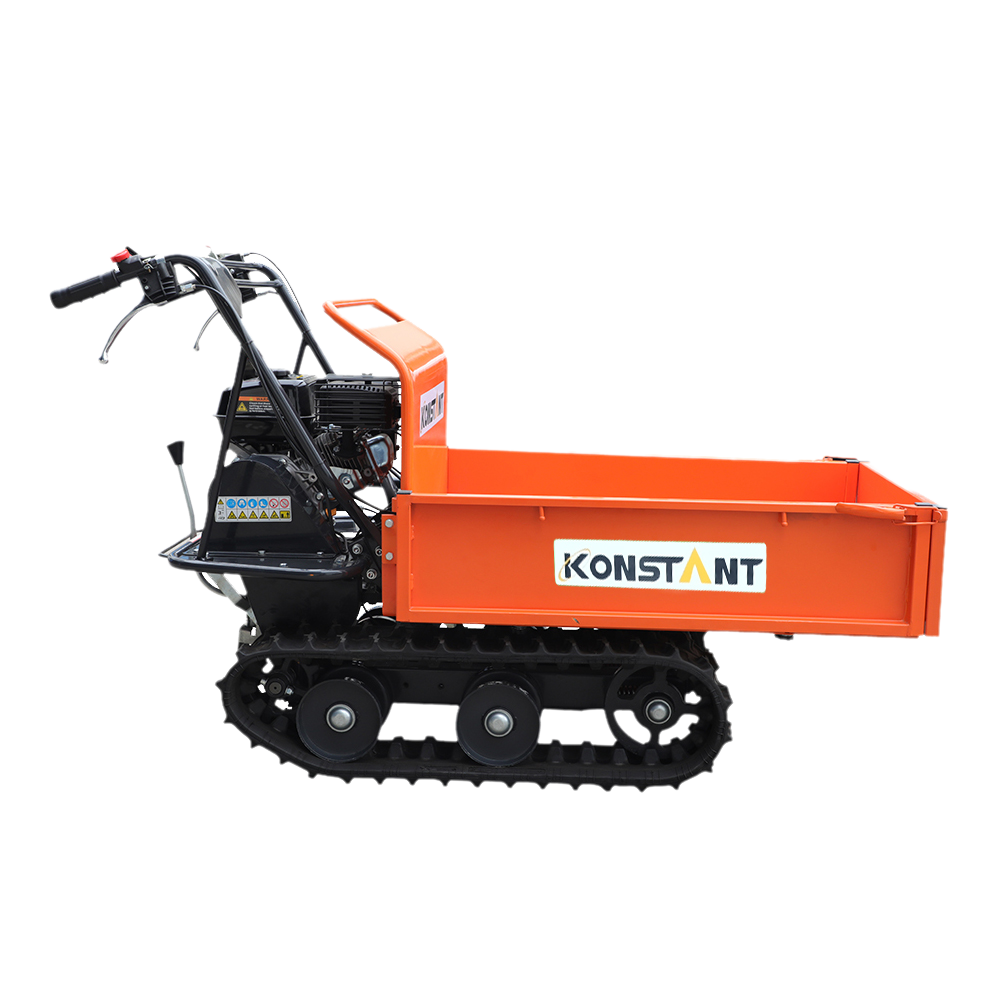
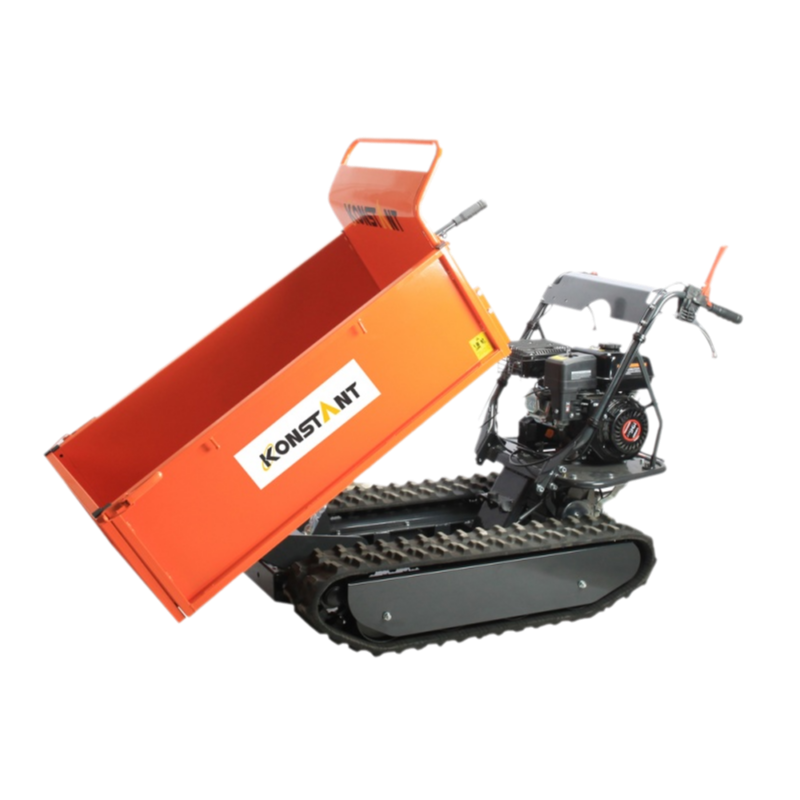
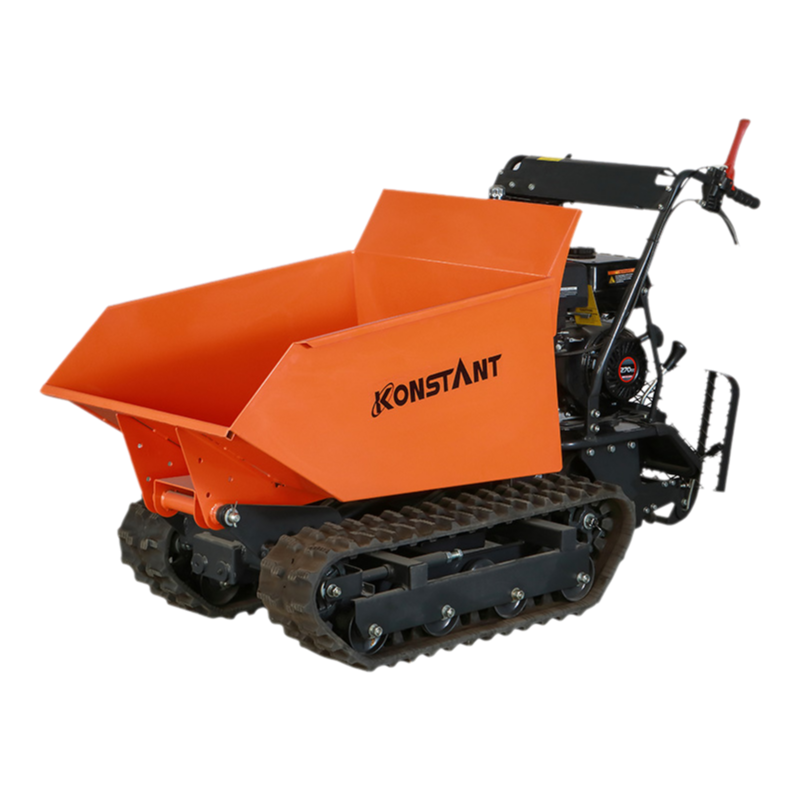
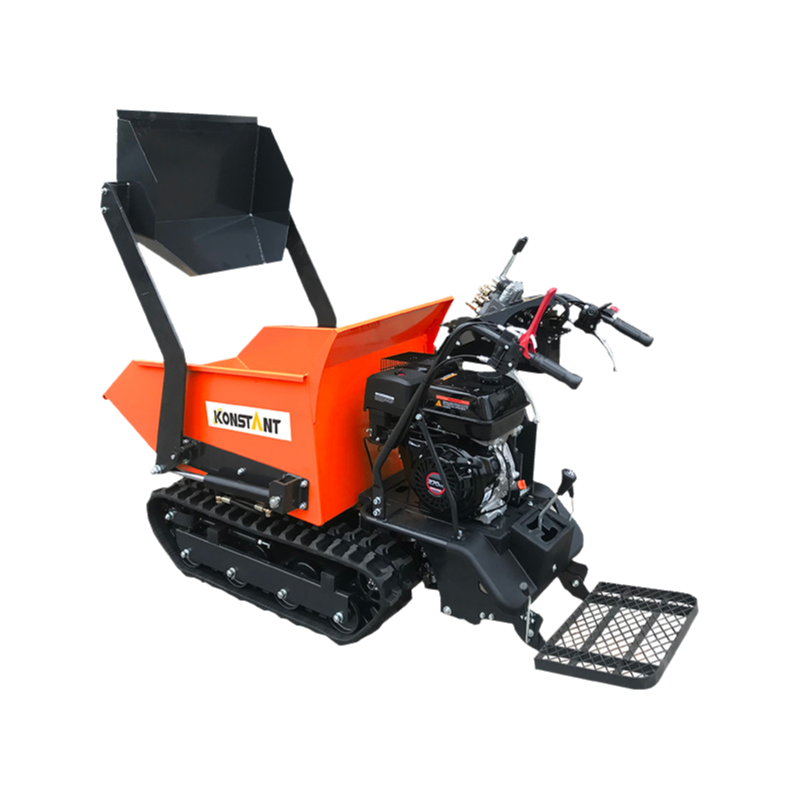
How Does a Power Barrow Mini Dumper Help
Update:06-04-2026
Posted by Admin
Content
- 1 How Can a Power Barrow Mini Dumper Improve Everyday Material Handling
- 2 Why compact powered hauling has become more useful
- 3 How it changes day-to-day handling
- 4 What kinds of jobs it usually handles
- 5 Why it works well in tight spaces
- 6 Charging habits and battery care
- 7 Where it fits in farming work
- 8 When it makes sense to switch
- 9 Keeping it useful over time
How Can a Power Barrow Mini Dumper Improve Everyday Material Handling
Material handling sounds like a small part of the job, but in practice it takes up a lot of time and energy. A few trips with soil in a garden can turn into a long afternoon. Moving gravel across a yard, carrying feed in a barn, or shifting bags of mix on a work site all seem manageable at first, yet the repeated pushing, lifting, and turning adds up quickly. That is usually the point where people begin looking for something that can take over the heavier part of the work without becoming too large or awkward to use.
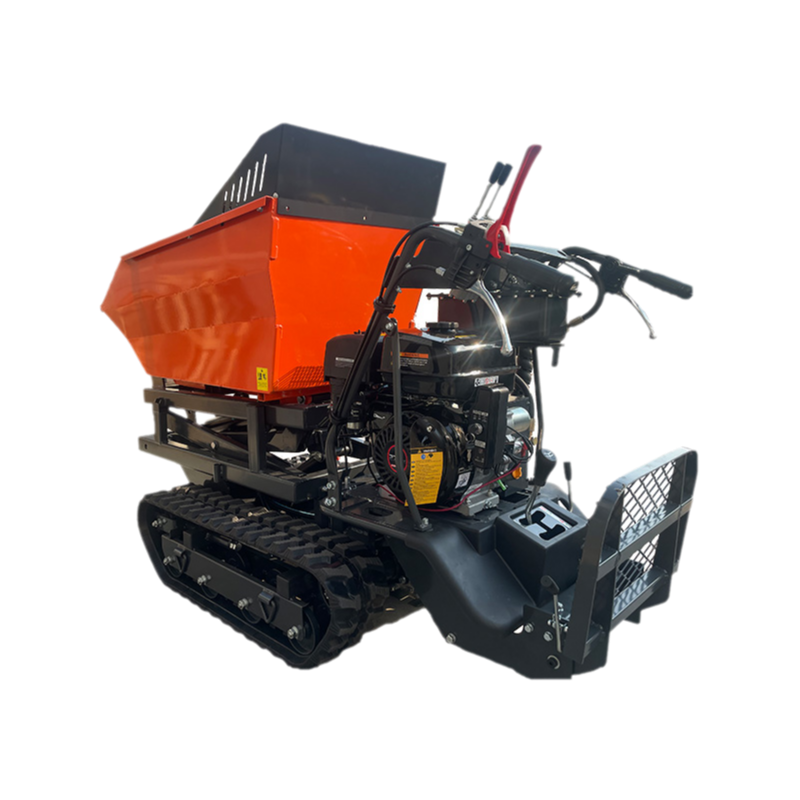
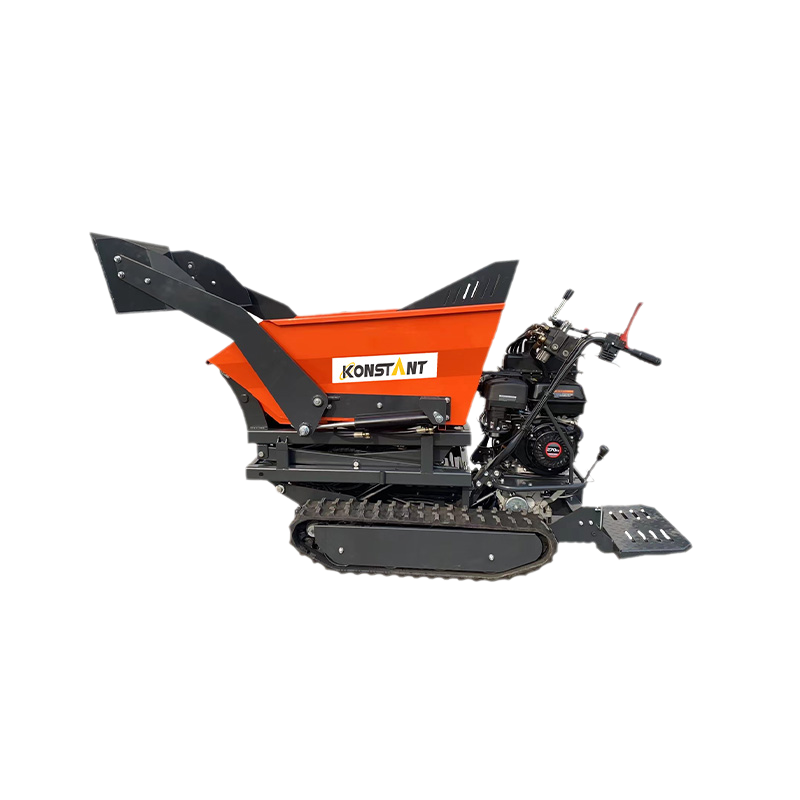
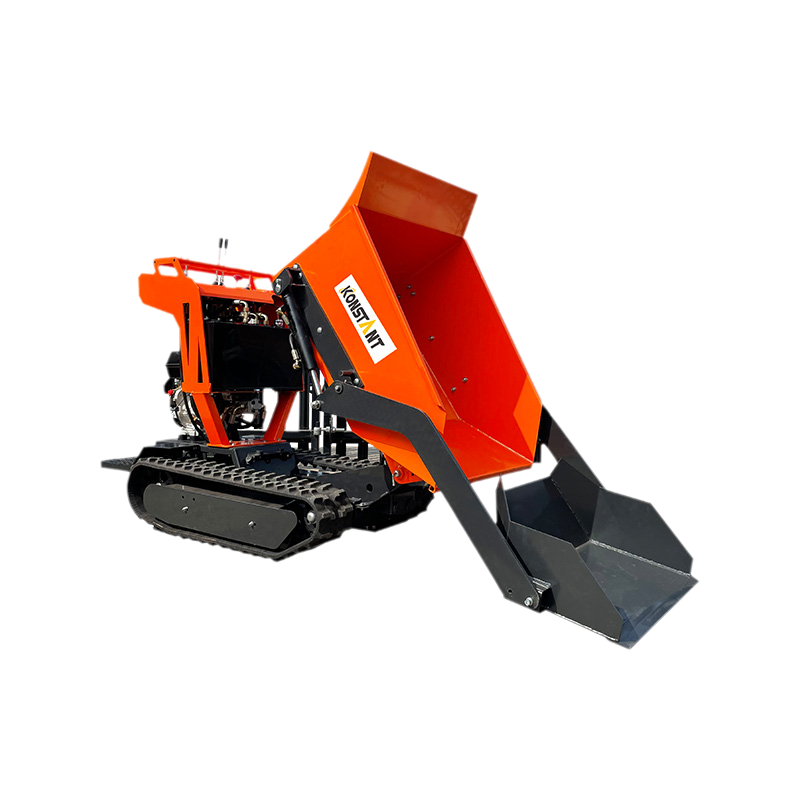
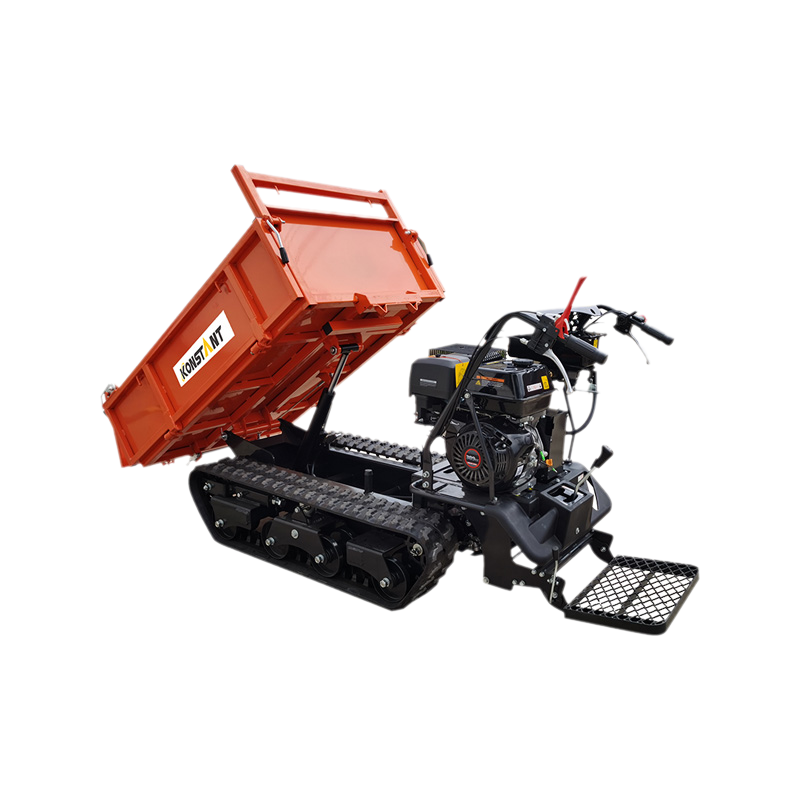
A Power Barrow Mini Dumper fits into that gap. It is not meant to replace every machine on a property or work site. It is more useful than that in a different way. It gives people a compact powered option for tasks that are too heavy for a manual wheelbarrow but too tight for larger equipment. That balance is part of why it has become a practical choice in homes, commercial spaces, and farms.
The appeal is not complicated. People want something that helps them move materials with less effort, fits through narrow spaces, and keeps daily work moving without much fuss. In many cases, that is exactly what this kind of machine does.
Why compact powered hauling has become more useful
Workspaces are not always open and easy to navigate. Home gardens have fences, flower beds, and side paths. Construction areas may have interior doorways, hallways, or partially finished surfaces that need to stay protected. Farms often include rows, gates, and uneven ground. In each setting, space matters just as much as lifting capacity.
That is where compact powered hauling starts to make sense. A smaller machine can move through tighter areas, take clearer turns, and avoid disturbing the layout around it. The operator does not have to fight against the machine just to get from one point to another. That alone can save time and energy over the course of a day.
There is also a comfort side to it. Repeatedly pushing a loaded wheelbarrow across rough ground is tiring. Even when the load is not extreme, the repetitive motion becomes hard to ignore after a while. A powered dumper changes that rhythm. The operator still controls the route and the unloading, but the machine carries much of the effort.
This does not mean every hauling task needs powered equipment. Light garden chores or a few short carries may still be fine with hand tools. But once the work becomes repetitive or the load gets heavier, the extra support starts to matter more.
How it changes day-to-day handling
The biggest difference is usually felt in the few jobs. Instead of spending energy on constant pushing, the user can focus more on loading, steering, and placing the material where it needs to go. That sounds simple, but it changes the feel of the job quite a bit.
A Power Barrow Mini Dumper can help reduce strain because the drive system does part of the moving work. That makes a difference on slopes, uneven paths, and long walks between storage and work zones. The machine is still compact enough to handle smaller spaces, which means it does not create the problems that larger equipment sometimes brings.
It also helps with repeated short moves. Many jobs are not long hauls. They are a series of small trips that repeat all day. Soil from the pile to the garden bed. Gravel from the driveway stack to the repair area. Feed from storage to the barn. In those moments, the value is not just in power. It is in keeping the same task from becoming physically exhausting.
Another advantage is that the operator can keep a steadier pace. Manual pushing often slows down when the load gets awkward. A powered unit tends to hold the rhythm better, which helps the workflow stay more predictable.
What kinds of jobs it usually handles
In residential settings, this kind of equipment is often used for landscaping work. Soil, mulch, compost, decorative stone, paving materials, and yard waste are common examples. When a homeowner is reshaping a garden bed or building a small patio, a compact dumper can move materials without forcing the whole area to be reworked around a larger machine.
It is also helpful for outdoor maintenance. After pruning trees or clearing a section of the yard, branches and debris need to be gathered and moved. That kind of task is not especially glamorous, but it is exactly where a compact transport tool earns its place. It keeps the job moving and reduces the number of back-and-forth trips.
On job sites, the use cases shift a little. Bags of mix, tools, short lumber, debris, and repair materials all need to be moved from one work zone to another. In indoor remodeling, the size of the machine matters even more. A larger vehicle may simply not fit, and a manual cart may be too slow when the materials are heavy or the work is repeated many times.
Commercial and facility teams use it in a similar way. Maintenance crews often need to move supplies across a building, clean up after repairs, or handle seasonal materials such as sand, leaves, or stored equipment. The quieter operation can be useful in places where work continues around other people.
In farm settings, the jobs are often even more practical. Feed sacks, bedding, harvested produce, soil, and irrigation materials all need to be moved through spaces that are often narrow or uneven. A compact dumper can handle those short hauls with less strain on the operator and less disruption to the area around it.
Why it works well in tight spaces
Space is usually the real issue. Many hauling tasks do not happen in wide open yards or empty fields. They happen beside fences, between planting rows, down corridors, or through buildings where every turn matters. A machine with a compact frame is easier to place where larger equipment would be awkward or impossible.
That is one reason people who work in homes or smaller commercial sites tend to notice the benefit quickly. It is easier to pass through narrow access points, move around obstacles, and keep the machine under control in crowded places. The work feels more manageable because the equipment fits the setting instead of forcing the setting to change.
The steering behavior also matters. A smaller machine can often be positioned more precisely, which helps when unloading material into a specific spot. That becomes useful in garden beds, repair zones, livestock areas, and storage spaces where accuracy counts.
When the layout is tight, every unnecessary movement becomes a problem. A compact dumper reduces some of that pressure simply by being easier to place and easier to guide.
Charging habits and battery care
Like any battery-powered machine, this type of equipment works better when the charging routine is handled properly. The habits are not complicated, but they do matter.
Charging at the end of the day is usually the simplest approach. That way the machine is ready when the next job starts. It is also helpful to keep the battery from staying fully empty for long periods. Batteries generally prefer regular use and timely charging rather than being left idle in a drained state.
The charging area should be dry and practical. Cables should be checked now and then for wear, and the port should stay free of dirt or debris. Small things like that make a difference over time. Many charging issues are not dramatic failures. They begin as loose contact, dirty connections, or careless storage.
Temperature matters too. Batteries do not like extremes. Very hot or very cold storage can affect performance, so it is better to keep the unit in a space that stays within a reasonable range when possible. If it will not be used for a while, a partial charge is often easier on the system than leaving it empty.
These are not difficult habits. They are just the sort of regular care that keeps the machine available when it is needed.
Where it fits in farming work
Farm work often involves short, repeated transport over ground that is uneven, narrow, or crowded with equipment. That is exactly where a compact dumper can be helpful. Orchards, vineyards, greenhouses, barns, and livestock areas all tend to have access limits that larger machines do not handle as neatly.
In orchards and vineyards, the machine can carry harvested fruit, tools, or supplies along rows without putting much pressure on the soil. That matters because the ground around young plants or established roots should not be disturbed too heavily. The compact size helps keep the work focused and controlled.
Inside greenhouses, it can move soil, fertilizer, watering parts, and planting materials between benches. Because the machine runs quietly and without exhaust during use, it suits enclosed spaces better than many fuel-based alternatives. That can make the working environment more comfortable for both people and plants.
Around barns and livestock pens, the same kind of practical benefit shows up again. Feed, bedding, and waste need to move in and out of tight areas, often several times a day. A compact dumper handles those jobs without forcing workers to push heavy loads by hand across long distances.
On smaller crop operations, the same machine can also support irrigation setup, seed tray movement, and produce collection. The common thread is simple: it handles moderate loads in spaces where larger equipment would be too much and hand carts would be too slow.
When it makes sense to switch
People usually do not decide to change hauling methods because of one big moment. It is more often a slow build-up. The work gets a little more tiring. The trips get a little more frequent. The old method starts to feel less efficient than it used to be. That is usually when the question comes up.
A switch begins to make sense when the work is repetitive, the loads are moderate, and the path is narrow or uneven. If the tasks are mostly short trips made many times in a day, a powered solution may save time and reduce physical strain. If the work environment has noise limits or indoor areas, the quieter operation can also be part of the decision.
Budget is part of the conversation too, but it is worth looking at the whole picture. Fuel, maintenance, and wasted time all have a cost, even if they are spread out. A battery-powered machine may feel easier to manage when the work pattern fits it well.
The good way to judge the change is to look at actual routine. What gets moved often? How far does it need to go? How tight is the space? How much fatigue is involved? Those are the questions that usually tell the truth.
Keeping it useful over time
A machine like this stays useful when it becomes part of the routine rather than something used only when everything else is already too hard. That means basic care, regular checks, and a charging setup that makes sense for the worksite.
A short inspection before use helps catch small issues early. Tires, controls, the tilt action, and battery level should all be checked before a shift begins. After use, it is worth cleaning out soil, dust, or other material that may have collected in the load bed or around moving parts. That simple cleanup keeps the machine ready for next time.
Training matters as well. Even a compact machine should be used with some instruction. Operators need to know how to load it properly, how to keep the weight balanced, and how to move safely across different surfaces. A little training goes a long way in preventing mistakes.
The point is not to make the machine complicated. It is to keep it dependable enough that people trust it as part of the day's work.
The practical value of a Power Barrow Mini Dumper is easy to understand once you see it in real use. It helps move moderate loads through spaces where larger equipment would struggle and manual methods would take too much effort. That makes it useful in homes, job sites, farms, and maintenance work where material handling is repeated often.
It is not a universal answer, and it does not need to be. Its strength lies in handling everyday hauling in a way that feels manageable. For people who spend a lot of time moving soil, feed, gravel, tools, or debris, that kind of support can make the work feel steadier and less tiring.
When the tasks are frequent, the paths are narrow, and the work needs to keep moving without unnecessary strain, this type of machine starts to make a lot of sense.
Related products

Latest Updates
-
Can Wheelbarrow Function Support Different Types of Work
Moving materials from one place to another is part of many types of outdoor work. A gardener may n...
-
What Types of Materials Can a Petrol Wheelbarrow Move
Moving material around a job site is just part of the work in a lot of outdoor trades. Constructio...

-
Welcome To Visit Us
No.30, Third Furong Road, Wuxi City, Jiangsu. 214100, China.
-
Call Us
Phone: +86 181-1889-1139
Phone: +86 181-1889-2139
-
Contact Us Online
E-mail: sales@konstantpm.com
E-mail: marketing@konstantpm.com
Copyright WUXI KONSTANT POWER TECH CO., LTD All Rights Reserved
 China Mini Dumpers Manufacturers Power Wheelbarrow Factory