
 English
 русский
 Français
 Español
 Deutsch

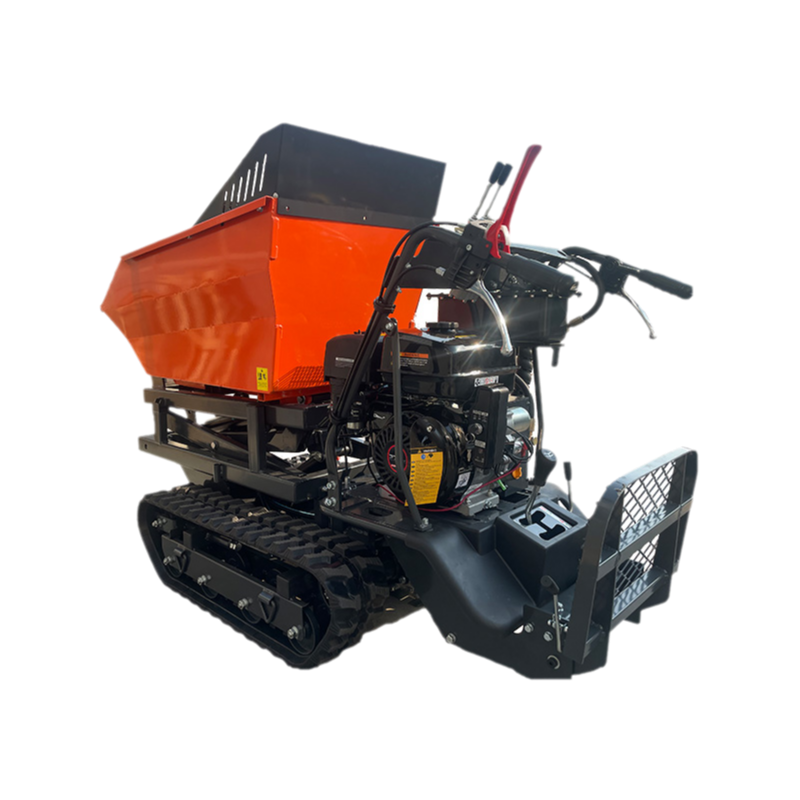
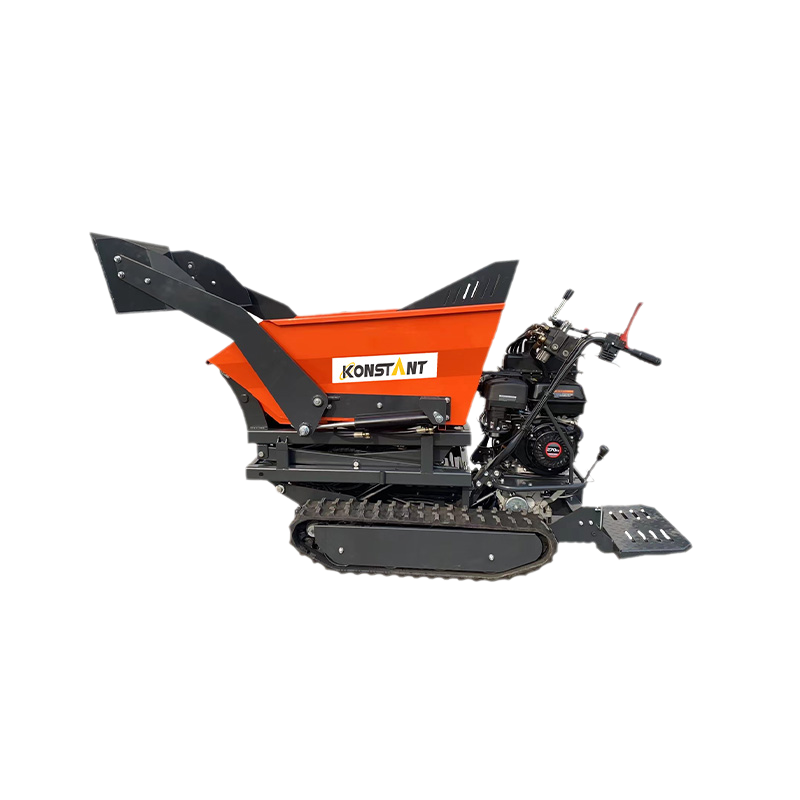
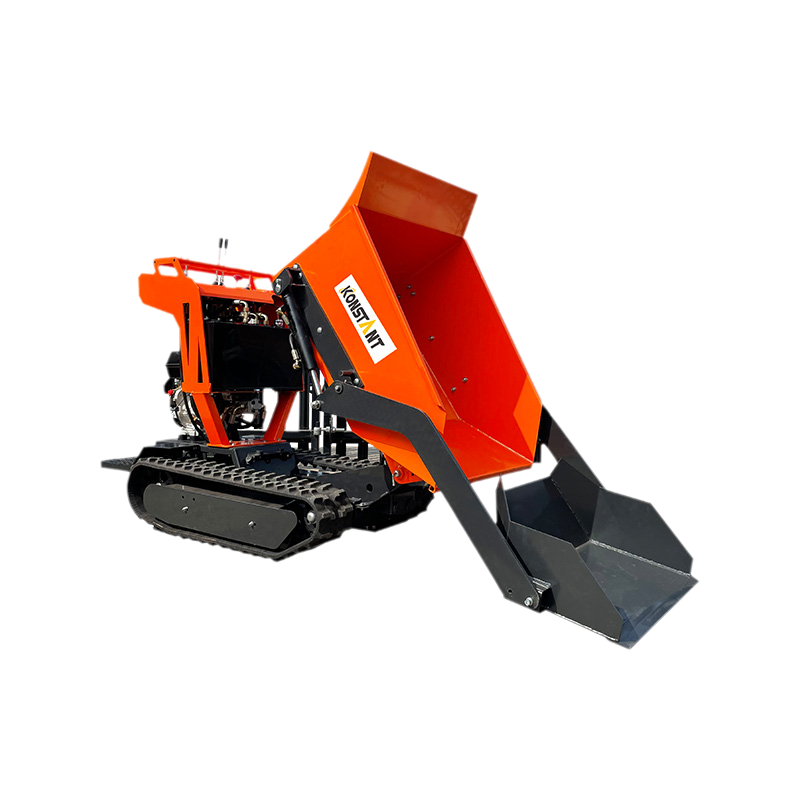
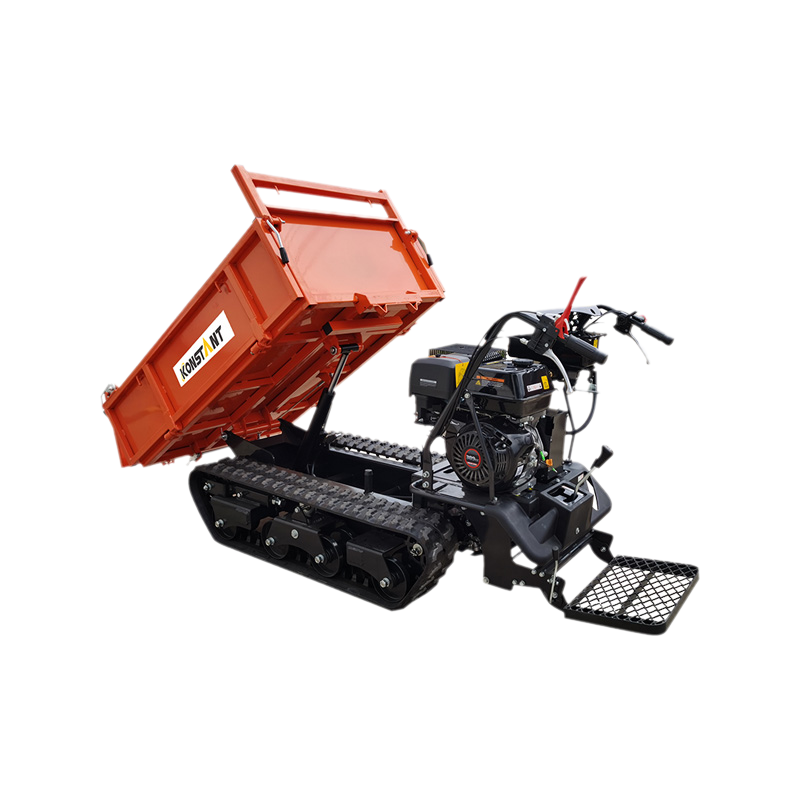
Provide you with the latest enterprise and industry news
Home / News / Industry news / Is an Electric Mini Dumper Right for Your Work? When Should You Use an Electric Mini Dumper
Is an Electric Mini Dumper Right for Your Work? When Should You Use an Electric Mini Dumper
Update:03-04-2026
Posted by Admin
Content
Electric Mini Dumper: How to Use, What It Does, Why It Fits, Charging Tips, Farming Applications and When to Switch.These days, machines like this have caught on with plenty of folks who move materials around homes, job sites, and farms on a regular basis. As the team that builds them, we field questions all the time about how they actually perform once they leave the shop. This piece brings together six areas that come up often in conversations with users. You will walk away knowing how to run one on your next job, the sorts of tasks it handles, the reasons it lines up with home and business setups, some solid advice on keeping the power system in good shape, spots where it proves useful on farms, and the kinds of signals that suggest it could be time to make a switch for your moving work.
The notes here come straight from our daily experience putting these units together and standing behind them for people who use them week in and week out. Whether you are sorting out a backyard upgrade, running a small crew on a build, or keeping up with daily chores on the land, the point is to lay out straightforward steps and real considerations. That helps you see if the equipment matches the way you actually work. We keep things grounded in what happens on the ground instead of fancy claims. By the time you reach the end, the picture should feel clear and you will have a practical sense of where it could fit into your routine.
Familiarize yourself with the basic controls next. You will usually find a drive handle, a tilt lever for the bed, and a couple of simple switches for power and safety. Switch it on and give the system a moment to wake up. Start moving at a gentle pace until the steering and response feel natural. The power delivery feels steady from touch, so there is no need to build up speed gradually.
When it comes to loading, place heavier pieces toward the front and keep the weight centered. Do not stack material past the sides unless you have added extensions. Tie down anything that could shift during travel. Drive to the drop-off point without rushing. Stop fully, set the brake if the model has one, and activate the tilt. The bed lifts at an even rate to empty the load. Lower it completely before you drive off again.
Safety habits matter at every stage. Sturdy boots and gloves go a long way. Keep clear of any moving sections and never carry riders on the bed or platform. If others are working nearby, call out your route so everyone stays aware. At the close of the day, rinse the bed and undercarriage to remove leftover debris that could harden and cause issues later.
New users sometimes turn too sharply with a full load or skip a quick tire check before starting. A short walk-around each time prevents those slip-ups. After a handful of uses the motions start to feel automatic and you finish the same amount of work with less strain than before.
What It Is Used For
This kind of machine steps in wherever you need to shift loads in tight spots without making much noise. Around homes it moves soil for new garden beds, spreads mulch across landscaping areas, or carries gravel for path repairs. People often grab it after trimming trees to haul away branches or when they are laying pavers for a patio without waking the neighborhood.
On commercial sites it helps move bags of mix, tools, or short lumber between different work zones. The size lets it slip through standard openings in warehouses or during indoor remodels where bigger rigs simply will not fit. Facility crews use it to spread winter sand on walkways or collect fallen leaves in the fall without disrupting daily operations.
Parks and community groups rely on it for carrying plants, soil, and pipe sections along narrow trails. Event teams load chairs, temporary staging, and supplies during setup and then clear everything out afterward. The lack of fumes during use means it works fine in spots where air flow stays limited.
You also see it handling shorter hauls in other settings, such as moving feed sacks at animal shelters, shifting sports gear from storage to fields, or transporting recycling containers inside larger buildings. The common thread is its ability to manage moderate loads in compact spaces while staying relatively quiet. Across all these examples, users mention that it cuts down on the physical wear and tear of pushing wheelbarrows or hand carts, so one person can cover more ground in the same stretch of time.
Why It Fits Residential and Commercial Needs
The design addresses several everyday challenges that show up in home and business environments. In neighborhoods, rules about noise and emissions often limit when you can run equipment. This option stays much quieter than older fuel types, so you can start earlier or finish later without drawing complaints. No exhaust during work also opens up covered patios, garages, or other enclosed areas where air quality matters.
Business users notice how easily it threads through narrow hallways, finished surfaces, or zones that have strict access rules. The compact frame and responsive steering let operators reach spots that would otherwise stay out of reach. Service intervals stay simpler because the power setup has fewer parts that need constant tweaking.
On the cost side, charging usually runs cheaper over time than buying fuel, and you skip the regular oil changes or plug swaps that come with other engines. You do not lose time waiting for a refill because you simply connect when the charge drops. Across a full week those differences add up to steadier schedules and fewer pauses.
Homeowners like how it handles the mix of grass, gravel, and light slopes around the property. Commercial teams appreciate the even power flow that keeps repetitive jobs moving at a consistent pace. Both sides gain from the fact that it sits ready after a short recharge instead of needing a long warm-up. When the work involves many short trips rather than one long haul, the setup matches the actual rhythm of the day.
Tips for Charging Properly
Keeping the power system healthy comes down to a few consistent habits that pay off over months of use. Always reach for the charger that came with the unit or one that matches the voltage and current details in the guide. Plug into a properly grounded outlet that can handle the draw. Skip extension cords unless you know they meet the right thickness and length standards.
Hook it up at the end of a full workday or whenever the gauge shows the level dropping low. Leaving it overnight usually fits schedules because the process finishes on its own. Watch for the light that shifts color once it reaches full so you know when to unplug. Avoid leaving the connection active for days unless the instructions say otherwise.
Store the unit in a dry space when it is not in use. Extreme cold or heat can affect performance, so keep it away from spots that swing outside normal room range for long stretches. If it sits idle for several weeks, bring the charge up to roughly half and check it every month or so. That step stops the system from sitting in a fully drained state.
Wipe the charging port clean before each session and inspect the cable for any signs of wear. A quick glance at connections reduces the chance of slow charging or unexpected faults. Follow any notes in the manual about seasonal adjustments. In winter let the unit warm up a bit before plugging in if it has been outside. In summer choose cooler hours for the task. Treating the routine as part of normal care keeps the machine available when the next job rolls around.
Where to Apply One in Farming Operations
Farm work often calls for shifting loads across ground that is too uneven or narrow for larger tractors. The equipment slides into those gaps without much trouble. In orchards or vineyards it carries picked fruit from tight rows to a central collection point while keeping soil compaction low around young plants. The tire setup spreads weight so roots stay protected and the tilt feature speeds up unloading at each stop.
Inside greenhouses or covered tunnels growers move bags of soil, fertilizer, and watering parts between planting benches. Quiet running means it does not upset delicate crops or helpful insects in the enclosed space. The narrow frame clears standard doors and fits between closely spaced rows without damage.
Around livestock pens and barns it handles feed, bedding, or waste removal in areas where space stays tight. Operators load hay or grain and drop it right at feeding stations. No fumes during use improves the air inside buildings where animals spend their time. Cleaning becomes simpler because the load travels in one contained trip instead of being tracked across multiple zones.
Smaller crop operations use it for seed trays, harvested produce, or pipe sections during irrigation setup. The machine manages the repeated short runs that would otherwise tie up several people with carts. In every one of these farm situations it lowers the physical load on workers and lets a single operator finish jobs that used to need extra hands. The low noise level also keeps it from stressing animals when work happens nearby.
When to Switch for Your Hauling Tasks
Figuring out the right moment to change over depends more on the pattern of your daily moves than on any single deadline. Look at how often you shift materials and how far each trip runs. If carries stay short and repeat several times a day, the equipment can replace constant manual lifts or larger tools that sit idle between uses.
Think about the setting too. Sites with noise rules, indoor work, or tight emission standards often lean toward this approach. Check any local guidelines that apply to your location. Many areas support lower-emission choices through their permitting steps, so a quick review can clarify the picture.
Budget numbers matter in the decision. Add up what you spend now on fuel, service visits, and downtime. Stack that against the electricity needed here and the lighter maintenance schedule. Include the hours saved when the unit stays ready without waiting for a fill-up. Jobs built around frequent brief carries tend to see quicker returns than occasional long hauls.
Scale plays a part as well. If your loads fall in the few-hundred-pound range and the work happens in confined spaces, the size range usually lines up. Much heavier or very light duties might still need different tools. If you can, try a similar unit for a few days to watch how it slots into your actual flow. Many operators make the move once they notice growing tiredness from older methods or when rules nudge them toward quieter gear. The shift goes smoother if you set aside time for basic training and prepare a spot for regular charging. After the routine settles in, the machine often becomes part of the regular lineup rather than something pulled out only on special days.
The sections above walked through the six questions that surface when people look into this type of equipment. We covered safe operation for new jobs, common uses in home and business settings, how the design matches real-world needs, practical charging steps, useful spots on farms, and the factors that help decide on a switch.
Taken together, the details show how the machine offers a workable answer for material movement when space, sound levels, and daily flow count. Each part draws from actual time on the job so you can apply the ideas directly to what you face. As the manufacturer, we remain available if you have follow-up questions about how it might suit your particular tasks.
If you are weighing options for an upcoming project, run through the points here and see how they line up with your schedule. Head over to the product pages for current configurations or reach out for more details on how it could work in your setting. We supply straightforward guides and support to help you bring the equipment into your workflow without unnecessary delays.
Related products

Latest Updates
-
What Types of Materials Can a Petrol Wheelbarrow Move
Moving material around a job site is just part of the work in a lot of outdoor trades. Constructio...
-
Why Does Terrain Matter When Choosing a Battery Operated Wheel Barrow
A Battery Operated Wheel Barrow can make material transport easier in many working environments. I...

-
Welcome To Visit Us
No.30, Third Furong Road, Wuxi City, Jiangsu. 214100, China.
-
Call Us
Phone: +86 181-1889-1139
Phone: +86 181-1889-2139
-
Contact Us Online
E-mail: sales@konstantpm.com
E-mail: marketing@konstantpm.com
Copyright WUXI KONSTANT POWER TECH CO., LTD All Rights Reserved
 China Mini Dumpers Manufacturers Power Wheelbarrow Factory