
 English
 русский
 Français
 Español
 Deutsch

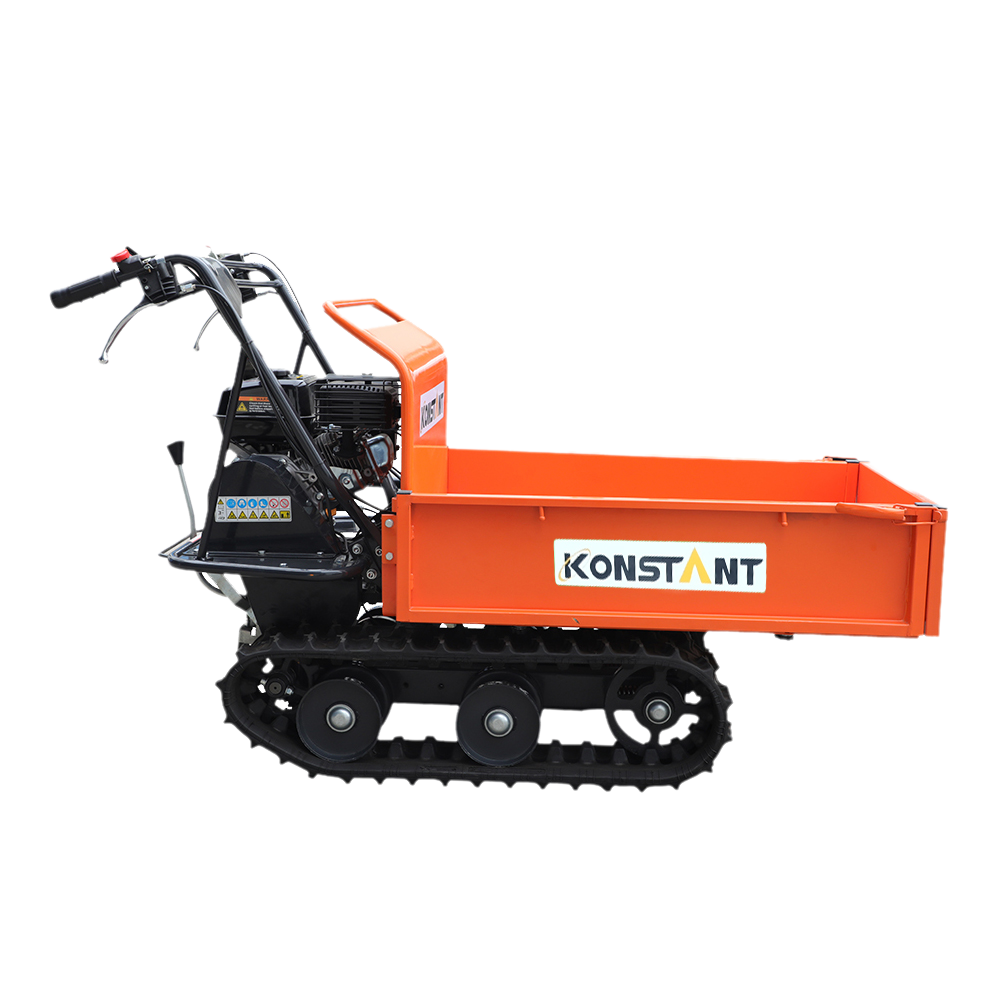
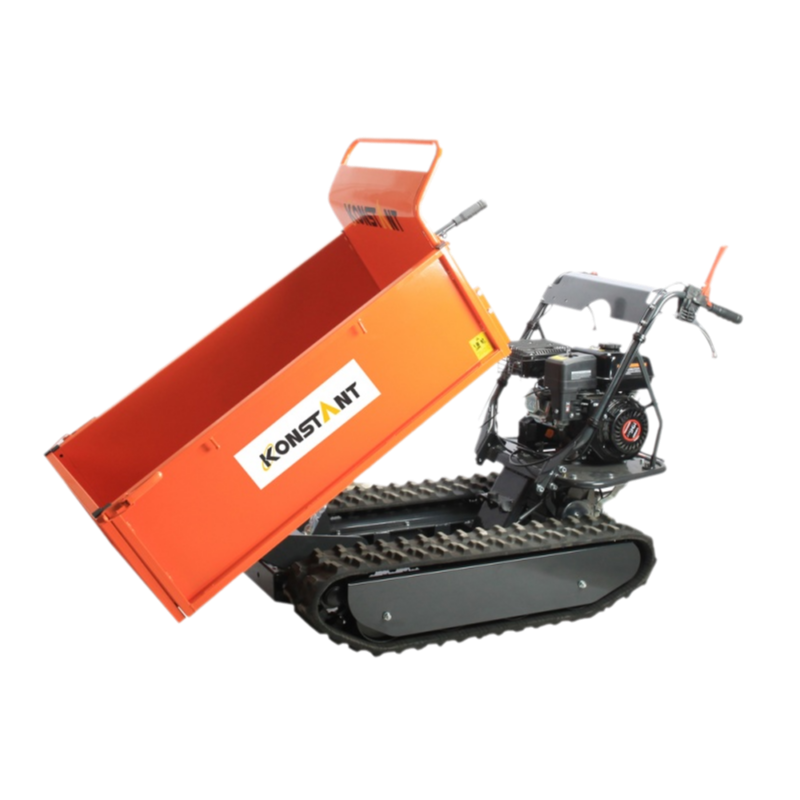
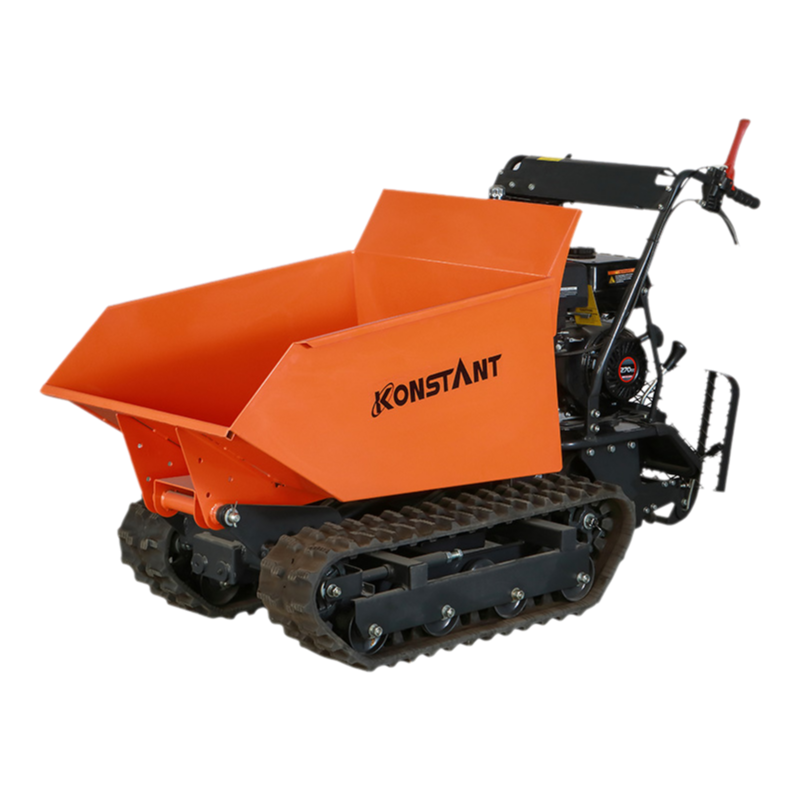
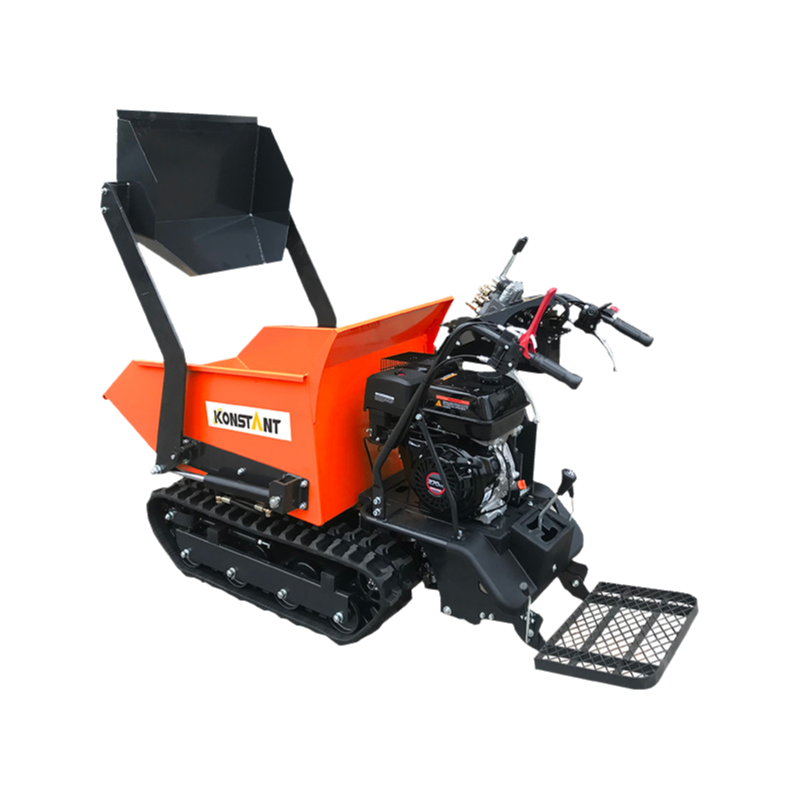
Provide you with the latest enterprise and industry news
Is a Power Barrow Worth It for Garden and Construction Work
Update:30-03-2026
Posted by Admin
Content
- 1 Power Barrow: What Is It, How It Works, and Why It Matters for Garden and Construction Work
- 2 What Is a Power Barrow and How Does It Work
- 3 How to Use a Power Barrow for Your Garden Tasks
- 4 Tips for Operating a Power Barrow Safely
- 5 What to Look for When Buying a Power Barrow
- 6 Where a Power Barrow Can Be Useful on Construction Sites
- 7 Why Consider a Power Barrow for Material Transport
Power Barrow: What Is It, How It Works, and Why It Matters for Garden and Construction Work
Discover what a power barrow is, how to use it for garden tasks, safety tips, buying advice, construction site applications, and why it simplifies material transport. Practical guide for homeowners and professionals.
If you have spent any time working in a garden or on a job site, you know how quickly moving piles of soil, gravel, or tools can wear you down. Hours go by pushing and pulling a regular wheelbarrow, and by the end of the day your back and arms remind you of every trip. There is a practical option that changes the routine without turning the whole process upside down. This article walks through six everyday questions people ask when they hear about this kind of equipment.
You will see how it fits into real garden work, what keeps it running safely, and where it shows up on smaller building projects. The goal here is simple: give you clear details so you can picture whether it belongs in your own setup. We start with the basics and move step by step into actual use, always keeping things grounded in typical outdoor tasks rather than flashy claims.
What Is a Power Barrow and How Does It Work
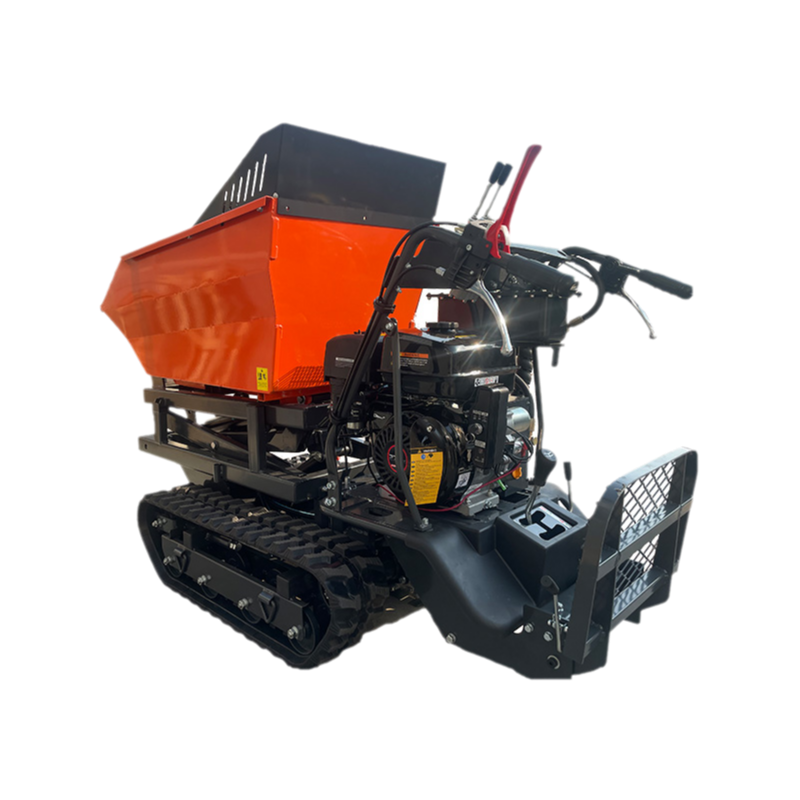
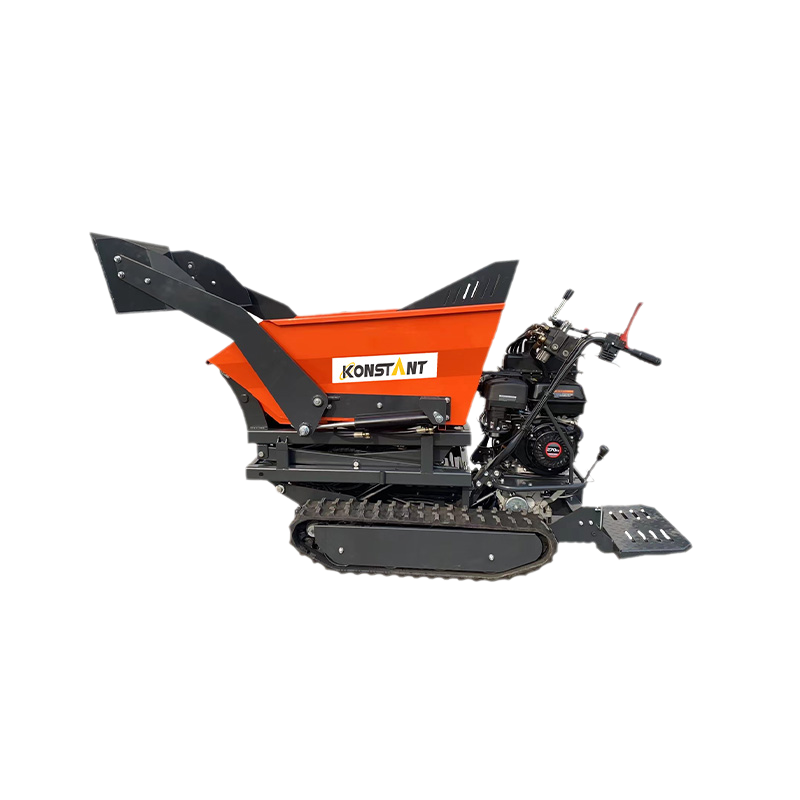
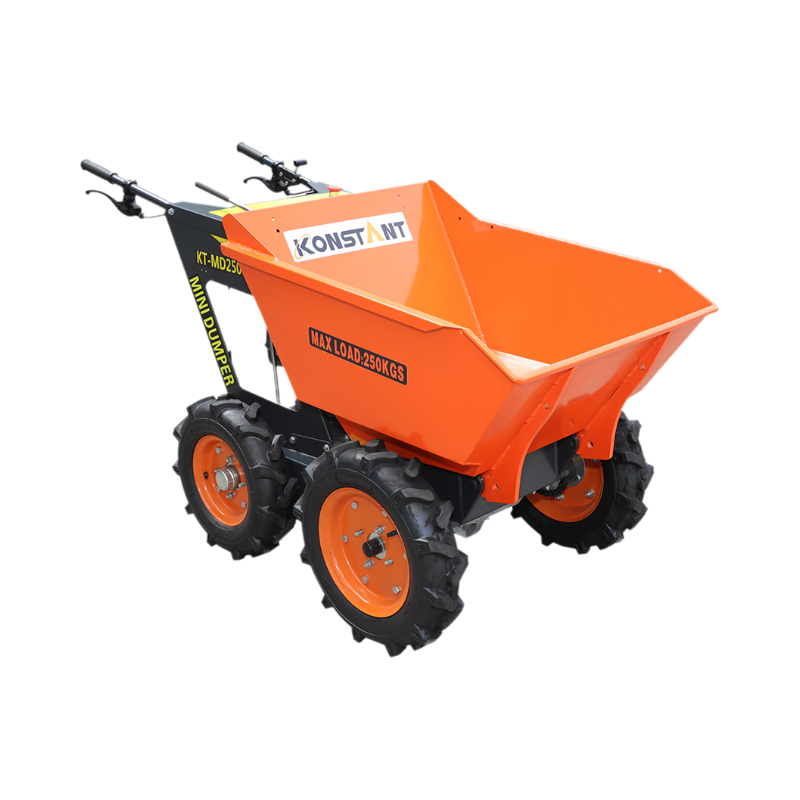
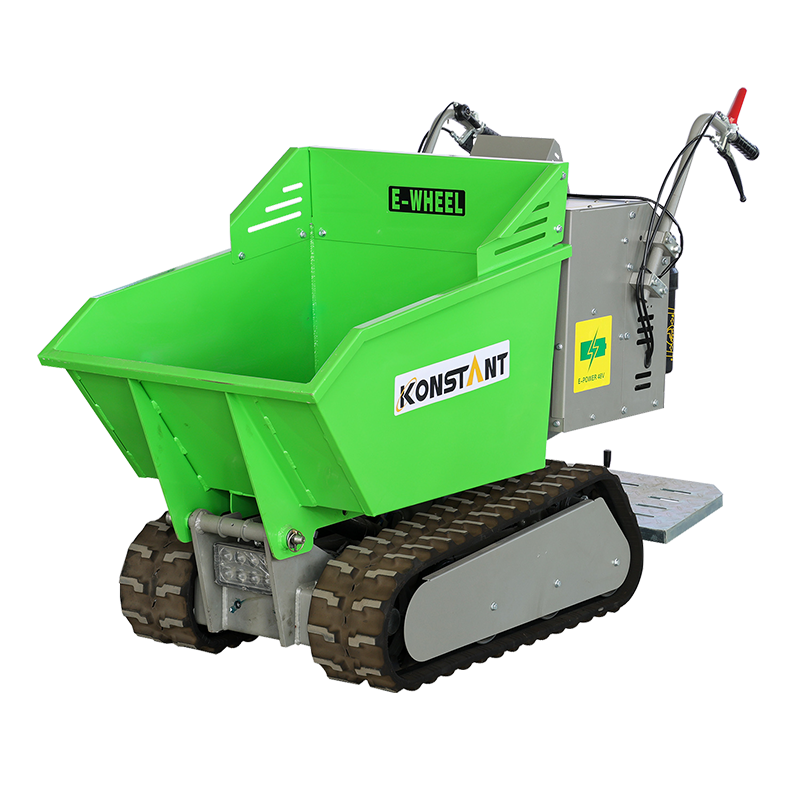
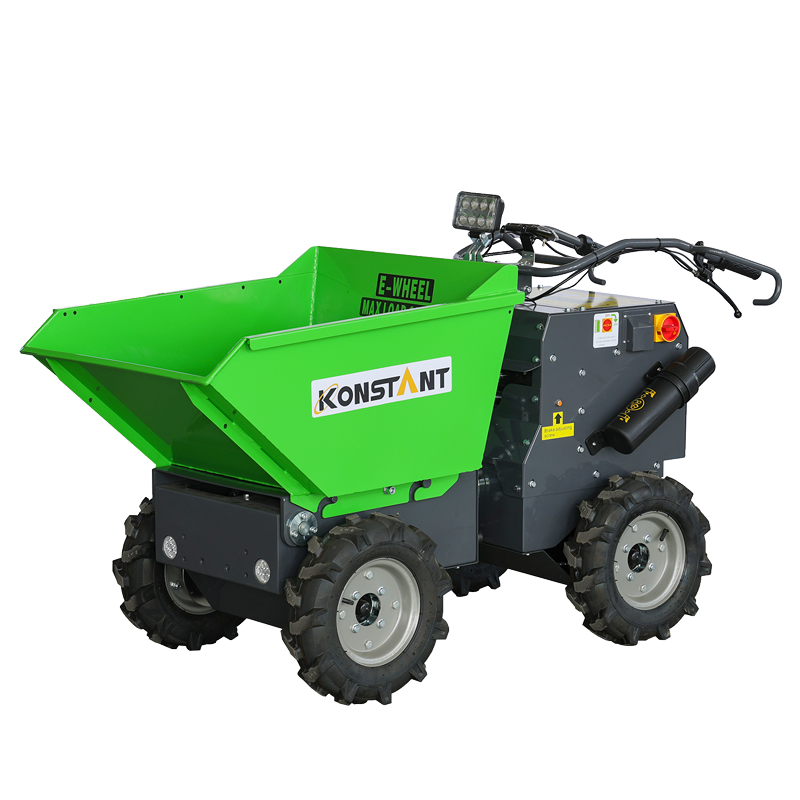
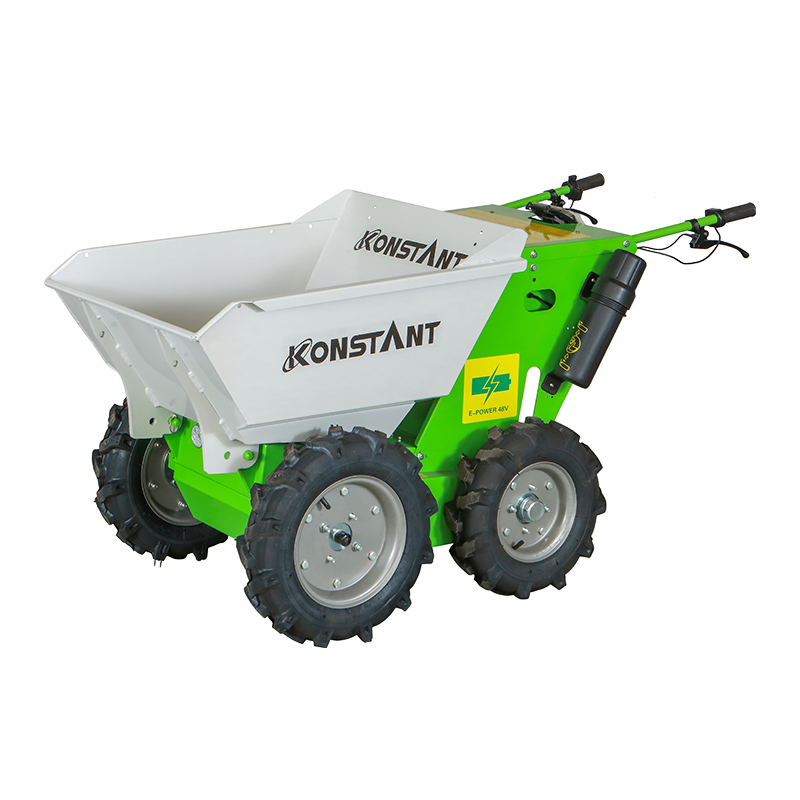
Picture a cart with a motor attached that does the heavy pushing for you while you simply steer. That is the core idea behind this equipment. It has a solid frame, a deep tray that holds materials, wheels that roll over common surfaces, and a drive system that supplies forward motion. You walk behind it, holding the handles, and the motor takes care of the effort needed to keep the load moving.
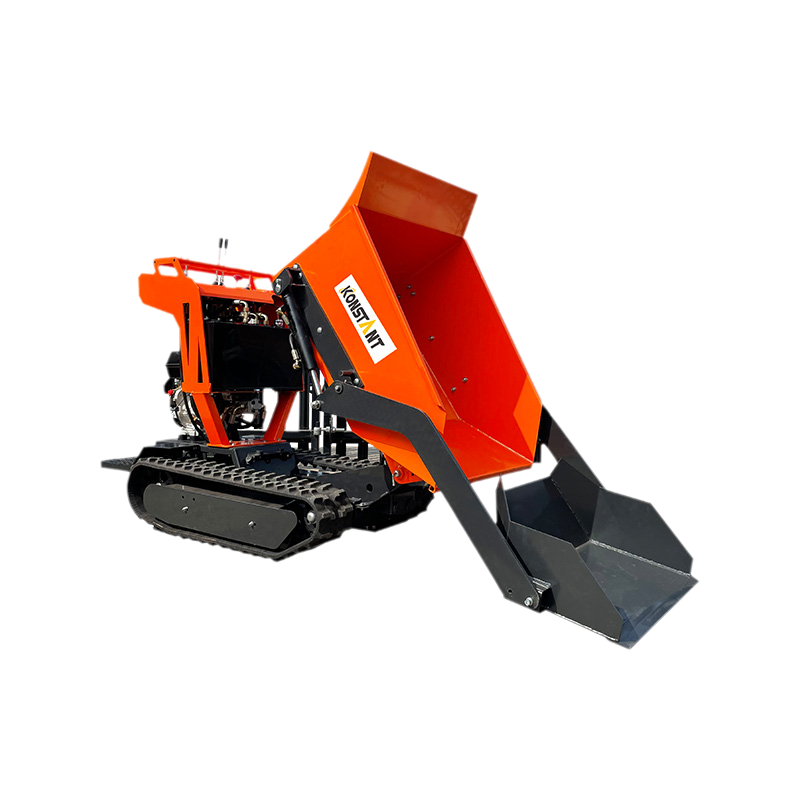
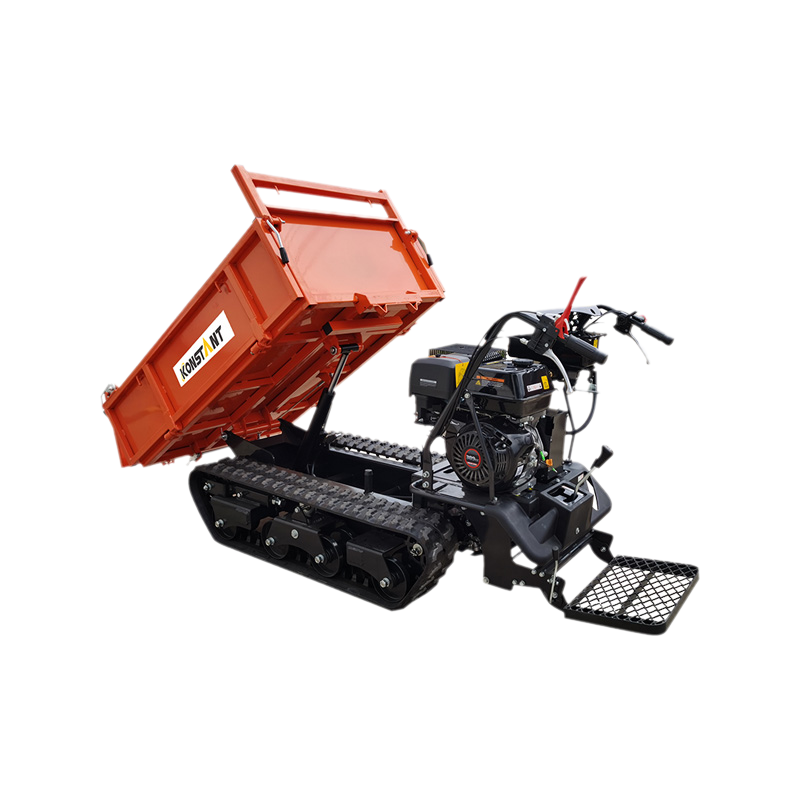
The way it operates is straightforward. Power comes from either a rechargeable battery pack or a small engine, and that energy turns the wheels at a controlled speed. Once you flip the switch, the unit glides forward so your arms guide direction instead of supplying all the force. Many versions also include a tilting tray that lets you empty the contents right where you need them without lifting the whole thing by hand.
In everyday motion the weight stays balanced across the wheels, which helps the cart stay steady even when you turn corners or cross slight bumps. Controls sit right on the handles, so you can start, stop, or adjust speed without letting go. Over time the system proves reliable as long as you keep the power source maintained and the moving parts clean.
This setup sits between a plain hand cart and bigger machinery, making it handy for jobs that need repeated short trips. You load once, move the material, unload, and repeat without the same level of physical drain. The design focuses on steady performance across grass, gravel, or packed dirt paths you already work on.
How to Use a Power Barrow for Your Garden Tasks
Garden chores often mean shifting loads from one corner of the yard to another, whether it is fresh compost for the vegetable beds or rocks for a new border. The motorized barrow handles the weight so you can concentrate on where things go. Clear a straight path and make sure the power is ready. Park the unit next to your pile of material and fill the tray evenly to keep everything stable.
Start the motor with the handle control and guide the cart along your usual routes around flower beds or lawn edges. The drive system keeps a consistent pace, letting you cover more ground before needing a break. When you reach the spot for unloading, engage the tilt feature and let the contents slide out exactly where you want them. Spread mulch, drop off bags of fertilizer, or carry potted plants to their new locations without multiple manual lifts.
Turning feels natural after a few practice runs in open space. Slow down on wet grass to keep traction, and always watch for low branches or garden borders that could catch the sides. After each job rinse off any leftover soil from the tray and wheels so the next use starts clean.
Many people fold this equipment into their weekly routine for seasonal work like clearing autumn leaves or building raised beds in spring. The process stays the same: load, move, unload, repeat. It simply removes the constant pushing and leaves more energy for the actual planting and arranging that make the garden rewarding.
Tips for Operating a Power Barrow Safely
Safety comes down to small habits that become second nature after a few uses. Before you even turn it on, look over the handles, wheels, and any visible connections to catch anything loose or worn. Put on closed-toe shoes and work gloves so you keep a firm grip and protect your hands.
Stand with your feet planted and both hands on the controls while the motor runs. Let the equipment do the main work instead of trying to muscle it through turns or over bumps. On slopes or uneven ground ease the speed and approach inclines straight on rather than at an angle. The unit responds when you guide rather than force it, so stay relaxed and watch the path ahead.
Follow the basic care steps for the power source, whether that means plugging in a charger or checking fuel levels. Store everything in a dry spot after use and give cables or joints a quick wipe down. If you need to empty the tray, make sure the area is clear of people and obstacles before tilting.
On shared spaces like a neighborhood garden, let others know you are about to move so no one steps into the path unexpectedly. The motor sound stays moderate, but awareness still matters. When the task ends, shut everything off and tidy up any spilled material.
These steps help the equipment run smoothly and keep you comfortable through longer sessions. They are the same practices that experienced users rely on day after day.
What to Look for When Buying a Power Barrow
Choosing the right unit starts with thinking about the jobs you do . Consider the kinds of loads you usually move and the spaces you work in, then match those needs to the tray size and frame strength. Wider wheels can help on soft soil while narrower ones fit better between tight rows or along walkways.
The drive type matters too. Battery models need access to charging but run quietly, while engine versions give flexibility when you are far from outlets. Handles that adjust for height make a noticeable difference over time, especially if several people share the equipment. Look for a steering setup that feels responsive without extra effort.
Frame materials that stand up to outdoor weather and simple maintenance access also play a part. Some designs fold or break down for storage in small sheds, which can be useful if space is limited. Think about the surfaces you cross and pick features that line up with those conditions rather than adding options you will rarely touch.
Reading plain descriptions from makers helps you picture how each version behaves in typical situations. If you can try a demonstration, you will quickly feel how the controls and balance work together. Taking time on these points leads to a choice that actually supports your daily workflow instead of sitting unused.
Where a Power Barrow Can Be Useful on Construction Sites
Smaller building sites and renovation jobs involve plenty of short-distance hauling that eats up time when done by hand. The equipment moves sand, mix, bricks, or tools between delivery spots and work areas without tying up larger machines. It slips through standard doorways and along narrow temporary paths where trucks cannot go, which is handy during interior work or tight landscaping phases.
Teams use it to carry debris out of rooms or bring in finishing supplies right to the spot they are needed. On drainage or irrigation projects the unit transports pipe lengths or backfill material and releases it directly into trenches with the tilt feature. The motorized drive keeps things moving across mixed ground such as gravel pads or packed dirt without constant stops.
Cleanup at the end of the day becomes quicker because the cart gathers scrap and leftover supplies in fewer trips. It works comfortably under scaffolding or in areas with height restrictions because of its lower profile. Different crews can share the same unit across shifts as long as basic charging or refueling happens between uses.
The role stays supportive, filling the gap between hand tools and heavy equipment on projects that do not need full-size loaders. It keeps materials close at hand so the main work flows without long delays from carrying loads manually.
Why Consider a Power Barrow for Material Transport
Moving things from point A to point B is a constant part of outdoor and site work, and anything that shares the load can change how the day feels. This kind of equipment reduces the physical effort in repeated carries so you spend less time recovering and more time actually getting the job done. In a garden that might mean finishing the mulch layer before dark instead of stopping early because your arms are tired. On a job site it keeps supplies flowing steadily without waiting for extra help on every haul.
The design fits into routines you already follow rather than forcing big changes. You still load and steer the same way, but the motor handles the pushing so the work feels lighter overall. It handles typical loads across the surfaces people encounter, giving a practical middle step between manual carts and bigger vehicles.
Users often say the real value shows up after several weeks of regular use when they notice how much less fatigue builds up. The equipment simply makes the transport part of the task more manageable, leaving room for focus on the details that matter in the garden or on the build.
We have covered the main questions people usually have about this equipment, from how it operates to where it fits in daily garden and site work. The details show a straightforward tool that supports material movement without complicating your existing setup.
If your projects regularly involve shifting soil, supplies, or tools around a yard or small construction area, it may be worth taking a closer look at available options. Reach out to our team for straightforward information on models suited to common uses. We can walk through standard features and help you match the equipment to the tasks you handle .
Power Barrow makes the everyday hauling part of your work feel a bit easier, and that can add up over time.
Related products

Latest Updates
-
Why Does Terrain Matter When Choosing a Battery Operated Wheel Barrow
A Battery Operated Wheel Barrow can make material transport easier in many working environments. I...
-
Where Can Petrol Wheelbarrows Be Used for Material Transport
Material transport is a daily part of many outdoor jobs. Soil needs to reach a planting area. Ston...

-
Welcome To Visit Us
No.30, Third Furong Road, Wuxi City, Jiangsu. 214100, China.
-
Call Us
Phone: +86 181-1889-1139
Phone: +86 181-1889-2139
-
Contact Us Online
E-mail: sales@konstantpm.com
E-mail: marketing@konstantpm.com
Copyright WUXI KONSTANT POWER TECH CO., LTD All Rights Reserved
 China Mini Dumpers Manufacturers Power Wheelbarrow Factory