
 English
 русский
 Français
 Español
 Deutsch

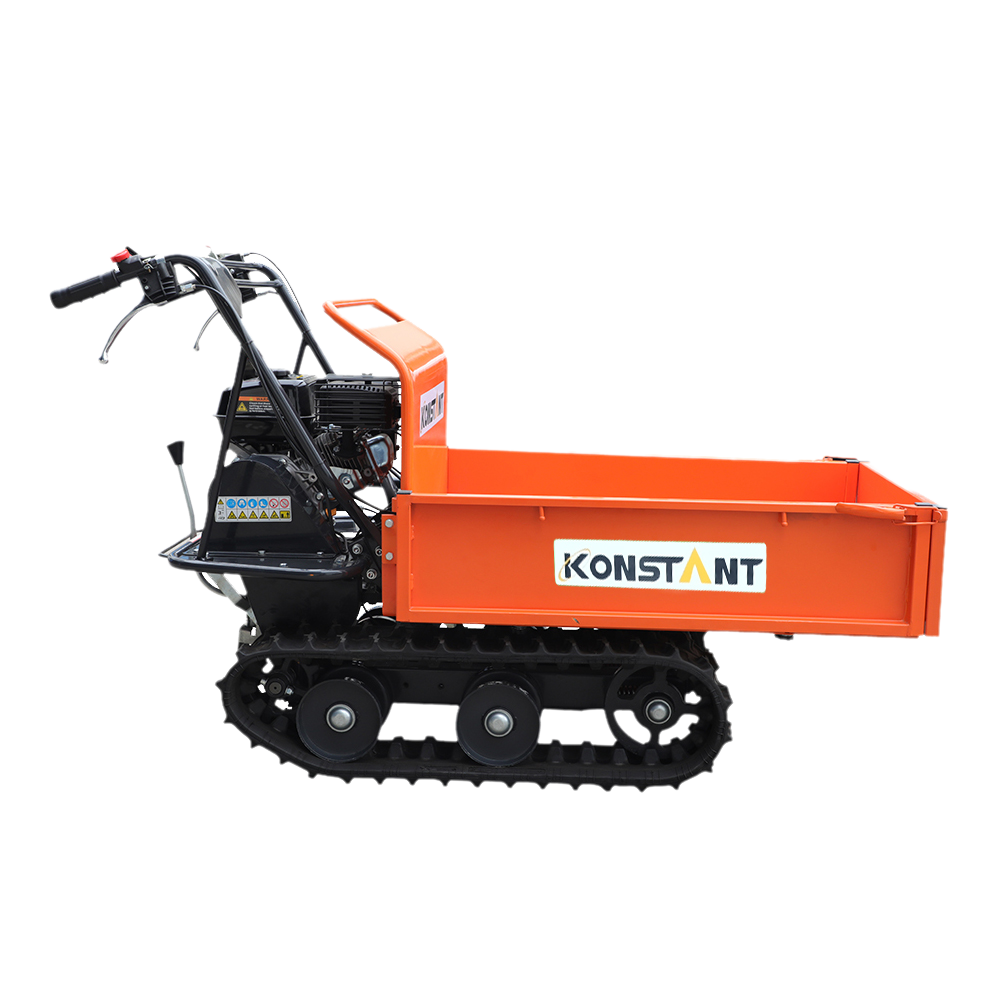
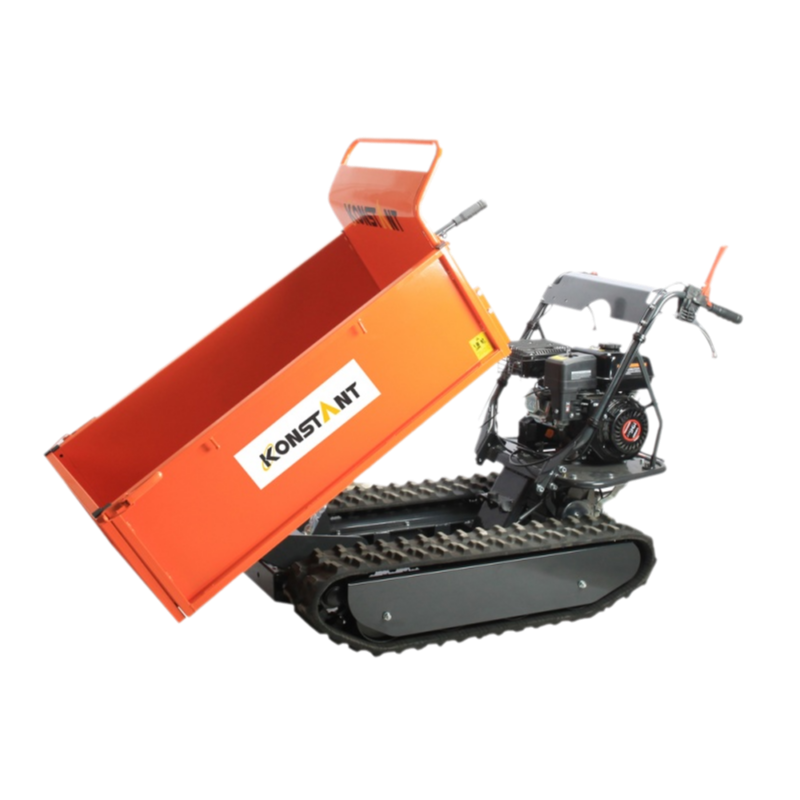
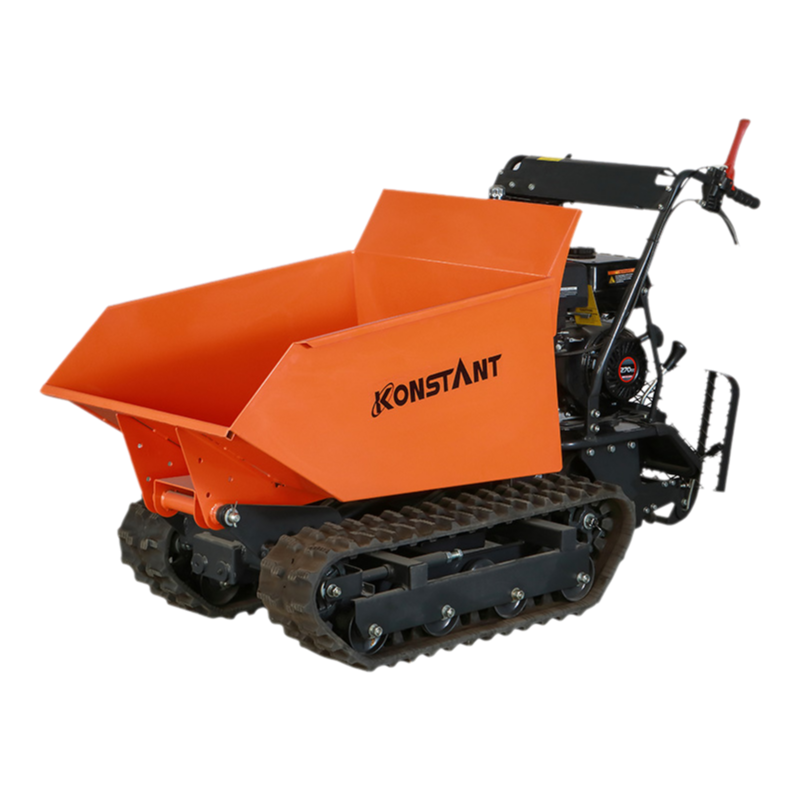
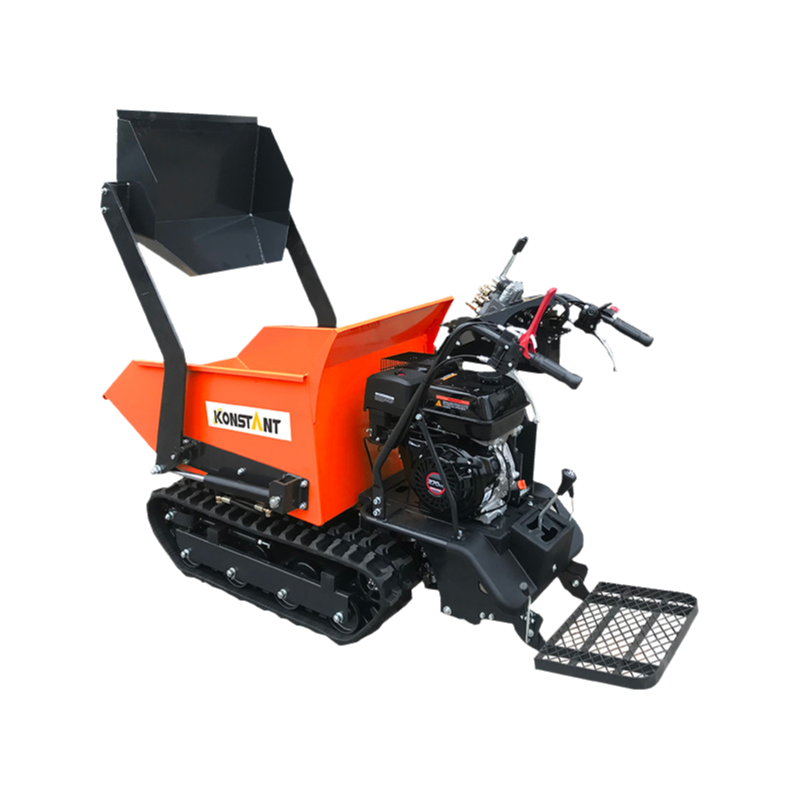
Provide you with the latest enterprise and industry news
Can an Electric Mini Dumper Simplify Material Handling
Update:27-03-2026
Posted by Admin
Content
- 1 Electric Mini Dumper: A Practical Solution for Material Handling in Various Settings
- 2 What Is This Compact Equipment and How Does It Work
- 3 Why Consider This Type of Equipment for Your Next Job
- 4 How to Choose the Right Model for Your Projects
- 5 How to Use It for Material Transport
- 6 Where to Use the Equipment on Your Property
- 7 Tips for Maintaining an Electric Mini Dumper
Electric Mini Dumper: A Practical Solution for Material Handling in Various Settings
In the world of construction and landscaping, finding the right tools can make all the difference when it comes to completing projects efficiently. One option that many people are turning to these days is the Electric Mini Dumper. This piece of equipment helps with moving materials around job sites or personal properties in a way that feels straightforward and manageable.
You might be handling a backyard upgrade or managing a small site crew, and knowing the details can save time and effort from the start. People often ask questions about how these machines fit into their work, and that is exactly what we will explore here. We will cover everything from understanding the basics to practical advice on picking one out, using it properly, finding the right spots for it, and keeping it in good shape. The goal is to give you clear information so you can decide if it might be useful for what you have in mind.
What Is This Compact Equipment and How Does It Work
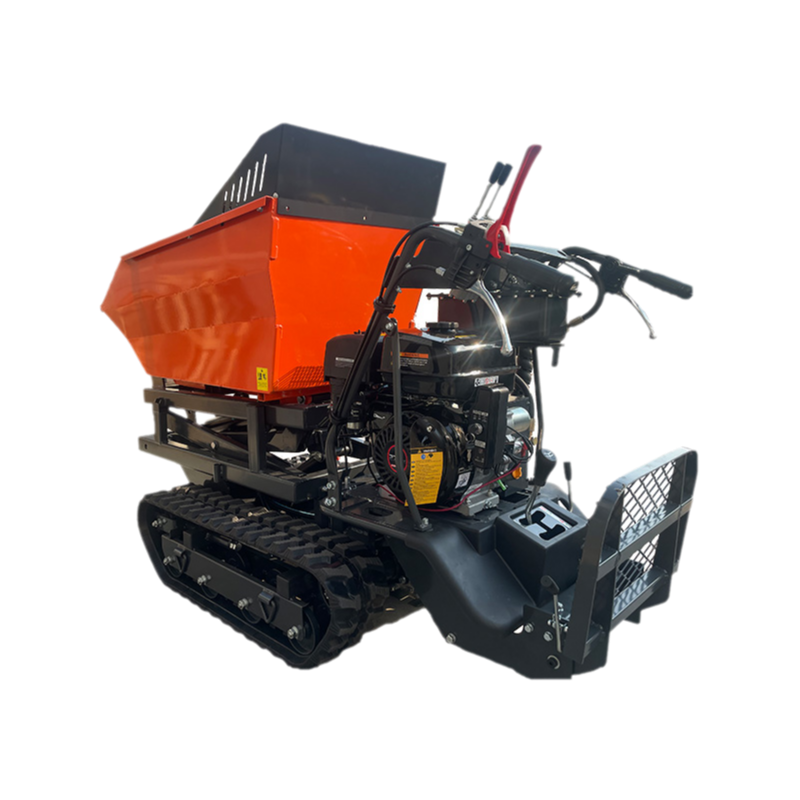
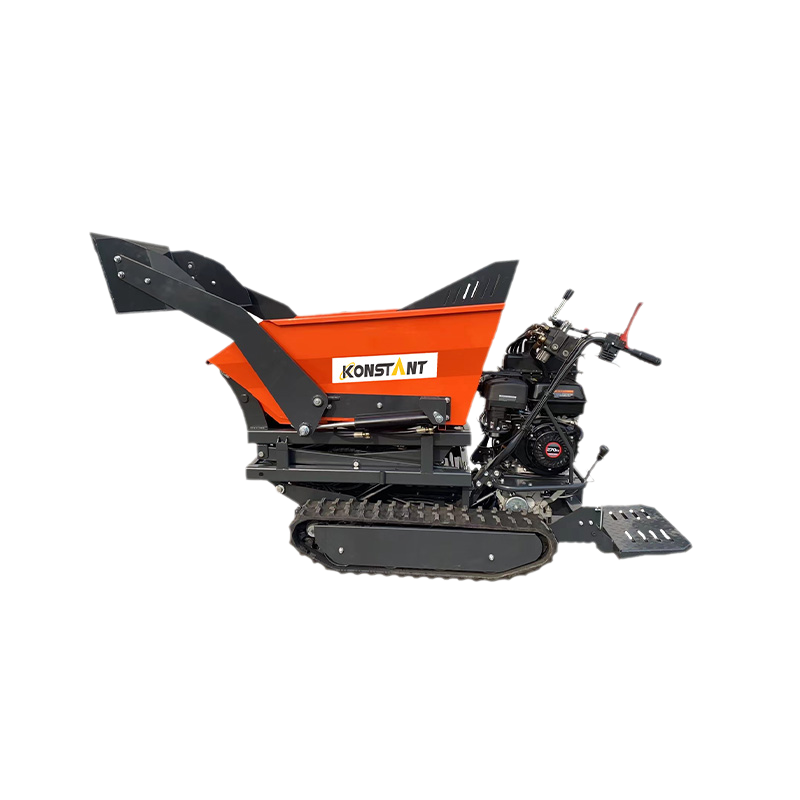
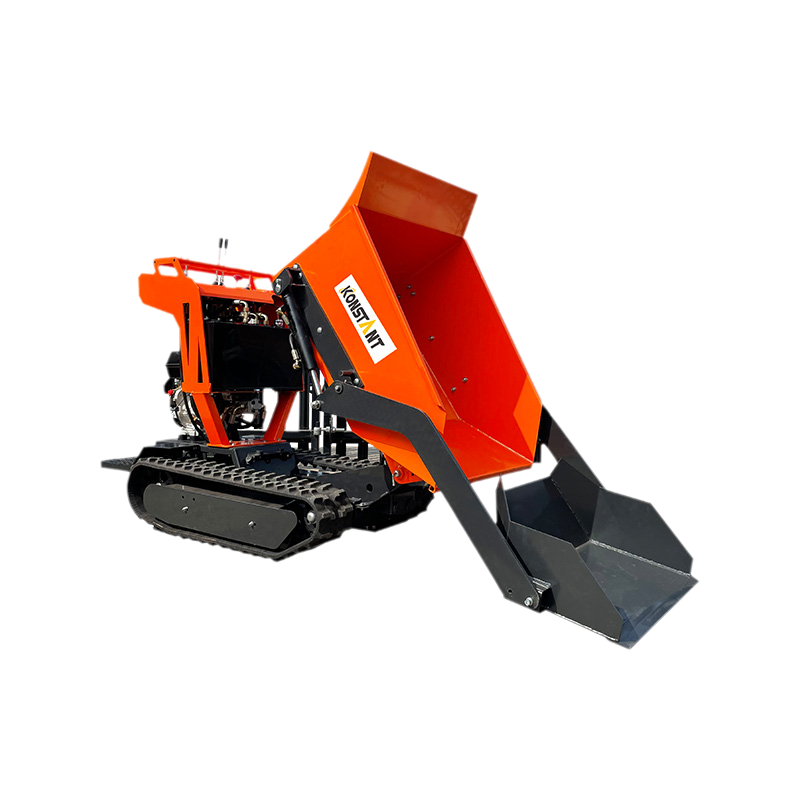
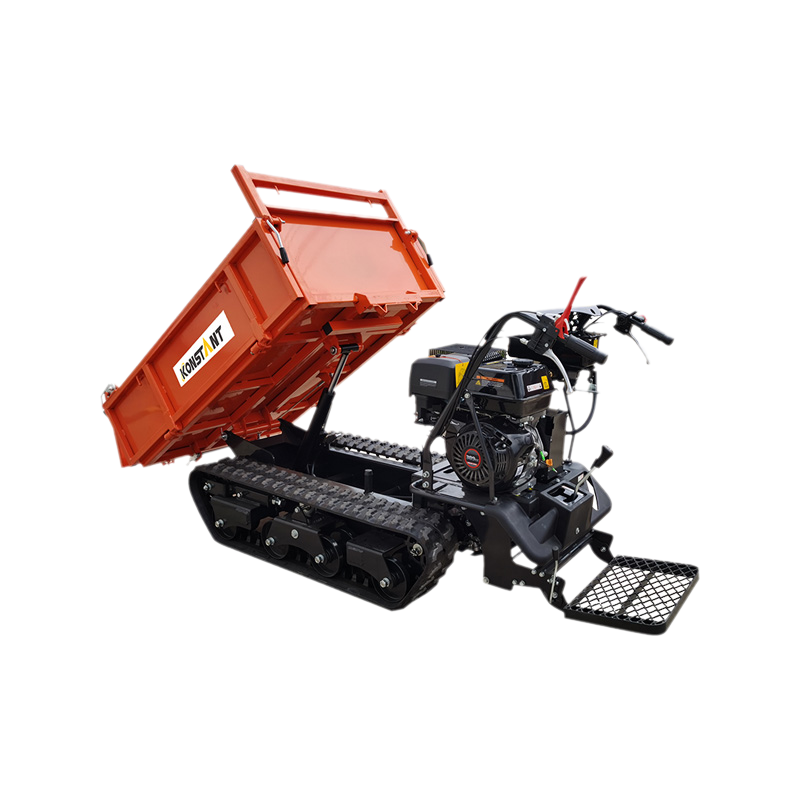
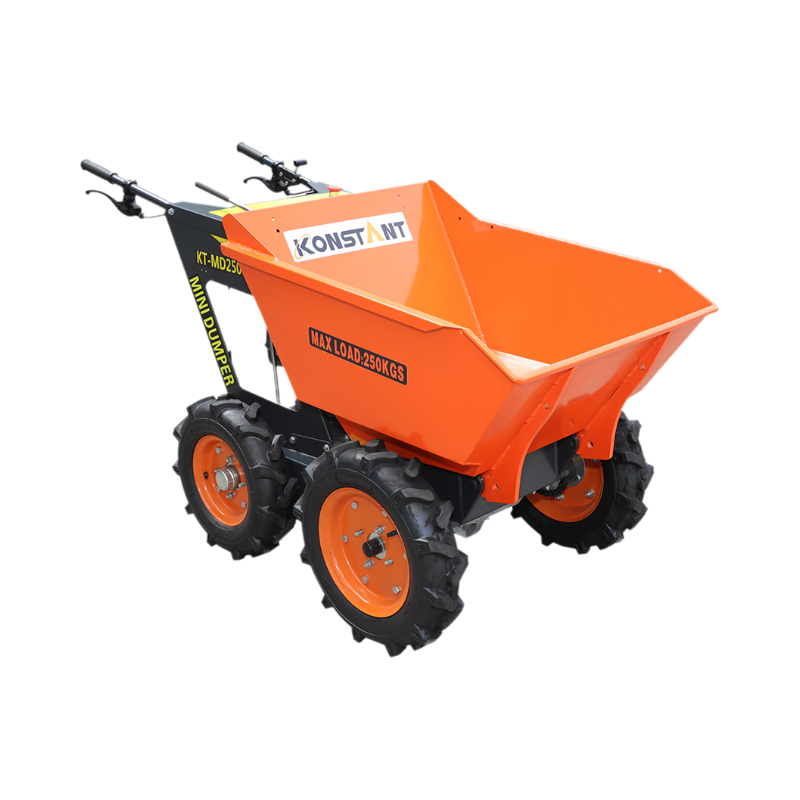
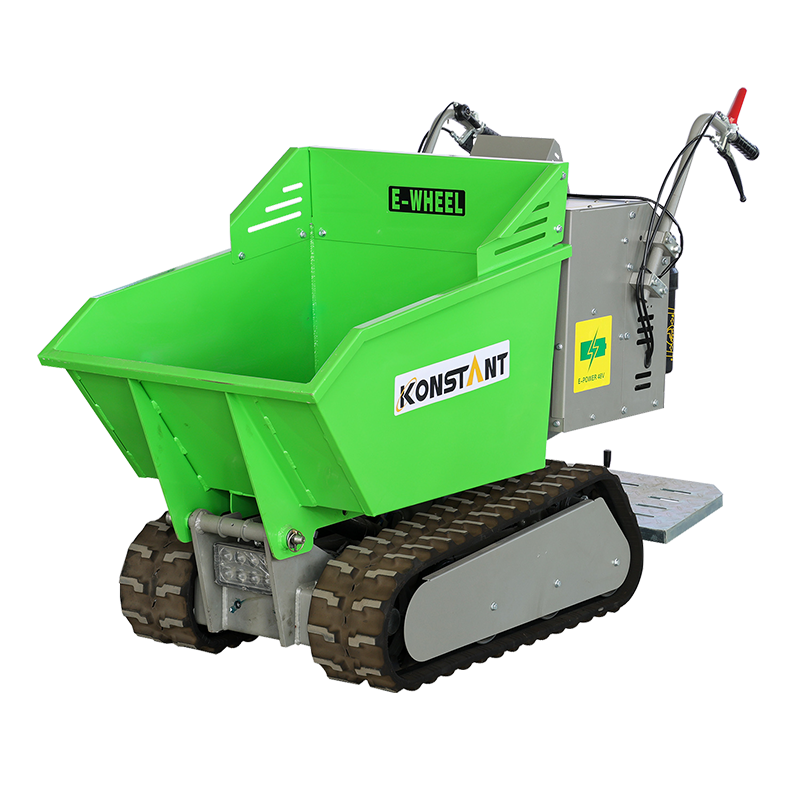
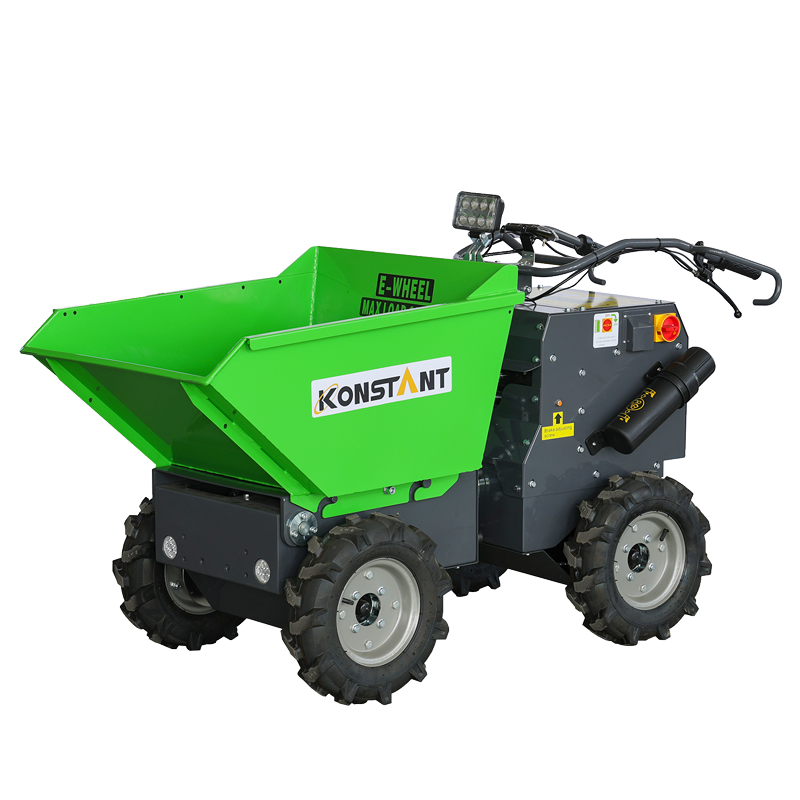
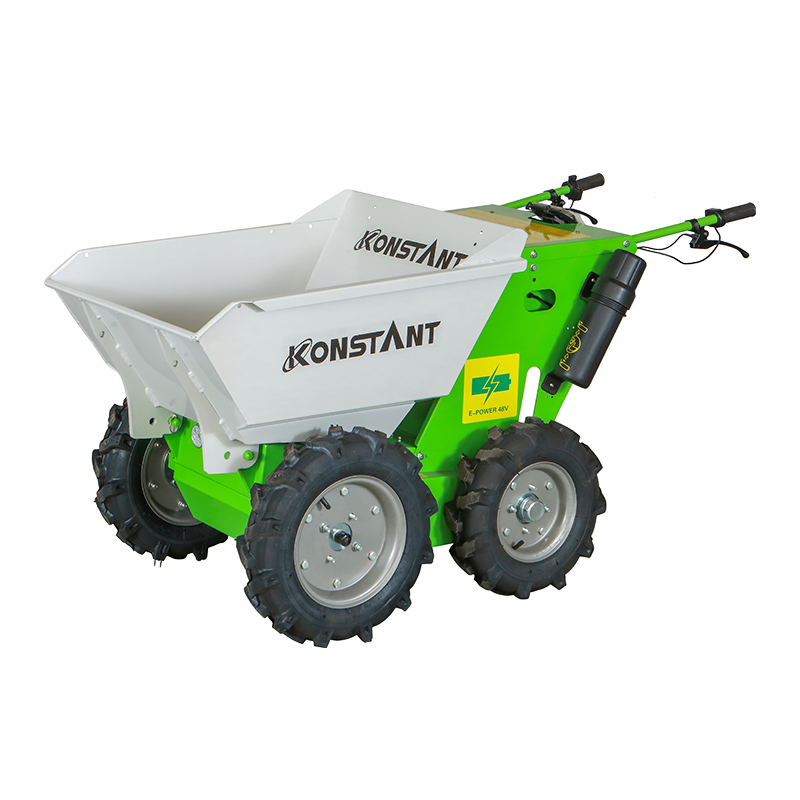
A compact vehicle like this is built for transporting and unloading things such as soil, sand, gravel, mulch, or debris, especially in places where bigger machines just will not fit. It has a small body that allows it to slip into tight spots, with wheels that handle different surfaces well. The power comes from a battery that runs an electric motor, which takes care of both moving the vehicle and tilting the bed to dump the load.
You start by loading up the material, then use the controls to steer and drive to where you need to go. Once there, a simple lever or switch makes the bed lift up, and the stuff slides out on its own. No more heavy lifting or repeated trips back and forth with a wheelbarrow. The battery recharges from a regular outlet, and the whole thing operates without any smoke or loud engine noise, which is nice for work close to homes or inside buildings.
The way it is put together includes things like brakes that kick in automatically when you let go of the controls, and a design that keeps things stable even on slightly rough ground. Tires are usually made to grip well, whether on grass or pavement. Learning to use it does not take long – folks get the hang of it after a quick practice run around an open area. You load evenly, drive carefully, and dump when ready. It is all about making the job flow better without unnecessary effort.
Many operators notice right away how the quiet operation changes the feel of a workday. Instead of constant engine rumble, you can hold a normal conversation with the team or focus on the task without straining to hear instructions. On indoor jobs, such as warehouse reorganizations or basement cleanouts, the lack of fumes means everyone can stay comfortable for longer stretches. The Electric Mini Dumper works by combining electric propulsion with a tipping bed in a package that prioritizes ease of movement and controlled unloading, making it a reliable choice for repetitive material handling tasks.
Why Consider This Type of Equipment for Your Next Job
When you are planning out a project that requires shifting loose materials, it is worth thinking about whether something like this could help. The size means it can get into narrow areas, like between fences in a backyard or along tight pathways on a construction site. Larger equipment might not even make it through the gate, but this one does.
Over time, running costs tend to stay lower because there is no gas to buy, and you skip the usual engine tune-ups. The quiet way it runs also means you can keep working without bothering neighbors or running into rules about noise in certain areas. For landscaping, it can carry mulch right up to the garden beds, and in farming setups, it moves soil or feed across the land without tearing up the ground too much.
Many users appreciate how it cuts down on physical work, letting one person handle what used to require a team or a lot of time. It fits well with efforts to keep things cleaner on site, since it does not produce emissions while in use. Plus, the controls are simple enough that different people on the team can learn to operate it without a lot of training. If you have a home project coming up, it can be stored away easily when not needed and brought out for those occasional tasks. Thinking through your specific needs, like the type of ground and how much you have to move, helps in seeing if it would make sense to bring one in.
You might picture a typical day on a residential renovation. The crew needs to move bricks from the street to the back patio, but the side yard is only three feet wide. This type of equipment slides right through and drops the load exactly where it is wanted. Or consider a mulch installation for a new flower border – instead of pushing heavy carts over soft soil all afternoon, you make a few quick trips and finish before the sun gets too high. The Electric Mini Dumper for your next job often comes down to that kind of everyday practicality.
How to Choose the Right Model for Your Projects
Picking out the equipment starts with looking at what you typically need to move. Think about the kinds of materials and how much volume you deal with on a regular basis. Some models have beds that hold a decent amount, so you want one that matches without forcing you to load and unload constantly.
The ground you will be working on matters too. Flat and smooth surfaces might call for one set of wheels, while bumpy or soft areas do better with something that has more grip or stability. Check how tight the turns are in your space – a smaller turning circle can save a lot of hassle in crowded spots.
How long the battery lasts on a charge is something to consider based on your workday. If you have long stretches of use, look for options that let you swap batteries or provide enough power to get through without constant recharging. Safety elements, such as easy-to-reach controls and good visibility, add to the comfort during operation.
It is also smart to think ahead about storage and parts. Will it fit in your garage or shed? Are replacement items like tires easy to find? Taking time to match these details to your situation means you end up with something that works well without extra headaches down the line.
A good way to narrow things down is to list out your common jobs for the next few months. If you mainly work on flat driveways and patios, you might lean toward a model with standard tires and a straightforward dump action. For hillside gardens or uneven farm paths, wider tires and a lower center of gravity make a noticeable difference in how confidently you can move around. Talk to others who have used similar gear, or simply walk your site and measure the narrowest passages – that quick exercise often points you toward the right fit faster than any brochure ever could.
How to Use It for Material Transport
Getting started with material transport using this setup involves a bit of preparation. Take a look around the area to spot any potential issues, like uneven spots or things in the way. Park close to the pile of material to keep the distance short and avoid spills along the way.
When loading, spread things out evenly in the bed to keep the balance right. Piling everything in one corner can make driving tricky, so aim for an even distribution up to the suggested level. For heavier stuff, use whatever tools you have on hand to fill it up carefully.
Driving takes a steady hand. Start slow to get a feel for how the weight affects handling, and adjust your speed to the surface. Keep an eye out for obstacles, and make wide turns if possible to stay in control. The response from the motor is pretty direct, so starts and stops feel natural once you are used to it.
At the drop-off point, line it up so the bed points toward where the material needs to go. Activate the dump slowly to control how everything comes out, then let the bed settle back down. Clear any leftover bits before heading back for more.
Safety comes every time. Wear sturdy shoes, keep clear of the moving parts, and stay focused. Plan your routes to avoid steep hills or very soft ground if you can. With practice, these steps turn into a routine that makes transporting materials quicker and less tiring overall.
Using the Electric Mini Dumper effectively starts with proper preparation, and that preparation pays off in smoother days. Imagine clearing out an old shed full of dirt and old lumber – you load a bit at a time, drive the short distance to the disposal area, and dump without ever needing to lift a full shovel. The process repeats easily, and before you know it the job is done. Small adjustments, such as shifting your weight slightly when turning on a slope, become second nature after a couple of runs.
Where to Use the Equipment on Your Property
You can put this kind of machine to work in lots of different spots around a home or business property. Backyards with gardens benefit when it carries soil or mulch between beds without you having to haul it by hand through narrow gates. It slips through standard openings and gets right to the spot where you need it.
On renovation sites, narrow side yards or driveways are no problem. It can bring in supplies or take away debris without messing up the lawn or needing space for bigger rigs. Inside larger buildings like warehouses, the lack of fumes and noise makes it a good fit for moving supplies from one area to another.
Small farms or hobby plots use it for spreading amendments or clearing storm damage. It handles soft soil without packing it down too hard. Around ponds or water features, it transports rocks along paths that would be tough on foot. Seasonal work, such as fixing trails or clearing leaves, becomes simpler too.
Many owners find new uses as they go. A patio update might involve moving pavers across the deck, or a pool project could mean shifting dirt from the excavation area. Survey your space beforehand to map out paths, and you will see how it fits into multiple areas without much repositioning of other tools.
Think about a typical suburban lot with a fenced backyard and a long driveway. The machine rolls from the garage straight to the fence line, drops mulch along the border, and returns for another load without compacting the grass. In a commercial setting, such as a small retail courtyard, it quietly moves planters or gravel during off hours so customers never notice the work happening. The versatility shows up clearly once you start using it regularly – suddenly every corner of the property feels a little more accessible.
Tips for Maintaining an Electric Mini Dumper
Keeping the equipment running well comes down to regular attention. Before each use, do a quick check of the tires, bolts, and battery connections to catch anything early. This habit prevents small problems from turning into bigger ones later.
The battery needs care to last. Recharge it after sessions following the usual steps, and try not to let it run all the way down too often. Store everything in a dry place, and for long periods without use, keep a bit of charge in it.
After a day of work, clean off dirt and debris from the frame, wheels, and bed. A wipe-down and brush for tight spots keeps things moving freely. Add a touch of lubricant to any pivot areas as needed to avoid stiffness.
Watch the tires for proper condition since they affect how well it grips and carries loads. If used outdoors a lot, rotating them helps even out the wear. Dust off the motor area occasionally too.
When storing for the off-season, give it a full clean, charge up, and cover it. Bring it out later with a test run in a safe spot. Keeping a note of hours used and any notes on performance can help you stay on top of when service might be due.
Following these steps on a regular basis helps the machine stay dependable for all sorts of tasks over time. You might set aside ten minutes at the end of each shift to wipe everything down and log the day's activity. Over months, that simple routine adds up to fewer unexpected stops and more consistent performance on the job. Owners who treat maintenance as part of the daily flow often report that the equipment feels as responsive after a year as it did on day one.
In summary, equipment like this addresses many common issues with moving materials. By going through the functions, fit for the job, selection process, proper use, suitable locations, and care routines, it becomes easier to work it into your plans. Projects of all sizes can benefit from the practical approach it offers. As you tackle new work, these points can guide you toward better results.
Related products

Latest Updates
-
How Does a Mini Dumper Electric Support Modern Material Handling
Material handling is part of almost every construction, landscaping, agricultural, and maintenance...
-
Can a Hydraulic Mini Dumper Improve Material Movement on Uneven Ground
Material movement is part of almost every outdoor project. Construction crews move soil and debris...

-
Welcome To Visit Us
No.30, Third Furong Road, Wuxi City, Jiangsu. 214100, China.
-
Call Us
Phone: +86 181-1889-1139
Phone: +86 181-1889-2139
-
Contact Us Online
E-mail: sales@konstantpm.com
E-mail: marketing@konstantpm.com
Copyright WUXI KONSTANT POWER TECH CO., LTD All Rights Reserved
 China Mini Dumpers Manufacturers Power Wheelbarrow Factory