
 English
 русский
 Français
 Español
 Deutsch

Provide you with the latest enterprise and industry news
What Is a Power Barrow Factory Used for in Construction Work
Update:11-05-2026
Posted by Admin
Content
- 1 How Does a Power Barrow Function in Daily Construction Tasks?
- 2 Why Is It Useful in Material Transport?
- 3 What Types of Construction Materials Can It Carry?
- 4 How Does It Improve Work Efficiency on Site?
- 5 What Makes It Suitable for Rough Terrain?
- 6 How Does It Reduce Physical Strain for Workers?
- 7 Where Is a Power Barrow Commonly Used?
- 8 How Does It Support Better Site Organization?
- 9 What Factors Influence Its Performance?
- 10 How Does It Fit Into Modern Construction Methods?
- 11 Why Is It Considered a Practical Site Tool?
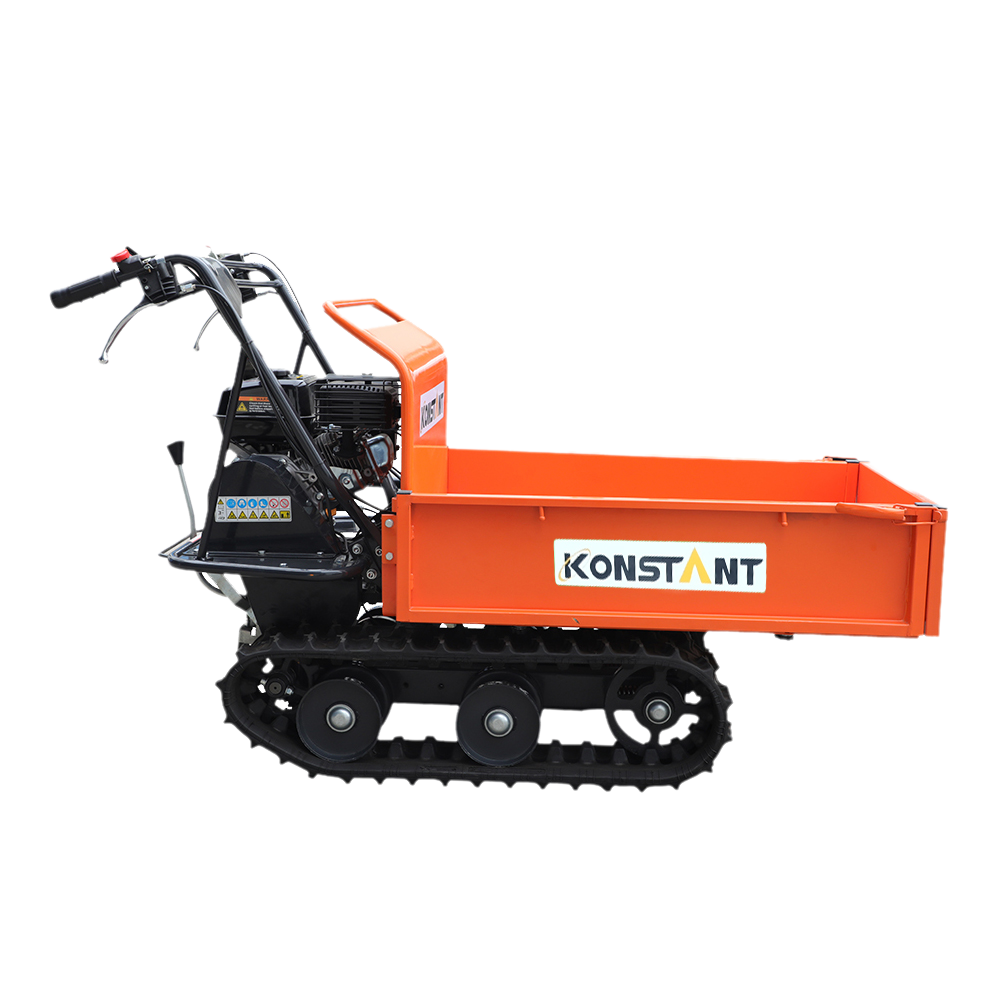
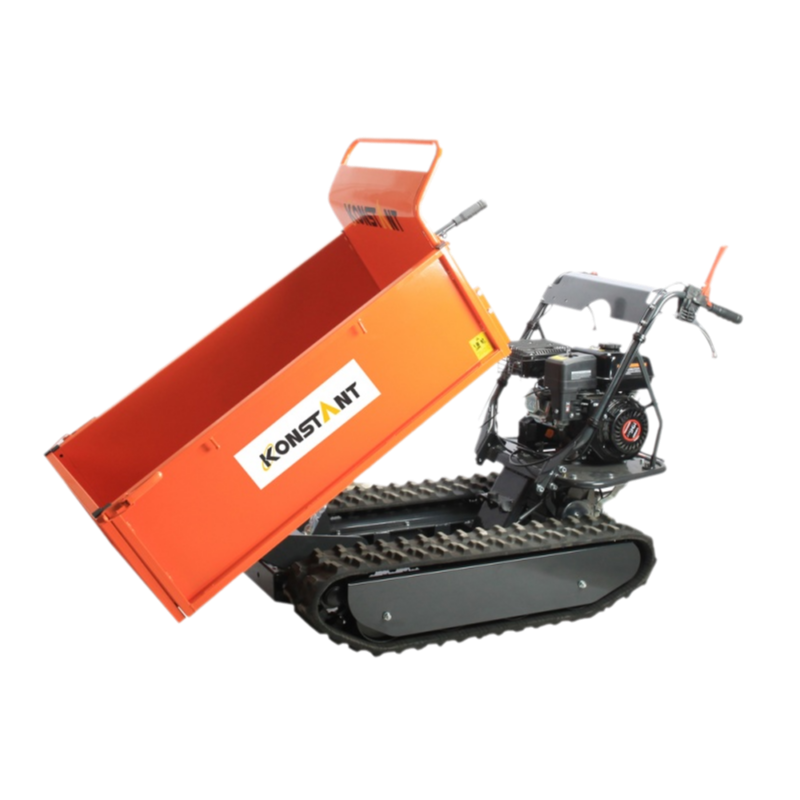
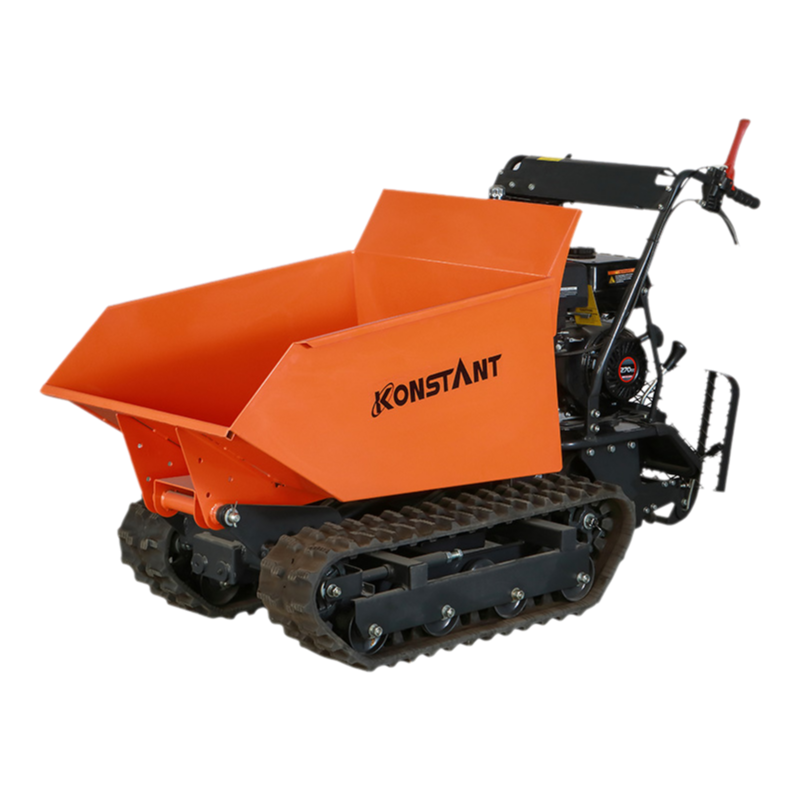
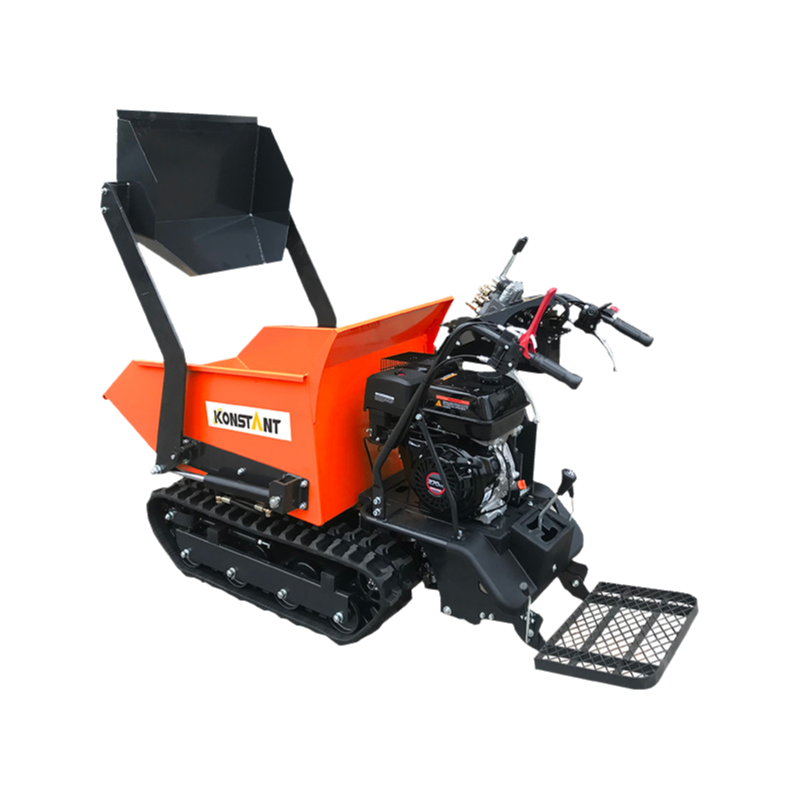
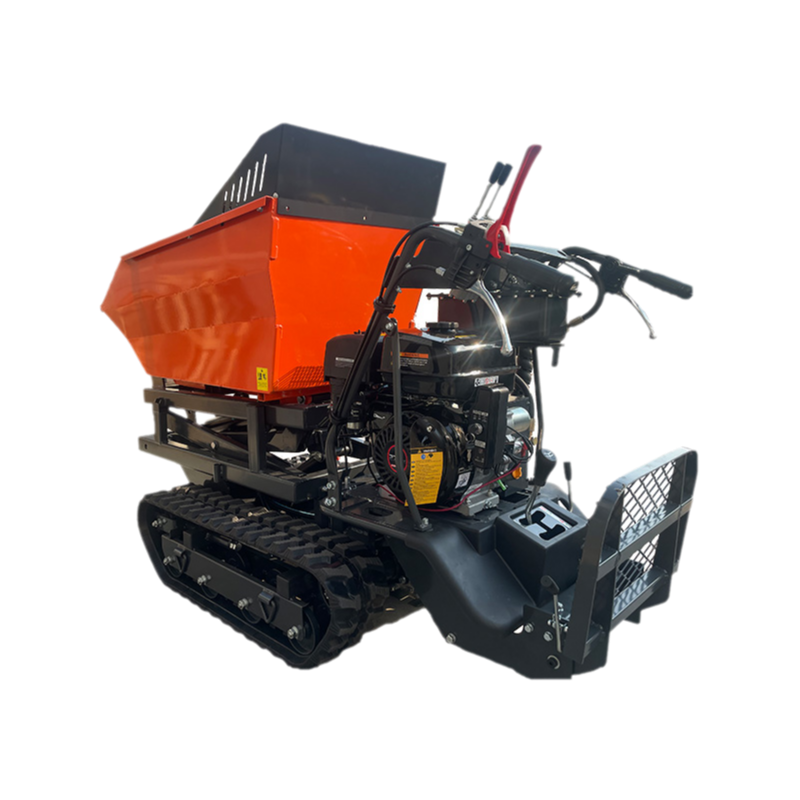
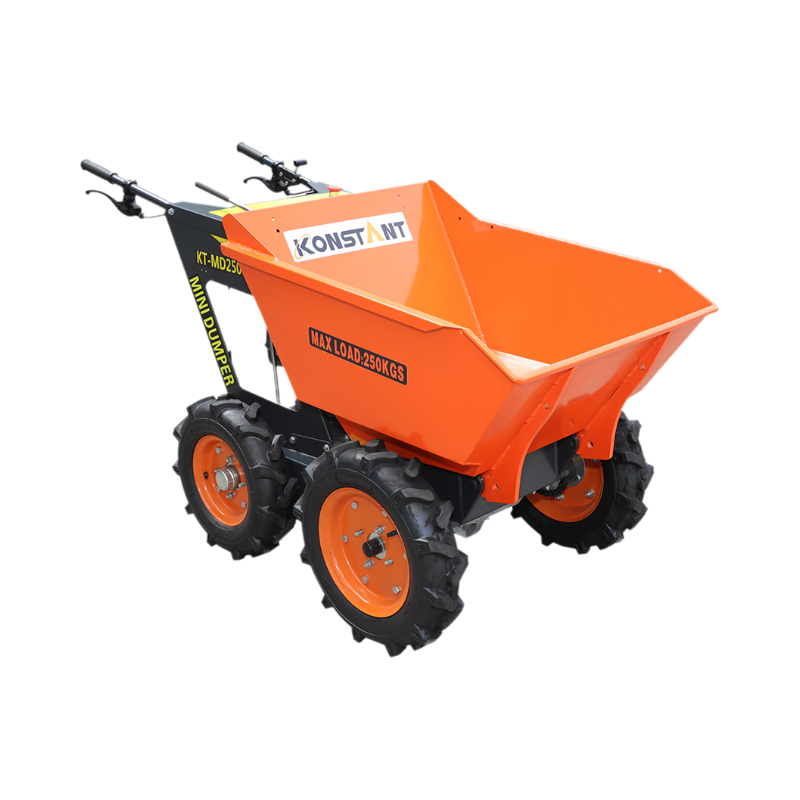
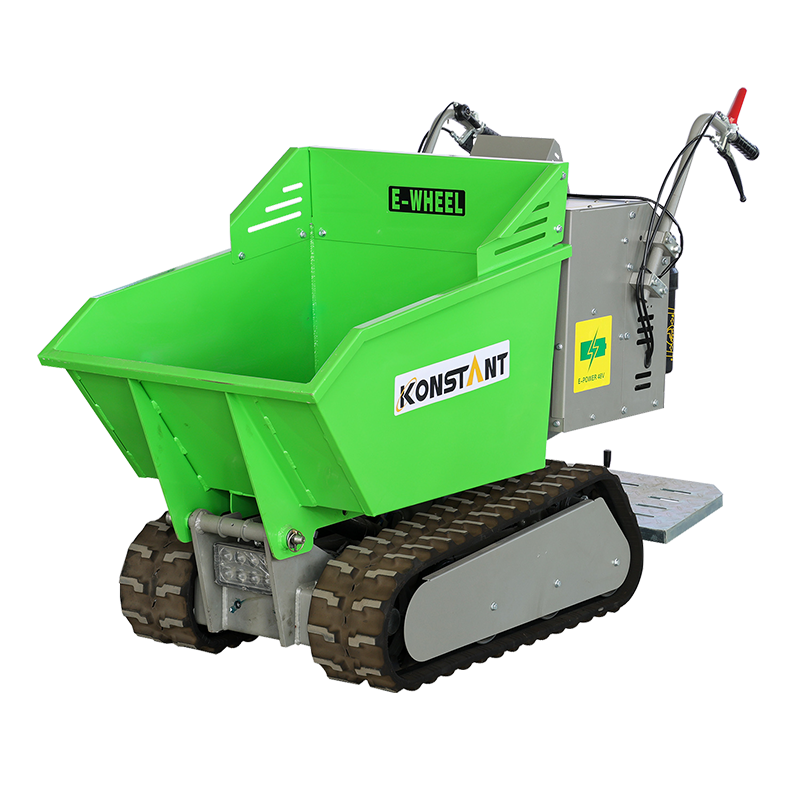
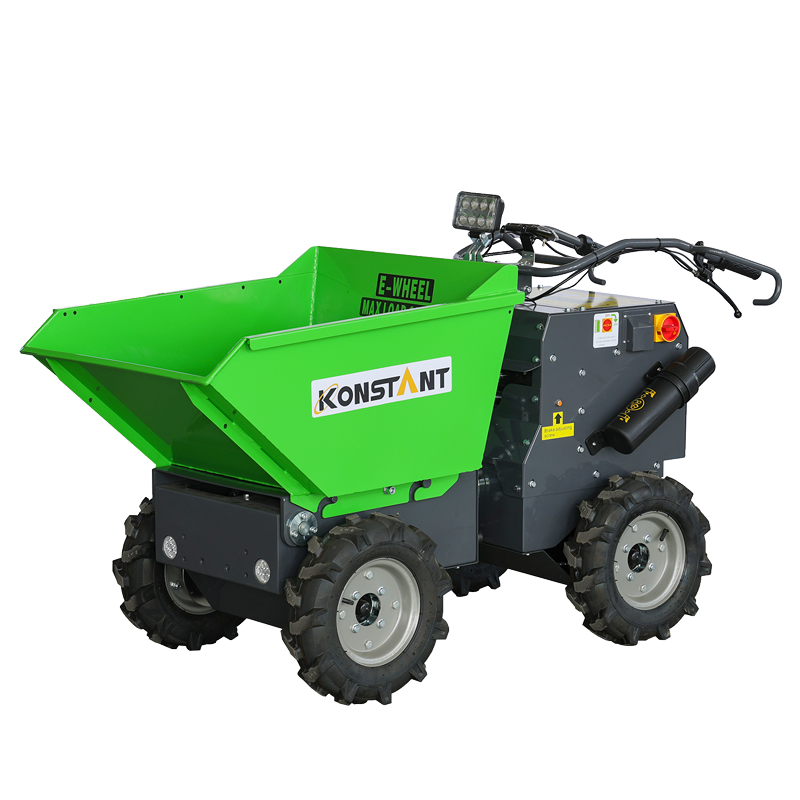
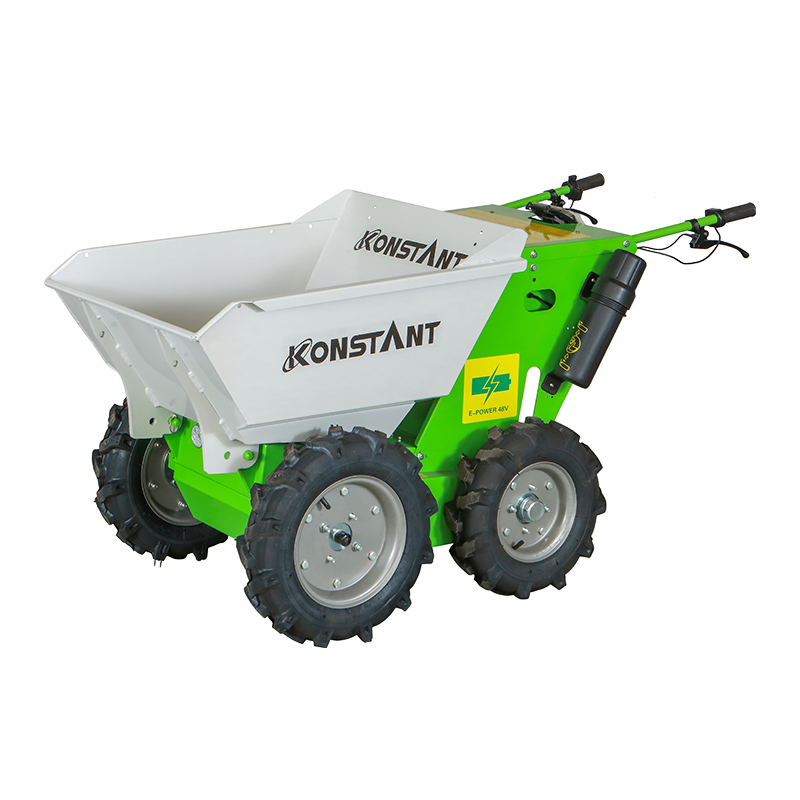
Construction sites often involve constant movement of materials. Soil, sand, gravel, cement mix, and waste all need to be transported across changing ground conditions. In many cases, this movement takes place in spaces that are narrow, uneven, or difficult for larger machines to access. A power barrow is designed to support this type of work.
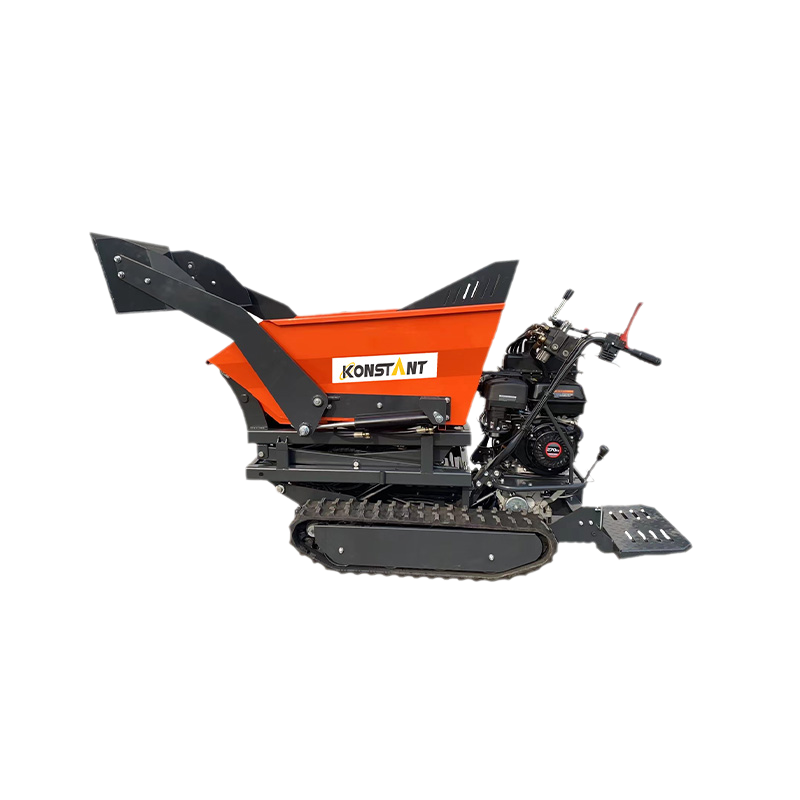
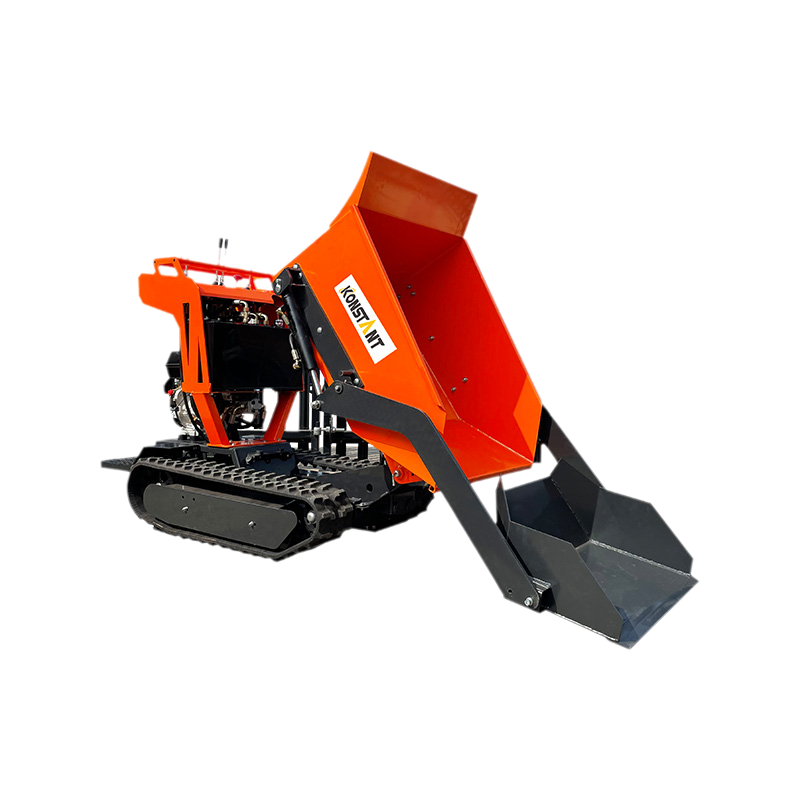
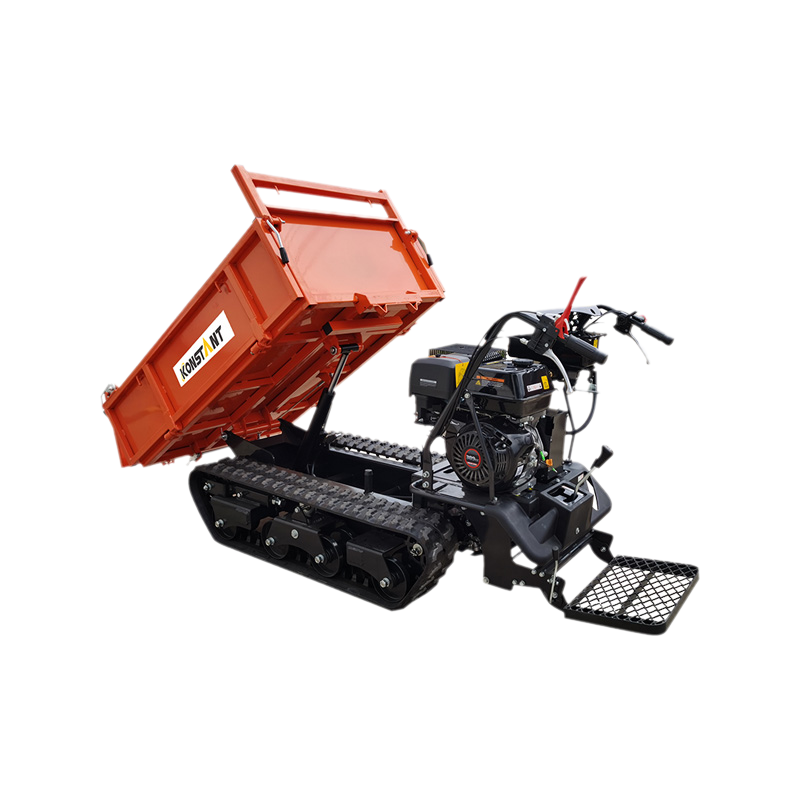
It looks similar to a traditional wheelbarrow at glance. The key difference is that it uses powered movement to assist transport. This changes how materials are handled on site and reduces the physical effort required from workers.
The role of a Power Barrow Factory is not limited to carrying materials. It also influences how tasks are organized and how efficiently work progresses across different areas of a site.
How Does a Power Barrow Function in Daily Construction Tasks?
A power barrow is built to move materials from one point to another with minimal manual pushing. Instead of relying fully on human force, it uses a powered system to support movement across different surfaces.
On construction sites, movement is rarely smooth or flat. There may be loose soil, slopes, or temporary paths. A power barrow helps maintain steady transport in these changing conditions.
Workers typically load materials into the container area and guide the machine to the destination. The machine handles the movement, while the operator controls direction and placement.
This shift reduces repeated physical strain and allows transport tasks to be completed with more consistency.
Why Is It Useful in Material Transport?
Material transport is one of the frequent activities in construction work. Even small projects involve continuous movement of supplies and debris.
A power barrow helps simplify this process. Instead of multiple trips with manual effort, materials can be moved in fewer cycles.
This becomes especially useful when transporting bulk materials. Items such as sand or gravel can be difficult to carry by hand over long distances or uneven ground.
By supporting load movement, the power barrow helps reduce interruptions in workflow and keeps tasks moving steadily.
What Types of Construction Materials Can It Carry?
Power barrows are used for a wide range of materials commonly found on construction sites. These may include loose, granular, or mixed materials.
Typical examples include:
- Soil from excavation work
- Sand used in building preparation
- Gravel for base layers
- Cement-related materials
- Construction debris from demolition or cleanup
The design allows materials to be loaded and transported without requiring careful balancing, unlike manual carrying methods.
Different materials behave differently during transport. Some shift easily, while others remain stable. The container structure helps manage this variation during movement.
How Does It Improve Work Efficiency on Site?
Efficiency in construction is often linked to how quickly materials can move between locations. Delays in transport can slow down other tasks that depend on those materials.
A power barrow supports continuous movement. Once materials are loaded, transport becomes more direct and less physically demanding.
This allows workers to focus on placement, preparation, or finishing tasks rather than repeated carrying.
Work flow becomes more organized. Instead of multiple workers handling transport manually, fewer steps are needed to complete the same movement.
The result is a smoother transition between different stages of work.
What Makes It Suitable for Rough Terrain?
Construction environments are rarely uniform. Surfaces can be uneven, soft, or partially obstructed. Traditional manual transport can become slow or unstable under these conditions.
A power barrow is designed to handle these variations. Its structure supports movement across uneven ground without requiring constant adjustment from the operator.
Slopes and narrow paths are common on many sites. The powered assistance helps maintain movement where manual pushing would require more effort.
This makes it suitable for both outdoor construction zones and partially developed areas.
How Does It Reduce Physical Strain for Workers?
Manual material handling often involves lifting, pushing, and repeated movement. Over time, this can Find to fatigue, especially in long working shifts.
A power barrow reduces the need for constant physical force during transport. The operator guides the machine rather than carrying the full load manually.
This change reduces repetitive strain and helps maintain energy levels throughout the day.
It also supports safer working conditions by reducing the likelihood of overexertion during heavy transport tasks.
Where Is a Power Barrow Commonly Used?
Power barrows are used in a variety of construction-related environments. Their flexibility allows them to support different stages of work.
Common usage areas include:
1.Building construction sites
Transporting materials between storage and working zones
2.Landscaping projects
Moving soil, plants, and ground materials across outdoor areas
3.Renovation work
Carrying debris and supplies through existing structures
4.Roadwork zones
Supporting movement of materials in narrow or controlled spaces
5.Site cleanup operations
Removing waste and leftover materials after construction phases
Each environment places different demands on movement, but the general purpose remains the same: simplifying material transport.
How Does It Support Better Site Organization?
Construction sites often involve multiple tasks happening at the same time. Without organized material flow, delays can occur between different teams.
A power barrow helps structure movement in a more predictable way. Materials can be delivered directly to specific points without unnecessary detours.
This reduces clutter and improves coordination between teams working in different areas.
When material transport becomes more controlled, other tasks can proceed without interruption.
What Factors Influence Its Performance?
Several conditions affect how a power barrow performs in real use. These factors do not define the machine itself but shape how it behaves in practice.
| Factor Area | Influence on Operation | Practical Effect |
|---|---|---|
| Terrain condition | Smooth or uneven ground | Movement stability |
| Load type | Light or heavy materials | Transport ease |
| Usage frequency | Occasional or continuous use | Wear over time |
| Operator handling | Control and movement style | Efficiency of transport |
| Site layout | Distance and path complexity | Travel time between points |
Understanding these factors helps align expectations with actual working conditions.
How Does It Fit Into Modern Construction Methods?
Construction practices are gradually shifting toward methods that reduce manual effort while maintaining flexibility. Equipment that supports movement and efficiency plays a larger role in this shift.
A power barrow fits into this approach by offering a balance between manual control and powered assistance.
It does not replace all transport methods but complements them in areas where flexibility is needed.
This allows construction teams to adapt more easily to changing site conditions.
Why Is It Considered a Practical Site Tool?
The value of a power barrow comes from its simplicity and adaptability. It does not require complex operation, yet it supports a wide range of tasks.
It can be used in confined spaces, uneven terrain, and changing work environments. This versatility makes it useful across different stages of construction.
Its role is not limited to one specific function. Instead, it supports the overall flow of materials throughout a project.
Construction work relies heavily on movement. Materials must be delivered, shifted, and cleared continuously. A power barrow supports this process by making transport more manageable across different site conditions.
Related products

Latest Updates
-
How Does a Mini Dumper Electric Support Modern Material Handling
Material handling is part of almost every construction, landscaping, agricultural, and maintenance...
-
Can a Hydraulic Mini Dumper Improve Material Movement on Uneven Ground
Material movement is part of almost every outdoor project. Construction crews move soil and debris...

-
Welcome To Visit Us
No.30, Third Furong Road, Wuxi City, Jiangsu. 214100, China.
-
Call Us
Phone: +86 181-1889-1139
Phone: +86 181-1889-2139
-
Contact Us Online
E-mail: sales@konstantpm.com
E-mail: marketing@konstantpm.com
Copyright WUXI KONSTANT POWER TECH CO., LTD All Rights Reserved
 China Mini Dumpers Manufacturers Power Wheelbarrow Factory