
 English
 русский
 Français
 Español
 Deutsch

Provide you with the latest enterprise and industry news
Key Features to Look for in a Mini Petrol Power Dumper
Update:15-05-2026
Posted by Admin
Content
- 1 Why does engine performance matter in everyday use?
- 2 How does load handling capacity affect daily work?
- 3 Why is terrain adaptability important?
- 4 Does size influence practical performance?
- 5 What role does tipping mechanism design play?
- 6 How important is operator comfort during use?
- 7 Does maintenance accessibility affect long-term use?
- 8 How does stability influence safety and control?
- 9 What about durability in repeated outdoor use?
- 10 Why do small design details matter more than expected?
- 11 A simple comparison overview
- 12 What stands out in real working environments?
In many outdoor work environments, moving materials is part of the daily routine. Soil, gravel, construction waste, garden debris. None of these are difficult on their own, but the repetition adds up quickly.
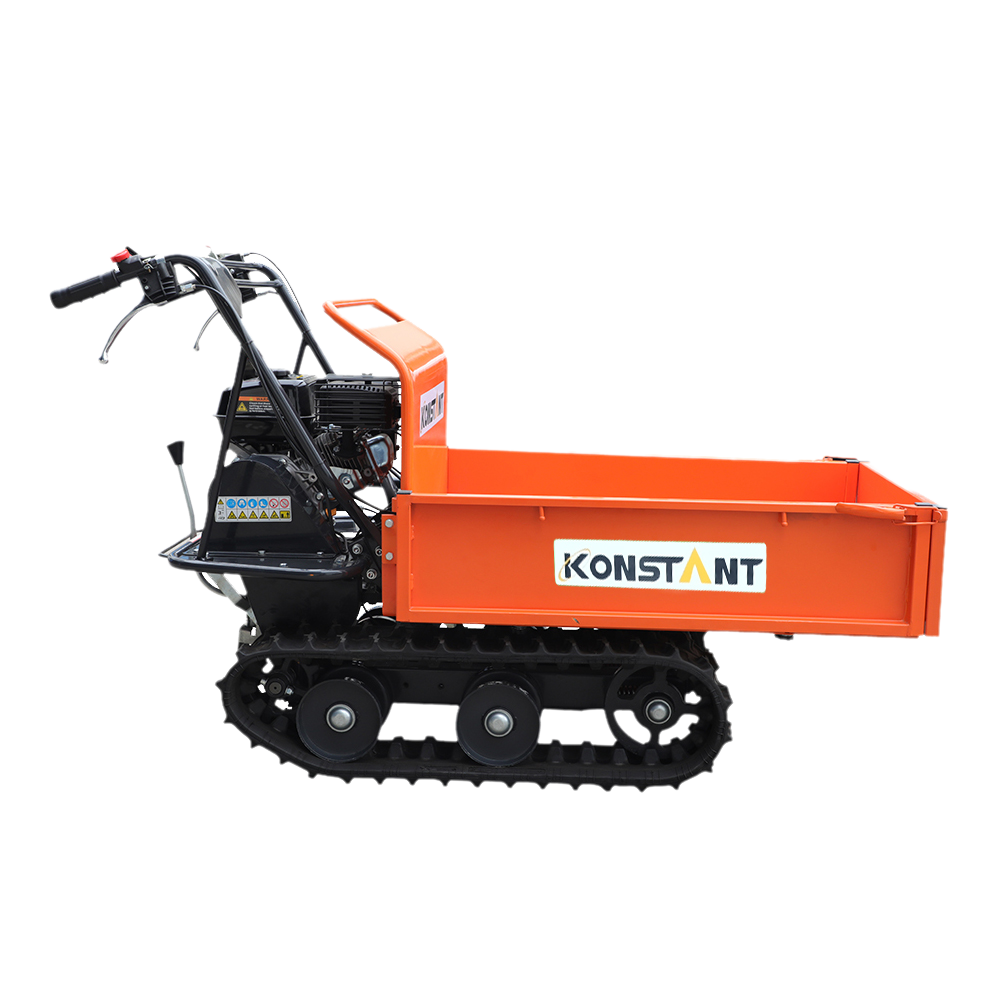
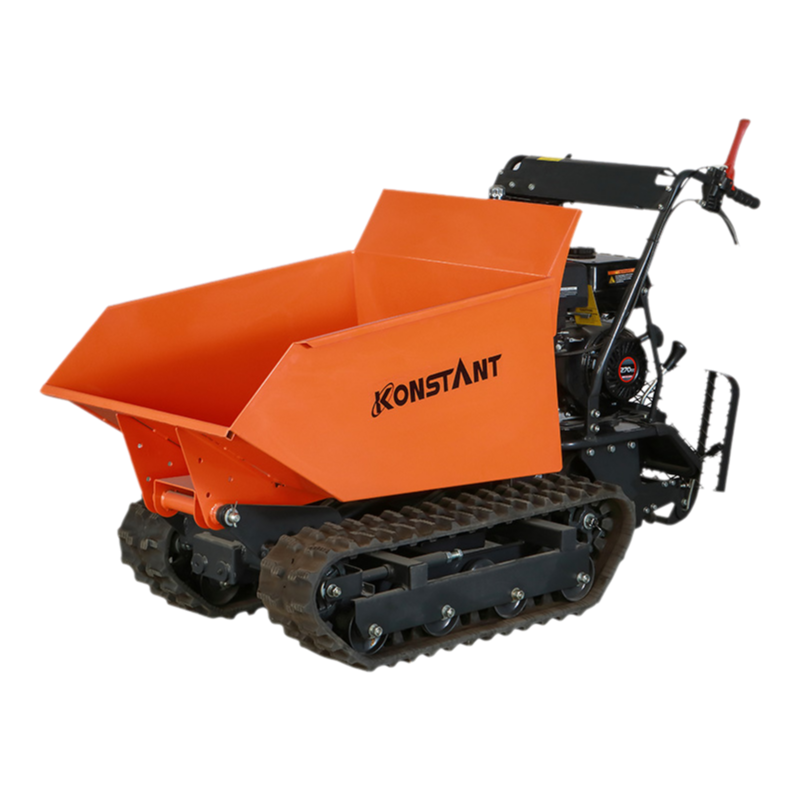
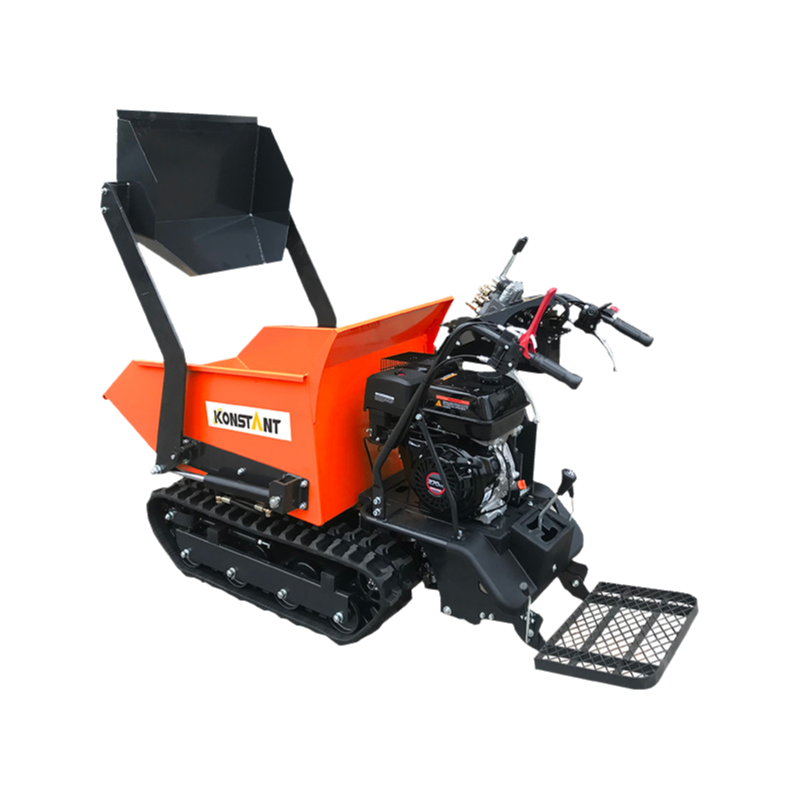
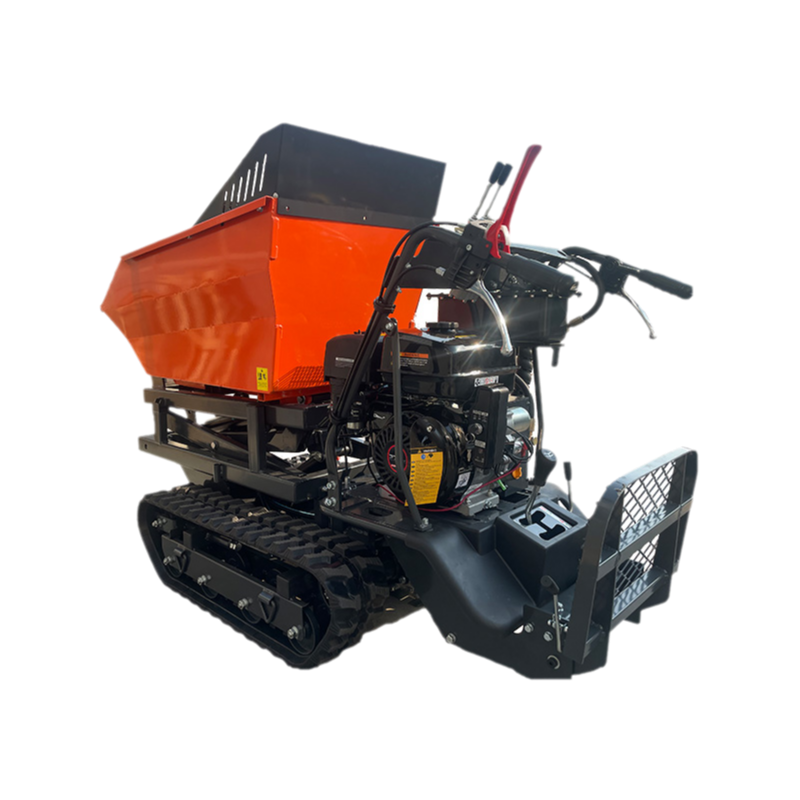
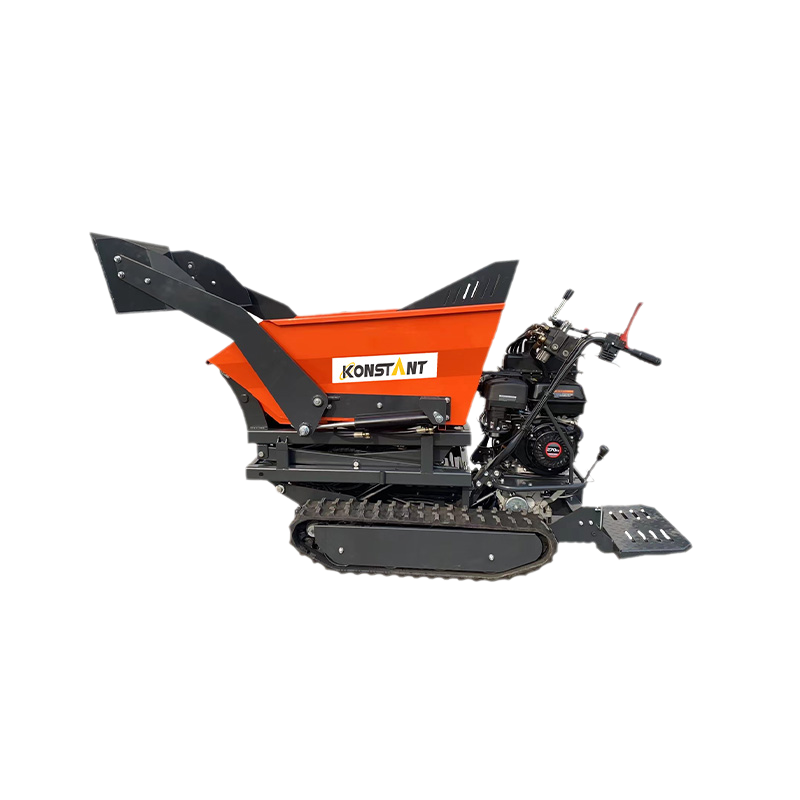
A mini petrol power dumper is often brought in to reduce that constant manual effort. It is compact, mobile, and built to handle short-distance transport in uneven or tight spaces. At glance, many models look similar. The differences become clearer when you focus on how they perform in real working conditions.
Choosing one is less about appearance and more about how it behaves when the ground is not flat, the load is uneven, or the work continues for longer than expected.
Why does engine performance matter in everyday use?
A mini petrol dumper depends on consistent engine output to move loads smoothly across different surfaces. It is not only about power, but how that power is delivered.
In real use, conditions are rarely stable. Ground may be soft in one area and compact in another. A steady response helps maintain movement without frequent stops or strain.
Operators usually notice performance differences when:
- moving uphill or across uneven terrain
- carrying repeated loads over time
- starting the machine in varying conditions
- switching between light and heavier materials
The goal is not speed. It is controlled movement that does not feel strained or unpredictable.
How does load handling capacity affect daily work?
Load handling is one of the practical considerations. It shapes how often trips are needed and how much material can be moved in one cycle.
A well-balanced dumper does not just carry weight. It distributes it in a way that feels stable during movement. When the load is uneven, the machine may react differently on slopes or rough ground.
In practice, users often look at:
- how the load behaves during transport
- whether the dumper feels balanced when full
- how easy it is to unload materials
- how repeated loading affects movement stability
It is not only about capacity. It is about how the machine behaves when used continuously.
Why is terrain adaptability important?
Outdoor environments are rarely uniform. Even small work areas can include mud, gravel, grass, and compact soil in a single route.
A mini petrol power dumper is often expected to move across all of these without frequent adjustment. That is where adaptability becomes noticeable.
Some machines feel stable on flat ground but become harder to control on slopes. Others maintain a steady motion but may struggle in soft or loose surfaces.
Adaptability is usually judged through experience rather than specifications. It becomes clear after repeated use in mixed conditions.
Does size influence practical performance?
Size plays a quiet but important role. A compact machine can move through narrow paths or tight workspaces more easily. That is often useful in residential areas or restricted job sites.
However, smaller size can also influence balance. When carrying uneven loads, stability becomes something to pay attention to.
In daily use, size affects:
- turning space in narrow areas
- ability to pass through gates or tight paths
- visibility during operation
- ease of positioning when loading or unloading
The balance between compact structure and stable movement is often more important than size alone.
What role does tipping mechanism design play?
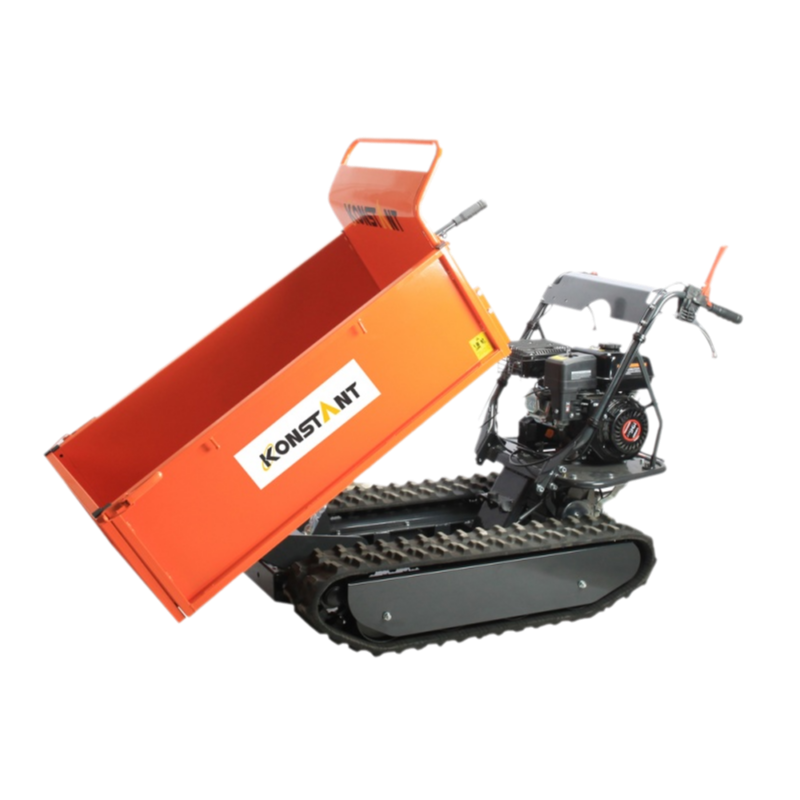
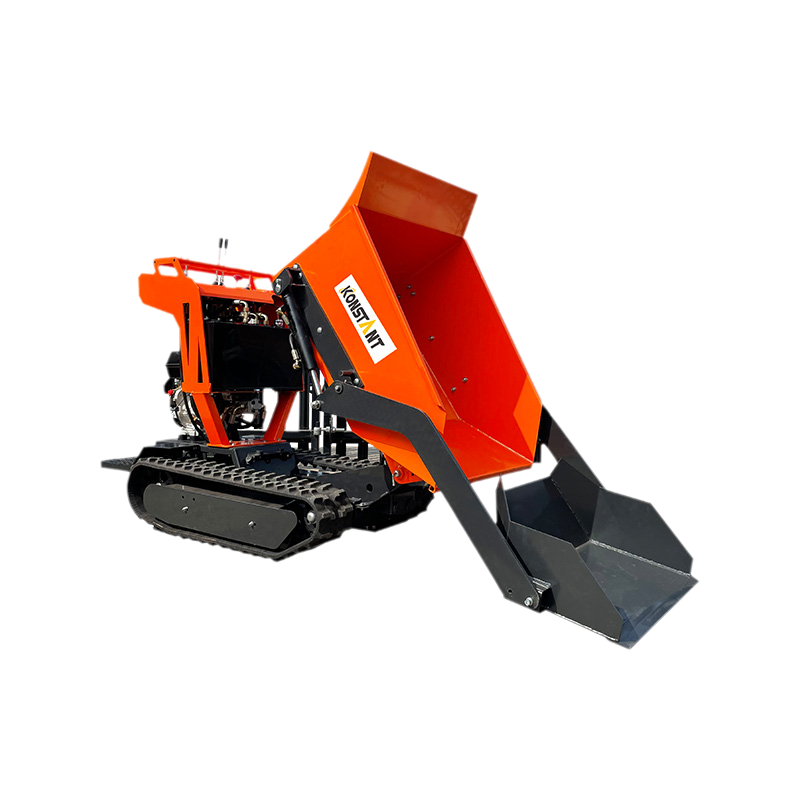
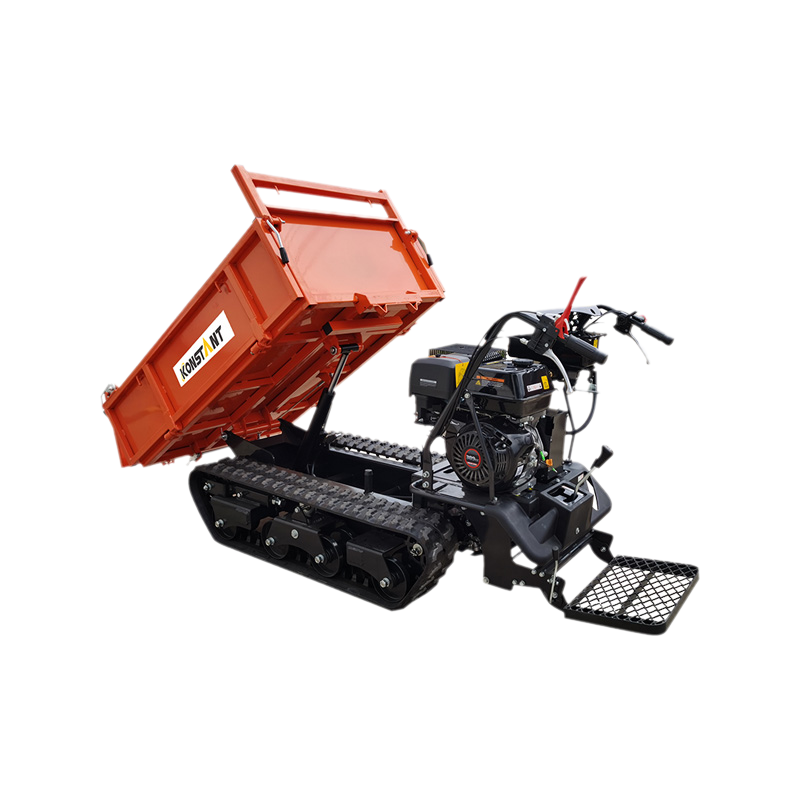
The tipping function is where material handling ends. It might seem like a simple action, but it affects workflow more than expected.
A smooth tipping motion helps reduce effort during unloading. If the mechanism feels uneven or requires extra force, it can slow down repetitive tasks.
In practical situations, users tend to notice:
- how controlled the tipping motion feels
- whether unloading happens evenly
- how the machine behaves after repeated cycles
- how stable it feels during the tipping stage
The difference is not always visible at rest. It appears during repeated operation.
How important is operator comfort during use?
Even though the machine does more of the physical work, the operator still spends time guiding and controlling it.
Comfort does not mean luxury. It is more about reducing unnecessary strain during regular movement.
Small details can make a noticeable difference over time:
- handle positioning and grip feel
- ease of directional control
- responsiveness during turns
- vibration felt during extended use
When tasks repeat throughout the day, these small factors start to matter more than expected.
Does maintenance accessibility affect long-term use?
Outdoor equipment naturally faces dust, moisture, and irregular terrain conditions. Over time, maintenance becomes part of normal usage.
A design that allows easier access to key areas tends to be more practical in the long run. It reduces downtime and keeps routine checks simpler.
Users often pay attention to:
- how easy it is to reach key service areas
- how quickly routine inspection can be done
- whether cleaning is straightforward after heavy use
- how components behave after extended exposure
Maintenance is not a one-time action. It is part of ongoing use.
How does stability influence safety and control?
Stability is one of those features that is only noticed when it is missing.
On uneven ground, a stable dumper feels predictable. It responds smoothly when turning or stopping. When stability is weak, even small changes in terrain can feel exaggerated.
In everyday use, stability is linked to:
- balance during loading and unloading
- control while moving across slopes
- response during direction changes
- overall feeling during continuous operation
It is less about speed and more about control under changing conditions.
What about durability in repeated outdoor use?
A mini petrol power dumper is usually used in environments where surfaces are not smooth and conditions are not controlled.
Durability is not just about resisting damage. It is about maintaining consistent behavior after repeated cycles of use.
Over time, machines are exposed to:
- vibration from uneven ground
- repeated loading and unloading
- exposure to outdoor elements
- continuous directional changes
Durability shows itself in how little the performance changes after long use.
Why do small design details matter more than expected?
At glance, more dumpers appear similar. The differences are subtle until they are used in real work.
Small design choices affect:
- how smoothly movement feels under load
- how easily the machine adapts to terrain changes
- how comfortable the operator feels over time
- how consistent the unloading process becomes
These details are not always obvious during initial inspection. They become clearer after repeated use in real conditions.
A simple comparison overview
| Feature | Practical impact |
|---|---|
| Engine response | Affects movement consistency |
| Load balance | Influences stability during transport |
| Size design | Impacts workspace access |
| Tipping action | Controls unloading ease |
| Operator comfort | Affects long-use experience |
| Maintenance access | Supports long-term usability |
| Stability | Shapes overall control |
What stands out in real working environments?
In real use, a mini petrol power dumper is not judged by appearance or single features. It is judged by how it behaves across different tasks over time.
Some machines feel steady even when conditions change. Others may require more attention during operation. The difference often comes from how the features work together rather than individually.
Work environments rarely stay the same throughout the day. A machine that adapts quietly to those changes tends to feel more natural to use, even if nothing about it seems unusual at glance.
Related products

Latest Updates
-
Why Does Terrain Matter When Choosing a Battery Operated Wheel Barrow
A Battery Operated Wheel Barrow can make material transport easier in many working environments. I...
-
Where Can Petrol Wheelbarrows Be Used for Material Transport
Material transport is a daily part of many outdoor jobs. Soil needs to reach a planting area. Ston...

-
Welcome To Visit Us
No.30, Third Furong Road, Wuxi City, Jiangsu. 214100, China.
-
Call Us
Phone: +86 181-1889-1139
Phone: +86 181-1889-2139
-
Contact Us Online
E-mail: sales@konstantpm.com
E-mail: marketing@konstantpm.com
Copyright WUXI KONSTANT POWER TECH CO., LTD All Rights Reserved
 China Mini Dumpers Manufacturers Power Wheelbarrow Factory