
 English
 русский
 Français
 Español
 Deutsch

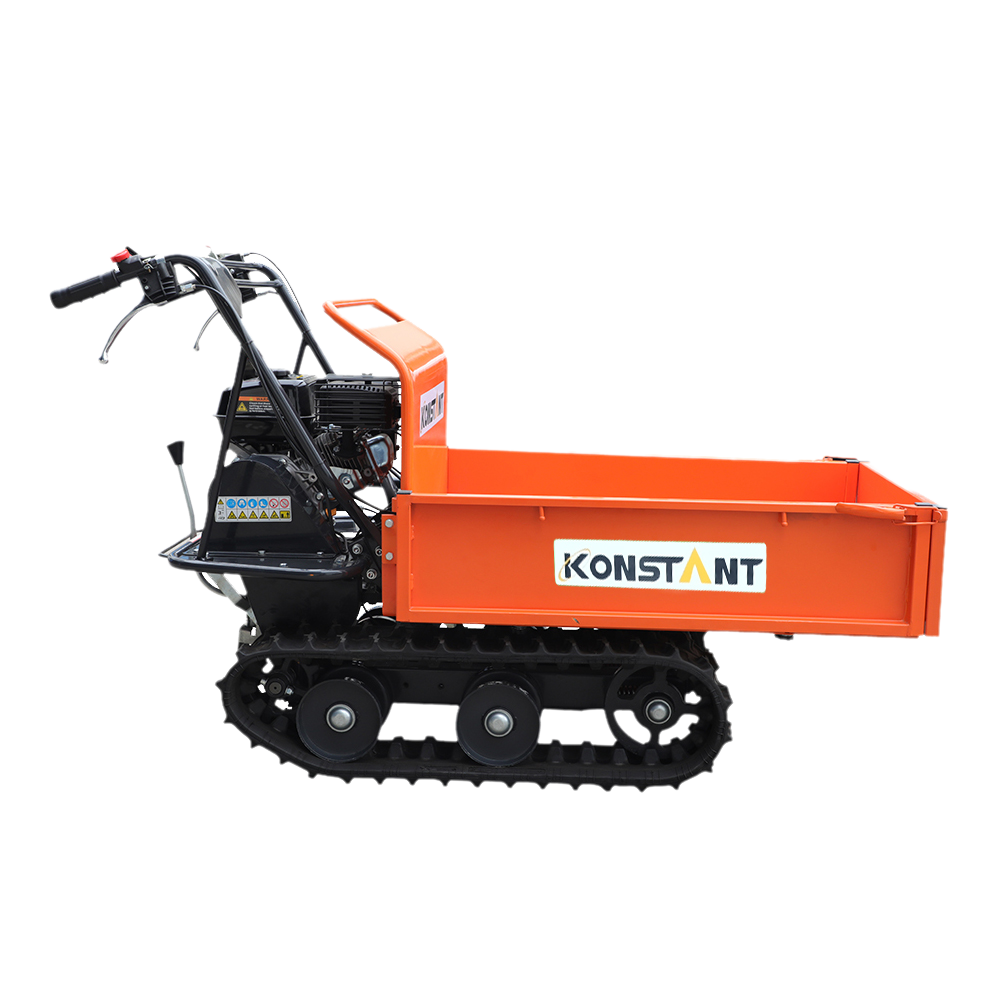
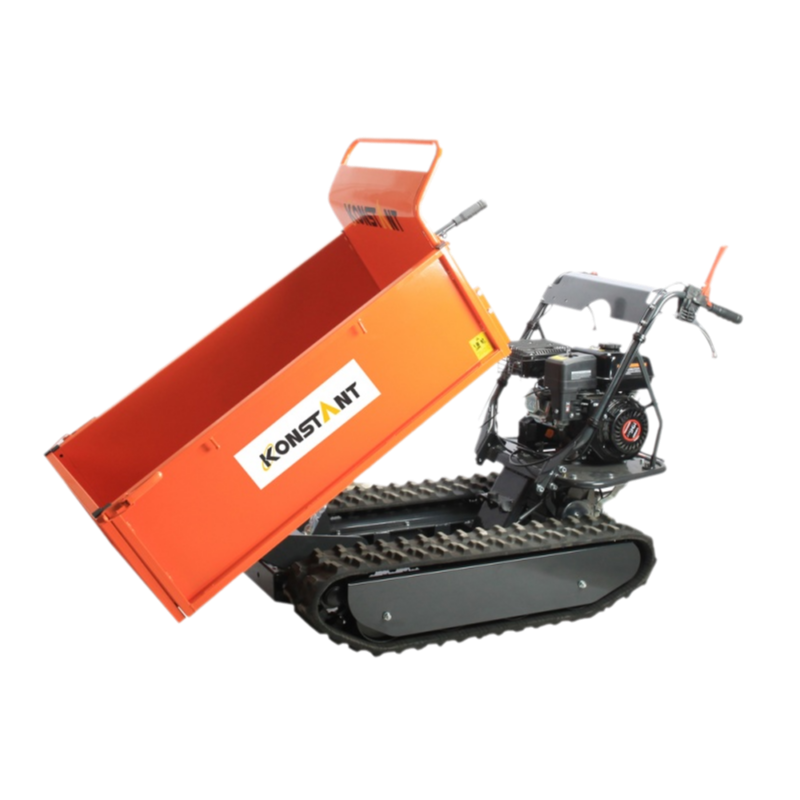
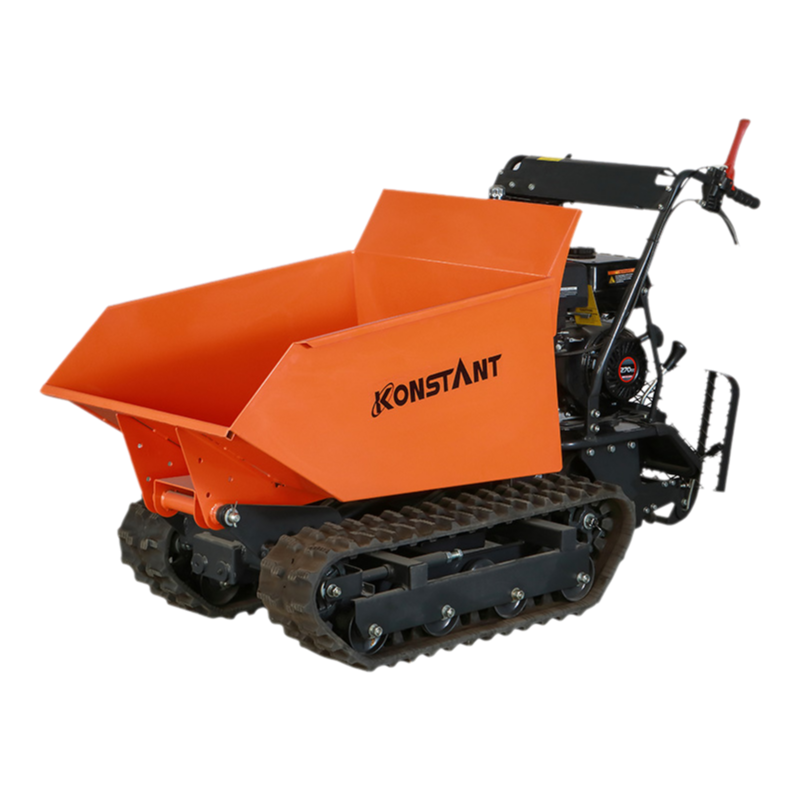
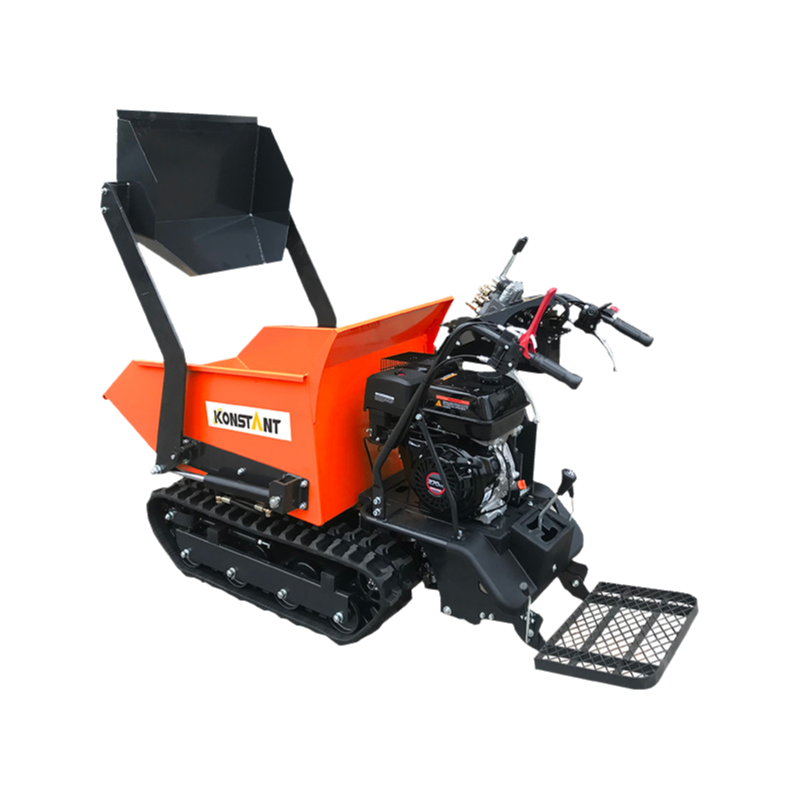
Provide you with the latest enterprise and industry news
How Can an Electric Mini Dumper Improve Job Site Efficiency
Update:23-03-2026
Posted by Admin
Content
- 1 How an Electric Mini Dumper Actually Works
- 2 What Materials Can an Electric Mini Dumper Handle
- 3 Safety Tips for Running an Electric Mini Dumper on Site
- 4 Why Switch to an Electric Mini Dumper for Landscaping & Construction
- 5 How to Keep an Electric Mini Dumper Running Smooth
- 6 When It's Time to Ditch the Wheelbarrows
Electric Mini Dumper Guide: How It Works, What It Hauls, Safety Tips & More.On a normal construction site or landscaping job, hauling dirt, gravel, or debris from point A to point B can eat up half the day and leave the whole crew wiped out. A lot of teams still stick with wheelbarrows or little push carts when the job's small, but the second the pile gets bigger or the ground turns rough, everyone starts asking about something that can carry real weight without all the shoving and lifting. That's when an electric mini dumper usually enters the chat for contractors, landscape crews, and small-site owners.
This guide answers the questions that keep popping up online and on actual job sites. We'll walk through how the machine really runs day-to-day, what kinds of stuff it can carry, real-world safety moves around people and obstacles, why it fits landscaping and construction so well, the simple routine that keeps it running, and the everyday signs that tell you it's time to ditch the manual carts. Everything here comes straight from how these things actually get used, so you can picture it slotting right in with your current tools and crew.
A lot of operations start small and grow. The sections below keep it straightforward so you can match the details to your own site and daily rhythm—no hype, no pressure.
How an Electric Mini Dumper Actually Works
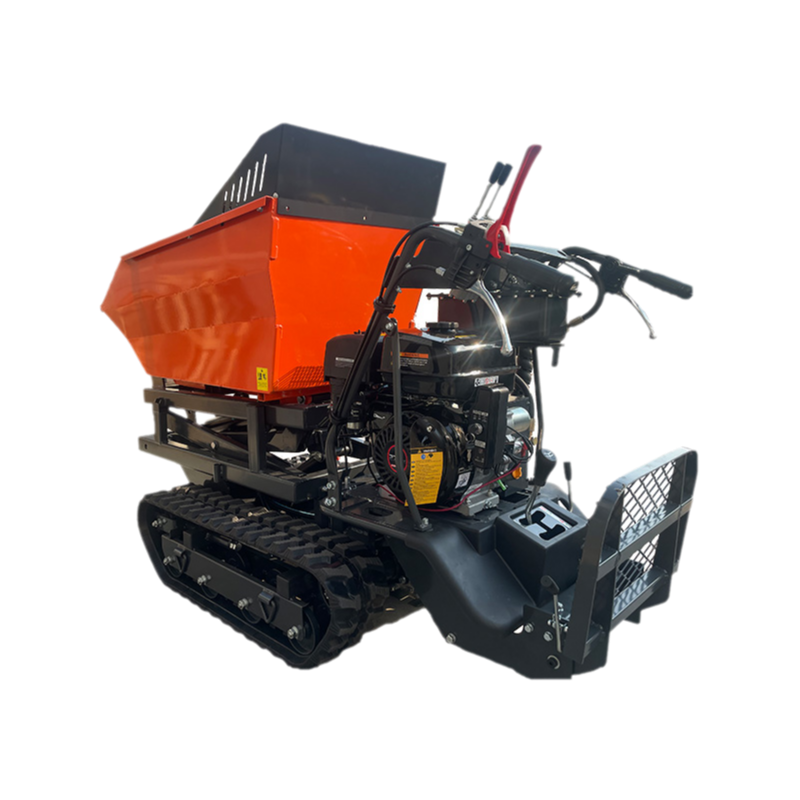
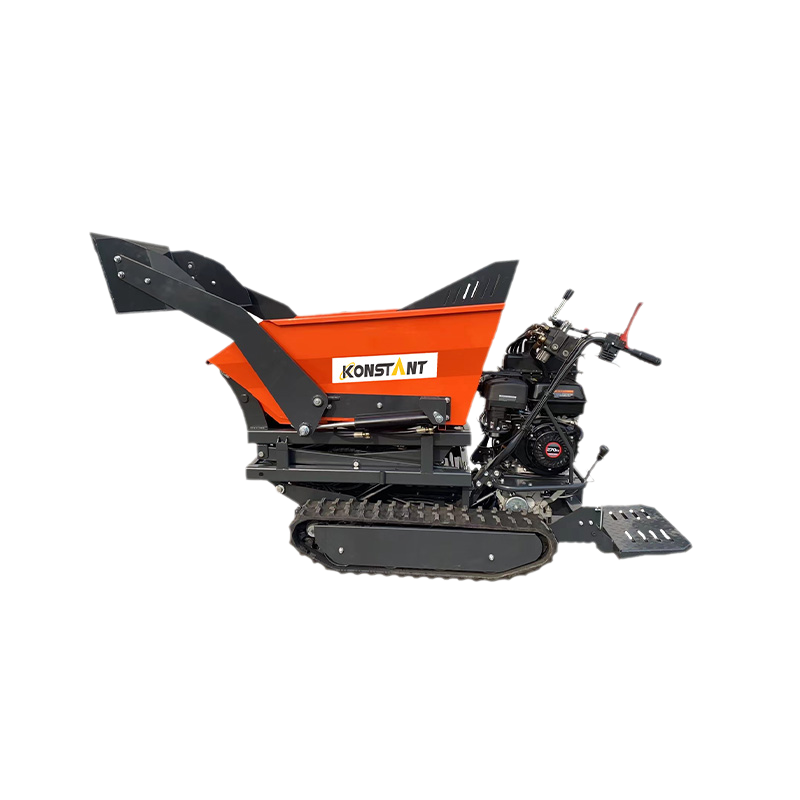
It's pretty simple once you see it in action. Everything runs off a battery pack that feeds an electric motor. The motor turns the wheels through basic gears, so you control forward and reverse speed with the throttle. Steering usually comes from a handle or tiller that feels a lot like a walk-behind mower—tight turns in narrow spots between trenches or garden beds are no problem.
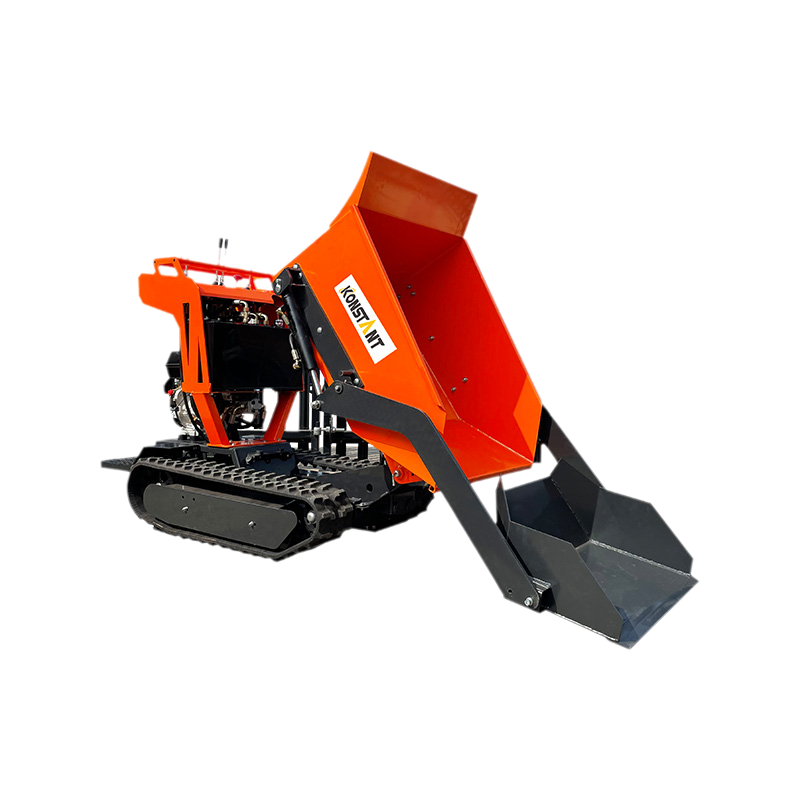
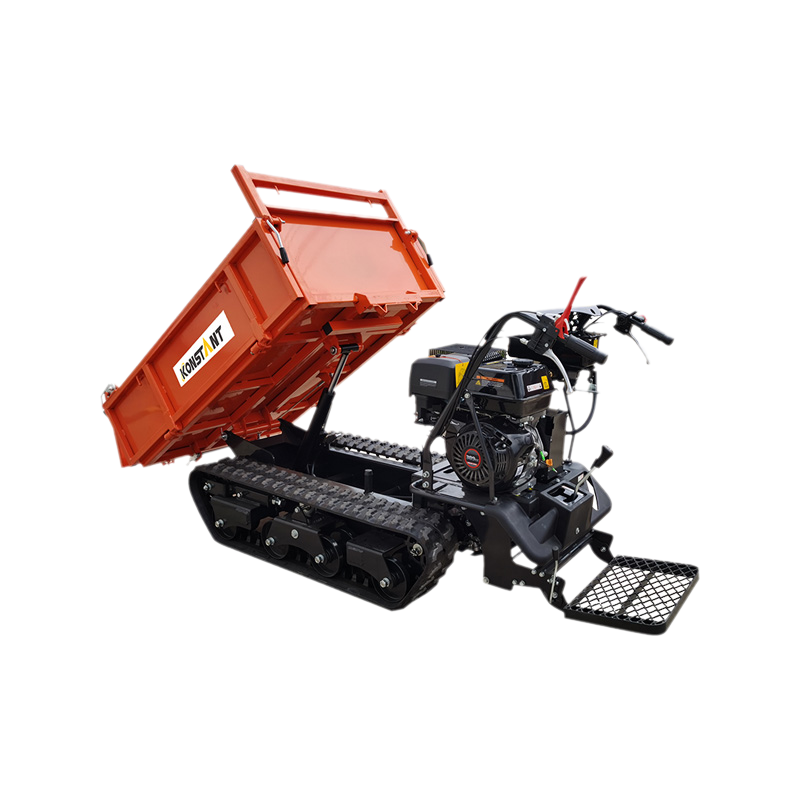
You pull up to the pile, load the skip (that front bucket), then hit the lever or button. The hydraulic system lifts and tips the skip so the load slides out clean at the dump spot. After it empties, the skip lowers back down and you're ready for the next run.
Charging is dead easy—just plug into any regular outlet at the end of the shift or during lunch. crews check the gauge on the control panel and top it up whenever it's convenient. The whole thing runs super quiet compared to gas machines, which is huge on residential jobs or anywhere noise matters.
Day-to-day it breaks down to three easy steps: charge, load, drive and dump. A lot of operators do a quick test run thing in the morning to make sure steering feels right and the hydraulics move smooth. No clutch, no shifting gears—just forward and reverse. You get the hang of it in a couple of trips.
After a while you notice it handles gentle slopes and flat ground about the same once you learn how the weight sits. The skip design keeps the center of gravity low, so even a full load feels stable across bumpy dirt or grass. crews end up keeping the skip down for travel and only raising it right before dumping. Those little habits become automatic and let the machine run all day without extra stops.
Maintenance points are easy to reach too. Battery compartment flips open with one latch, and the motor stays protected from normal dust and splashes. The combo of electric drive and hydraulic dump creates a nice rhythm for short-haul work—no more killing your back with constant lifting.
What Materials Can an Electric Mini Dumper Handle
As long as you stay under the rated load, the skip can move just about anything you deal with on a typical site. Loose soil and garden dirt settle nice and even, slide out clean when you tip. Sand and fine gravel stay put on turns without spilling over the sides.
Bigger stuff like small stones, crushed rock, or light demo debris works fine too, as long as pieces don't stick up past the rim. Landscape guys haul mulch, wood chips, or trimmed branches in the same machine—switching from clean fill to organic waste in the same morning. Light construction supplies (bags of cement mix, paving stones, short pipe lengths) ride along easy when you're moving stuff from truck to work area.
Every site is different. On a backyard landscaping job it might shuttle topsoil from the driveway to the back beds, then come back with extra sod or rocks. On a small reno it could haul broken concrete to the pile and bring fresh sand for leveling. The trick is matching the load to the route: short runs on firm ground let you pile it higher; soft soil or longer distances mean lighter loads to keep traction.
You quickly learn how different materials behave. Wet clay likes to stick to the sides and needs a little shake at the dump; dry sand pours out on its own. Lots of operators throw an old tarp in the skip for sticky stuff or just sweep it out after each run so nothing builds up and slows the tilt.
The variety makes it useful year-round. Spring is soil and mulch, summer brings gravel and demo, fall is leaves and light branches. Since the electric drive doesn't care what you're hauling, the same machine jumps from task to task with al no changes.
Safety Tips for Running an Electric Mini Dumper on Site
Safety starts with a quick walk-around every morning. Check the skip is level, battery has enough juice for the day, and steering and hydraulics feel normal. If other crews or foot traffic are around, mark the path so everyone knows where the machine will be.
Load evenly—don't pile one side heavy or stack it too high. That throws off balance and makes turns feel sluggish. Drive at a normal walking pace, especially on slopes or around corners. Keep the skip down while moving and only raise it when you're stopped at the dump spot. That one habit prevents a lot of weight-shift surprises.
Give people and obstacles plenty of room. A good rule a lot of crews use is at least two arm-lengths between the dumper and anyone on foot. When you back up, turn around and look, and use the slowest reverse speed. Near trenches or soft edges, walk the path before driving a full load over it.
After every dump, lower the skip all the way before you walk away. Set the parking brake if it has one, and always park on flat ground away from slopes or doorways. These little steps cut down on the chance of the machine rolling or the skip shifting on its own.
Many teams tape a short checklist by the charger: even load, skip down while traveling, clear path, full stop before tipping. They run through it in morning huddles, especially when new guys start. After a couple weeks it all becomes second nature and the whole site gets a lot safer.
Why Switch to an Electric Mini Dumper for Landscaping & Construction
When the daily volume of material starts overwhelming wheelbarrows, teams start comparing the sweat involved in manual moves versus letting a machine do the heavy lifting. One electric mini dumper carries way more per trip, so you make fewer passes over the same ground. No fuel stops, no warm-up—just plug it in and it's ready when you are.
The labor shift is obvious. Instead of two or three guys pushing carts all day, one operator handles transport while everyone else focuses on spreading, leveling, or installing. That frees up hours that used to disappear into repeated lifting. On landscaping jobs it means more time actually planting; on construction it speeds up backfill and grading.
The small size is another big win. It slips into tight spots bigger equipment can't reach—narrow side yards, finished driveways, even inside during renovations. Quiet running keeps neighbors happy, and zero exhaust means you can use it indoors or in enclosed areas without issues.
Side-by-side, manual carts are fine for tiny scattered loads, but once material has to travel the same route over and over, the dumper keeps things moving smoother. The tipping point is different for every site, but the pattern is always the same: less physical strain and more predictable timing.
Consistent deliveries also help the rest of the workflow. Soil shows up in bigger batches exactly where you need it, gravel dumps in neat piles for easy spreading, debris clears faster. Everything flows better without adding extra bodies.
How to Keep an Electric Mini Dumper Running Smooth
Daily care is quick and prevents al all headaches. thing, wipe down the skip and frame to knock off loose dirt. Check tire pressure and look for cuts or wear. Glance at the battery terminals to make sure nothing's starting to corrode.
End of the day, lower the skip and brush out anything stuck inside so it doesn't add weight or slow the next lift. Park inside or under cover if you can—keeps rain off the electrics.
Once a week do a little more: wipe the hydraulic points and add a touch of approved lube, check steering linkage for play, and charge to full if it's below half. Write down charge times in a simple notebook so you spot patterns early.
Battery habits are easy: don't let it hit zero during the day, plug in whenever the machine sits idle instead of waiting till Friday. Store the charger dry and coil the cord neatly. crews say these routines stretch the time between shop visits way out.
A quick wash with mild soap now and then keeps the frame and wheels looking (and working) good. Clear grass or leaves away from the motor so it can breathe. Tape that same checklist by the charger and everyone follows the same short routine: daily wipe, tire check, skip clean-out, weekly lube.
Treat maintenance like a two-minute team habit at close-out and you'll have way fewer surprise breakdowns.
When It's Time to Ditch the Wheelbarrows
The switch usually creeps up over weeks, not in one dramatic moment. You notice the crew spends more time hauling than actually working the material. Trips start adding up, fatigue hits earlier.
Another clue is labor: if you're constantly pulling extra guys just to keep carts moving, or backs and shoulders are sore by lunch, one operator on the dumper can cover the same ground and give everyone else a break.
Tighter schedules or bigger areas push it too. What used to take a full day of cart work now has to finish faster. The dumper's bigger loads and quick returns help hit deadlines without overtime.
Safety reports sometimes highlight the same thing—fewer heavy lifts and less cart traffic means fewer strains and near-misses.
When wheelbarrows keep needing repairs or new tires while the crew waits around, the pattern becomes obvious. Comparing time spent moving versus time spent working usually makes the decision feel like common sense.
The transition is easy if you start during a slower period. Run the dumper right alongside the carts for the few jobs so everyone learns the routes together. All the safety and maintenance habits you already have carry straight over.
An electric mini dumper touches pretty much every part of daily site flow—loading, moving, safety, maintenance, and how the whole job grows. The six areas we covered give you a practical picture whether you're just curious or seriously thinking about making the change.
Each part connects to the next in real life. Once you know how it runs, the safety moves and loading tricks feel natural. Getting familiar with materials and upkeep keeps it ready with al no extra effort. Spotting the signals that it's time to upgrade helps you match the machine to your actual needs.
For any crew that's been asking the same questions while moving dirt or clearing debris, this is a solid starting point based on how things really work out there. If your projects are hitting the point where hauling time or physical wear is becoming an issue, a quick chat about standard setups and your specific layout can point you in the right direction—no commitment required.
Think of this guide as something you can come back to as jobs change and crews rotate. The main takeaway is simple: paying attention to these everyday details keeps material moving steady without extra strain or delays. That smooth rhythm is exactly what sites are chasing when they start looking at equipment that sits between hand tools and the big machines.
Related products

Latest Updates
-
Where Can Petrol Wheelbarrows Be Used for Material Transport
Material transport is a daily part of many outdoor jobs. Soil needs to reach a planting area. Ston...
-
How Does a Mini Dumper Electric Support Modern Material Handling
Material handling is part of almost every construction, landscaping, agricultural, and maintenance...

-
Welcome To Visit Us
No.30, Third Furong Road, Wuxi City, Jiangsu. 214100, China.
-
Call Us
Phone: +86 181-1889-1139
Phone: +86 181-1889-2139
-
Contact Us Online
E-mail: sales@konstantpm.com
E-mail: marketing@konstantpm.com
Copyright WUXI KONSTANT POWER TECH CO., LTD All Rights Reserved
 China Mini Dumpers Manufacturers Power Wheelbarrow Factory