
 English
 русский
 Français
 Español
 Deutsch

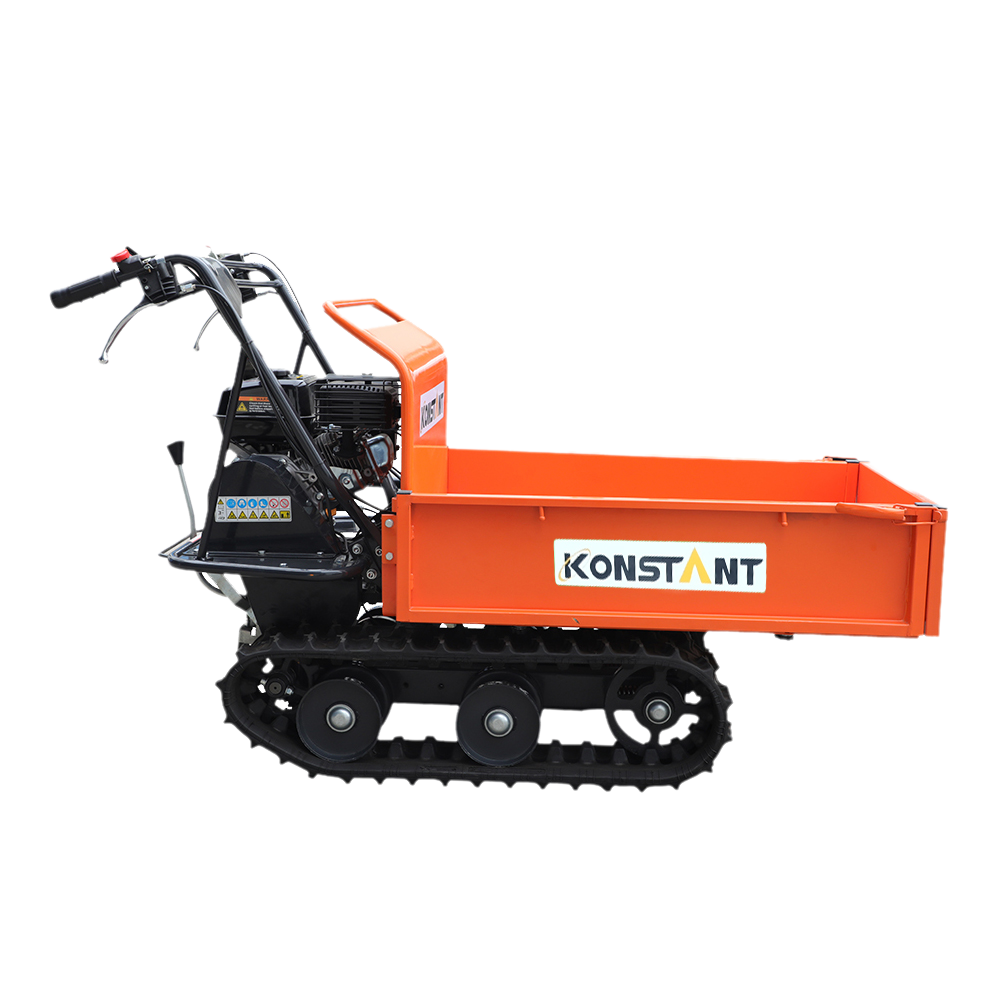
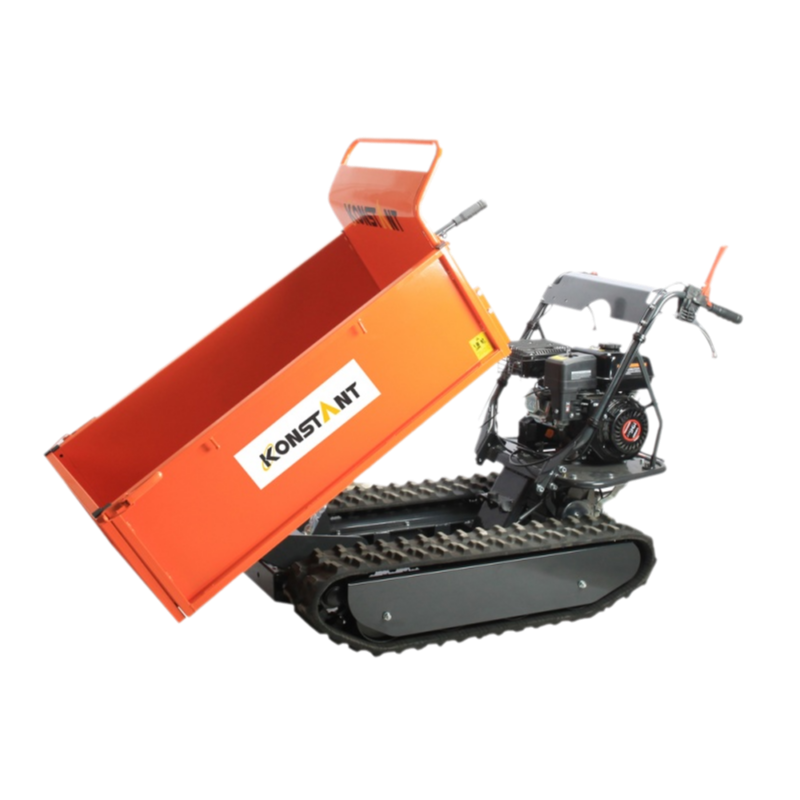
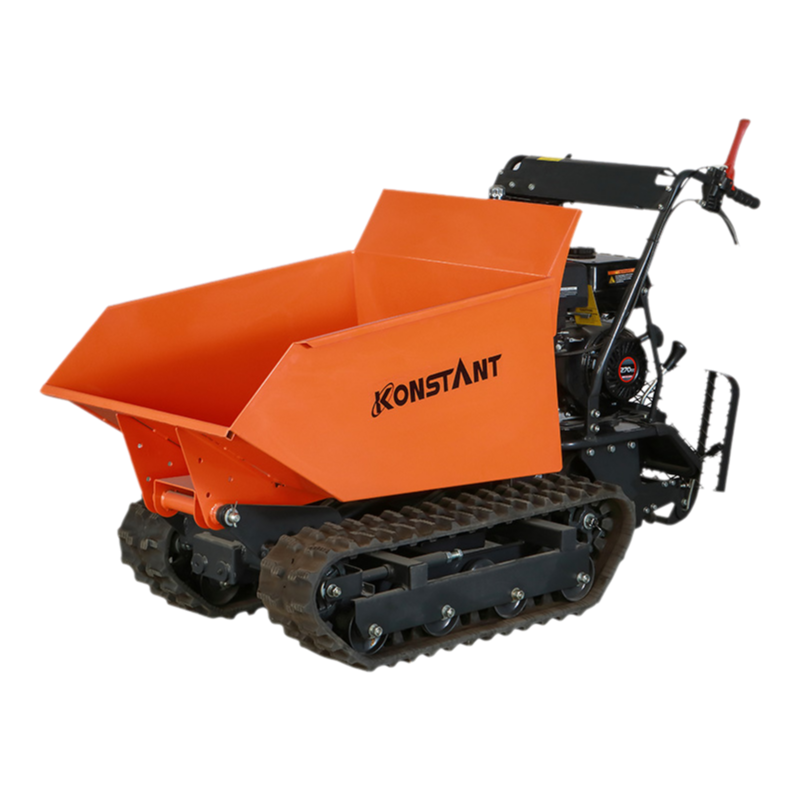
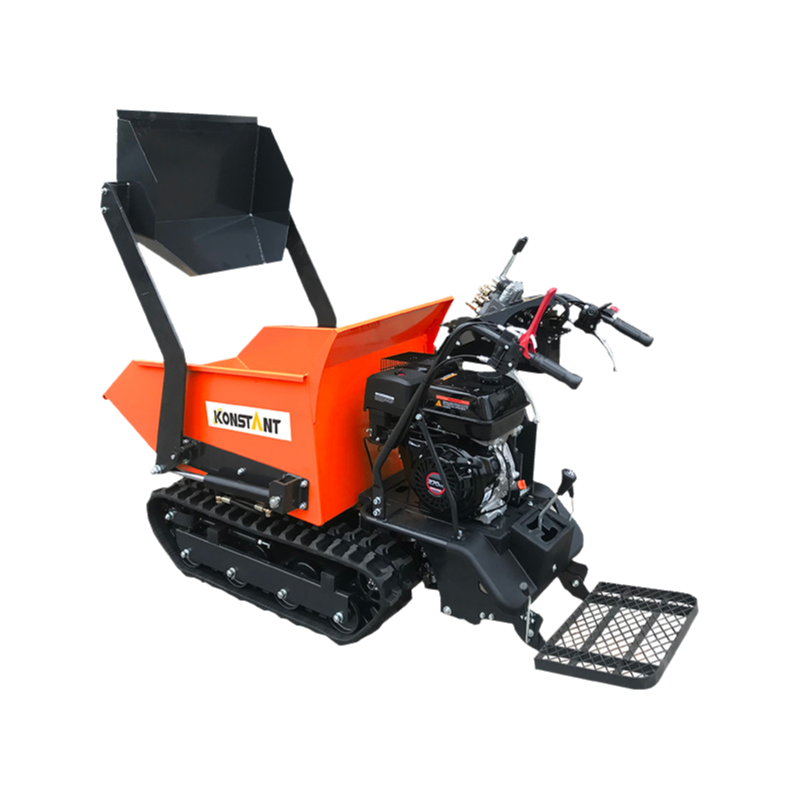
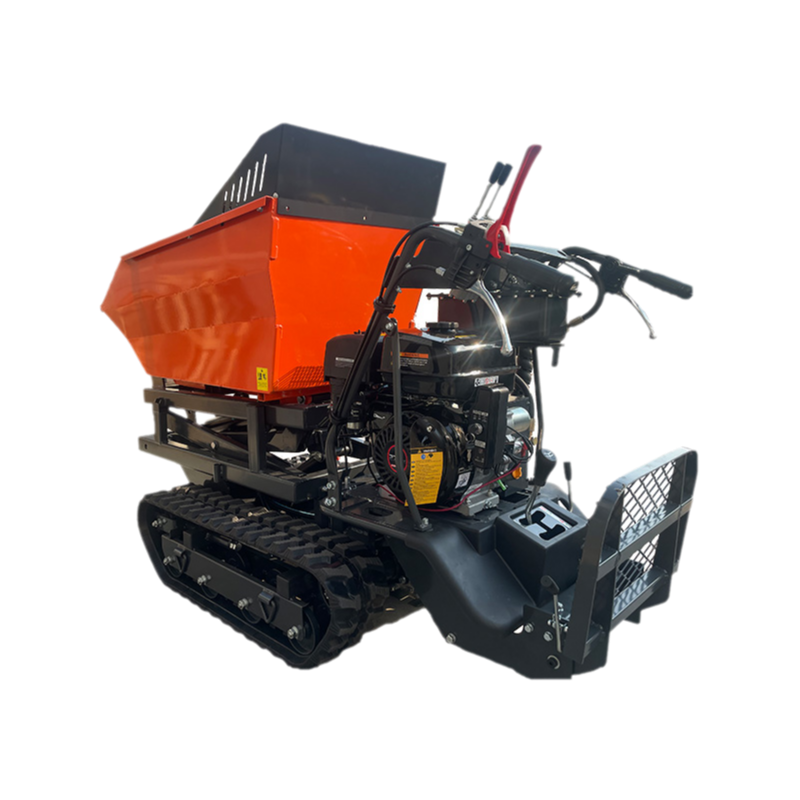
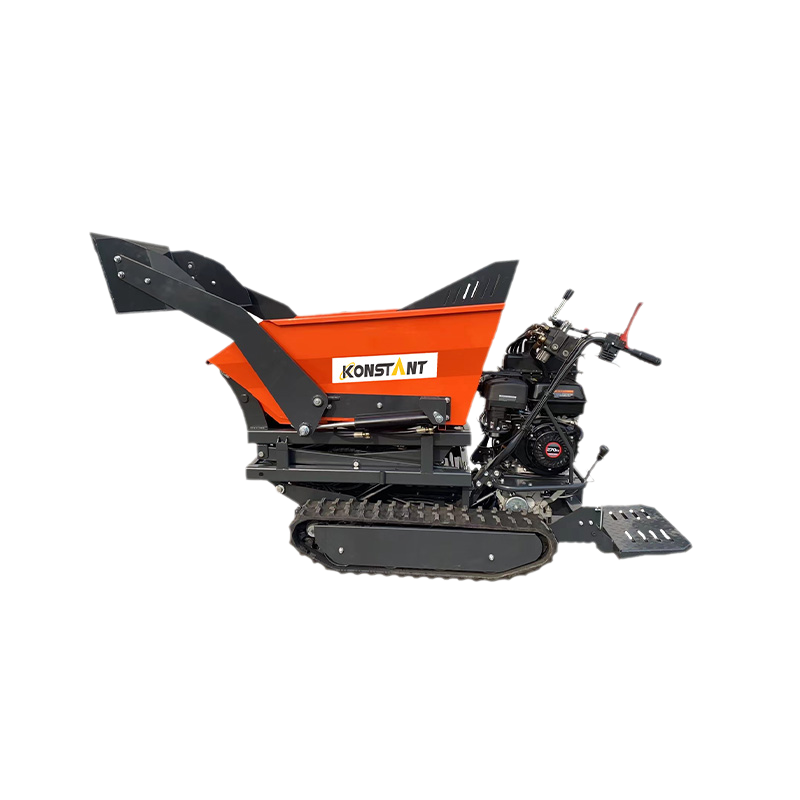
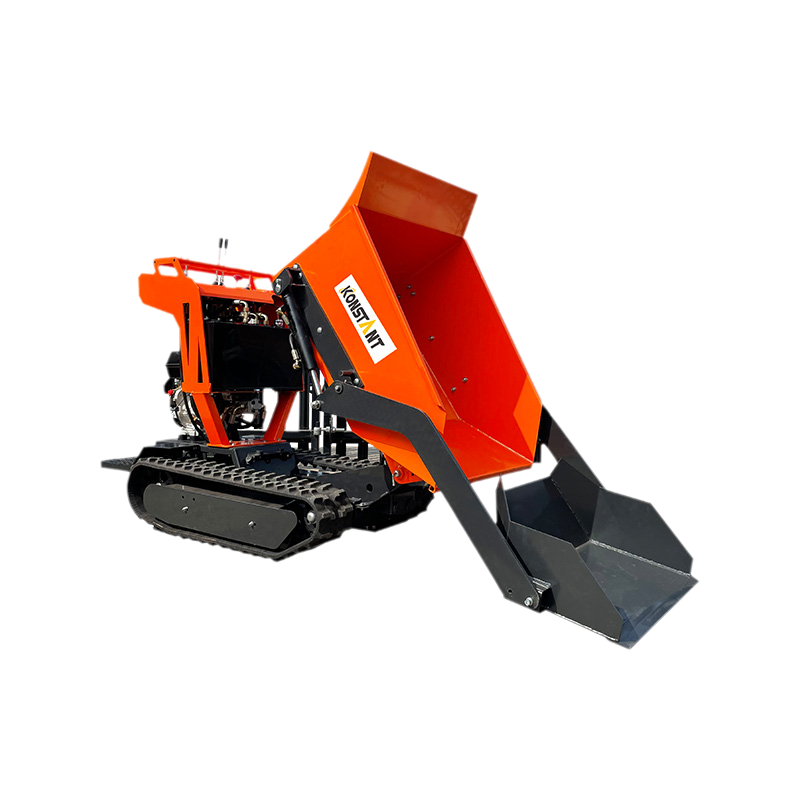
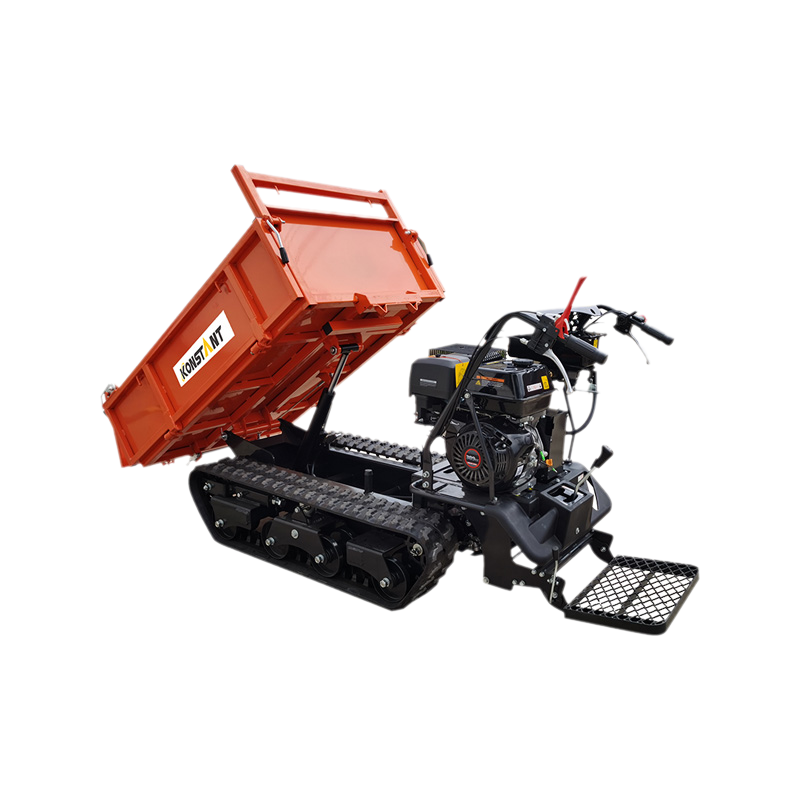
Provide you with the latest enterprise and industry news
Why Choose an Electric Powered Wheel Barrow Mini Dumper
Update:20-03-2026
Posted by Admin
Content
- 1 Electric Powered Wheel Barrow Mini Dumper: A Practical Tool for Gardeners and Construction Workers
- 2 How an Electric Powered Wheel Barrow Mini Dumper Works
- 3 What Features to Look for in an Electric Powered Wheel Barrow Mini Dumper
- 4 Tips for Maintaining an Electric Powered Wheel Barrow Mini Dumper
- 5 How to Load and Unload an Electric Powered Wheel Barrow Mini Dumper
- 6 Why an Electric Powered Wheel Barrow Mini Dumper Is Useful for Gardeners
- 7 Which Way to Charge an Electric Powered Wheel Barrow Mini Dumper Battery
Electric Powered Wheel Barrow Mini Dumper: A Practical Tool for Gardeners and Construction Workers
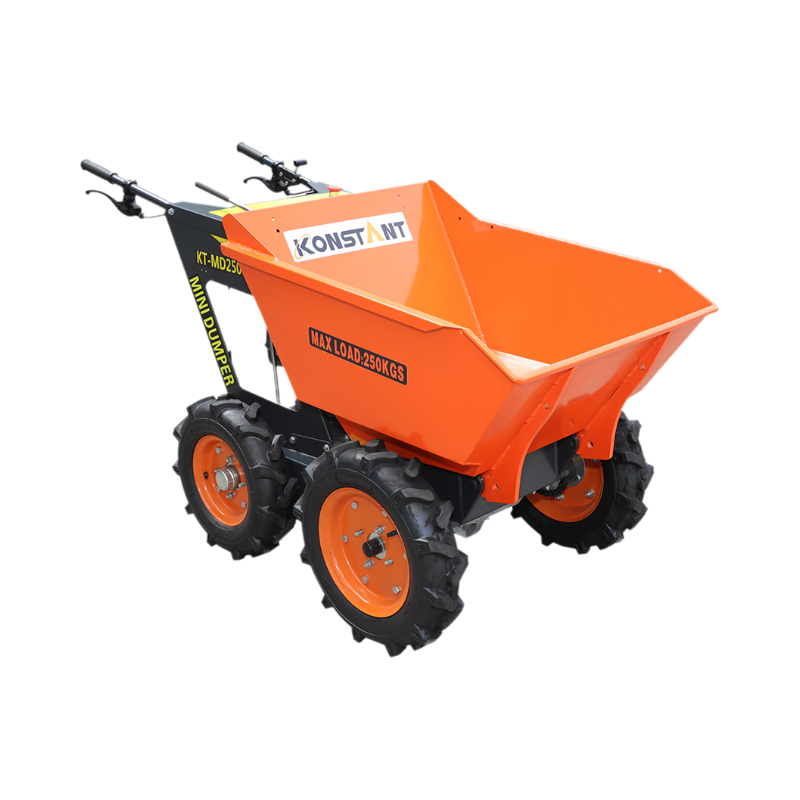
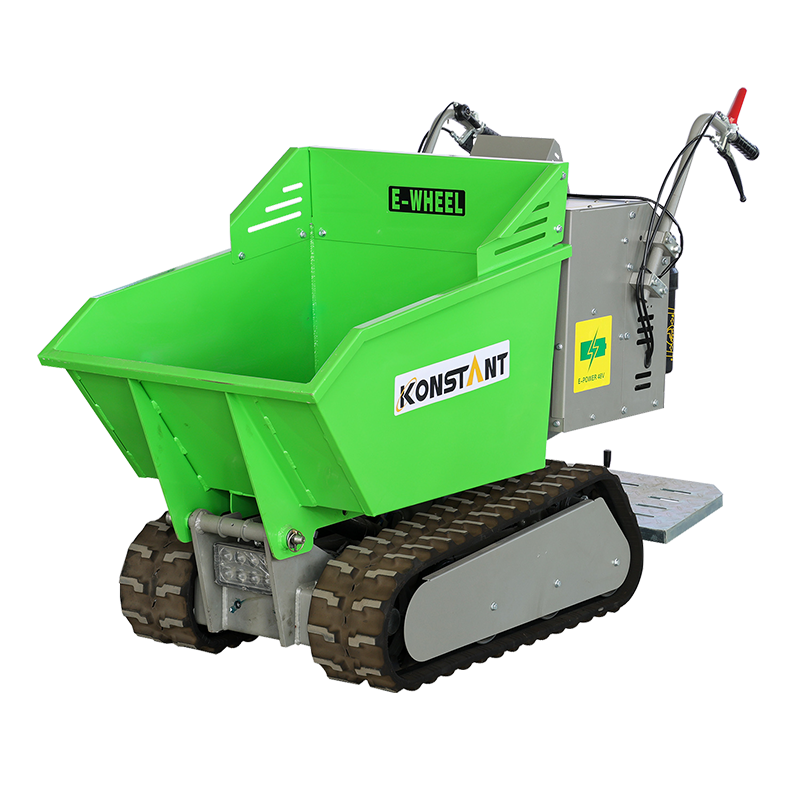
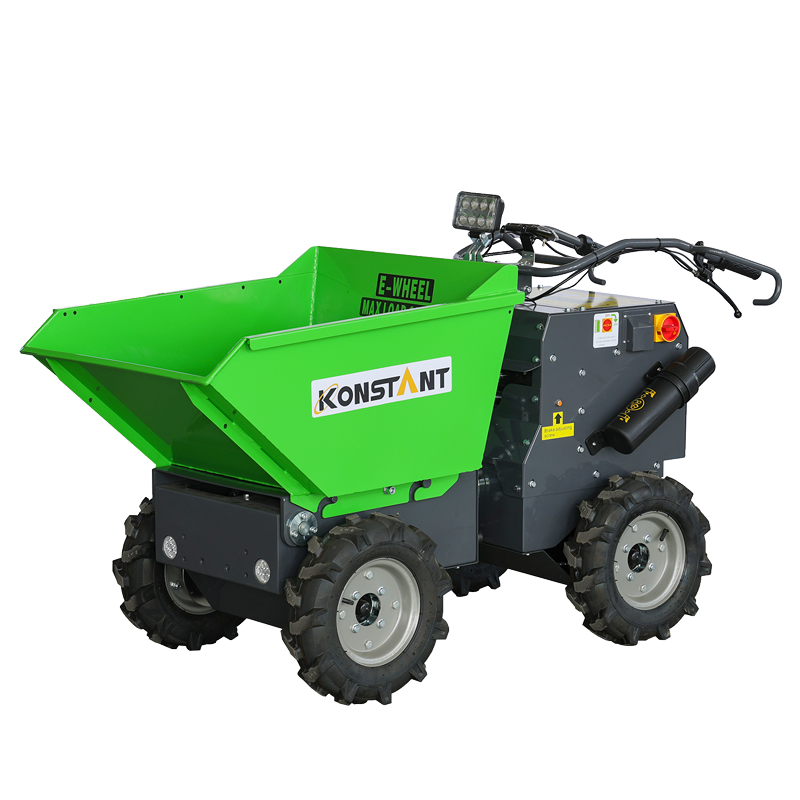
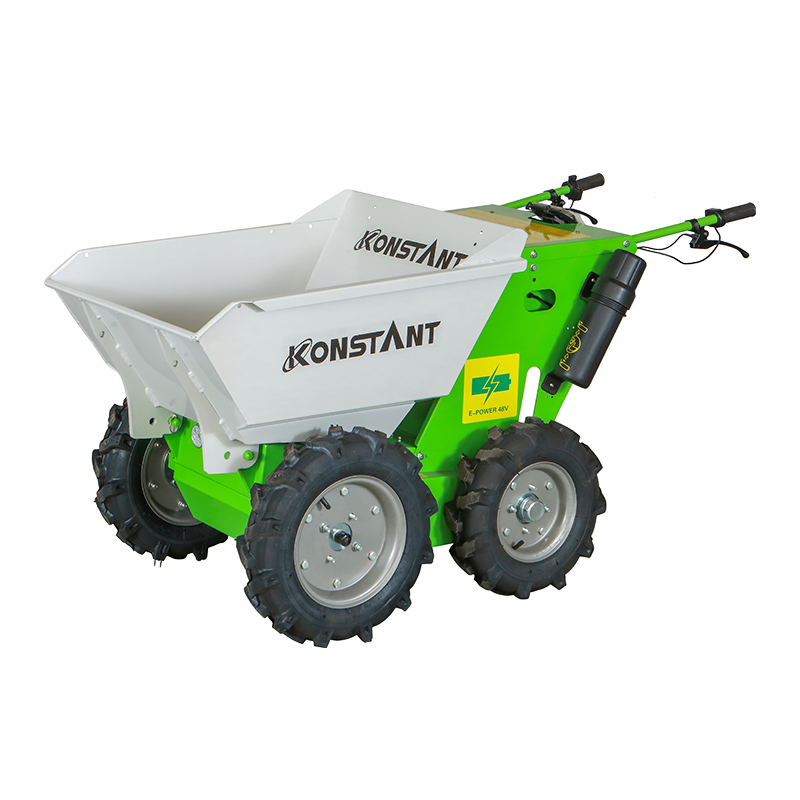
You know how it goes when you're out there day after day moving heavy stuff around the yard or job site. Soil, mulch, sand, gravel – it piles up fast and your back starts talking to you pretty quick. That's exactly why so many people are reaching for the Electric Powered Wheel Barrow Mini Dumper these days. It's a quiet little battery-powered helper that carries the load for you and tips it out when you're ready. No gas smell, no loud engine, and it slides right through regular garden gates without a fuss.
I put this guide together because these are the exact questions I hear from customers every single time. We'll walk through how the machine actually feels in real use, the features that really matter, easy ways to keep it running smooth, the right way to load and unload without any headaches, why gardeners keep coming back to it, and how to charge the battery so it never leaves you hanging. Just straight talk from everyday experience on backyards and small sites – nothing complicated.
How an Electric Powered Wheel Barrow Mini Dumper Works
Flip the power switch and the battery wakes up a quiet electric motor. That motor sends power straight to the wheels through a simple setup, so you're not pushing anymore. You get a few speed choices plus reverse, which means you can creep along tight paths or move at a steady pace on open ground.
When it's time to empty the bucket, you just press a separate control and the front end lifts up nice and controlled. The tipping is smooth, not jerky, so everything lands right where you want it. And if the battery runs low toward the end of a long day, some versions even let you switch to a light manual mode so you're never completely stuck.
In real life it feels pretty straightforward. You park next to the pile, load up, drive over to where you need it, and hit the dump control. The whole thing happens with al no noise, which is great when you're working early or right beside someone's house. There's a clear battery gauge on the handle and a big emergency stop button too – little touches that make you feel safer right from the couple of uses.
What Features to Look for in an Electric Powered Wheel Barrow Mini Dumper
Before you pick one, match it to what you actually do every day. You want enough capacity to handle your usual loads without feeling like you're always going back for more. The bucket should hold a solid amount so you can move material in fewer trips.
Battery life is another big thing. Look for packs that keep going through a full workday on a single charge, with overnight charging to keep everything ready for morning. Tires make a real difference too – wider ones grip soft garden ground nicely, while tougher versions handle rougher spots without going flat.
The tipping system should lift cleanly so the bucket empties every time without you having to shake or scrape. units have a simple panel that shows your speed choice and how much power is left, sometimes with a small light for evening work. And the whole machine stays compact enough to roll through standard gates or even indoor doorways when you need it.
Here's the quick list I always share with folks:
- Good load capacity for daily jobs
- Bucket size that actually holds what you need
- Battery that lasts through the day
- Wheels that suit your ground
- Smooth dump action
For tight garden paths a narrower frame works best. On mixed job sites a sturdier wider setup gives you better stability. Get these basics right and you won't be second-guessing your choice months later.
Tips for Maintaining an Electric Powered Wheel Barrow Mini Dumper
The truth is, a few minutes of care each week keeps this machine feeling new for years. Wipe down the frame and bucket so dirt doesn't build up. Check the tires and give any loose parts a quick tighten. That alone stops little issues before they turn into problems.
The battery is the heart of it, so treat it right. Keep the unit in a dry spot away from heat or cold. If you're not using it for a while, leave the battery at a middle charge level. Clean the connections now and then with a dry cloth. Every so often go over the bolts and cables just to make sure everything stays snug.
Lubricate the moving parts like wheel bearings and the tipping joint a couple of times a year with regular outdoor grease. If the dumper is going to sit for a long stretch, charge it once, unplug the battery, and store it separately. A simple routine I recommend looks like this:
- Every day: quick glance at battery and tires
- Every week: clean surfaces and check fasteners
- Every month or so: light lubrication and inspection
- Long storage: middle charge and disconnected
Do this and you'll al never have surprise breakdowns. customers tell me their machines still run like the day after a couple of full seasons.
How to Load and Unload an Electric Powered Wheel Barrow Mini Dumper
Loading starts on flat ground. Spread the material evenly so the weight stays low and centered. Add soil or mulch a little at a time and check the balance as you go. If you're moving bigger items, strap them down so nothing shifts when you start rolling.
Drive easy – pick your speed, ease the throttle, and take it slower on slopes. Going downhill? Use reverse so you can see better. Come to a full stop before you do anything else.
Unloading is even easier: stop on level ground, make sure the area in front is clear, then use the dump control. The bucket rises steady and everything slides out. For wet or sticky stuff, just give the machine a tiny forward rock after the lift and it all comes clean. Always let go of the drive throttle before you tip – keeps things steady.
Wear good boots, keep your hands away from the edges, and you're set. Practice once or twice with nothing in the bucket and it becomes second nature. I've seen plenty of people who used to dread loading old wheelbarrows finish a whole flower bed job without once rubbing their back.
Why an Electric Powered Wheel Barrow Mini Dumper Is Useful for Gardeners
Garden work has a way of wearing you out – pushing heavy loads back and forth across soft lawn all day really adds up. This electric dumper changes the game. You load once, drive straight to the beds, and tip exactly where you need it. One person can move more in an afternoon than two used to manage the old way.
In a vegetable garden it's good for carrying young plants without crushing roots or bringing harvested veggies back to the house. Compost work speeds up too – leaves, grass clippings, manure all move quick to the bins. The machine is narrow enough to slip between raised beds where bigger equipment just won't fit.
Older gardeners or anyone nursing a sore back notice the difference right away. No engine noise means you can start early without waking neighbors, and zero fumes keep the air clean around your plants. Over a full season folks say they finish bigger projects with way less tiredness, so they actually enjoy the planting part more.
Which Way to Charge an Electric Powered Wheel Barrow Mini Dumper Battery
Charging really is the easiest part once you get the rhythm. Plug the charger that came with the machine into the battery port , then into the wall. Set the dumper on a flat dry spot – garage or covered area is fine.
From empty it takes a few hours. Many models have a light that changes color when it's done, so you don't have to watch the clock. For regular use, an overnight charge is gentler on the battery and keeps it lasting longer. When you're short on time between jobs, the quicker setting is there if you need it.
Charge in normal temperatures – not too hot or too cold. Once it's full, unplug right away. For work far from outlets, just carry a spare battery or use a small portable charger and swap during a break.
Before storing for a long time, bring it to a middle level, disconnect everything, and keep the battery in a cool place. Stick to this and you'll have steady power every morning without any surprises.
The Electric Powered Wheel Barrow Mini Dumper really pulls together easy movement, solid capacity, and simple daily care in one small package. Going through how it works, the features that count, maintenance that actually helps, safe loading habits, why gardeners love it, and the right charging routine gives you the full picture.
If you're thinking about adding one to your setup, just reach out to our team. We can recommend the model that fits your yard or site, share the latest details, and send you our free usage guide. Real results come from good information and a bit of regular care – happy to help you get started.
Related products

Latest Updates
-
What Factors Influence the Choice of a Mini Dumper Power Barrow
Moving materials is a routine part of construction, landscaping, agriculture, renovation, and othe...
-
Can a Mini Petrol Power Dumper Replace a Traditional Wheelbarrow
Material handling rarely attracts much attention until it starts taking up a large part of the worki...

-
Welcome To Visit Us
No.30, Third Furong Road, Wuxi City, Jiangsu. 214100, China.
-
Call Us
Phone: +86 181-1889-1139
Phone: +86 181-1889-2139
-
Contact Us Online
E-mail: sales@konstantpm.com
E-mail: marketing@konstantpm.com
Copyright WUXI KONSTANT POWER TECH CO., LTD All Rights Reserved
 China Mini Dumpers Manufacturers Power Wheelbarrow Factory