
 English
 русский
 Français
 Español
 Deutsch

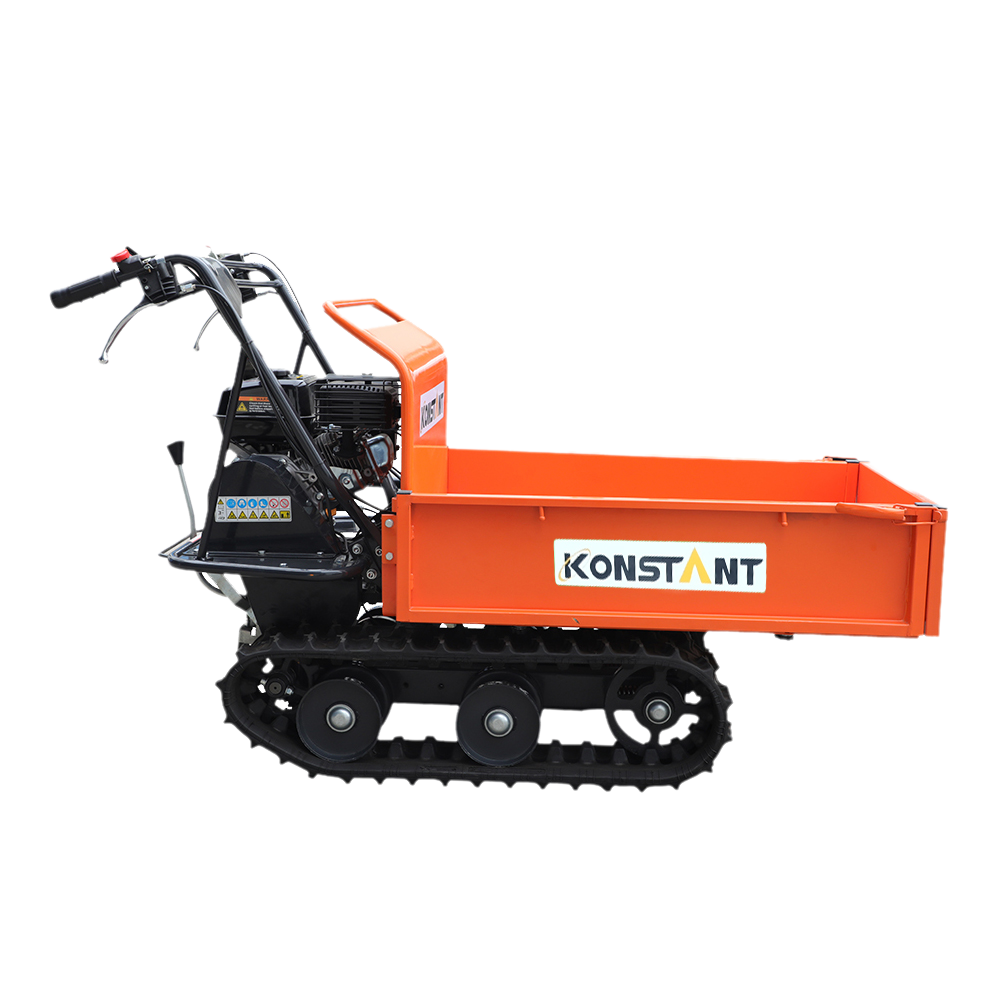
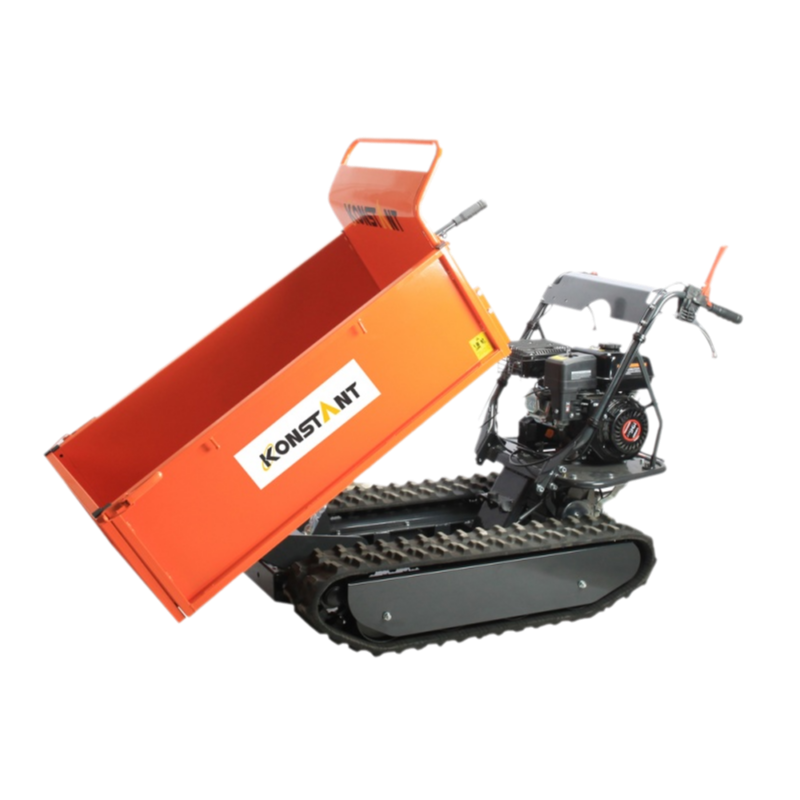
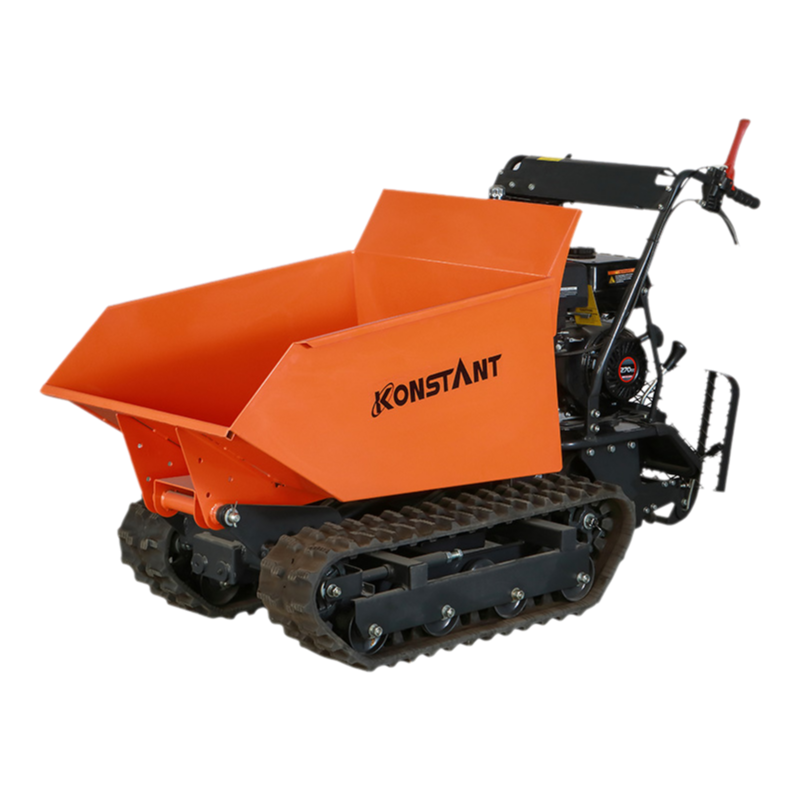
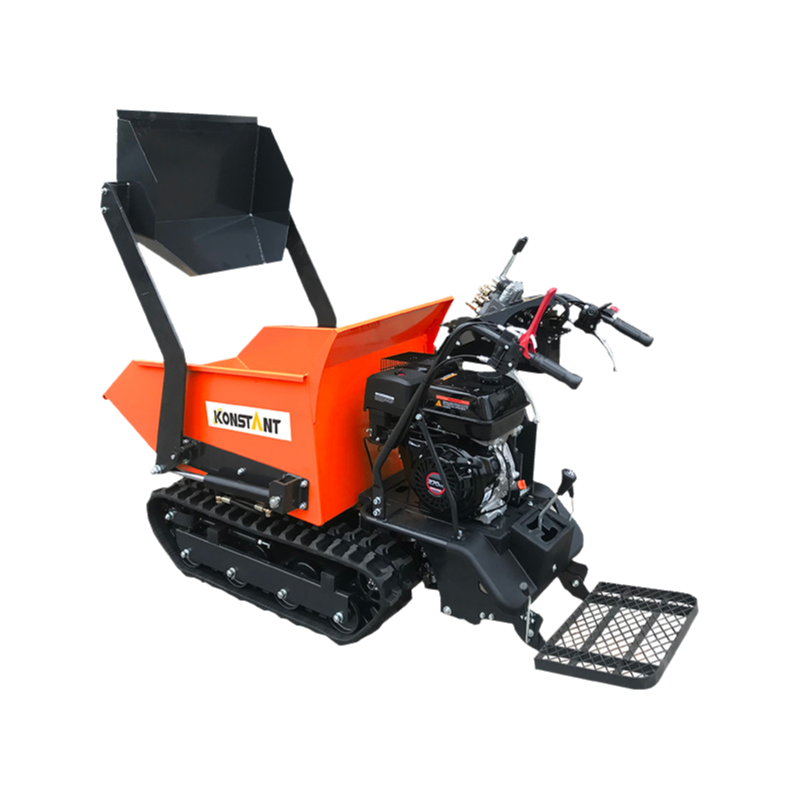
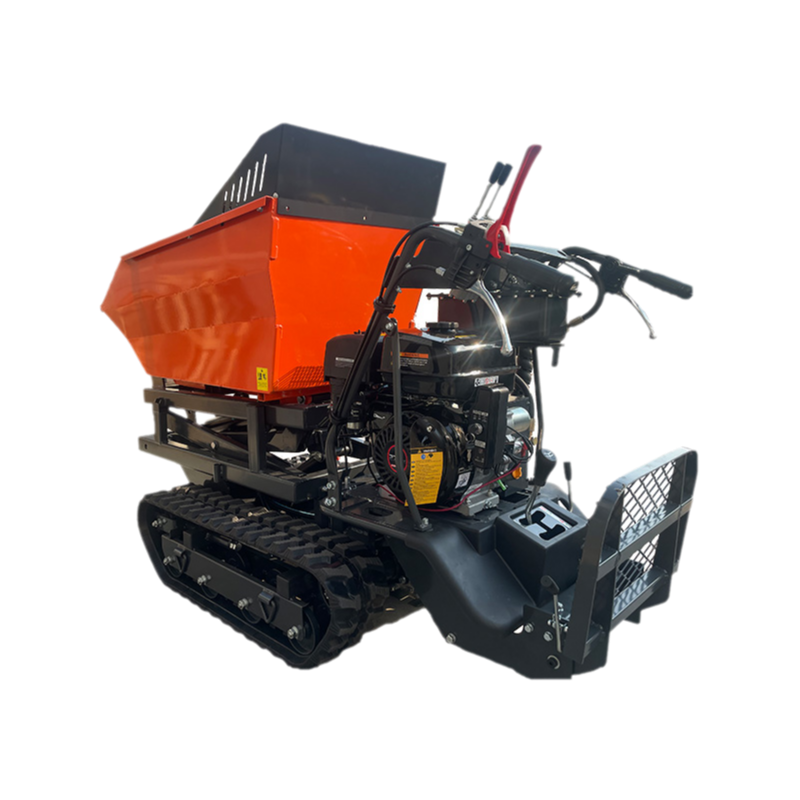
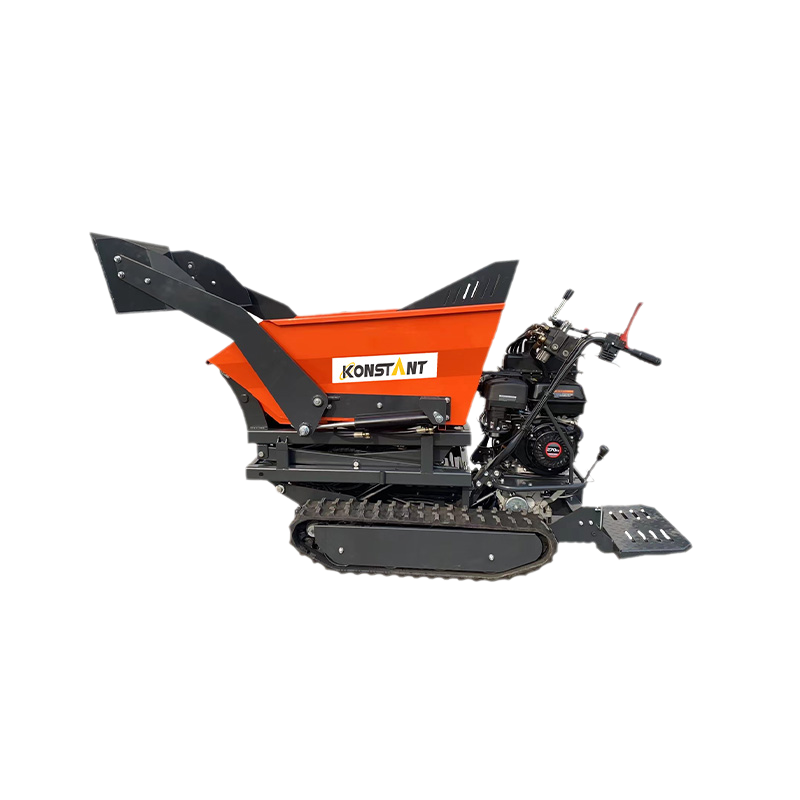
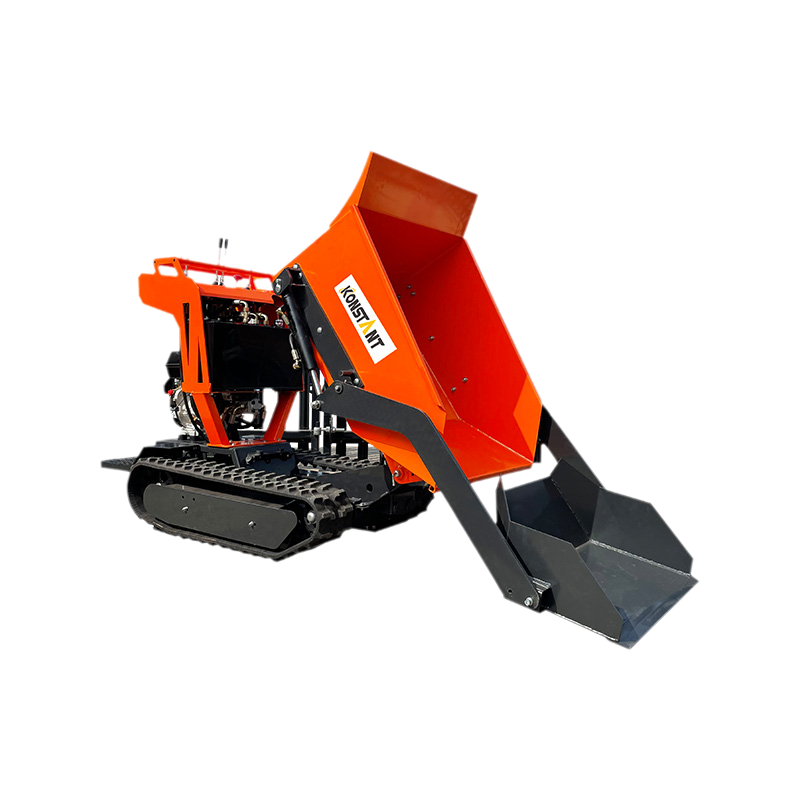
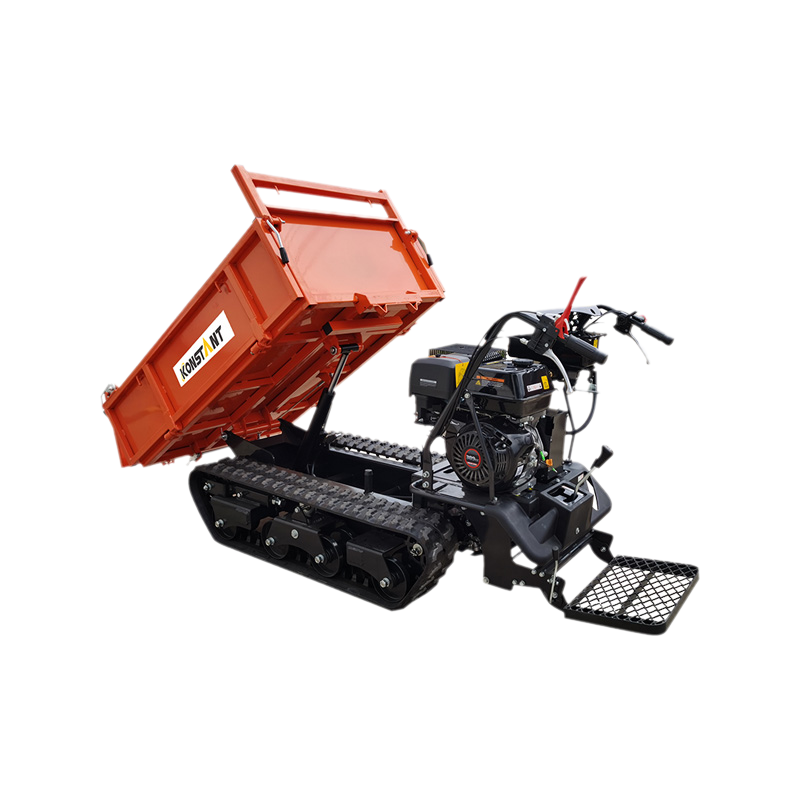
Provide you with the latest enterprise and industry news
Which Projects Benefit from Using a Dumper Wheelbarrow
Update:16-03-2026
Posted by Admin
Content
- 1 Can a Dumper Wheelbarrow Make Site Work Easier
- 2 What to look for when choosing a dumper wheelbarrow
- 3 Practical startup routine
- 4 How to load and balance like a pro
- 5 Battery care that actually extends life
- 6 Maintenance that keeps the machine reliable
- 7 Troubleshooting common field failures
- 8 Operator training that matters
- 9 Procurement checklist — what to ask suppliers
- 10 Small investments with big returns
- 11 End-of-day and storage practices
- 12 Small change, big impact
- 13 Quick checklists you can copy
- 14 Make the human side reliable
Can a Dumper Wheelbarrow Make Site Work Easier
A dumper wheelbarrow looks simple. In the hands of a practiced crew it quietly removes bottlenecks; in the hands of an unprepared team it becomes another puzzle to fix. This piece is written for the people who use and manage these machines every day — site supervisors, landscapers, rental house staff, and buyers — and focuses on practical, field-tested advice. No marketing fluff. No abstract theory. Just tactics you can apply tomorrow: how to pick a model that fits your work, how to operate on slopes without drama, how to keep batteries and hydraulics behaving, how to avoid the small mistakes that cause big stoppages, and how to organize maintenance and procurement so the machine actually saves time.
Why a dumper wheelbarrow matters in everyday work
Think of the dumper wheelbarrow as the bridge between heavy equipment and hand labor. It lets a single operator move loads you would otherwise need two or three people to carry. It fits where a small loader won't, and it's more stable than a traditional wheelbarrow when the weight gets significant.
Three outcomes matter more than specs on paper:
- Fewer trips. When one trip carries what used to be two or three, the line moves faster and teams stay closer to schedule.
- Less strain. Operators keep energy for the skilled parts of a job instead of exhausting themselves on repeated shuttles.
- Predictable handling. A balanced, well-maintained machine behaves the same way each pass — which makes planning and safety easier.
If you want a device that reliably reduces manual handling and keeps small crews productive, the dumper wheelbarrow earns its place. But getting the benefit requires attention to routines and realities, not hope.
A quick real-world example
A small contractor was tasked with regrading a backyard and laying new turf. They had two laborers, a tight access gate, and a couple of days. On day one they used manual wheelbarrows and made about six trips per hour. Backaches and frustration mounted. The contractor rented a dumper wheelbarrow on day two, briefed the operator for five minutes, and cut the trip count to two per hour while keeping the work area tidy. The crew finished earlier, the client was pleased, and the operator returned the machine in good condition.
The lesson is obvious: in constrained access jobs, the right machine with a basic routine multiplies output without extra people.
What to look for when choosing a dumper wheelbarrow
Not all models suit all jobs. Match machine capability to the tasks you actually do.
- Payload and tray size — match load type. Loose materials need different containment than stackable blocks. Don't chase a headline capacity; verify the recommended safe payload in real-site conditions.
- Wheel and ground clearance — larger, treaded wheels handle soft ground. If the jobsite is muddy or involves steps and rubble, choose a model designed for rough terrain.
- Drive system — electric units are quieter and cheaper to run; petrol models give longer range and quick refuel. Consider noise, emissions, and charging infrastructure.
- Dump method — hand-tip, hydraulic, or powered tipping options affect how quickly you can empty loads and how often you need to step off to reposition. For tight, frequent dumps, a hydraulic or powered tip is worth the complexity.
- Service access — look for easy panel removal, obvious grease points, and accessible battery compartments. The easier it is to service in the field, the less downtime you'll have.
- Controls ergonomics — controls should be intuitive and within comfortable reach. Small design differences change operator fatigue over a long shift.
- Transport and storage — ability to strap on a trailer, fold handles down, or remove batteries quickly matters for rental fleets and small contractors.
Ask for real-world references — machines used on similar job types — rather than relying only on glossy spec sheets.
Practical startup routine
A short, repeatable start routine prevents silly stops.
- Visual sweep: check tires, tray, and frame for damage or lodged debris.
- Battery or fuel: confirm charge level or fuel, and secure battery connectors.
- Controls check: jog the drive at low speed, test the dump action, verify brakes.
- Load plan: think about the few trips — where you'll dump and how to balance loads.
- Safety check: ensure barriers, traffic routes, and spotters are ready if needed.
This takes five minutes and saves far more time than it costs.
How to load and balance like a pro
Balance is simple physics. Keep the heavy part of the load low and near the machine's center. For loose fill, avoid mound loading that shifts forward when the machine moves; spread the load across the tray. For blocks or pavers, stack them low and close to the rear of the tray so the center of gravity stays stable.
If your machine feels tail-light, the load is too far forward. If it's nose-heavy, the load sits too far back. Both behaviors feel different, and both are fixable by shifting material a little.
Small adjustments to where material is placed often prevent the kind of tipping that costs hours to recover from.
Using slopes: safe technique that reduces incidents
Slopes are where judgement matters.
- Always assess the gradient and surface grip before committing. Loose gravel, mud, or sudden ruts change the equation.
- Drive straight up or down slopes where possible. Traversing across a steep incline increases rollover risk.
- Keep speed controlled. Momentum on a slope diminishes the operator's ability to correct balance.
- Use low gears and controlled braking rather than abrupt stops. Sudden braking shifts the center of gravity forward and can cause the nose to bury or the dumper to skid.
- When dumping on a slope, seek as level a spot as possible or bring the load to a safe dumping point. If necessary, remove some material before making a critical cross-slope trip.
Teach these habits in short toolbox talks and observe operators during the few runs.
Battery care that actually extends life
Batteries are consumables with a cost profile. Treat them like the site's fuel.
- Charge in a sheltered, moderate-temperature spot to avoid extremes that stress cells.
- Avoid deep-discharge cycles when possible — charging before the battery is exhausted preserves cycles.
- Rotate packs if you have spares so one pack doesn't shoulder all duty.
- Clean terminals regularly and check for corrosion or loose connections.
- Follow manufacturer charge curves; fast charging is sometimes fine, but repeated abuse shortens life.
If a battery shows rapid capacity decline, tag it for testing. Don't wait until mid-job failure.
Maintenance that keeps the machine reliable
Keep maintenance simple and visible with a short log.
Daily quick checks
- Visual for damage, debris or leaks.
- Tires and wheels free of lodged objects.
- Battery indicator and charger status.
- Controls feel normal.
Weekly checks
- Fastener torque: tighten loose bolts.
- Lubricate pivot points and latches.
- Inspect dump mechanism for wear and correct operation.
Monthly checks
- Inspect drive motor and gearbox for wear.
- Inspect wheel bearings and axles.
Record each check with operator initials. That modest discipline prevents many surprises.
Troubleshooting common field failures
When something stops working, follow a simple order:
- Power and connections — batteries, fuses, and connectors.
- Mechanical jams — debris in wheels, bucket latches, or dump linkages.
- Controls and sensors — deadman switches, wiring, or throttle faults.
- Drive system — belts, motors, or gearbox issues.
- Hydraulics — low fluid, leaky hoses, or stuck valves.
Start with the simplest checks — a loose connector or a blocked wheel is far more common than an internal motor failure. Keep a small common-parts kit on the truck: fuses, a spare fuse holder, basic hoses, hose clamps, and a few fasteners. That kit buys you hours saved.
Operator training that matters
Short, practical training beats long manuals.
- Teach the startup card and enforce it for the week.
- Show how the machine behaves differently when the tray is full versus half-full.
- Run slope drills in a controlled area.
- Demonstrate quick battery swap and safe charging procedures.
- Let new users shadow an experienced operator for a shift.
Operators who practice the startup and shutdown rituals make fewer mistakes and feel confident. Confidence equals safety.
Procurement checklist — what to ask suppliers
When buying or renting, make suppliers answer the same practical questions:
What is the recommended safe payload under real conditions?
What is the required maintenance interval and what parts are consumable?
How quickly can you provide replacement batteries or a service module?
Can the unit fit through our site access points and onto our transport trailers?
What training or startup support is included?
Are chargers and spare parts available locally?
Ask for a short case study or contact of a similar user. A machine that performs well on paper may fail in different real conditions; references matter.
Small investments with big returns
A few low-cost items will reduce downtime dramatically:
A spare battery pack for jobs with heavy duty cycles.
A small service kit: spare fuses, hose clamps, bearings, and a multi-tool.
A covered charging station to keep batteries in good condition.
A laminated one-page startup card on every machine.
A small, lockable cover for electrical connections to keep rain and dust out.
These items cost a fraction of lost labour when a job stalls.
End-of-day and storage practices
How you finish the day matters.
- Clean mud and grit from moving parts; debris accelerates wear.
- Partially charge batteries if the manufacturer recommends it for storage.
- Store under cover, off the ground if possible, to prevent damp ingress.
- Lock or secure machines to prevent theft and unauthorized use.
- Record any faults for next shift review.
A tidy end-of-day routine sets you up to start well the next morning.
Small change, big impact
A rental yard had repeated complaints: the hired machine would sag in performance after a short rental. Techs found operators sometimes left the charger outside in rain and used damaged leads. The yard invested in a covered charging cabinet and required renters to store battery packs inside overnight. Complaints dropped, battery returns improved, and the yard saved money on battery replacements. The fix was small and practical.
Quick checklists you can copy
Startup
- Visual sweep, battery check, controls jog, test dump, plan load.
Daily log
- Battery level, odd noises, small fixes made, operator initials.
Weekly
- Grease points, fasteners, clean electrodes, wheel check.
Make the human side reliable
Machines are tools. They work when humans prepare them, use them safely, and look after them. The dumper wheelbarrow will not replace planning or good site practice; it amplifies the benefits of both. Put a simple startup card on the machine, keep a spare battery or two, teach operators the slope rules, and do the basic maintenance. That combination — simple human routine backed by the right tool — delivers the consistent gains you hired the machine for.
Related products

Latest Updates
-
What Factors Influence the Choice of a Mini Dumper Power Barrow
Moving materials is a routine part of construction, landscaping, agriculture, renovation, and othe...
-
Can a Mini Petrol Power Dumper Replace a Traditional Wheelbarrow
Material handling rarely attracts much attention until it starts taking up a large part of the worki...

-
Welcome To Visit Us
No.30, Third Furong Road, Wuxi City, Jiangsu. 214100, China.
-
Call Us
Phone: +86 181-1889-1139
Phone: +86 181-1889-2139
-
Contact Us Online
E-mail: sales@konstantpm.com
E-mail: marketing@konstantpm.com
Copyright WUXI KONSTANT POWER TECH CO., LTD All Rights Reserved
 China Mini Dumpers Manufacturers Power Wheelbarrow Factory