
 English
 русский
 Français
 Español
 Deutsch

Provide you with the latest enterprise and industry news
What Are the Advantages of Using a Battery Mini Dumper
Update:04-05-2026
Posted by Admin
Content
- 1 Why Is a Battery Mini Dumper Becoming More Common in Work Sites?
- 2 How Does It Improve Material Handling Efficiency?
- 3 What Makes It Suitable for Indoor and Confined Spaces?
- 4 How Does It Affect Daily Workload and Physical Effort?
- 5 What Role Does It Play in Noise-Sensitive Environments?
- 6 How Does It Support Flexible Job Site Movement?
- 7 What Types of Materials Can It Transport?
- 8 How Does It Influence Work Organization on Site?
- 9 What Are the Practical Advantages in Different Work Environments?
- 10 How Does It Affect Productivity Flow?
- 11 Why Is Operator Comfort Becoming a Key Factor?
- 12 How Does It Fit Into Changing Work Trends?
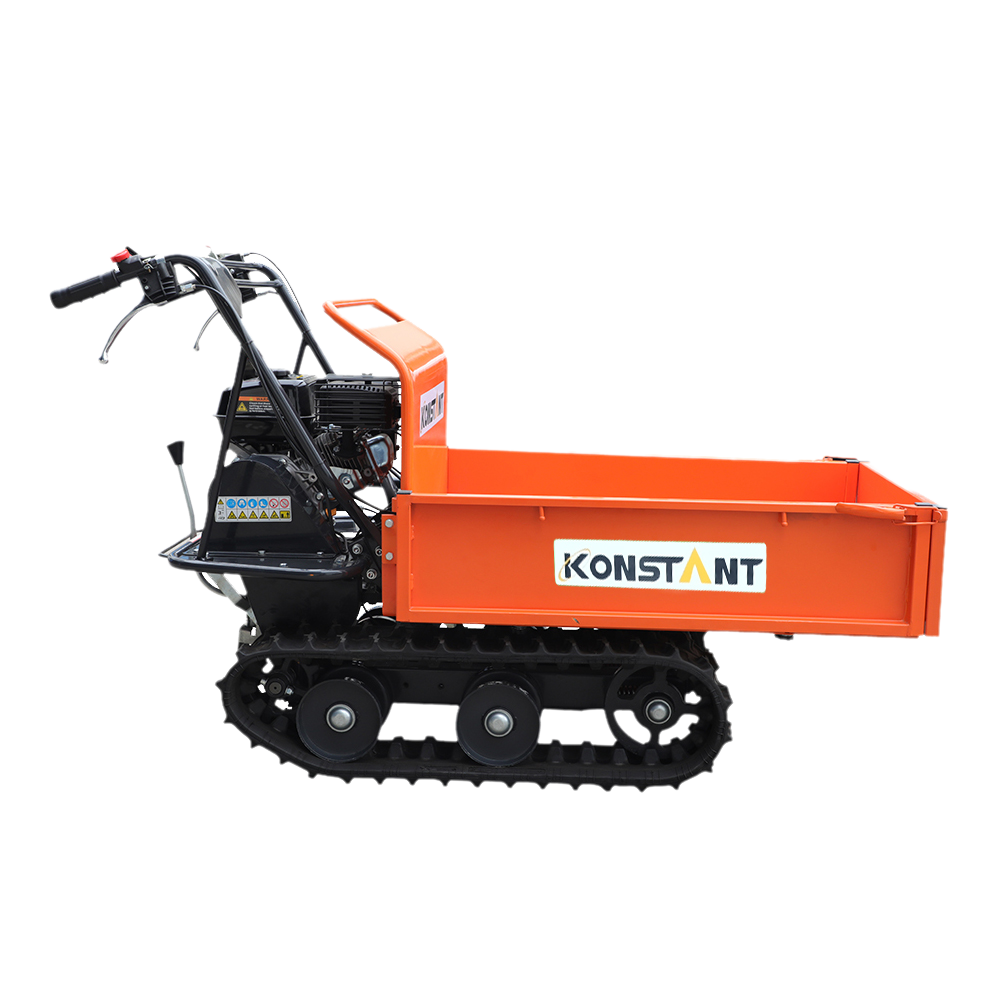
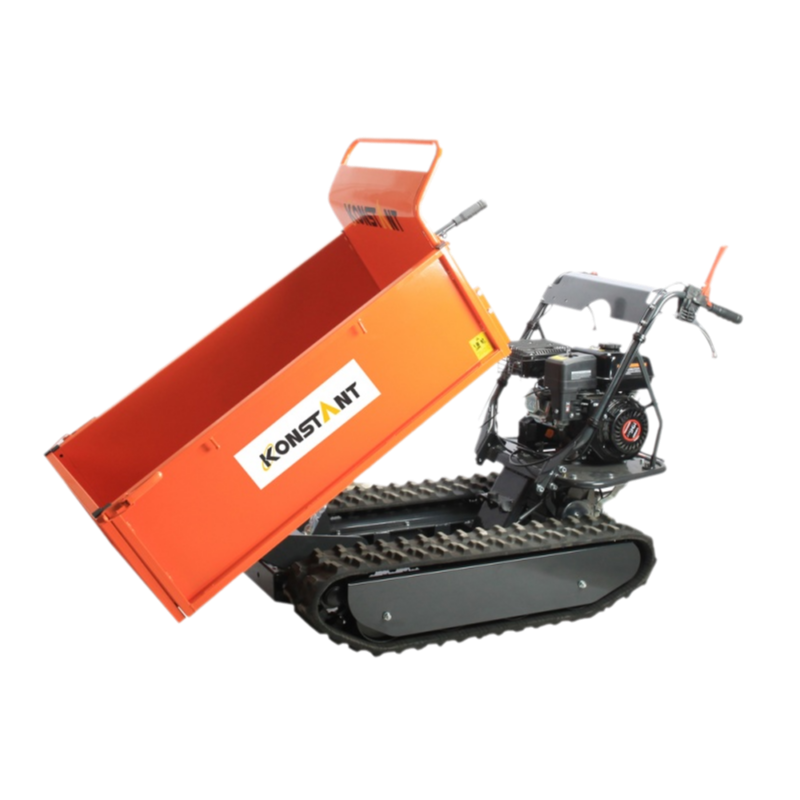
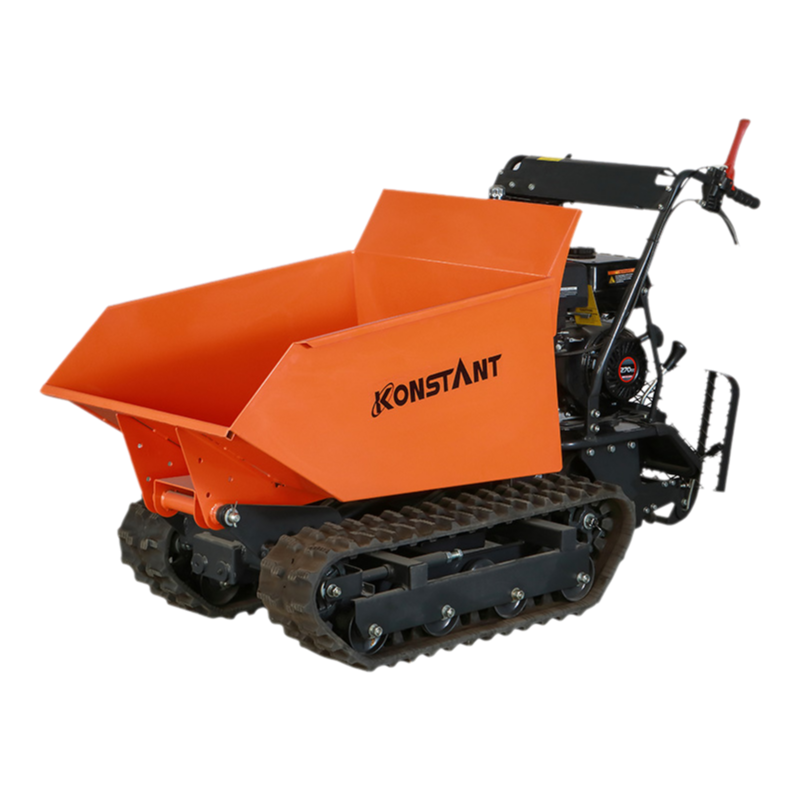
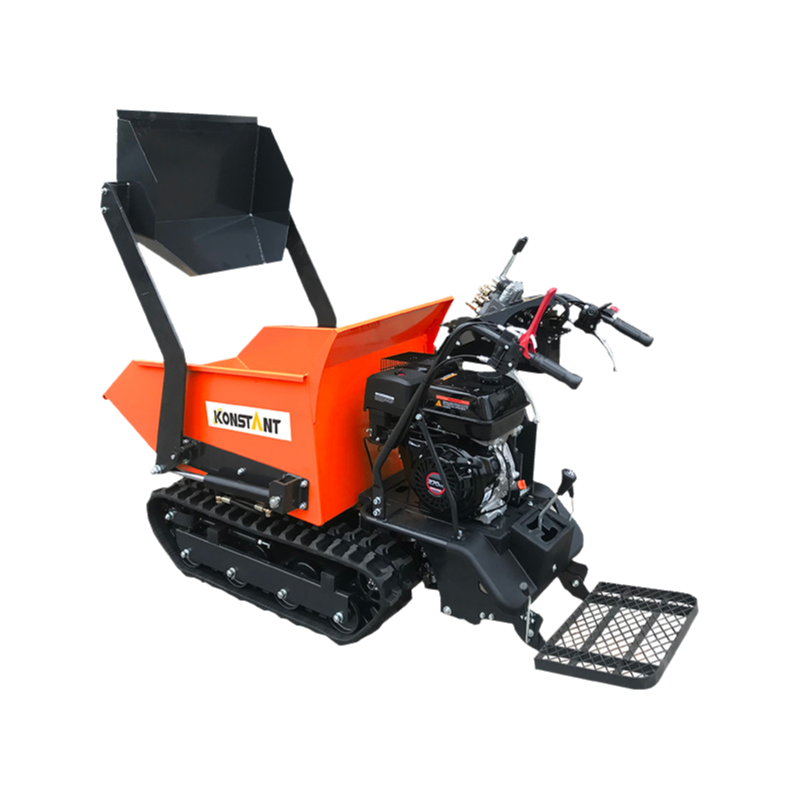
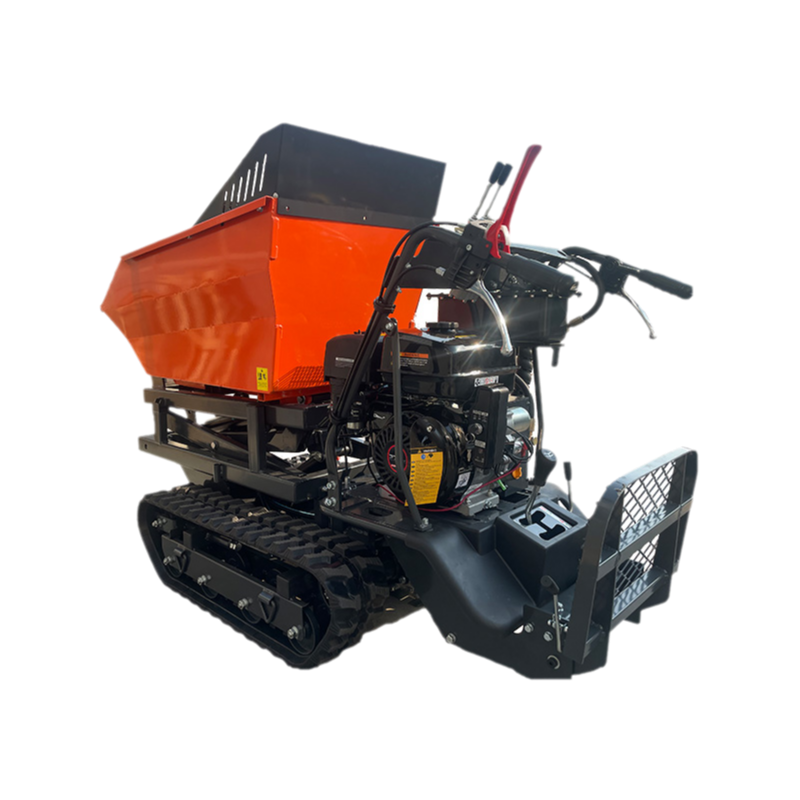
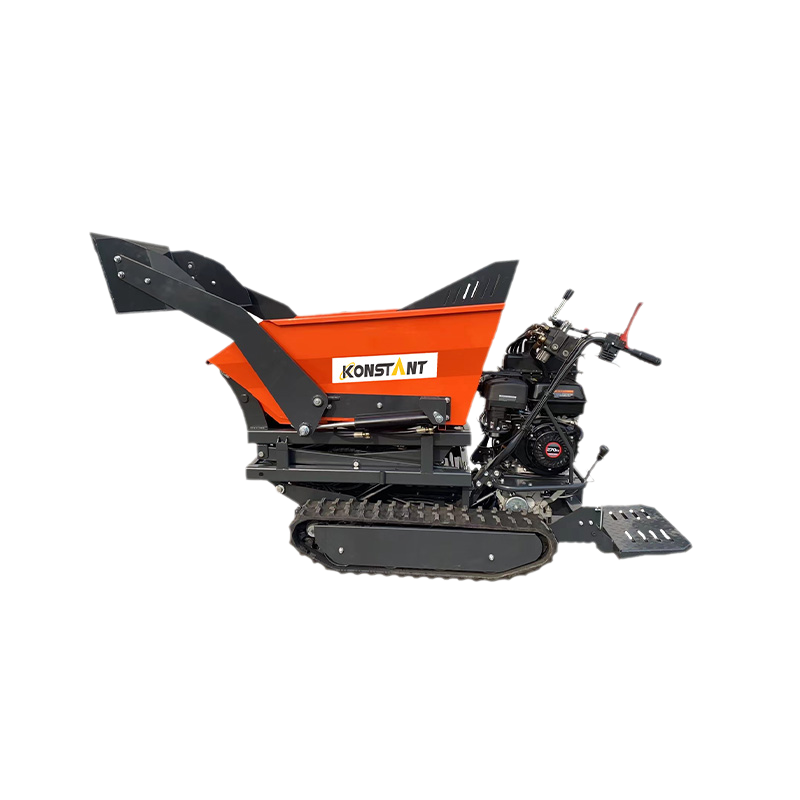
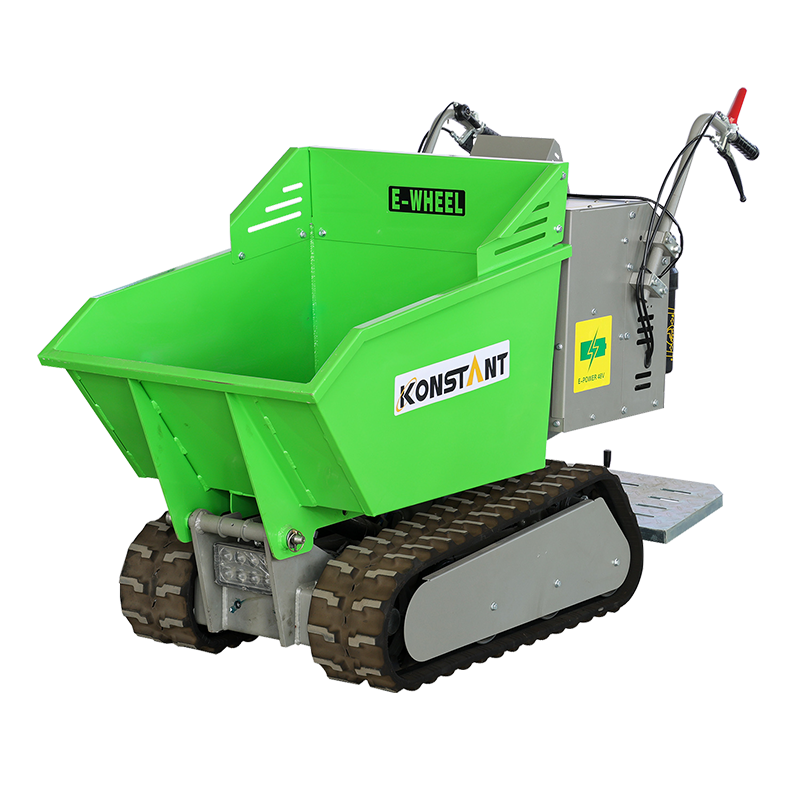
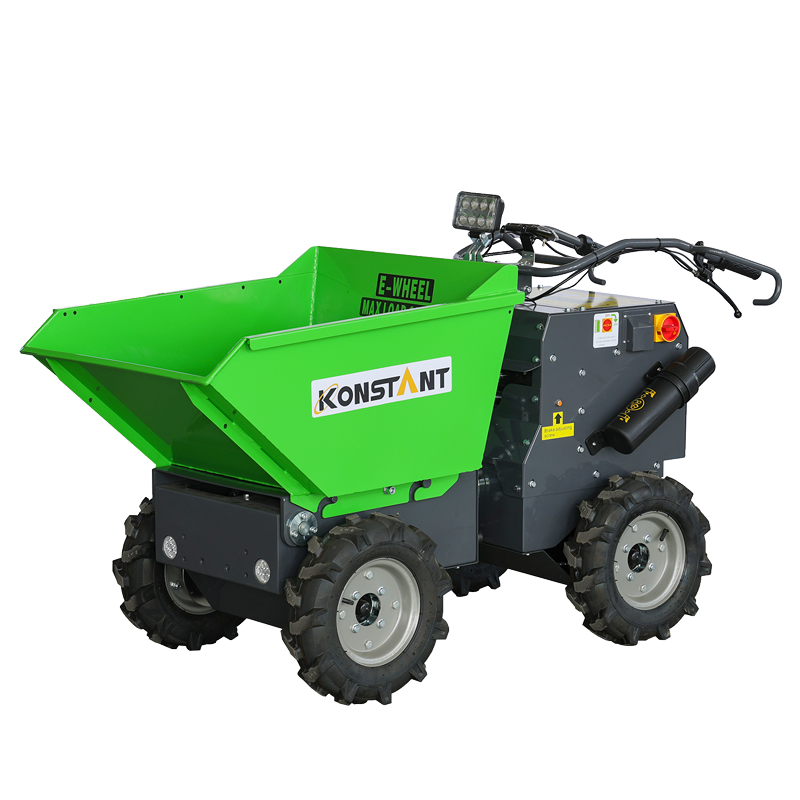
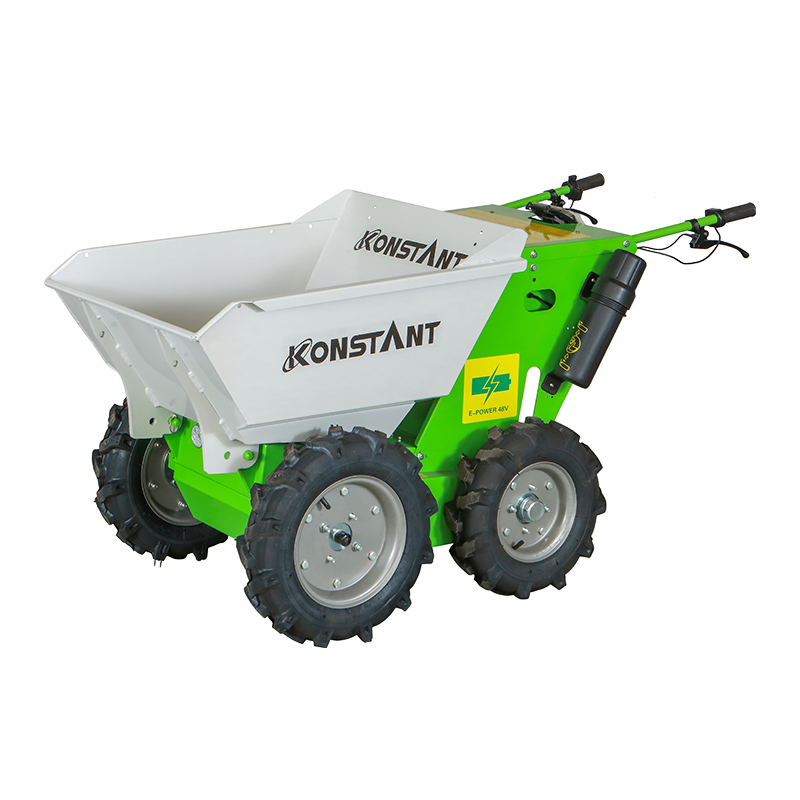
A battery mini dumper is becoming more visible across construction sites, landscaping work, and indoor renovation projects. It is a compact transport machine designed to move materials over short distances with reduced manual effort. Instead of relying on fuel, it uses stored electrical energy to operate, which changes how it fits into daily workflows.
Its value is not only about moving loads. It also influences how tasks are organized, how workers interact with equipment, and how spaces are managed during operations.
Why Is a Battery Mini Dumper Becoming More Common in Work Sites?
Work environments are changing. Many projects now take place in tighter spaces, indoor areas, or locations with limited ventilation. Traditional transport methods may not always fit these conditions smoothly.
A battery dumper offers a quieter and more controlled way of moving materials. It does not rely on combustion, which helps it operate in areas where air quality or noise levels matter.
Its compact size also allows movement through narrow paths. This makes it suitable for environments where larger machines cannot easily operate.
How Does It Improve Material Handling Efficiency?
Material handling is often one of the time-consuming parts of a project. Moving soil, sand, gravel, or construction debris manually requires repeated effort and time.
A battery dumper reduces this workload by taking over repetitive transport tasks. Once loaded, it can carry materials across short distances without constant physical effort from the operator.
This allows workers to focus on other parts of the job instead of spending energy on transport alone.
The result is a smoother workflow where movement between tasks becomes more organized and less physically demanding.
What Makes It Suitable for Indoor and Confined Spaces?
Indoor projects and enclosed environments often require careful control of movement and emissions. Equipment that produces strong noise or exhaust may not be suitable in such conditions.
A battery dumper operates without fuel combustion, which helps reduce air disturbance. Its quieter movement also supports environments where noise levels need to remain controlled.
The compact structure allows it to pass through standard openings and narrow corridors. This makes it useful in renovation work, basement projects, and interior construction zones.
Its design supports movement where space is limited but material transport is still necessary.
How Does It Affect Daily Workload and Physical Effort?
Manual material transport often requires repeated lifting, carrying, and walking. Over time, this can slow down work progress and increase physical strain.
A battery dumper reduces the need for continuous manual carrying. Instead of moving materials step by step, workers can load and guide the machine.
This shift changes the rhythm of work. Tasks become more focused on placement and control rather than physical lifting.
It also helps reduce fatigue during long working periods, especially in projects that involve repeated transport cycles.
What Role Does It Play in Noise-Sensitive Environments?
Noise control is becoming more important in many working environments, especially in urban areas or locations close to residential spaces.
A battery dumper produces less operational noise compared to traditional engine-powered equipment. This allows work to continue in conditions where loud machinery may not be suitable.
Lower noise levels also improve communication between workers on site. Instructions can be shared more clearly without needing to raise voices or pause operations frequently.
This creates a more balanced working atmosphere where activity can continue with less disruption.
How Does It Support Flexible Job Site Movement?
Many job sites change layout as work progresses. Materials need to be moved across different areas, sometimes through temporary pathways or uneven ground.
A battery dumper is designed for this type of flexible movement. Its compact frame allows it to navigate changing environments without requiring fixed routes.
This flexibility helps adapt to evolving work conditions. Whether moving debris from demolition zones or delivering materials to specific points, the machine can adjust to different paths and layouts.
It supports dynamic work environments where conditions shift frequently.
What Types of Materials Can It Transport?
Battery dumpers are commonly used for a range of loose or bulk materials. These may include soil, sand, gravel, construction waste, and general site materials.
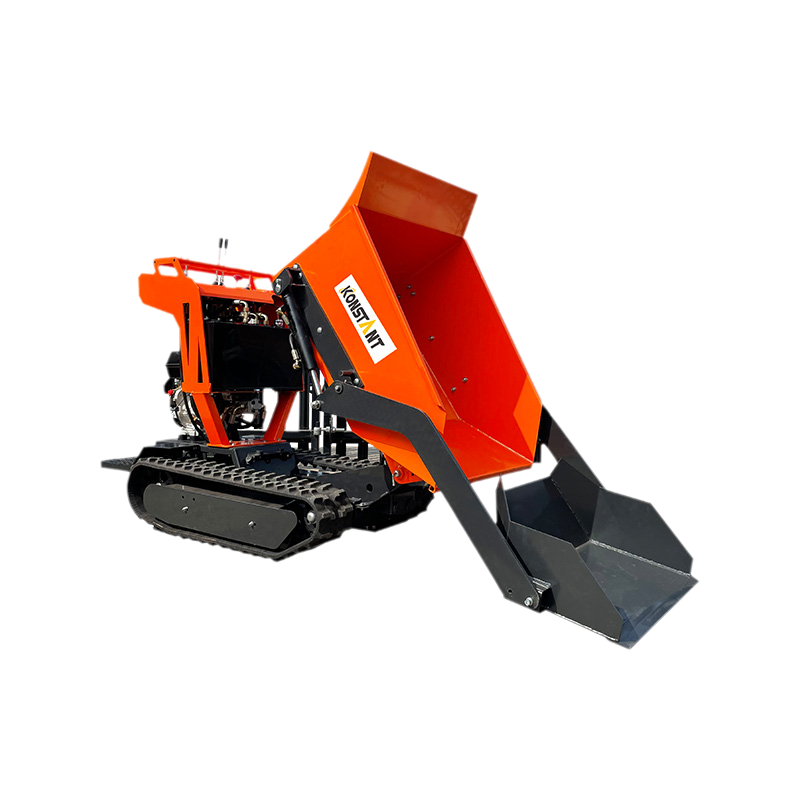
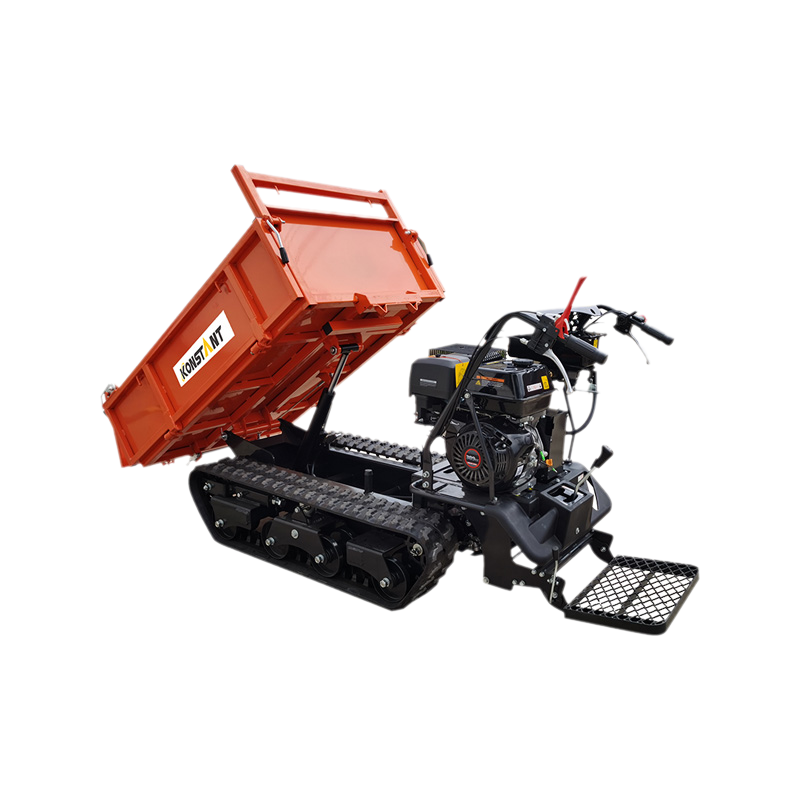
The structure of the dumper allows controlled carrying and tipping, which helps manage unloading in targeted areas.
Different materials behave differently during transport. Some are heavier, some shift more easily. The dumper design helps stabilize movement during carrying, reducing unnecessary spillage or scattering.
This makes it suitable for varied work conditions where material types may change throughout the project.
How Does It Influence Work Organization on Site?
Introducing a battery dumper into a workflow often changes how tasks are arranged. Instead of multiple workers handling transport manually, a single operator can manage movement more consistently.
This allows better coordination between loading, transport, and placement tasks.
Work becomes more structured. Material flow can be planned in clearer steps rather than relying on continuous manual movement.
It also reduces interruptions in workflow caused by repeated physical transport tasks.
What Are the Practical Advantages in Different Work Environments?
Different environments benefit from battery dumpers in different ways. The table below shows how its features align with common working conditions:
| Work Environment | Main Challenge | How the Dumper Helps |
|---|---|---|
| Indoor renovation | Limited space and ventilation | Compact movement and low emissions |
| Construction sites | Heavy material transport | Reduces manual carrying effort |
| Landscaping projects | Uneven terrain | Supports flexible movement |
| Urban job sites | Noise restrictions | Lower operational sound |
| Confined work zones | Narrow access paths | Easy navigation in tight areas |
Each environment benefits from different aspects of the machine, depending on how it is used.
How Does It Affect Productivity Flow?
Productivity in material-based work is often influenced by how smoothly materials move between points. Delays in transport can slow down the entire process.
A battery dumper helps maintain continuous movement. Instead of waiting for manual transport cycles, materials can be moved more directly.
This supports a steady workflow where tasks follow each other with fewer interruptions.
The overall effect is a more connected working process, where material movement becomes less of a bottleneck.
Why Is Operator Comfort Becoming a Key Factor?
Modern work equipment is increasingly designed with operator experience in mind. Comfort during use can influence how efficiently tasks are completed.
A battery dumper reduces physical strain by handling heavy transport tasks. The operator focuses more on direction and control rather than lifting or carrying.
This shift helps reduce repetitive physical effort across the workday.
Comfort in operation also supports more consistent performance over time, especially in longer projects.
How Does It Fit Into Changing Work Trends?
Work environments are gradually shifting toward more efficient, adaptable, and less physically demanding methods. Equipment that supports these changes becomes more relevant.
Battery-powered systems align with this direction by offering controlled operation and reduced manual effort.
The mini dumper fits into this trend by combining compact design with practical transport capability.
It reflects a broader move toward equipment that supports flexible, responsive work patterns.
The advantages of a battery mini dumper come from how it fits into real working conditions. Its value appears in daily movement, site organization, and task flow rather than in isolated features.
Related products

Latest Updates
-
What Factors Influence the Choice of a Mini Dumper Power Barrow
Moving materials is a routine part of construction, landscaping, agriculture, renovation, and othe...
-
Can a Mini Petrol Power Dumper Replace a Traditional Wheelbarrow
Material handling rarely attracts much attention until it starts taking up a large part of the worki...

-
Welcome To Visit Us
No.30, Third Furong Road, Wuxi City, Jiangsu. 214100, China.
-
Call Us
Phone: +86 181-1889-1139
Phone: +86 181-1889-2139
-
Contact Us Online
E-mail: sales@konstantpm.com
E-mail: marketing@konstantpm.com
Copyright WUXI KONSTANT POWER TECH CO., LTD All Rights Reserved
 China Mini Dumpers Manufacturers Power Wheelbarrow Factory