
 English
 русский
 Français
 Español
 Deutsch

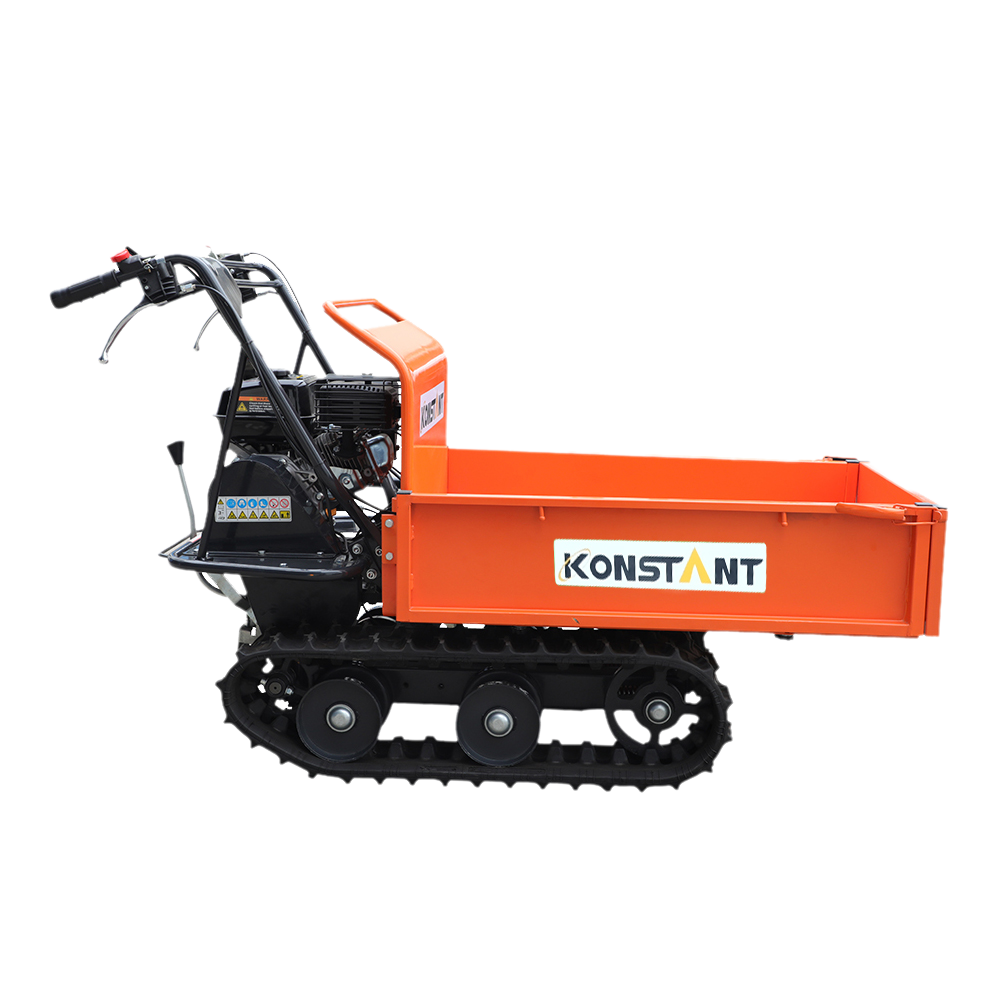
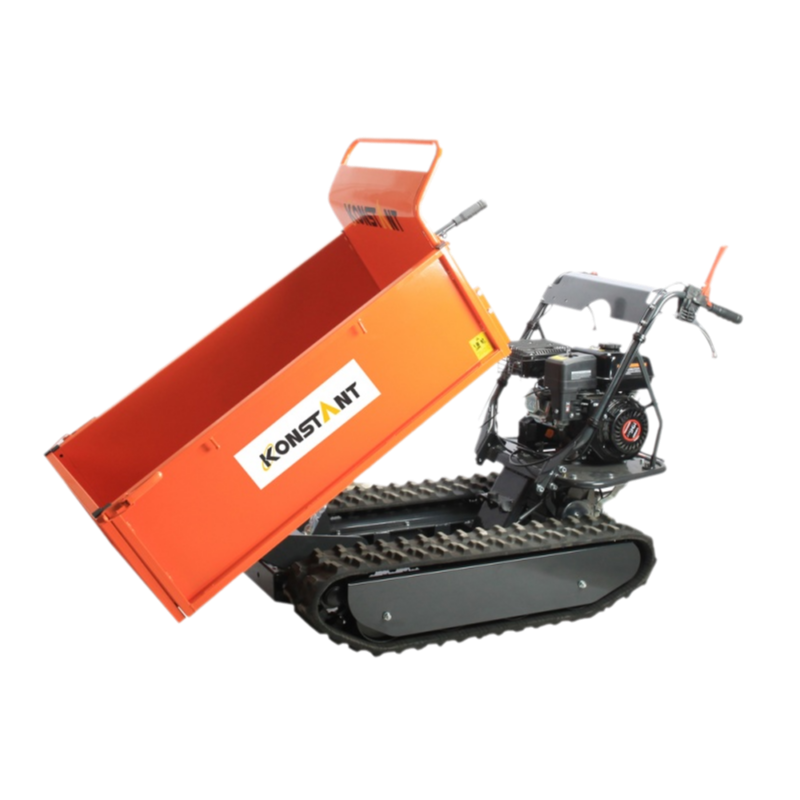
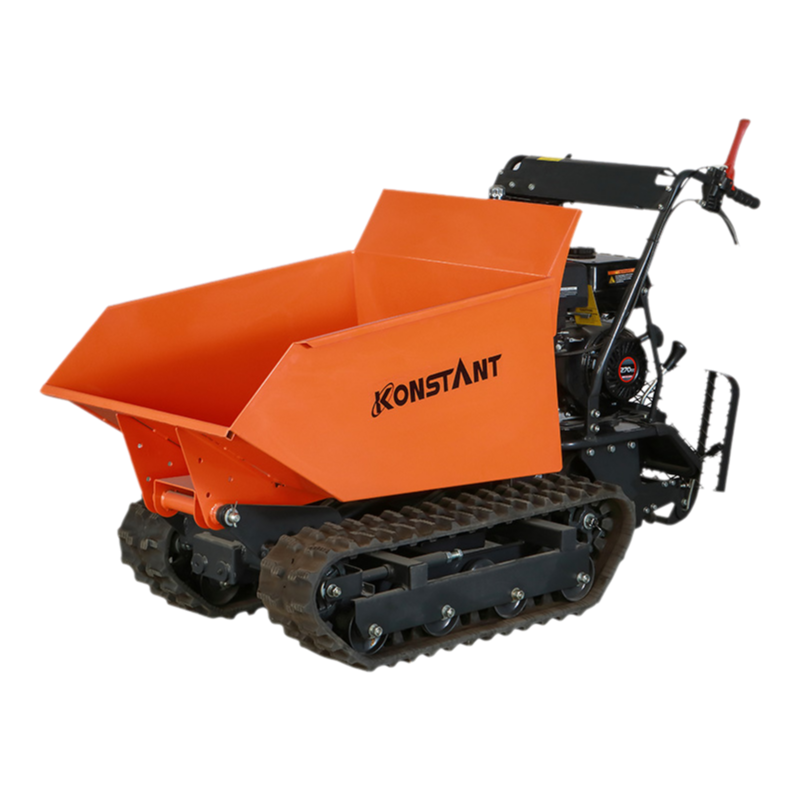
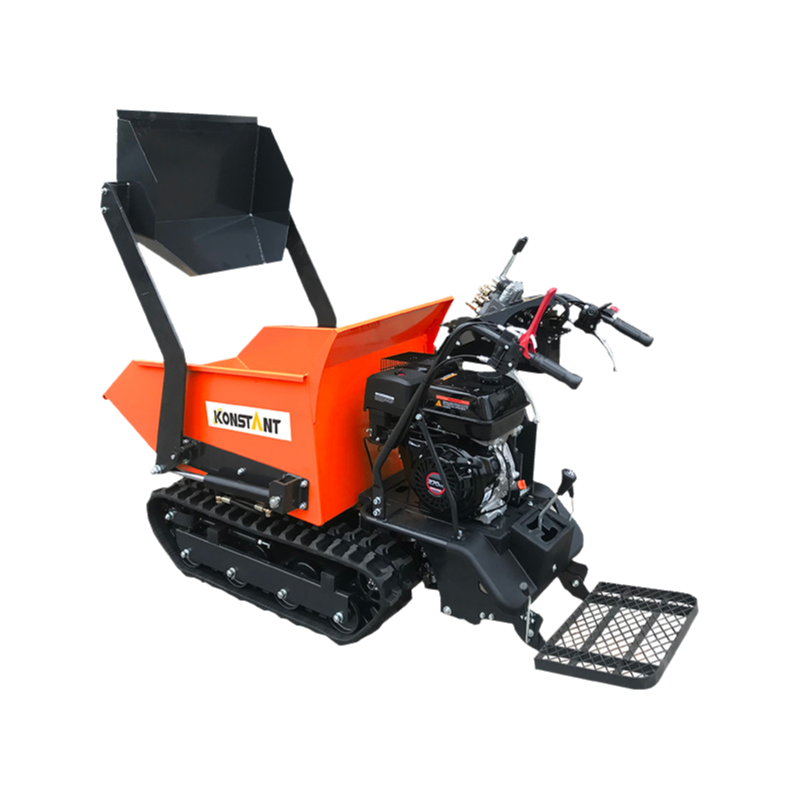
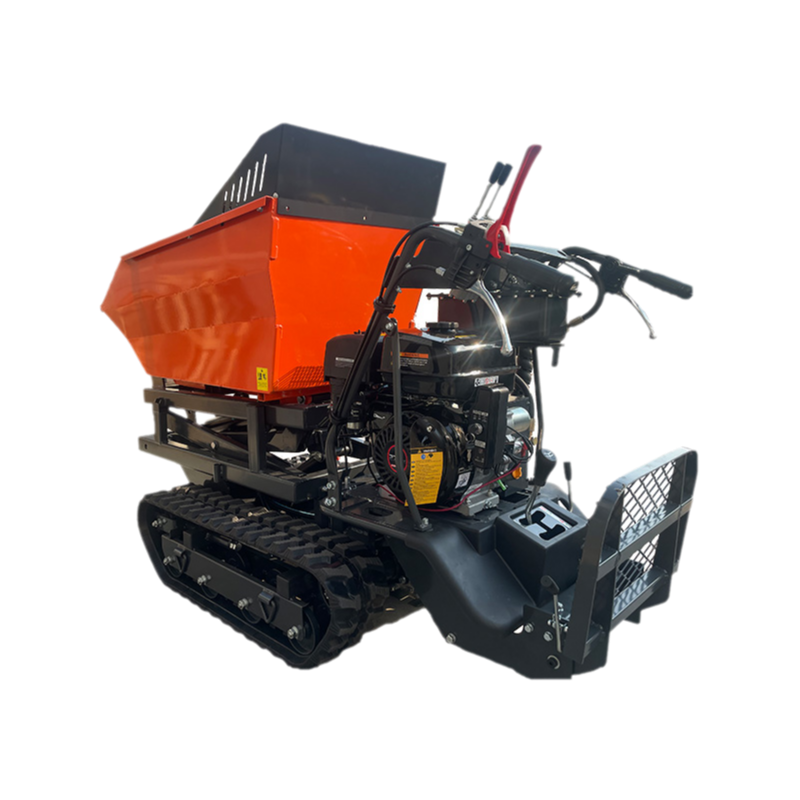
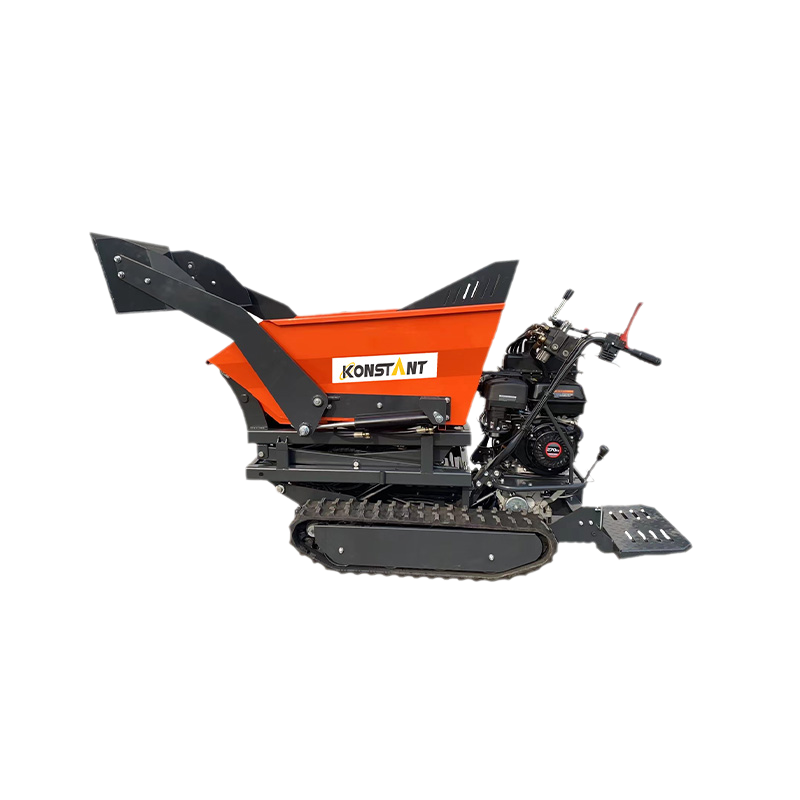
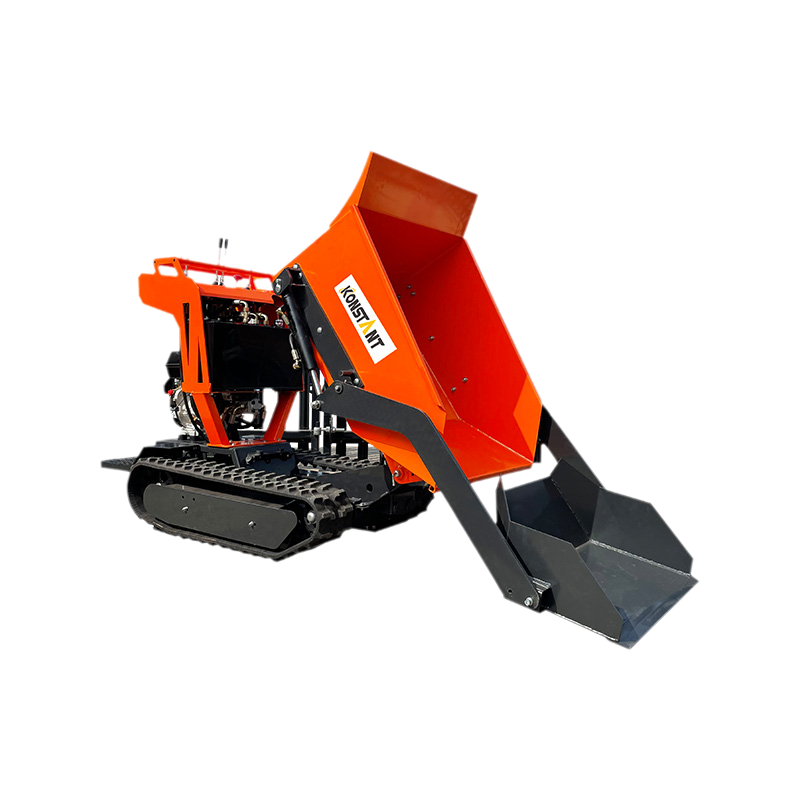
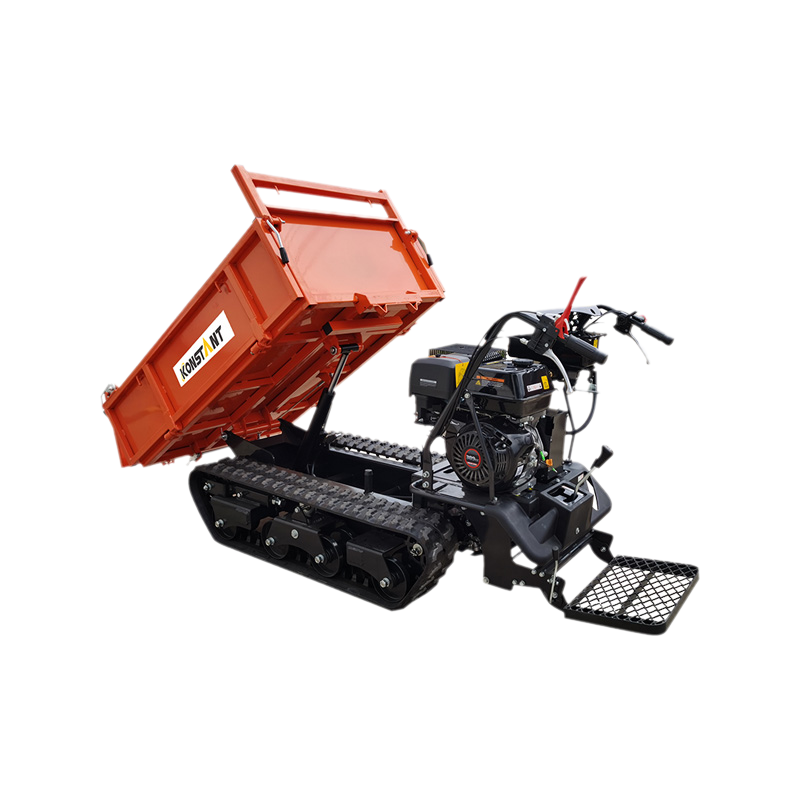
Provide you with the latest enterprise and industry news
How Do Mini Dumper Factory Support Different Industry Needs
Update:01-05-2026
Posted by Admin
Content
- 1 What Do Mini Dumper Factories Actually Do for Different Industries?
- 2 How Does Construction Work Influence the Design?
- 3 What Changes for Landscaping Applications?
- 4 How Are Indoor and Limited Spaces Handled?
- 5 How Do Factories Balance Strength and Flexibility?
- 6 How Do Factories Match Real Work Environments?
- 7 Why Does Customization Matter So Much?
- 8 How Do Changing Work Habits Influence Factory Decisions?
- 9 How Is Efficiency Reflected in Everyday Use?
Material moving is part of almost every working site. Construction zones, garden projects, small renovation areas, and maintenance tasks all share the same basic need: getting things from one place to another without too much delay or effort. Mini dumpers fit into this gap, and factories behind them decide how well the equipment can adapt to different situations.
These factories are not only assembling machines. They are responding to how people actually work. Every industry has its own rhythm, space limits, and handling habits. That is where design choices start to change.
What Do Mini Dumper Factories Actually Do for Different Industries?
A Mini Dumper Factory does more than produce equipment on a line. It takes feedback from real use and turns it into physical structure. The same machine cannot always fit every job, so adjustments are made depending on where it will be used.
On construction sites, machines deal with rough ground and heavier materials. In landscaping, movement is tighter and more controlled. Renovation work often sits somewhere in between, sometimes indoors, sometimes outside. These differences push factories to think in layers instead of one fixed design.
The result is not a single "standard machine," but a group of variations that feel similar but behave differently in use.
How Does Construction Work Influence the Design?
Construction sites are not predictable. One day the ground is stable, the next it is uneven or covered with loose material. Equipment used in these places needs to stay steady even when conditions shift.
Factories usually focus on keeping movement stable under load. It is less about appearance and more about how the machine behaves when it is fully used. If it carries material across uneven ground, it still needs to stay balanced and controllable.
There is also repetition. Machines in construction are used many times a day. So the structure has to handle that kind of constant motion without feeling weak or unstable over time.
What Changes for Landscaping Applications?
Landscaping is a different kind of work. Spaces are often narrow, shaped by paths, plants, and finished areas that cannot be disturbed. Here, size and control matter more than heavy movement.
Factories respond by adjusting how compact the machine feels and how easily it turns. A small movement can matter more than raw carrying ability.
Instead of pushing for strong load handling alone, the focus shifts toward smoother direction changes. The machine has to move through spaces without damaging surroundings or feeling difficult to guide.
How Are Indoor and Limited Spaces Handled?
Some work takes place in tighter environments like indoor renovation or semi-closed areas. In these situations, space is restricted and movement needs to be careful.
Factories tend to reduce bulk and improve handling control. The machine should not feel oversized in narrow passages. It should also respond smoothly when moving near walls, tools, or other equipment.
Here, precision becomes more noticeable than strength. Even small adjustments in size or layout can make daily use easier.
How Do Factories Balance Strength and Flexibility?
This is one of the main challenges. Different jobs demand different behavior, but the core machine still has to stay consistent.
Strength is needed for carrying materials. Flexibility is needed for movement across different environments. If one side is too strong and the other too weak, the machine becomes limited in real use.
Factories usually work on balance rather than extremes. They adjust frame support, load placement, and movement response so the machine can stay steady across different conditions without feeling rigid.
How Do Factories Match Real Work Environments?
Instead of designing in isolation, factories often look at how machines are actually used. The same type of equipment may move between different job sites during its life.
That is why adaptability matters. A dumper used on a construction site today might be used in landscaping tomorrow. The design has to allow that kind of shift without becoming difficult to operate.
The table below gives a simple view of how different environments shape factory focus:
| Work Setting | Main Demand | Factory Adjustment Style |
|---|---|---|
| Construction areas | Heavy movement stability | Strong structure support |
| Landscaping spaces | Narrow path control | Compact and flexible design |
| Indoor renovation | Tight working space | Size and handling refinement |
| Mixed usage sites | Changing conditions | Balanced performance design |
| Maintenance tasks | Frequent short trips | Ease of operation focus |
This kind of matching is not strict. It changes depending on how users apply the equipment in real life.
Why Does Customization Matter So Much?
Not every job looks the same, even within the same industry. Some need more space, some need tighter control, and some need frequent movement in short distances.
Factories often adjust small parts of the design instead of changing everything. It could be shape, balance, or how the load area is structured. These changes are usually subtle, but they affect how the machine feels during work.
Customization helps bridge the gap between standard production and real-world usage. It allows one product type to serve multiple roles without losing its core function.
How Do Changing Work Habits Influence Factory Decisions?
Work patterns are not fixed. A site can change from open space to restricted space over time. Tasks also shift depending on project stage.
Factories pay attention to these changes because they affect how machines are used in practice. Instead of focusing only on one scenario, they try to build equipment that stays useful across different stages of work.
This often leads to gradual improvements rather than big changes. Small adjustments based on real feedback slowly shape the next version of design thinking.
How Is Efficiency Reflected in Everyday Use?
Efficiency is not always about speed. In many cases, it is about how little effort is needed to complete repeated tasks.
A well-designed mini dumper should feel simple to move and control. If handling feels natural, work flows better without constant adjustment.
Over time, this reduces fatigue and keeps operations smoother, especially in environments where material movement happens all day.
Related products

Latest Updates
-
What Factors Influence the Choice of a Mini Dumper Power Barrow
Moving materials is a routine part of construction, landscaping, agriculture, renovation, and othe...
-
Can a Mini Petrol Power Dumper Replace a Traditional Wheelbarrow
Material handling rarely attracts much attention until it starts taking up a large part of the worki...

-
Welcome To Visit Us
No.30, Third Furong Road, Wuxi City, Jiangsu. 214100, China.
-
Call Us
Phone: +86 181-1889-1139
Phone: +86 181-1889-2139
-
Contact Us Online
E-mail: sales@konstantpm.com
E-mail: marketing@konstantpm.com
Copyright WUXI KONSTANT POWER TECH CO., LTD All Rights Reserved
 China Mini Dumpers Manufacturers Power Wheelbarrow Factory