
 English
 русский
 Français
 Español
 Deutsch

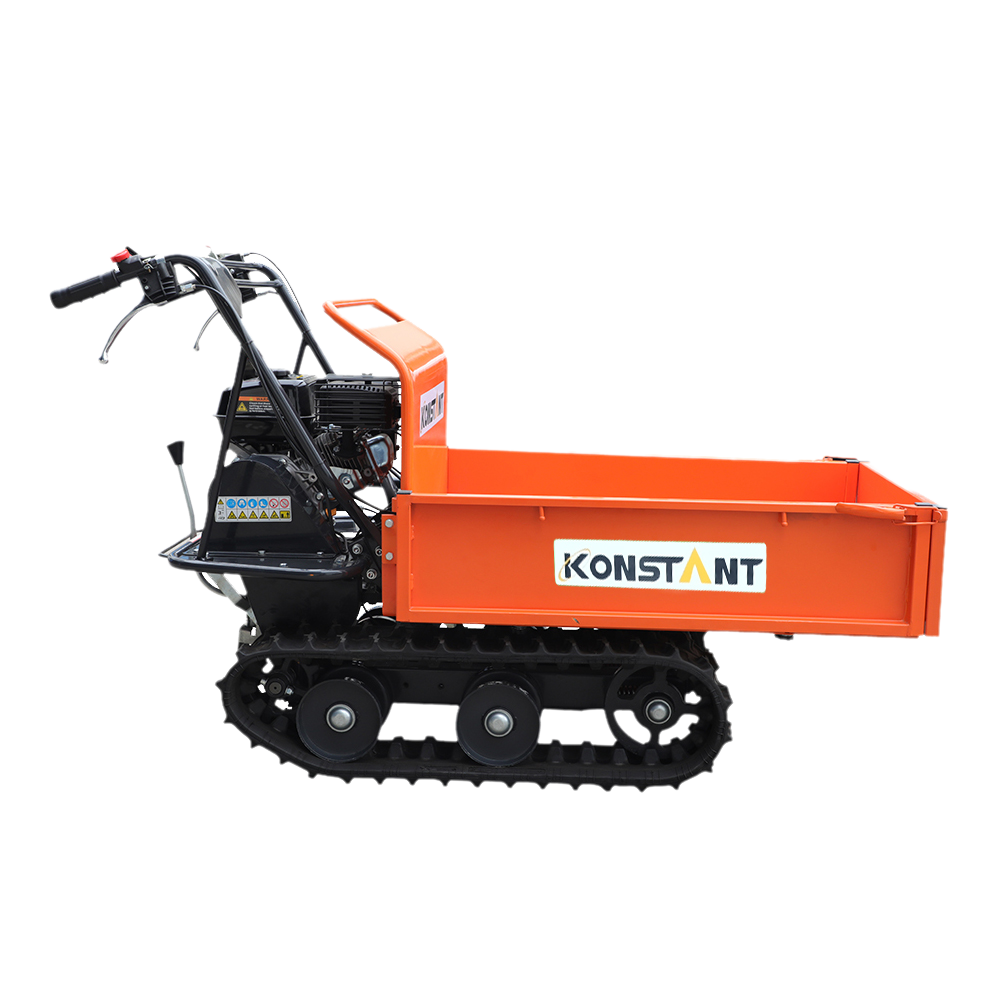
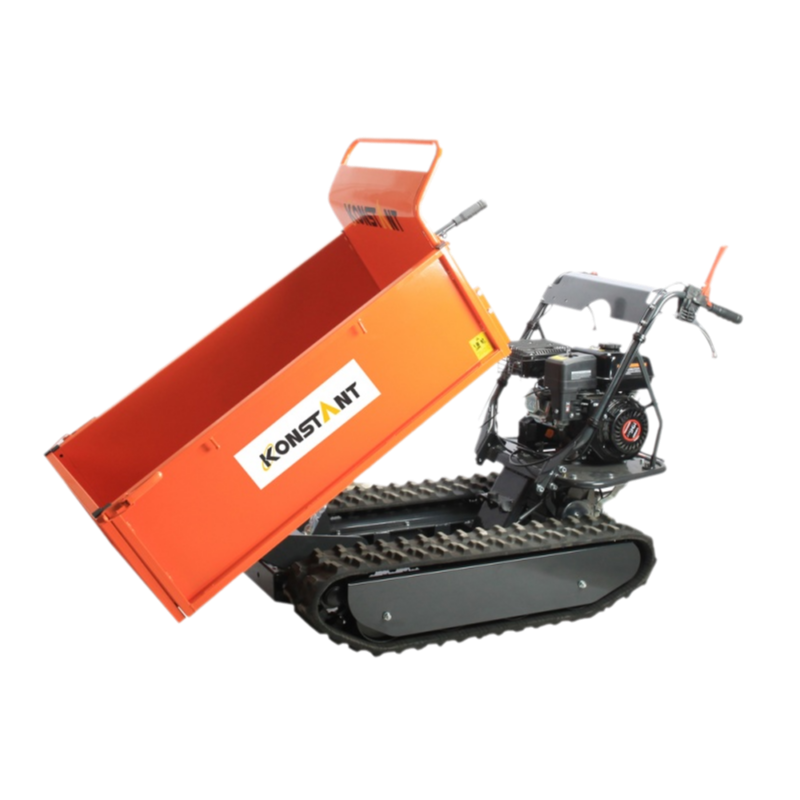
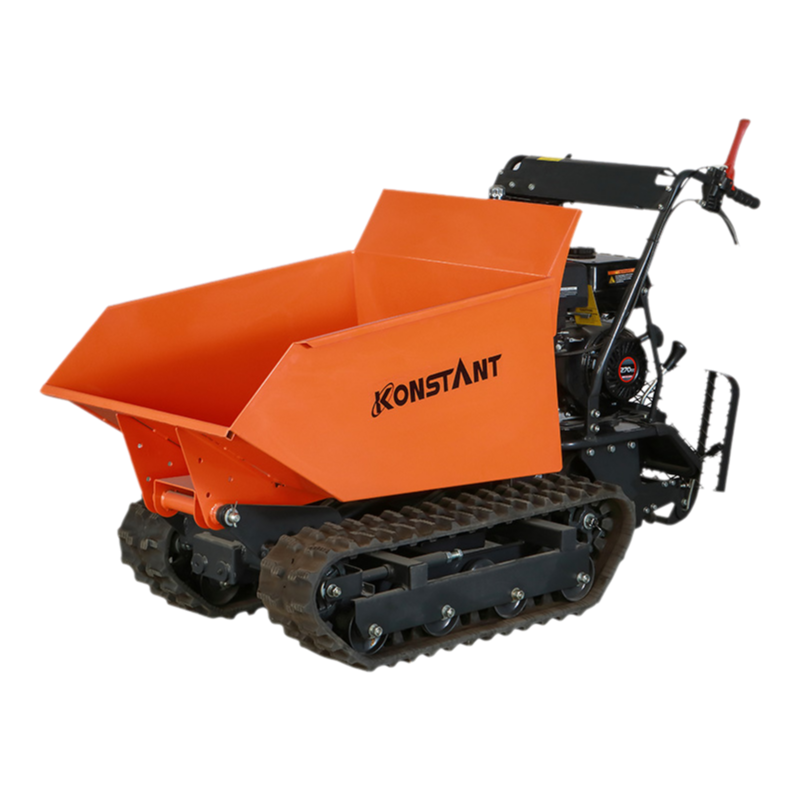
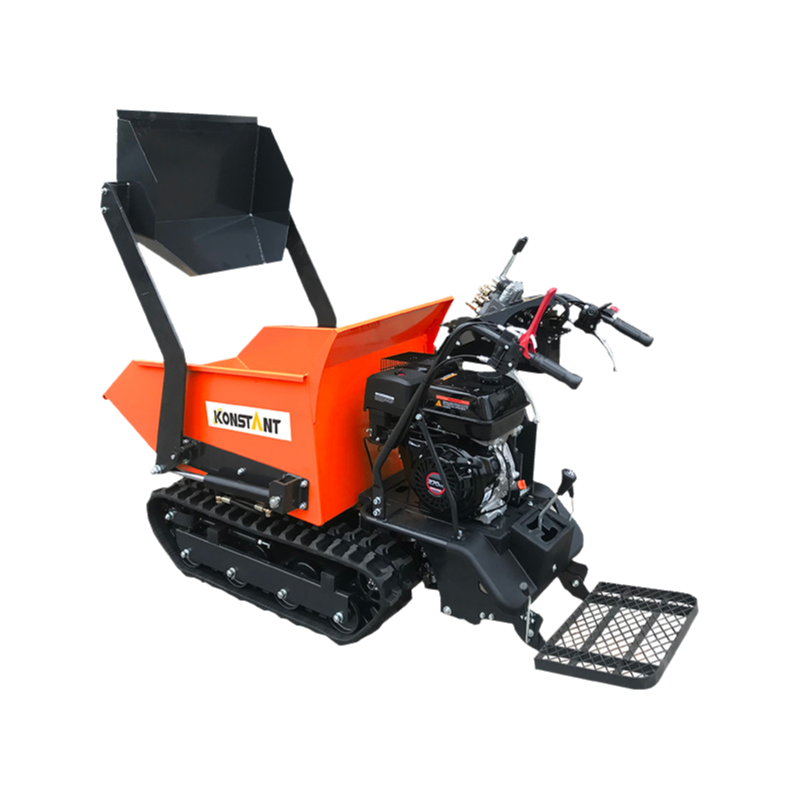
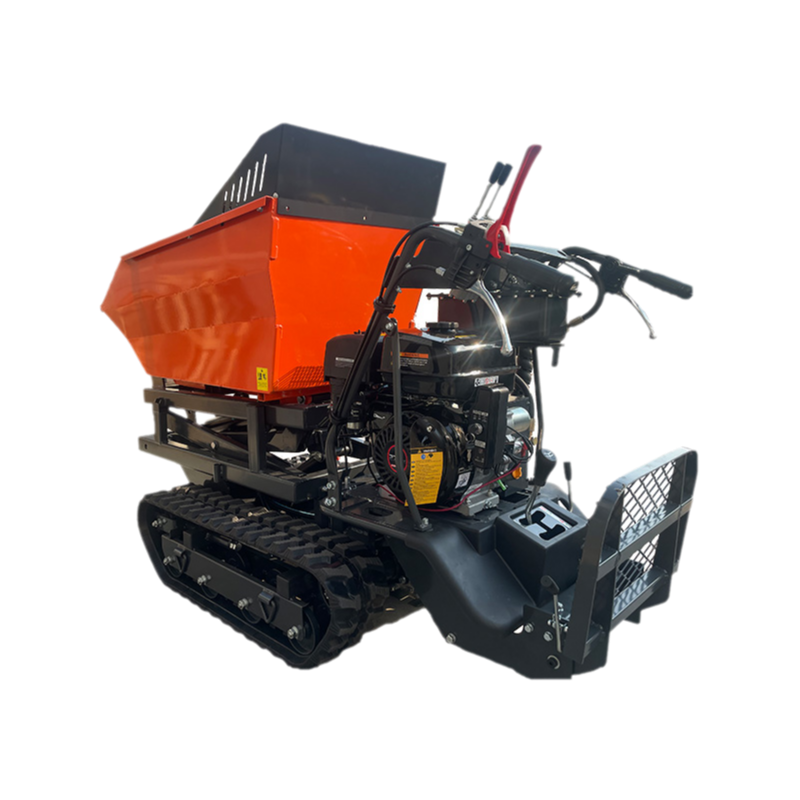
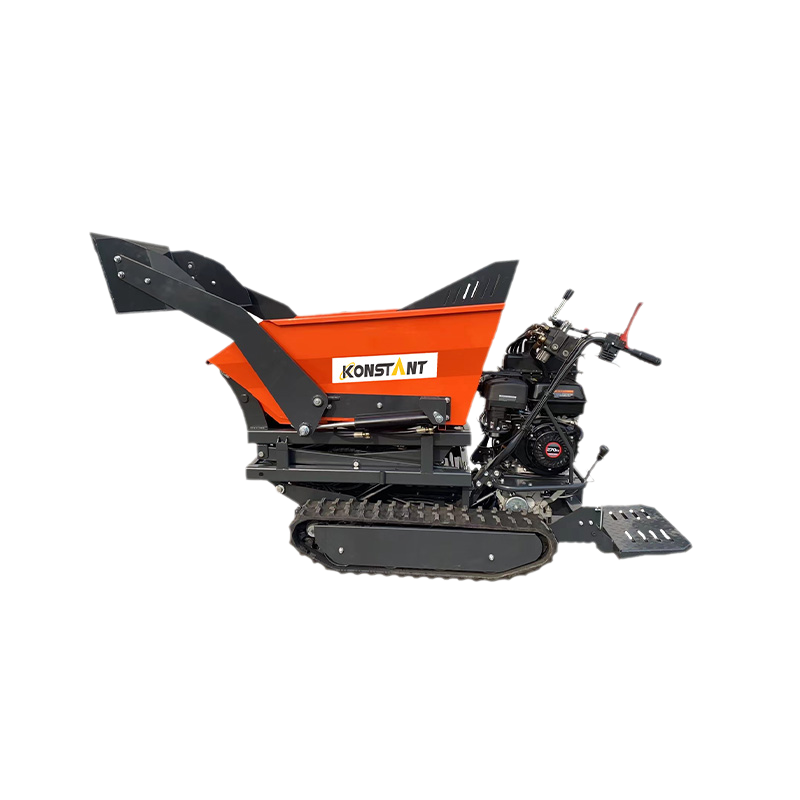
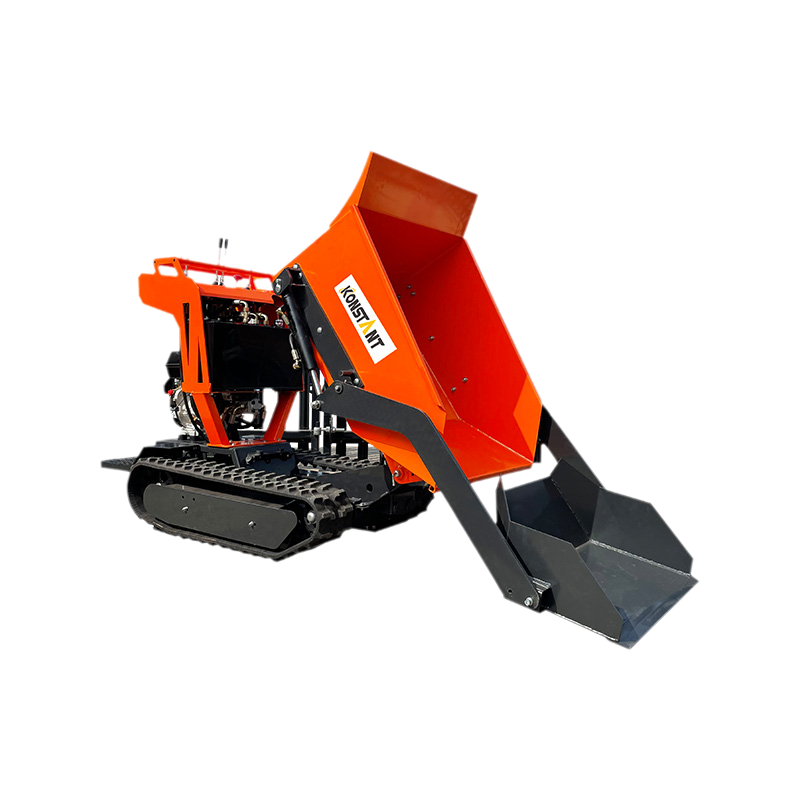
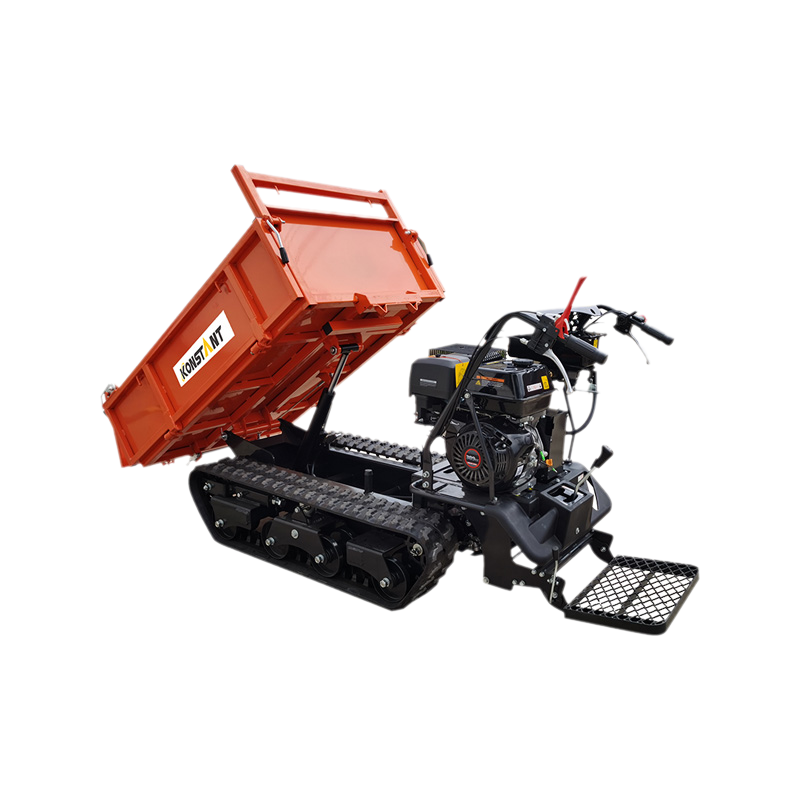
Provide you with the latest enterprise and industry news
What Makes an Electric Mini Dumper Right For You
Update:26-01-2026
Posted by Admin
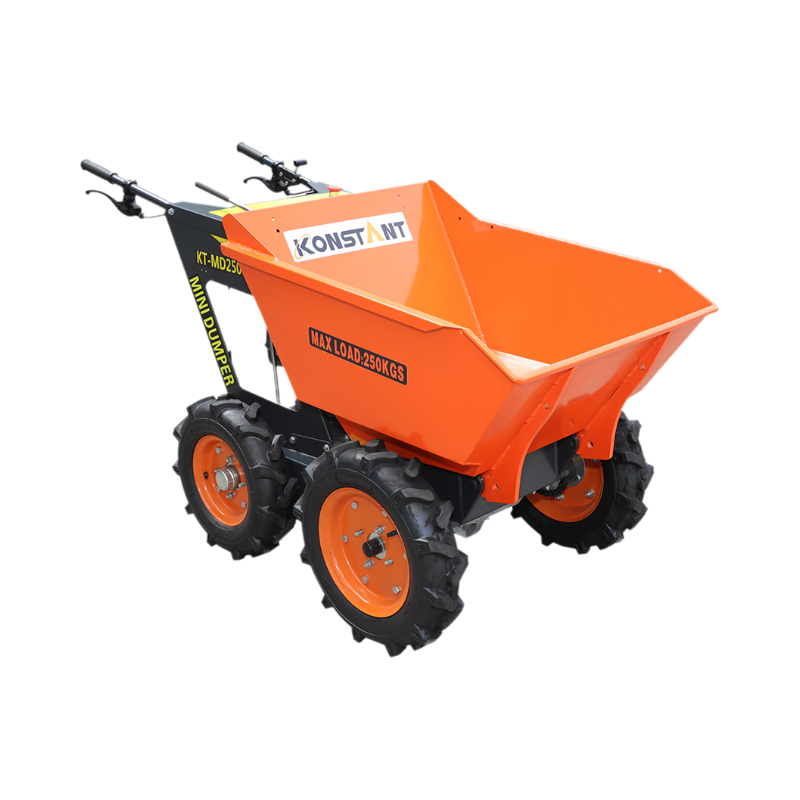
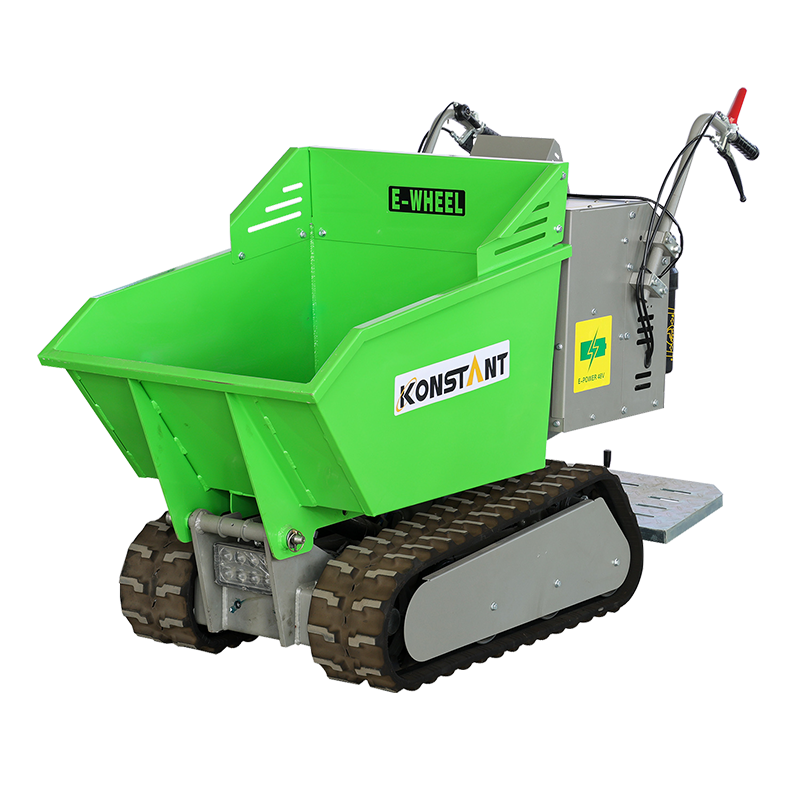
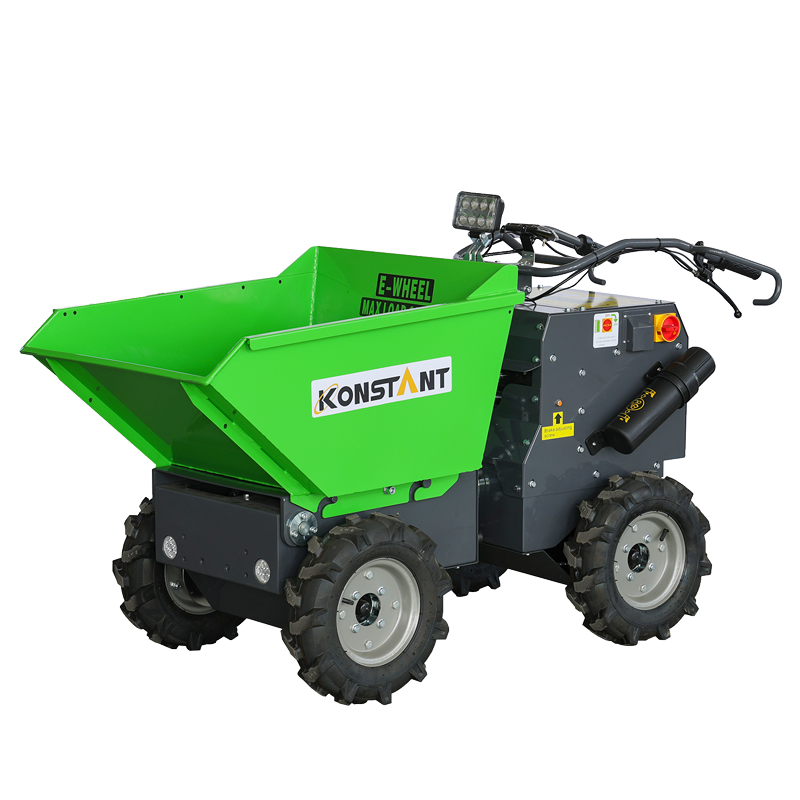
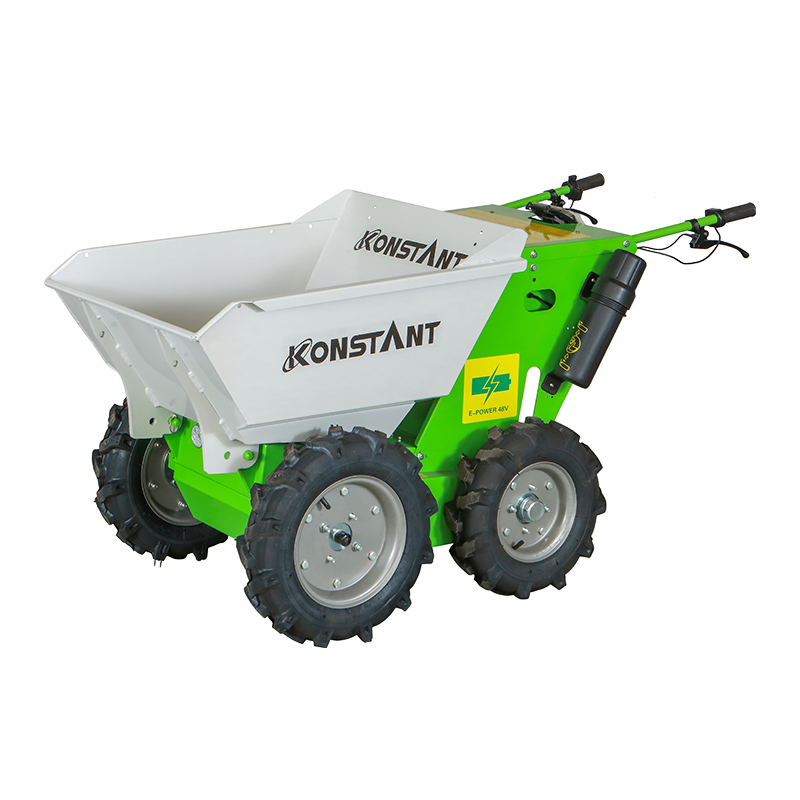
Electric Mini Dumper has become a go-to tool on tight, busy sites where moving material quickly matters but space and noise are a problem. Walk onto a small urban landscaping job and you'll see why: one machine hauling loads up narrow paths, while two crew members handle planting and edging. The swap from wheelbarrow to electric dumper isn't glamorous, but it changes the day — less backstrain, fewer trips, and fewer surprises.
I've seen three patterns repeat across jobs where these machines make a real difference. First, they cut repetitive manual labor; second, they fit into places larger machines can't reach; third, they reduce disruption — less noise, no fumes — which matters for inner-city or indoor work. Those are practical wins. Below I break down what buyers should check, how crews use the machines on site, maintenance habits that keep them running, and where they make sense.
Why now? Small sites are getting denser. Regulations on emissions and noise are stricter. Clients expect faster turnaround. An electric dumper answers all three: compact, quiet, and predictable. You don't need a diesel start-up ritual, you don't have to pause for ventilation when you work indoors, and neighbors are less likely to complain. That's why landscape crews, fit-out teams, and facilities managers are increasingly adding one to their toolkit.
What to check before you buy
Buying without a checklist is how mistakes happen. Here are the practical factors to verify:
- Load capacity and duty cycle — Know what a typical load looks like on your jobs and choose a machine rated slightly above that. Don't squeeze a unit to its limit every trip.
- Battery runtime and charging — Ask for realistic run-times under load, not just ideal numbers. Confirm charging time and whether fast-charge or spare battery options exist.
- Footprint and maneuverability — Measure doorways, alley widths and gate openings. A machine that can't reach your work area is useless.
- Dump type and control — Swivel or tip, remote or operator dump — match the control style to how your crew works. Swivel beds save time in tight spots.
- Serviceability — Check how easy it is to access the battery, motors and basic wear parts. Quick access keeps downtime low.
- Safety features — Automatic braking, dead-man switches, tilt sensors and good lighting make a machine safer in different conditions.
A quick example: a municipal landscaping contractor switched to an electric dumper after several projects stalled because trucks couldn't access yards behind houses. The dumper made single-operator runs feasible; the crew reduced labor from three people moving materials to one person operating the machine and one managing placement.
How these machines ease labor and scheduling
Manual hauling is predictable in the short run but inefficient at scale. One person pushing a barrow does two to three trips per hour over long distances; a dumper can do ten or more. That adds up fast.
Beyond trip count, think about fatigue. Repetitive lifting leads to slower pace and more errors late in the day. A dumper keeps load handling consistent. Foremen can schedule tasks more tightly because they know material will arrive at predictable intervals. In practice this means fewer idle workers waiting on material and more predictable daily output.
Where electric models outshine fuel models
Electric units aren't a universal replacement for all dumpers, but they excel in certain scenarios:
- Indoor renovation and demolition — zero exhaust, lower dust disturbance.
- Urban landscaping and heritage sites — noise limits and confined spaces.
- Multiple small sites — plug-in or swap-battery workflows beat lugging fuel.
- Warehouses and factories — indoor material handling that needs mobility but not massive load capacity.
If you're hauling very heavy or continuous loads on rough terrain for hours at a stretch, a fuel model may still be more appropriate. But for the use-cases above, the electric option often improves throughput and lowers hidden costs.
Maintenance tips crews actually follow
Good machines last longer when maintenance is practical, not theoretical. Here's a short, crew-friendly list:
Charge smart — keep batteries between about 20–80% where practical; avoid leaving them at 0% for long periods.
Clean after dusty jobs — dust builds up in motor vents and under frames; a quick wash keeps cooling working.
Check fasteners weekly — vibrations loosen bolts; a quick torque check prevents bigger failures.
Inspect wheels and bearings — small wear becomes wobble; replace sooner rather than later.
Keep a small spare kit — fuses, a portable battery, a wear-part (linkage) that's common to your model.
A field note: teams that include a two-minute checklist in the morning routine—lights, tires, battery state, strap integrity—report fewer mid-day surprises than crews who skip checks.
Common mistakes that slow projects down
- Overloading the machine because "it'll do one more run" — damages drive systems and shortens battery life.
- Skipping training — operator technique affects efficiency and safety. Investing half a day in training lowers accidents and preserves components.
- Ignoring charging logistics — running out of battery at peak time disrupts schedule; plan charge windows or have a spare battery.
- Poor storage — leaving batteries outside in cold or heat shortens their lifespan.
Practical purchasing approach
Buyers often think in terms of specs and price only. Instead, think in terms of "how will this change my workday?" Ask potential vendors:
- Can you show a site demo or a video of a similar use-case?
- What parts have the shortest times?
- Can the machine be set up for my specific tasks — e.g., different bed or fork attachments?
- What's the expected maintenance routine, and what does routine service cost per year?
If a manufacturer offers a site visit or trial run, take it. Seeing the machine do the job beats spreadsheets.
Where these machines get used
From recent projects I've seen, common sectors include:
- Landscape contractors (residential gardens, park rehab)
- Interior fit-out and remodel crews (flooring, debris removal)
- Facilities and campus maintenance (transporting materials across buildings)
- Small civil jobs (footpath repairs, small drainage works)
- Warehouses and light manufacturing (moving supplies without disrupting operations)
Each sector values slightly different features — a landscaper prioritizes maneuverability and quick dumps; a warehouse manager values predictable runtime and ease of charging.
Return on investment: how to think about it
ROI is not just about machine cost divided by hours. Include:
- Labor savings — fewer crew-hours on manual hauling.
- Faster cycle times — more tasks completed per day.
- Reduced worker injuries and associated costs.
- Fewer noise complaints or permit delays on sensitive sites.
- Lower fuel costs and cleaner emissions profile.
Even a modest increase in daily throughput can pay for a machine within a season on busy routes.
Final checklist before rolling it into service
- Confirm the actual working width and turning radius will fit the tightest access point.
- Verify charging power and where you will charge (portable generator vs site power).
- Set an operator training mini-session and a short maintenance routine.
- Decide on spare battery or charging windows to avoid unplanned downtime.
- Keep an inventory of common wear parts and a supplier with reliable times.
For projects where space is limited and efficiency matters, electric mini dumpers offer practical support every day. Choosing the right machine can make tasks smoother and more manageable.
Related products

Latest Updates
-
What Factors Influence the Choice of a Mini Dumper Power Barrow
Moving materials is a routine part of construction, landscaping, agriculture, renovation, and othe...
-
Can a Mini Petrol Power Dumper Replace a Traditional Wheelbarrow
Material handling rarely attracts much attention until it starts taking up a large part of the worki...

-
Welcome To Visit Us
No.30, Third Furong Road, Wuxi City, Jiangsu. 214100, China.
-
Call Us
Phone: +86 181-1889-1139
Phone: +86 181-1889-2139
-
Contact Us Online
E-mail: sales@konstantpm.com
E-mail: marketing@konstantpm.com
Copyright WUXI KONSTANT POWER TECH CO., LTD All Rights Reserved
 China Mini Dumpers Manufacturers Power Wheelbarrow Factory