
 English
 русский
 Français
 Español
 Deutsch

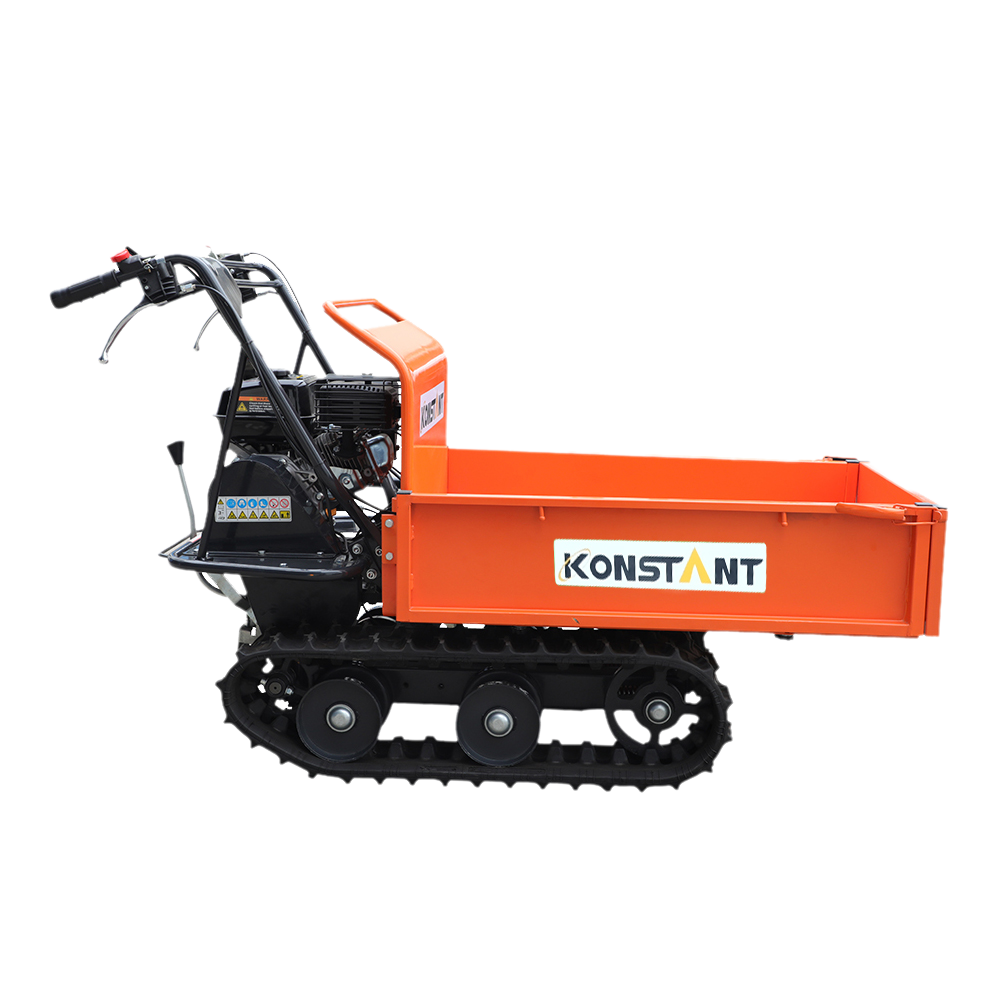
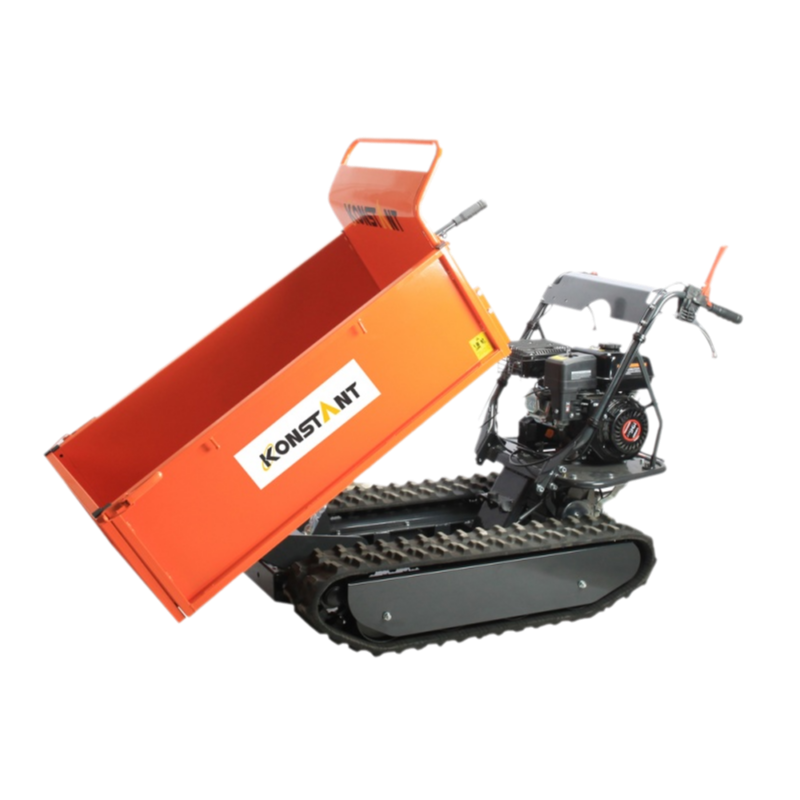
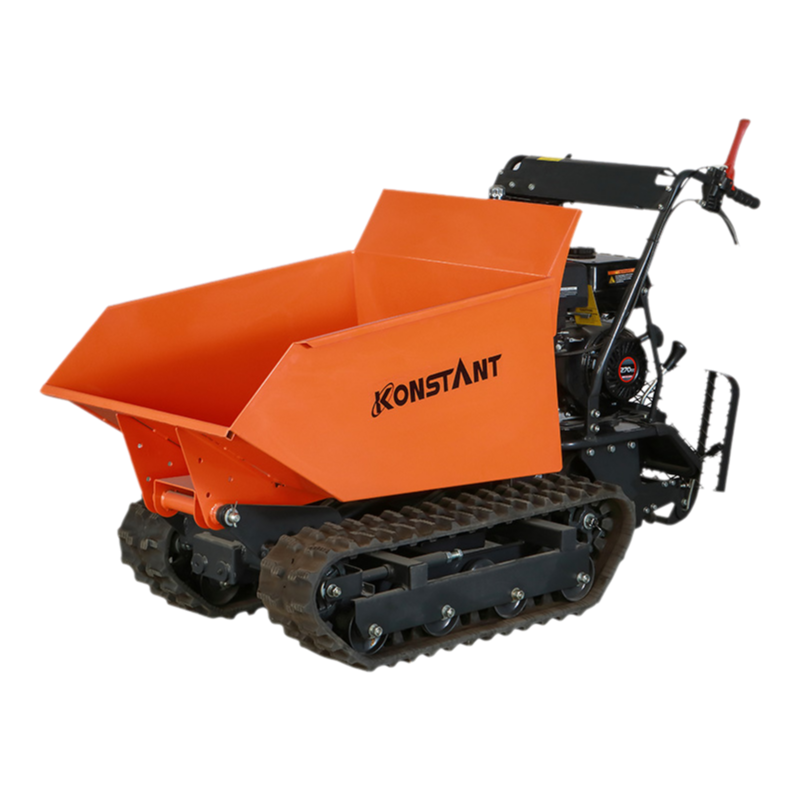
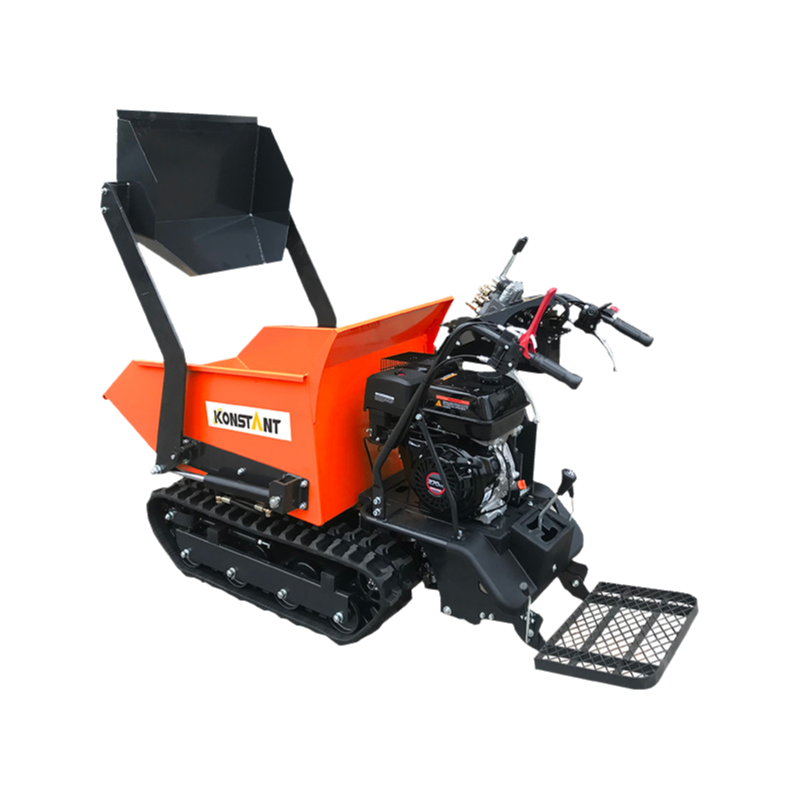
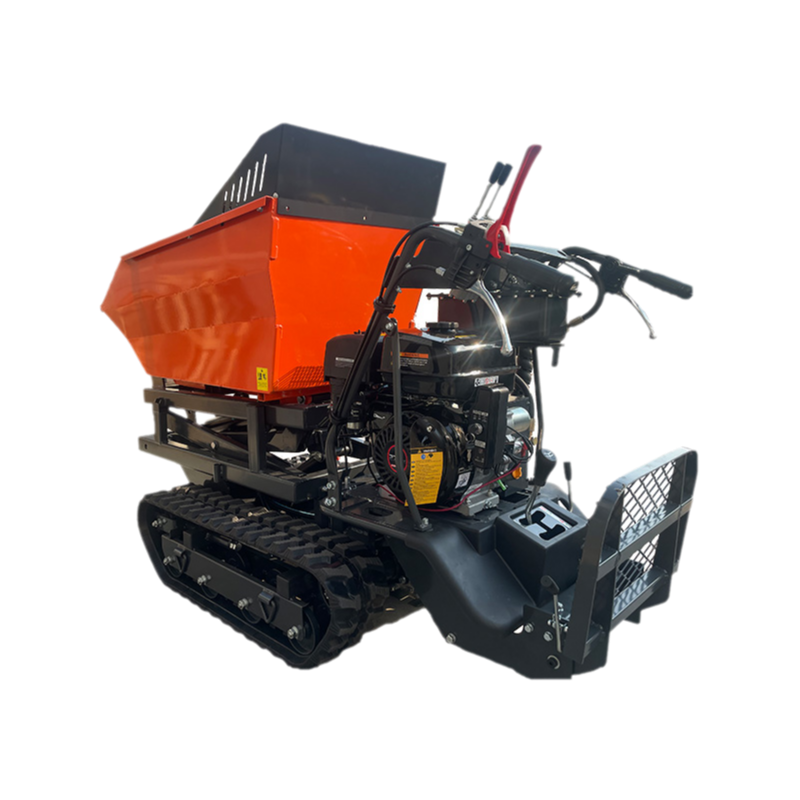
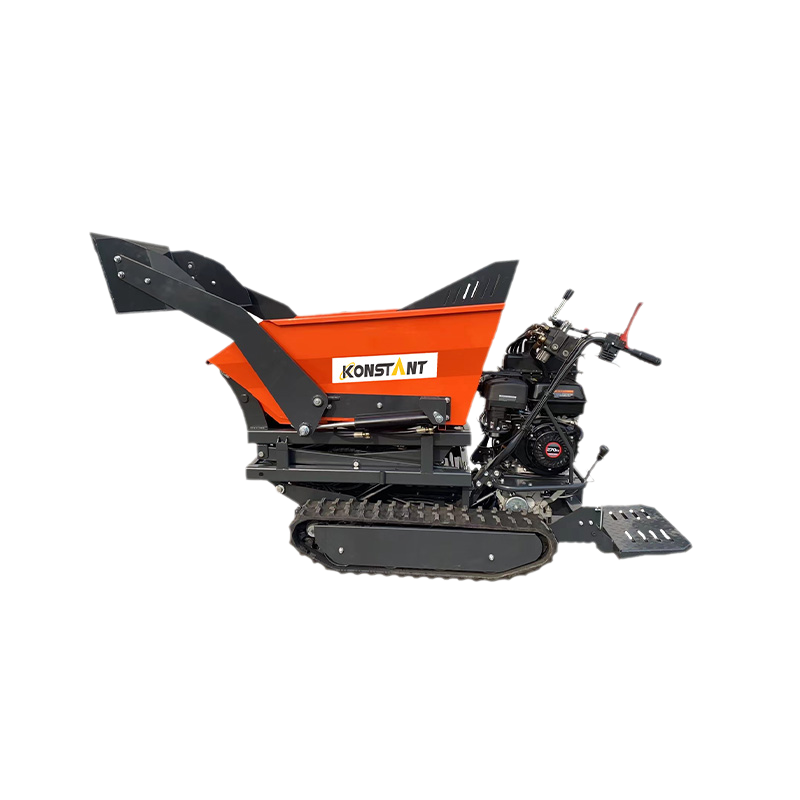
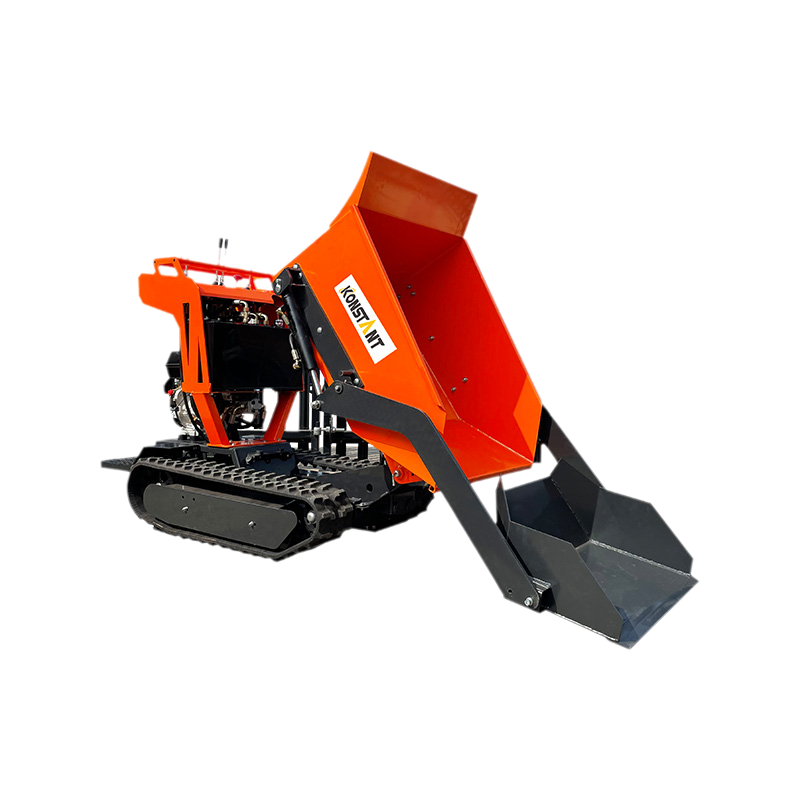
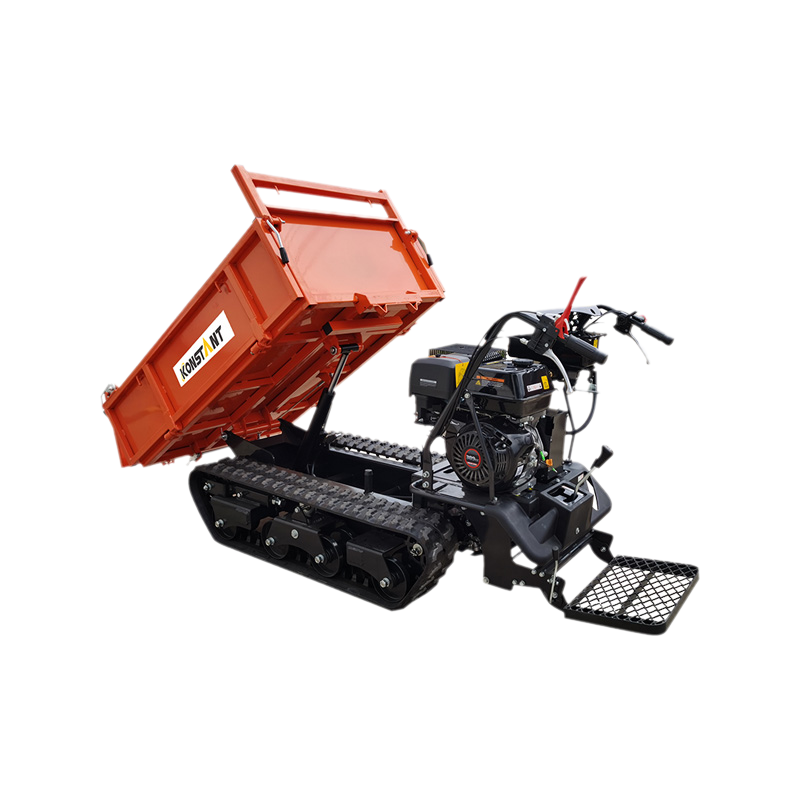
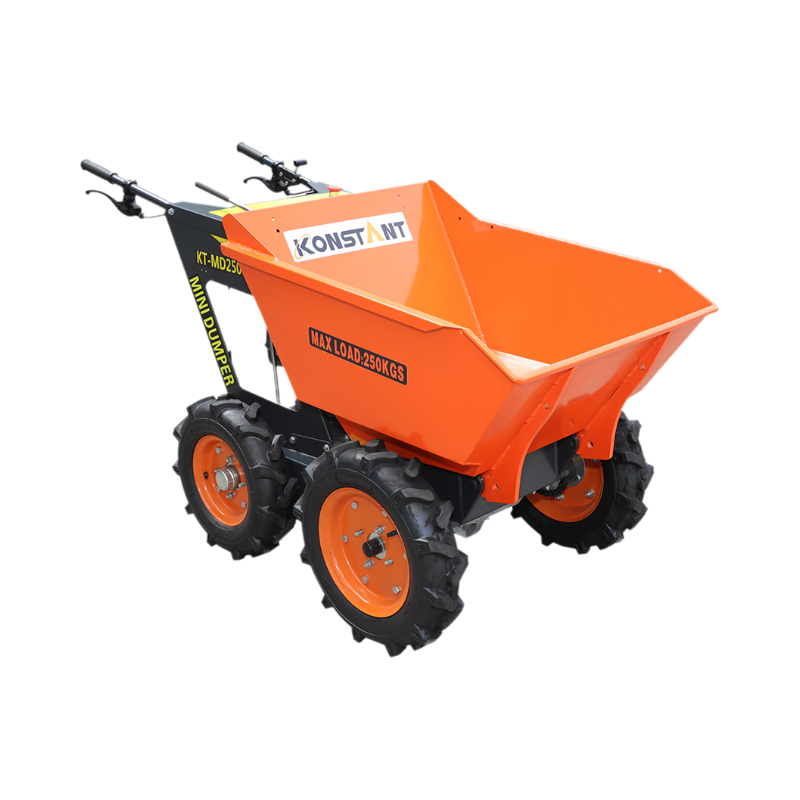
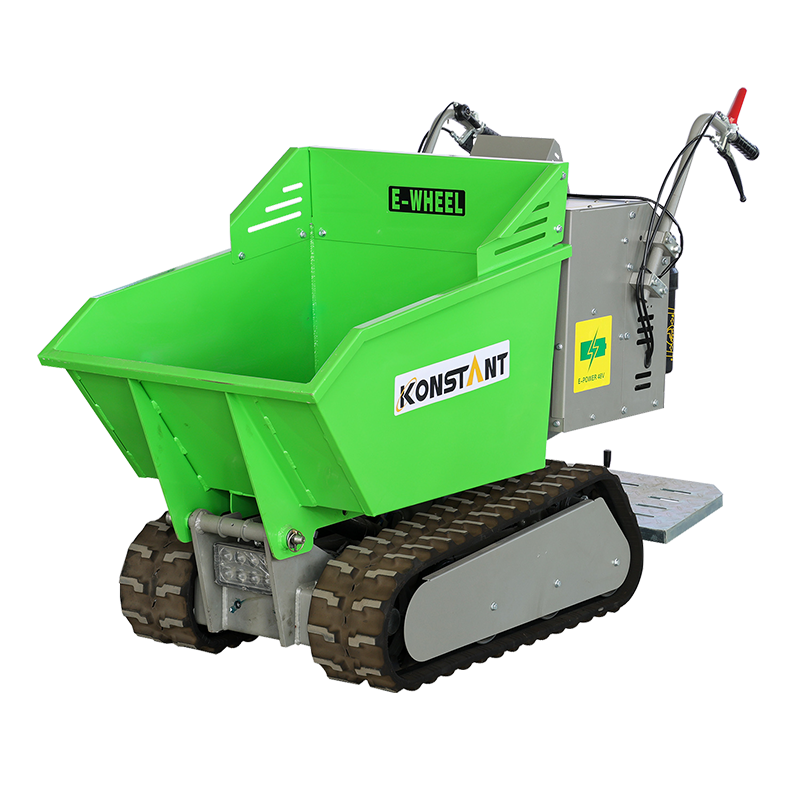
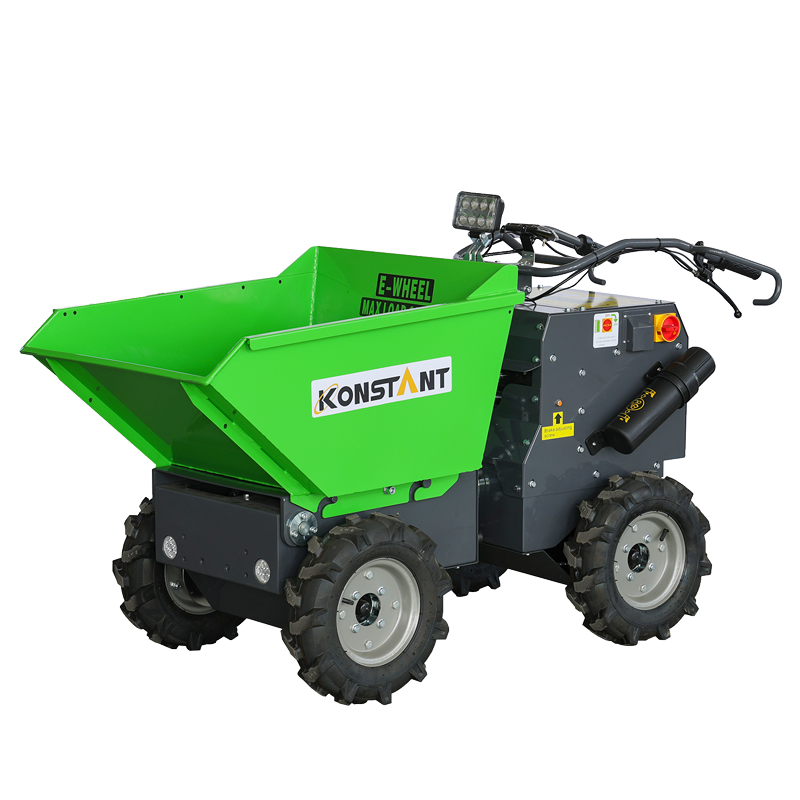
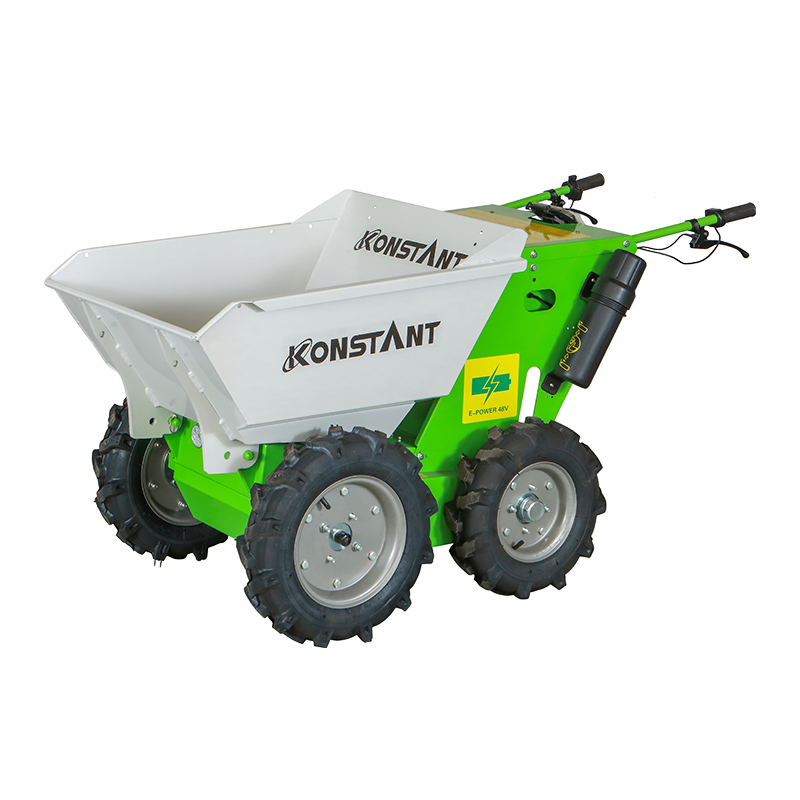
Provide you with the latest enterprise and industry news
What Factors Affect Choosing the Right Garden Loader
Update:23-01-2026
Posted by Admin
Content
Garden loaders have quietly changed how many people approach outdoor work. Whether you run a smallholding, manage a series of rental properties, or maintain an estate, a compact loader that can carry soil, compost, stone, or tools reduces manual strain and speeds up everyday tasks. But a garden loader is not a one-size-fits-all purchase. Choosing, operating and maintaining one so it pays back its cost means thinking through features, terrain, attachments, serviceability and long-term running costs.
Why a garden loader matters in real work
When people picture landscaping or light agricultural work they often imagine sweat and wheelbarrows. That image is rooted in history, but it misses how much a small machine can change the daily balance between labour and output. A garden loader takes the repetitive weight-bearing, hauling and tipping tasks off human shoulders. You still need skilled people to plan the work and operate safely, but the machine lets a two-person crew do what might otherwise require four or more.
The difference is not only speed. Consistency matters: predictable bucket fills, precise dumping, and repeatable routes across a plot reduce accidents and wasted time. A loader that stalls on a slope or chews through tyres becomes more trouble than help. The aim is to match machine capability to the tasks and conditions you actually face.
What to check before you buy
Start with honest answers to a few simple questions: how much weight will you move days; what ground will you use the loader on; how often will it be used; do you have access to fuel or charging infrastructure; who will service it?
Load capacity and lift height. These are headline numbers but consider their practical meaning. If you regularly move wheelbarrow loads of compost, a nominal load capacity of 300–500 kg might be plenty. If you are hauling bags of aggregate or palletised materials, look higher. Lift height matters when you need to tip into skips, small trailers or raised beds. A modest lift might be fine for back-garden tasks; larger farms need greater reach.
Powertrain: diesel, petrol, electric, or hybrid? Diesel engines give long runtime and torque for heavy loads, but they are noisy and need fuel handling and exhaust maintenance. Electric loaders are quieter, have lower day-to-day running costs and are friendlier to residential areas, but battery runtime and recharge logistics are real constraints — especially if you work far from mains power. If you consider battery, map out charging points, battery changeover plans, and seasonal temperature effects on capacity.
Maneuverability: wheelbase, steering type and turning radius. Tight beds, pathways and greenhouse access require compact machines with tight turning circles. Consider articulated steering for smaller footprint manoeuvres, or track-based loaders where soft ground is a problem.
Traction and ground clearance. If your worksite is mostly level turf, standard tyres may be fine. If you regularly cross slopes, clay, mud or rubble, four-wheel drive or tracked options increase safety. Low centre-of-gravity designs reduce tip risk.
Hydraulics and attachments. Look beyond the bucket: pallet forks, augers, flail mowers, sweepers and post drivers all expand a loader's usefulness. Make sure the hydraulic flow and coupling type match the attachments you plan to use. Quick-change couplers save time on site.
Serviceability. Check how easy access is to filters, belts, or battery packs. Machines that require specialised tools or full disassembly for routine maintenance cost more in labour. Spares availability locally matters; if suppliers are distant, even small failures add downtime.
Ergonomics and controls. Comfort matters on long days. Adjustable seats, clear instrument panels, and intuitive controls reduce operator fatigue and the chance of mistakes. Cab protection (ROPS/FOPS) and visibility over the working area should not be overlooked.
Environmental regulations and noise limits. In some residential zones and commercial contracts, diesel noise or emissions may limit machine use. Electric models can unlock early-morning or evening shifts without neighbour complaints.
Budget vs total cost. Don't buy solely on purchase price. Consider expected hours of operation per year, fuel or electricity costs, maintenance intervals, and likely resale value. A slightly more expensive machine that needs fewer repairs or gets better resale can cost less per hour over its life.
How garden loaders improve productivity on small farms and estates
A garden loader changes how you schedule work. Tasks that were once spread across several days — moving compost heaps, grading access tracks, feeding livestock bedding, clearing brush — compress into fewer machine-days. That opens windows for other productive work.
Think in terms of "round trips" and "time per trip": a loader that carries more in one trip and turns faster reduces the overhead per load. Also plan the sequence of operations: fill the bucket close to the source, take the straightest route to the dump point, unload with a clear approach and return while the bucket is empty. Avoid crossing work areas with a full load if doing so increases the number of manoeuvres.
Attachments multiply value. A standard bucket will do work, but pallet forks transform a loader into a short, compact forklift for moving pallets of feed or pavers. A grapple bucket handles brush and tree prunings; a stump grinder or post hole auger reduces subcontracted work. When choosing a loader, consider the attachment ecosystem: does your brand of machine support the tools you plan to add?
Labour allocation improves, too. One operator with a reliable loader plus a helper achieves higher, safer throughput than a team of labourers carrying barrows. For seasonal peaks — planting, harvest or clearance — temporary hires can be trained faster on a loader than to perform skilled manual lifting repeatedly.
Recordkeeping: measure. Track hours per task and cost per hour for the loader versus manual labour. That data lets you see the loader's real contribution and decide whether to expand capacity later.
Which models suit uneven or challenging terrain
Ground conditions drive the selection as much as load capacity. For soft or unstable soil, tracked loaders distribute weight and reduce ground compaction. Tracks also give traction on slopes and wet conditions. Their downside is higher initial cost and more complex undercarriage maintenance.
Wheeled loaders are versatile and faster on hard surfaces. Choose larger, treaded tyres for muddier sites. Look for machines with differential locks or selectable drive modes: they help regain traction when a wheel slips.
Low centre of gravity and a low-mounted engine improve stability on inclines. Counterweight design matters: a machine that carries its counterweight poorly can feel unstable when the bucket is raised.
Think about the bucket geometry. A deep, narrow bucket concentrates load higher than a flatter, wider bucket. For tipping stability on slopes, keep loads low and as central as possible. Some loaders offer hydraulic self-levelling buckets that keep the load stable at different angles — useful where you dump into trailers of varying height.
A practical tip: test the machine on the type of ground you'll typically use. Ask dealers for trial sessions with a representative load. If trials aren't available, inspect local users' machines in similar conditions. The test will reveal tyre choices, track behaviour, and how hydraulic response feels when loaded.
When to upgrade or replace a garden loader
There's no single age at which a loader should be retired. Watch for operational signals: a steady increase in downtime, rising repair costs, reduced fuel or battery efficiency, or incompatibility with new attachments are signs that an upgrade may pay.
Consider the cost of "emergency repairs" versus planned replacement. If you find you're replacing components regularly — hydraulic pumps, major engine repairs, or structural issues — the cumulative cost and downtime might justify investing in a new machine.
Also consider expanding needs. If you add landscaping contracts or broaden your farming work to heavier materials or more diverse attachments, the old machine might be the bottleneck. Upgrading lets you increase capacity, improve safety features and benefit from quieter, more efficient powertrains.
Keep an eye on technology shifts. Electric drivetrains have matured quickly: battery chemistry is improving, and chargers are more common. If you operate in noise-sensitive areas, moving to electric may open business opportunities that diesel machines do not.
Timing matters: buying at the end of a model cycle often yields good trade-in values and favorable pricing. Plan replacements to avoid peak season gaps; schedule procurement in quiet months and arrange training before busy periods.
Maintenance routines that preserve machine life
A garden loader's longevity is mostly in routine care. Set up a maintenance log and follow manufacturer schedules for oils, filters, hoses and hydraulic checks. Small preventive actions will prevent big failures.
Daily checks: visual inspection for leaks, secure hoses, correct tyre pressure, clean air intakes, and visible damage. Run the loader for a few minutes and listen for odd noises.
Weekly checks: hydraulic fluid level, battery terminals (or electrolyte levels where applicable), grease points, bolt torque on major mounts, and quick visual inspection of attachment couplers.
Monthly or seasonal: change hydraulic filters and engine oil, check belts, inspect track tension and wear, and test the safety systems — brakes, emergency stops, roll-over protection structure,and load limiters.
Battery care: for electric loaders, battery state-of-charge and temperature management are critical. Avoid deep discharges where possible. Keep batteries at stable temperatures in storage and follow charge protocols that minimize degradation — typically slow, full charges rather than repeated rapid top-ups where the manufacturer advises against it.
Storage: store under cover or in a dry, ventilated area. For winter, prepare the machine by stabilizing fuel, circulating lubricants, and safeguarding batteries per the manual.
Spares and filters: keep a small stock of commonly replaced parts — fuel and oil filters, a set of belts, a hydraulic seal kit — to reduce downtime. If you operate several machines, consider shared spares between models where possible.
Training and operator habits: much wear comes from unskilled use. Train regular operators in steady throttle use, avoid overloading the bucket, and correct attachment changes. A 5–10-minute daily briefing can save hours of repairs later.
Operating a garden loader safely and efficiently
Safety is non-negotiable. Several straightforward practices keep operators and bystanders safe:
- Pre-start checks. Walk around the machine. Look for leaks, loose pins, or damaged guards. Ensure the cab or station is clean and controls are unobstructed.
- Seat and belts. Adjust the seat so you have full visibility and reach. Fasten seatbelts if the machine includes them.
Load management. Never exceed rated capacity. Keep loads low and close to the centre of the chassis when moving. When driving on slopes, drive slowly and keep the bucket lowered if possible. Ascend and descend slopes facing uphill and downhill appropriately; avoid lateral travel on steep side slopes.
Attachment safety. Secure pins and hydraulic couplers; check locking mechanisms. Ensure attachments match the hydraulic flow specifications.
Ground awareness. Be aware of soft patches, holes and hidden obstructions. Use a ground spotter for blind manoeuvres or near people.
Shutdown and lockout. When leaving the machine, lower the bucket, apply the park brake, and remove keys. For maintenance, follow lockout procedures: isolate power or relieve hydraulics and block moving parts.
Emergency planning. Have a plan for rollovers, spills and fire. Keep a aid kit and a fire extinguisher on site, and brief crew on emergency steps.
Efficiency in operation often pairs with safety: smoother acceleration, measured braking and planned routes reduce wear and risk.
Attachments and how they change the game
A garden loader's bucket handles general work, but attachments are where you see real flexibility. Common attachments include pallet forks, grapples, augers, sweepers, snow blades and mowers. Each attachment brings its own considerations.
Coupling systems. Quick-change couplers let you swap attachments in minutes. Ensure hydraulic quick couplers have dust caps and confirm that the hydraulic pressure and flow match the attachment's needs. Mismatched hydraulics can damage tools and cost service hours.
Attachment weight and balance. Some attachments change the loader's centre of gravity. A heavy grapple at full reach will affect stability. Consult the load chart for your machine to ensure safe operation with each attachment.
Attachment maintenance. Keep cutting edges sharp, grease pivot points, and check for cracked welds. Poorly maintained attachments accelerate loader wear.
Match attachments to job planning. For jobs that need frequent sweeping, use a dedicated sweeper rather than improvising. The right tool reduces time, energy use and risk.
Cost of ownership: how to think about value
Initial purchase is just the start. Think in terms of cost per operating hour. Include fuel or electricity, maintenance, tyres or tracks, insurance, and anticipated downtime. Recording actual fuel and service costs over the year gives clarity.
Resale values. Brands with broad aftermarket support and known reliability keep value. Consider how long you plan to keep the machine and whether a later resale will offset some purchase cost.
Hire vs buy. Many operators hire for short-term peaks. Buying makes sense when utilisation is regular and the machine reduces contracted labour. If you have irregular work, compare hire rates plus transport against ownership costs. Some owners hybridise: keep one core machine and hire specialised attachments.
Insurance and compliance. Insure against theft and accidental damage. Make sure operators are trained and records present for compliance and to keep premiums reasonable.
Troubleshooting common issues
Hydraulic sluggishness. Check fluid level and filter condition. Air in the system from leaks at couplers can cause chatter and slow response. Bleed the system where applicable and replace old fluid by schedule.
Overheating. Dust and debris around radiators and vents can reduce cooling. Clean intakes and ensure fans run correctly. On battery machines, keep thermal management systems clear and batteries in recommended temperature ranges.
Electrical gremlins. Corrosion at connectors and battery terminals is a frequent culprit. Clean and coat terminals with dielectric grease where the manual allows.
Tyre wear or track issues. Uneven wear often points to alignment or imbalance. On tracks, tension and carry rollers are key maintenance points.
Starter or charging issues. For combustion engines, check starter solenoid and battery integrity. For electrics, confirm charger operation and battery communications.
Document problems and fixes. Patterns emerge and can point to deeper defects like control valve wear or manufacturing issues.
Practical checklists you can use
Daily operator checklist (quick):
- Walk-around visual check
- Tyre or track condition and pressure
- Fluid levels (engine oil, hydraulic)
- Grease points glance
- Attachment pins secured
- Controls free and smooth on startup
- No unusual smells or smoke
Weekly maintenance checklist:
- Full grease of recommended points
- Battery terminal clean/check
- Hydraulic leaks inspection
- Air intake clean
- Tighten visible loose bolts
Monthly/seasonal checklist:
- Oil and filter changes as per hours
- Hydraulic filter replace
- Track tension and wear check
- Coolant system check (engine machines)
Structural welds and load-bearing pin inspection
Keeping these simple lists near the machine helps operators do the right thing without delay.
Case stories — what went right, what went wrong
A landscaper with a compact fleet of small loaders repurposed a pallet fork set when they took on a block paving job. Because the forks were the right size and quickly couplable, they shifted pallets fast and finished ahead of schedule. The lesson: think through the attachment ecosystem before tendering work.
A small farm bought an electric loader for its quiet operation. It was ideal for early morning bedding and feed runs in mixed housing. However, they had not planned for battery swap logistics during harvest week. The result: some days of lost productivity. They solved this by adding a second battery pack and a small portable charger, which reduced the bottleneck.
A contractor used a wheeled loader on clay slopes and found it frequently stuck. After switching to a tracked unit and changing the work plan to reduce lateral slope travel, downtime fell significantly. The lesson: initial investment in the right machine for terrain pays off fast.
Garden loaders are powerful tools when matched to the right tasks. Think beyond the sticker price. Evaluate how a loader affects everyday workflows, labour allocation and safety. When selecting, prioritise the real-world conditions you face: ground type, load type, run time, noise constraints and available servicing.
Plan the logistics for attachment compatibility, battery charging or fuel supply, and parts sourcing. Train your operators, create maintenance rhythms, and keep simple checklists close to the machine. When you plan with these practical details in mind, a garden loader becomes more than a machine — it becomes reliable capacity on your site that helps you finish work faster, safer, and with less fuss.
Related products

Latest Updates
-
What Makes a Small Tracked Dump Truck Practical for Construction Work
Short-distance movement of soil, sand, gravel and demolition debris is a constant requirement on man...
-
What Causes Reduced Performance in an Electric Mini Dumper
Electric mini dumpers sometimes lose speed, range or climbing ability after a stretch of ordinary us...

-
Welcome To Visit Us
No.30, Third Furong Road, Wuxi City, Jiangsu. 214100, China.
-
Call Us
Phone: +86 181-1889-1139
Phone: +86 181-1889-2139
-
Contact Us Online
E-mail: sales@konstantpm.com
E-mail: marketing@konstantpm.com
Copyright WUXI KONSTANT POWER TECH CO., LTD All Rights Reserved
 China Mini Dumpers Manufacturers Power Wheelbarrow Factory