
 English
 русский
 Français
 Español
 Deutsch

Provide you with the latest enterprise and industry news
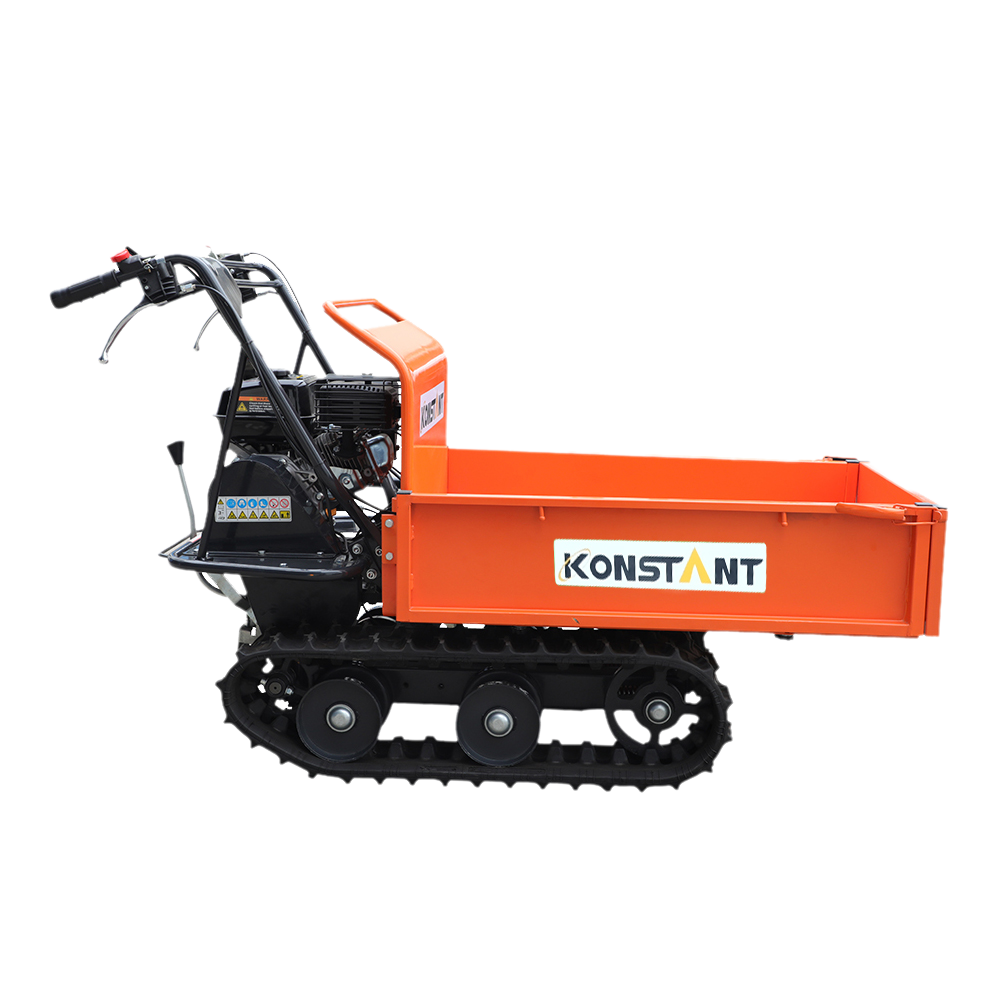
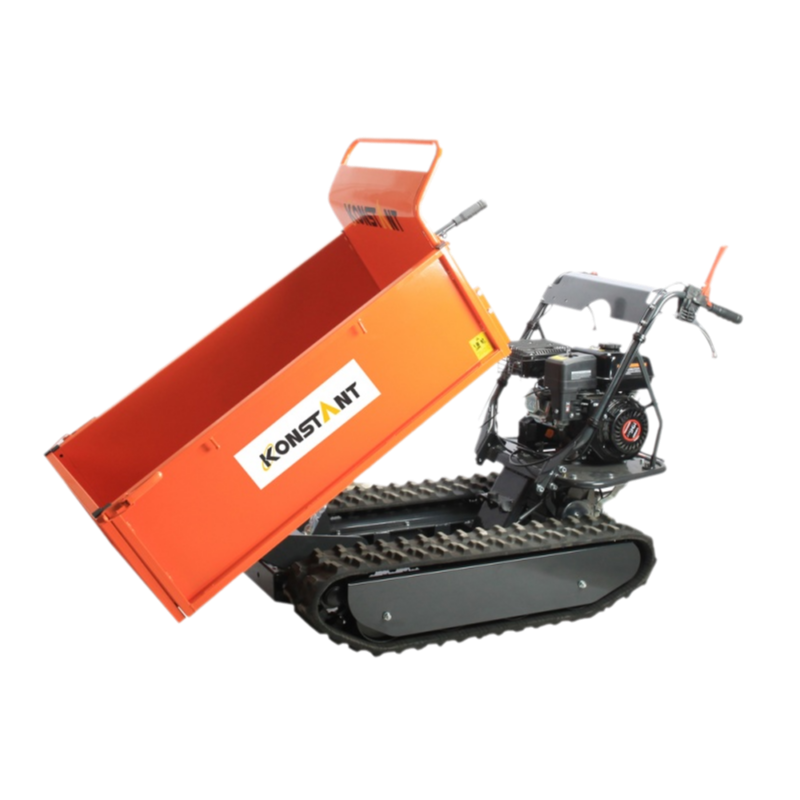
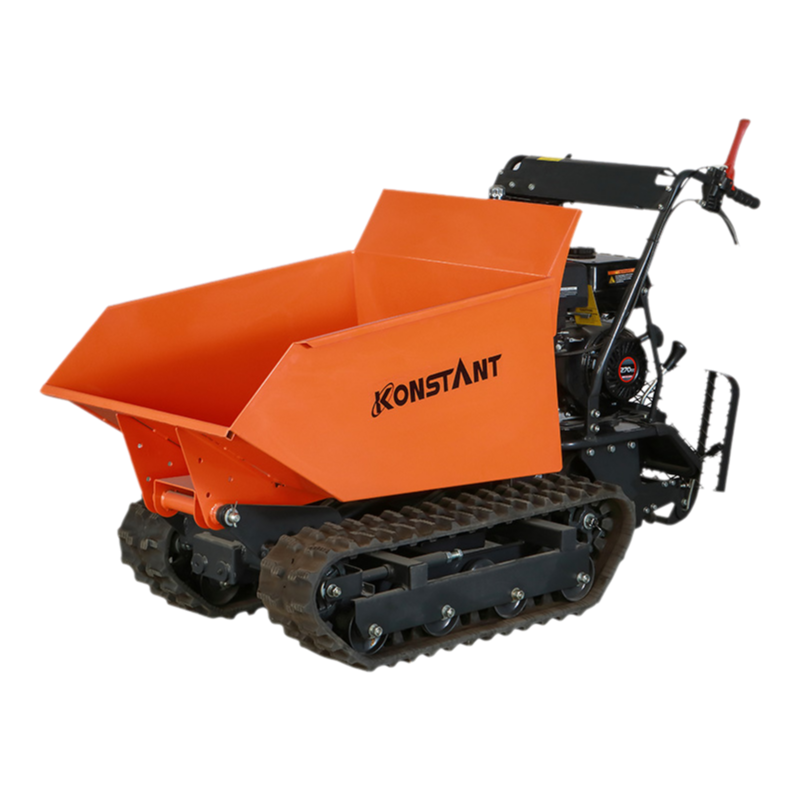
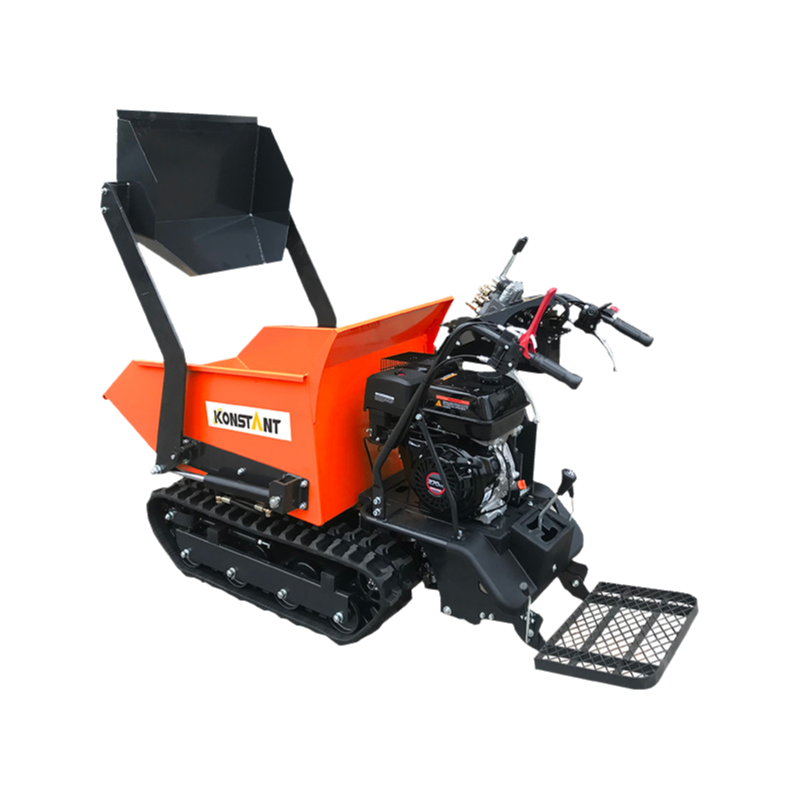
Which Construction Mini Dumper Fits Small Projects
Update:06-03-2026
Posted by Admin
Content
- 1 Practical Uses and Buying Considerations for Construction Mini Dumper
- 2 Why Compact Haulers Matter on Today's Sites
- 3 What Tasks Can a Construction Mini Dumper Handle on Modern Job Sites
- 4 How a Construction Mini Dumper Improves Material Transport Efficiency
- 5 Which Features Should Buyers Consider Before Choosing a Construction Mini Dumper
- 6 Why Construction Mini Dumpers Are Popular in Small Construction Projects
- 7 Where Construction Mini Dumpers Can Be Used Beyond Traditional Construction Sites
- 8 Practical Tips for Selecting the Right Construction Mini Dumper
- 9 Maintenance Considerations for Long Term Equipment Use
- 10 Future Trends in Compact Construction Transport Equipment
- 11 Case Studies and Practical Examples
- 12 Cost Considerations and Return on Investment
- 13 Buying and Rental Options
- 14 Questions to Ask Suppliers
- 15 Small Machine, Big Impact
Practical Uses and Buying Considerations for Construction Mini Dumper
Small jobs, tight sites, and the constant shuffle of materials — anyone who's run a small construction crew knows the rhythm. A Construction Mini Dumper isn't flashy, but it's one of those tools that quietly keeps that rhythm smooth.
Why Compact Haulers Matter on Today's Sites
Construction sites are changing. Urban infill projects, renovation work in older buildings, landscaping in gated communities — all of these require equipment that's compact, agile, and practical. Large dump trucks and bulky wheel loaders are invaluable on big sites, but they're overkill where access is restricted or where ground protection matters.
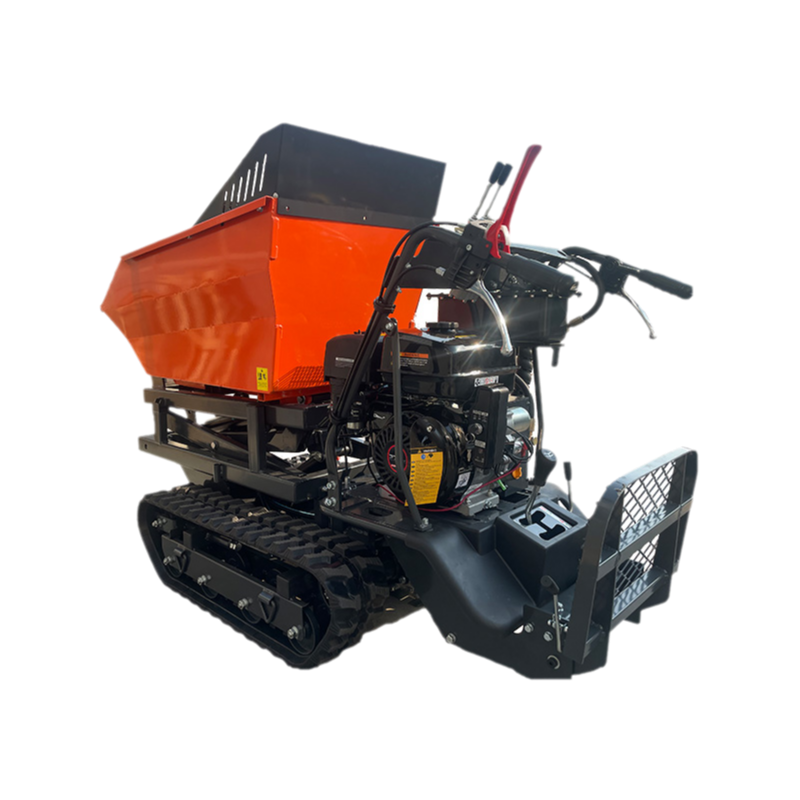
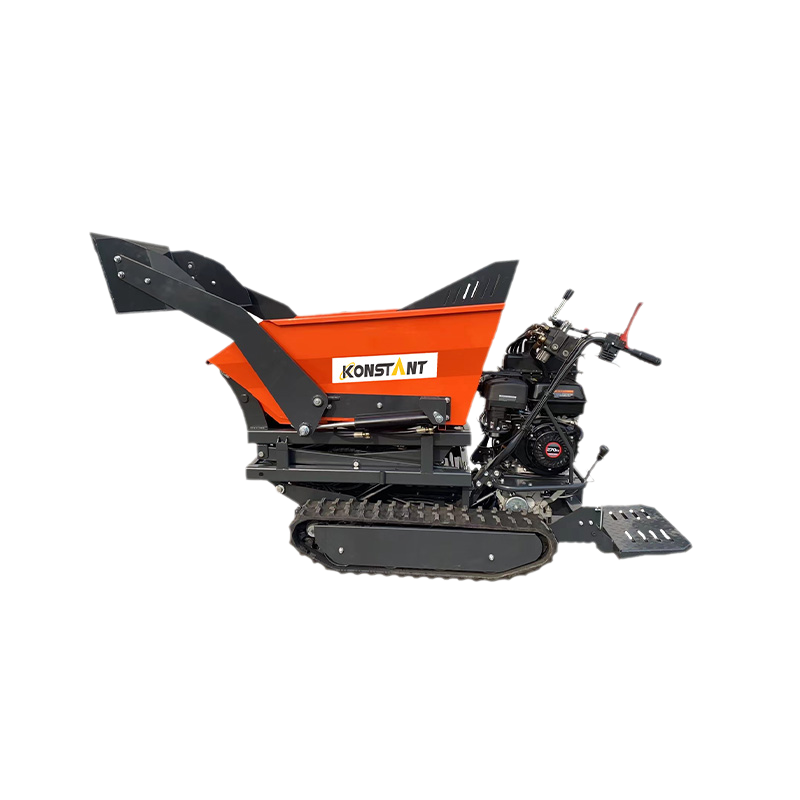
That's where the Construction Mini Dumper fits in. It's small enough to navigate narrow passages and light enough to cause minimal ground disturbance, yet it can move more than a handful of wheelbarrows'worth of material at once. For many contractors, it's the difference between a day spent hauling by hand and a day spent getting actual construction work done.
What Tasks Can a Construction Mini Dumper Handle on Modern Job Sites
Transporting loose materials quickly and safely
Sand, topsoil, crushed stone, and mortar — these are the materials that keep job sites moving. The mini dumper's bucket capacity and power let crews shift volume in a fraction of the time it would take by manual labor. For landscaping crews, that means moving cubic meters of soil without tying up several workers.
Debris removal after demolition or during site prep
After a small demo, rubble and waste pile up fast. A compact dumper clears that mess quickly, hauling debris to a designated skip or loading point. This keeps the work area safe and reduces trip hazards — which is good for productivity and compliance.
Supporting groundwork and utilities
Installing drainage, trenches, and footings often requires repeated movement of spoil and backfill. Mini dumpers ferry excavated soil away and bring clean material back on schedule. This is especially useful in tight street-front projects where large dumpers can't operate.
Internal transport in constrained or indoor sites
Some units are small and low-profile enough to be used inside partially demolished buildings, warehouses, or undercarriage work. When you can avoid bringing heavy equipment into a building, you also avoid structural or flooring damage.
Seasonal, non-construction uses
On top of building sites, these machines are effective for municipal and landscaping use — think snow clearing with a fitted blade, moving compost, or resetting turf on a sports field.
How a Construction Mini Dumper Improves Material Transport Efficiency
Less manual handling, more productive crews
A compact dumper replaces multiple wheelbarrows and several labor hours. That allows skilled workers to focus on skilled tasks rather than repetitive hauling. The productivity gains add up quickly: fewer worker-hours moved to manual transport means faster completion times and lower fatigue-related errors.
Faster, more predictable material flow
When material arrives to the right place at the right time, other trades can work uninterrupted. The dumper makes supply chains on site smoother: delivery point to point, on demand. The flow becomes predictable rather than a series of stop-and-go delays.
Handling rough and uneven ground without losing pace
Most units are designed to cope with mud, rubble, and slight gradients. Tracks or specialized tires keep the machine moving where a wheelbarrow would stall. That lets the crew maintain a steady pace even when conditions are less-than-ideal.
Reduced downtime tied to logistics
Having the right capacity on site means fewer trips to re-load, less queuing at central points, and a smaller chance that a bottleneck will stop the whole crew. That makes scheduling tighter and more reliable.
Which Features Should Buyers Consider Before Choosing a Construction Mini Dumper
Choosing the right model is a matter of matching machine features to the tasks on your projects. Below are the features that will affect your day-to-day experience:
Load capacity and bucket size
Match the dumper's payload to the materials you move. Heavy aggregates need more robust capacity; lighter volumes can be handled by smaller units. Don't over-spec on capacity if your projects are mostly tight-access jobs — a larger bucket is useless if it can't enter the site.
Engine type and emissions considerations
You'll find petrol, diesel, and increasingly, electric options. Diesel gives torque for heavy loads and longer runtime; petrol is often cheaper to buy; electric is quiet, emission-free at point of use, and suited to indoor or noise-sensitive sites. Consider local emissions rules, noise limits, and whether you'll charge the unit on site.
Mobility and steering
Do you need zero-turn capability, a tight turning radius, or tracks for terrain? Narrow-body models handle confined spaces better. Tracks distribute weight and reduce ground pressure, which is handy on lawns or soft surfaces.
Tipping mechanism and safety features
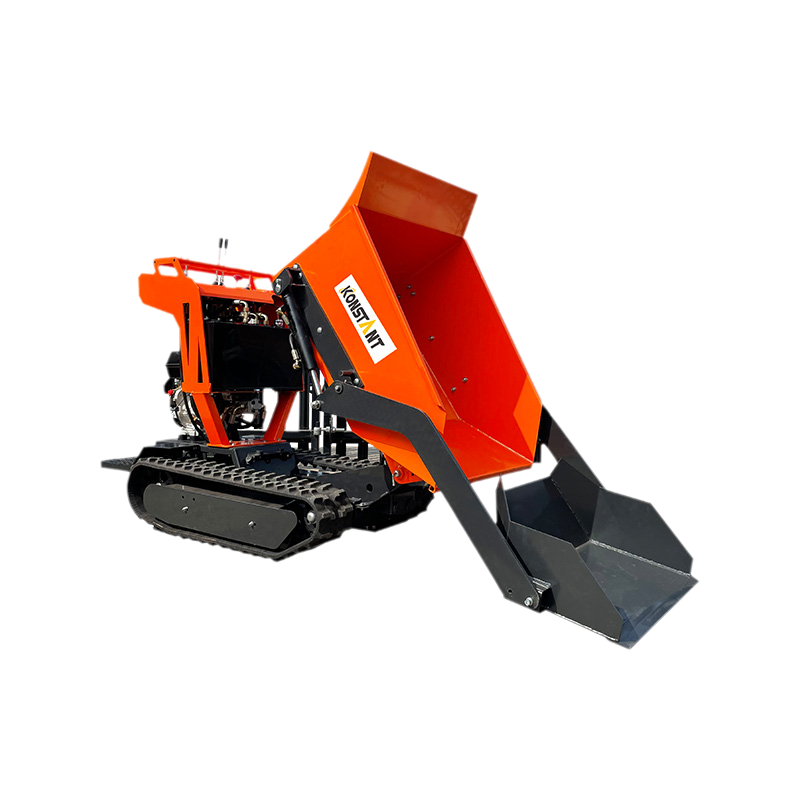
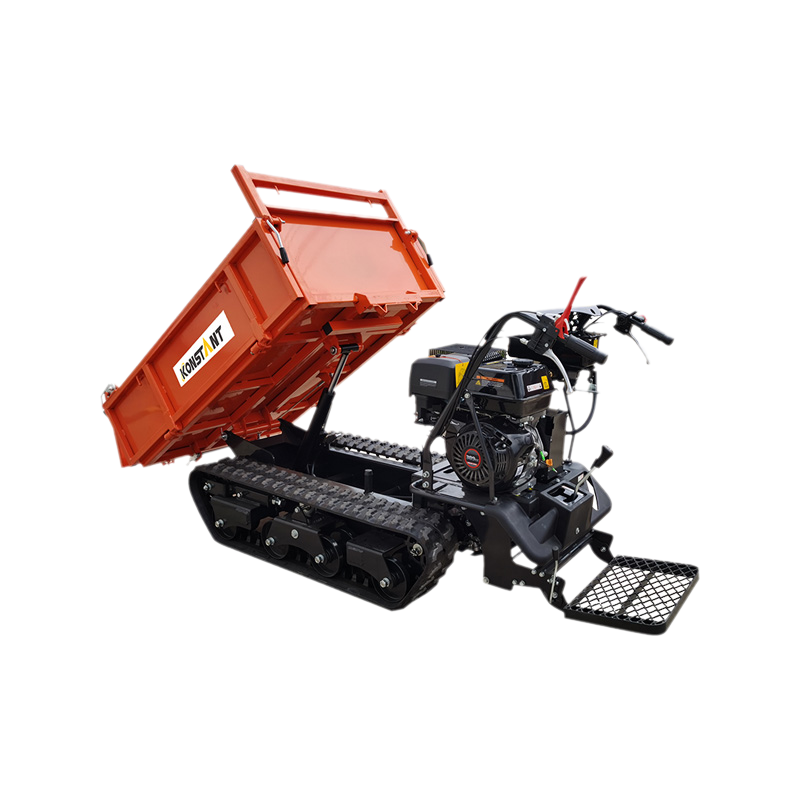
Look at dump height, angle, and whether hydraulic tipping is smooth and controllable. Safety features like emergency stops, backup alarms, interlocks, and secure operator platforms should be non-negotiable.
Durability and build quality
Steel thickness, reinforced joints, and quality welds matter. The machine will face abrasion from rocks and the impact of materials. You want a machine where wear parts are replaceable and where the manufacturer supplies spare parts reliably.
Maintenance accessibility and service network
Can you reach the engine, filters, and hydraulic components quickly for routine checks? Check the availability of authorized service centers and spare parts. A model backed by a responsive service network will save you long-term headaches.
Attachments and modular options
Many manufacturers offer attachments: hydraulic breakers, snow blades, conveyor belts, or specialized buckets. Having modularity extends the usefulness of the investment and reduces the need for multiple machines.
Why Construction Mini Dumpers Are Popular in Small Construction Projects
Suited to narrow access and urban sites
Many residential and renovation jobs take place where access is tight: narrow alleyways, closely spaced townhouses, or interior courtyards. A mini dumper fits where a full-sized machine simply won't.
Lower acquisition and operating cost
Compared with larger equipment, these units have lower purchase prices and consume less fuel. For small contractors, that's a major plus. Lower running costs mean you can keep rates competitive without compromising on throughput.
Ease of training and operation
Most models are simple to learn. You don't need an extensive license for many units, and operators become competent quickly, reducing training time.
Reduced site disturbance and ground compaction
Large machinery can damage finished surfaces and compact soil, which then requires remediation. A lighter machine with lower ground pressure helps preserve site surfaces and reduces extra repair costs.
Where Construction Mini Dumpers Can Be Used Beyond Traditional Construction Sites
Landscaping and garden work
From moving topsoil and compost to delivering decorative stone, these units are a landscaper's friend for medium and large gardens.
Agriculture and smallholding tasks
Moving feed, hauling muck, or shifting planting soil — compact dumpers are handy in barns and greenhouses where space and access are limited.
Municipal tasks and public works
Park maintenance, street repairs, and tree-planting crews benefit from compact material handling that doesn't block sidewalks or require heavy-lift equipment.
Industrial and warehouse settings
On large sites with internal repairs or ongoing refits, a small dumper can shift ballast, move debris, or feed materials across a factory floor without interrupting operations.
Practical Tips for Selecting the Right Construction Mini Dumper
Here's a checklist that will help you pick the right machine for your fleet:
Assess your site conditions
Make a site survey: note narrow points, surface types, inclines, and the average length of material runs. If you expect a lot of climbing or soft ground, prioritize traction and power.
Match the size to the task
Choose a capacity that reduces trips but remains practical for site access. A machine too big is unusable in narrow sites; too small and you'll be stuck doing more trips.
Consider fuel type and running costs
Electric models reduce onsite emissions and noise and are good for indoor or noise-sensitive work. Diesel or petrol models offer range and torque. Factor in fuel or electricity availability on your sites.
Look at ease of transport
Will you move the dumper from site to site daily? Check dimensions for tipping onto trailers and ease of loading — tie-down points and compact stances help.
Prioritize safety and operator comfort
Choose ergonomic controls, visibility from the operator station, and safety interlocks. Comfortable operators are less prone to error.
Evaluate the aftermarket support
A responsive parts supply and an accessible service network reduce downtime. Ask for times on filters and hydraulic components.
Read real-world feedback
Reviews from other businesses are gold. Ask peers about runtime, common faults, and how quickly their provider fixes problems.
Maintenance Considerations for Long Term Equipment Use
Good maintenance keeps a machine earning money rather than costing it. These practices will extend life and reliability:
Daily checks
Start each shift with visual inspections: tyres or tracks, hydraulic lines, bucket condition, and fuel/oil levels. Catching wear early prevents bigger breakdowns.
Hydraulic system care
Keep the system clean and use recommended fluids. Check fittings and seals for leaks and replace worn hoses. Overlooking hydraulics causes operational failures and safety risks.
Track and tyre maintenance
Tracks require tension checks and cleaning from debris; tyres need pressure checks and inspection for cuts. Replace promptly if damage compromises safety.
Bucket and wear parts
Edges, teeth, and scuff plates wear. Swap worn parts before damage propagates to the frame.
Scheduled servicing and record-keeping
Follow manufacturer service intervals for filter changes, fluid swaps, and adjustments. Keep maintenance logs — they help in resale and warranty claims.
Future Trends in Compact Construction Transport Equipment
A few developments are worth watching:
Electrification and quieter sites
Battery power is increasingly viable. Expect longer runtimes, faster charging, and improved torque in new models. Electric units reduce on-site emissions and allow work in enclosed or noise-restricted areas.
Telematics and remote monitoring
GPS, usage reports, and fault alerts help fleet managers predict maintenance needs and improve utilization. Data-driven ownership is becoming standard.
Modular attachments and multipurpose use
Manufacturers are offering more attachments so one base unit can serve multiple roles — sweepers, trench fillers, and material conveyors — cutting capital costs.
Improved weight distribution and ground protection
Design advances focus on lowering ground pressure and improving stability without sacrificing capacity, letting machines work on finished surfaces with less damage.
Case Studies and Practical Examples
A couple of short, realistic examples of the dumper in action:
Urban landscaping crew
A landscaping team in a dense city neighborhood needed to deliver 30 m³ of topsoil to several small gardens over three days. By using two compact dumpers, they eliminated repeated manual wheelbarrow runs, finished the work one day early, and avoided the need for temporary street closures.
Small renovation contractor
A contractor refurbishing row houses used a tracked dumper to remove demolition spoil. The tracks reduced vibration and surface damage, allowing faster site turnover and no extra repair costs at the end of the job.
These are the kinds of everyday wins that make the investment pay for itself.
Cost Considerations and Return on Investment
When evaluating models, consider total cost of ownership, not just purchase price:
- Purchase price vs rental frequency — if you rent a lot, rental rates may make more sense.
- Fuel or energy costs — diesel vs electricity vs petrol.
- Maintenance and warranty terms — better support reduces unplanned expense.
- Resale value — simple, durable machines often have better resale.
- Productivity gain — quantify labor hours saved and translate into financial terms.
A practical tip: track a trial unit's time savings across several jobs and calculate the breakeven point. That's more convincing than any spec sheet.
Buying and Rental Options
If you're unsure, renting is sensible. Short-term hire lets you test on real sites and evaluate whether the unit suits your workflows. If you buy, source units from dealers with good after-sales support. Consider refurbished options for budget constraints, but check service history and wear items closely.
Questions to Ask Suppliers
- What is the rated payload and bucket volume?
- What ground pressure does the unit exert?
- What is the tipping method and discharge height?
- Are there electric options and what is the battery runtime?
- What attachments are available and how easy is swapping?
- What is the warranty and which parts are covered?
- How quickly can you get spare parts?
- Are there training offerings for operators?
Small Machine, Big Impact
A Construction Mini Dumper won't replace heavy earthmoving equipment, but it fills a very practical gap. For smaller contractors, landscapers, and municipal crews, these units improve efficiency, reduce physical strain, and allow a higher pace of work without the logistical drawbacks of larger machines. Buy the right model, look after it, and it will repay you in saved labor hours, lower site disruption, and smoother project delivery.
If you're planning purchases for the season ahead, start with a short-term hire. Test the unit across your typical sites, measure the time saved, then decide whether ownership makes sense. Either way, adding compact hauling capacity is one of the more cost-effective investments for crews who move materials constantly.
Related products

Latest Updates
-
What Makes a Small Tracked Dump Truck Practical for Construction Work
Short-distance movement of soil, sand, gravel and demolition debris is a constant requirement on man...
-
What Causes Reduced Performance in an Electric Mini Dumper
Electric mini dumpers sometimes lose speed, range or climbing ability after a stretch of ordinary us...

-
Welcome To Visit Us
No.30, Third Furong Road, Wuxi City, Jiangsu. 214100, China.
-
Call Us
Phone: +86 181-1889-1139
Phone: +86 181-1889-2139
-
Contact Us Online
E-mail: sales@konstantpm.com
E-mail: marketing@konstantpm.com
Copyright WUXI KONSTANT POWER TECH CO., LTD All Rights Reserved
 China Mini Dumpers Manufacturers Power Wheelbarrow Factory