
 English
 русский
 Français
 Español
 Deutsch

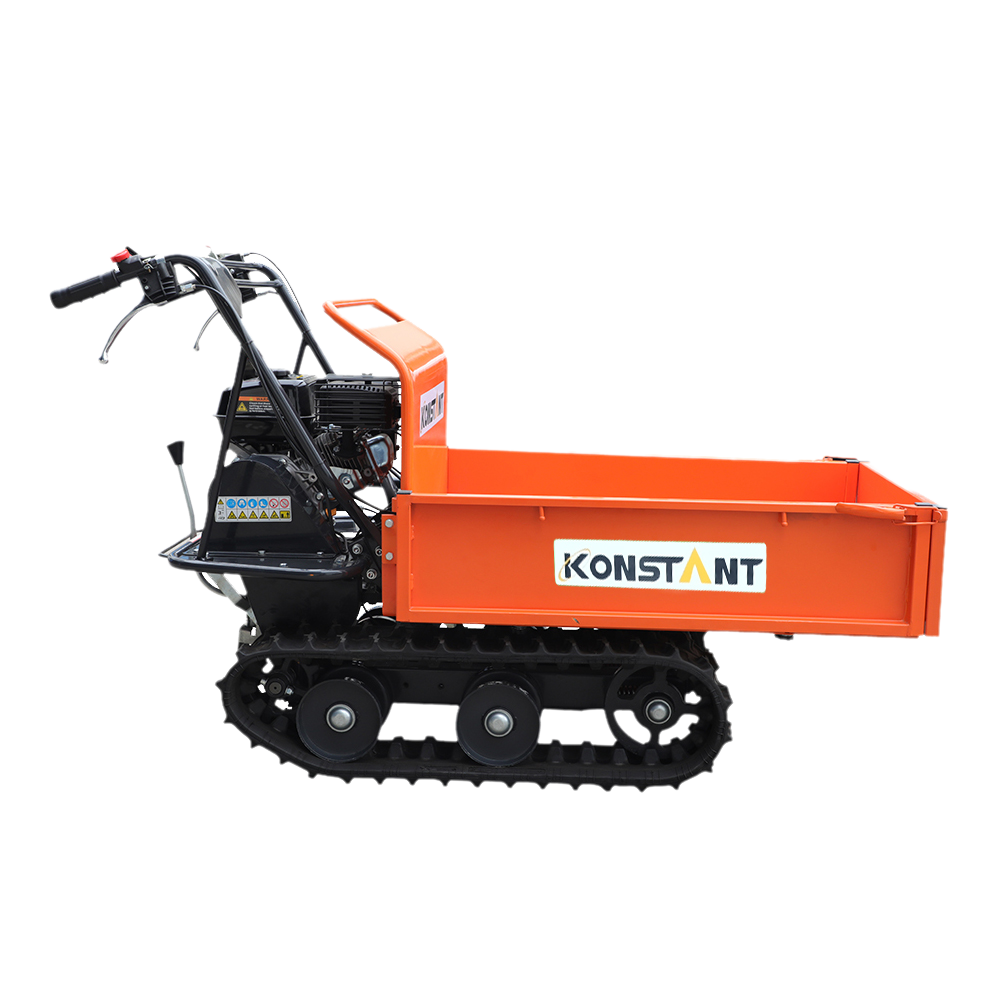
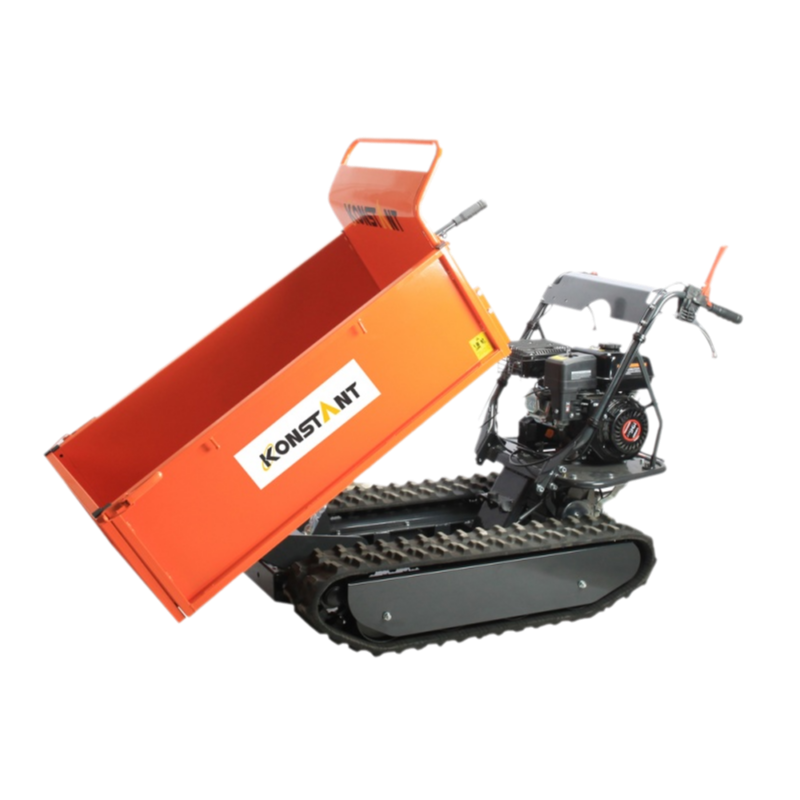
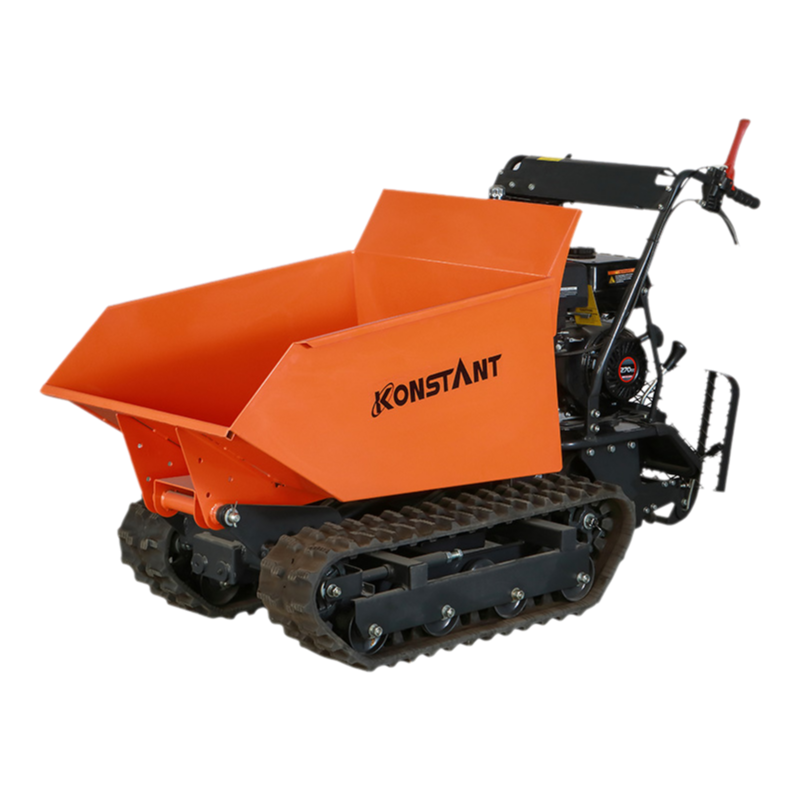
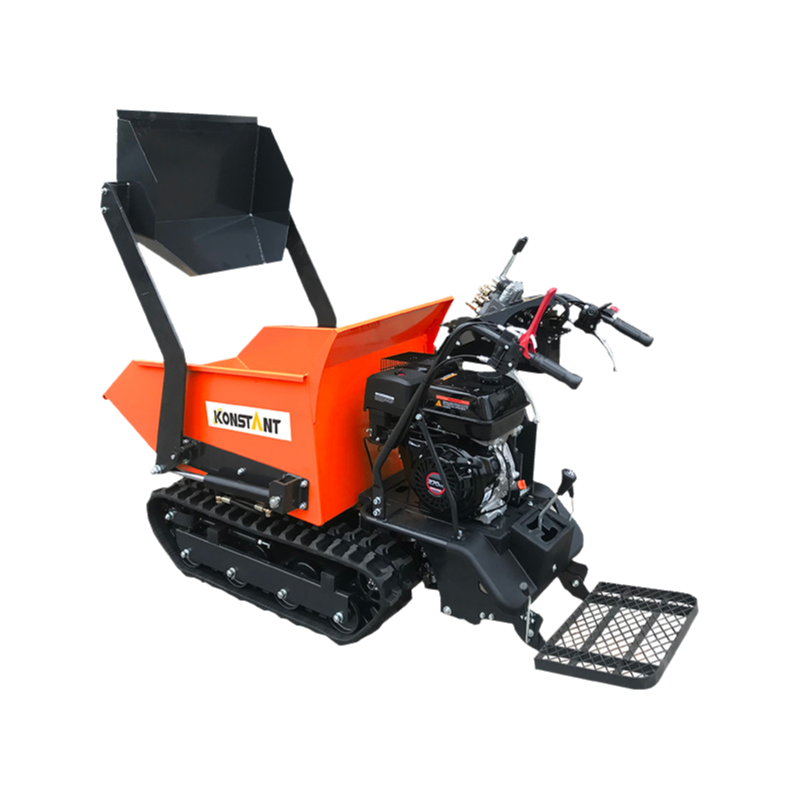
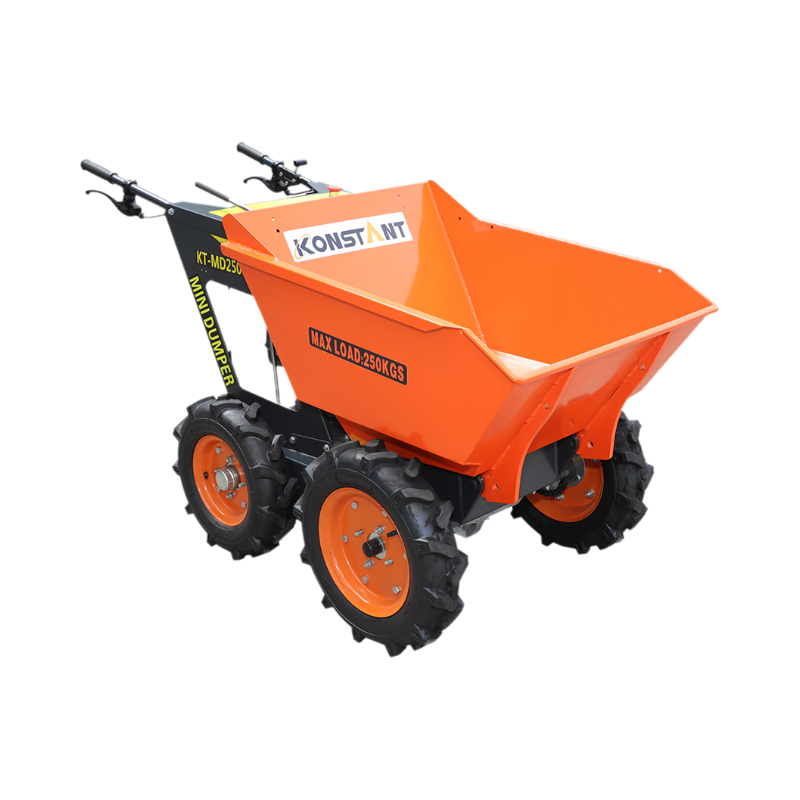
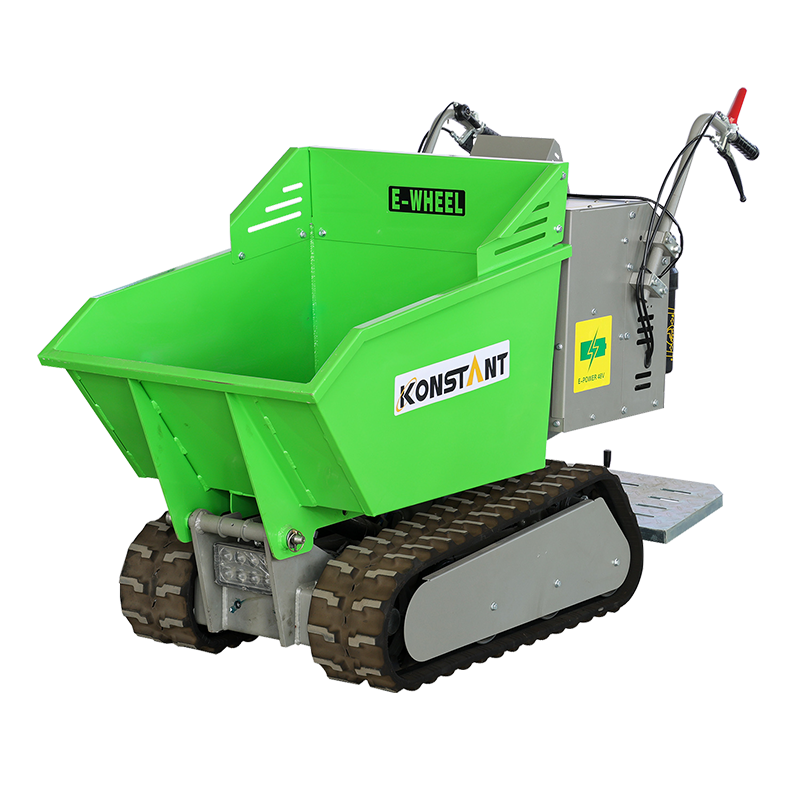
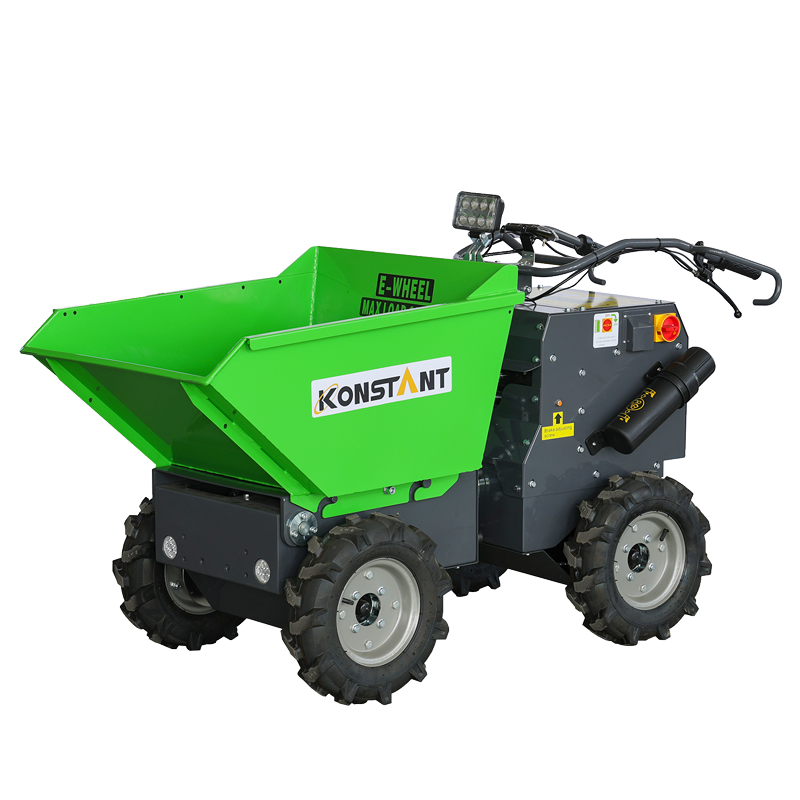
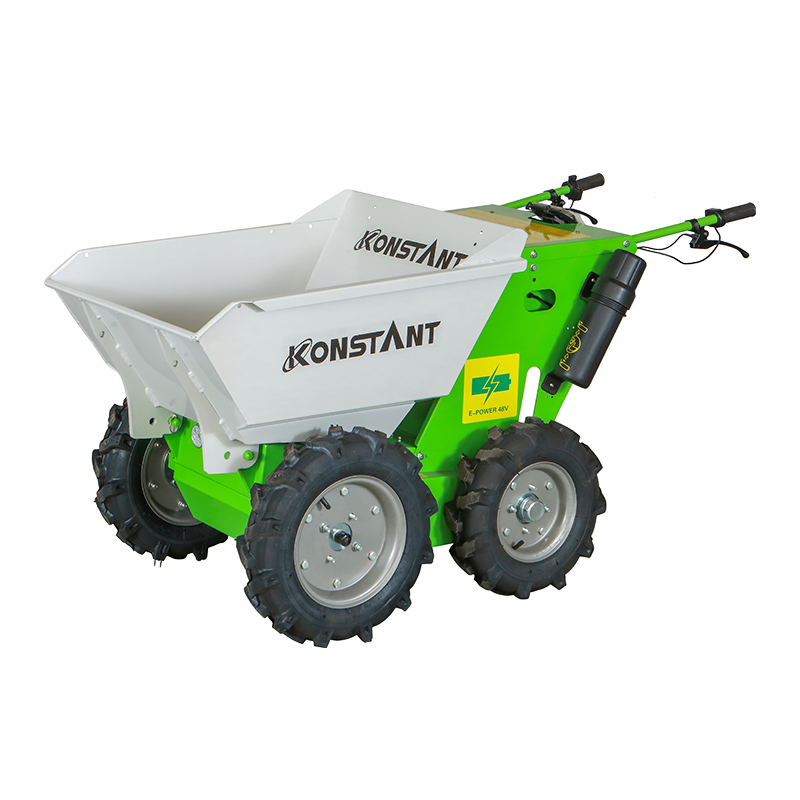
Provide you with the latest enterprise and industry news
How Does an Electric Powered Mini Dumper Boost Efficiency
Update:02-03-2026
Posted by Admin
Content
- 1 How an Electric Powered Wheel Barrow Mini Dumper Changes Everyday Work on Small Sites
- 2 Why small teams are switching — the on-site reality
- 3 Key task profiles where a mini dumper shines
- 4 What actually matters — the feature checklist that impacts daily use
- 5 A practical walk-through: using a mini dumper on a landscaping job
- 6 Batteries and charging — real-world considerations
- 7 Maintenance that actually keeps you running
- 8 Ground and slope safety — how to think like an operator
- 9 Buying: rental vs purchase — how to decide
- 10 Spec selection: questions to ask suppliers
- 11 Common mistakes operators make (and how to avoid them)
- 12 Environmental and regulatory considerations
- 13 Case snapshots — short real-world examples
- 14 Buying checklist
How an Electric Powered Wheel Barrow Mini Dumper Changes Everyday Work on Small Sites
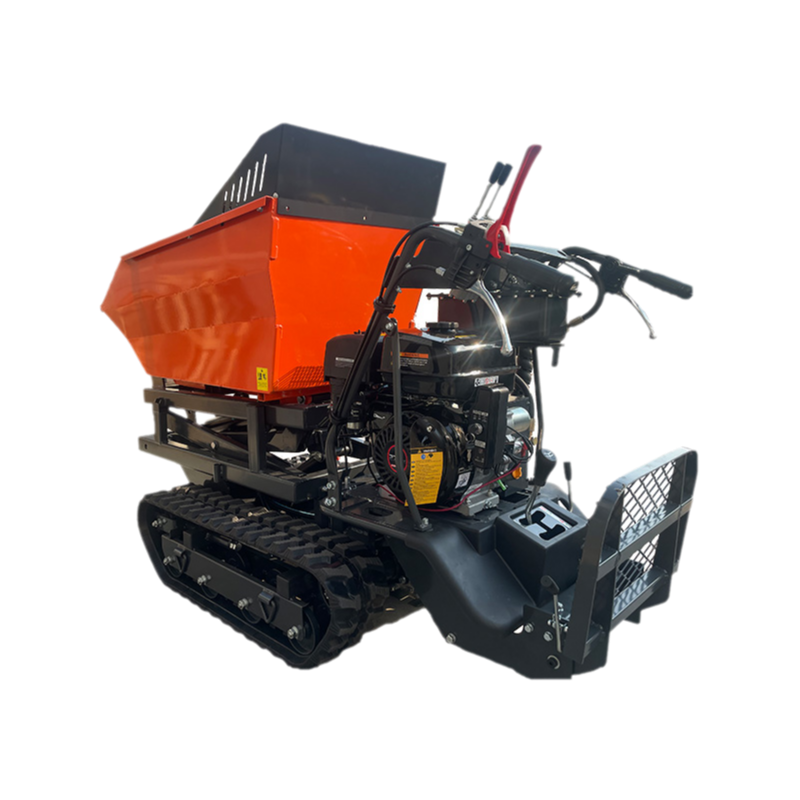
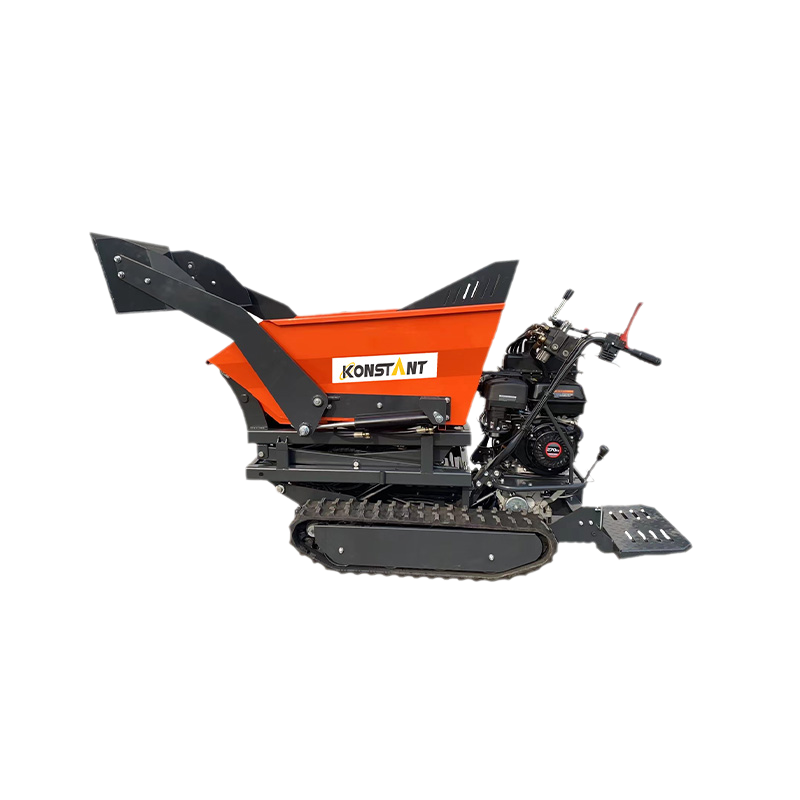
If you've spent time on small construction sites, landscape jobs, or renovation projects, you know the pain of moving material in tight spaces. The Electric Powered Wheel Barrow Mini Dumper is built for precisely that kind of work — short runs, frequent loads, awkward access. It's not a flashy piece of kit; it's practical. It helps you move soil, rubble, blocks, or debris faster and with less sweat. More importantly, it keeps the job moving when crew size or space are the limiting factors.
Why small teams are switching — the on-site reality
Let's be blunt: small crews don't have the luxury of big logistics. One or two people lugging wheelbarrows all day is slow, tiring, and a safety risk. An electric mini dumper changes that equation in three ways:
- It multiplies a person's output. A single operator with a motorized carrier can move what used to take two or three people.
- It cuts the fatigue factor. Less physical strain means fewer breaks, fewer injuries, and fewer lost days.
- It improves precision in awkward spots. You can position loads more accurately around corners, through gates, and on temporary tracks.
Quick example from my last season on a retrofit job: a two-person crew with a battery dumper handled material removal from the rear yard for three houses in a day — the same crew took twice as long without the machine the previous year. Less back-breaking work, and the supervisor didn't have to scramble for extra labor.
Key task profiles where a mini dumper shines
Think in terms of the job, not the machine model. These are the scenarios that typically justify a purchase or rental:
- Garden and hardscape installs — moving soil, pavers, sand between tight beds and terraces.
- Small construction and renovation — clearing demolition debris, moving concrete mix, transporting bricks.
- Groundworks in urban sites — narrow alleys, gated courtyards, restricted access where trucks can't fit.
- Events and grounds maintenance — quick cleanup and material resupplies in parks or stadium sidelines.
If your work includes lots of short runs and a fair amount of lifting and dumping, the machine pays its keep quickly.
What actually matters — the feature checklist that impacts daily use
Manufacturers list specs. Operators care about practicality. Here's what you should look at, and why it matters.
Wheel & chassis layout
- Why it matters: Wide, aggressive tread tires handle soft ground better and reduce chances of getting stuck. Narrow profiles are easier to steer through gates and doorways.
- Field tip: Pneumatic tires give a smoother ride, but solid rubber or semi-solid tires resist punctures on demolition sites.
Dumping mechanism
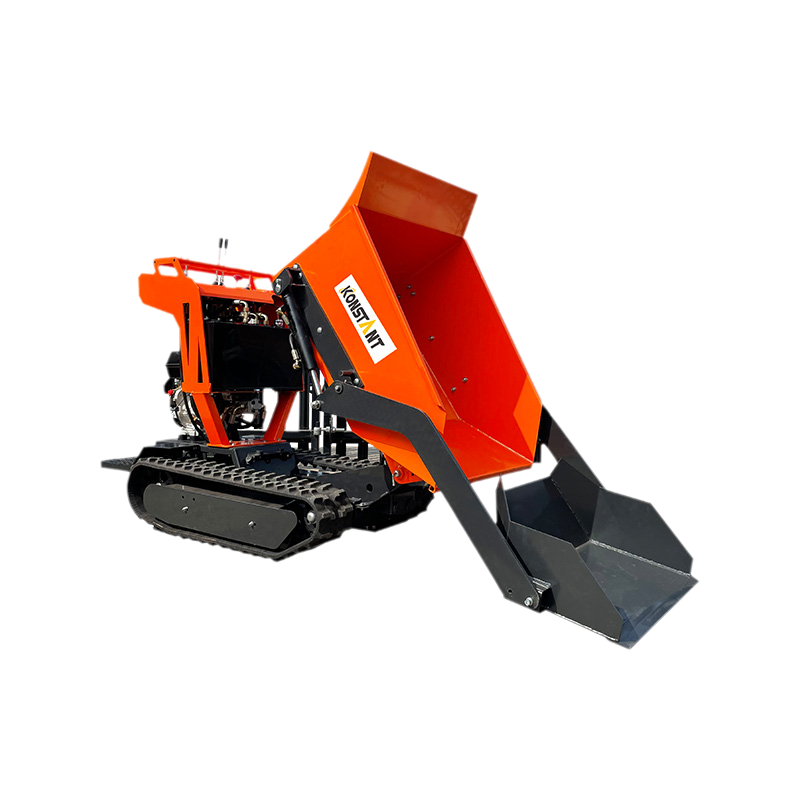
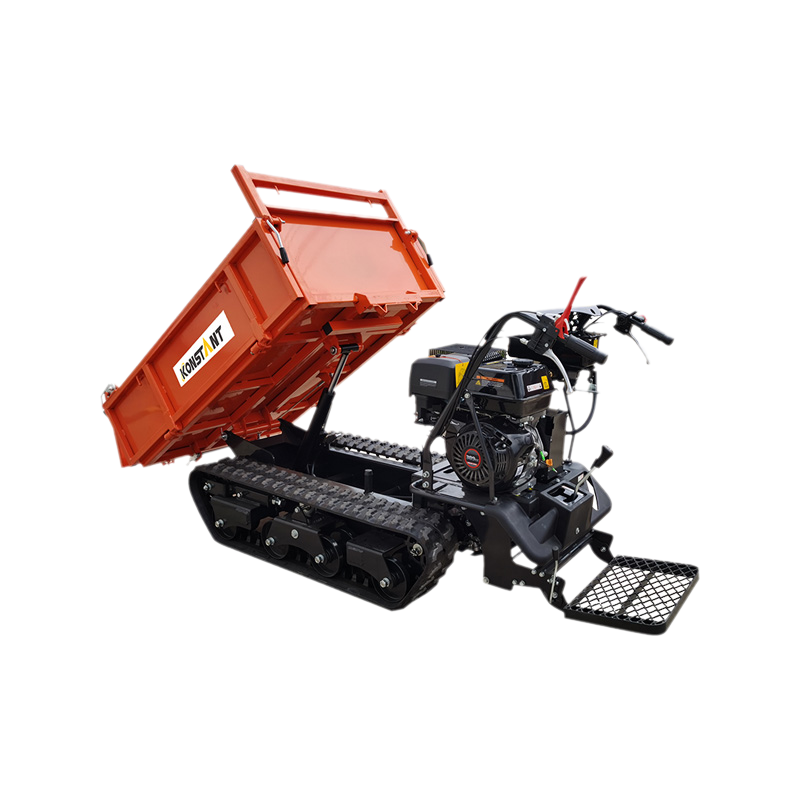
- Why it matters: How the bin tips affects how accurately you place material and whether you can dump at height (into skips, for example). Some models offer hydraulic or electric tipping, others manual tilt.
- Field tip: If you often need to dump into wheelie bins or skip loaders, check dump height and angle specifications before buying.
Battery system and runtime
- Why it matters: Battery capacity dictates how long you can run between charges and whether the unit will finish a day's worth of work. Battery type also impacts charging infrastructure and lifespan.
- Field tip: Look for units with removable battery packs if you have multiple chargers or limited charging windows.
Payload capacity and balance
- Why it matters: Overloading the bin reduces stability and strain on the drive system. Payload combined with bin geometry determines how many trips you actually need.
Controls and ergonomics
- Why it matters: Simple, intuitive controls reduce training time and mistakes. A tight turning radius and good visibility make a big difference in crowded sites.
- Field tip: Test the control response — is the speed proportional, or is it jerky? Proportional control is easier for precision work.
Chassis strength and service access
- Why it matters: Heavy use wears parts. A design that allows quick access to motor, gearbox, and electrical components reduces downtime.
- Field tip: Look under the machine and behind panels. If it's hard to reach routine service points, expect longer, costlier maintenance.
Safety features
- Why it matters: Rollback protection, emergency cut-off, and deadman throttles reduce risk during operation on slopes or in crowded areas.
- Field tip: Don't skip models with safety switches. They aren't optional on busy sites.
A practical walk-through: using a mini dumper on a landscaping job
- Load smart. Don't dump the entire wheelbarrow smack in the middle of the bin. Load to keep weight centered, lower to the axle.
- Drive steady. On slopes maintain a slow steady speed. Avoid sudden turns at higher loads.
- Dump carefully. Stop with the nose of the bin positioned over the target area. If the dumper tips too far forward the load can jam.
- Return and repeat. If batteries are removable, swap packs during lunch and keep going.
Two quick on-site tricks: mark the bin center with a line so operators can align loads consistently; and train crews to scan the route before each run — a stray tool or cable causes more delays than anything mechanical.
Batteries and charging — real-world considerations
People worry about runtime. It's sensible. But the real question is operational fit: will the dumper's battery pattern align with your site schedule?
- Removable packs: They let you swap a depleted battery and keep working if your project runs long. If you rent, consider bringing a charger and one spare battery.
- Charging infrastructure: Charging on-site might mean running an extension cord from a generator or plug point. For repeat use, a dedicated charging plan is worth setting up — ideally a protected, dry location.
Pro tip: set a charging routine. Charge overnight, and do a midday check. Charging behaviour affects battery lifespan, so avoid fully draining deep-cycle batteries routinely.
Maintenance that actually keeps you running
On-site maintenance should be quick and predictable. Add these items to daily or weekly checklists.
Daily quick check:
- Visual look for loose bolts, cable chafing, or debris in wheel wells.
- Tire pressure or condition (if pneumatic).
- Battery charge level and connections.
- Function test: drive forward, reverse, and tip.
Weekly:
- Clean electrical connectors and apply dielectric grease if needed.
- Inspect gearbox or drive chain; lubricate per manual.
- Check hydraulic lines (if fitted) for leaks.
- Tighten any visited fasteners and mark torque settings.
Monthly:
- Deep clean the machine and inspect welds and structural points.
- Check motor brushes or controller logs where possible.
- Inspect charger and test replacement battery pack.
Small story: a crew skipped checking battery cable routing for two weeks. A loosened strap allowed vibration to chafe the insulation. A sudden short took the machine out mid-job. Cost? Half a day waiting for repairs plus a small repair bill. The fix was simple: route cables with a protective sleeve and clamp points.
Ground and slope safety — how to think like an operator
Never let a convenience tool become a hazard. Here are the practical rules I follow:
- Assess slope before you go. As a rule, don't use a loaded dumper on slopes where a person would be uncomfortable walking with a full wheelbarrow. If you must, use sled tracks or temporary ramps and go unloaded.
- Keep load low on slopes. The higher the center of gravity, the easier it is to tip.
- Always face downhill on steep slopes when pushing. Controlled descent is safer than trying to brake uphill.
- Use a spotter in tight areas. One person drives; one person calls obstacles and clearance. Works better than shouting.
If operations are on a regularly steep site, consider models with extra stability features or a tracked undercarriage rather than wheels.
Buying: rental vs purchase — how to decide
Not every job justifies capital expense. Here's a quick decision guide.
Rent when:
- You have a one-off job or occasional need.
- You're testing utility across several crews.
- Storage or charging logistics are problematic.
Buy when:
- You're using it weekly or more.
- You want immediate availability and consistent configuration.
- You can store and charge easily on-site or in a depot.
Financial tip: run a simple ROI. Estimate time saved per day by having the dumper, multiply by hourly labor cost, subtract rental/purchase and operating costs. If you get payback in a few months for frequent use, buying starts to make sense.
Spec selection: questions to ask suppliers
Don't accept glossy brochures — ask practical questions:
- Can we test one on our typical terrain for a day?
- What service support and spare-part availability do you provide?
- Which safety certifications does the model meet?
- What regular maintenance do you recommend and how easy is it?
Common mistakes operators make (and how to avoid them)
- Overloading the bin. It's tempting, but it stretches drivetrain components and increases rollover risk. Always adhere to practical load guidelines, not just the number on a sticker.
- Poor route planning. Not surveying for obstacles is the frequent cause of lost time. Spend 5 minutes planning before the run.
- Ignoring battery management. Leaving batteries partially drained and charged inconsistently reduces life. Standardize charging habits.
- Neglecting spare parts. Get quick-wear parts like rubber pads, tyres, and fuse kits into your depot. It's cheap insurance.
- No operator training. Even simple machines benefit from a 20–30 minute walk-through for safe and efficient use.
Environmental and regulatory considerations
Electric units give an immediate environmental benefit on site: zero tailpipe emissions and reduced noise. For urban or indoor work, that's a practical advantage — sometimes the only workable option. A few notes to remember:
- Noise limits: Many residential areas have restrictions. Electric units are quieter and may allow earlier start times.
- Dust control: Even with quiet operation, moving material stirs dust. Follow local dust suppression practices.
- Battery disposal: Treat spent batteries correctly. Follow local recycling and hazardous waste rules.
These points matter if you bid on projects in noise-sensitive areas or projects with sustainability requirements.
Case snapshots — short real-world examples
- Urban renovation crew — rented a battery dumper for three weeks. They cut material removal time by 40% and avoided multiple truck movements in a cramped lane. Result: schedule hit and less traffic disruption.
- Landscaping company — bought a pair of machines for garden builds. They increased daily installs from two small jobs to three without adding labor. Profitability rose because they could book more work.
- Housing retrofit — used a tracked mini dumper for sloped driveways. Stability on rough ground prevented several near-misses and reduced insurance claims for minor injuries.
Concrete evidence: the productivity boost depends on context, but repeated feedback across jobs is that an electric unit reduces person-hours on short-run shovel-and-carry tasks by roughly 30–60% depending on job layout and crew experience.
Buying checklist
- Do you need regular, short-distance material movement? Yes / No
- Can you store and charge on-site? Yes / No
- Will the machine work in your typical ground conditions? Yes / No
- Do you have access to spare batteries or a charging plan? Yes / No
- Can the operator perform basic maintenance? Yes / No
- Have you checked service and spare-part support from the supplier? Yes / No
- Is there an inexpensive test or rental option to trial the machine? Yes / No
You don't buy a tool to own it; you buy it to make work smoother. The electric powered wheel barrow mini dumper is one of those no-nonsense tools that returns value in many small ways: faster runs, fewer backs ahead of schedule, quieter jobs, and a safer working day. If you approach selection with a practical eye — test on your ground, check battery logistics, plan charging, and train your crew — you'll find it becomes the unsung hero of small-site logistics.
Related products

Latest Updates
-
What Makes a Small Tracked Dump Truck Practical for Construction Work
Short-distance movement of soil, sand, gravel and demolition debris is a constant requirement on man...
-
What Causes Reduced Performance in an Electric Mini Dumper
Electric mini dumpers sometimes lose speed, range or climbing ability after a stretch of ordinary us...

-
Welcome To Visit Us
No.30, Third Furong Road, Wuxi City, Jiangsu. 214100, China.
-
Call Us
Phone: +86 181-1889-1139
Phone: +86 181-1889-2139
-
Contact Us Online
E-mail: sales@konstantpm.com
E-mail: marketing@konstantpm.com
Copyright WUXI KONSTANT POWER TECH CO., LTD All Rights Reserved
 China Mini Dumpers Manufacturers Power Wheelbarrow Factory