
 English
 русский
 Français
 Español
 Deutsch

Provide you with the latest enterprise and industry news
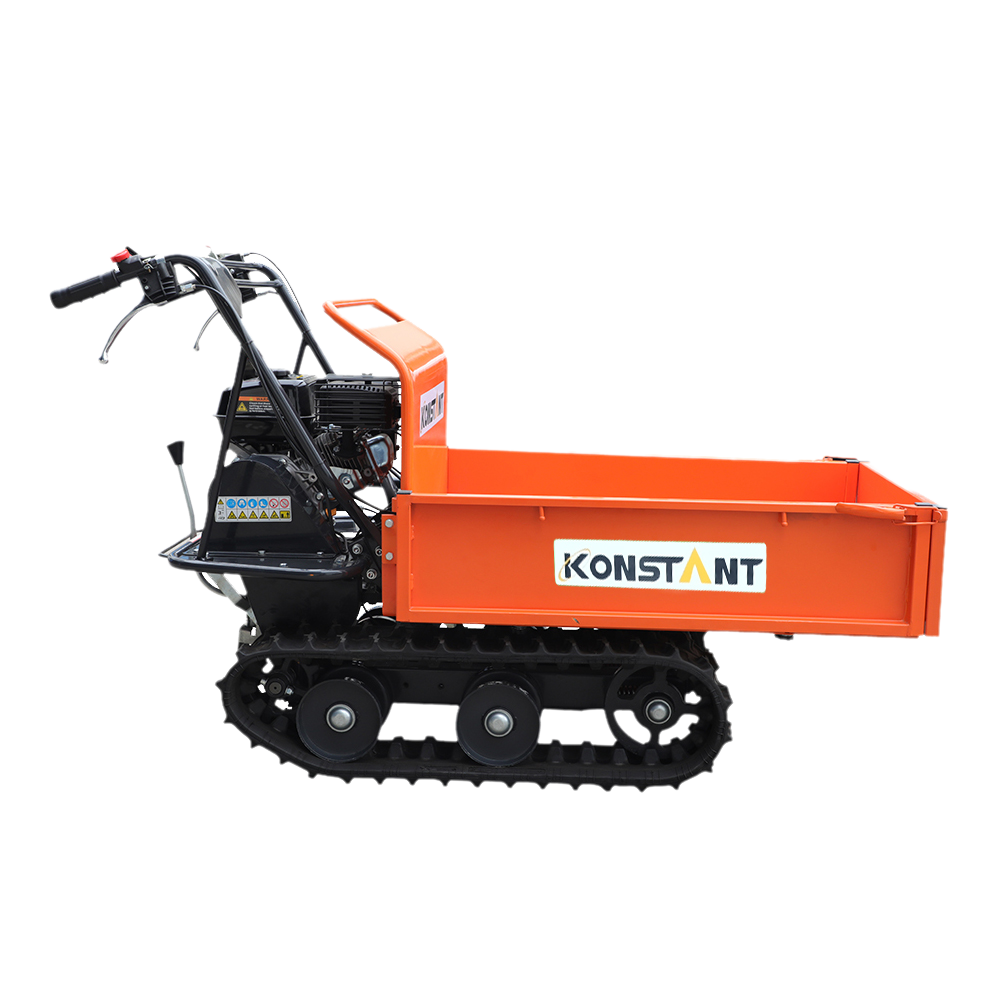
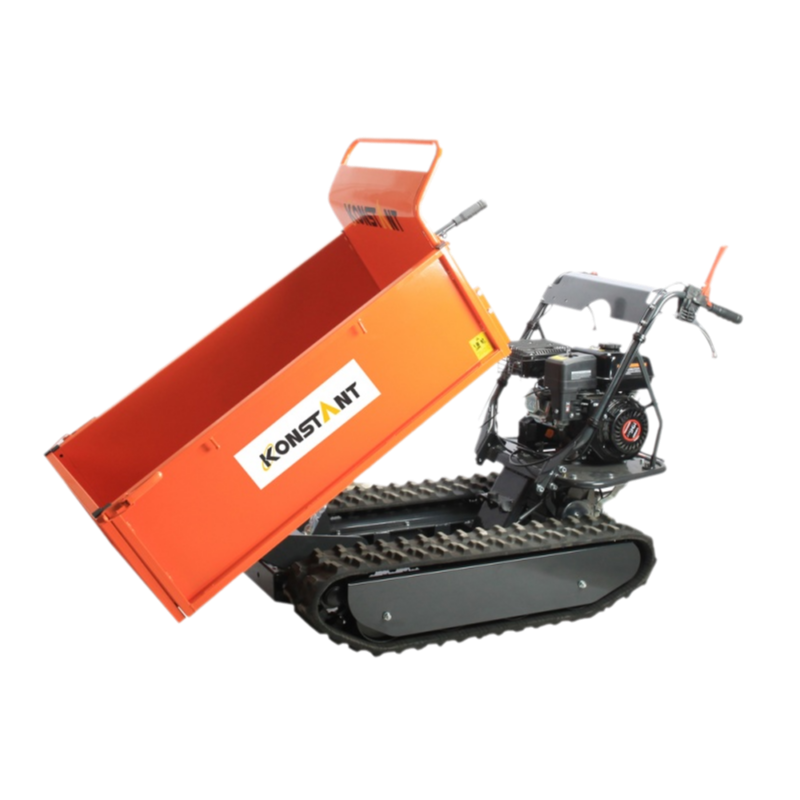
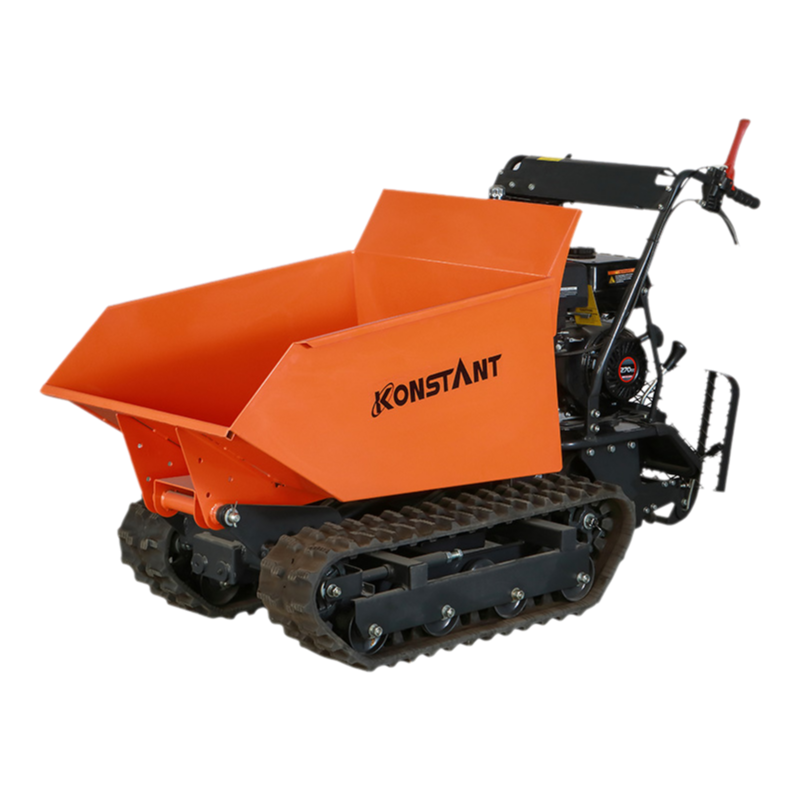
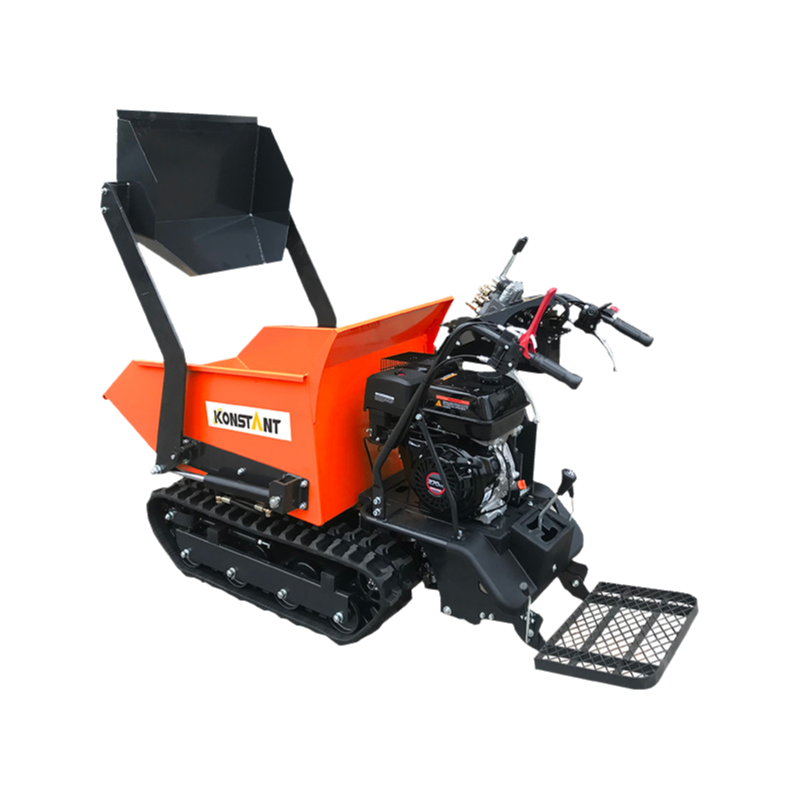
What to Consider Before Choosing a Power Barrow Mini Dumper
Update:27-02-2026
Posted by Admin
Content
- 1 What to Know Before You Buy or Rent a Power Barrow Mini Dumper
- 2 What these compact dumpers really handle
- 3 Picking the right machine for landscaping jobs
- 4 What Makes a Power Barrow Mini Dumper a Practical Choice for Narrow Access Construction Sites
- 5 Why compact carriers are useful in tight places
- 6 Real site note — a quick story
- 7 How to match machine to the job
- 8 Choosing between wheels and tracks
- 9 Electric or fuel — practical trade-offs
- 10 Tips crews actually use to get more out of a mini carrier
- 11 Surface protection and neighbor relations
- 12 When not to use a compact carrier
- 13 Checklist before you buy or rent
- 14 Which features matter when access is tight
- 15 How to use one on site — practical tips
- 16 Where these dumpers do in urban work
- 17 Simple checks before you buy or rent
- 18 Troubleshoot fast — common on-site problems and fixes
- 19 Long-term value — what to expect
- 20 Market notes — what's changing
- 21 Checklist — before you send someone to pick one up
What to Know Before You Buy or Rent a Power Barrow Mini Dumper
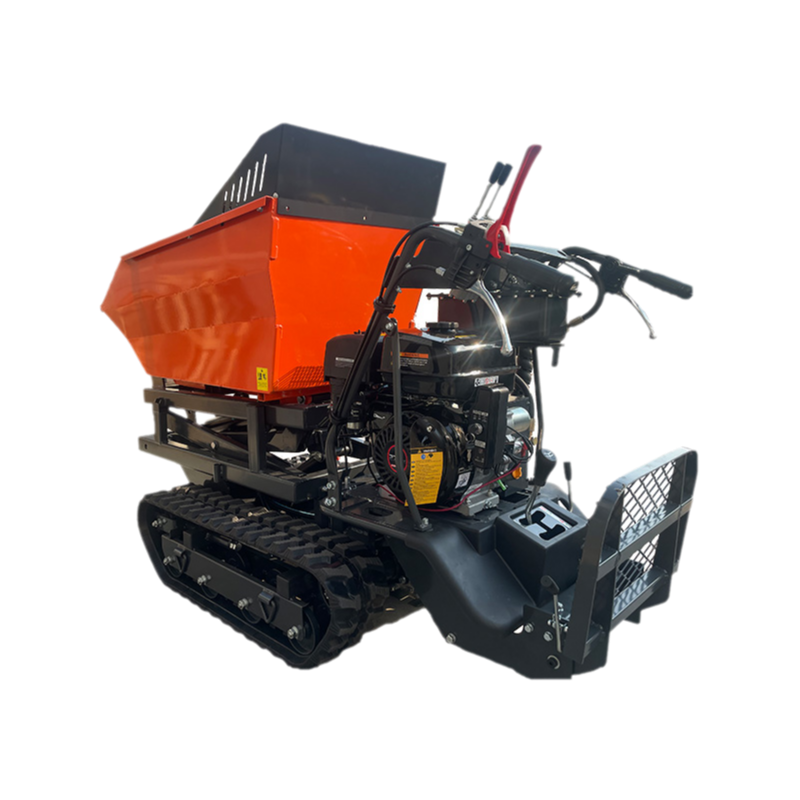
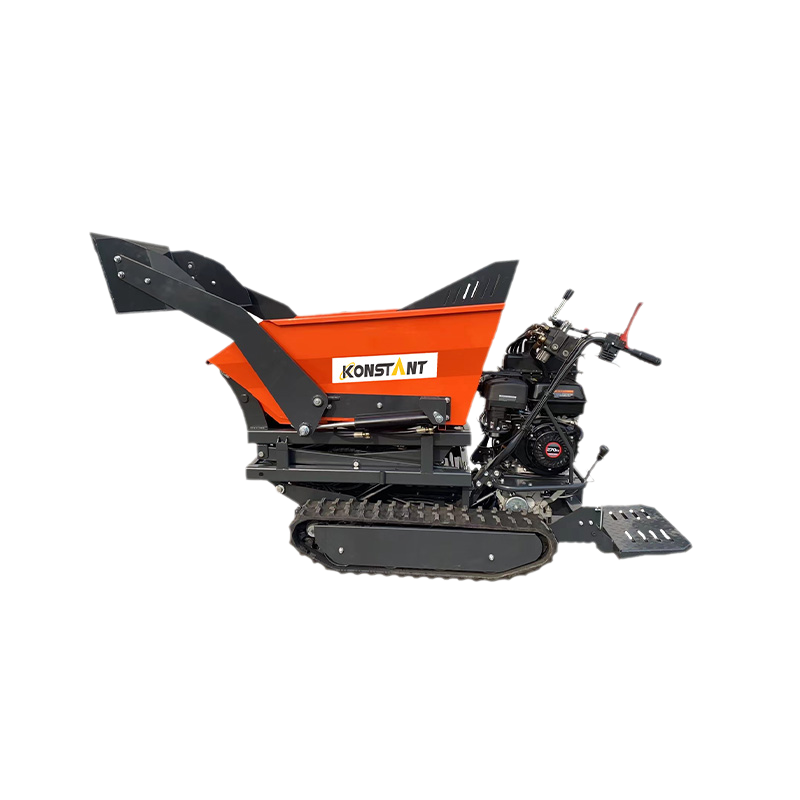
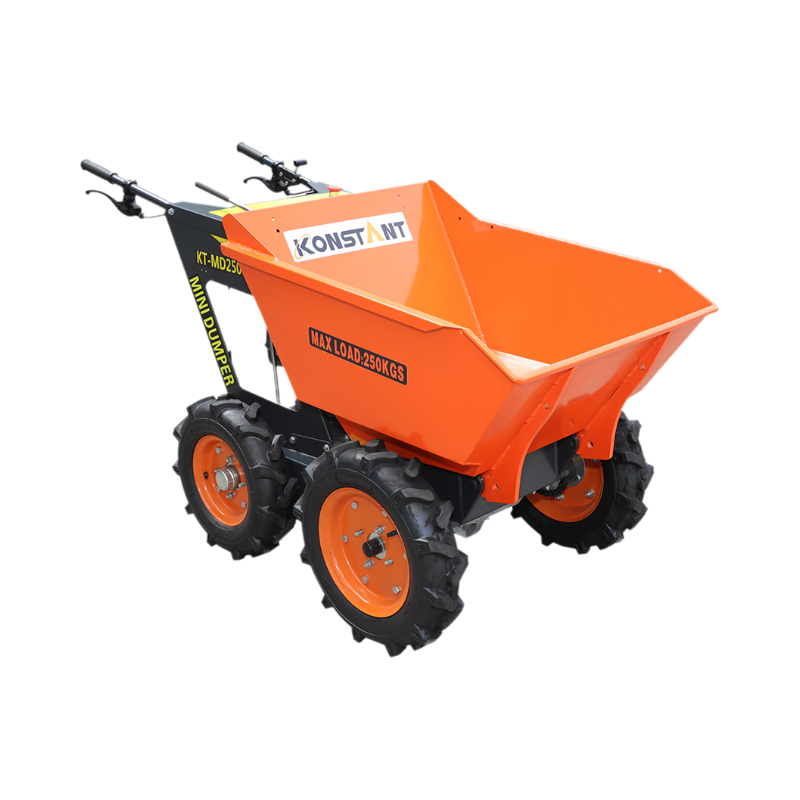
Material handling on small to mid-size jobs is where projects either keep moving or start to stall. A pile of soil, a pallet of bricks, a few cubic meters of demolition waste — move them the wrong way, and you lose a morning (or a day). That's why a compact motorized dumper — often called a Power Barrow Mini Dumper — is proving its worth on renovation sites, garden jobs, and tight-access builds.
What these compact dumpers really handle
Start simple: they're not a replacement for a site truck. They are the right tool when trips are short and the space is tight.
Common loads they move:
- Sand, gravel, crushed stone
- Spoil from small excavations
- Wet or dry soil, mulch, compost
- Ready-mix or small concrete batches
- Bricks, blocks, pavers
- Light demolition debris
Think in chunks: many models take 200–500 kg per run. That's multiple times what a person with a wheelbarrow can move safely, and it adds up fast across a day of repetitive hauling.
Where they beat bigger kit:
- Narrow gates and side yards
- Inside buildings or partial-demolition sites
- Slopes and soft ground where manoeuvrability matters more than raw payload
If the run is longer than a couple of hundred meters or you need to shift several tons at once, consider larger machines. But for dozens of short trips, compact dumpers save labor and time.
Picking the right machine for landscaping jobs
Landscape work is all over the place: lawns, terraces, tree pits, patios. Match the dumper to the task.
Capacity vs trips
Calculate how much material you'll move per day. A higher-capacity unit means fewer trips, but it's heavier and sometimes harder to get into tight spots. If you do a lot of small jobs, a nimble low-capacity unit might be cheaper overall.
Wheels or tracks
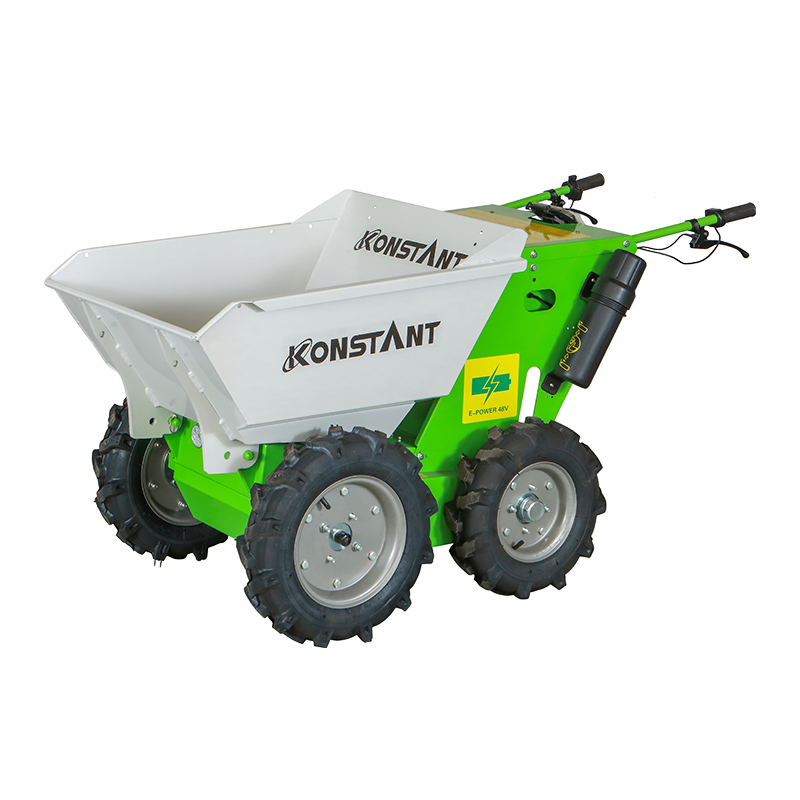
- Wheels: quicker on firm, flat ground. Easier maintenance.
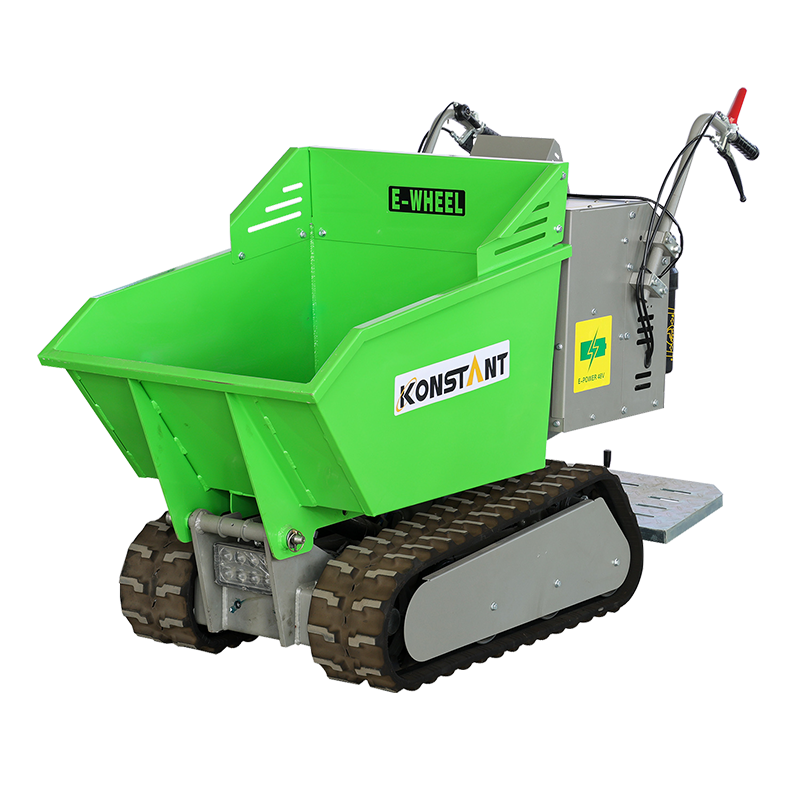
- Tracks: spread weight and grip better on mud or slopes. Less damage to turf.
Power source
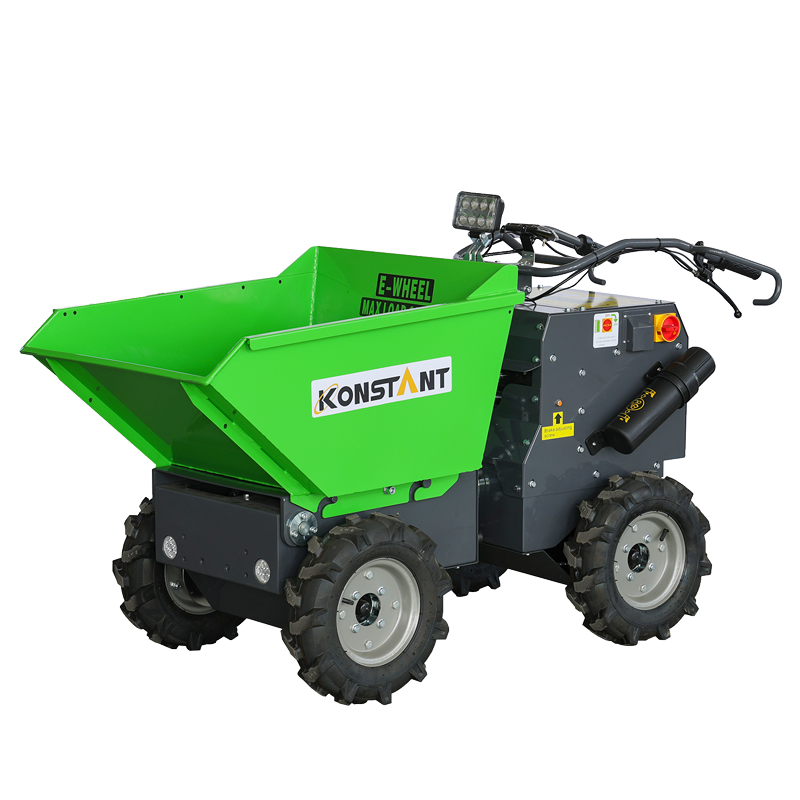
- Electric: quiet, zero exhaust, great for indoor or noise-sensitive areas. Watch run time and charging.
- Petrol/diesel: longer runtime and easy to refuel on remote sites. Noisy and smoky indoors.
Dumping style
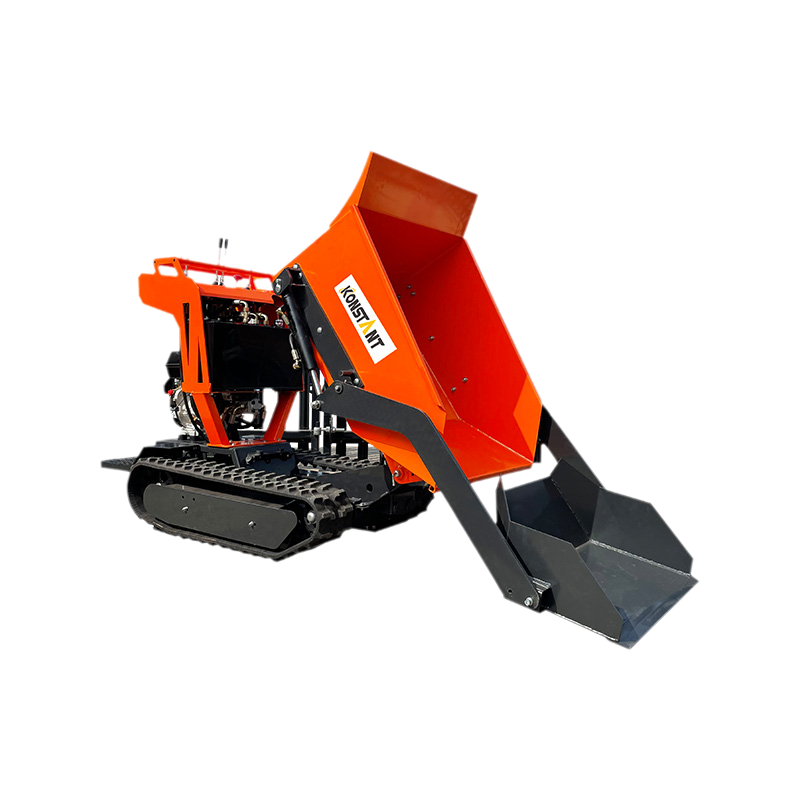
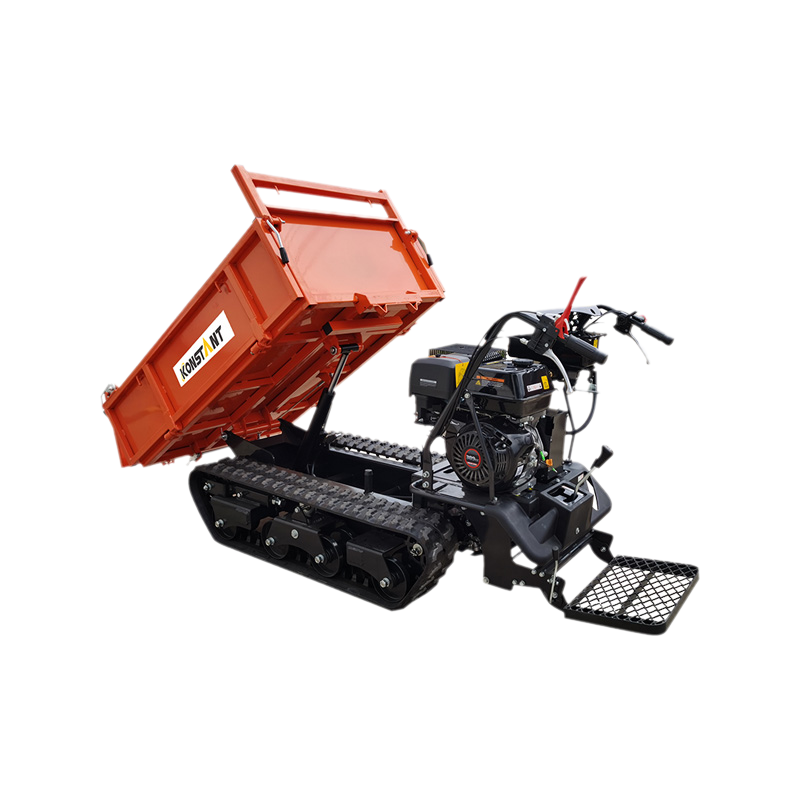
Hydraulic tipping saves effort and speeds up repeated unloads. Manual tip is OK for occasional use, but if you're unloading dozens of times a day, hydraulic pays back.
Serviceability
Look at access to wear parts, battery swaps, filters and oil points. A unit that's quick to service means less downtime.
What Makes a Power Barrow Mini Dumper a Practical Choice for Narrow Access Construction Sites
When space is tight, the little things decide whether a job runs or stalls. A narrow gate, a short alley, a basement stair — those pinch points can turn a simple material move into a major slowdown. That's where compact motorized carriers earn their keep. They don't replace big machines. They let crews work where large equipment can't go.
Why compact carriers are useful in tight places
On many urban and residential jobs, access is the constraint, not the need for raw tonnage. If you can get a machine through a 900 mm gate and it shuttles material back and forth all day, you'll often finish faster than teams relying on manual handling. The payoff is steady flow, less worker strain, and fewer schedule surprises.
A few concrete benefits:
- Navigate narrow gates and short corridors without dismantling fences.
- Reduce repetitive lifting and pushing for crews.
- Keep material close to the work face so trades don't wait.
Real site note — a quick story
We had a backyard overhaul where the client wanted new turf and a garden wall. The side gate was 0.95 m wide. The crew tried a big contractor dumper — no chance. A narrow tracked carrier made multiple loads per hour, moved the soil cleanly, and left the lawn in better shape than wheelbarrows did the last time. Small choice, big difference.
How to match machine to the job
Don't pick on specs alone. Think about ground type, how often you'll unload, and where the machine must pass.
Consider these points in order:
- Access width and turning clearance — measure gates, doors, and stair landings.
- Ground surface — firm, muddy, finished turf, or paved? Tracks behave differently to tyres.
- Load rhythm — a few heavy lifts a day or dozens of short runs? Hydraulic tip can speed repetitive work.
- Power source — electric for quiet, enclosed or noise-sensitive areas; petrol for long days with no charging access.
- Maintenance support — how easy is it to get a part or a service call locally
A compact dumper is useful only if it actually reaches the load and the drop-off point without extra handling steps.
| Method | Access ease | Crew effort | Surface impact | Best for |
|---|---|---|---|---|
| Manual wheelbarrow | Very high (narrow) | High | Low to moderate | Tiny loads, immediate short-range work |
| Compact motorized dumper | High (narrow gates) | Moderate | Low to moderate (tracks gentler) | Repetitive short runs, moderate loads |
| Full-size site dumper | Low (needs wide access) | Low | High | Large-volume moves on open sites |
| Small tracked carrier | Moderate (narrow but wider than some) | Low | Low | Soft or uneven ground, slopes |
Choosing between wheels and tracks
Tracks spread weight and reduce ground pressure. That's handy on turf, mud, or soft fills. Wide, low-pressure tyres work well on compacted surfaces and are simpler to maintain.
If you do a lot of garden or park work, tracks often prevent rutting and damage. If you mostly run on driveways or compacted soil, tyres tend to be faster and cheaper to maintain.
Electric or fuel — practical trade-offs
Electric units:
- Pros: Quiet, no exhaust, suitable for indoor or basement work.
- Cons: Run time is limited by battery; need charging planning.
Petrol or diesel units:
- Pros: Longer continuous use and quick refuel.
- Cons: Noise and emissions can be a problem in tight neighborhoods or enclosed work.
Hybrid solutions exist on the market, but the simple rule is: plan power around job length and site conditions.
Tips crews actually use to get more out of a mini carrier
These are field-tested and cheap to implement.
- Walk the route and clear trip hazards. A small plank or two smooths the worst bumps.
- Stage material as close as practical to the work face. Each extra meter of carry time multiplies across loads.
- Set a safe load limit and stick to it. Overfilling makes machines unstable and shortens component life.
- Use a spotting person in very tight moves — one set of eyes prevents dings and expensive repairs.
- For electric models, keep a charged spare battery or plan short breaks for charging to avoid mid-shift downtime.
- Keep a simple daily checklist: tyres/tracks, fluid leaks, fasteners, and controls. Five minutes a day avoids longer stops.
Surface protection and neighbor relations
In urban work, you're often judged by what you leave behind. Protect turf and paved areas with plywood sheets or geotextile when heavy traffic is expected. Tracks are gentler, but they can still mark soft ground.
Quieter electric runs help with neighbor complaints and may allow longer working windows in areas with noise restrictions. Always consider the local rules before noisy equipment appears.
Operator learning curve
These machines are straightforward, but operators benefit from brief hands-on instruction. Focus on:
- Load balance and avoiding tipping when dumping.
- Safe ramp use and handling on slopes.
- How to stop and secure the machine in an emergency.
Ten to twenty minutes of coaching saves mistakes that take hours to repair.
Maintenance realities
A unit that spends half the week out of service won't help. Look for machines with:
- Easy access to routine service points.
- Readily available wear parts.
- Clear, short maintenance schedules.
Daily checks are quick and prevent major downtime. Grease points, visual inspections of hydraulics, and battery checks take little time and pay off fast.
When not to use a compact carrier
They're not magic. Don't try to move many tons over long distances with a small motorized barrow. If you find yourself lining up dozens of runs that a larger dumper could handle in one go, rethink the plan. Use the compact unit where access prevents bigger gear, and combine fleets smartly on larger sites.
Checklist before you buy or rent
- Measure gate and passage widths plus turning space.
- Note typical ground conditions and choose tracks or tyres accordingly.
- Decide on power type based on noise, exhaust, and run time needs.
- Confirm load capacity with a realistic safety margin.
- Check local service availability and parts support.
- Plan operator briefing and a short daily check routine.
Which features matter when access is tight
If your site has narrow passages, ask about these things:
- Width and turning radius: can it fit through your gate and still turn?
- Dump reach: can it empty where you need it to, or will you need another step?
- Ground contact: tracks or large low-pressure tyres reduce rutting.
- Controls: simple, intuitive controls cut training time — and training errors.
- Braking and stability: look for units with good low-speed stability and reliable brakes for slopes.
A model that's a little narrower but has decent dump reach and good traction often outperforms a wider, more powerful unit that can't access the work area.
How to use one on site — practical tips
This is where theory meets the crew.
Plan your route
Walk the route before you move material. Remove obstacles and level the worst bumps if you can. Clear sightlines reduce slowdowns and fender-benders.
Load smart
Don't overfill the bucket. Overloading makes the machine unstable and wears the drive components faster. Keep loads within the rated capacity.
Mind the surface
On soft ground, use tracks or wide tyres. If you're passing over finished turf, protect the surface with timber planks to avoid gouging.
Use temporary staging
If you can, bring materials close to the working zone on pallets or tarps. A short carry is faster than loading and offloading in awkward places.
Train operators
Ten minutes of hands-on instruction prevents a dozen common mistakes: wrong dump angle, improper loading, and unsafe tipping on slopes.
Maintenance basics
Daily checks: tyres/tracks, oil/check fluids, battery charge, hydraulic lines, loose bolts. A five-minute walkaround every morning avoids a day stuck on a breakdown.
Where these dumpers do in urban work
Urban jobs have their own rules: limited access, neighbors, noise curfews.
Interior demo and basement work
Electric models are gold here. They don't spew exhaust into enclosed spaces and they're quieter for multi-floor buildings.
Backyard and side-yard projects
Their narrow frame and maneuverability let you move large amounts of soil or stone without ripping out fences.
Parks and small civic works
Tracks and low ground pressure tyres prevent damage to grass and planted areas while still hauling soil and bulky bags.
Simple checks before you buy or rent
Here's a short checklist to use when comparing models:
- Required payload per trip (kg)
- Typical ground condition (hard-packed, muddy, turf)
- Maximum width you can pass through (mm)
- Need for electric operation (yes/no)
- Frequency of unloading (few/ many times per day)
- Service support and spare parts availability
If a model misses any of these needs, it'll slow you down later.
Troubleshoot fast — common on-site problems and fixes
Problem: Machine stalls on slope
Fix: Check load balance and don't overload. Use a tracked model or add traction aids.
Problem: Plaster dust or debris gumming hydraulics
Fix: Use protective covers and clean daily. Preventive cleaning beats repairs.
Problem: Batteries die mid-shift (electric models)
Fix: Keep a spare charged battery or plan short charging windows between tasks. Consider hybrid units for long shifts.
Problem: Tires get cut or worn quickly
Fix: Use puncture-resistant tyres or tracks in rubble-heavy jobs.
Long-term value — what to expect
Don't judge only by sticker price. Think in cycles.
- Operating cost: fuel or electricity, routine servicing, tyres/tracks.
- Downtime cost: delayed tasks cost more than servicing. Models with easy access to parts save money.
- Resale: well-maintained units keep decent resale value.
If your projects are frequent and varied, investing in a reliable model (or a small fleet of complementary models) pays back in fewer man-hours and steadier schedules.
Market notes — what's changing
Two quick trends to watch:
- Electrification: batteries keep getting better. More electric options mean quieter jobs and lower local emissions.
- Compact specialization: manufacturers now offer niche models: narrow-track, high-lift tip, or hybrid power. Pick the variant that matches your exact use case.
Checklist — before you send someone to pick one up
- Walk the site and measure gates/openings.
- Estimate daily material moved and choose capacity with headroom.
- Decide between track or wheels based on surface.
- Confirm power type: electric for indoors, petrol/diesel for long, remote runs.
- Ask about spare parts and local service.
- Do a daily five-minute check list.
Do this and the dumper will pay for itself in time saved and reduced headaches.
Related products

Latest Updates
-
How Tracked Mini Transport Machines Perform on Muddy and Uneven Ground
Construction sites, landscaping work, and outdoor material movement often take place where the groun...
-
Mini Dumper Purchases: Include the Charging Plan in the Enquiry
A battery powered mini dumper may be selected for its size and payload, while charging is left as a ...

-
Welcome To Visit Us
No.30, Third Furong Road, Wuxi City, Jiangsu. 214100, China.
-
Call Us
Phone: +86 181-1889-1139
Phone: +86 181-1889-2139
-
Contact Us Online
E-mail: sales@konstantpm.com
E-mail: marketing@konstantpm.com
Copyright WUXI KONSTANT POWER TECH CO., LTD All Rights Reserved
 China Mini Dumpers Manufacturers Power Wheelbarrow Factory