
 English
 русский
 Français
 Español
 Deutsch

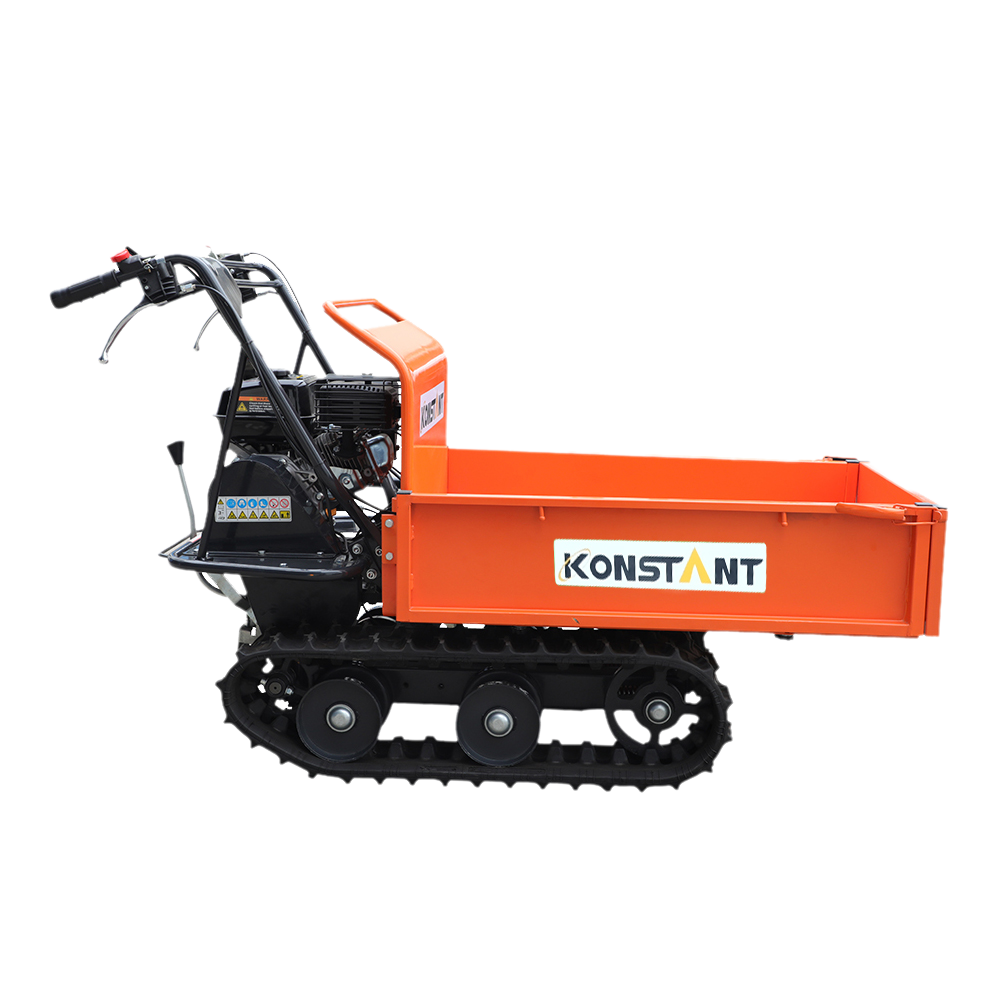
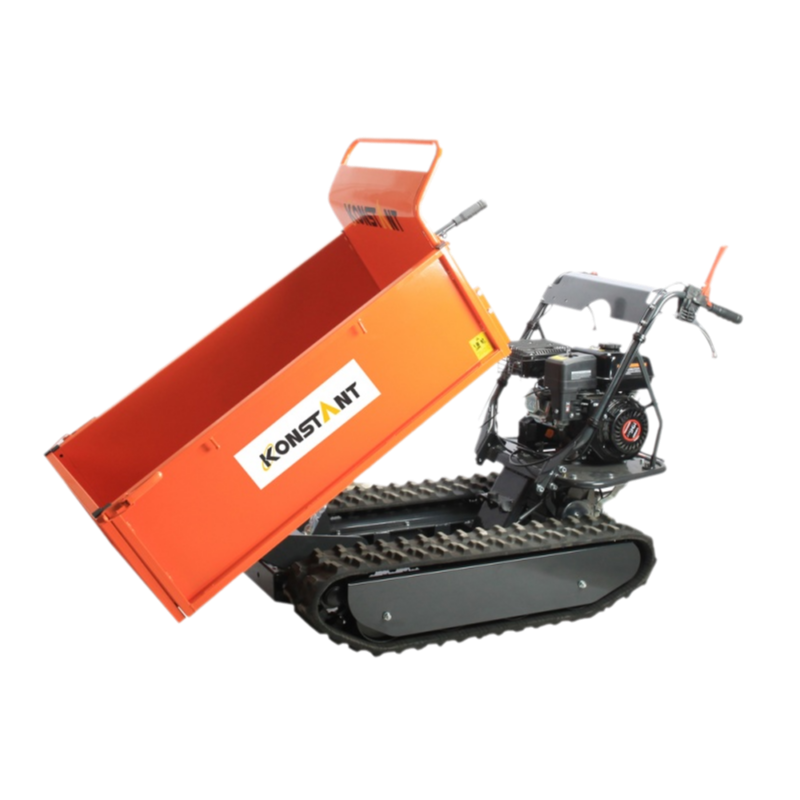
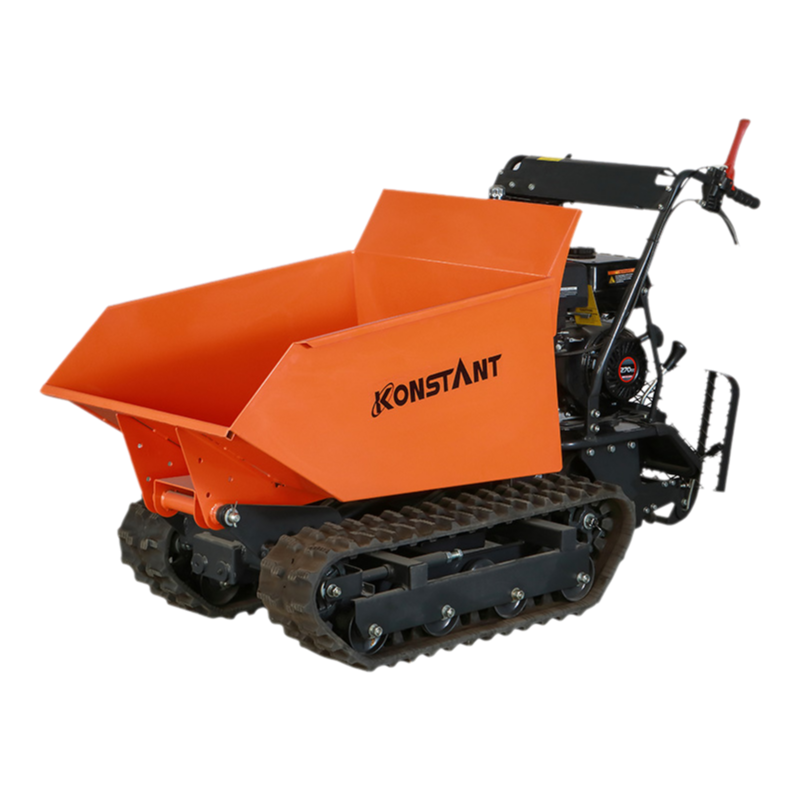
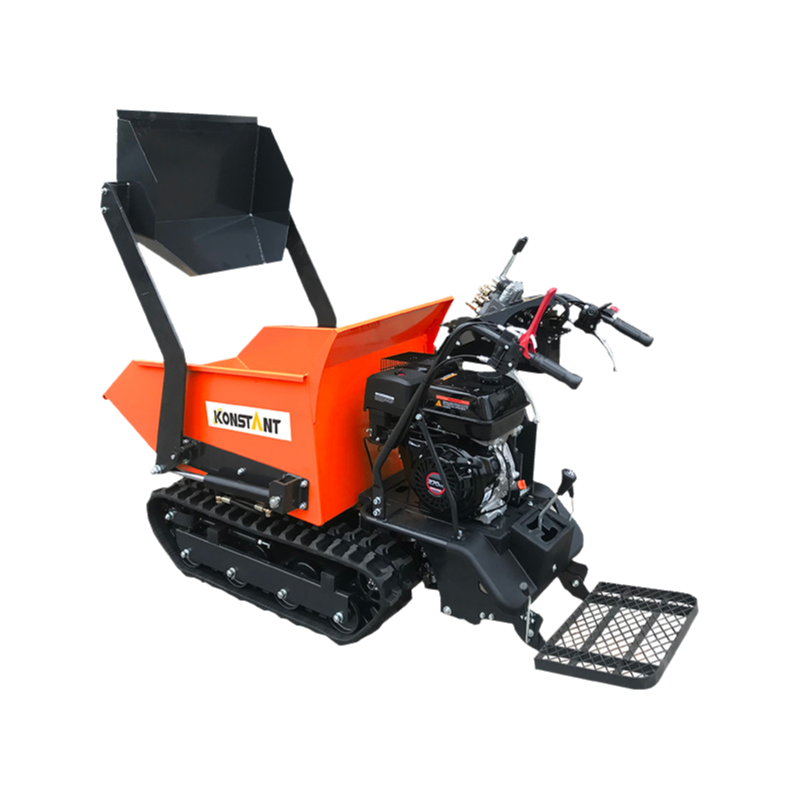
Provide you with the latest enterprise and industry news
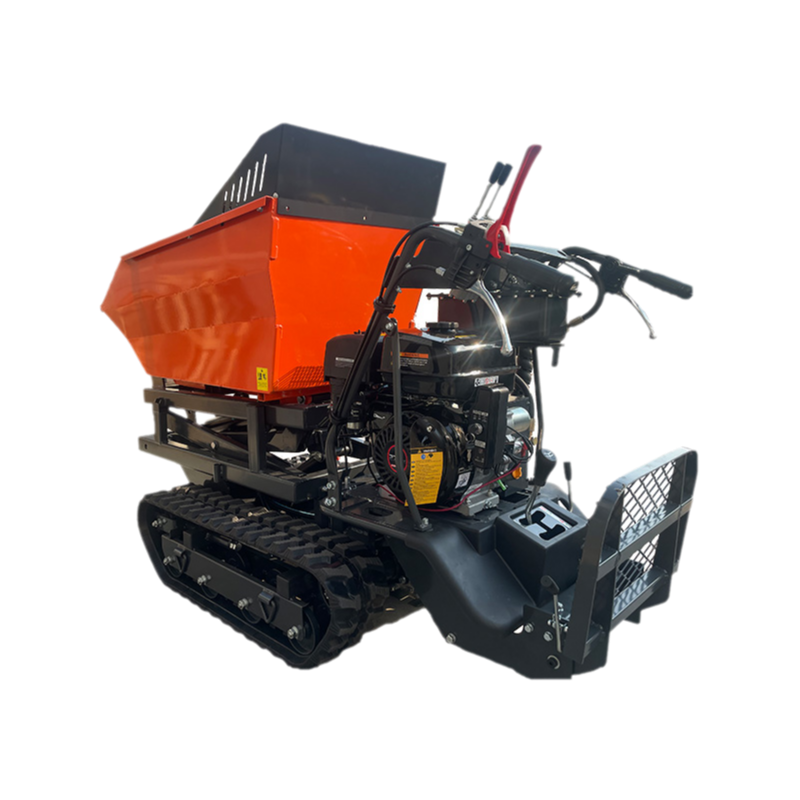
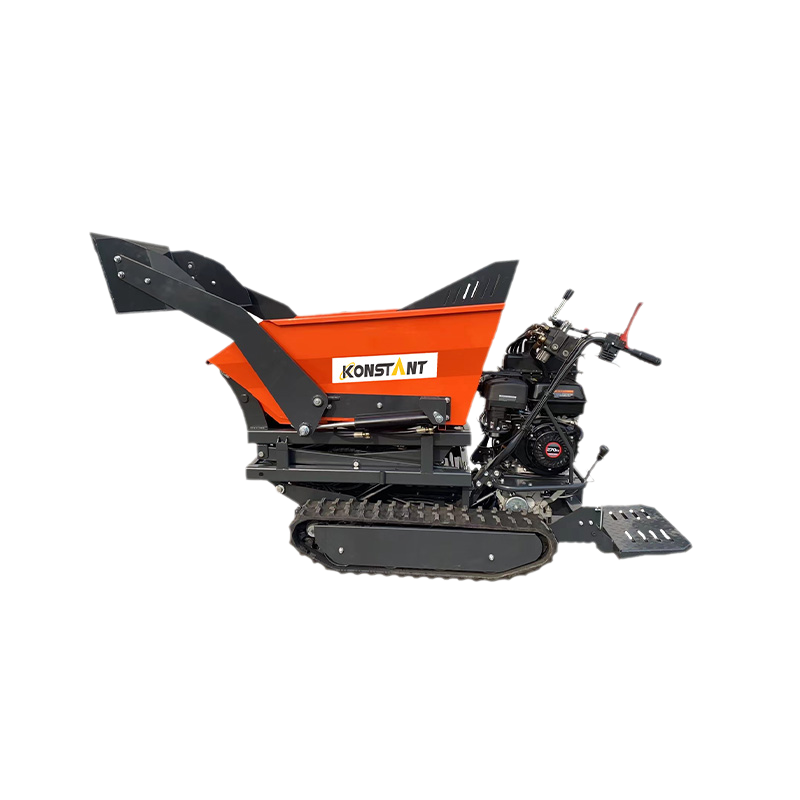
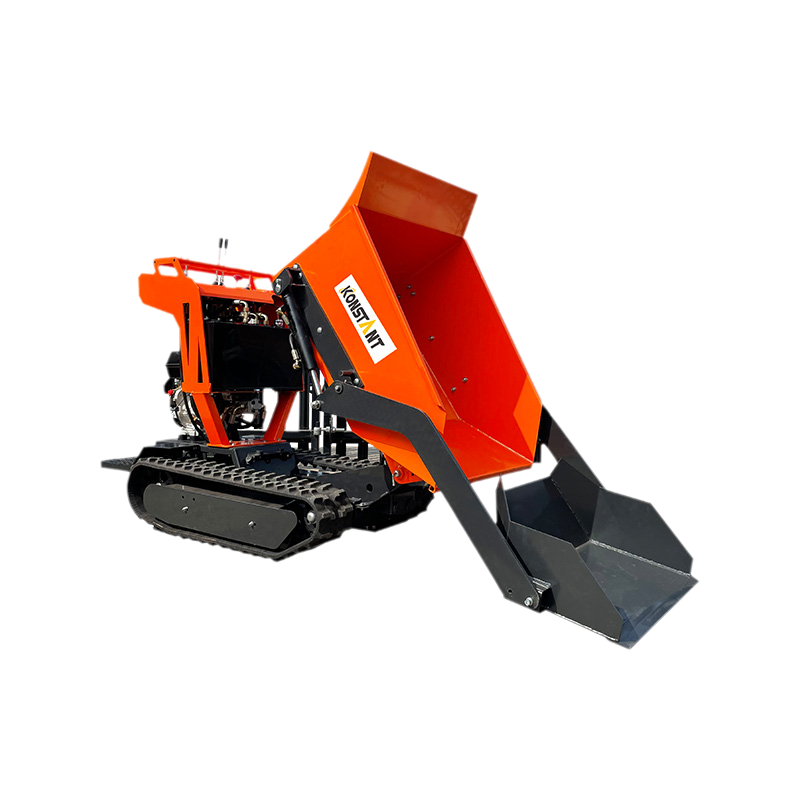
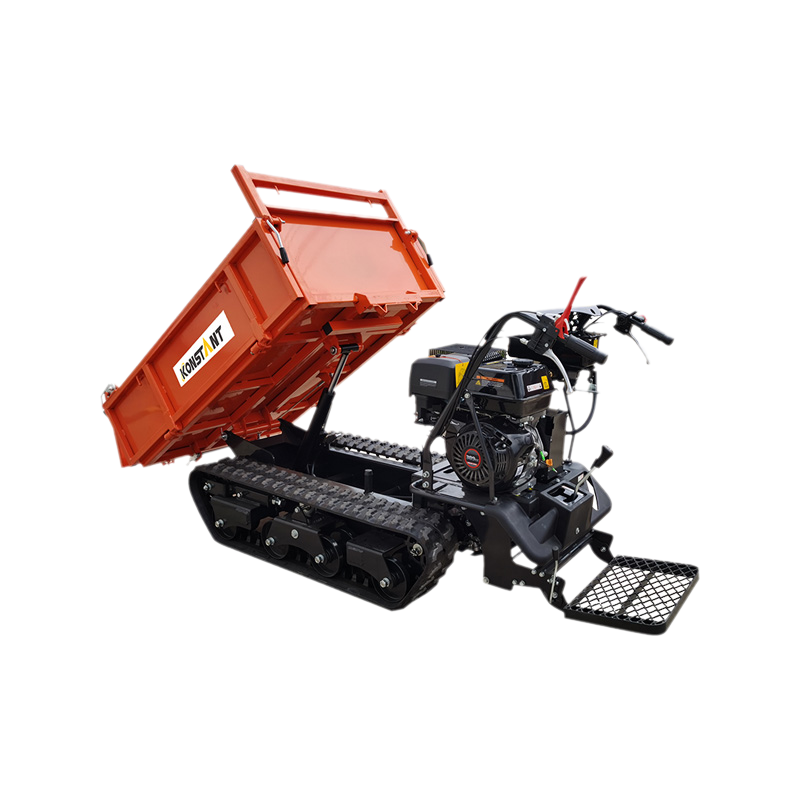
Which Mini Dumper Manufacturer Can Meet Your Project Needs
Update:23-02-2026
Posted by Admin
Content
- 1 How to Choose a Mini Dumper Manufacturer That Fits Your Project Needs
- 1.1 What features should you look for in a mini dumper manufacturer
- 1.2 How a mini dumper manufacturer can help improve your construction workflow
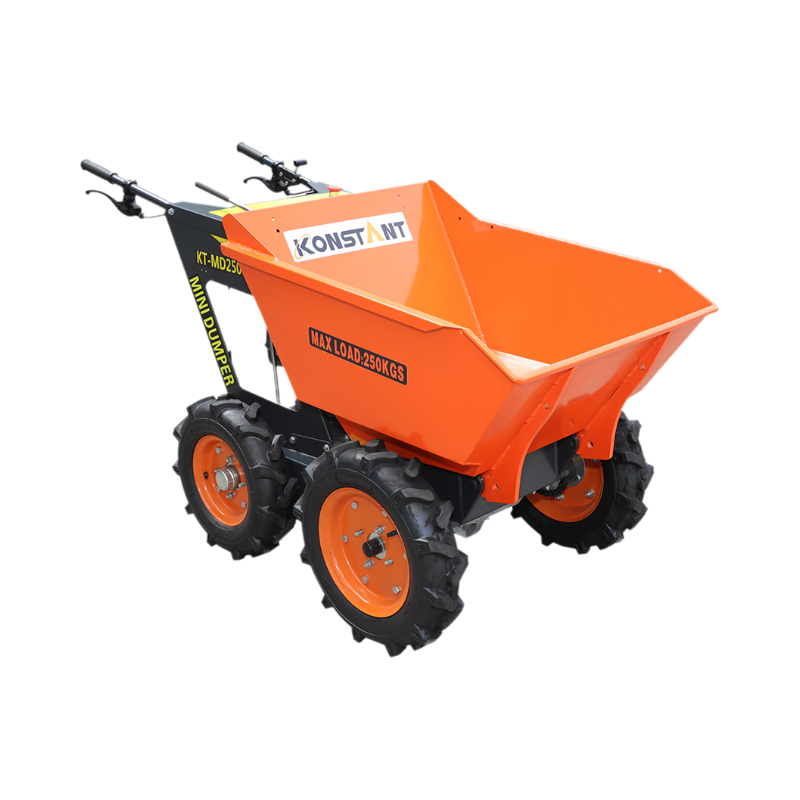
- 1.3 Which mini dumper types are suitable for different job sites
- 1.4 Why choosing the right mini dumper manufacturer matters for your projects
- 1.5 Tips for maintaining mini dumpers provided by your manufacturer
- 1.6 Where to find reliable mini dumper manufacturers for your needs
- 1.7 A quick checklist to take to manufacturers
- 1.8 Realistic expectations and negotiation tips
- 1.9 Short case vignette
How to Choose a Mini Dumper Manufacturer That Fits Your Project Needs
If you have spent even one afternoon on a busy job site, you know how much difference the right small equipment can make. Mini dumpers move material where bigger trucks cannot, cut down on carrying time, and save your crew a lot of heavy lifting. But machines are only as good as the people who make and support them. Picking a mini dumper manufacturer is one of those decisions that seems small until it isn't — and then it can shape your whole project.
What features should you look for in a mini dumper manufacturer
When you begin vetting manufacturers, try to think beyond specs on a sheet. The features a manufacturer offers and the way they support customers matter as much as horsepower and payload.
Reliability and product quality
You want equipment that will keep working day after day. That means solid components, sensible engineering, and quality control on the production line. Don't just scan a spec table — ask about material grades, welding standards, and how the company tests each unit before shipping.
Variety of models and customization
No two jobs are identical. A manufacturer that offers a range of models — from compact units for tight urban jobs to heavier models for rugged sites — gives you options. Even better: customization. Sometimes a small change, like a different tray size or a reinforced frame, makes a machine fit a specific task much better.
After-sales support and technical assistance
This is where many purchases win or lose their value. Spare parts availability, technical phone support, maintenance manuals, and training make a huge difference. Ask how quickly the manufacturer can ship critical parts and whether they keep inventories for commonly worn items.
Production capacity and delivery timeline
If you need several units on a tight schedule, check the manufacturer's production time. Smaller shops may produce well but take longer to deliver when demand spikes. Larger manufacturers usually have steadier times, but always confirm — and get it in writing when possible.
How to evaluate overall value
Cost per se is only part of the equation. Consider uptime, spare parts cost, the quality of support, and how easily the machine integrates into your existing workflow. A slightly higher price can be worth it if it saves hours of downtime or avoids frequent repairs.
How a mini dumper manufacturer can help improve your construction workflow
A thoughtful manufacturer is a partner, not a faceless vendor. Here are some tangible ways they can help your workflow.
Saves time on site
A well-matched mini dumper cuts the number of manual trips and speeds up material movement. That means tasks that used to take an hour might take 20 minutes. Multiply that across a day and you start to see the benefit.
Offers tailored solutions
Good manufacturers don't just sell what's on the shelf. They ask about your site conditions, material types, and crew size, then suggest configurations. They might recommend a particular track type for muddy terrain or a tray design that makes dumping faster and cleaner.
Improves safety and ease of operation
Machines designed with the operator in mind reduce errors and injuries. Ergonomic controls, clear sightlines, and straightforward maintenance points make life easier for operators and mechanics alike.
Real-world examples
Imagine a crew landscaping a narrow urban courtyard. A compact mini dumper with a low center of gravity and narrow chassis will navigate easily and cut labor time. Or picture a quarry where rough ground needs a machine with stronger tracks and heavier-duty hydraulics. The point is this: matching machine to task matters.
Which mini dumper types are suitable for different job sites
Mini dumpers come in many forms. Picking the right type largely depends on what you need to move, how far, what the ground is like, and how tight the space is.
Small and lightweight models
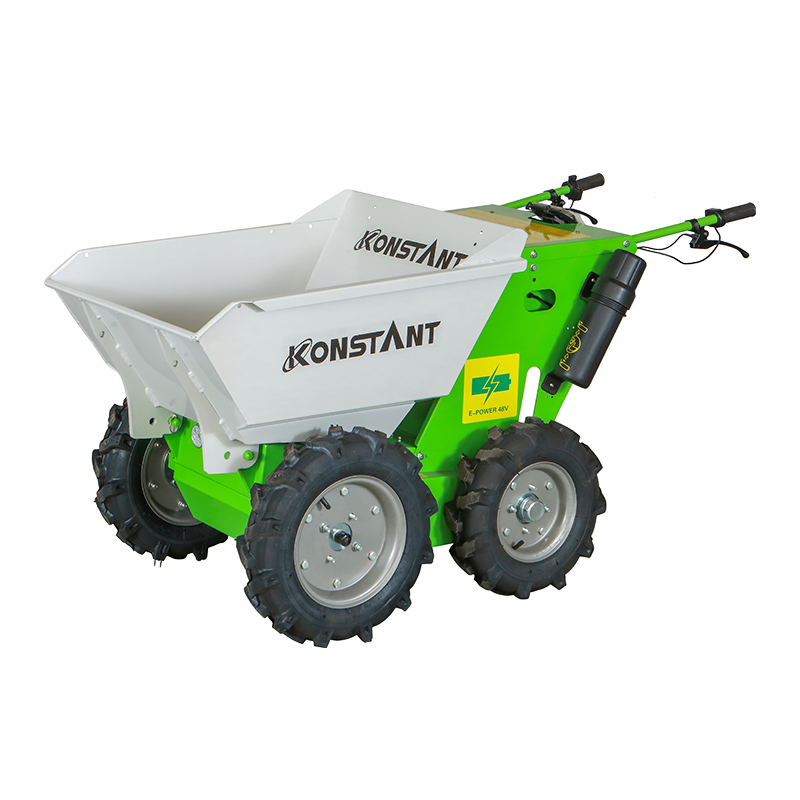
These are for tight spaces and light loads. They're easy to truck to a job and simple to operate. Choose these for indoor renovation jobs, smaller landscaping projects, and sites with limited access.
Heavy-duty models
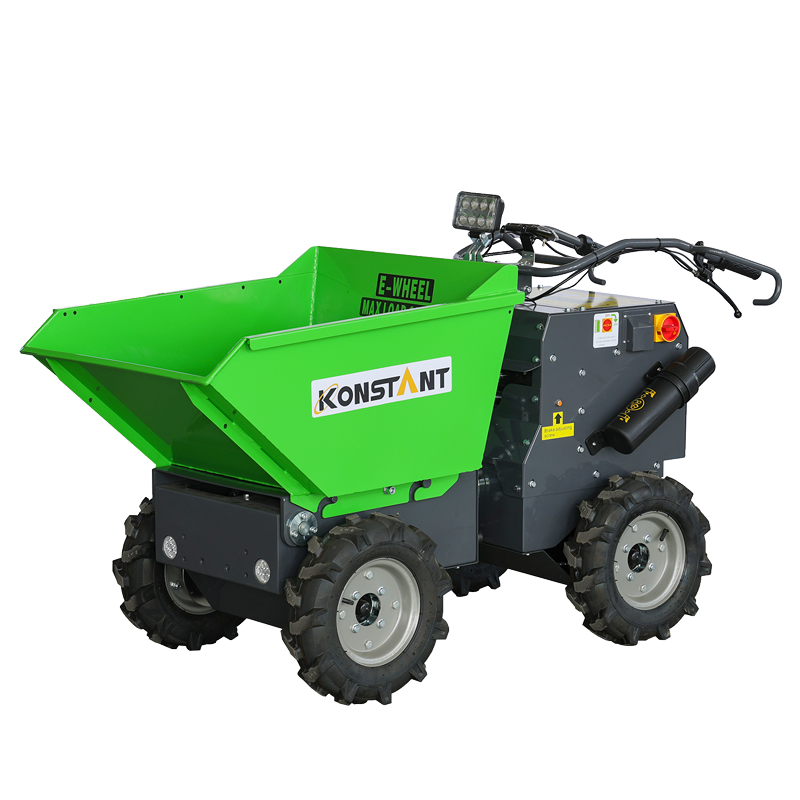
If you're moving stone, heavy aggregate, or large volumes, look at models with higher load capacity and sturdier frames. These units will weigh more, but they cut the number of passes and reduce wear from overloading lighter machines.
Off-road and terrain-specific units
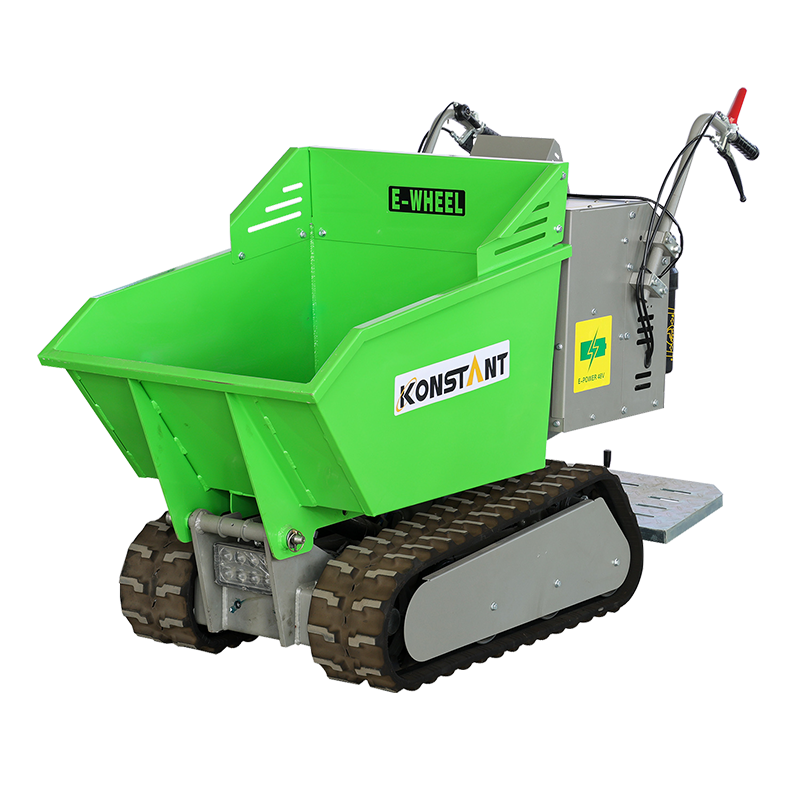
For muddy, sandy, or very uneven sites, machines with specialized tracks or low-ground-pressure tires will perform better. They'll help maintain traction and minimize the chance of getting stuck — which, as you know, can stop a whole day's work.
How to match dumper type with job requirements
Start with the material: how heavy is it, how abrasive, how likely to clog a chute? Then check access and surface. Finally, think about how many loads per hour you need to move. The answers will narrow the options quickly.
Why choosing the right mini dumper manufacturer matters for your projects
You might be tempted to buy the unit that "looks okay." But the long-term costs of that choice often show up in service calls, lost productivity, and frustrated crews.
Effects on project timelines
A failing machine means other crew members wait while repairs happen. That downtime accelerates labor cost and may cascade into scheduling conflicts. A reliable manufacturer lowers that risk.
Long-term maintenance and cost trade-offs
Better components and design often mean fewer repairs. Factor in the availability of spare parts, warranty terms, and any recommended maintenance plans. These things change the total cost of ownership over the machine's life.
Reputation and client feedback
Before you commit, seek out references or case studies. Real customers will tell you the practical pros and cons more clearly than glossy marketing.
Choosing the right manufacturer reduces surprises. It's about predictable performance, steady support, and machines that fit the work — not just machines that look good on paper.
Tips for maintaining mini dumpers provided by your manufacturer
Taking care of your mini dumper is straightforward if you follow a routine. The manufacturer usually provides schedules and checklists; use them.
Daily checks
A short daily walk-around pays off. Check fluid levels, tire pressures or track condition, hydraulic connections, and any visible wear. Tighten fasteners if needed and clear debris from moving parts.
Addressing common issues quickly
Hydraulic leaks, loose fittings, or worn belts should be handled at sight. A quick fix now avoids a bigger repair later.
Follow the maintenance schedule
Oil changes, filter replacements, and grease points are typically listed in the manual. Stick to the manufacturer's intervals to keep things running smoothly.
Training and documentation
If the manufacturer offers operator training or hands-on maintenance sessions, take it. Practical instruction reduces user error and improves care.
Where to find reliable mini dumper manufacturers for your needs
Finding the right manufacturer is a mix of research and practical checks. Here are effective places to look and ways to evaluate candidates.
Industry trade shows and exhibitions
Seeing machines in person helps you assess build quality and ergonomics. You also get to talk directly with sales and technical staff.
Manufacturer websites and online catalogs
Good websites will show clear specs, downloadable manuals, and photos from real projects. If the site lists spare parts and service centers, that's a positive sign.
Local dealers and distributors
Dealers often provide on-the-ground support. They may handle warranty work and keep stock of common parts, which speeds up repairs.
How to compare quotes and services
When quotes come in, compare the total package: warranty, spare parts availability, training, and whether the manufacturer will stand behind the machine. Don't compare price per se; compare value.
Use customer reviews and case studies
Look for reviews from operators and maintenance staff. A machine that's easy to fix gets better marks even if it's not the flashiest.
Practical contact tips
Prepare a short spec sheet for your project. Include load types, expected daily loads, typical travel distance, and ground conditions. This lets manufacturers quote accurately and recommend suitable models.
A quick checklist to take to manufacturers
If you like checklists, here's a compact one you can take when you contact manufacturers:
- Describe your project specifics (materials, terrain, access, loads per hour)
- Ask about available models and any customization options
- Request production capacity info
- Confirm warranty terms and spare parts availability
- Ask about training, manuals, and technical support channels
- Request customer references or case studies
- Compare total cost of ownership, not just upfront price
This simple checklist keeps conversations focused and helps you compare responses objectively.
Realistic expectations and negotiation tips
Manufacturers will often have standard packages and optional extras. Know what you actually need and what's optional.
Negotiate on value, not just price
Instead of asking for a lower price, consider asking for added value: extended parts kits, a short maintenance service, or free training for your operators. Often, manufacturers prefer to add service than cut price.
Plan around times
If you're on a tight schedule, start early. Clarify shipping and customs procedures if the unit is coming from overseas.
Ask for a pilot or demo when possible
If you can arrange a short demo period or rent a unit to test on site, you'll see how well the machine matches your real conditions. This hands-on approach reduces purchase risk.
Short case vignette
A small landscaping contractor once told me a simple story: they bought three compact dumpers for a busy season. One supplier offered a machine with a tray that was slightly deeper, and they took it. That change saved them one pass on average per load and cut their labor cost noticeably across the season. The contractor didn't need the fanciest features — just the right fit for the job.
Real results often come from small, practical choices like that.
Buying from the right mini dumper manufacturer means thinking long term. The initial purchase is only the start. Factor in uptime, spare parts, training, and the kind of support you can expect when machines are under pressure.
Related products

Latest Updates
-
How Tracked Mini Transport Machines Perform on Muddy and Uneven Ground
Construction sites, landscaping work, and outdoor material movement often take place where the groun...
-
Mini Dumper Purchases: Include the Charging Plan in the Enquiry
A battery powered mini dumper may be selected for its size and payload, while charging is left as a ...

-
Welcome To Visit Us
No.30, Third Furong Road, Wuxi City, Jiangsu. 214100, China.
-
Call Us
Phone: +86 181-1889-1139
Phone: +86 181-1889-2139
-
Contact Us Online
E-mail: sales@konstantpm.com
E-mail: marketing@konstantpm.com
Copyright WUXI KONSTANT POWER TECH CO., LTD All Rights Reserved
 China Mini Dumpers Manufacturers Power Wheelbarrow Factory