
 English
 русский
 Français
 Español
 Deutsch

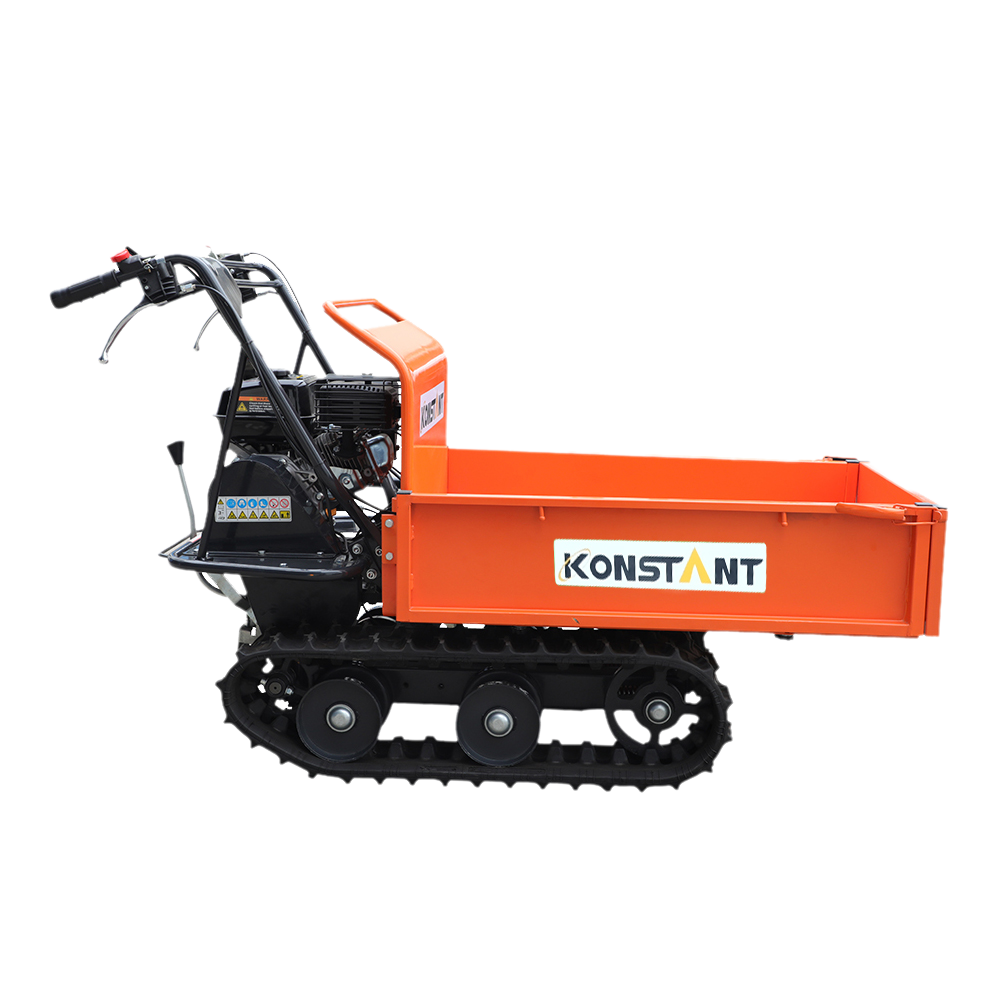
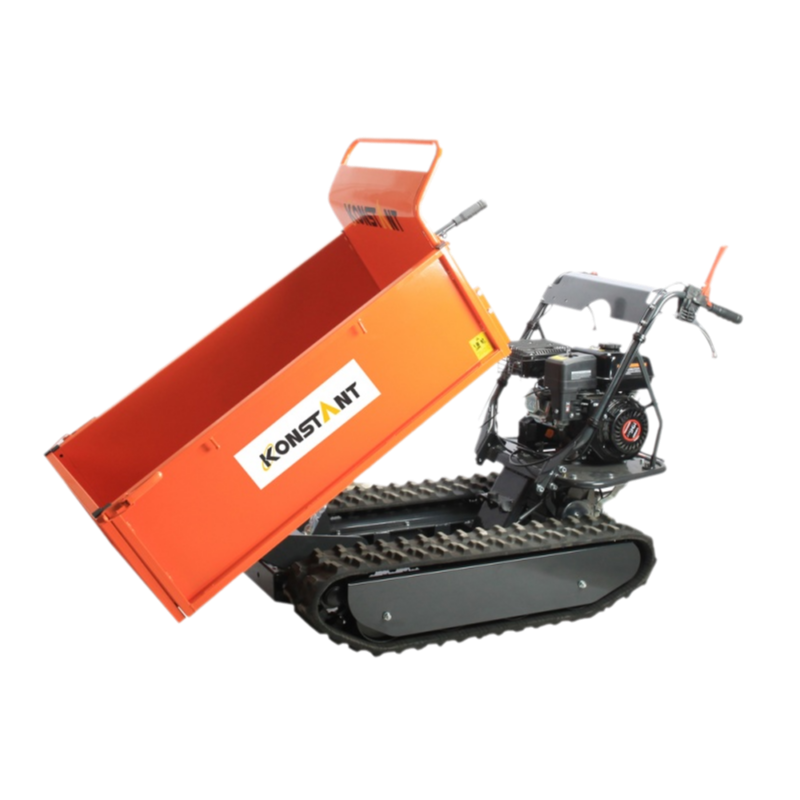
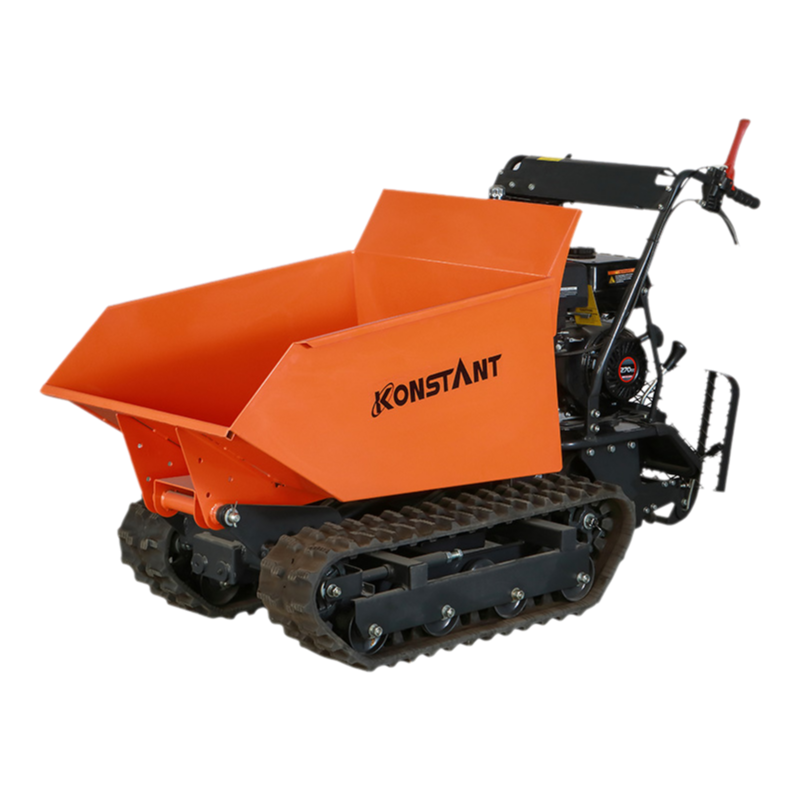
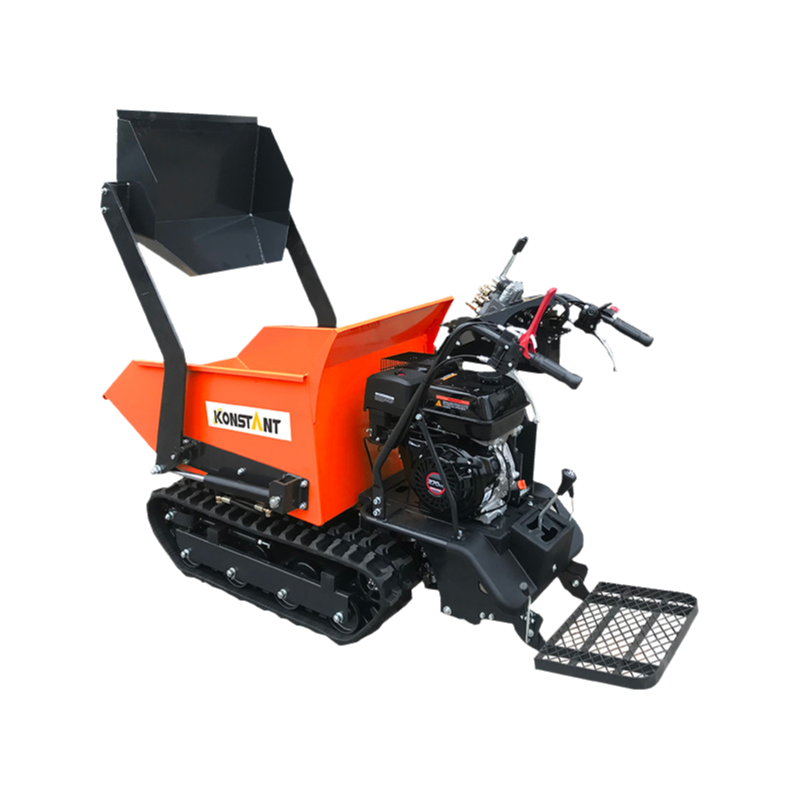
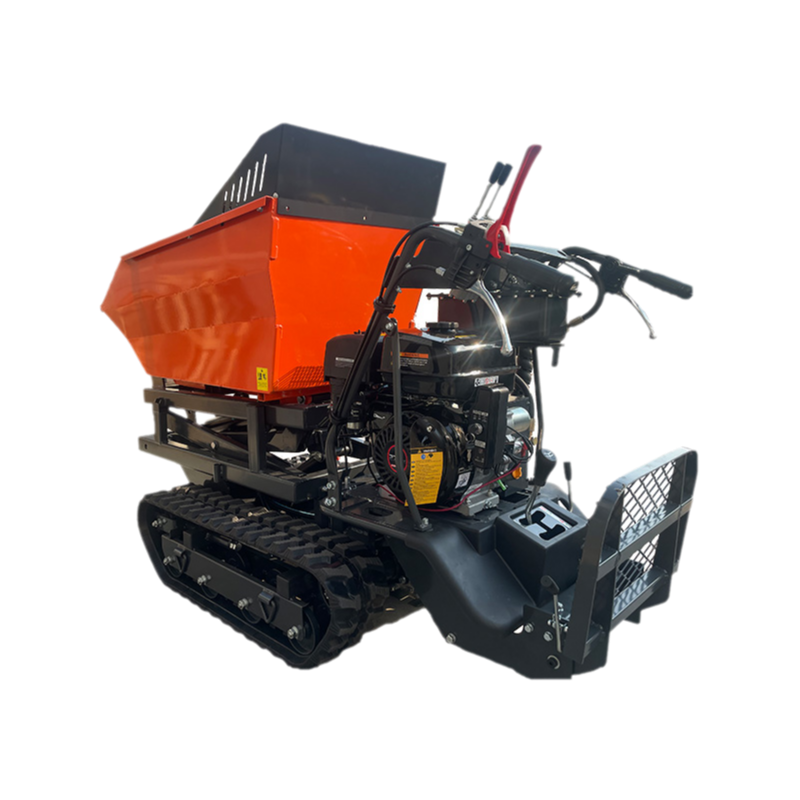
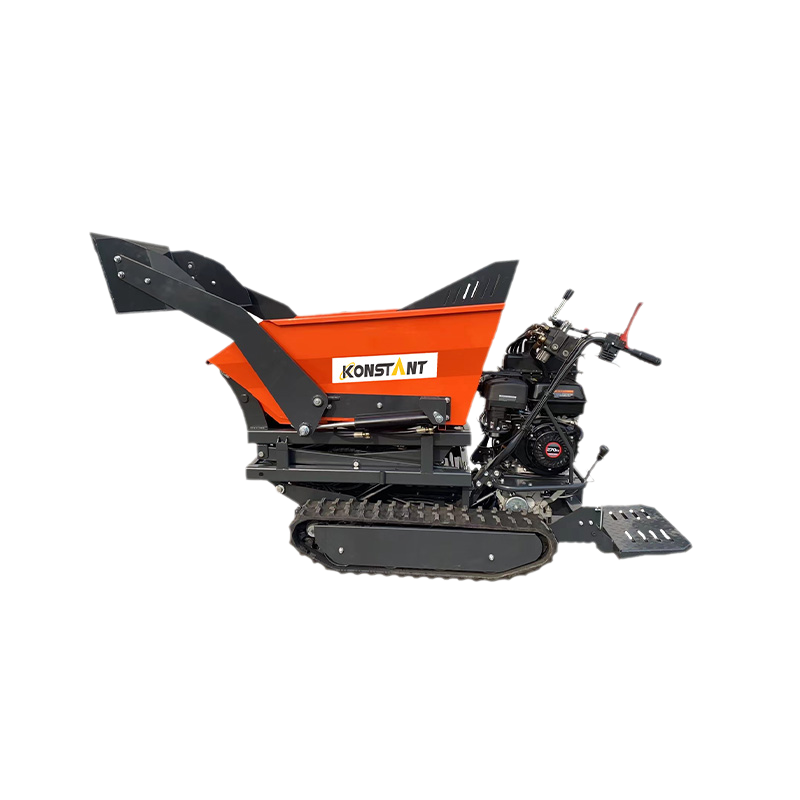
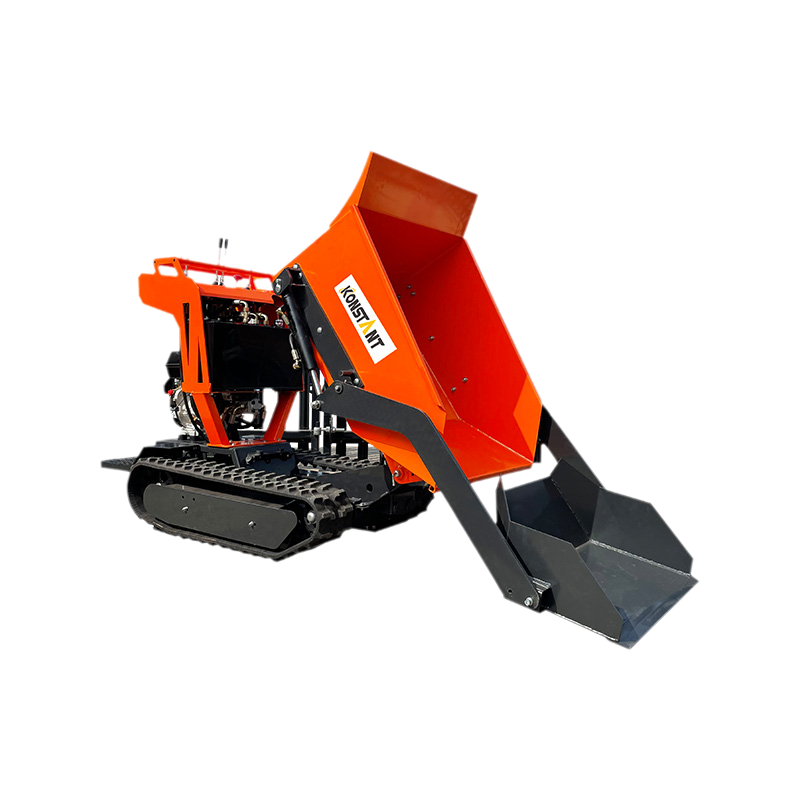
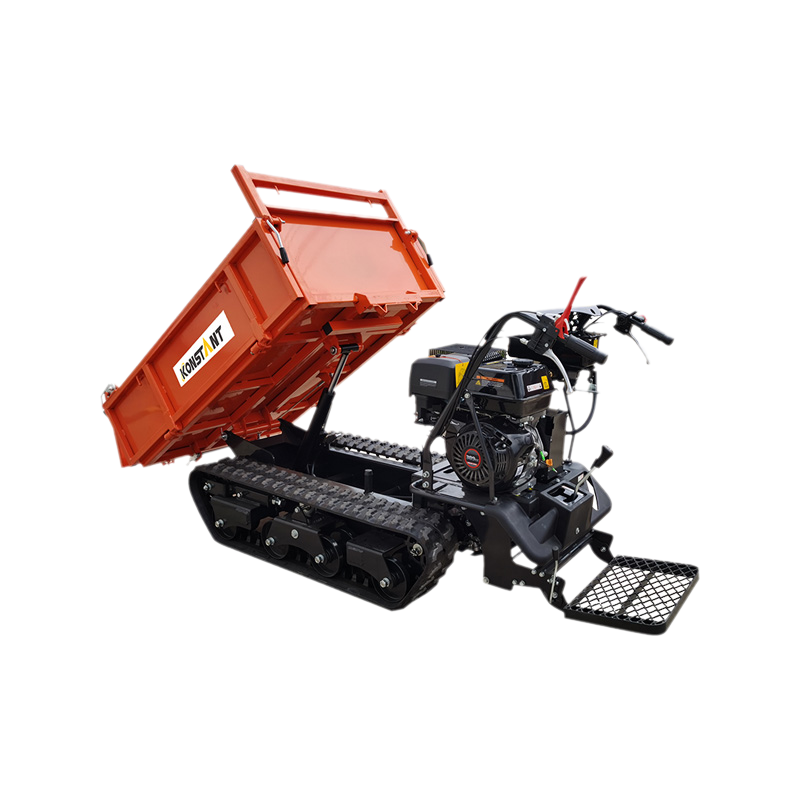
Provide you with the latest enterprise and industry news
How Do Garden Loaders Support Daily Job Site Work
Update:22-12-2025
Posted by Admin
Content
- 1 Why a garden loader helps on jobsites
- 2 What job types matter
- 2.1 Where the machine will be used
- 2.2 How attachments expand capability
- 2.3 Which operator factors to weigh
- 2.4 Why maintenance planning is essential
- 2.5 Power and environmental considerations
- 2.6 Budget with whole life costs in mind
- 2.7 Practical ways to trial a unit
- 2.8 Safety and compliance tips
- 2.9 How controls and visibility affect day to day work
- 2.10 Attachment system: which interfaces increase versatility
- 2.11 Comfort and ergonomics: why operator design matters
- 2.12 Serviceability: features that cut upkeep time
- 2.13 Durability and materials: durability that preserves value
- 2.14 Power and environmental fit
- 2.15 Stability and maneuvering on varied ground
- 2.16 Resale and long term utility
- 3 Which Garden Loader Attachments Matter for Different Seasonal Jobs
- 3.1 Spring: ground preparation and planting support
- 3.2 Summer: maintenance, transport, and irrigation tasks
- 3.3 Autumn: cleanup and site preparation for dormancy
- 3.4 Winter: access and livestock support
- 3.5 Choosing implements for year round value
- 3.6 Changeover speed and on site practicality
- 3.7 Care, inspection, and storage
- 3.8 Renting versus buying seasonal implements
- 3.9 Compatibility and supplier support
Why a garden loader helps on jobsites
A compact loader reduces repetitive strain and speeds up common tasks by combining lifting, moving, and light excavation abilities in one unit. Its small footprint allows access to tighter spaces than full size machinery while still offering the reach and hauling capacity needed for wheelbarrow-scale loads. Using a loader can shorten project timelines, reduce manual handling, and make it easier to finish projects with fewer hired helpers.
Common landscaping tasks where a loader adds value
Garden loaders are well suited for a range of outdoor jobs:
- Moving soil, mulch, and gravel across irregular terrain
- Preparing planting beds and spreading topsoil or compost
- Clearing vegetation and hauling away debris after pruning or storm cleanup
- Grading small slopes and creating level planting areas
- Handling palletized materials such as pavers or bags of soil
Small construction projects that benefit from a loader
On small builds and hardscape installations, a compact loader helps with:
- Site cleanup between work stages to maintain safe access
- Transporting and positioning paving materials and edging
- Assisting with light trenching and material backfill in confined areas
- Supporting foundation preparation for sheds, decks, and raised beds
Practical ways to use the machine efficiently
Efficient use begins with matching the task to the machine capability and using appropriate attachments for the job. Plan material flow to minimize repeated trips, keep travel routes clear, and use the loader to stage materials near the work area. For repetitive loading tasks, practice smooth, controlled movements to preserve fuel and reduce wear.
Features to consider without focusing on specs
When evaluating options, think about usability and durability rather than specific numbers. Consider:
- Operator comfort and visibility for safer handling
- Attachment compatibility to expand versatility for future projects
- Ease of service and access to routine maintenance points
- Stability and maneuverability for work on slopes and narrow paths
These considerations help find a machine that fits how you work rather than chasing technical claims.
Safe operation and compliance
Safety should be central to every deployment. Always follow the operator manual, use appropriate personal protective equipment, and ensure bystanders keep a safe distance. For hired work, verify that operators have relevant training and that site insurance and local regulations are observed.
Maintenance habits that extend service life
Simple, regular care keeps a loader reliable: daily walkaround checks, prompt attention to fluid and filter changes, and periodic inspection of wear items. Storing the machine under cover and addressing minor repairs before they escalate both protect investment and reduce downtime.
| Typical project | How a loader helps | Attachment examples |
|---|---|---|
| Garden renovation | Speeds soil movement and debris removal | bucket, pallet forks |
| Hardscape installation | Moves pavers and levels base material | grading bucket, box blade |
| Small utility trenching | Assists with backfill and material staging | auger, trenching tool |
| Seasonal cleanup | Clears leaves, branches, and waste | sweepers, grabber |
A garden loader is a practical tool for landscaping and modest construction projects when chosen and used with attention to safety, compatibility, and maintenance. By focusing on how the machine will fit into project workflows and prioritizing reliable service and operator training, users can achieve faster, less strenuous results while keeping operations compliant and efficient.
What job types matter
Start by grouping your activities into clear categories:
- Repetitive material moves such as soil, compost, or bedding
- Occasional heavy lifts like palletized goods or stacked pavers
- Surface preparation and minor grading for planting or paths
- Seasonal chores including cleanup and site preparation
Knowing which category dominates your calendar gives a clear foundation for choice.
Where the machine will be used
Site context affects suitability as much as task list. Consider:
- Access width at gates and paths that limit machine size
- Ground surface sensitivity where low pressure and wide contact reduce damage
- Storage and transport options for moving between properties or jobsites
- Planning how the machine travels and parks prevents surprises after purchase.
How attachments expand capability
Attachments convert one piece of equipment into a multiuse tool. Typical implements include a general purpose bucket, pallet forks, a soil tool for bed work, and cleaning implements for seasonal maintenance. Think about which implements you will actually change out during a year and whether swaps are easy on site.
Which operator factors to weigh
Who runs the machine influences the choice. Prioritize intuitive controls, good sightlines, and comfortable operator positions where long shifts are expected. If several people will drive the unit, choose a layout that shortens training time and reduces errors.
Why maintenance planning is essential
A predictable care routine keeps a unit available when you need it. Check that routine inspection points are easy to reach, that common wear parts are obtainable locally, and that service intervals match how intensively the machine will be used. For mixed use properties, quick repairs mean fewer interruptions.
Power and environmental considerations
Select a power approach aligned with work locations. Some sites need low emission operation, while others value long continuous runtime. Match fuel or energy choice to local rules on emissions and noise, and to practical needs for daily refueling or recharging.
Budget with whole life costs in mind
Purchase price is only part of ownership. Include storage, transport, attachment purchases, operator training, and routine servicing in cost planning. Compare short term hire versus ownership based on annual hours of use and access to timely service.
Practical ways to trial a unit
A short on site trial reveals how a machine fits real conditions. Use the test to confirm passage through gates, ability to stage materials near work areas, and ease of attachment changes. Focus on how the unit moves and handles common loads rather than isolated performance numbers.
| Situation | Typical task examples | Selection focus |
|---|---|---|
| Small ornamental garden | Moving compost, bed prep | Compact footprint, gentle ground contact |
| Market garden or small nursery | Frequent pallet handling, bed shaping | Attachment flexibility, ease of swaps |
| Hobby farm | Feed transport, stall cleaning | Stability, straightforward upkeep |
| Multiuse rural property | Seasonal snow, mulch, planting prep | Versatile implement interface, storage plan |
Safety and compliance tips
Always follow the operator guidance that accompanies the machine. Provide basic training for new drivers, establish exclusion zones for bystanders, and wear suitable protective equipment. Verify that any hired work complies with local insurance and site rules.
Accessible inspection points, clear maintenance checklists, and locally stocked parts point to manageable upkeep.
Selecting the right garden loader is an exercise in matching real needs to practical capability. Focus on how a unit will integrate into daily routines, its implement compatibility, operator ergonomics, and straightforward upkeep. With careful planning and a brief on site trial, you can choose equipment that reduces manual effort and supports steady workflows across seasons.
How controls and visibility affect day to day work
Smooth operation reduces fatigue and speeds repetitive tasks. Look for intuitive control layouts and clear sightlines so the operator can place loads precisely without constant repositioning. Simple, predictable response from the controls helps shorten training time and lowers the chance of accidental damage to plants, paving, or turf.
Attachment system: which interfaces increase versatility
A flexible coupling system extends what one unit can do across seasons. Common implements — general buckets, pallet forks, soil tools, and sweepers — let a single machine handle loading, pallet work, grading, and cleanup. Assess the ease of swapping attachments on site, and whether adapters are broadly supported so you can source tools from multiple suppliers.
Comfort and ergonomics: why operator design matters
Comfortable seating, accessible controls, and good foot positioning matter when tasks last for hours. Reduced operator strain improves accuracy and keeps projects moving. If several people will run the unit, favor layouts that adapt to different body sizes and driving habits to limit downtime for adjustment.
Serviceability: features that cut upkeep time
Design choices that simplify daily checks and routine service pay back quickly. Easy access to inspection points, clearly marked maintenance items, and modular components speed common tasks. For commercial users, proximity of authorized service and the local availability of parts are practical factors that affect uptime.
Durability and materials: durability that preserves value
Components built to resist wear in outdoor settings reduce replacement frequency. Reinforced contact points, corrosion-resistant finishes, and guarded hydraulic lines all help keep a unit working reliably in mud, dust, and wet conditions. Consistent construction quality supports predictable service needs and smoother ownership.
Power and environmental fit
Choose a power approach that suits where you work. Low emission operation is useful near homes, greenhouses, or enclosed structures, while long runtime without frequent refueling supports open field chores. Match the energy choice to local rules on exhaust and noise to avoid compliance issues.
Stability and maneuvering on varied ground
Balanced weight distribution and nimble steering let the machine handle slopes, rutted paths, and tight turns without excessive ground damage. For work around landscaping or delicate beds, consider features that reduce ground pressure and allow slow, controlled movement when precision matters.
Resale and long term utility
A unit that accepts common attachments and has a clear maintenance history tends to hold buyer interest later on. Design choices that simplify repairs and permit upgrades extend useful life. When possible, keep records of service and any parts replacements to support future transactions.
| Feature area | What it helps with | Practical sign to look for |
|---|---|---|
| Controls and visibility | Accurate placement, less rework | Simple control layout and wide sightlines |
| Attachment interface | More tasks per season | Standard quick-coupler design |
| Service access | Faster checks and repairs | Tool-free panels and labeled points |
| Materials and guards | Less downtime from wear | Reinforced wear surfaces |
| Power choice | Match to site needs | Low emission option for enclosed areas |
Choosing a garden loader for everyday use and sustained value means focusing on features that improve handling, expand utility, and simplify upkeep. Prioritize machines that match how you work over ones that emphasize single-number claims. Using the checklist above during demos or trials helps reveal how well a candidate fits practical needs.
Which Garden Loader Attachments Matter for Different Seasonal Jobs
Spring: ground preparation and planting support
Spring work often centers on preparing soil, moving organic material, and setting up beds. Useful implements in this period include:
- General purpose bucket for moving compost and mulch
- Soil engagement tool for light loosening and blending topsoil
- Pallet forks for placing boxed plants or bags of amendment
When selecting spring tools, prioritize attachments that allow controlled placement of material and gentle handling of new plantings to avoid root disturbance.
Summer: maintenance, transport, and irrigation tasks
Summer routines focus on upkeep, frequent hauling, and water system service. Helpful implements for this season are:
- Pallet forks for moving supplies and harvested produce
- Narrow grading tool for maintaining paths and bed edges
- Utility sweeper to clear debris in production areas
Opt for tools that can be changed quickly so daily priorities can shift without lengthy downtime.
Autumn: cleanup and site preparation for dormancy
Autumn brings leaf removal, pruning waste collection, and prep for winter. Implements that streamline these chores include:
- Grab or grapple for collecting branches and bulky debris
- Multiuse bucket for bagging leaves and compost transfer
- Light rake attachment for final grading before frost
Choose implements that handle irregular loads and allow rapid clearing of work zones to minimize wet-season deterioration.
Winter: access and livestock support
Cold weather needs often center on access and care for animals. Consider:
- Snow-handling tools for clearing paths and feeding areas
- Forks for moving bedding and feed to sheltered spots
- Enclosed storage crates to keep vulnerable implements dry between uses
Ensure winter tools are easy to fit while wearing gloves and that connection points stay free of ice and corrosion.
Choosing implements for year round value
Rather than accumulating many single-purpose tools, select implements that deliver utility across seasons. Look for:
- Multiuse designs that handle both loose and palletized loads
- Interfaces compatible with common quick-coupler systems
- Durable construction where wear is expected
Versatile tools reduce capital outlay and streamline storage needs while covering a wide task range.
Changeover speed and on site practicality
Quick coupling systems and simple locking mechanisms save time during busy days. Test how long it takes to swap a tool during a trial and evaluate whether you need additional adapters. Simple adapters can increase compatibility with implements from various suppliers.
Care, inspection, and storage
Routine attention keeps tools reliable. Follow a few basic steps:
- Clean implements after each season to remove grit and organic residue
- Inspect wear edges, pins, and hydraulic couplers before redeployment
- Apply protective coatings to exposed metal if tools will be stored outdoors
- Organize storage so common implements are easy to reach during peak seasons
Good storage habits cut preparation time at the start of each period and slow corrosion.
Renting versus buying seasonal implements
If a tool is needed only occasionally, short term hire may be sensible. Ownership pays off when usage is frequent and predictable. When deciding, account for transport, storage, minor repairs, and how quickly a rented tool can be sourced when weather changes.
Compatibility and supplier support
Confirm that implements match your machine interface and that replacement wear parts are available locally. Supplier support for installation guidance and spare components shortens repair time and keeps operations moving.
| Season | Common chores | Suggested implements |
|---|---|---|
| Spring | Bed prep, compost moving | Bucket, soil tool, forks |
| Summer | Material transport, maintenance | Pallet forks, grading tool, sweeper |
| Autumn | Debris cleanup, final grading | Grab, bucket, light rake |
| Winter | Path clearing, livestock care | Snow tool, forks, protected storage |
Matching implements to seasonal work streamlines routines and reduces handling time. Target multiuse attachments that are simple to fit, durable, and supported by local service. With planned storage and routine inspection, a compact fleet of well chosen tools covers spring planting, summer upkeep, autumn cleanup, and winter access with minimal fuss.
Related products

Latest Updates
-
What Types of Materials Can a Petrol Wheelbarrow Move
Moving material around a job site is just part of the work in a lot of outdoor trades. Constructio...
-
Why Does Terrain Matter When Choosing a Battery Operated Wheel Barrow
A Battery Operated Wheel Barrow can make material transport easier in many working environments. I...

-
Welcome To Visit Us
No.30, Third Furong Road, Wuxi City, Jiangsu. 214100, China.
-
Call Us
Phone: +86 181-1889-1139
Phone: +86 181-1889-2139
-
Contact Us Online
E-mail: sales@konstantpm.com
E-mail: marketing@konstantpm.com
Copyright WUXI KONSTANT POWER TECH CO., LTD All Rights Reserved
 China Mini Dumpers Manufacturers Power Wheelbarrow Factory