
 English
 русский
 Français
 Español
 Deutsch

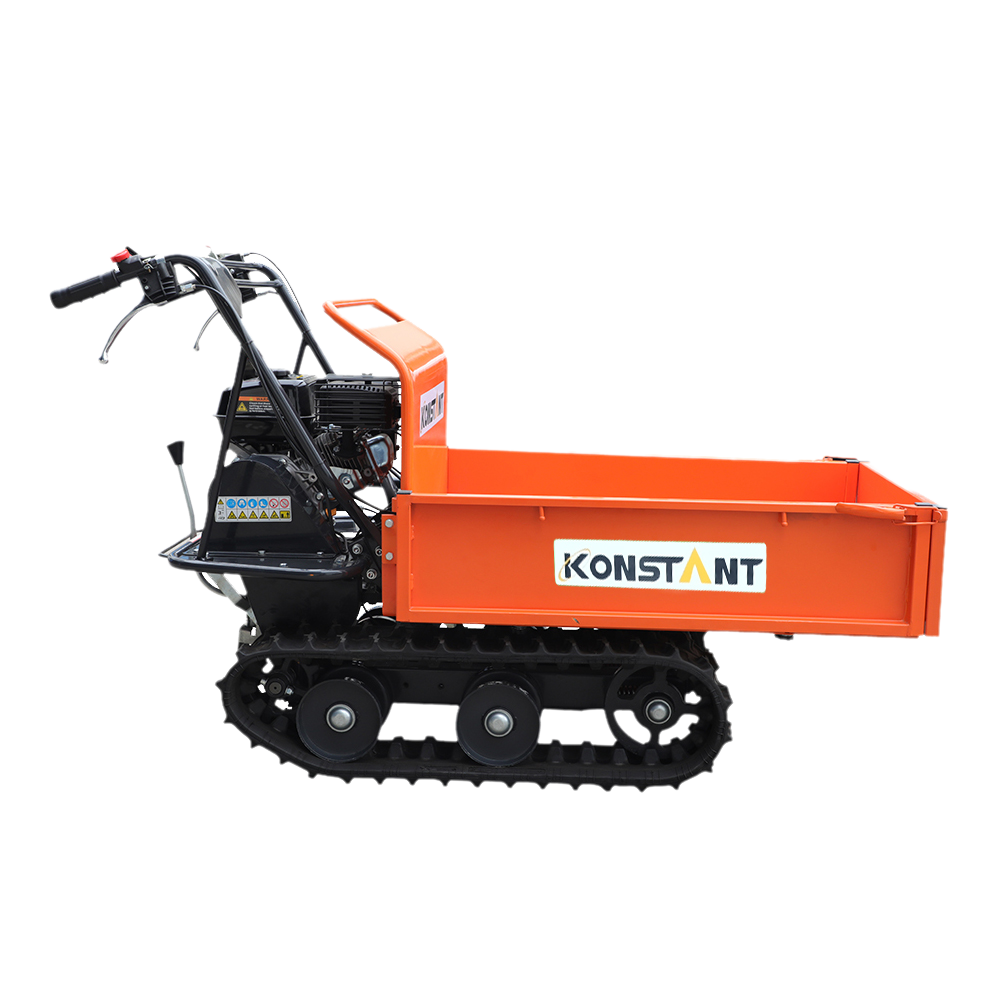
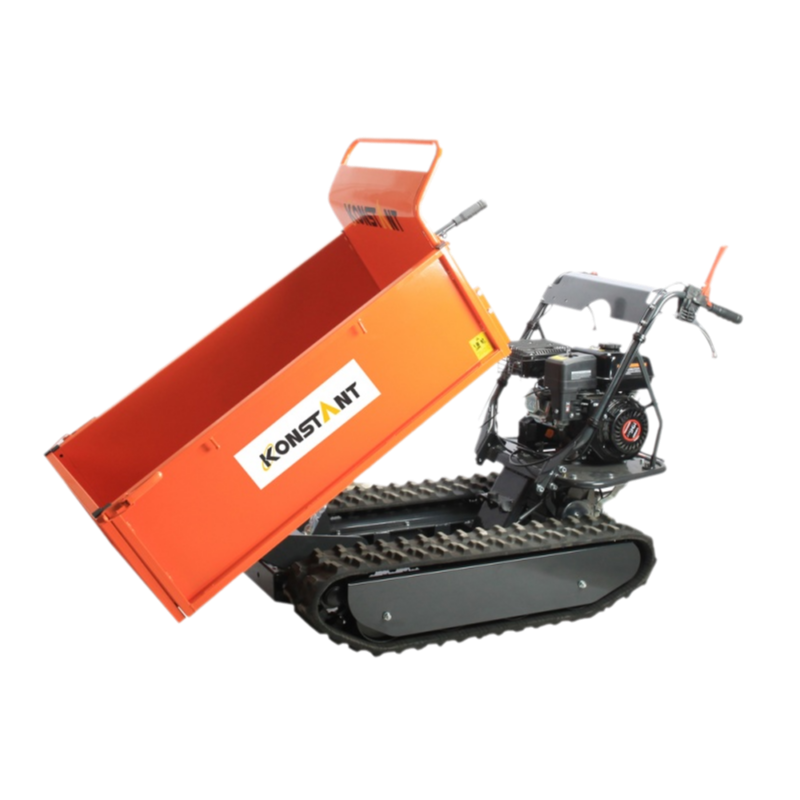
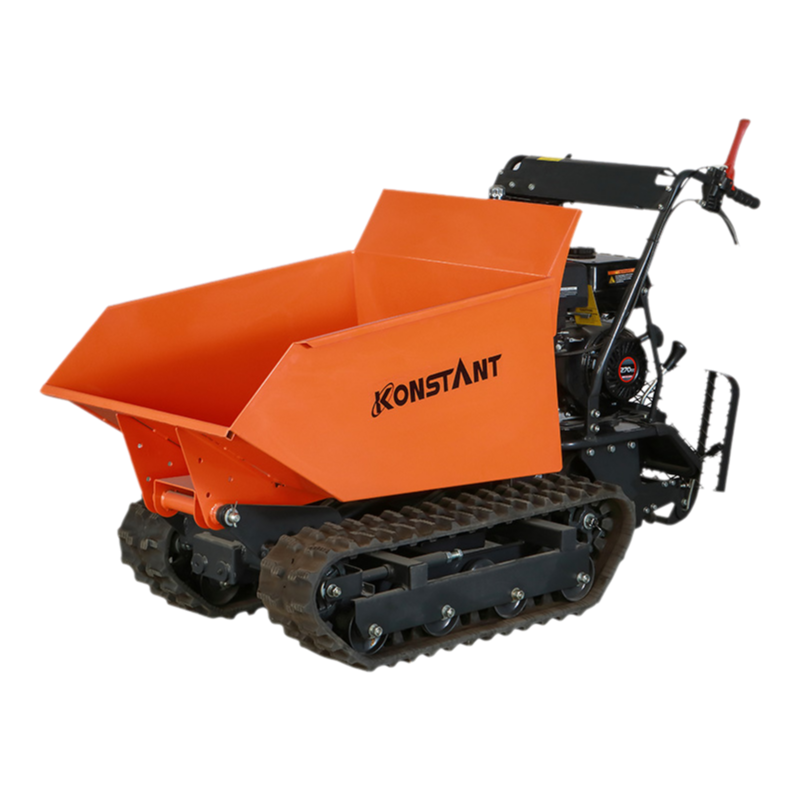
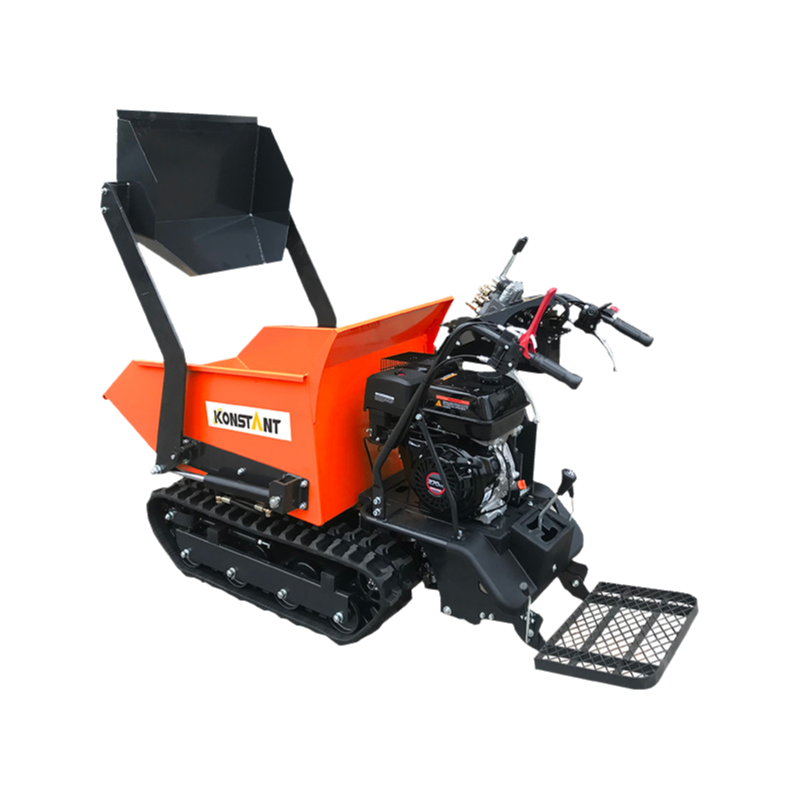
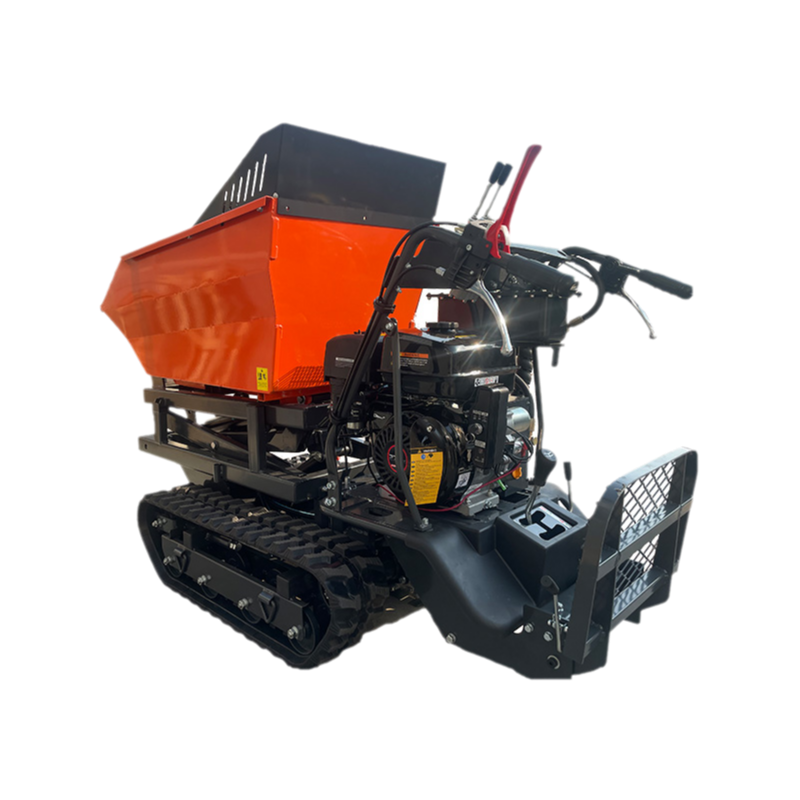
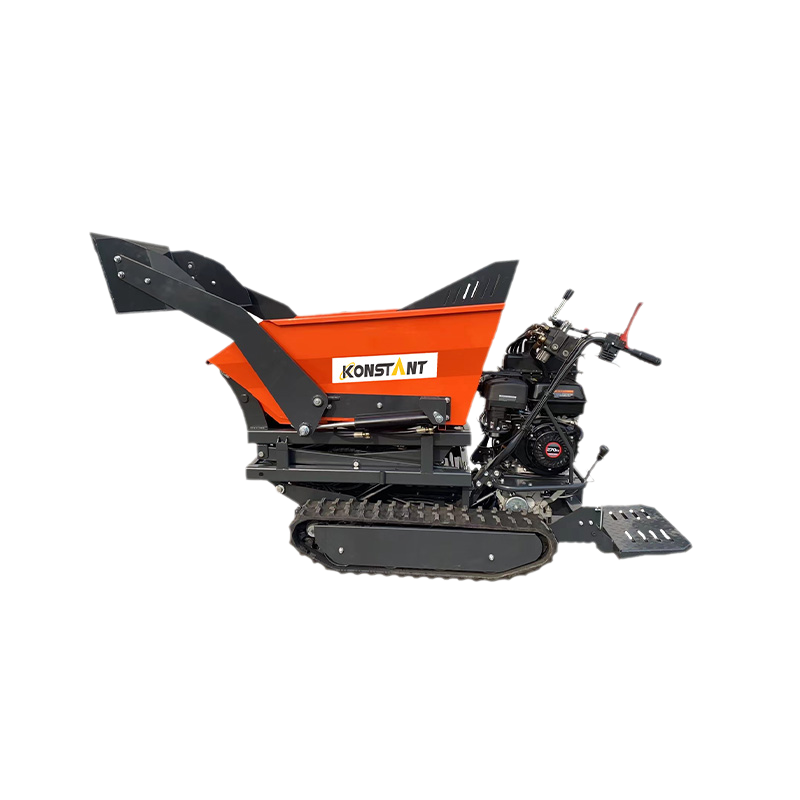
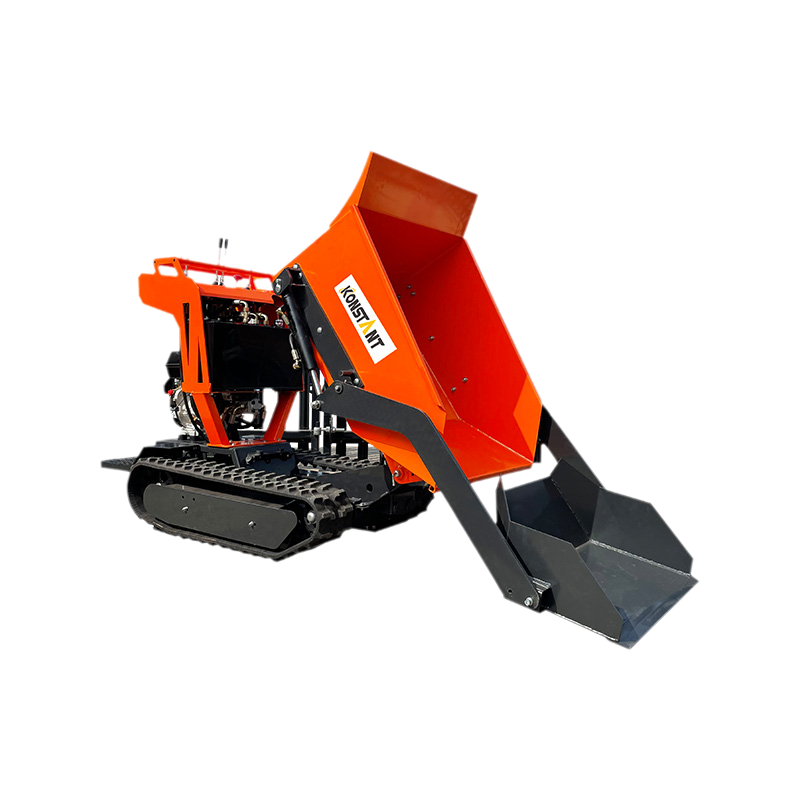
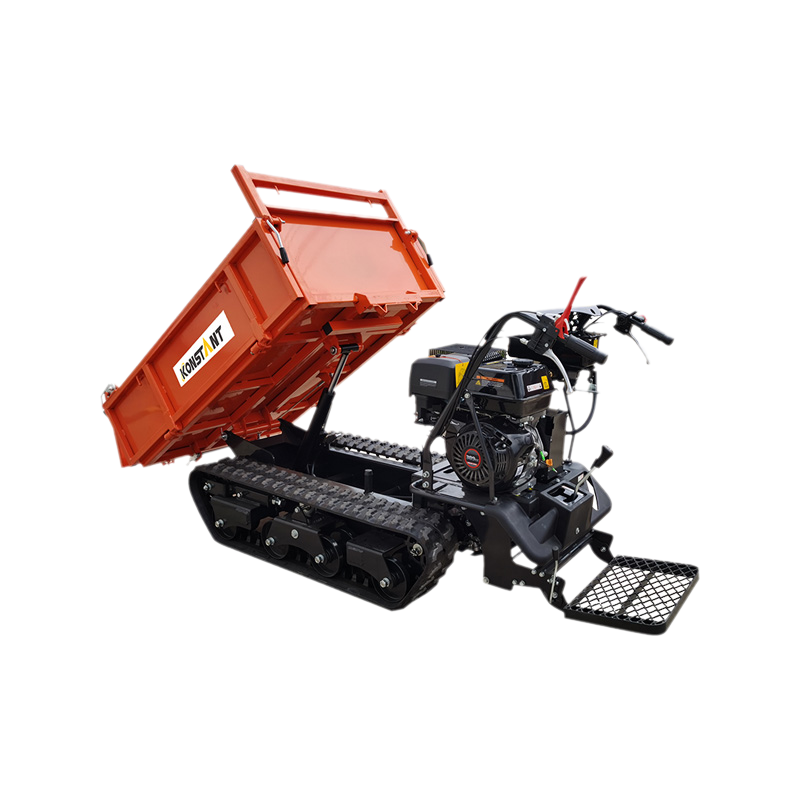
Provide you with the latest enterprise and industry news
Where Can You Find a Mini Dumper Supplier That Supports Your Needs
Update:19-12-2025
Posted by Admin
Content
- 1 How Can a Mini Dumper Supplier Help Improve Construction Site Efficiency
- 1.1 Right equipment for the task
- 1.2 Operator training and safer operation
- 1.3 Preventive maintenance and spare parts
- 1.4 Tailored rental and fleet options
- 1.5 Integration with site workflow
- 1.6 Cost control and operational planning
- 1.7 Safety and compliance support
- 1.8 Environmental and productivity benefits
- 1.9 Selecting the right partner
- 1.10 Quick checklist for procurement
- 2 Further Ways Vendors Deliver Time and Cost Savings with Mini Dumpers
- 2.1 Fast mobilization and staged delivery
- 2.2 Short-term loans during peak demand
- 2.3 Embedded site support and field technicians
- 2.4 Warranty and service bundles that reduce total cost
- 2.5 On-site optimization workshops
- 2.6 Shared tooling and modular accessories
- 2.7 Data-driven utilization reviews
- 2.8 Combined logistics and disposal services
- 2.9 Local stocking of consumables and wear parts
- 2.10 Performance-linked agreements
- 3 Where Can You Find a Mini Dumper Supplier That Supports Your Needs
How Can a Mini Dumper Supplier Help Improve Construction Site Efficiency
A Mini Dumper Supplier can be a practical partner for construction teams aiming to move materials faster, reduce labor strain, and keep schedules on track. Beyond selling machines, a knowledgeable provider adds value through application advice, training, parts support, and solutions that fit the site layout and project goals.
Small tracked or wheeled dumpers make short trips for soil, aggregates, or debris quicker than manual carrying or wheelbarrows. When machines match the terrain and load profile, crews spend less time handling repetitive tasks and more time on skilled work. That translates into fewer trips, reduced fatigue, and more predictable daily progress.
Right equipment for the task
A good vendor helps select a model that fits access constraints, slope conditions, and haul distances. Choosing the right configuration and attachments reduces unnecessary handling. For example, options for tilting, remote control, or specialized buckets can improve access in confined areas and speed up unloading.
Operator training and safer operation
Suppliers often provide practical operator instruction and basic troubleshooting. Trained operators run machines more efficiently and avoid unsafe practices that cause delays. Simple topics — correct loading, stability checks, and safe travel paths — reduce incidents and keep crews productive.
Preventive maintenance and spare parts
Downtime is one of the biggest drains on site efficiency. A responsive parts and service arrangement shortens repair times and prevents lengthy stoppages. Routine maintenance plans supplied by the vendor—inspection checklists, schedule reminders, and quick access to consumables—help equipment remain available when needed.
Tailored rental and fleet options
Not every project needs permanent purchases. Providers that offer flexible rental terms or scalable fleets enable sites to match capacity to each phase of work. This avoids idle machines during low-demand periods while ensuring adequate resources during peaks.
Integration with site workflow
Small dumpers work good when integrated into the overall material flow. A supplier can advise on staging areas, transfer points, and co-operation with loaders or conveyors to reduce double handling. Efficient layout planning and simple workflow rules cut cycle times and prevent bottlenecks.
Cost control and operational planning
Reducing manual labor and lowering the number of required trips can improve cost efficiency. Providers help estimate operating hours, consumable needs, and maintenance intervals so project managers can budget more accurately. Clear service agreements avoid surprise costs that interrupt schedules.
Safety and compliance support
Experienced vendors help teams adopt safety standards suited to local regulations and site conditions. Guidance on load limits, safe travel routes, and protective measures for operators reduces the risk of accidents that go to downtime and potential liabilities.
Environmental and productivity benefits
Fewer trips with compact machines mean lower fuel use and less disturbance to temporary surfaces. In tight urban or landscaped settings, smaller footprint equipment causes less ground damage, reducing rework and site restoration time.
Selecting the right partner
When choosing a provider, consider practical factors such as responsiveness, spare parts availability, technical support, and experience with similar project types. Look for clear training offerings and a maintenance plan that aligns with expected work intensity.
Quick checklist for procurement
- Are parts and service locally available with reasonable times?
- Do training and safety modules come with the machine?
- Are rental or phased procurement options offered?
- Can the vendor advise on layout and workflow integration?
A reliable equipment partner does more than deliver a machine; it helps optimize how materials move across a site. By matching machine capability to task requirements, providing training, and supporting upkeep, a solid provider enables crews to work more predictably and safely. Those improvements contribute directly to smoother schedules, lower indirect costs, and a more efficient construction operation.
Further Ways Vendors Deliver Time and Cost Savings with Mini Dumpers
Building on the previous overview, this section digs deeper into practical approaches that equipment partners use to cut expenses and shorten schedules on site. The suggestions focus on implementation, measurement, and real-world outcomes so project teams can turn vendor services into measurable gains.
Fast mobilization and staged delivery
Rather than waiting weeks for a full fleet, many providers offer staged delivery or mobilization services. Sending a smaller initial batch lets crews start key tasks while the remainder of the fleet arrives as the site ramps up. This phased approach reduces idle equipment and helps managers match resources to actual workload.
Short-term loans during peak demand
When seasonal peaks or unexpected work arise, short-term loans or top-up hires avoid long procurement times. Access to temporary units lets teams maintain momentum without committing to permanent purchases, preserving capital for other priorities.
Embedded site support and field technicians
Some partners embed technicians for a defined period to oversee initial deployment and early maintenance. Hands-on field support helps iron out teething problems quickly and reduces the learning curve for local crews.
Warranty and service bundles that reduce total cost
Extended warranty options and fixed-price service bundles transform unpredictable repair bills into planned expenses. When maintenance is part of a contracted package, teams can forecast operating costs more reliably and avoid sudden spikes from major repairs.
On-site optimization workshops
Vendors sometimes offer short consultancy sessions where they observe workflows and propose layout or procedural changes. Often these sessions identify low-cost adjustments—relocation of staging points, or altered routing—that reduce cycle time more than a machine upgrade would.
Providing a pool of interchangeable attachments that fit multiple models increases flexibility without increasing fleet size. Teams can switch roles quickly—moving from earthworks to waste removal—without buying a second machine for each purpose.
Data-driven utilization reviews
When providers supply basic telematics or utilization reports, project managers can spot underused units or extended idle periods. Reallocating machines based on real usage prevents unnecessary hires and helps balance workload across tasks.
Combined logistics and disposal services
Some partners bundle material removal with equipment hire, handling both transport and disposal logistics. Outsourcing the full chain—collection, loading, hauling—can reduce coordination overhead and shorten turnarounds for clearing tasks.
Local stocking of consumables and wear parts
Keeping common consumables—belts, filters, hydraulic hoses—near sites cuts time for routine servicing. A local stock reduces the chance of multi-day waits and helps maintain steady productivity during busy stretches.
Performance-linked agreements
Some contracts tie service response times or uptime guarantees to financial terms. When a vendor’s payment structure rewards availability, both parties have aligned incentives to keep machines running.
Short Case Examples
- Renovation in a tight urban lot: A contractor used staged deliveries and remote-control attachments to load out debris quickly. The reduced manual handling cut labor hours and avoided lane closures that would have cost more in permits.
- Seasonal landscaping program: A landscaping firm rented extra units for peak planting windows rather than buying new equipment. After the season, the fleet returned and monthly costs dropped back to baseline.
Vendors that move beyond simple sales—by offering flexible sourcing, targeted support, and practical site guidance—become an operational asset rather than a commodity provider. When teams treat the relationship as a collaboration, small changes in planning, logistics, or maintenance deliver disproportionate reductions in time and cost. The key is to translate vendor offerings into concrete project actions and to measure outcomes so lessons can be reused on future sites.
Where Can You Find a Mini Dumper Supplier That Supports Your Needs
Finding a vendor who truly supports your project means looking beyond price. The right partner supplies suitable machines, rapid parts, practical training, and reliable field support — all of which keep work moving. Below are practical places and tactics to locate a supplier that matches your operational, budgetary, and service expectations.
Start close to home. Regional dealers often stock common models, keep spare parts on hand, and provide faster service visits than distant sellers. They also tend to understand local site conditions and regulatory expectations, which makes installation, delivery, and aftercare simpler.
How to evaluate:
- Ask about stock levels and response times for parts.
- Request references from nearby projects.
- Confirm whether they offer field technicians or mobile service.
Direct from manufacturers
Buying from the manufacturer can simplify warranty claims and ensure access to original components. Manufacturers typically list authorized service partners and can arrange factory demos or acceptance testing.
What to check:
- Availability of demonstrations with your actual site mix.
- Lead times for spares and consumables.
- Training packages and commissioning support.
Industry trade shows and expos
Equipment exhibitions bring multiple manufacturers and dealers under one roof. Attending a show makes it easy to compare models, examine build quality, and have focused technical conversations with product specialists.
Tips for shows:
- Prepare a short list of operational questions.
- Arrange meetings in advance with suppliers you want to evaluate.
- Take notes and photographs for later comparison.
Online marketplaces and B2B platforms
Major online platforms list new and used units from various vendors. These sites are useful for initial market research and price benchmarking. However, verify seller credibility and inspect machines in person or via a trusted agent whenever possible.
Red flags to avoid:
- Limited seller history or missing contact details.
- Vague descriptions and no photo evidence of condition.
- Unclear return or warranty policies.
Referrals and professional networks
Word of mouth remains powerful. Ask industry peers, contractors, or project managers for recommendations. Local construction associations and trade groups often maintain member directories and can point you to trusted providers.
How to use referrals:
- Request details on response times and post-sale support.
- Seek examples of similar projects and operating environments.
Equipment review sites and trade publications
Independent reviews, case studies, and field reports give insight into real-world performance. Technical articles often highlight durability, maintenance intervals, and feature trade-offs that manufacturer pages omit.
Use reviews to:
- Cross-check claims made by vendors.
- Identify common service issues reported by users.
- Create focused questions for supplier interviews.
Local machine yards and rebuild shops
For budget-sensitive projects, local yards sell refurbished models and can offer reconditioning services. Reputable rebuilders provide warranties and may carry parts for older machines that mainstream channels no longer stock.
Points to clarify:
- Extent of refurbishment and test procedures used.
- Availability of replacement parts going forward.
- Any included short-term support or service allowance.
What to Do Before You Commit
A short due-diligence process avoids costly surprises:
- Request a site demo or trial run with your materials and terrain.
- Inspect service agreements, spare parts policy, and response targets.
- Ask for operator training schedules and documentation.
- Verify warranty terms and typical out-of-warranty repair timelines.
- Confirm transport, delivery set-up, and site commissioning services.
- Seek a written parts availability guarantee for 12 months.
- Check financial options: rental, leasing, or phased purchase.
| Source | Typical strength | Typical caveat |
|---|---|---|
| Local dealer | Fast local service, parts on shelf | Model range may be limited |
| Manufacturer | Direct support, OEM parts | Longer times for new builds |
| Rental company | Flexibility, included maintenance | Higher cost for lengthy hire |
| Online marketplace | Broad choice, used options | Variable seller reliability |
| Referral | Real-world feedback | Dependent on network reach |
| Rebuilder | Lower capital outlay | Parts availability may vary |
Checklist for a Supportive Partnership
- Does the vendor offer on-site training and commissioning?
- Are service engineers available regionally?
- Do they provide flexible procurement models?
- Is warranty and documentation clear and written?
- Can they demonstrate experience with similar projects?
- Does the contract include escalation and KPIs for uptime?
Finding a supplier that supports your needs means combining convenient access to equipment with dependable after-sales care and practical site know-how. Prioritize partners who can demonstrate fast parts supply, trained field technicians, and flexible acquisition options. A short trial or pilot is often the good way to confirm fit before a larger commitment. With careful sourcing and clear expectations, a good equipment partner becomes a contributor to smoother schedules, fewer interruptions, and lower overall operating cost.
Related products

Latest Updates
-
Can Wheelbarrow Function Support Different Types of Work
Moving materials from one place to another is part of many types of outdoor work. A gardener may n...
-
What Types of Materials Can a Petrol Wheelbarrow Move
Moving material around a job site is just part of the work in a lot of outdoor trades. Constructio...

-
Welcome To Visit Us
No.30, Third Furong Road, Wuxi City, Jiangsu. 214100, China.
-
Call Us
Phone: +86 181-1889-1139
Phone: +86 181-1889-2139
-
Contact Us Online
E-mail: sales@konstantpm.com
E-mail: marketing@konstantpm.com
Copyright WUXI KONSTANT POWER TECH CO., LTD All Rights Reserved
 China Mini Dumpers Manufacturers Power Wheelbarrow Factory