
 English
 русский
 Français
 Español
 Deutsch

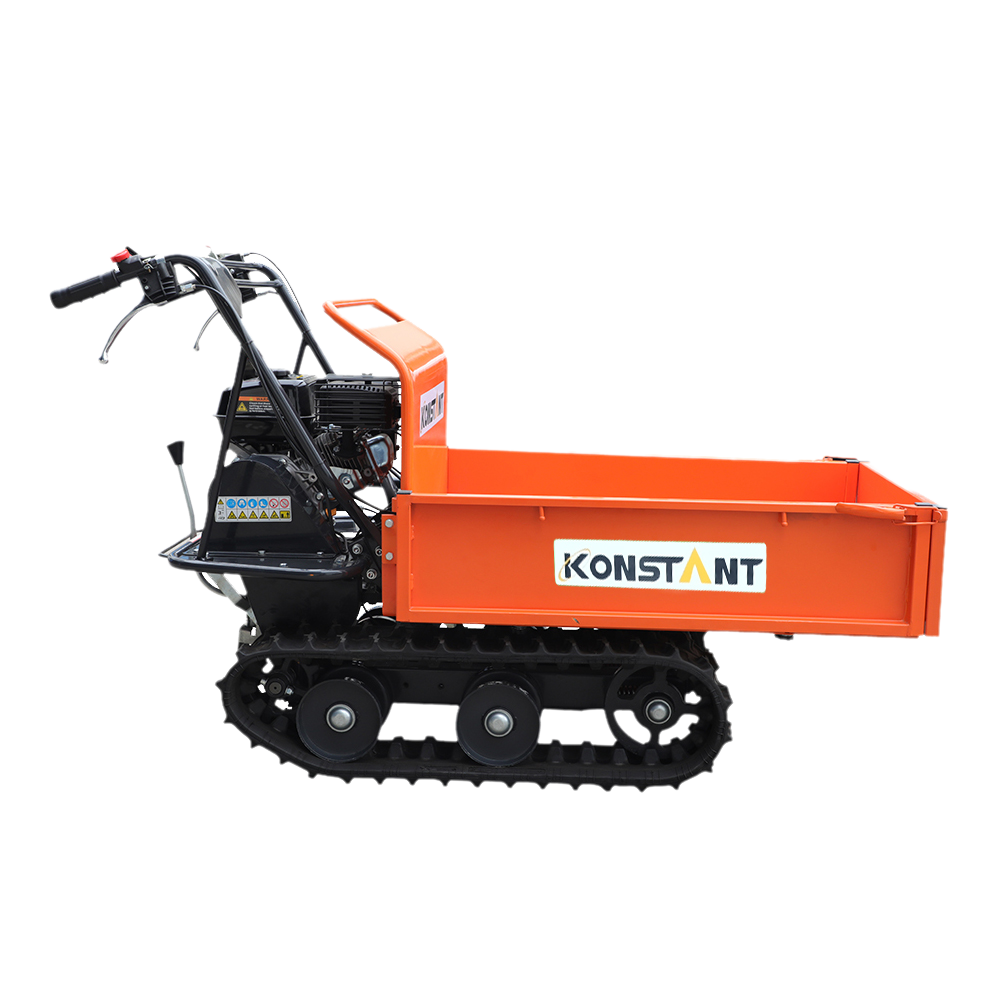
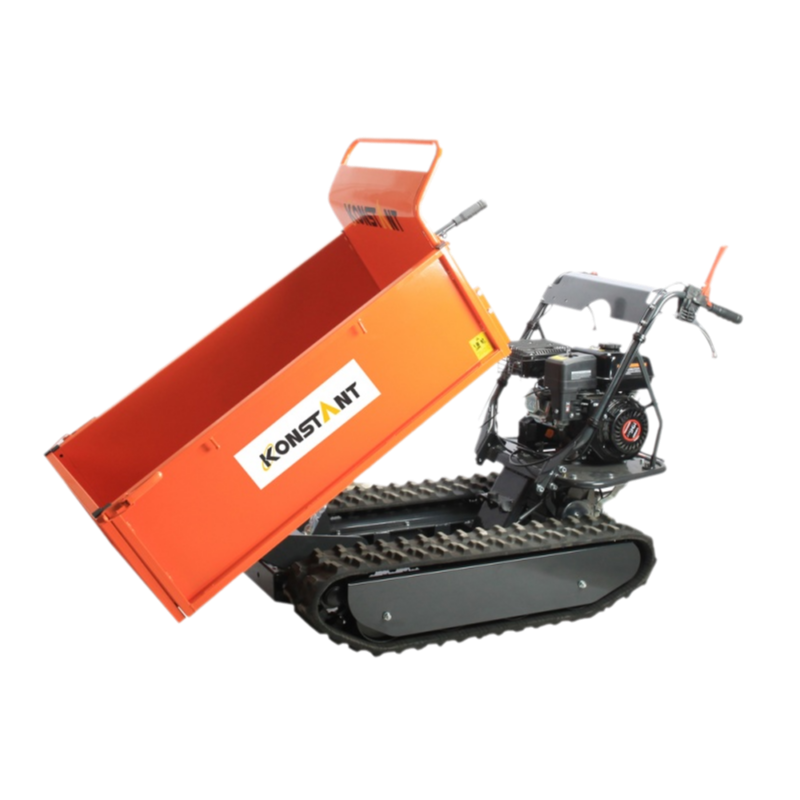
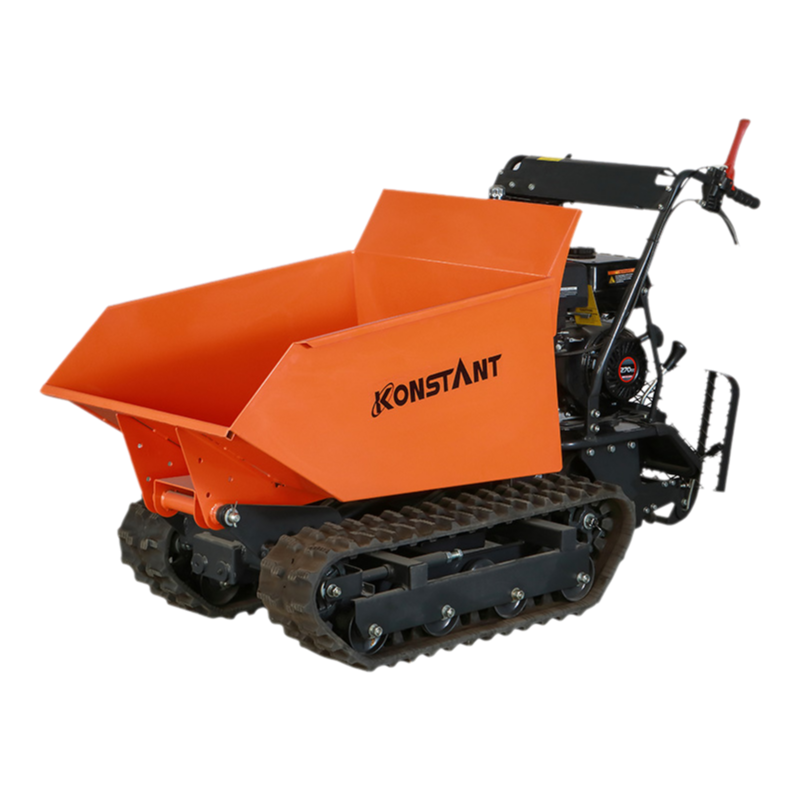
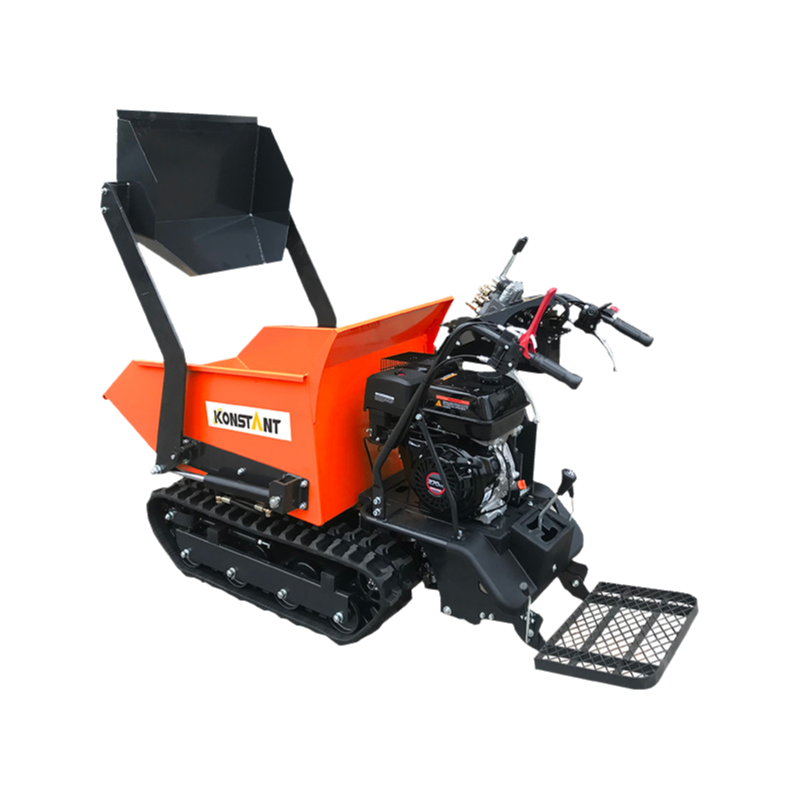
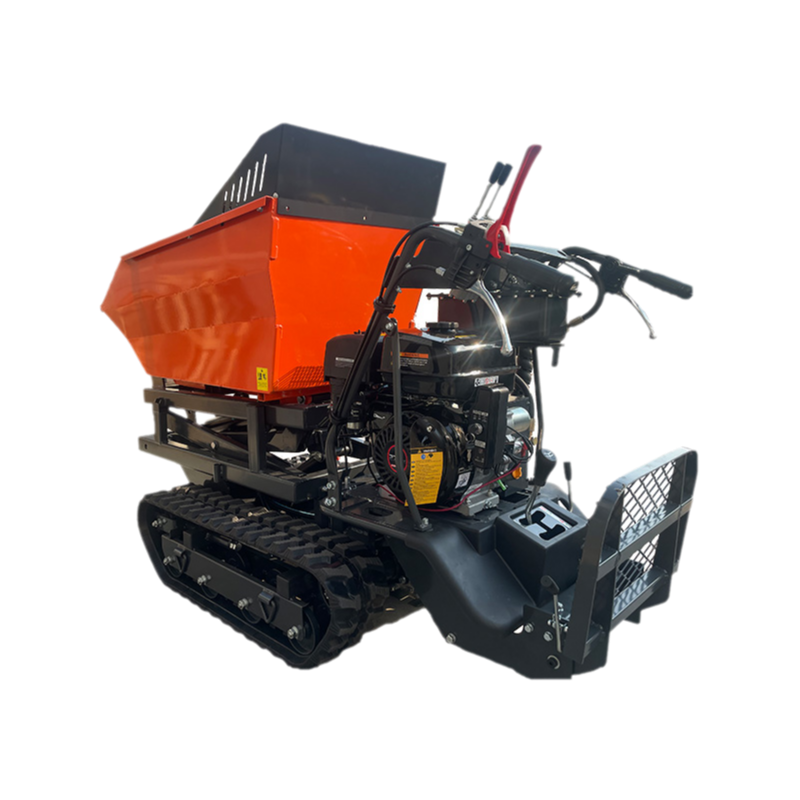
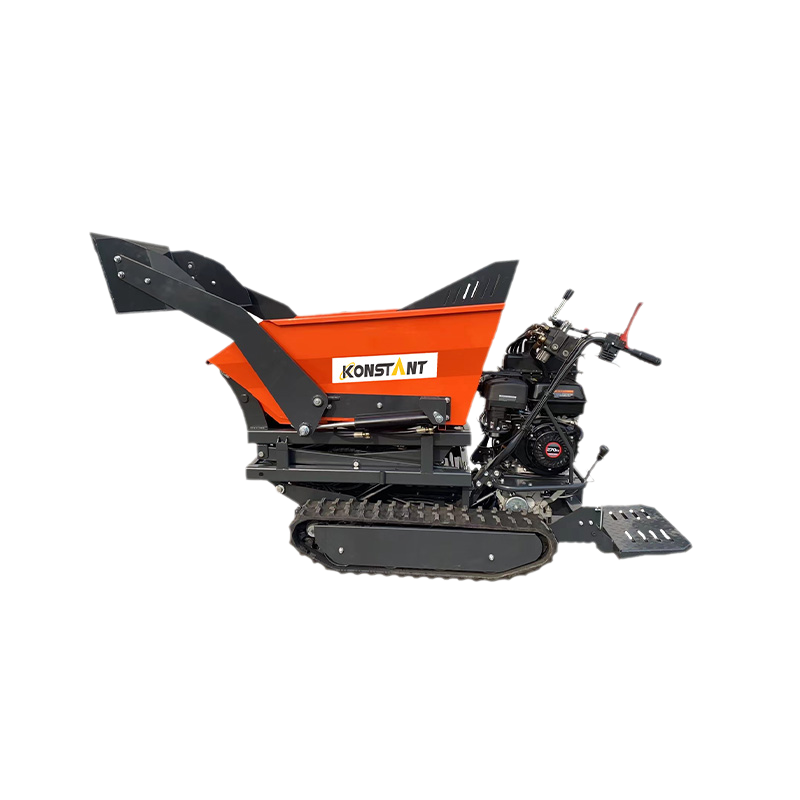
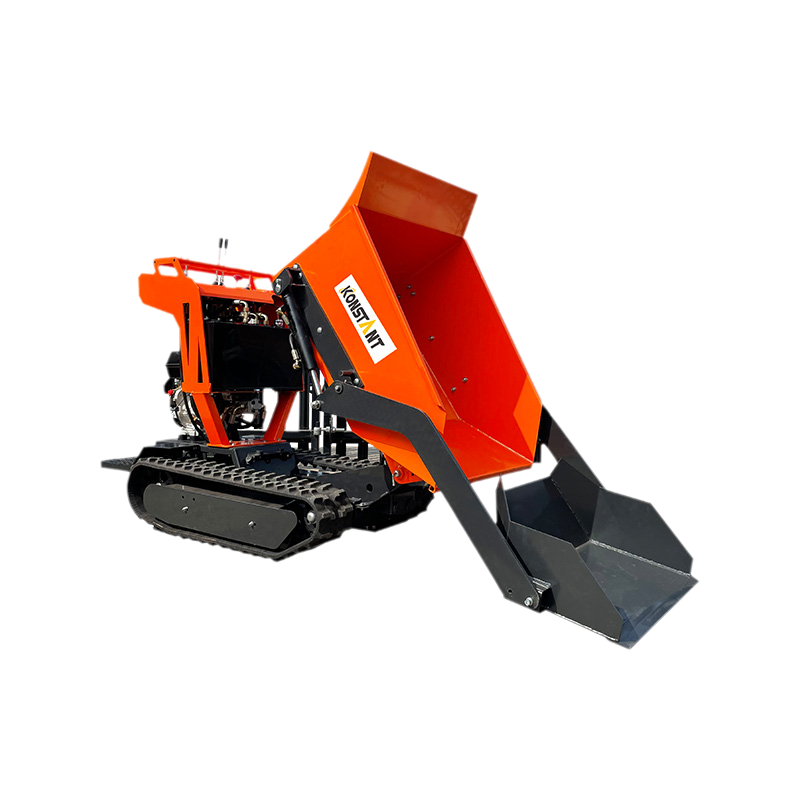
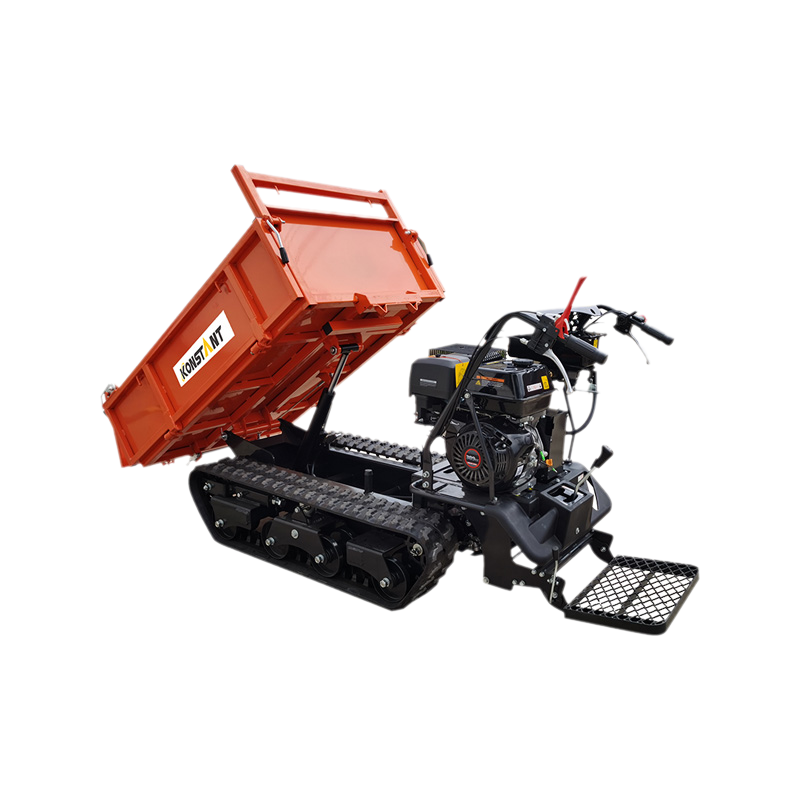
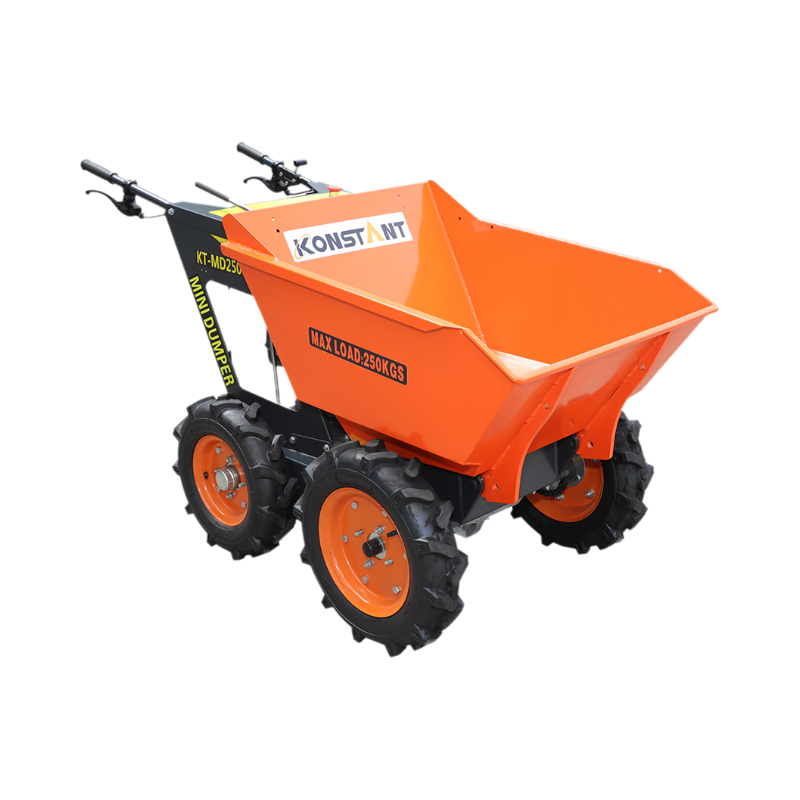
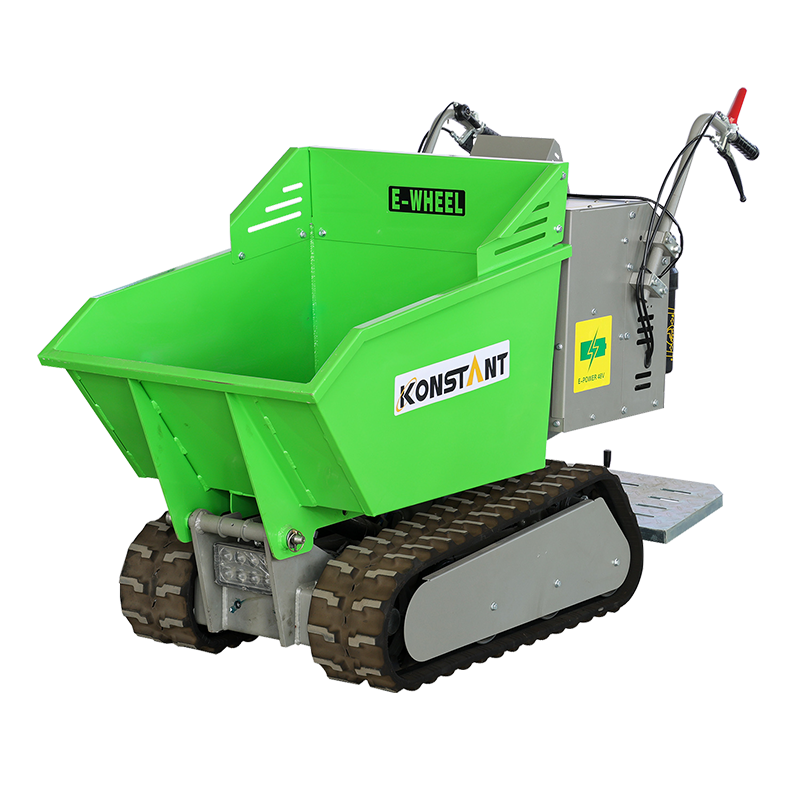
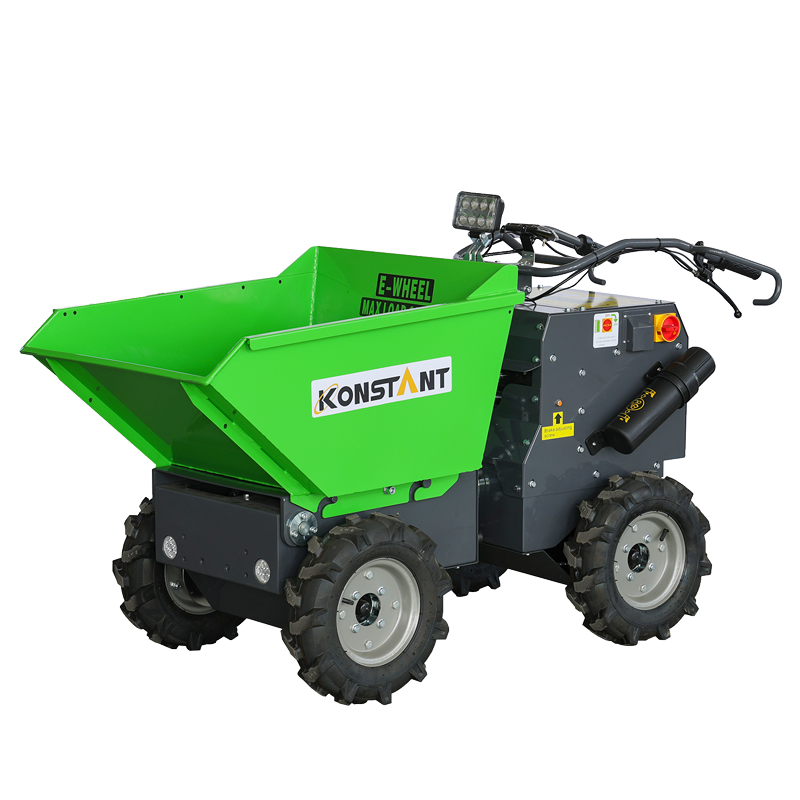
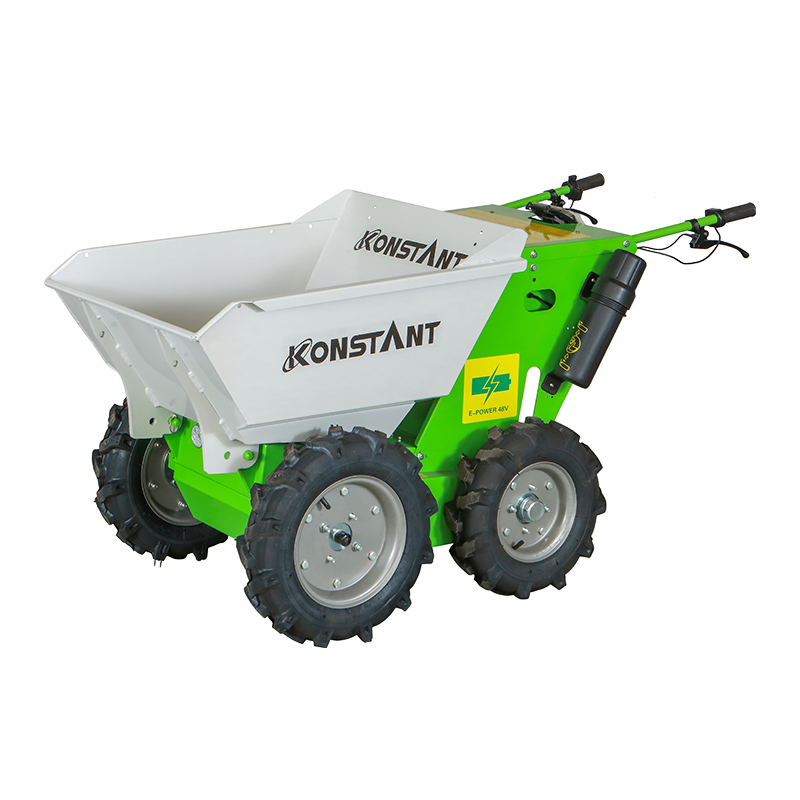
Provide you with the latest enterprise and industry news
Can an Electric Garden Loader Boost Landscaping Efficiency
Update:15-12-2025
Posted by Admin
Content
What Makes an Electric Garden Loader Practical for Landscaping Projects
When assessing equipment for landscape work, several practical dimensions shape usefulness: how well the machine moves around a site, how it handles different materials, how predictable and easy it is to operate, and how it affects the broader workflow. Compact powered loaders address these points in ways that are especially relevant to yards, small estates and landscape projects where large machinery would be intrusive or impractical.
Maneuverability in Tight Spaces
A defining advantage of compact units is the ability to navigate narrow paths, gates and established planting areas. Many sites cannot be accessed with large tractors or skid steers without damaging lawns, edging or plantings. Smaller units, designed around low ground pressure and reduced turning radius, let operators reach pockets of the yard that previously required hand carrying. This capability shortens routes for transporting materials and reduces the need to create temporary access ways.
Precise Material Placement
Landscape finishing often demands precision: placing topsoil just so around a root ball, lining a pathway with gravel to a tidy edge, or distributing mulch in uniform layers. Compact loaders enable targeted drops and careful steering close to the work zone. Operators can deposit material close to where it is needed, cutting down on raking and spreading time.
Versatility for Multiple Tasks
Beyond hauling soil or aggregates, these machines handle a variety of attachments—buckets, forks, grapples, and more—making them useful across planting, maintenance and small construction tasks. That versatility reduces the number of specialized machines a crew must carry, streamlining logistics and lowering the footprint of equipment on site.
Consistent Productivity
Productivity gains are not simply a result of greater load size; they come from smoother workflows. With powered assistance, crews make fewer trips, handle less awkward lifting and maintain a steadier pace throughout the day. This steadiness helps minimize downtime between tasks and supports more predictable scheduling for multi-phase projects.
Minimal Ground Disturbance
On sites with delicate lawns or newly laid surfaces, low-impact movement matters. Compact loaders typically exert less soil compaction than heavier machinery, particularly when equipped with rubber tracks or wide flotation tires. This reduces repair work that can be required after machinery passes and helps preserve the aesthetic quality of the landscape during the job.
Quiet Operation and Site Friendliness
Many modern small loaders run on electric power. Reduced engine noise creates a more pleasant environment for homeowners and neighbors, and it can be crucial in residential projects occurring during the day. Lower acoustic footprint also helps when working near noise-sensitive areas such as schools or parks.
Ease of Access and Operator Comfort
Practical design includes operator access and control ergonomics. Machines with simple control layouts and good visibility help operators work safely and with less fatigue. Features like adjustable seating, intuitive joysticks and clear sightlines contribute to consistent, accurate operation over long shifts.
Low Maintenance Requirements
Compared to complex heavy equipment, compact electric units often have fewer moving fluids and simpler drive systems. This means routine maintenance is more straightforward, and preventive tasks take less time. For landscape contractors juggling multiple small jobs, easier upkeep supports more consistent availability.
Taken together, these features make compact powered loaders valuable in situations where agility, precision and site sensitivity are important. They fit the middle ground between manual effort and full-size earthmoving equipment and are becoming a common sight on small to medium landscaping projects.
How a Compact Powered Loader Reduces Manual Work in Outdoor Tasks
Manual labor remains essential to landscaping, but the repetitive physical tasks associated with moving loads take a toll on teams and individuals. Tools that reduce repetitive lifting and carrying do more than save time: they reduce injury risk, lower fatigue and help maintain a higher quality of finish throughout a working day.
Fewer Trips, Less Fatigue
One straightforward benefit is fewer carrying cycles. A wheelbarrow or hand cart requires many trips to move a single pile of soil. A powered loader transports much larger quantities per trip and brings the material right to the operating point. Reducing trips cuts cumulative exertion dramatically. For crews, the result is steadier stamina across a shift and fewer breaks needed due to overexertion.
Handling Heavy, Awkward Items with Control
Some tasks involve items that are heavy or awkward to carry alone: boulders, bags of soil, pallets of pavers, or large planters. Trying to move these by hand can cause back strain or awkward twisting that increases injury risk. Mechanical assistance provides stable lifting and controlled placement, removing much of the manual strain while offering far better handling precision than improvised tools.
Reduced Lifting and Lowered Injury Rates
Musculoskeletal injuries in landscaping are common because of repeated lifting, bending and awkward postures. Using a powered loading unit reduces the number of heavy lifts and allows operators to stand in a more ergonomic position while placing loads. Over time, lower exposure to risky postures decreases cumulative wear on joints and improves long-term physical health for workers.
Better Work Rhythm for Skilled Tasks
With heavy-lifting handled mechanically, crews can spend more time on skilled, detail-oriented activities—like planting at precise depths, setting edging at correct profiles, or shaping soil contours for drainage. This improved division of labor raises the finish quality and preserves worker energy for tasks that actually require human judgment.
Faster Site Cleanup and Maintenance
Seasonal cleanups and general maintenance often generate large volumes of organic and inorganic debris. Moving branches, trimmings and garden waste by hand is slow and tiring. A loader transports debris to disposal points quickly and can carry tools and bins as needed. This speeds routine maintenance and reduces the cumulative time crews must spend on cleanup tasks.
Accessibility for People with Mobility Constraints
For homeowners who do much of the maintenance themselves, powered assistance can be especially empowering. Owners with reduced mobility or those aiming to avoid strenuous labor can perform more of their own care—keeping gardens healthy and well tended—without relying on hired labor for every heavy task.
Improved Safety Around Uneven Terrain
Carrying heavy loads across slopes or soft ground increases the risk of slips, trips and falls. A loader provides controlled movement across such terrain, and features such as low center of gravity and traction control help maintain machine stability. Thus, better equipment reduces both manual labor and the hazards associated with transporting heavy material by hand.
By reducing manual handling demands, these machines help make outdoor tasks safer, more manageable and less tiring, supporting greater productivity while protecting worker health.
Why Garden Owners Consider Adding a Compact Loader to Their Tools
Garden owners evaluate tools on usefulness, convenience and long-term value. A compact powered loader can appeal to many types of homeowners, from avid gardeners to those planning extensive landscaping projects. Several factors often influence the decision to purchase or rent such a machine.
Time Savings and Efficiency
One primary motivator is time. Tasks that previously took a full weekend can be completed in a fraction of the time when mechanical help is available. Faster completion means projects are less disruptive to household routines and reduces the period during which the garden is a construction zone.
Cost Effectiveness over Time
For some homeowners the calculus includes the comparative cost of renting equipment or hiring labor versus buying a compact unit. For those with recurring needs—seasonal clean-ups, repeated planting, or periodic hardscaping—owning a machine may prove cost effective over several seasons. The machine also becomes a reusable investment for future projects, repairs and upgrades.
Easier Do-It-Yourself Upgrades
Do-it-yourself enthusiasts often appreciate the ability to attempt more ambitious improvements. Raised beds, small retaining walls, patio foundations and larger planting projects become less daunting when material movement is simpler. Mechanical support increases the scope of what an owner can achieve without hiring additional help.
Support for Small Business and Rental Use
Some homeowners operate small landscaping or gardening services on the side. Owning a compact loader lets them scale their offering and take more jobs that would otherwise require subcontracted machinery. It also opens the possibility to rent out the machine within a local community, generating offset income.
Environmental and Site Considerations
Electric models reduce direct emissions and tend to have quieter operation, which matters in residential neighborhoods. Owners who prioritize quieter, cleaner equipment value the way electric drivetrains reduce local noise and fumes during operation. This can be especially relevant during sensitive times of day or when working near neighbors and community spaces.
Ease of Storage and Transport
Compact machines are easier to store and transport than larger equipment. They fit in modest outbuildings and can be moved on small trailers or in dedicated storage spaces without the need for heavy-duty transporters. For owners with limited space, compactness is a practical advantage.
Enhanced Independence and Flexibility
Owning mechanical assistance gives homeowners independence. A sudden storm that dumps debris no longer requires a contractor if the owner can clear the area quickly. Seasonal preparation, soil replenishment and minor hardscaping become activities under the owner's control rather than scheduled services.
Considerations Before Purchase
Before investing, owners should evaluate a few practical points:
- Frequency of use: Will the machine be used often enough to justify the cost?
- Storage and charging: Is secure, sheltered storage available and is there access to charging infrastructure for electric models?
- Terrain and size: Does the property layout suit a compact unit and can it access the needed zones?
- Maintenance ability: Can the owner perform simple preventive care, or will they rely on local service?
- Safety and training: Are basic operator skills and safety knowledge available to the owner and anyone else who may use the machine?
Addressing these questions helps ensure the machine delivers value and fits the owner's lifestyle and project plans.
Selecting, Using and Caring for a Compact Loader: Practical Tips
Whether for a landscaping contractor or a garden owner, a few practical steps increase the likelihood of a successful experience with a compact loader.
Choose the Right Attachment for the Task
Buckets are useful for general carrying, while pallet forks or grapples help with pallets and brush. Identify the attachments aligned with regular work and ensure the machine supports them.
Prioritize Operator Training and Safety
Even compact machines require safe operation. Training should cover load limits, safe speeds, slope handling, emergency stops and basic maintenance. Use of PPE and clear communication on shared sites reduces incidents.
Plan Routes and Access
Before work begins, plan paths that minimize turning in tight spots and avoid fragile planting areas. Where possible, use protective matting for access over sensitive lawns.
Maintain Charging and Service Routines
For electric units, establish charging habits and keep battery care in mind. Schedule simple maintenance after set hours of use and keep an inventory of common consumables like hydraulic filters or fasteners.
Store Securely
Protect the machine from weather and theft. A dry, lockable shed extends service life and maintains resale value.
Compact powered loaders offer a practical middle ground between manual labor and large-scale machinery. Their combination of agility, material handling capability and adaptability makes them suitable for a wide range of landscaping tasks and garden maintenance activities. By reducing repetitive lifting, improving accuracy in material placement and enabling owners and crews to take on more ambitious projects with less strain, these units change how outdoor work is planned and completed. For contractors, the machine is a tool that improves cadence and predictability; for homeowners, it is an enabler that opens up new possibilities for self-directed improvements.
Related products

Latest Updates
-
What Types of Materials Can a Petrol Wheelbarrow Move
Moving material around a job site is just part of the work in a lot of outdoor trades. Constructio...
-
Why Does Terrain Matter When Choosing a Battery Operated Wheel Barrow
A Battery Operated Wheel Barrow can make material transport easier in many working environments. I...

-
Welcome To Visit Us
No.30, Third Furong Road, Wuxi City, Jiangsu. 214100, China.
-
Call Us
Phone: +86 181-1889-1139
Phone: +86 181-1889-2139
-
Contact Us Online
E-mail: sales@konstantpm.com
E-mail: marketing@konstantpm.com
Copyright WUXI KONSTANT POWER TECH CO., LTD All Rights Reserved
 China Mini Dumpers Manufacturers Power Wheelbarrow Factory