
 English
 русский
 Français
 Español
 Deutsch

Provide you with the latest enterprise and industry news
How Does a Garden Loader Improve Everyday Outdoor Work
Update:12-12-2025
Posted by Admin
Content
What Makes a Garden Loader Practical for Landscaping Projects
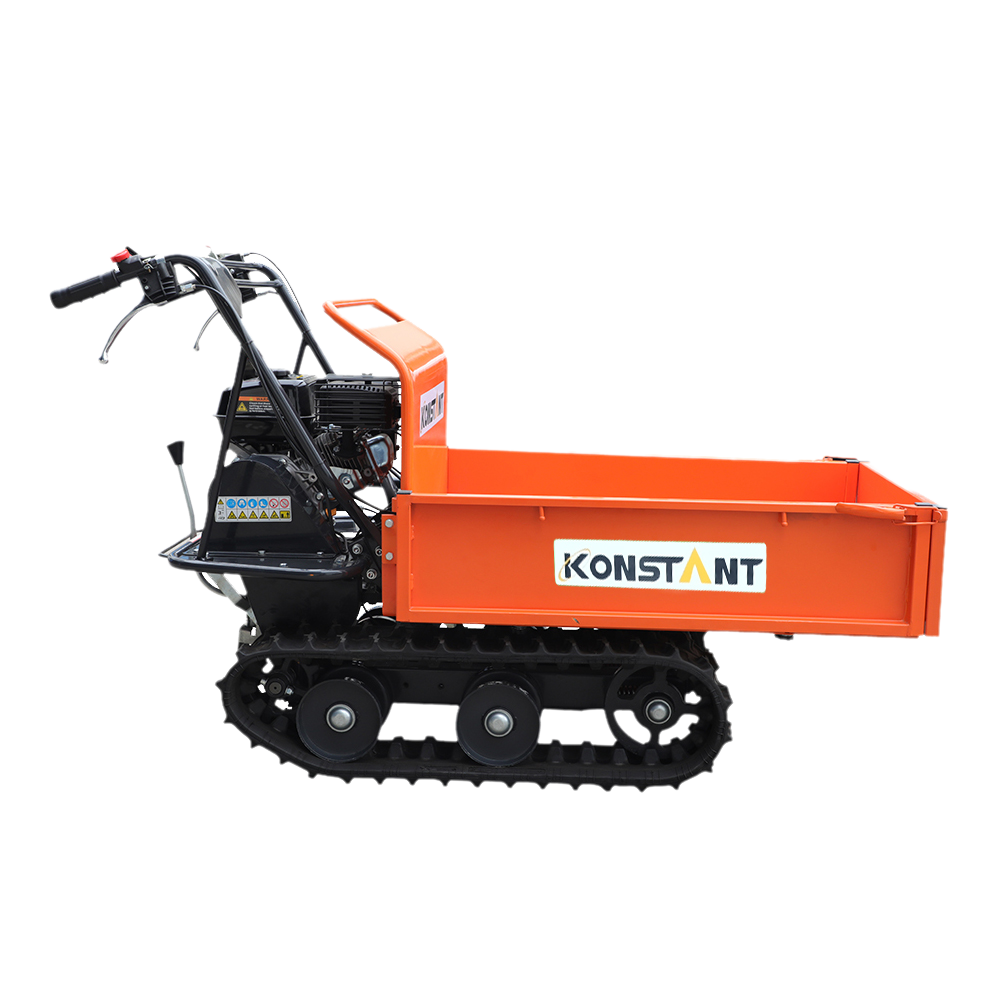
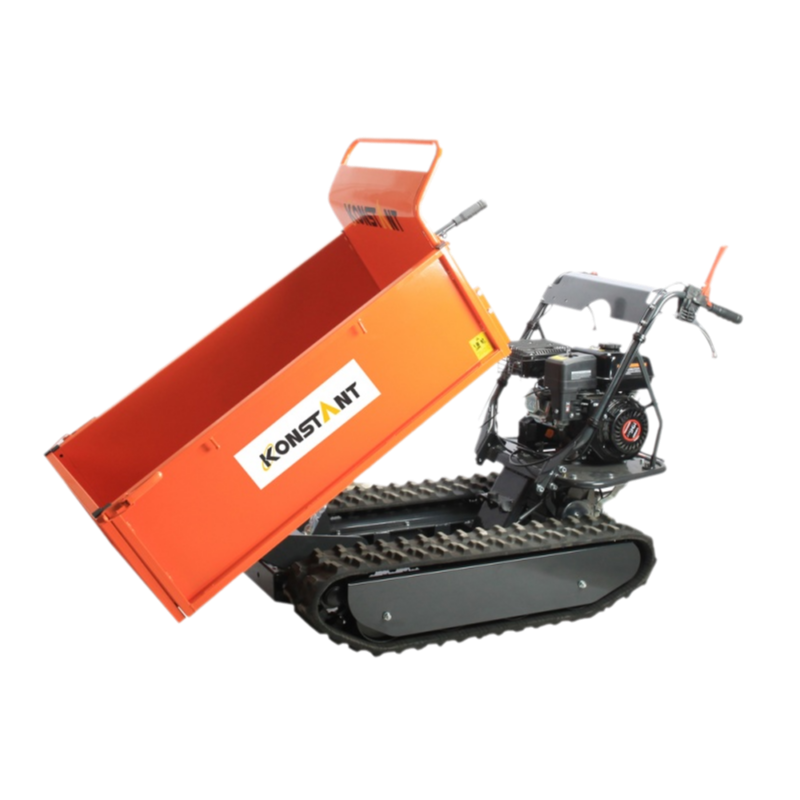
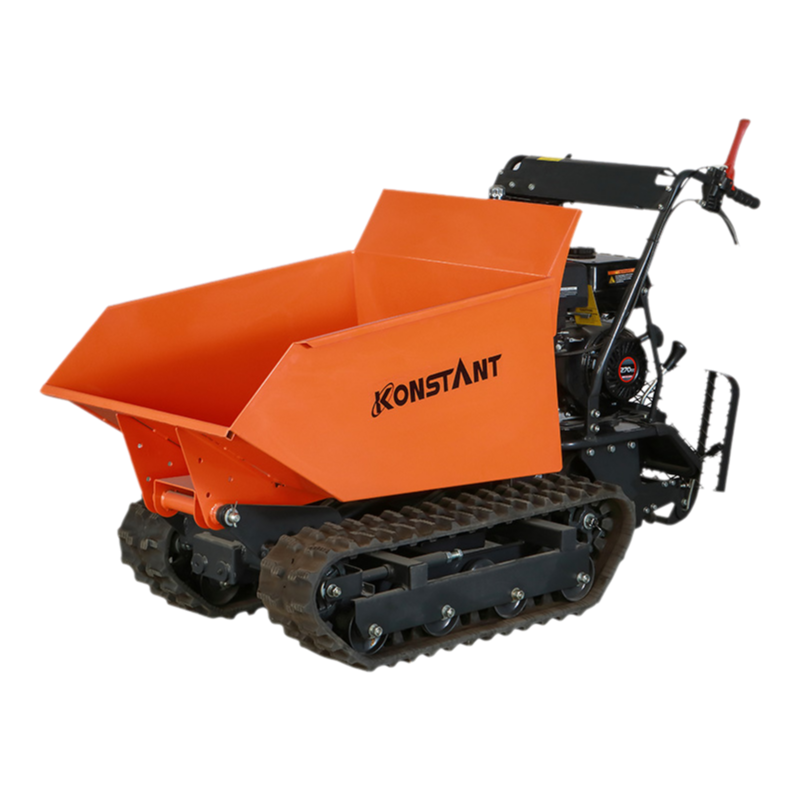
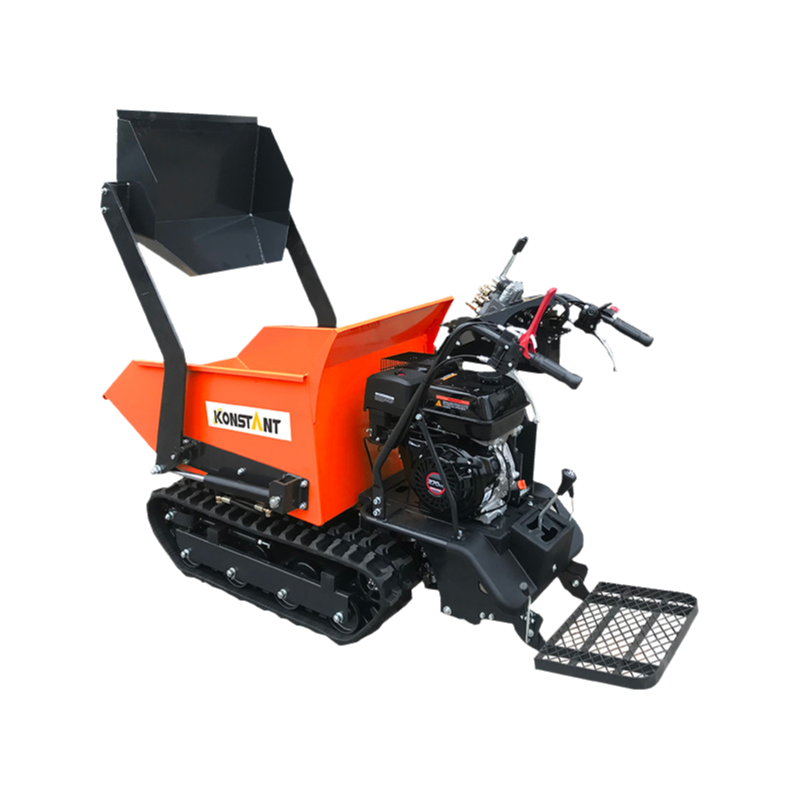
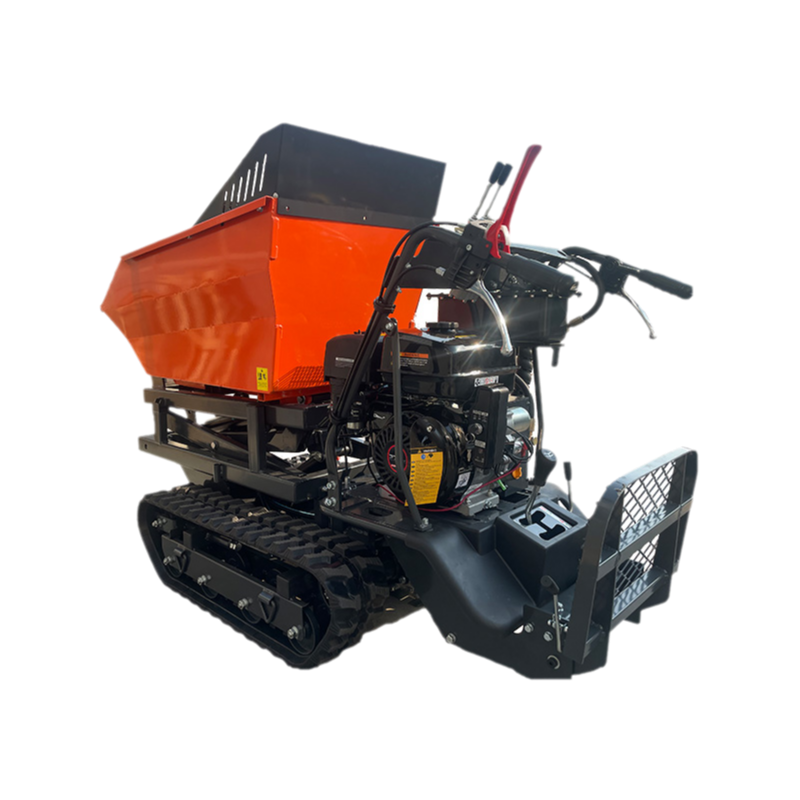
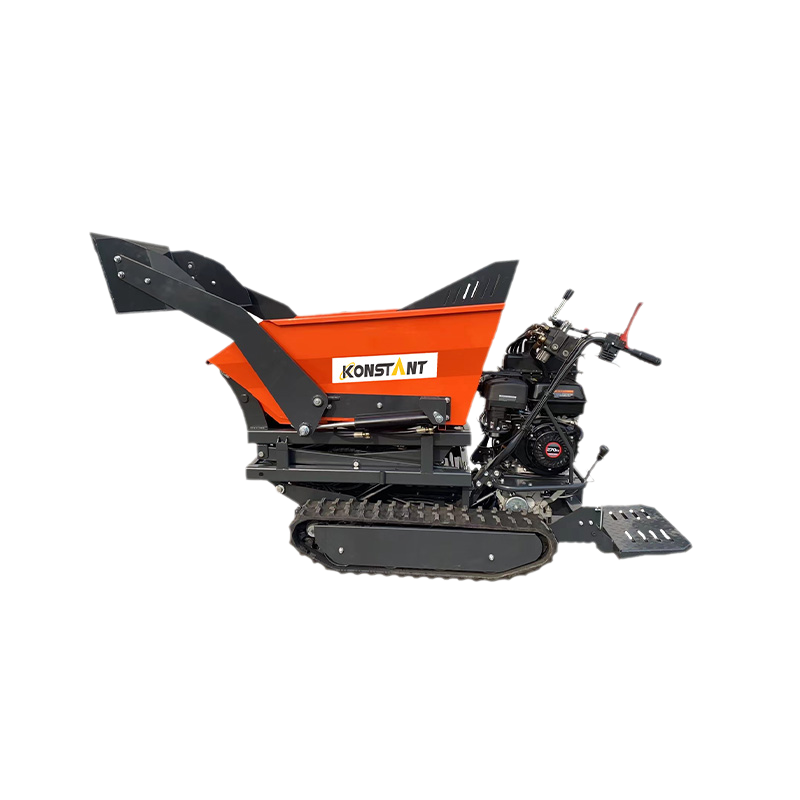
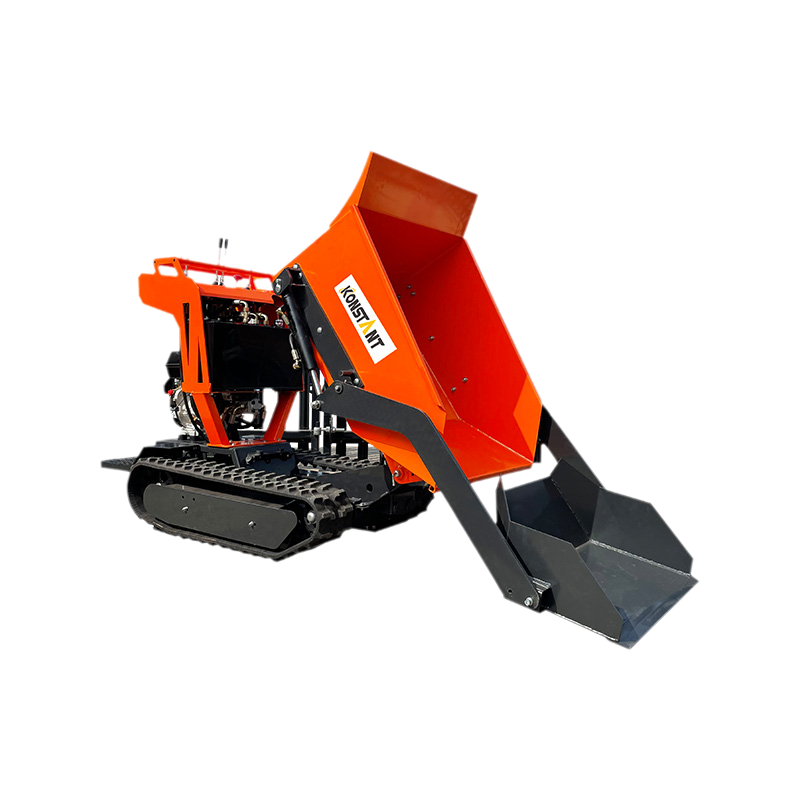
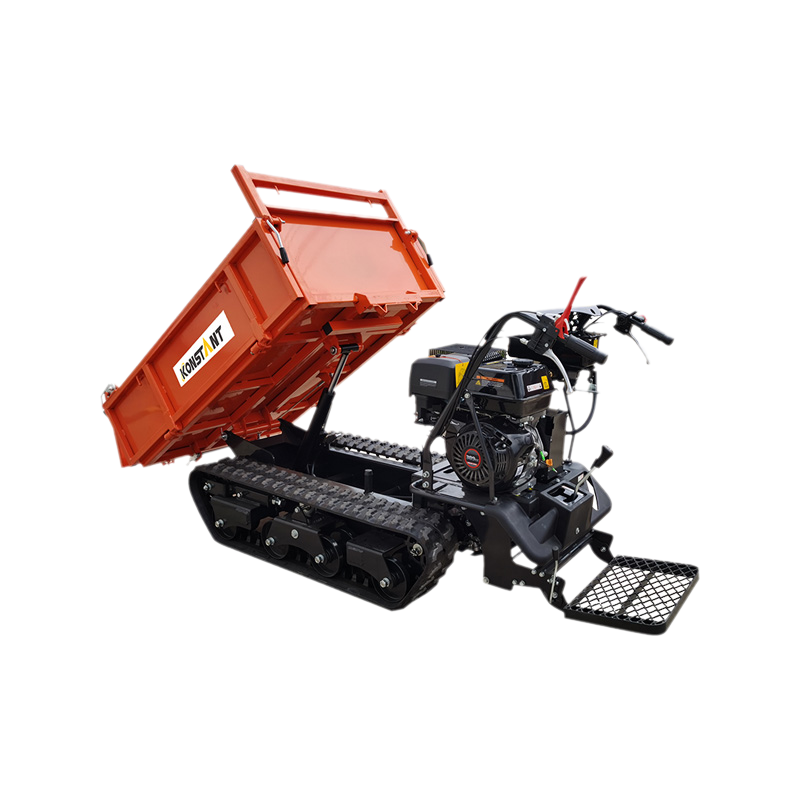
Landscaping projects often involve a wide combination of material movement, soil preparation, ground shaping, and repetitive transportation tasks. Whether the work is carried out in residential yards, community green areas, or commercial landscapes, the challenges share similar themes. There is always a need to move soil from one location to another, distribute mulch across large planting zones, reconfigure stones, adjust surface levels, or relocate plants of various sizes. Carrying out these tasks entirely by hand can slow down progress, increase fatigue, and reduce workflow consistency. This is where a Garden Loader becomes a practical tool for outdoor environments.
Its practicality is not based solely on the ability to move items mechanically. Instead, the value comes from its balanced mix of agility, stability, and supportive structure. Landscaping areas can vary widely in terrain and available space. Some gardens include narrow walkways, winding sections, decorative zones, or uneven ground. The loader can move through these areas more comfortably than larger construction machines that require more space to operate.
Its compact structure also helps minimize disturbance to existing plants or finished surfaces. In gardens where designers have invested significant effort into arranging plants, decorative stones, borders, or irrigation features, heavy machinery may cause disruption. A smaller loader navigates around delicate elements with better control, allowing the operator to place materials accurately without harming nearby features.
Another reason it works well for landscaping is its ability to assist in ground preparation. Soil leveling, bed shaping, and surface smoothing require a controlled and steady workflow. The loader provides consistent support when spreading soil or moving gravel for base layers. This steady assistance contributes to a more uniform finish.
Landscape teams frequently manage different projects in a single day. A loader helps standardize their process, allowing them to complete tasks with predictable timing. Removing debris becomes faster. Transporting soil becomes smoother. Positioning large potted plants becomes safer. All these individual improvements combine into a more efficient work environment.
How a Garden Loader Reduces Manual Work in Outdoor Tasks
Outdoor tasks across both residential and commercial spaces tend to share one challenge: repetitive manual movement. Soil, compost, trimmings, construction material, pavers, stones, and branches all must be carried from one location to another. The physical demand increases when the workspace involves elevation changes, wide distances, or multiple work zones.
A Garden Loader reduces manual workload by taking over these repetitive carrying tasks. Instead of making numerous trips with wheelbarrows or manually lifting heavy loads, the loader transports materials more efficiently in fewer cycles. This reduces strain on workers and minimizes the risk of injuries related to lifting or awkward carrying positions.
One of the exhausting tasks in garden maintenance is moving wet soil or compost. These materials are dense and difficult to carry over long distances. When workers rely solely on manual labor, fatigue becomes noticeable quickly. With a loader handling the transport, workers can maintain a steady pace throughout the day.
The loader also assists with tasks that involve bulky or irregular items. Outdoor areas often accumulate branches, stones, root debris, and other materials that may not fit comfortably into hand tools. The loader carries these items securely, allowing workers to focus on clearing the site without balancing weight unevenly.
In addition, the loader helps maintain workflow continuity. Manual transportation often causes interruptions because workers must stop working, retrieve material, and return. When the loader brings materials directly to the working area, the construction or gardening task flows more smoothly. This continuity is crucial in tasks such as edging installation, small outdoor structures, or bed preparation.
Another benefit is the reduction in physical stress during seasonal cleanup. During spring and fall, outdoor spaces generate a large amount of organic waste. Leaves, branches, and clippings accumulate quickly. Using manual methods can take hours or even days in larger gardens. With mechanical support, this process becomes more manageable.
When working on uneven terrain, the loader's ability to maintain stability helps reduce the number of manual adjustments required. Workers often struggle to push heavy loads uphill or across soft ground. The loader manages these surfaces with better control, reducing strain on the operator.
Overall, the reduction in manual work not only helps workers maintain energy but also allows them to allocate more time to precise tasks such as planting, trimming, designing, and arranging decorative elements.
Why Garden Owners Consider Adding a Garden Loader to Their Tools
Outdoor spaces have become an important extension of many homes. Whether the area is used for gardening, relaxation, entertaining guests, or creating visually appealing surroundings, garden owners continually look for ways to maintain and improve it. One tool that many consider adding is a Garden Loader, which provides versatile support across various gardening and maintenance activities.
One major reason garden owners appreciate such equipment is the consistent support it offers during project planning and execution. Many outdoor areas undergo periodic upgrades such as adding new flower beds, modifying pathways, adjusting irrigation zones, or rearranging layout elements. These activities require moving soil, transporting materials, and rearranging heavy items. A loader reduces the amount of manual lifting needed during these tasks.
For owners who enjoy gardening as a hobby, the loader helps preserve energy for creative and detail-oriented tasks. Instead of spending hours transporting soil or moving bags of mulch, the owner can focus more on arranging plants, designing borders, pruning shrubs, or nurturing delicate seedlings.
Seasonal tasks also benefit significantly. In autumn, gardens accumulate large quantities of leaves and branches. In spring, soil preparation becomes an essential step for planting. During warm months, pruning and trimming produce debris that must be transported. A loader supports all these tasks efficiently.
Garden owners who use their outdoor areas for home improvement projects also find value in mechanical assistance. Works such as installing stepping stones, building raised beds, or preparing patio foundations require materials that are often heavy or cumbersome. Transporting these items manually is possible but time consuming. The loader helps streamline these improvements by carrying materials directly to the project site.
Another reason owners consider this tool is its ability to maintain consistency in results. When distributing mulch or soil manually, uneven coverage may occur. With the loader supporting material placement, the distribution becomes smoother and more balanced. This contributes to a more polished finish in the landscape.
Finally, a loader offers long-term convenience. Many garden owners gradually expand their outdoor areas. New plants, new structures, and new decorative features often require ongoing material movement. Having a reliable tool for these recurring tasks helps the owner maintain a comfortable workflow across years of garden development.
Across landscaping teams, outdoor maintenance workers, and garden owners, the consistent value of this type of equipment lies in its ability to simplify transportation tasks, support project workflow, and reduce physical strain. Outdoor work often includes a wide variety of materials, repetitive tasks, and multi-step processes. A compact loader provides steady assistance throughout these activities. Instead of relying entirely on manual labor, workers and garden owners can use mechanical support to make their outdoor environments easier to maintain and more enjoyable to develop.
Related products

Latest Updates
-
What Types of Materials Can a Petrol Wheelbarrow Move
Moving material around a job site is just part of the work in a lot of outdoor trades. Constructio...
-
Why Does Terrain Matter When Choosing a Battery Operated Wheel Barrow
A Battery Operated Wheel Barrow can make material transport easier in many working environments. I...

-
Welcome To Visit Us
No.30, Third Furong Road, Wuxi City, Jiangsu. 214100, China.
-
Call Us
Phone: +86 181-1889-1139
Phone: +86 181-1889-2139
-
Contact Us Online
E-mail: sales@konstantpm.com
E-mail: marketing@konstantpm.com
Copyright WUXI KONSTANT POWER TECH CO., LTD All Rights Reserved
 China Mini Dumpers Manufacturers Power Wheelbarrow Factory