
 English
 русский
 Français
 Español
 Deutsch

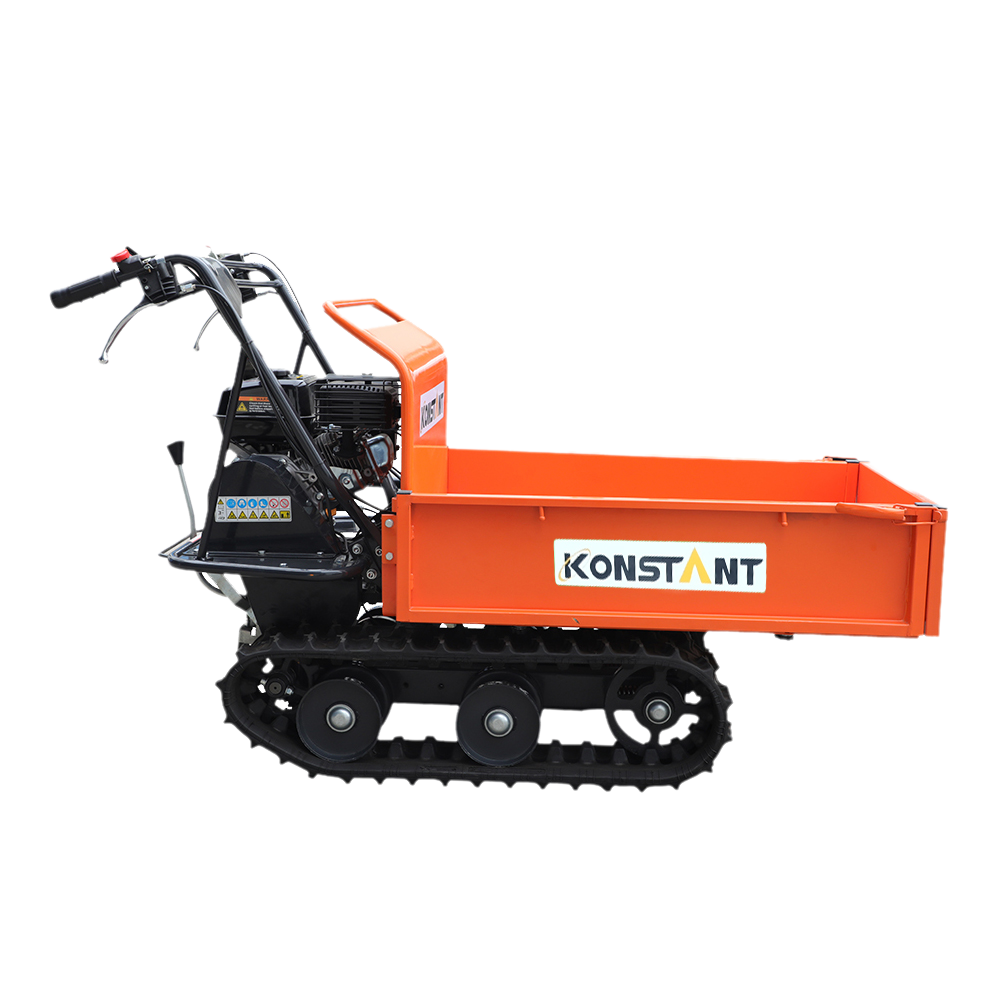
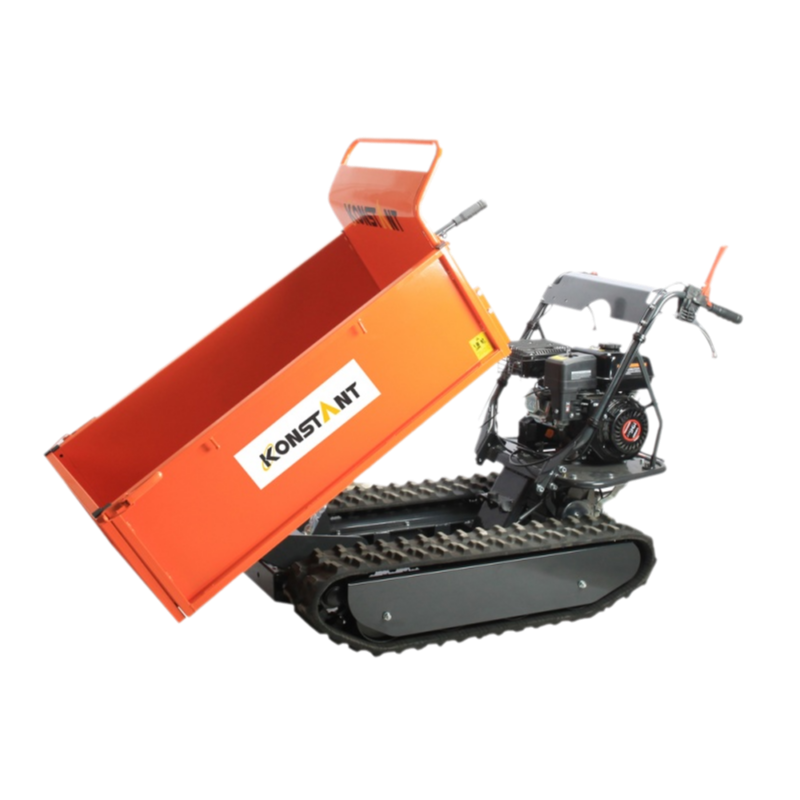
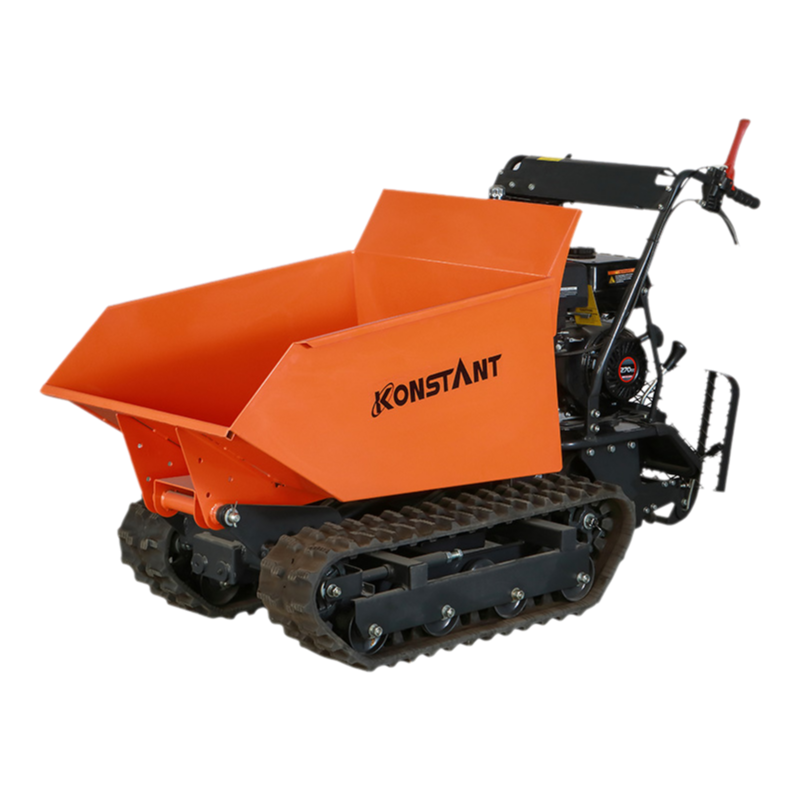
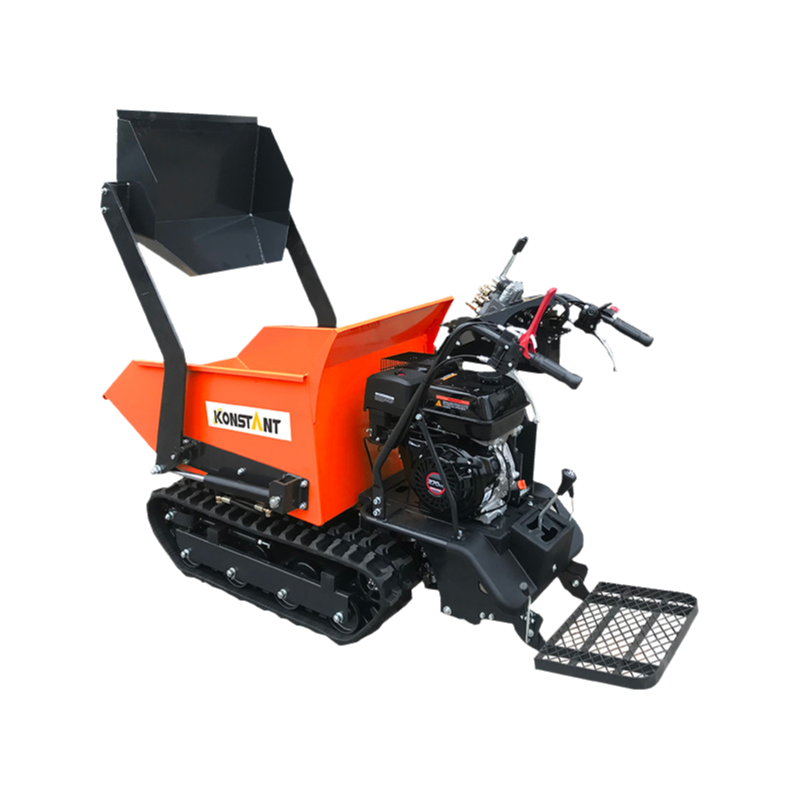
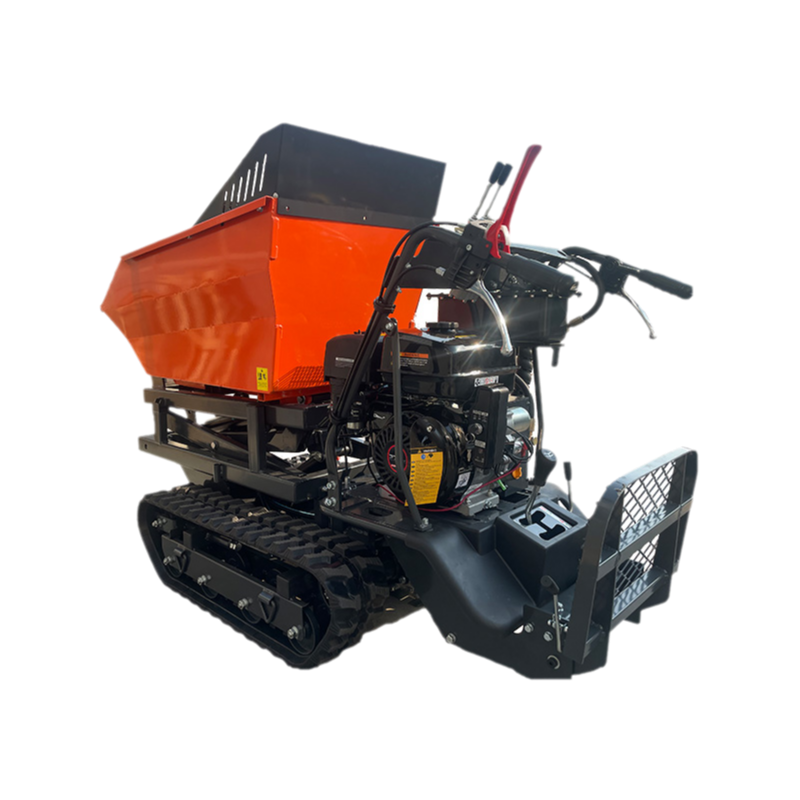
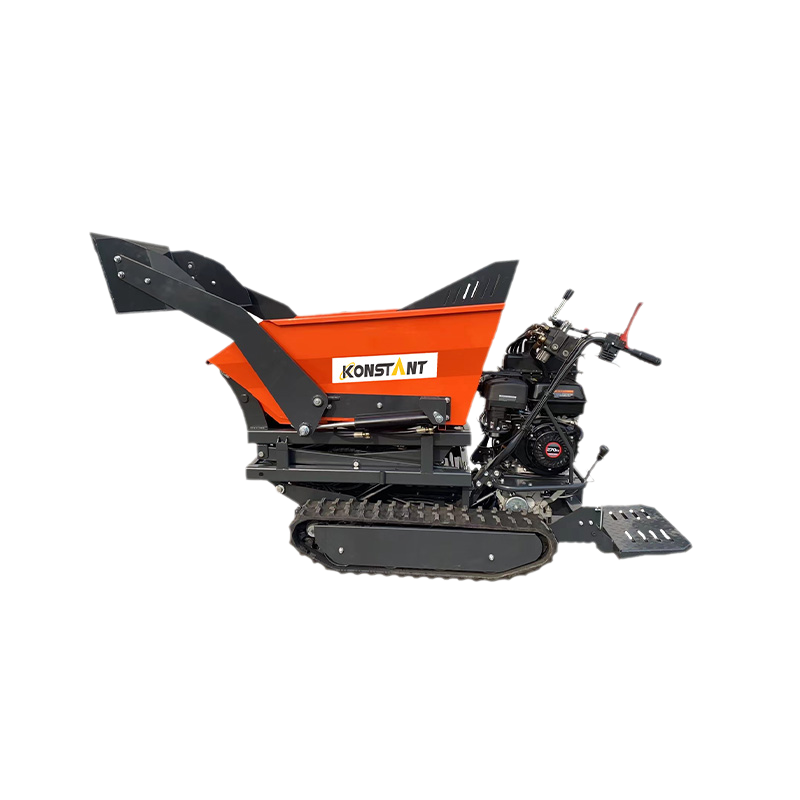
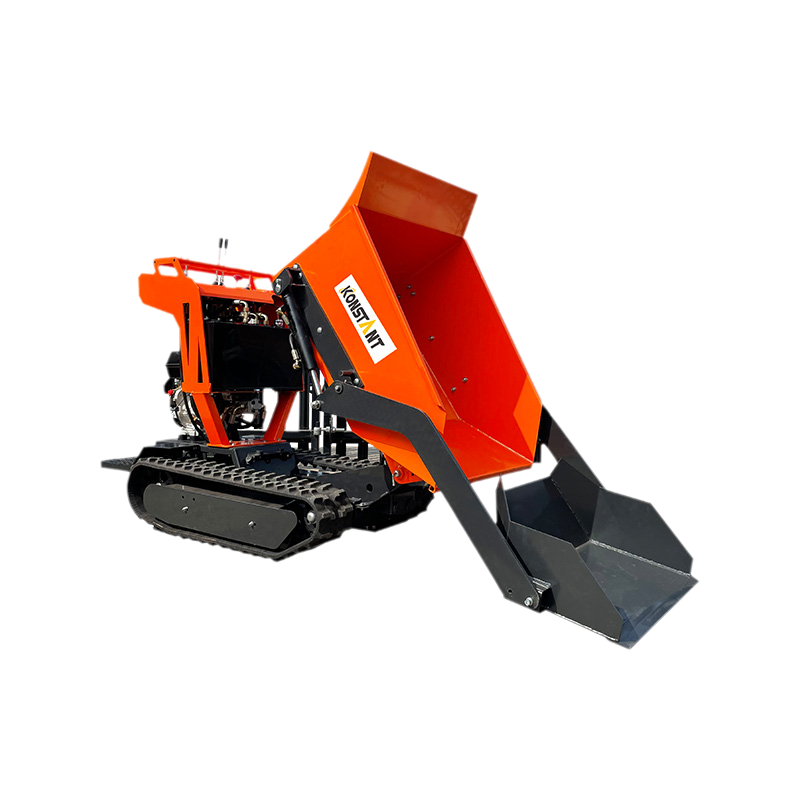
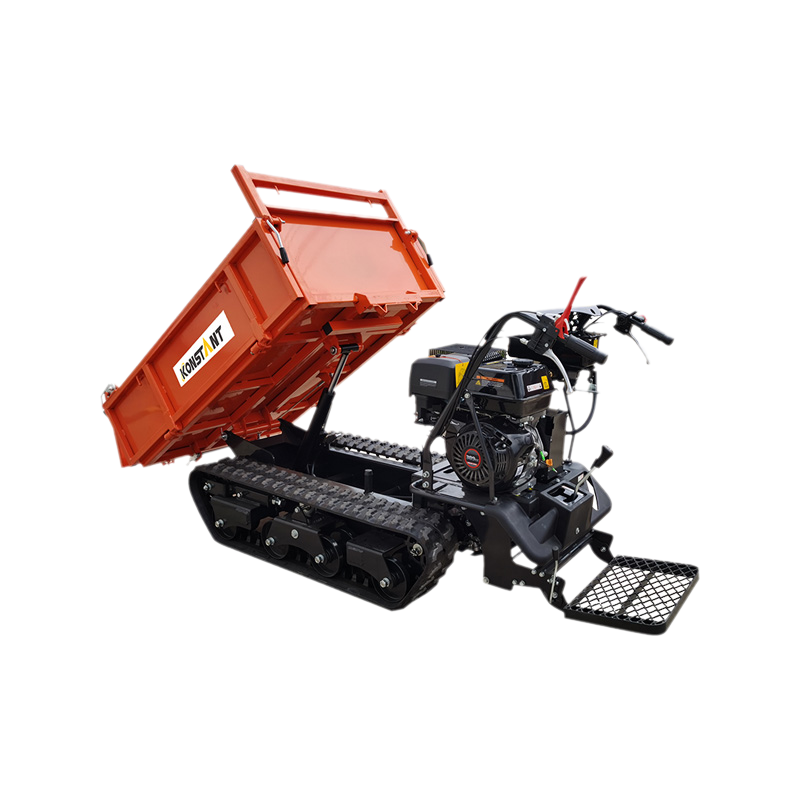
Provide you with the latest enterprise and industry news
How Does an Electric Garden Loader Boost Small Garden Work
Update:08-12-2025
Posted by Admin
Content
What Makes an Electric Garden Loader Efficient for Small Gardens
Managing a small garden often involves repetitive tasks such as moving soil, mulch, plants, or tools. An Electric Garden Loader can provide a practical solution by reducing manual labor and improving workflow efficiency. Its design and operation are particularly suited to compact spaces where traditional equipment may be difficult to use.
One of the key factors that enhance efficiency is mobility. Small gardens often feature narrow paths, raised beds, or uneven terrain. A loader with a compact frame and smooth steering allows operators to navigate tight spaces without causing damage to plants or garden structures. This flexibility ensures that materials can be transported quickly from one area to another without excessive effort.
Another important aspect is ease of operation. Electric loaders typically offer intuitive controls, allowing gardeners to manage lifting, dumping, or moving loads without complex training. Simple control systems reduce the risk of mistakes, which is valuable when working with fragile plants or heavy soil. Consistent operation helps maintain a steady workflow, supporting productivity even in small teams.
Energy efficiency also contributes to practical use. Electric-powered machines produce fewer emissions compared to fuel-based alternatives, making them suitable for enclosed or densely planted gardens. Reduced noise output allows work to be carried out during quiet hours, maintaining a peaceful environment for homeowners and neighbors. Steady energy consumption ensures predictable performance during daily tasks without frequent interruptions for refueling.
Load management is another factor influencing efficiency. Properly balanced loaders can carry moderate amounts of soil, compost, or garden waste in a single trip. This reduces the number of times materials must be transported, saving time and minimizing physical strain. The design often includes adjustable tilting or dumping mechanisms, making material placement more precise and reducing the risk of spillage.
Maintenance and durability play a role in long-term efficiency. Loaders constructed with corrosion-resistant components or reinforced plastics are better able to withstand exposure to moisture and outdoor conditions. Routine checks and cleaning help maintain consistent operation, ensuring the machine continues to perform reliably even under frequent use. Well-maintained equipment reduces downtime and supports smooth garden management.
Additionally, operator comfort affects efficiency. Ergonomic handles and accessible controls allow for longer periods of use without causing fatigue. When users can operate the loader comfortably, tasks can be completed more consistently, and repetitive movements become less physically demanding. This is particularly important in small gardens, where frequent trips with soil or plants are common.
In summary, an Electric Garden Loader becomes efficient in small garden settings due to its combination of compact mobility, straightforward operation, energy-conscious performance, balanced load handling, and ease of maintenance. For gardeners or small-scale landscaping teams, selecting equipment with these characteristics can significantly enhance productivity, reduce physical effort, and maintain a controlled, organized workflow. Proper use and regular upkeep ensure the loader remains a dependable tool for daily garden tasks.
Which Tasks Can an Electric Garden Loader Handle in Landscaping Projects
Landscaping projects involve a wide range of tasks that require moving materials efficiently while minimizing strain on workers. An Electric Garden Loader can be an essential tool in these projects, providing a practical way to transport soil, mulch, plants, tools, and debris across various terrains. Understanding which tasks the loader can handle helps teams plan workflows effectively and maintain productivity.
One primary task is soil and compost transport. Landscapers often need to move loose materials from storage areas to planting beds or raised garden zones. The loader's ability to carry moderate loads in a single trip reduces the number of times workers must manually transfer soil. This makes planting, leveling, and soil preparation more organized and less physically demanding.
Another frequent task is moving mulch or decorative stones. These materials are typically spread over large surfaces, requiring precise placement to maintain aesthetic consistency. Loaders with tilting or dumping mechanisms allow operators to place materials accurately, minimizing spillage and saving time. This helps achieve a professional finish while keeping labor efforts manageable.
Transporting plants and saplings is also a critical function. In projects with multiple plant types and sizes, careful handling is essential to avoid damage. Electric loaders can carry planters or bundled seedlings safely across uneven paths, ensuring that delicate vegetation reaches its intended location without disruption. This controlled movement supports both efficiency and quality in landscaping installations.
Clearing debris and garden waste is another task where the loader proves valuable. After excavation, trimming, or construction work, gardens often accumulate leaves, branches, or other materials that need removal. The loader allows crews to collect and transport debris to compost areas or disposal points quickly. This keeps the worksite organized and reduces downtime caused by manual cleanup.
Additional tasks include assisting in the placement of pavers, bricks, or construction materials for landscaping features such as patios, retaining walls, or walkways. The loader's steady movement and balanced load capacity help position heavy materials with more precision and less effort, which can reduce repetitive lifting and associated strain on workers.
Electric Garden Loaders also support repetitive routines efficiently. Tasks that involve multiple trips, such as distributing soil across large flower beds or moving gravel along garden paths, benefit from the loader's combination of mobility and load stability. Consistent performance ensures that the same task can be completed in a uniform and time-effective manner across multiple sections of a site.
In summary, an Electric Garden Loader handles a variety of landscaping tasks including soil and compost transport, mulch and stone placement, plant movement, debris clearance, and assisting with construction-related projects. Its compact design, energy-conscious operation, and balanced load handling enable landscaping teams to work more efficiently, reduce physical effort, and maintain a smoother workflow. By integrating the loader into daily project routines, small and medium landscaping teams can optimize productivity while keeping garden areas organized and well-managed.
Why Choosing the Right Electric Garden Loader Matters for Garden Work
Selecting the right Electric Garden Loader is crucial for efficient and safe garden work. A well-suited loader allows gardeners, landscapers, and small-scale outdoor crews to handle materials effectively while reducing physical strain and improving workflow. Choosing a machine that aligns with site conditions, workload, and task requirements ensures better performance and long-term reliability.
One key factor is load capacity. Different projects involve varying amounts of soil, compost, stones, or garden debris. Using a loader with adequate carrying ability reduces the number of trips needed, saving time and labor. Overloading a small loader or underestimating material weight can go to operational inefficiencies or increased wear.
Another consideration is terrain adaptability. Gardens and outdoor spaces often have uneven paths, slopes, or obstacles such as tree roots and rocks. A loader designed to maintain balance and traction on these surfaces helps prevent tipping and ensures safe material transport. Stability features improve control and reduce the risk of accidents during daily operations.
Ease of use is also important. Controls that are intuitive, responsive, and ergonomically placed reduce operator fatigue and support longer working sessions. Efficient maneuverability in narrow spaces or around plants enhances precision, making tasks such as soil placement or debris removal more manageable and less disruptive to the garden.
Energy efficiency and environmental impact should also be considered. Electric loaders reduce emissions, support quieter operation, and allow work in enclosed areas or noise-sensitive zones. Consistent energy use ensures predictable runtime, which is helpful for planning tasks across a full day of gardening or landscaping.
Maintenance requirements influence long-term value. Machines with accessible service points, easy cleaning options, and durable materials allow for faster upkeep and lower operating interruptions. Regular inspection of moving parts, electrical systems, and battery components helps sustain performance and extend machine life.
Here is a simple overview of key considerations when choosing an Electric Garden Loader:
| Consideration | Impact on Garden Work |
|---|---|
| Load capacity | Reduces trips and labor, supports efficient material handling |
| Terrain adaptability | Maintains balance and traction on slopes and uneven surfaces |
| Ease of use | Enhances control, reduces operator fatigue, improves precision |
| Energy efficiency | Supports longer work periods with minimal environmental impact |
| Maintenance needs | Simplifies upkeep, sustains performance, reduces downtime |
Selecting the right loader for specific garden conditions helps maintain steady progress across landscaping or planting tasks. When operators can rely on a machine suited to both the workload and the environment, productivity improves while risks to materials, plants, and workers are minimized.
A carefully chosen Electric Garden Loader offers a combination of efficiency, stability, and ease of use that makes garden work smoother and safer. Considering load capacity, terrain adaptability, operator comfort, energy efficiency, and maintenance needs ensures that each gardening task is handled effectively and consistently, supporting both small and larger-scale outdoor projects.
Related products

Latest Updates
-
What Types of Materials Can a Petrol Wheelbarrow Move
Moving material around a job site is just part of the work in a lot of outdoor trades. Constructio...
-
Why Does Terrain Matter When Choosing a Battery Operated Wheel Barrow
A Battery Operated Wheel Barrow can make material transport easier in many working environments. I...

-
Welcome To Visit Us
No.30, Third Furong Road, Wuxi City, Jiangsu. 214100, China.
-
Call Us
Phone: +86 181-1889-1139
Phone: +86 181-1889-2139
-
Contact Us Online
E-mail: sales@konstantpm.com
E-mail: marketing@konstantpm.com
Copyright WUXI KONSTANT POWER TECH CO., LTD All Rights Reserved
 China Mini Dumpers Manufacturers Power Wheelbarrow Factory