
 English
 русский
 Français
 Español
 Deutsch

Provide you with the latest enterprise and industry news
Why Choose an Electric Mini Dumper for Modern Job Sites
Update:05-12-2025
Posted by Admin
Content
What Features Make an Electric Mini Dumper Suitable for Modern Job Sites
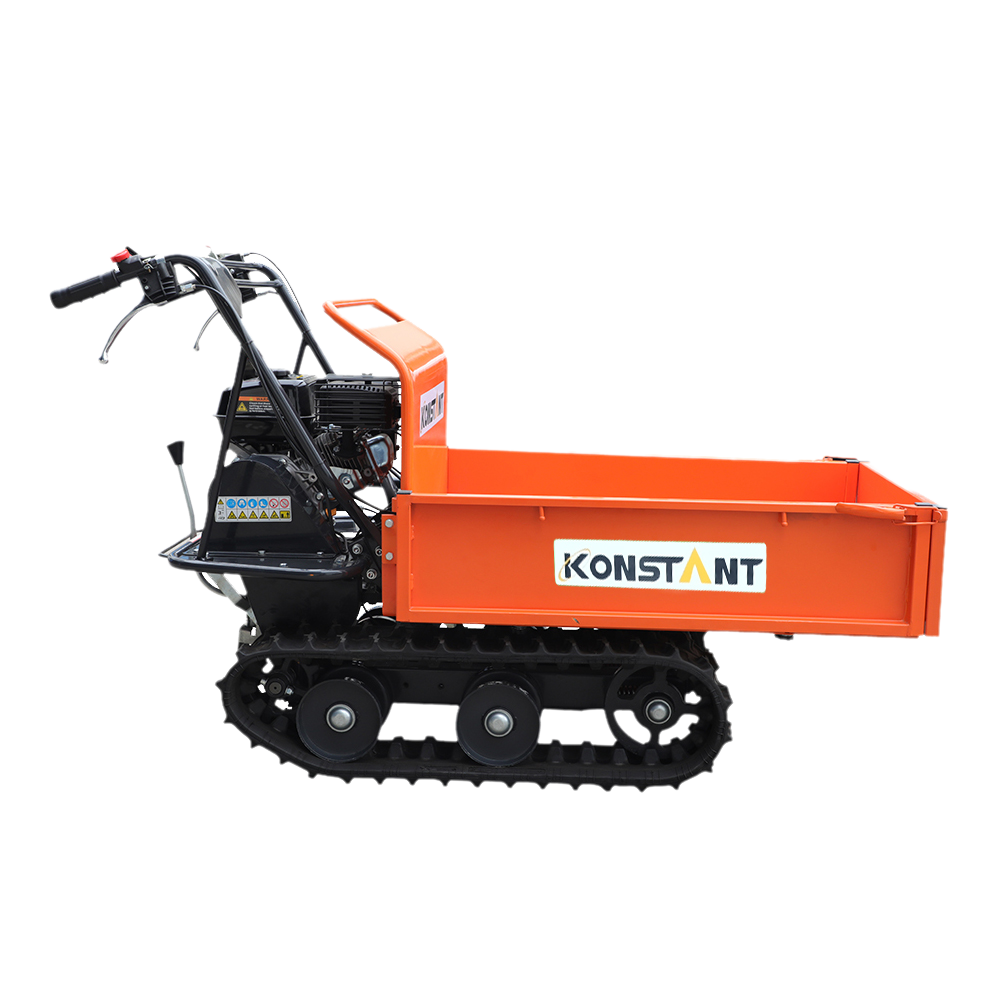
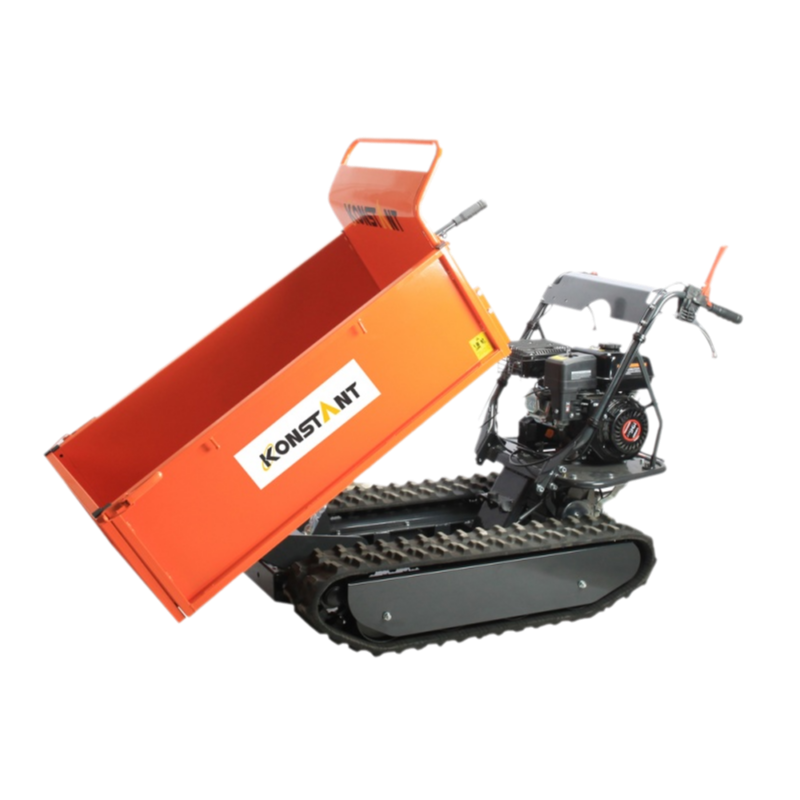
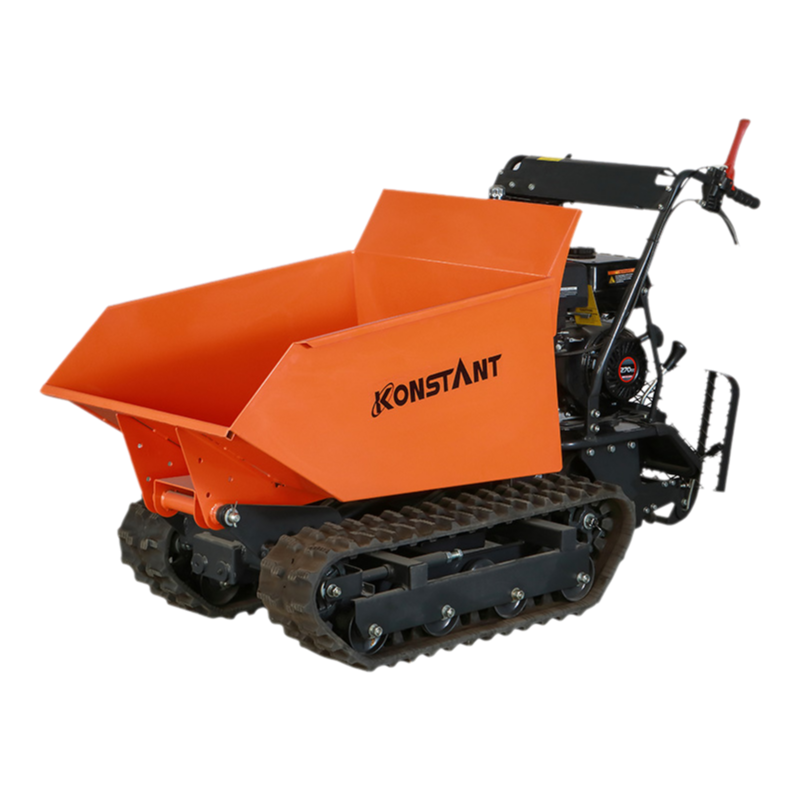
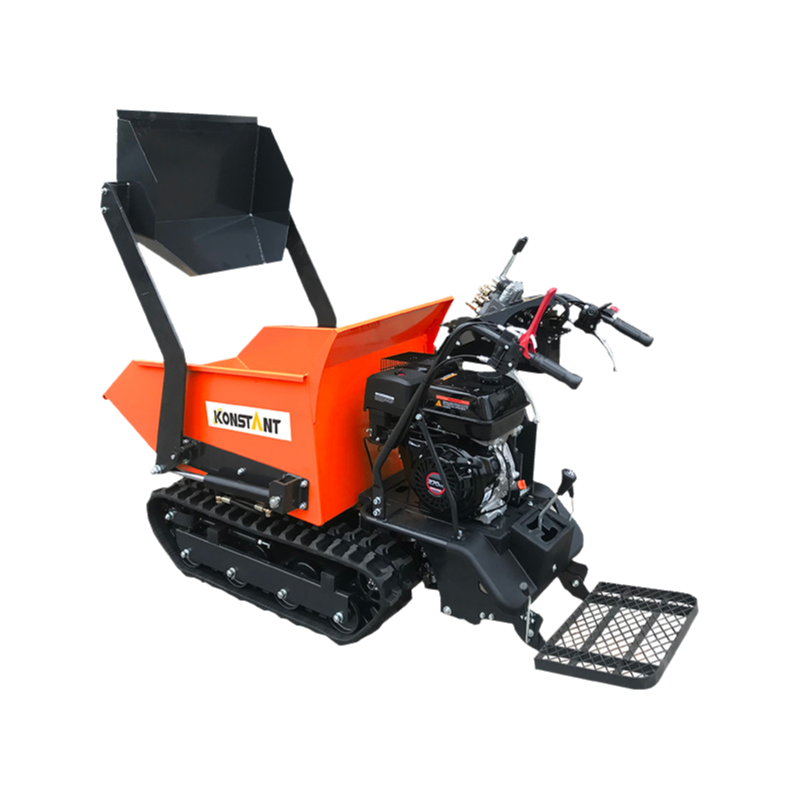
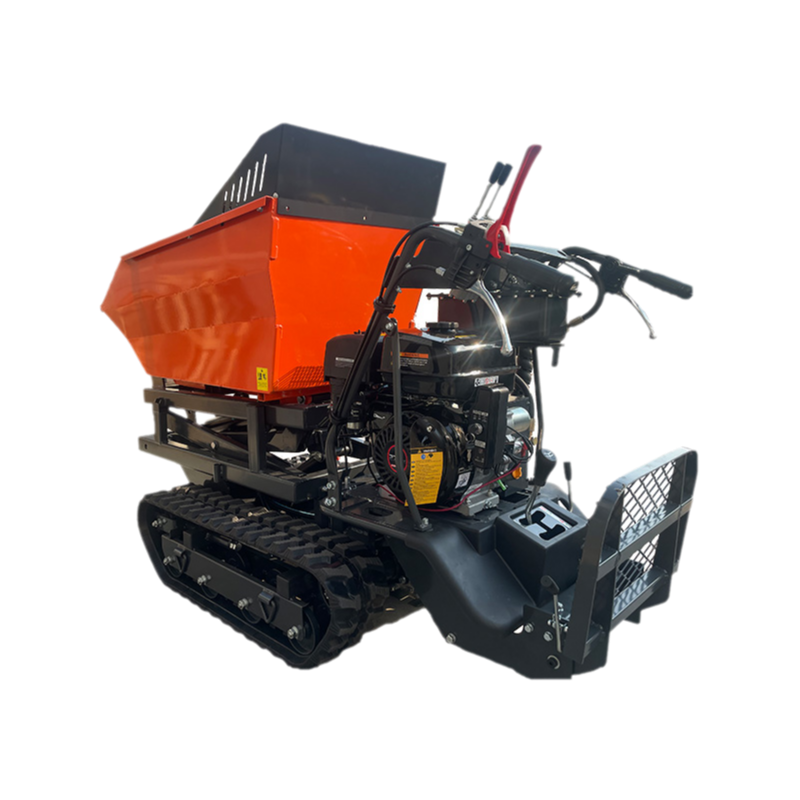
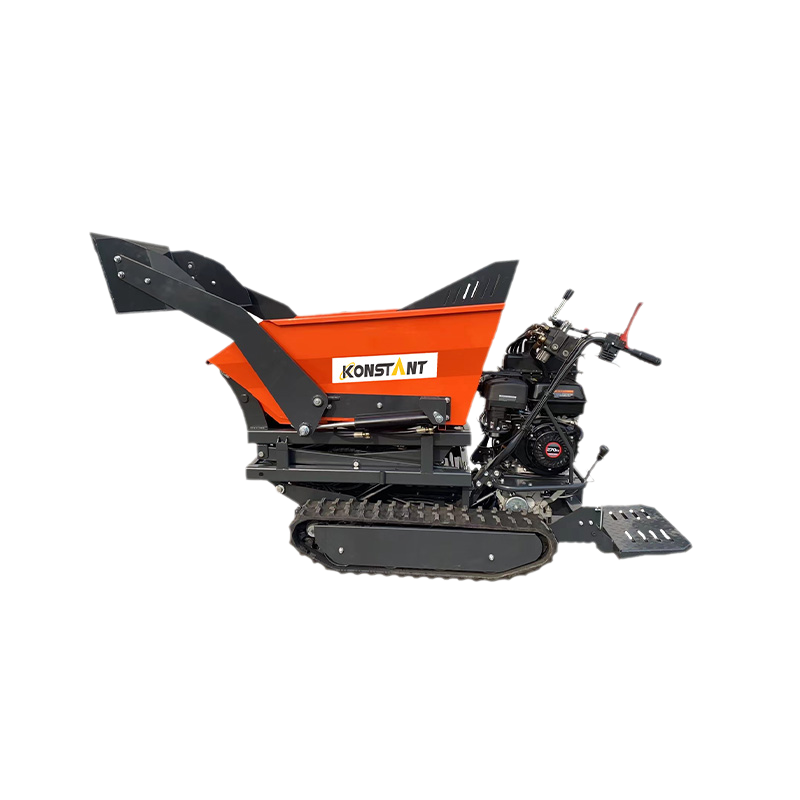
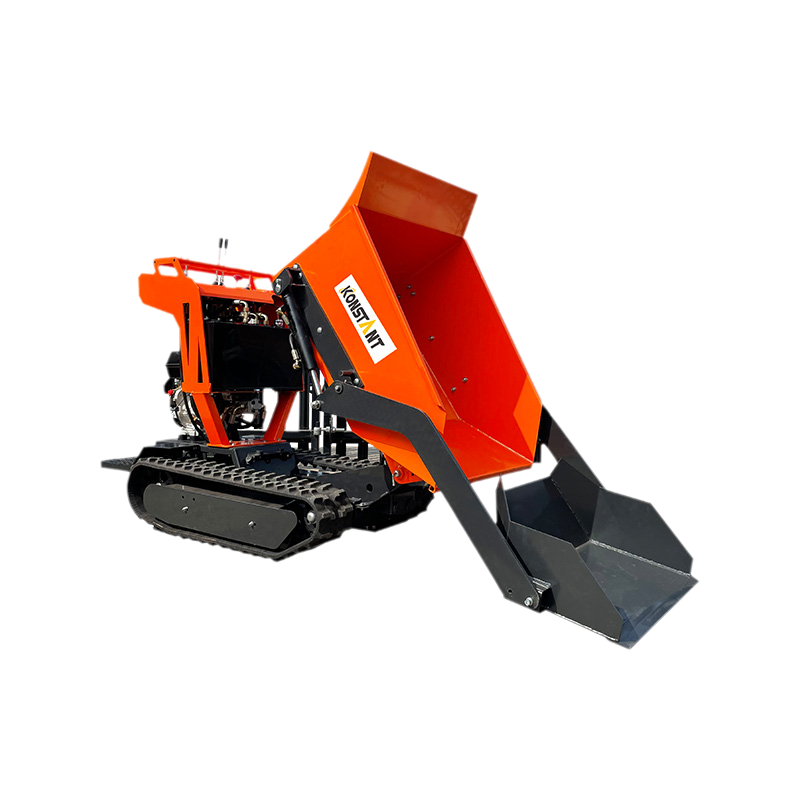
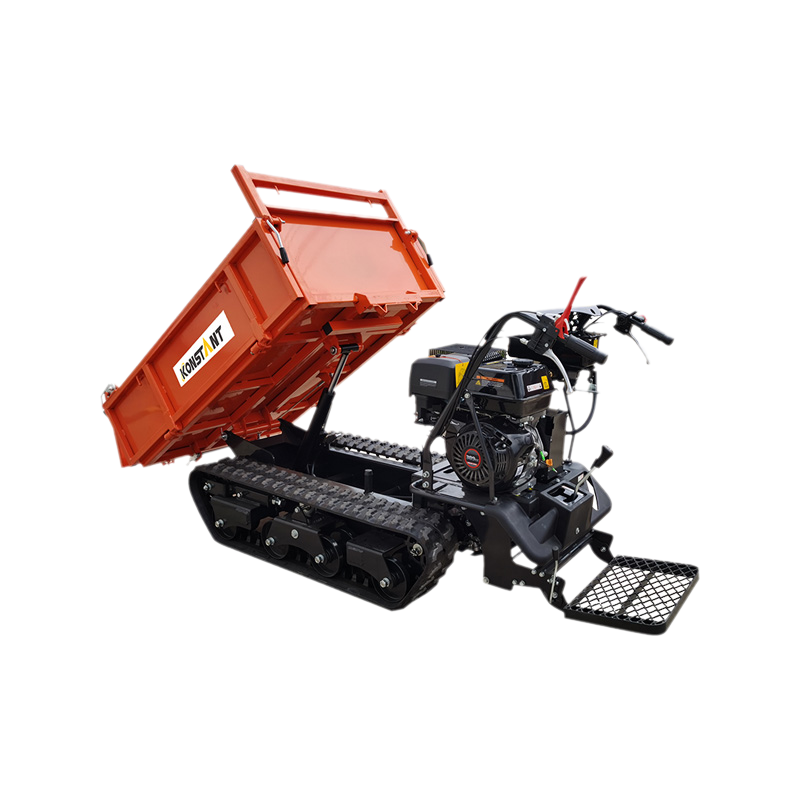
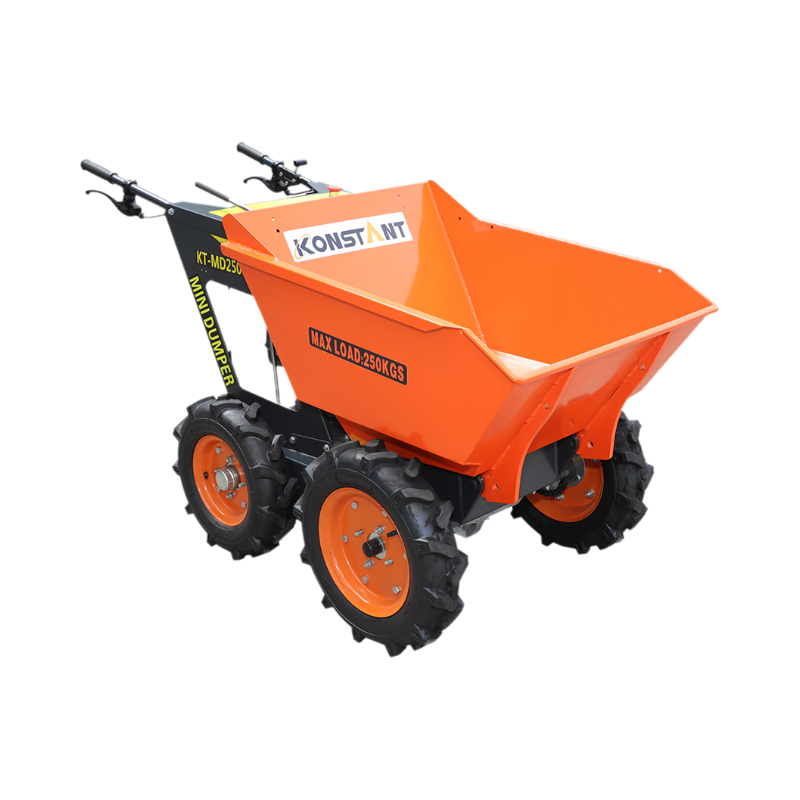
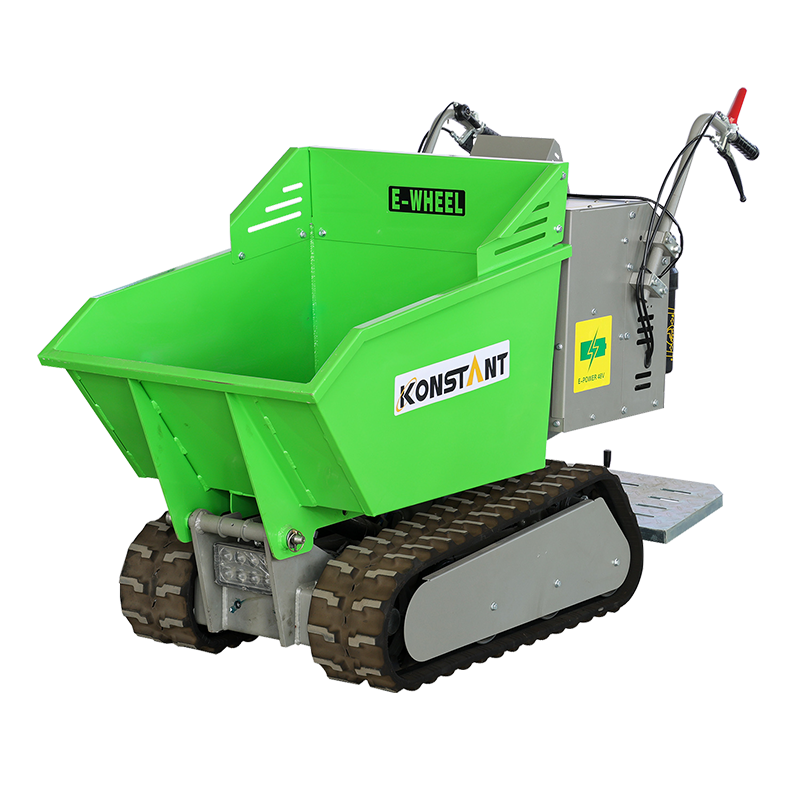
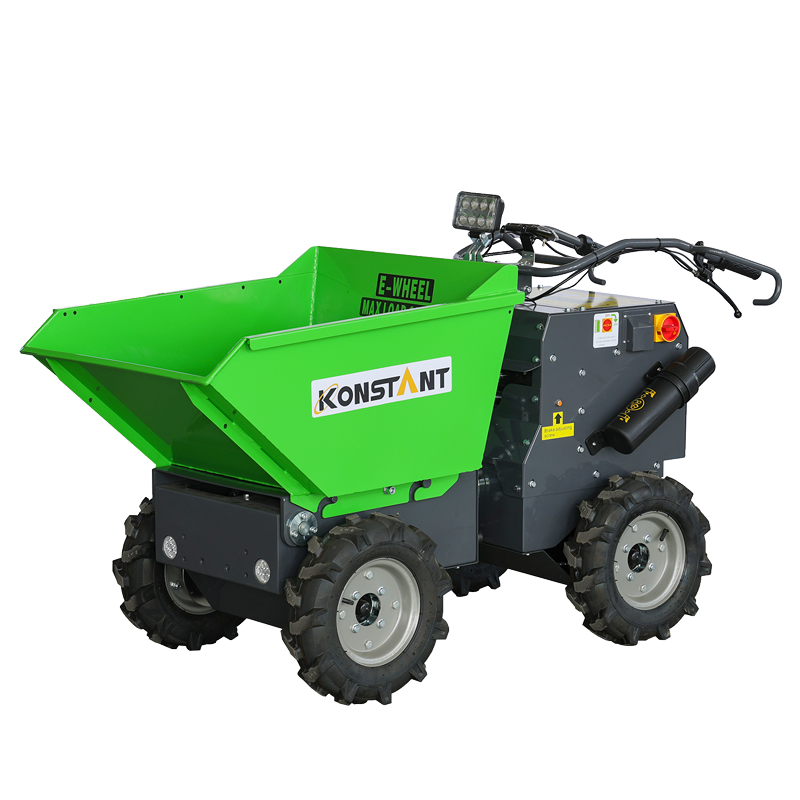
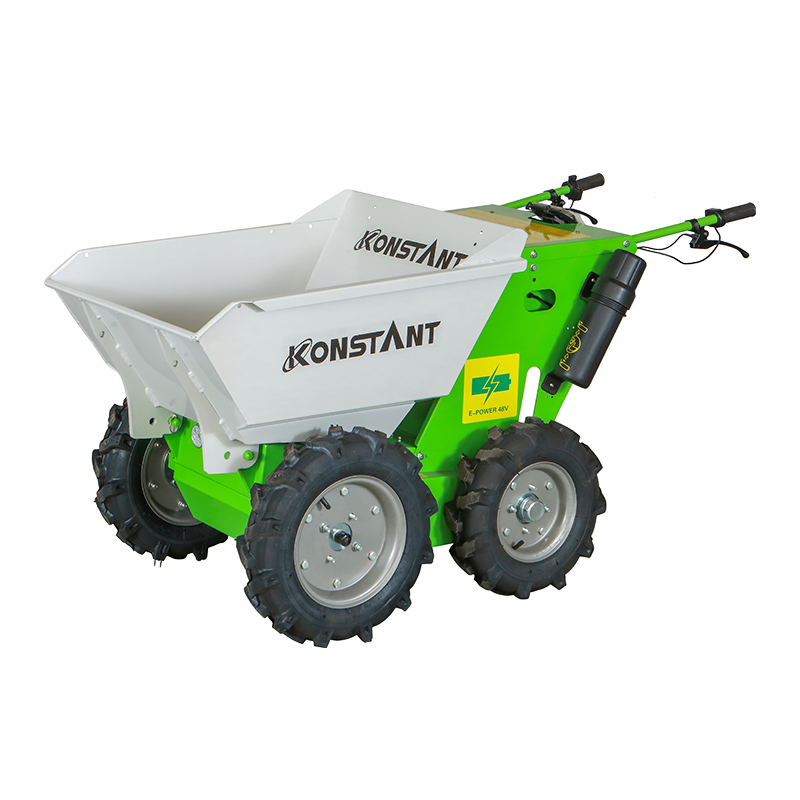
Modern job sites continue to evolve as construction teams, landscaping crews, and facility maintenance groups search for equipment that supports efficiency and safe daily operations. An Electric Mini Dumper has become a practical option for handling various materials in compact or busy workspaces. Its suitability comes from a mix of functional design elements, energy-conscious performance, and features that match the needs of different environments.
One important aspect is its compact structure. Many job sites offer limited movement space due to existing structures, terrain conditions, or ongoing tasks. Equipment with a small footprint can navigate tight paths, narrow entrances, and uneven ground without interrupting surrounding operations. This flexibility helps crews transport materials quickly while reducing unnecessary manual labor.
Another factor is controlled movement. Electric power allows smoother acceleration and stable handling, giving operators better control when working on slopes, indoor areas, or locations with pedestrian traffic. Consistent speed management also supports predictable load handling, which reduces the risk of spills and helps maintain site cleanliness.
Noise reduction is an additional benefit. Many modern settings, such as residential developments, indoor renovation areas, or parks, require quieter equipment. Electric power supports low-noise operation, allowing teams to work during sensitive time periods or in environments where noise restrictions are enforced.
Energy consumption is equally important. Electric Mini Dumpers help teams reduce fuel use and manage daily operating costs more predictably. With stable energy output, crews can plan their workflow without worrying about fuel storage or emissions. This feature is particularly helpful in indoor facilities, where ventilation concerns limit the use of traditional machines.
Reliable load support also contributes to job site suitability. A well-designed dumper distributes weight evenly and provides steady carriage for soil, gravel, bricks, tools, or waste materials. This design reduces strain on the frame and allows operators to move materials with confidence. Balanced load support also helps maintain long-term equipment performance.
Ergonomic controls further enhance the operator experience. Intuitive steering, easy handling sections, and comfortable grips reduce physical fatigue during extended shifts. Crews can complete multiple trips without excessive strain, improving work flow and supporting consistent productivity throughout the day.
Maintenance access is another important factor. Electric Mini Dumpers with accessible compartments, simple inspection points, and easy-to-clean components reduce downtime and simplify routine upkeep. This convenience helps teams maintain stable operation even in demanding schedules.
Safety features also play a role in determining suitability. Elements such as stable braking, reliable tires, protective covers, and clear visibility zones help reduce risks during operation. These features allow workers to transport materials confidently in crowded or obstacle-filled environments.
The following table summarizes the main advantages that support modern job site requirements:
| Feature | Benefit for Job Sites |
|---|---|
| Compact structure | Moves easily in tight or restricted spaces |
| Controlled movement | Supports smooth handling in varied conditions |
| Low-noise operation | Suitable for noise-sensitive environments |
| Energy-efficient performance | Reduces fuel use and supports stable workflows |
| Balanced load design | Improves safety and reduces operator strain |
| Ergonomic controls | Enhances comfort during daily use |
| Accessible maintenance points | Reduces downtime and simplifies inspections |
An Electric Mini Dumper fits the needs of modern job sites by offering a combination of compact mobility, controlled performance, quieter operation, and easy maintenance. These features support safe, consistent, and efficient material transport across different work environments. For project managers and equipment buyers, understanding these characteristics helps them choose a machine that aligns with current work demands and long-term operational goals.
How an Electric Mini Dumper Improves Daily Material Handling Efficiency
Daily material movement on construction sites, farms, and landscape projects often requires steady coordination and dependable workflow arrangements. Incorporating an electric mini dumper into these tasks introduces a practical approach that supports consistent site activity while reducing unnecessary strain on workers. Its structure, balanced operation, and assisted mobility contribute to smoother task progression across different work zones.
One noticeable advantage is the way it helps crews reduce repeated manual lifting and pushing. Instead of relying solely on physical labor to shift soil, debris, or supplies, the unit offers a convenient transport method that keeps the process organized. This not only preserves worker energy for more skilled operations but also reduces interruptions caused by fatigue or uneven hauling methods.
Another daily benefit comes from the unit's ability to move steadily through narrow routes or uneven paths. Sites frequently involve obstacles, tight passages, or scattered materials. The controlled movement style of this equipment introduces stability, helping teams maintain pace even when site conditions shift. This consistency enables planners to schedule tasks with fewer delays and less unpredictable downtime.
Electric operation also brings a calmer work atmosphere. Reduced noise creates a more comfortable environment for nearby teams and helps communication remain clear during busy hours. In addition, having fewer fumes contributes to cleaner working surroundings, especially in enclosed or partially covered areas where ventilation may be limited. These qualities enhance day-to-day workflow and support healthier routines on long projects.
Material distribution becomes more structured as well. Workers can position the dumper precisely where needed, allowing supplies to be placed closer to active zones. This minimizes back-and-forth travel and encourages better layout planning for each stage of the job. With improved routing, teams can allocate time more effectively and coordinate tasks with fewer disruptions.
From a management perspective, the predictable operation pattern helps supervisors evaluate timelines with greater confidence. They can plan workloads knowing that transport tasks remain steady and do not depend heavily on varying physical capability among team members. This creates a smoother division of labor and prevents bottlenecks caused by uneven hauling efficiency.
When used across consecutive days, the equipment contributes to improved rhythm in the workplace. Reliable handling reduces the risk of accidental spills, uneven loads, or handling mistakes that commonly occur under fatigue. As stability improves, so does overall workflow flow, enabling teams to handle recurring tasks with greater ease.
Across different project sizes, the consistent movement, controlled handling, and ergonomic advantages offered by an electric mini dumper encourage more organized material flow. This creates a structured routine that supports both small tasks and large assignments without adding unnecessary pressure to workers. Through steady performance and practical design, it becomes a supportive tool for daily operations and long-term project planning.
Why Many Contractors Choose an Electric Mini Dumper for Compact Work Areas
Compact project environments often require equipment that can move comfortably through narrow passages without interrupting daily activity. An electric mini dumper provides a practical option for these conditions because its layout, maneuvering style, and controlled movement support efficient handling in restricted zones. Contractors appreciate how this type of machine adapts to spatial challenges without altering existing site arrangements.
One reason many teams select this equipment is its ability to pass through tight corners with minimal adjustment. Traditional material handling setups may require wider paths or additional clearance, which is not always feasible in renovation sites, urban courtyards, or indoor refurbishing tasks. The streamlined footprint of an electric mini dumper helps crews access areas that are otherwise difficult to reach using larger transport tools.
Another factor is the reduced disturbance it brings to sensitive surroundings. Work areas inside buildings, residential gardens, or shared community spaces often require controlled movement and lower noise levels. Electric operation supports a calmer environment, allowing crews to work without creating unnecessary discomfort for nearby occupants. This approach helps maintain good site relations, particularly in spaces where noise management is a priority.
Job planners also value the consistent control provided during slow, careful maneuvers. When operating in confined zones, sudden movements can create safety concerns or disrupt carefully placed materials. The steady motion of this equipment helps reduce unplanned shifts and supports accuracy when placing loads near walls, doorways, or existing installations. This contributes to cleaner task execution and minimizes the need for rework.
To illustrate how these qualities serve contractors in compact spaces, here is a simple comparison overview:
Practical Considerations for Small Work Areas
| Site Challenge | How Electric Mini Dumper Helps |
|---|---|
| Narrow pathways | Moves smoothly through tight spaces with balanced control |
| Sensitive surroundings | Electric operation supports quieter, cleaner activity |
| Limited turning room | Encourages controlled direction changes without wide swings |
| Close-proximity tasks | Enables precise placement near finished surfaces |
In addition, this equipment helps project teams maintain an organized workflow. Its ability to carry loads directly to specific points reduces the need for additional handling steps. Workers can complete hauling tasks with fewer interruptions, which supports consistent pacing across ongoing activities. This predictable rhythm allows supervisors to coordinate tasks more effectively, even when space is restricted.
Contractors working in urban renovation projects often mention another advantage: reduced surface impact. Many compact areas have decorative flooring, stone paths, or wooden decks that require careful movement. The controlled traction of an electric mini dumper helps preserve these surfaces, lowering the risk of marks or unexpected wear. This makes it suitable for work environments where maintaining existing finishes is a key requirement.
Across different types of small-scale job sites, the combination of maneuverability, quiet operation, and controlled handling creates a dependable solution for material movement. For contractors managing confined layouts, these qualities allow them to continue daily tasks without altering the surroundings or interrupting other activities. By offering practical support in areas with limited space, the electric mini dumper becomes a helpful addition to projects that demand precise and organized material flow.
Related products

Latest Updates
-
What Makes a Small Tracked Dump Truck Practical for Construction Work
Short-distance movement of soil, sand, gravel and demolition debris is a constant requirement on man...
-
What Causes Reduced Performance in an Electric Mini Dumper
Electric mini dumpers sometimes lose speed, range or climbing ability after a stretch of ordinary us...

-
Welcome To Visit Us
No.30, Third Furong Road, Wuxi City, Jiangsu. 214100, China.
-
Call Us
Phone: +86 181-1889-1139
Phone: +86 181-1889-2139
-
Contact Us Online
E-mail: sales@konstantpm.com
E-mail: marketing@konstantpm.com
Copyright WUXI KONSTANT POWER TECH CO., LTD All Rights Reserved
 China Mini Dumpers Manufacturers Power Wheelbarrow Factory