
 English
 русский
 Français
 Español
 Deutsch


Provide you with the latest enterprise and industry news
Home / News / Industry news / How Does a Hydraulic Dumping Mini Crawler Dumper Handle Different Materials
How Does a Hydraulic Dumping Mini Crawler Dumper Handle Different Materials
Update:23-11-2026
Posted by Admin
Content
- 1 Material Handling Strengths of a Compact Tracked Dumper
- 2 Soil and Sand on Construction and Landscaping Sites
- 3 Gravel, Stones and Heavier Site Materials
- 4 Agricultural Materials and Garden Supplies
- 5 Wet, Sticky and Mixed Loads
- 6 Tracks and Terrain
- 7 Hydraulic Dumping and Workflow
- 8 Practical Value Across Jobs
- 9 Materials and Handling Notes
- 10 One Compact Tracked Dumper Across Varied Materials and Sites
Material Handling Strengths of a Compact Tracked Dumper
How a Crawler Dumper Supports Daily Material Transportation
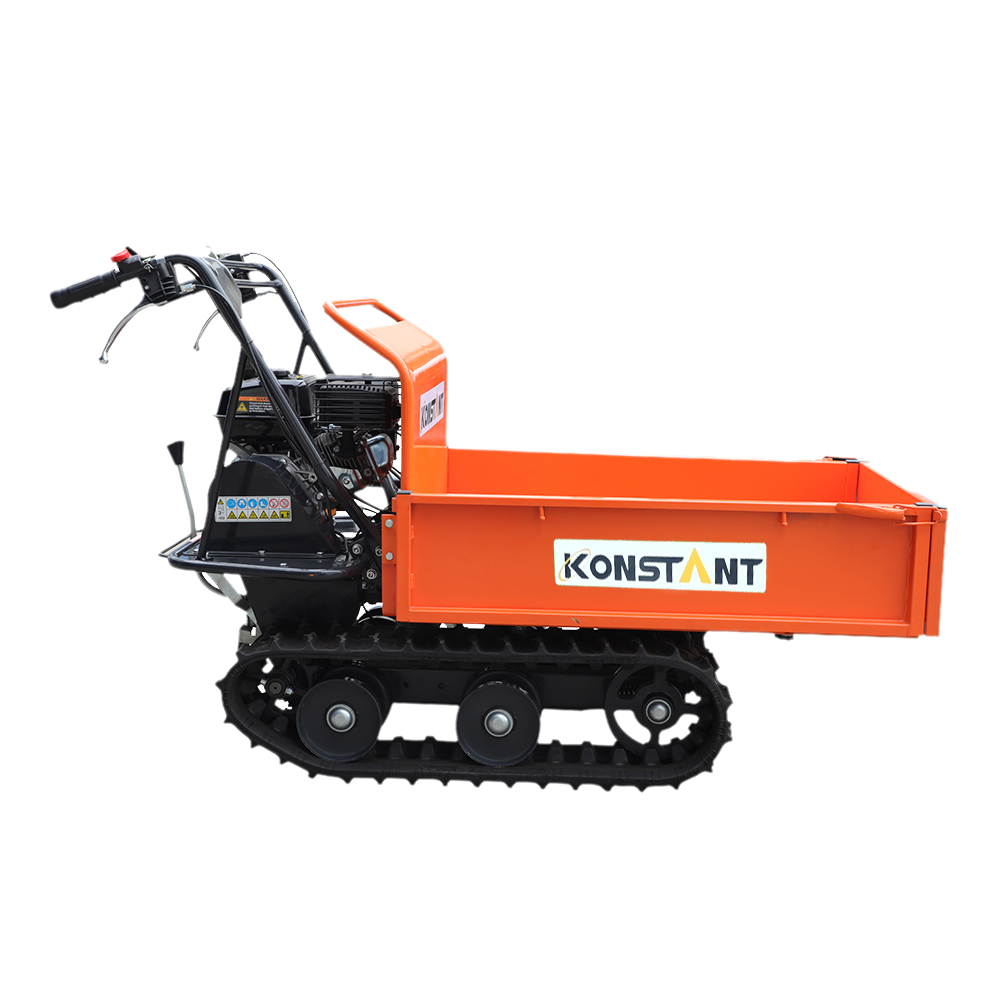
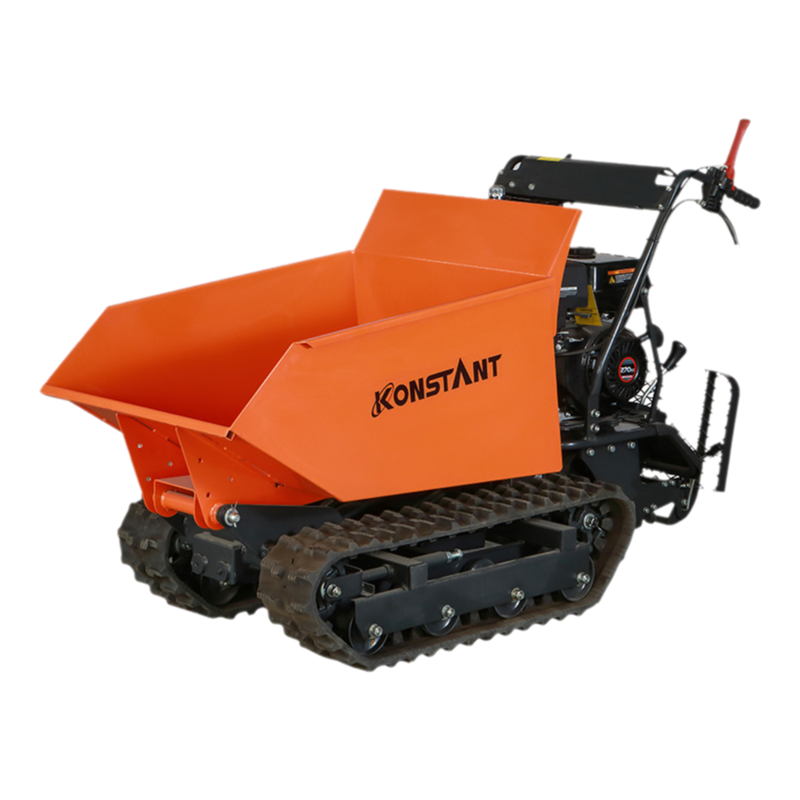
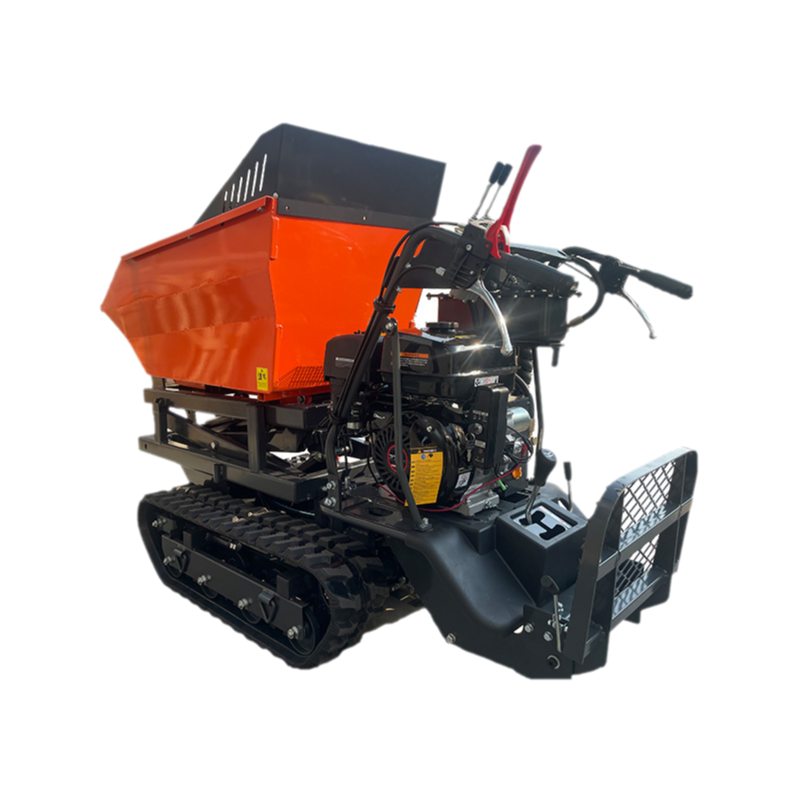
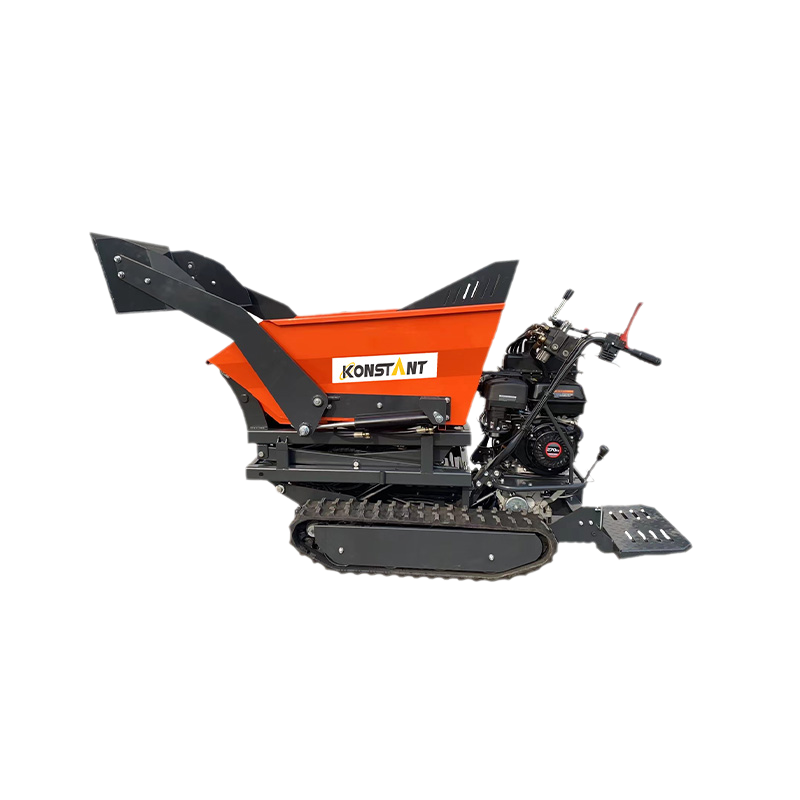
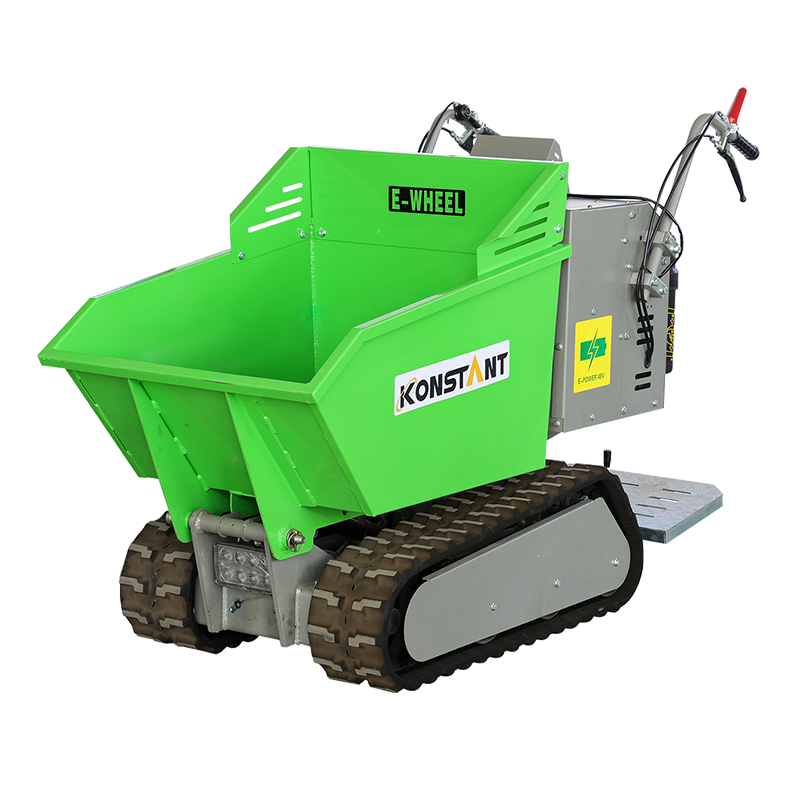
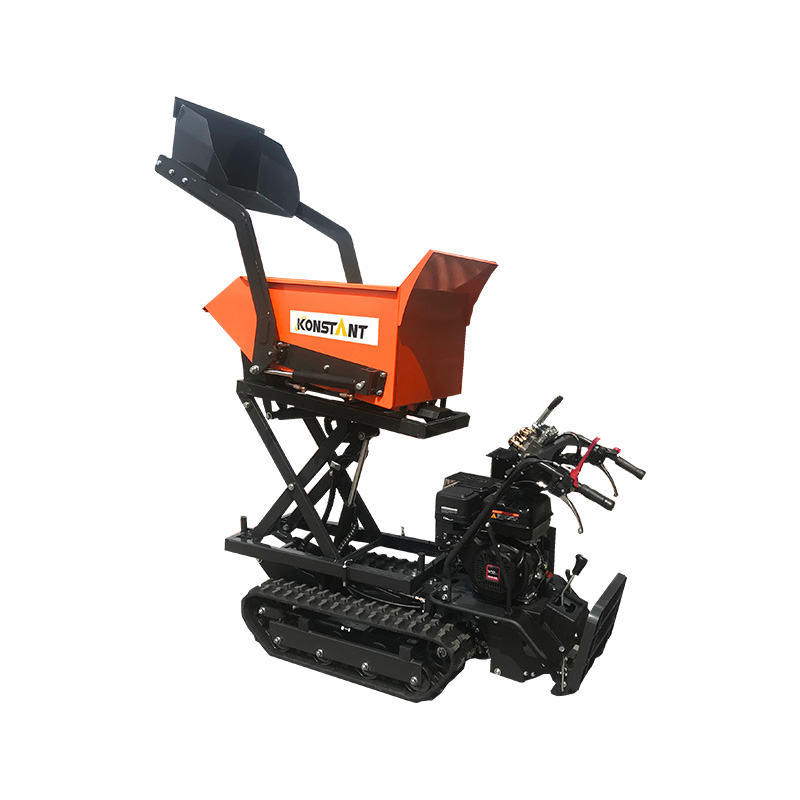
A mini crawler dumper is built to move loose bulk from one point on a site to another without depending on full-size trucks. Tracks spread the machine's weight so it can cross soft or broken ground where wheeled barrows struggle. The skip or hopper carries soil, aggregates or site waste in repeated short cycles that fit construction, landscaping and property work.
The Role of Hydraulic Dumping in Moving Loose and Bulk Materials
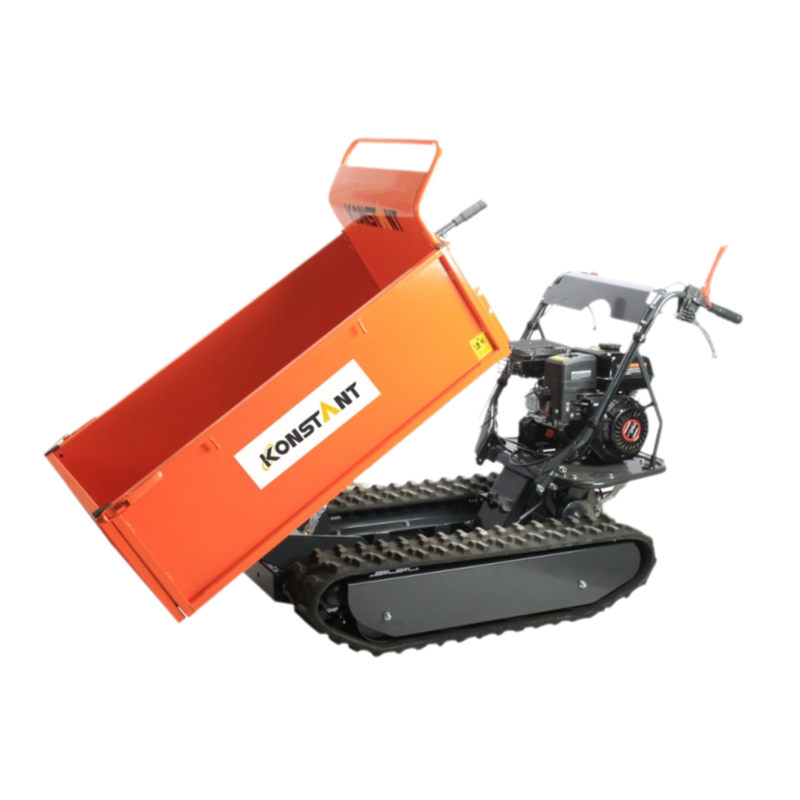
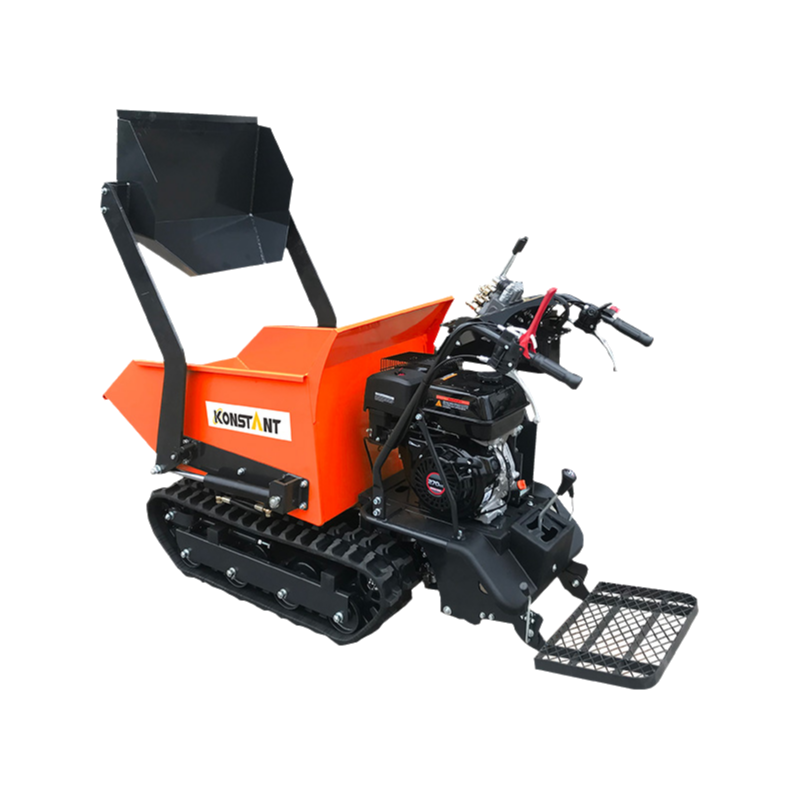
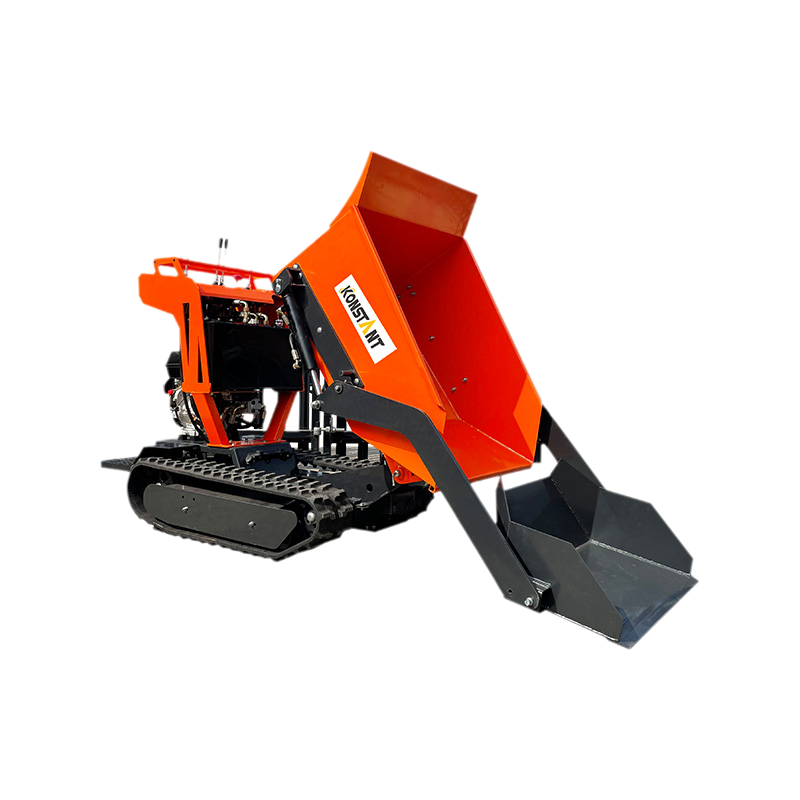
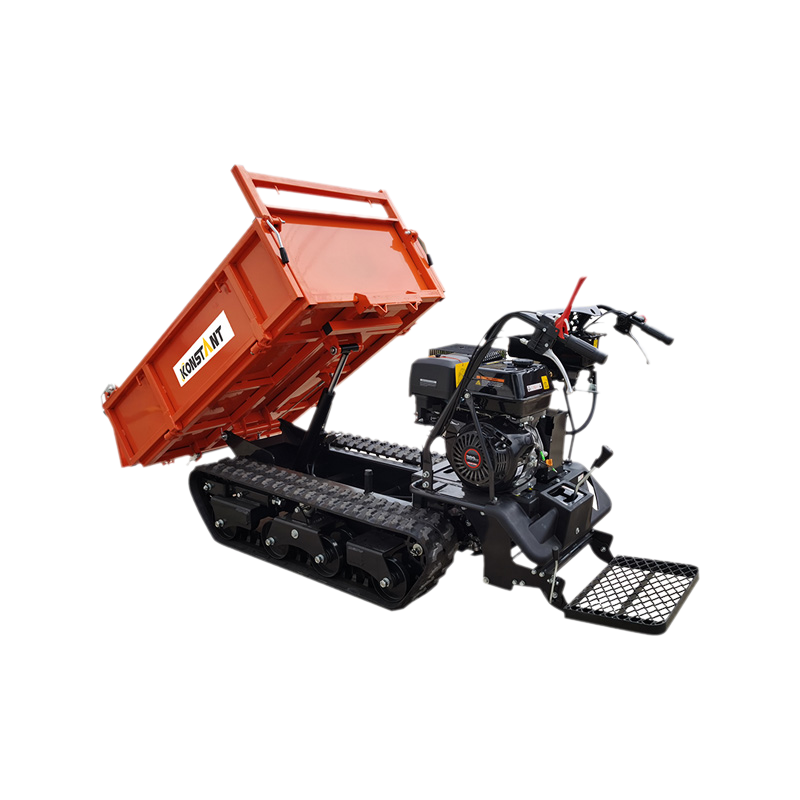
Hydraulic lift raises the body so the load slides or tips out at the drop point. That controlled raise replaces manual tipping of heavy barrows and keeps the operator clear of the falling material. Free-flowing loads empty quickly; stickier loads may need a steeper angle or a short pause at full tip.
Why a Compact Dumper Is Useful Across Different Work Environments
Narrow gates, garden paths and partly finished interiors limit the size of machine that can enter. A compact tracked unit can still shift useful volumes of material through those openings. One machine that loads, travels and dumps reduces the need for separate carriers on small and medium jobs.
Soil and Sand on Construction and Landscaping Sites
Transporting Excavated Soil Across Uneven Construction Areas
Excavated soil is dense and often damp. Tracks maintain grip on rutted haul routes between the dig face and the stockpile or truck. Short shuttle runs keep the excavator working instead of waiting on wheelbarrows.
Moving Sand for Ground Preparation and Landscaping Tasks
Sand for bedding, levelling or garden features flows readily when dry and packs when wet. A dumper carries it from delivery point to spread area without repeated hand loading. Even distribution in the skip helps stability on the move.
How Hydraulic Dumping Simplifies Material Discharge
At the pile or trench, hydraulic tip places the load where it is needed. Operators can feather the lift to control how fast sand or soil leaves the body, which matters near edges or finished surfaces.
Gravel, Stones and Heavier Site Materials
Transporting Gravel Around Building and Renovation Sites
Gravel and similar aggregates abrade floors and shift under braking. A sturdy skip and steady driving keep the load contained. Hydraulic dump at the spread point limits double handling.
Handling Stones and Rubble During Groundwork Operations
Rubble and mixed stone are less uniform than screened gravel. Careful loading avoids overfilling and keeps the centre of gravity manageable. Tip-out onto a designated pile keeps pathways clearer.
Supporting Material Distribution in Confined Working Areas
Where only a narrow corridor is open, a compact dumper can still deliver gravel or rubble in stages. Tracks and a tight turning pattern matter more than raw capacity in those spaces.
Agricultural Materials and Garden Supplies
Moving Fertilizer, Compost and Organic Materials
Compost and organic amendments are lighter than mineral soils but can be damp and cohesive. A cleanable skip helps after sticky loads. Hydraulic tip reduces forking from a low barrow.
Carrying Harvested Crops and Agricultural Supplies
On small farms and orchards, the same machine can move bagged or bulk supplies between storage and field edges when the terrain suits tracked travel. Load security and gentle driving protect both product and machine.
Supporting Daily Transportation Tasks on Farms and Orchards
Repeated short hauls of feed, mulch or waste fit the duty cycle of a mini dumper. Versatility across seasons increases the value of one compact unit.
Wet, Sticky and Mixed Loads
Managing Moist Soil and Other Damp Materials
Wet soil clings to skip walls and may not release until the body reaches a high angle. Operators learn the tip height needed for each material and may rock the body slightly within safe practice to encourage release.
Discharging Mixed Construction Waste and Loose Debris
Mixed waste behaves unpredictably. Sorting at the load point and avoiding overfill improve dump predictability. Hydraulic control still beats manual emptying of heavy mixed loads.
How Loading Conditions Influence Material Flow During Dumping
How the skip is filled—level, heaped or one-sided—affects how the load breaks and slides. Even loading and knowing the material's stickiness make dump cycles smoother.
Tracks and Terrain
Moving Materials Across Muddy and Soft Ground
Tracks reduce sinkage compared with narrow wheels. Muddy site roads remain usable longer when weight is spread along the track contact patch.
Gentle slopes and uneven yard surfaces demand low speed and correct load placement. Tracks help maintain directional stability when the ground falls away under one side.
Supporting Stable Transportation in Restricted Workspaces
In courtyards, side passages and partly built interiors, compact dimensions and track grip allow material to enter without waiting for larger plant.
Hydraulic Dumping and Workflow
Simplifying Material Discharge Through Hydraulic Lifting
A single control raises the body to the dump angle. That simplicity shortens the unload phase of every cycle.
Reducing Manual Handling During Repeated Transportation Tasks
Less shovelling and less lifting of barrow handles lower physical strain across a full shift of repeated trips.
Improving the Connection Between Loading, Moving and Unloading
When load, travel and tip are one machine's job, the chain from dig or stockpile to final placement stays tight. Idle time between separate tools falls.
Practical Value Across Jobs
Adapting One Machine to Different Material Transportation Needs
Soil, sand, gravel, organics and mixed debris can all move in the same skip when operators adjust loading and tip technique. A Crawler Dumper Mini format is built around that shared duty.
Supporting Construction, Landscaping, Agriculture and Property Maintenance
The same platform appears on build sites, garden projects, small farms and estate maintenance when bulk must move through tight or soft ground.
Choosing a Versatile Dumper for Changing Daily Work Requirements
Sites that change material type during the week benefit from one compact hydraulic dumper rather than several single-purpose carriers. A Power Barrow Mini Dumper style unit fits that mixed daily list when tracks and tip match the terrain and loads.
Materials and Handling Notes
| Material type | Handling note | Dump behaviour |
|---|---|---|
| Dry soil and sand | Flows readily; even fill helps stability | Releases cleanly at moderate tip angles |
| Wet or sticky soil | Clings to sides; avoid overfill | May need steeper tip or brief hold at full lift |
| Gravel and aggregates | Abrasive; keep load centred | Usually free-flowing once motion starts |
| Rubble and mixed debris | Irregular pieces; load with care | Less predictable; tip onto clear pile |
| Compost and organics | Often damp; clean skip after use | Intermediate stickiness |
| Soft or muddy ground | Tracks spread weight | Travel slow; tip only on stable standing |
One Compact Tracked Dumper Across Varied Materials and Sites
Hydraulic dumping mini crawler dumpers handle soil, sand, gravel, agricultural loads and mixed debris by combining track mobility with controlled tip-out, which suits construction, landscaping and light agricultural work where ground and access limit larger machines. WUXI KONSTANT POWER TECH CO., LTD produces mini crawler dumpers for material transport on varied sites. Review of typical materials, ground conditions and access width against skip size and track design supports selection of a compact dumper matched to daily handling needs.
Related products

Latest Updates
-
How Does a Hydraulic Dumping Mini Crawler Dumper Handle Different Materials
Material Handling Strengths of a Compact Tracked Dumper How a Crawler Dumper Supports Daily Material...
-
How to Maintain the Tracks of a Crawler Mini Dumper
Inspecting the Tracks Before and After Daily Operation Tracks take the full weight of the machine an...

-
Welcome To Visit Us
No.30, Third Furong Road, Wuxi City, Jiangsu. 214100, China.
-
Call Us
Phone: +86 181-1889-1139
Phone: +86 181-1889-2139
-
Contact Us Online
E-mail: sales@konstantpm.com
E-mail: marketing@konstantpm.com
Copyright WUXI KONSTANT POWER TECH CO., LTD All Rights Reserved
 China Mini Dumpers Manufacturers Power Wheelbarrow Factory