
 English
 русский
 Français
 Español
 Deutsch

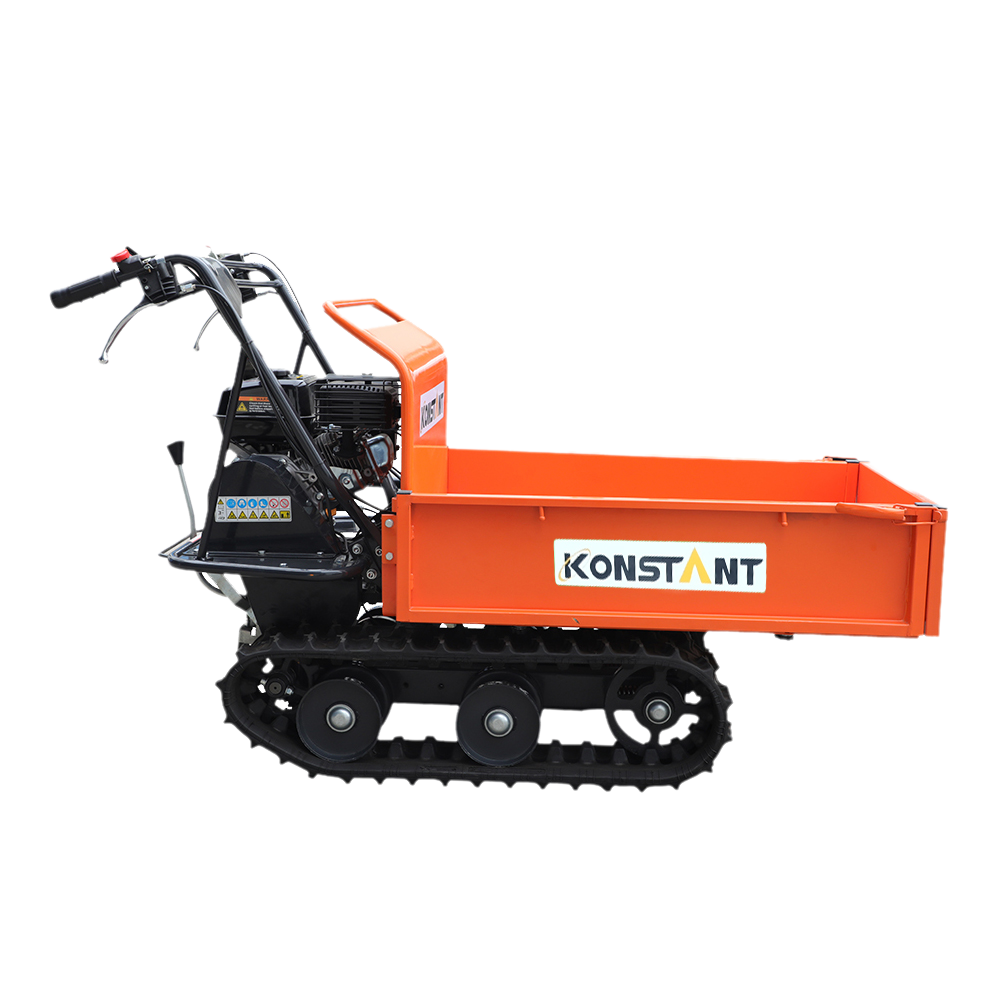
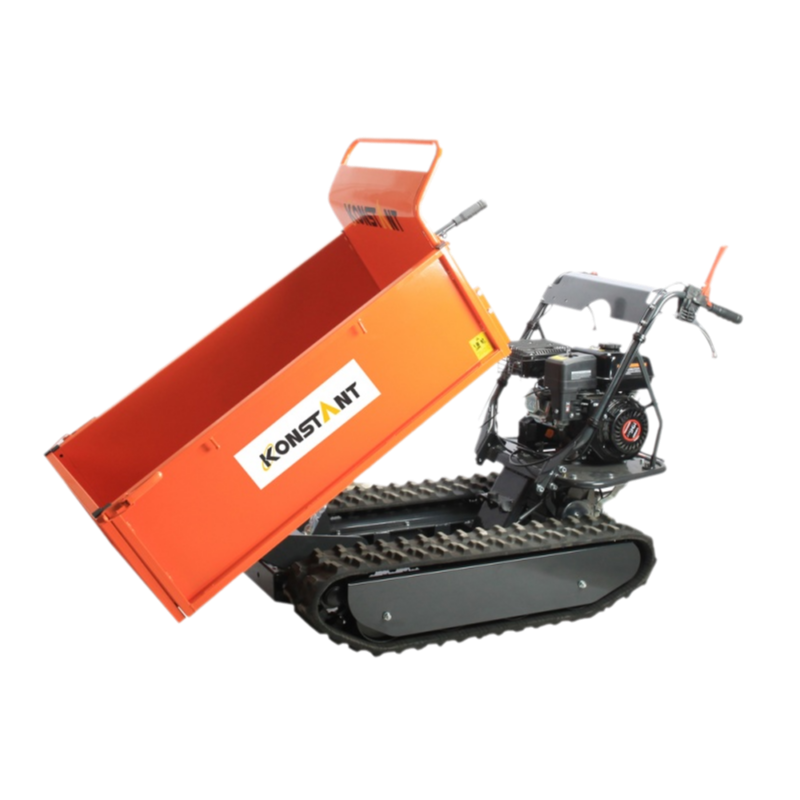
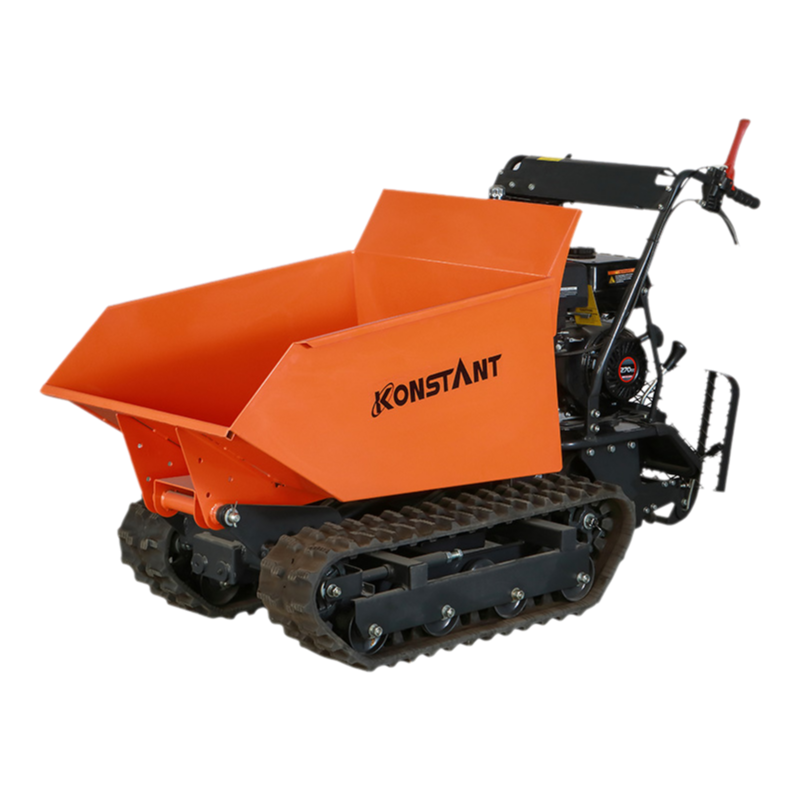
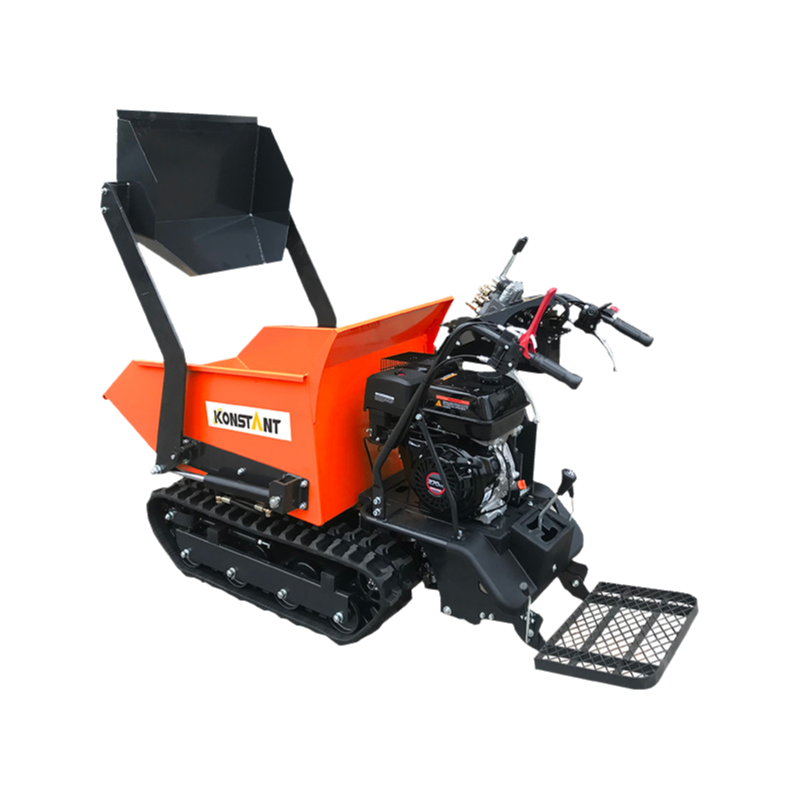
Provide you with the latest enterprise and industry news
How to Choose a Reliable Electric Wheelbarrow Supplier
Update:29-12-2025
Posted by Admin
Content
- 1 Expectations for a Dependable Supplier
- 2 How a Supplier Can Reduce Labor Pressure on Job Sites
- 3 Practical Tips for Importers Choosing a Supplier
- 3.1 Verify manufacturing footprint and experience
- 3.2 Request documentation and product samples
- 3.3 Assess spare parts strategy and times
- 3.4 Check warranty terms and service workflows
- 3.5 Examine logistics and packaging standards
- 3.6 Request references and check market feedback
- 3.7 Factor in adaptation and co-branding options
- 3.8 Plan for training, documentation, and after-sales readiness
- 4 Selecting Equipment Features That Matter for Jobsite Use
- 5 Commercial and Contractual Considerations
- 6 Implementation and Rollout Best Practices
Expectations for a Dependable Supplier
Manufacturing and Quality Practices
A dependable provider demonstrates consistent manufacturing practices that result in dependable product performance from one batch to the next. Expect clear production routines, staged quality checks, and documented final inspection results. Transparent processes reduce surprises for buyers and simplify inventory planning. Critical indicators of a stable production approach include documented assembly steps, visible checks for key subsystems, and a willingness to share basic factory test results.
Product Range and Application Fit
Different jobs require different equipment traits. Some projects need compact units for tight access; others require higher endurance for long shifts or rough terrain capability. A professional supplier offers a range of configurations that reflect real working conditions rather than one-size-fits-all offerings. Expect options for load capacity, wheel design, and accessory compatibility so the chosen unit matches operational needs.
Clear Technical Information and Usage Guidance
Effective suppliers provide comprehensive product information that goes beyond marketing claims. Buyers should receive straightforward descriptions of operating principles, recommended daily routines, routine inspection steps, and suggested maintenance intervals. When documentation covers safe use, common troubleshooting steps, and routine lubrication or inspection points, field teams can operate with fewer interruptions and a lower rate of preventable faults.
After-Sales Support and Spare Parts Availability
Parts access separates short-term purchases from sustainable investments. A reliable partner maintains spare parts inventories or clear supply pathways for common wear items. Expect guidance on spare parts lists for initial orders, transparent times, and a warranty framework that explains service responsibilities and processes. Fast, predictable sourcing of replacement items reduces downtime and protects project schedules.
Logistics and Export Readiness
Importers and distributors benefit when a supplier understands international shipping, packaging for freight, and export documentation. Capable partners propose protective packing methods, advise on container loading logic, and provide necessary commercial paperwork. This reduces the chance of damage in transit, shipment delays, and customs friction that can erode margin and delay rollout.
Regulatory and Safety Awareness
While the equipment category is mechanically straightforward, safety matters. A responsible vendor understands applicable safety standards and provides guidance on safe operations, ground and battery handling, and operator training. Where certification is available, the provider should be able to present appropriate documentation or help buyers prepare for local compliance checks.
Transparent Commercial Practices
Clear terms, predictable times, and a straightforward approach to pricing and payment help build trust. Suppliers who are willing to discuss order quantities, production calendars, and possible volume discounts make it easier for buyers to plan budgets and sales strategies. Reasonable flexibility around packaging, labeling, or co-branding options is often a mark of a partnership mindset rather than a transactional vendor relationship.
How a Supplier Can Reduce Labor Pressure on Job Sites
Construction and site-based work increasingly faces unpredictable labor supply and greater emphasis on efficiency. Project managers often must compress schedules without increasing crew size. Mechanized material transport addresses several bottlenecks: it reduces manual exertion, speeds movement, and enables predictable rhythm across repetitive tasks.
Reducing repetitive strain and injury risk
Manual wheelbarrow use involves repetitive pushing, lifting, and balancing that can cause fatigue and musculoskeletal strain. Electrically assisted transport reduces the physical effort required and lowers the cumulative strain on crew members. A supplier that offers equipment with ergonomic features, simple controls, and predictable handling characteristics helps protect worker health and reduce lost-time incidents resulting from fatigue-related injuries.
Increasing productivity per operator
A single operator using an assisted unit can often handle more material movements per hour than a handful of workers using manual carts. This effect depends on matching capacity and endurance to the task. An informed supplier helps buyers select a unit that balances speed, load size, and maneuverability to fit site layout and flow, enabling productive cycles without overexerting operators.
Supporting multi-role flexibility on site
Units that are simple to operate and maintain broaden the pool of potential operators. This reduces dependence on specialists and helps smaller crews maintain consistent output. Suppliers that provide clear operator training guidance and easy-to-follow maintenance checklists make it feasible for teams to rotate duties and maintain continuity even if staffing levels fluctuate.
Reducing downtime through parts and service support
Frequent breakdowns intensify labor pressure by creating reactive work and idle time. Suppliers who offer spare parts kits, recommended tool lists, and pragmatic troubleshooting guides reduce the time required to restore a unit to service. Where practical, remote technical support or quick coaching on basic repairs keeps machines running and maintains steady material flow.
Improving scheduling predictability
Transport routines drive broader site scheduling. When material movement becomes more predictable, crews can plan tasks with greater confidence. Suppliers that help buyers understand operational endurance, charging cycles, and recommended shift practices contribute to smoother logistics. This enables project managers to coordinate supply deliveries, installation sequences, and finishing work with fewer interruptions.
Practical Tips for Importers Choosing a Supplier
Verify manufacturing footprint and experience
Importers should evaluate production capability and company history. Consider indicators such as factory organization, workforce skill mix, and export experience. Suppliers with established production environments and export track records typically present fewer surprises. Request photos of production areas, a sample production schedule, or references from other international clients to assess capacity and reliability.
Request documentation and product samples
Before committing to large orders, request a product demonstration unit or detailed sample documentation. Samples let you evaluate build quality, finish, and packaging practices first-hand. Documentation should include maintenance manuals, exploded view spare part lists, and recommended operation routines. These materials are vital for resale, training, and support planning.
Assess spare parts strategy and times
Obtain a clear view of spare parts supply. Ask about order sizes for parts, typical delivery windows, and whether spare kits are provided with initial shipments. Confirm which wear components are likely to require replacement and plan inventory accordingly. A supplier willing to publish parts lists and times helps importers reduce post-sale friction.
Check warranty terms and service workflows
Warranties vary widely. Clarify what is covered, who handles claims, and how repairs will be coordinated across borders. A practical warranty policy balances responsibility between supplier and buyer and includes clear procedures for reporting defects and shipping parts. Understand how service responsibilities change after warranty expiry.
Examine logistics and packaging standards
Shipping equipment internationally subjects items to rough handling. Evaluate supplier packaging to make sure it offers adequate protection. Good packaging uses internal bracing, corrosion prevention for metal parts, and clear external labeling for handling instructions. Ask how units are secured in containers and whether the supplier optimizes palletization to reduce freight costs.
Request references and check market feedback
Supplier references and case examples provide insight into real-world performance and business practices. Ask for contact details of existing distributors or clients in similar markets. Independent feedback from peers about times, issue resolution, and product durability complements technical reviews.
Factor in adaptation and co-branding options
Import markets often require small adaptations — language on plates, local plugs, or specific accessories. Choose suppliers that allow controlled customization without imposing large minimums. Co-branding or private-label packaging options can also help importers position products more effectively in target markets.
Plan for training, documentation, and after-sales readiness
Prepare internal resources before shipment arrives. Build training materials for sales staff and field technicians based on supplier documentation. Plan initial spare parts kits for common wear items. Communicate warranty procedures and return policies to end customers to set accurate expectations and reduce conflict.
Selecting Equipment Features That Matter for Jobsite Use
Maneuverability and footprint
On many sites, access is limited and pathways are narrow. Compact units with tight turning radii and agile steering better match congested environments. Consider how equipment will pass through gates, elevators, or narrow ramps. Suppliers that provide multiple wheel and chassis options make it easier to match the equipment to site constraints.
Battery and charging management
Battery systems dominate operational routines. Importers and buyers should understand how charging cycles affect continuous operation. Expect guidance on charging practices, storage conditions, and replacement strategies. Suppliers should recommend charging infrastructure that fits site power availability and shift lengths to avoid unexpected downtime.
Durability and corrosion protection
Exposure to water, mud, and abrasive loads can shorten component life. Suppliers who use corrosion-resistant treatments and rugged materials for key subsystems extend time between replacements. Request information on surface treatments, protective coatings, and drainage design.
Ease of maintenance and serviceability
Design choices that enable quick component access reduce repair times. Tool-free access panels, standardized fasteners, and modular assemblies simplify field servicing. Suppliers should be able to explain which items require periodic adjustment or replacement and provide part numbers for common items.
Load handling and stability
How a unit handles loads affects safety and efficiency. Evaluate the chassis geometry, center of gravity, and load securing mechanisms. Suppliers should provide guidance about safe loads for different terrains and recommend operational practices to keep stability margins reasonable.
Controls and operator ergonomics
Simple, clear controls reduce the training burden and reduce operator error. Evaluate handle geometry, throttle response, and braking behavior. Suppliers offering straightforward control layouts and operator guidance help teams adopt equipment quickly and safely.
Commercial and Contractual Considerations
Pricing structure and total cost of ownership
Upfront unit price is only part of the picture. Consider total cost of ownership including spare parts, expected servicing, and logistics. Suppliers who present clear lifetime cost expectations help buyers make better procurement decisions.
Minimum order quantities and payment terms
Be realistic about initial order sizes and payment expectations. Negotiate terms that match your market entry strategy. Some suppliers offer flexible payment schedules for first-time importers, while others prefer established relationships. Clarify currency and incoterms to avoid misunderstandings.
Forecasting and production alignment
Share realistic demand forecasts with suppliers. When a vendor understands your planned volume, they can plan production runs and component procurement to match your needs, minimizing inventory risk.
Dispute resolution and escalation paths
Define clear escalation channels for any commercial disagreement. Agreed workflows for raising issues, tracking corrective actions, and defining timelines reduce conflict and preserve the relationship.
Implementation and Rollout Best Practices
Pilot testing and staged rollouts
Start with a pilot batch to validate product-market fit and uncover any unforeseen operational issues. Pilots expose packaging or documentation gaps, reveal training needs, and surface spare parts planning details that can be addressed before a broader rollout.
Local service partners and technician training
Identify local technicians and train them using supplier documentation. Where possible, arrange hands-on sessions with the supplier or their technical team. Local service networks that understand the product improve uptime and customer satisfaction.
Communication of safe operation to end users
Provide simple, illustrated user guides and quick-start materials for end customers. Clear messaging about safe load limits, charging practices, and routine checks lowers misuse and reduces warranty claims.
Data collection and feedback loops
Collect usage and failure data during initial months of deployment. Share relevant feedback with the supplier to drive iterative improvements. Vendors who incorporate user feedback into product updates help create more robust, market-ready equipment.
Choosing the right partner for electrically assisted material transport makes a material difference in project performance, workforce well-being, and commercial viability. Reliable suppliers combine consistent manufacturing practices, practical after-sales support, and logistics competence. For job sites, these partners supply units that reduce repetitive strain, increase operational throughput, and make scheduling more predictable. Importers who verify production stability, spare part readiness, and documentation clarity reduce commercial risk and accelerate market rollout. Thoughtful pilots, clear maintenance planning, and ongoing feedback loops complete a pragmatic approach that helps teams derive real operational benefit from mechanized wheelbarrows and similar equipment.
Related products

Latest Updates
-
What Types of Materials Can a Petrol Wheelbarrow Move
Moving material around a job site is just part of the work in a lot of outdoor trades. Constructio...
-
Why Does Terrain Matter When Choosing a Battery Operated Wheel Barrow
A Battery Operated Wheel Barrow can make material transport easier in many working environments. I...

-
Welcome To Visit Us
No.30, Third Furong Road, Wuxi City, Jiangsu. 214100, China.
-
Call Us
Phone: +86 181-1889-1139
Phone: +86 181-1889-2139
-
Contact Us Online
E-mail: sales@konstantpm.com
E-mail: marketing@konstantpm.com
Copyright WUXI KONSTANT POWER TECH CO., LTD All Rights Reserved
 China Mini Dumpers Manufacturers Power Wheelbarrow Factory