
 English
 русский
 Français
 Español
 Deutsch

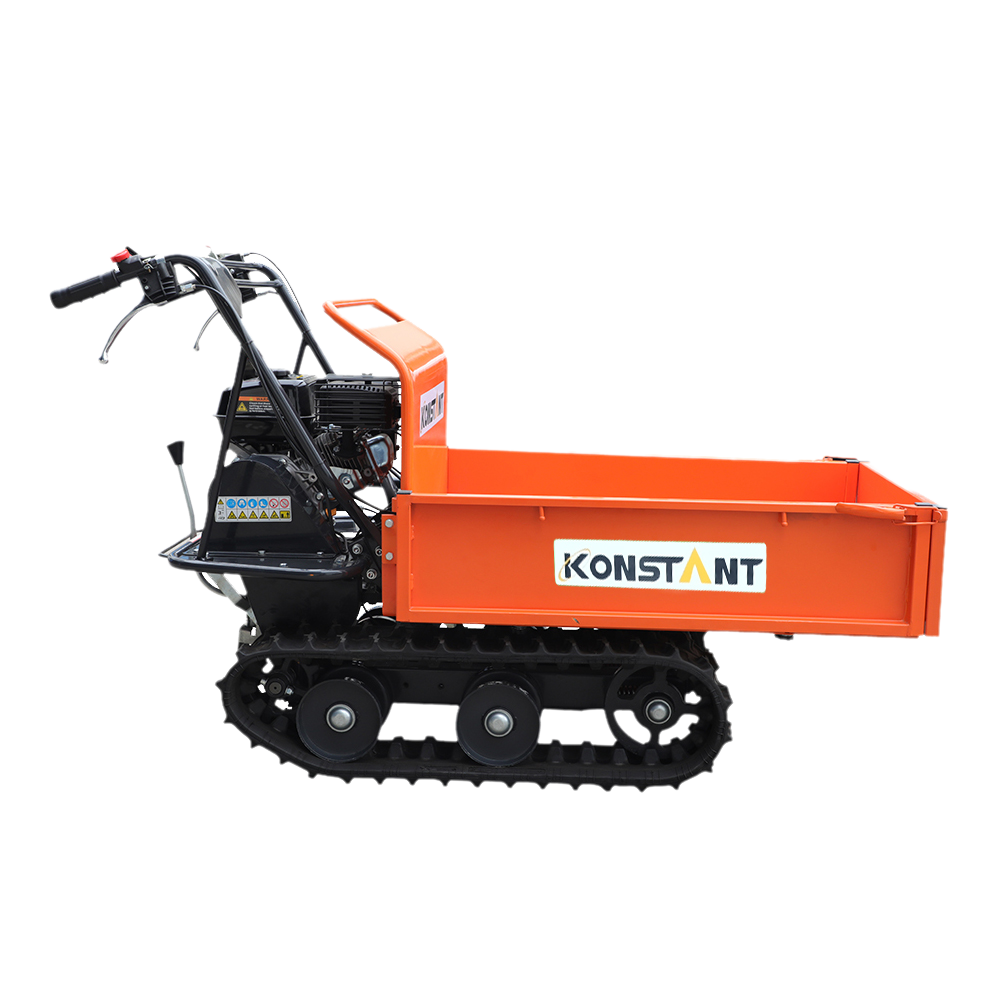
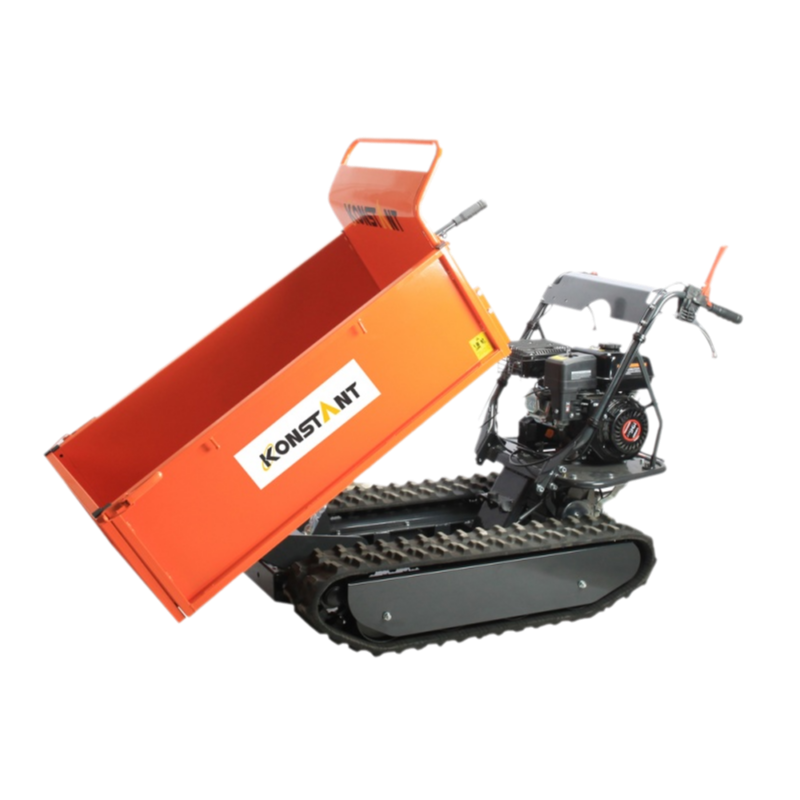
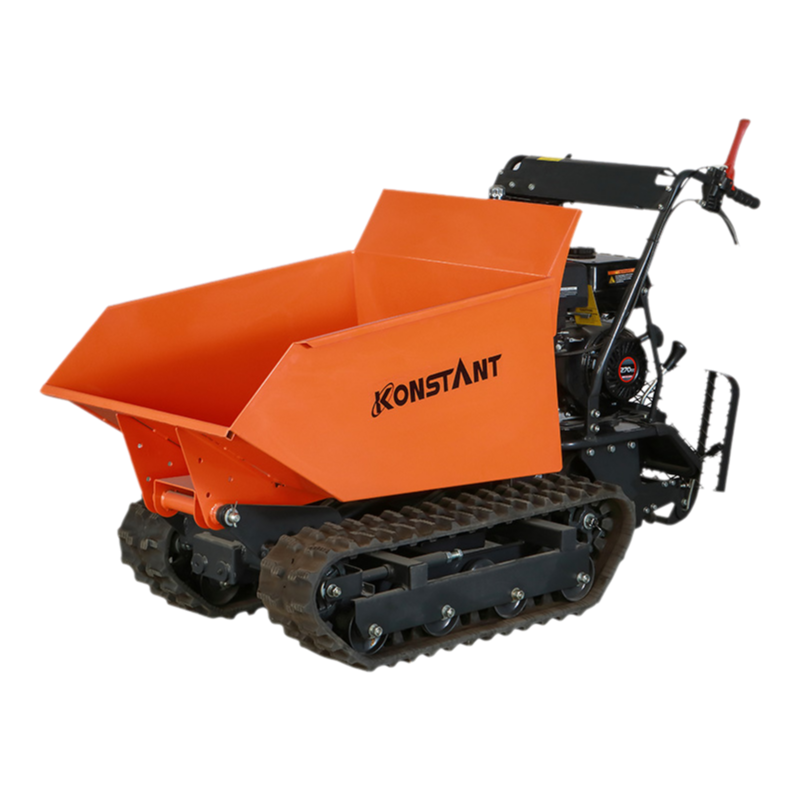
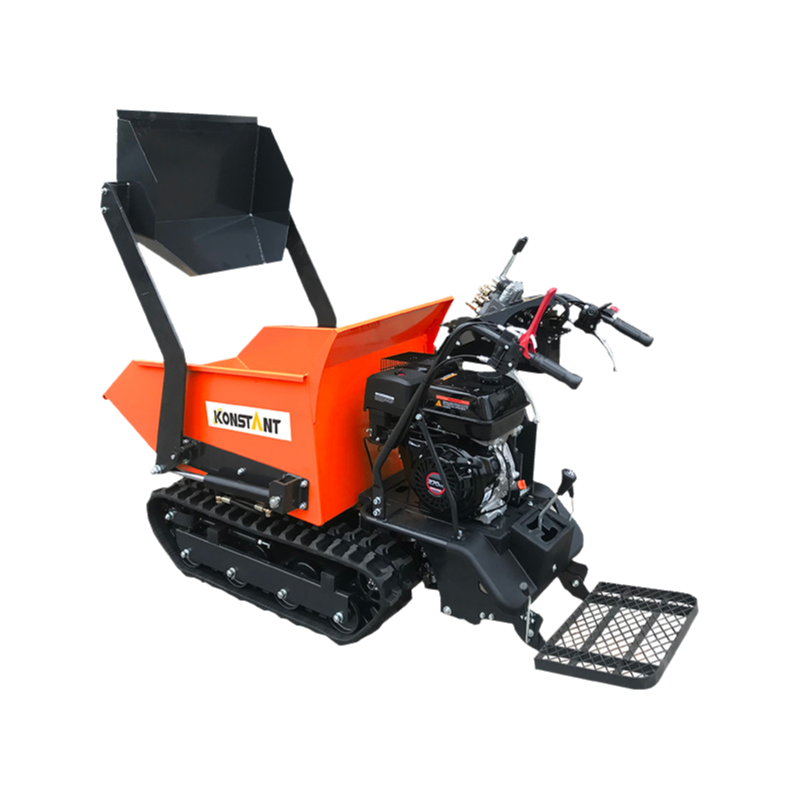
Provide you with the latest enterprise and industry news
Why Are Landscaping Firms Rethinking Garden Loader
Update:02-01-2026
Posted by Admin
Content
- 1 Why Landscaping Firms Are Rethinking Equipment Choices
- 2 Why contractors are choosing compact loaders
- 3 How a loader improves everyday efficiency
- 4 Practical tips for buyers — what to check before you buy
- 5 Market signals worth watching
- 6 Short case notes — small changes, quick wins
- 7 Measurement: keep it simple and visible
- 8 Communication practices that reduce ramp-up time
- 9 Practical choices win
Why Landscaping Firms Are Rethinking Equipment Choices
Walk almost any modern job site and you'll notice the same thing: projects are denser, timelines are tighter, and clients expect more polished results. That simple reality is shifting how contractors think about equipment. Gone are the days when crews relied only on hand tools and a couple of bulky machines. Today, a compact loader often becomes the go-to tool because it fits into tighter spaces, speeds up routine tasks, and reduces reliance on extra hands.
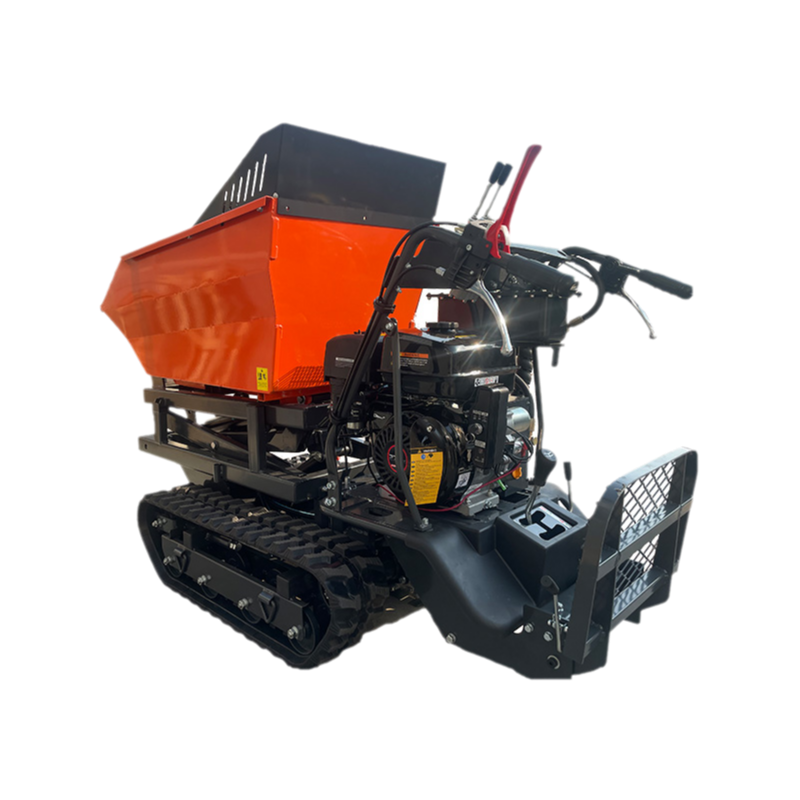
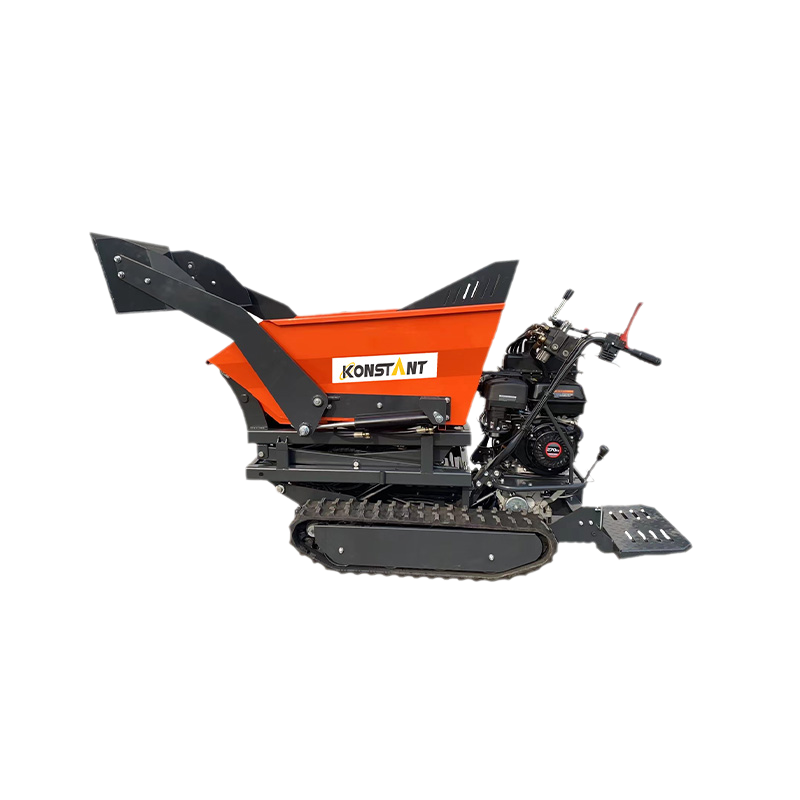
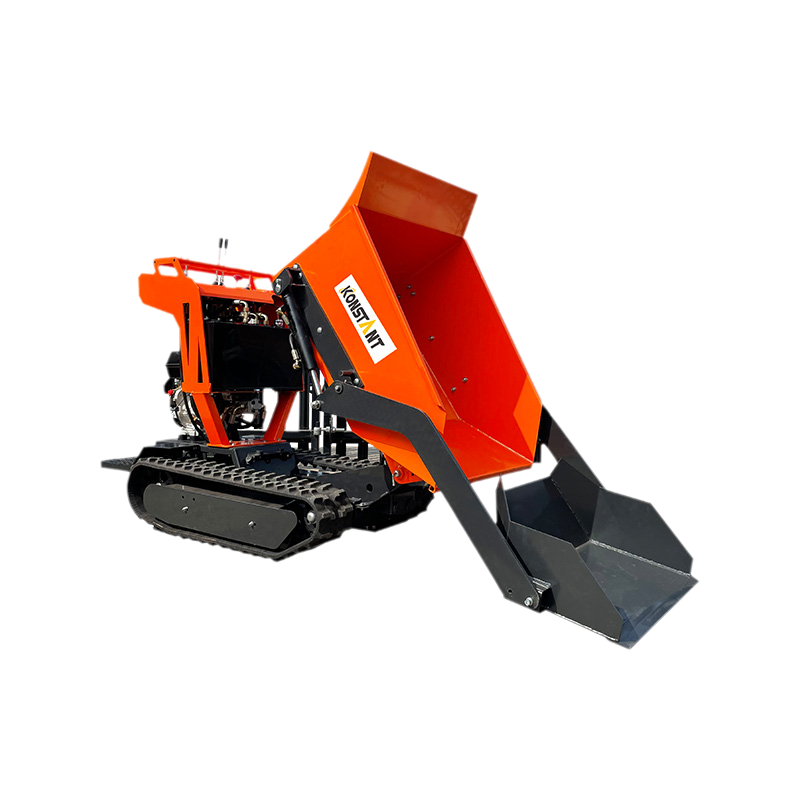
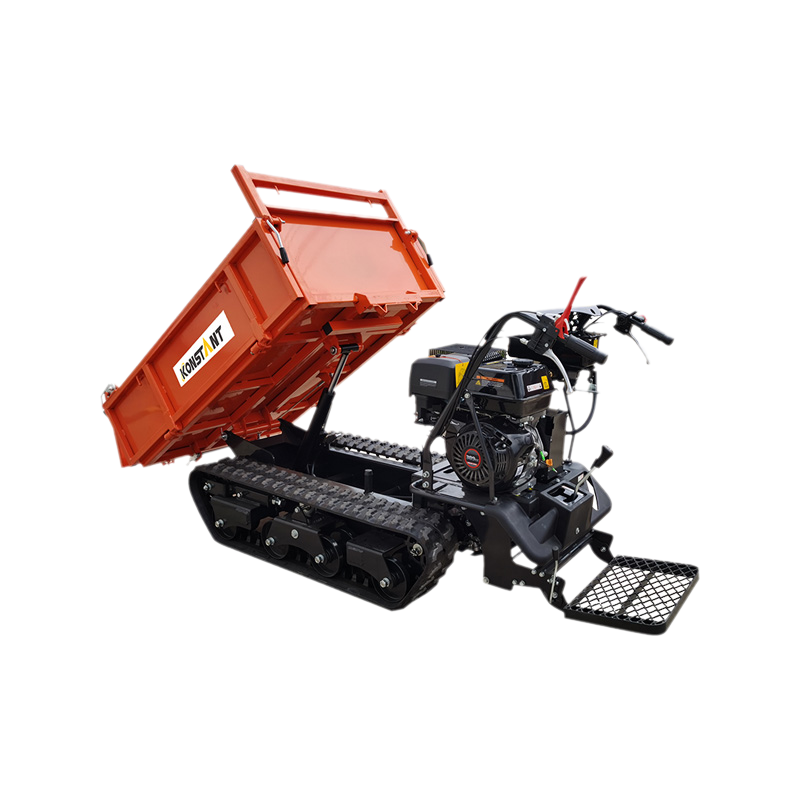
In practical terms, the Garden Loader is no longer an optional toy — it's part of the toolbox that decides whether a job finishes on time and on budget.
Why contractors are choosing compact loaders
Site realities make a difference
Urban gardens, narrow backyards, and renovations next to standing structures mean access is often the problem to solve. Large machines either can't get in, or they need hours of dismantling and careful maneuvering. Compact loaders simply move where the work is. They get under low branches, through small gates, and into tight parking-area jobs. That cuts prep time and keeps crews working instead of waiting.
Labor pressures push the change
Finding reliable crews is harder than it used to be. When labor is scarce or expensive, machines that let one operator do what used to take two or three people make a big difference. Compact loaders let small crews deliver more while reducing physical strain and safety risk. For many small contractors, that productivity delta is the real business case.
Money and flexibility matter more than flashy specs
People often focus on price tags, but the better question is: how will the machine be used over three years? If you buy multiple single-purpose machines, you'll spend more on maintenance, storage, and logistics. One flexible loader with a few attachments often covers more ground, produces steadier results, and makes planning simpler.
How a loader improves everyday efficiency
On a typical day a loader might move soil and gravel, clear debris, stage pavers, level ground, and support planting crews. Swapping attachments (buckets, forks, sweepers) makes that possible with minimal downtime. Because tasks are consolidated onto a single platform, scheduling is simpler and crews stay productive.
Good crews plan their day around the machine's strengths. Instead of multiple handoffs and waiting for manual lifts, a loader lets tasks finish in a predictable order. That predictability reduces idle time and helps foremen keep tight schedules — especially on projects with short windows or multiple trades working side-by-side.
When projects run predictably, contractors can bid more confidently, accept more work, and avoid the panic of last-minute hires. Reliability on the equipment side often translates to steadier cash flow and the ability to scale without huge overhead jumps.
Practical tips for buyers — what to check before you buy
Think about your typical job: soil types, gate widths, slope, and how you transport equipment between sites. These simple details change which model makes sense. Don't buy the biggest horsepower number you can afford — buy the machine that fits your real-world jobs.
Prioritize attachments and quick-change systems
A loader is only as useful as its attachments. Standardized mounts and quick-release systems save hours during format changes. Some teams use an organized “kit” system: all tools needed for a format change go in one labeled box. That small habit reduces downtime and frustration.
Test with real materials
If possible, ask for a demo using the same soil, pavers, or mulch you'll use on-site. Test how the loader handles the messy stuff — wet clay, root balls, or awkward pallet loads — not just clean, ideal samples. Real conditions expose the true limits and strengths of machinery.
After-sales service matters more than you think
Spare parts, local techs, and clear SLAs determine how quickly you get back running after a hiccup. A cheaper machine with slow support can cost you more in lost days than a pricier, well-supported alternative.
| Area | Traditional Manual Methods | Compact Loader Approach |
|---|---|---|
| Labor intensity | High, crew-dependent | Lower, operator-driven |
| Task speed | Variable | Predictable, machine-paced |
| Coordination | Complex | Simplified sequencing |
| Seasonal flexibility | Limited | High with attachments |
| Cost predictability | Hard to forecast | Easier to model |
| Growth readiness | Constrained by people | Enabled by equipment |
Market signals worth watching
A few practical trends are shaping buying decisions right now:
- More small-batch landscaping and renovation work means compact, mobile tools win.
- Private homeowners expect higher finish standards, increasing the need for precise equipment.
- Contractors balance seasonal peaks with lean months — machines that serve multiple roles reduce idle asset time.
- Service networks and parts availability are becoming a regular topic in purchase meetings; teams measure the cost of downtime in real dollars.
These aren't theoretical observations. Production managers and crew leads we talk with cite them as reasons for switching to loaders.
Short case notes — small changes, quick wins
- A one-person crew used a loader with pallet forks to shift pavers quickly during a driveway project. What used to take four people two days was done in a single day.
- A contractor fixed recurring wrapper-alignment issues in plant work by adopting a loader with a precisely controlled feeder — realignment incidents dropped and finishing time improved.
- Another team reduced emergency stops after creating a small spare-parts kit for wear items; the trick was matching reorder triggers to weekly run patterns.
The pattern is the same: targeted fixes and realistic equipment choices beat big, speculative purchases.
Measurement: keep it simple and visible
Don't get lost in endless KPIs. Make the following numbers visible and review them weekly:
- Time to complete standard tasks
- Changeover or attachment-swap time
- Unplanned downtime hours per month
- Job completion rate vs planned schedule
A whiteboard in the tool room or a shared spreadsheet beats a buried dashboard. When everyone sees the same simple facts, small process changes stick faster.
Communication practices that reduce ramp-up time
- Short shift handovers: a five-minute briefing on yesterday's quirks prevents repeated mistakes.
- Single source of truth: one sheet or dashboard for uptime and defects.
- Defined escalation: know when something is a "fix now" vs "log it and schedule."
- Supplier checkpoints: schedule two or three post-delivery check-ins in 90 days.
These simple habits reduce the usual chaos after new equipment arrives and make commissioning a lot less painful.
Practical choices win
In landscaping, the effective improvements are often modest and well-timed. A compact loader won't fix a broken business model, but paired with better layout, clearer changeover practice, and sensible training, it reliably improves productivity and reduces stress on crews.
For contractors, the decision is less about the biggest spec sheet and more about the machine that fits your sites, has sensible support, and makes scheduling predictable. Those are the choices that keep projects moving and clients coming back.
Related products

Latest Updates
-
Can Wheelbarrow Function Support Different Types of Work
Moving materials from one place to another is part of many types of outdoor work. A gardener may n...
-
What Types of Materials Can a Petrol Wheelbarrow Move
Moving material around a job site is just part of the work in a lot of outdoor trades. Constructio...

-
Welcome To Visit Us
No.30, Third Furong Road, Wuxi City, Jiangsu. 214100, China.
-
Call Us
Phone: +86 181-1889-1139
Phone: +86 181-1889-2139
-
Contact Us Online
E-mail: sales@konstantpm.com
E-mail: marketing@konstantpm.com
Copyright WUXI KONSTANT POWER TECH CO., LTD All Rights Reserved
 China Mini Dumpers Manufacturers Power Wheelbarrow Factory