
 English
 русский
 Français
 Español
 Deutsch

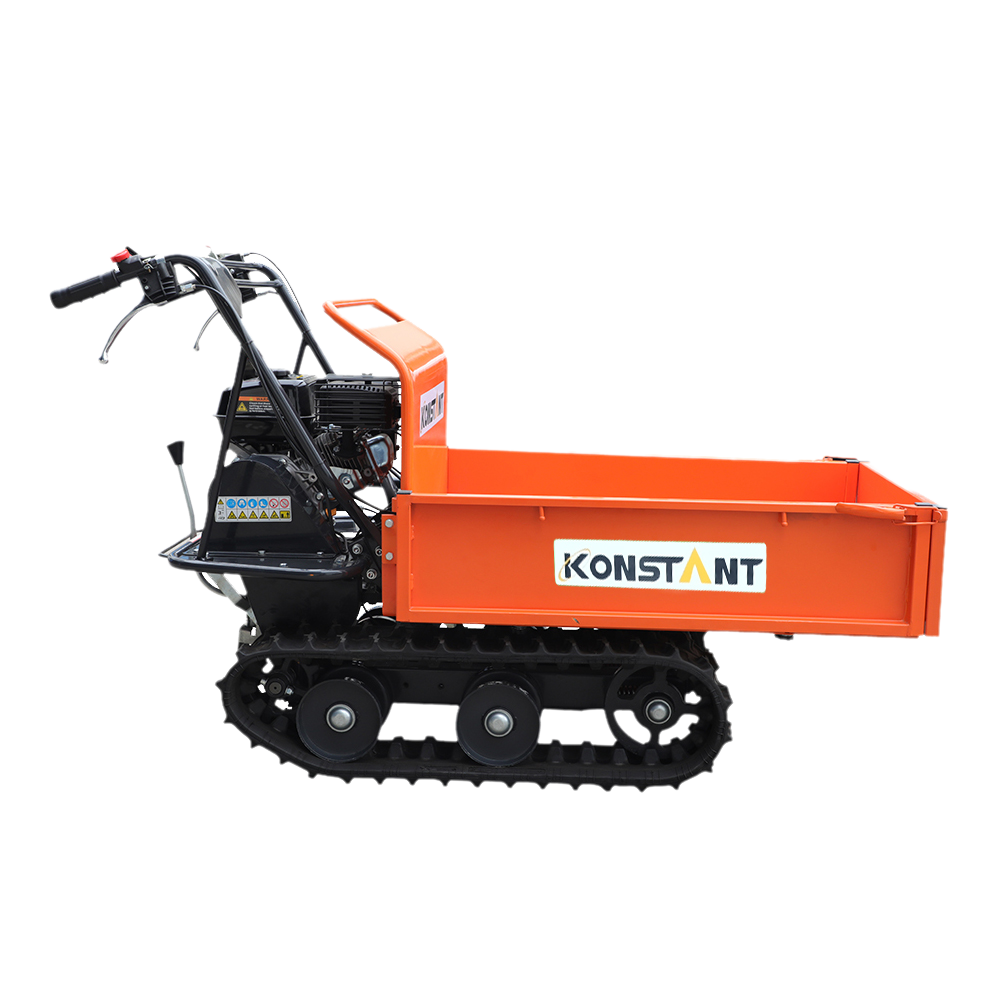
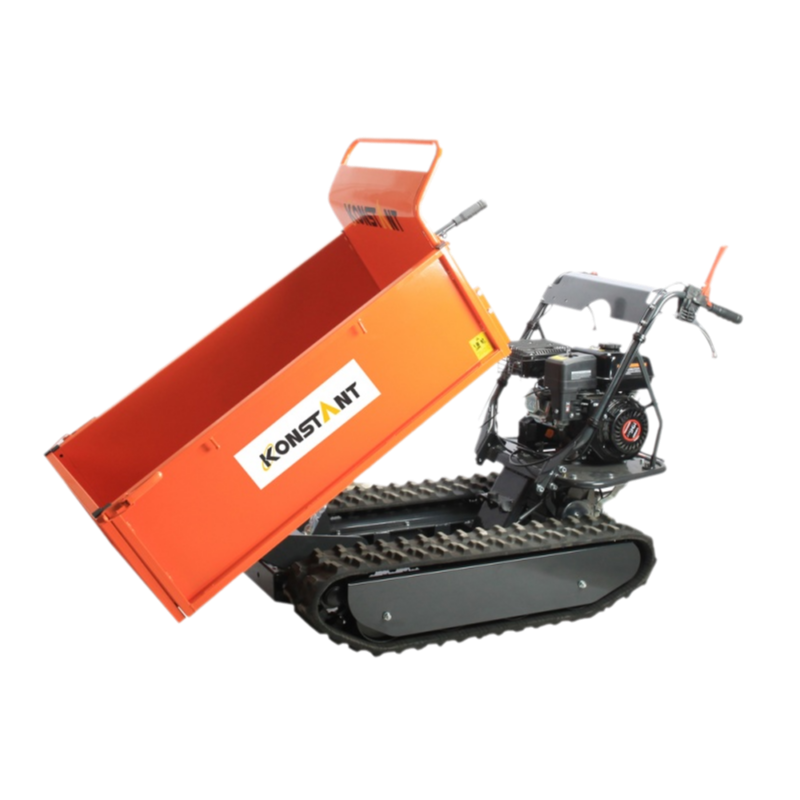
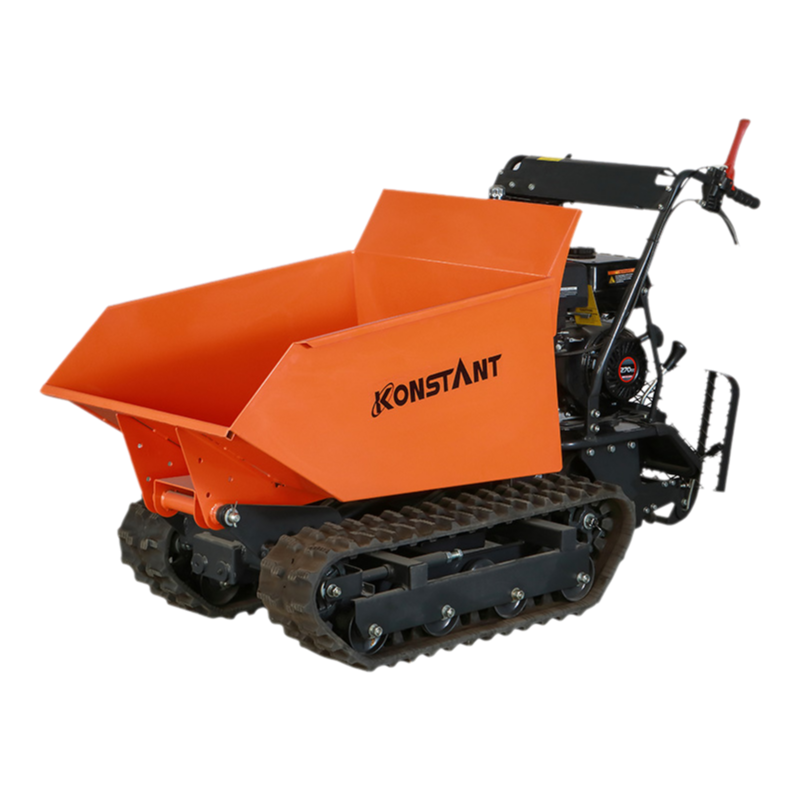
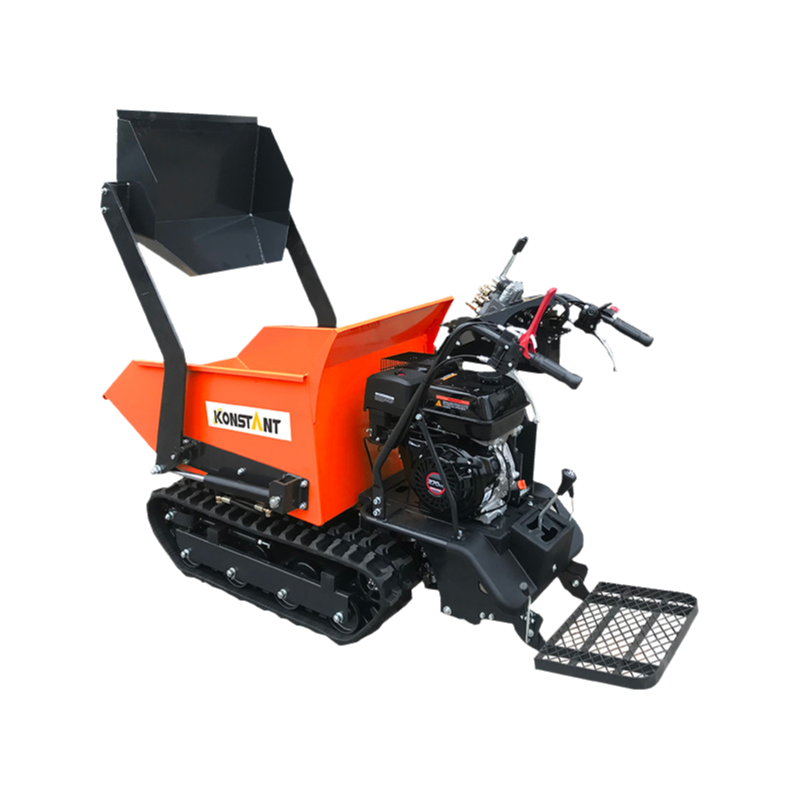
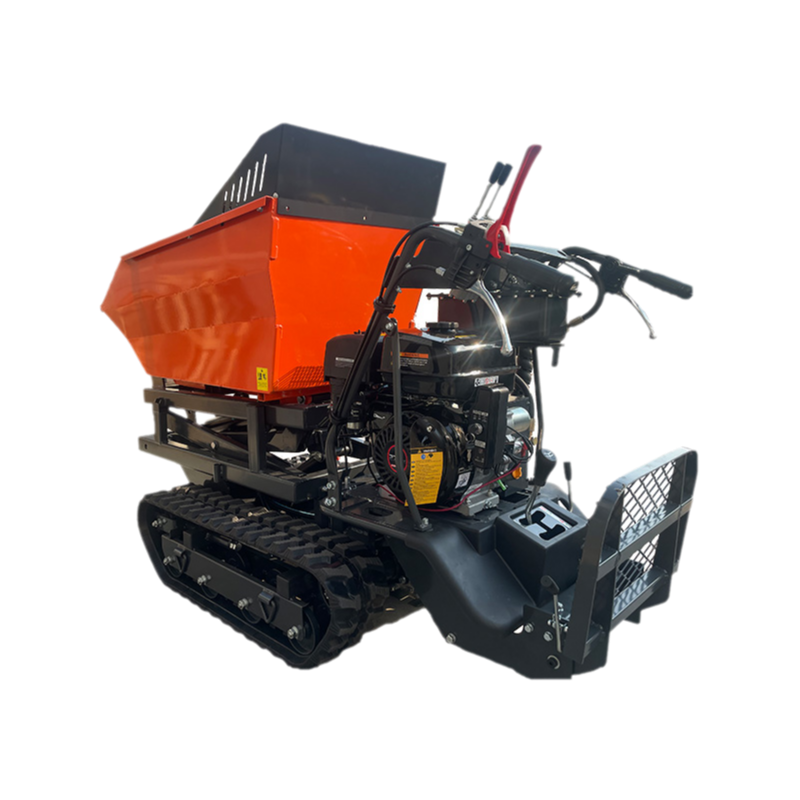
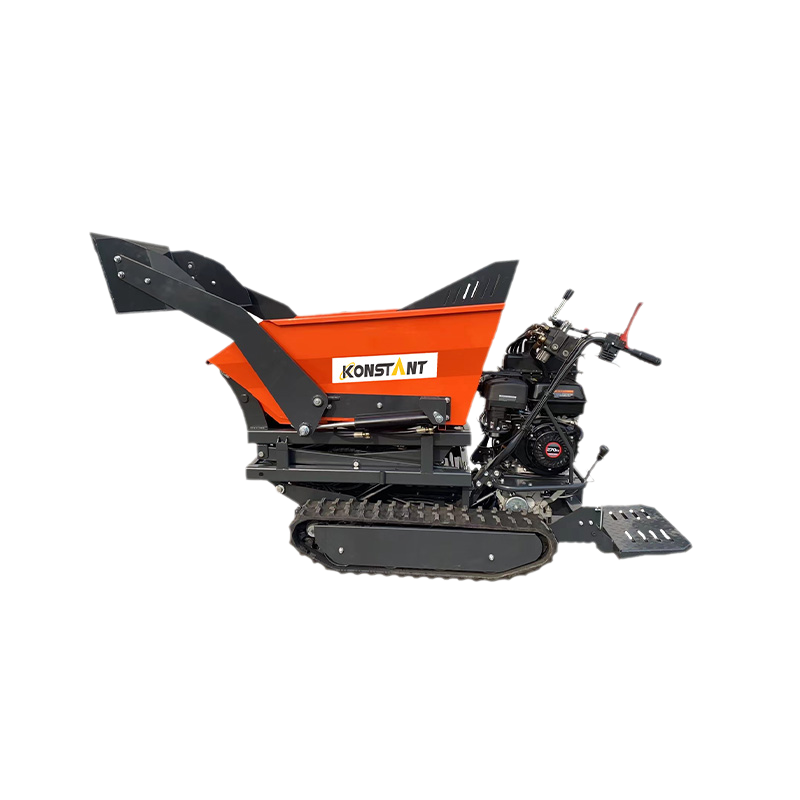
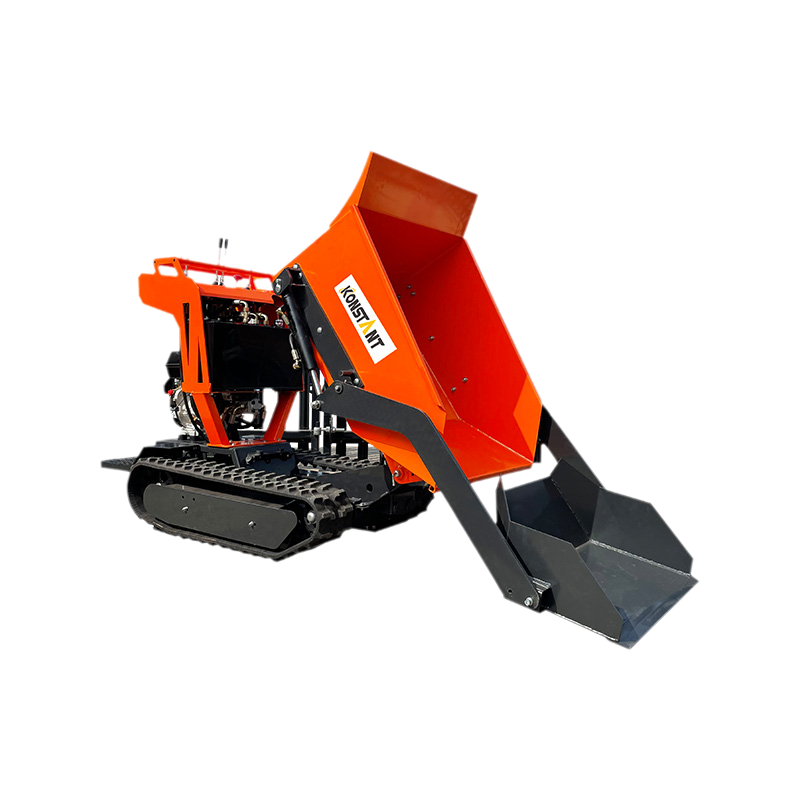
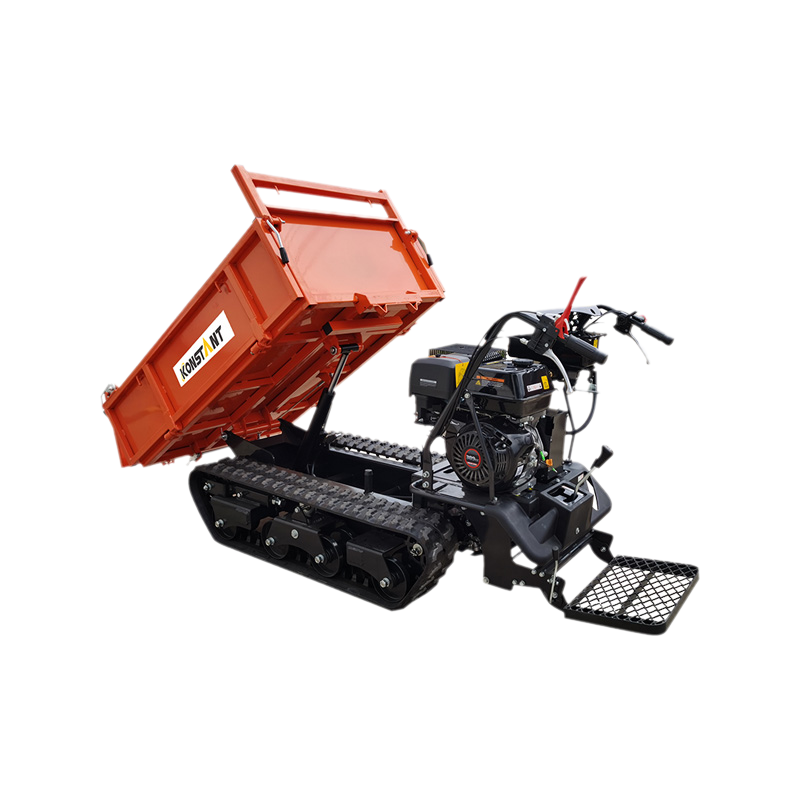
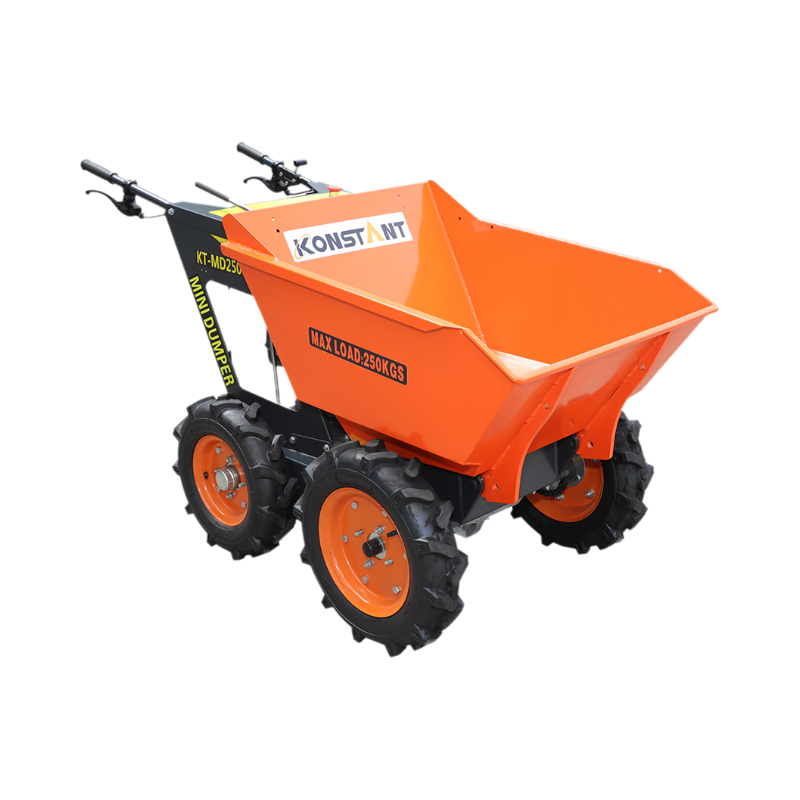
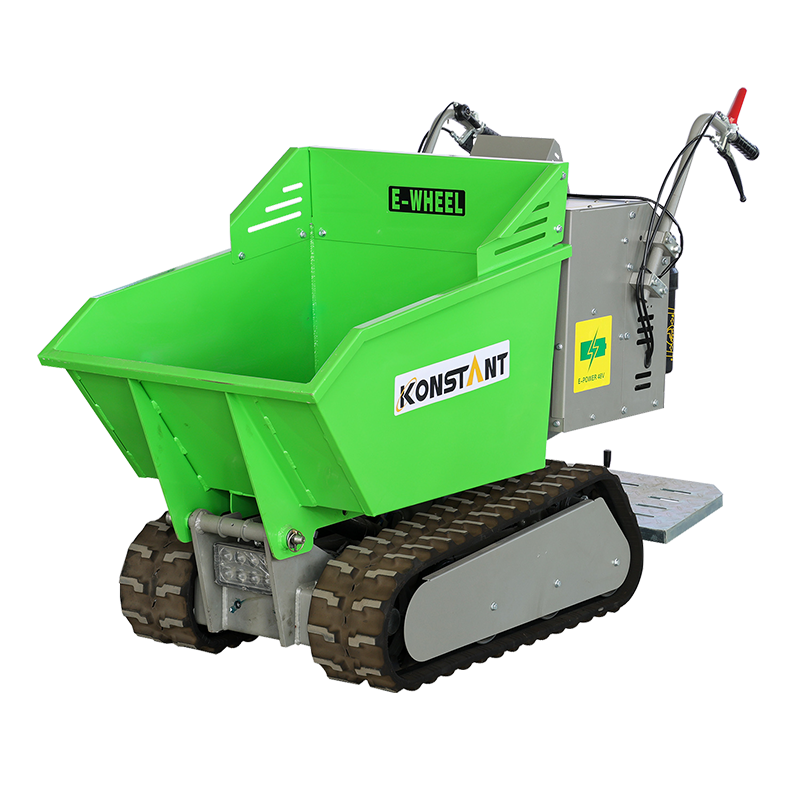
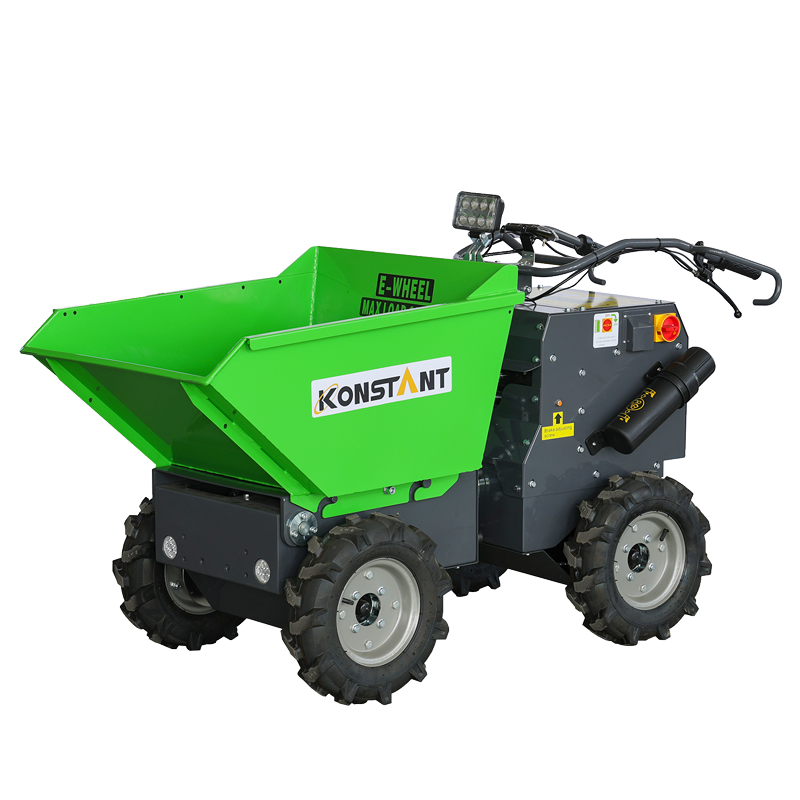
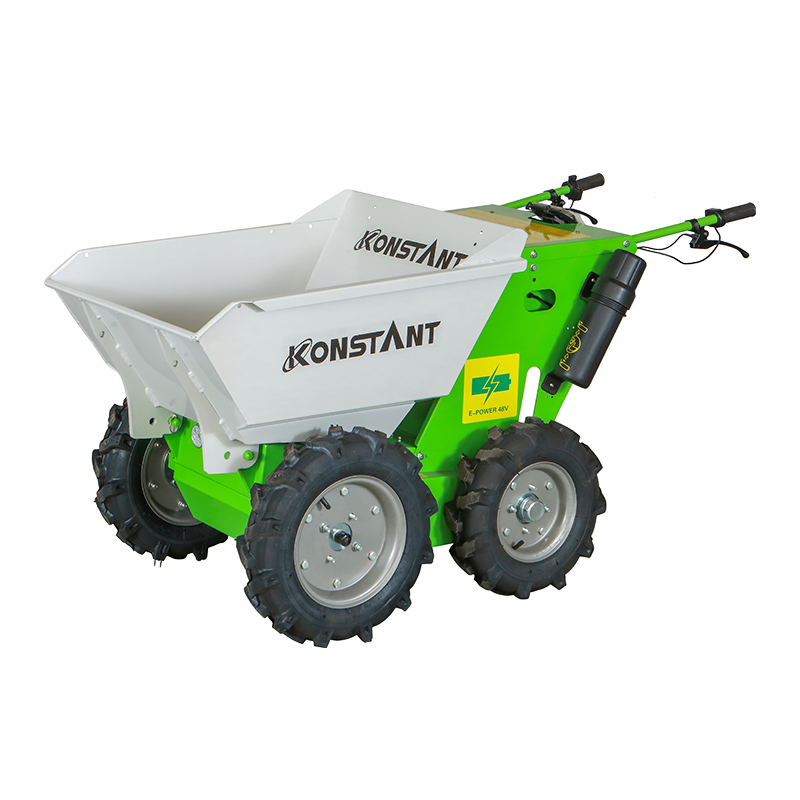
Provide you with the latest enterprise and industry news
Why Do Contractors Choose Garden Loader for Landscaping
Update:05-01-2026
Posted by Admin
Content
- 1 How Garden Loader Equipment Is Changing Outdoor and Landscaping Work
- 1.1 Why Contractors Are Adding Garden Loaders
- 1.2 How Work Changes with a Garden Loader on Site
- 1.3 What to Check Before Buying a Garden Loader
- 1.3.1 Match the machine to your typical jobs
- 1.3.2 Look at real-world handling, not just specs
- 1.3.3 Maintenance and parts support
- 1.3.4 Think about running costs
- 1.3.5 Training and operator comfort
- 1.3.6 Growing demand for compact, adaptable tools
- 1.3.7 Efficiency and environmental awareness
- 1.3.8 Design is becoming user-driven
- 1.3.9 Data and workflow integration
- 1.4 Putting It Together: Practical Advice for Contractors
How Garden Loader Equipment Is Changing Outdoor and Landscaping Work
Landscaping and outdoor construction have shifted. Projects are getting more complex, timetables are tighter, and teams can't always rely on a steady supply of labor. That mix makes it harder to keep jobs moving smoothly, and it's why a lot of contractors are rethinking the tools they bring to a site.
Compact material handlers — commonly called garden loaders — keep popping up on job lists. They're not a magic fix, but used the right way they help crews move materials faster, reduce manual strain, and keep a site tidy.
Why Contractors Are Adding Garden Loaders
Labor realities have changed
Hiring and keeping trained crew members is getting harder in many places. Fewer hands on deck means each worker has to do more — or the team needs smarter tools. When teams bring in compact loaders, they can shift heavy lifting to the machine and keep people focused on higher-skill tasks like layout, planting, or finishing work.
Projects are more involved than before
Modern landscaping is rarely just "dig and plant." Think irrigation, drainage, paving, lighting, and soil conditioning — all needing coordination. When materials pile up or transport slows, everything behind it slips. Using the right equipment keeps materials flowing where they're needed and helps the schedule hold up.
Safety and risk management
Manual lifting and repetitive handling go to injuries over time. Repeated strain is expensive: lost days, slower crews, and higher insurance costs. Machines that take on the heavy work reduce those risks. That's good for crews, and it helps contractors meet safety requirements without overhauling procedures.
One tool, many jobs
A compact loader isn't always the flashiest piece of kit, but it's versatile. From backyard renovations to park upgrades and small site logistics, a single unit can cover many needs — a useful trait for contractors who handle mixed projects.
How Work Changes with a Garden Loader on Site
Tasks get sequenced differently
Instead of everyone lugging wheelbarrows all day, material delivery becomes a coordinated process. One person stages material, another operates the loader, and a third moves to installation. That reduces idle time and lets specialists focus on what they do best.
Sites stay cleaner and safer
When you shuttle materials in controlled loads, the work zone stays clearer. Less clutter means fewer trip hazards and faster movement. Clients notice this, too — tidy sites read as professional.
Fatigue drops, productivity rises
Moving heavy bags, soil, or pavers day after day wears crews down. Shift that work to a machine, and you'll keep workers fresher for the tasks that require judgment and care. Over the life of a project, that often translates to better-quality finishes.
Smaller footprint, better access
A lot of residential and urban jobs have tight access. Compact loading equipment is designed to fit through gates, navigate narrow paths, and operate where larger machines can't. That's a big operational advantage — less time wrestling with logistics, more time getting the job done.
What to Check Before Buying a Garden Loader
Buying equipment is more than a sticker price. Think total cost and fit for purpose.
Match the machine to your typical jobs
List the typical tasks, materials, and terrain the loader will face. How often will it run? What materials will it carry? That helps avoid choosing an overly large or underpowered unit.
Look at real-world handling, not just specs
A brochure can list capacities — but talk to people who use the machine. How does it perform on slopes? How does steering feel in tight spaces? Real conditions tell a different story than lab numbers.
Maintenance and parts support
Ask how easy daily checks are, where to get spare parts, and how fast service can respond. If a small fault sidelines the machine for days, productivity takes a hit. A supplier that stands behind service is worth considering.
Think about running costs
Fuel or battery, filters, tires — these all add up. Estimate operating costs over a year, not just the purchase price. That gives a clearer picture of long-term value.
Training and operator comfort
A simple, intuitive control layout shortens training time. Ergonomics matter: less fatigue, fewer mistakes. Check what training support the supplier offers.
Market Trends and Where Things Are Headed
Growing demand for compact, adaptable tools
Urban development and tighter regulations around noise and emissions are nudging contractors toward smaller, cleaner machines. As construction and landscaping projects get denser, flexible equipment that causes little disruption becomes valuable.
Efficiency and environmental awareness
Customers — municipal and private — increasingly ask about the environmental side of projects. Efficient material handling can reduce unnecessary movement and minimize site impact. That matters to planners and local authorities.
Design is becoming user-driven
Expect slow but steady improvements: better controls, easier maintenance points, and attachments that let a single unit do more. Manufacturers pay attention to field feedback; operator comfort and serviceability are rising priorities.
Data and workflow integration
Some firms are experimenting with tracking machines'usage to plan jobs more tightly. That's not widespread yet, but the idea of linking equipment data to scheduling and logistics is gaining traction.
Putting It Together: Practical Advice for Contractors
If you're on the fence, start small and pilot a unit on a few jobs. Watch how it changes the pacing of work, how crews adapt, and what maintenance looks like in practice. Use those lessons to refine workflows before committing to a larger purchase.
Talk to peers and suppliers about real operating experience. Ask to see units in use. And remember: the goal isn't to replace people; it's to enable your crew to focus on the work that matters most.
A carefully chosen loader won't fix every site problem — but used well it becomes a reliable ally. Less heavy lifting. Fewer delays. Cleaner sites. Better rhythm.
Landscaping and outdoor construction are evolving.It's a practical investment — not a headline-grabbing one — but one that shows in how smoothly a project runs.
Related products

Latest Updates
-
Mini Dumper Purchases: Include the Charging Plan in the Enquiry
A battery powered mini dumper may be selected for its size and payload, while charging is left as a ...
-
Can Wheelbarrow Function Support Different Types of Work
Moving materials from one place to another is part of many types of outdoor work. A gardener may n...

-
Welcome To Visit Us
No.30, Third Furong Road, Wuxi City, Jiangsu. 214100, China.
-
Call Us
Phone: +86 181-1889-1139
Phone: +86 181-1889-2139
-
Contact Us Online
E-mail: sales@konstantpm.com
E-mail: marketing@konstantpm.com
Copyright WUXI KONSTANT POWER TECH CO., LTD All Rights Reserved
 China Mini Dumpers Manufacturers Power Wheelbarrow Factory