
 English
 русский
 Français
 Español
 Deutsch

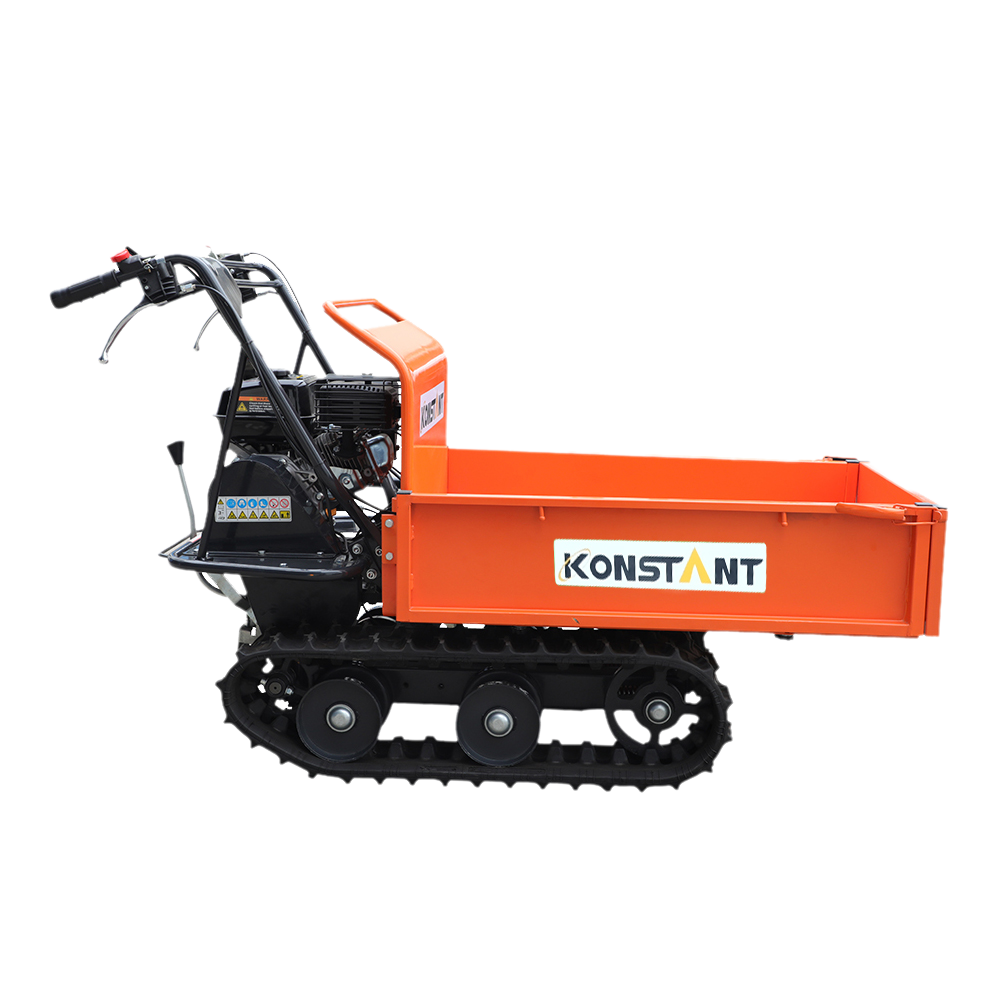
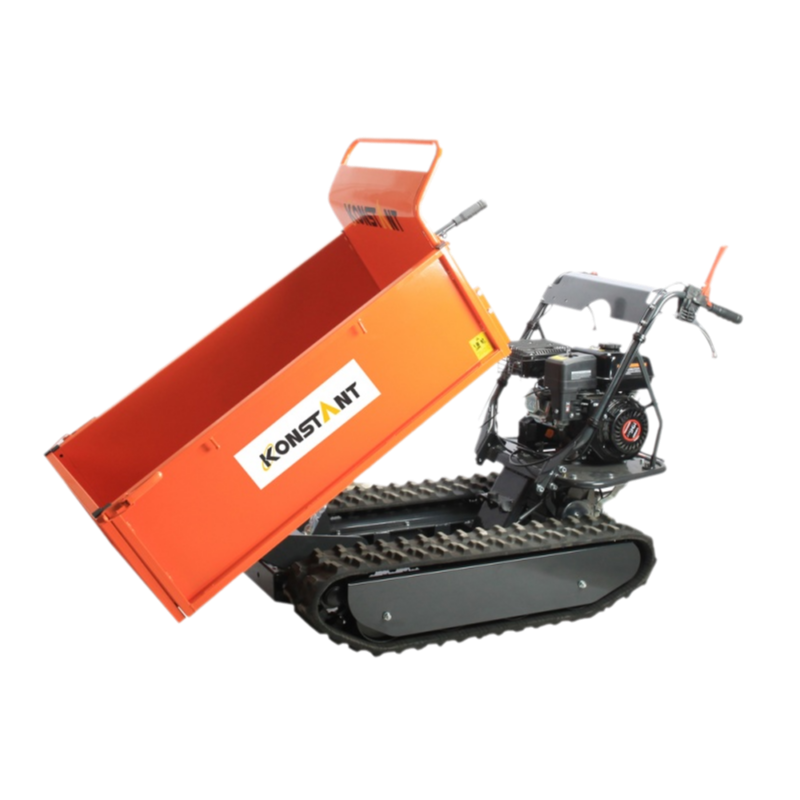
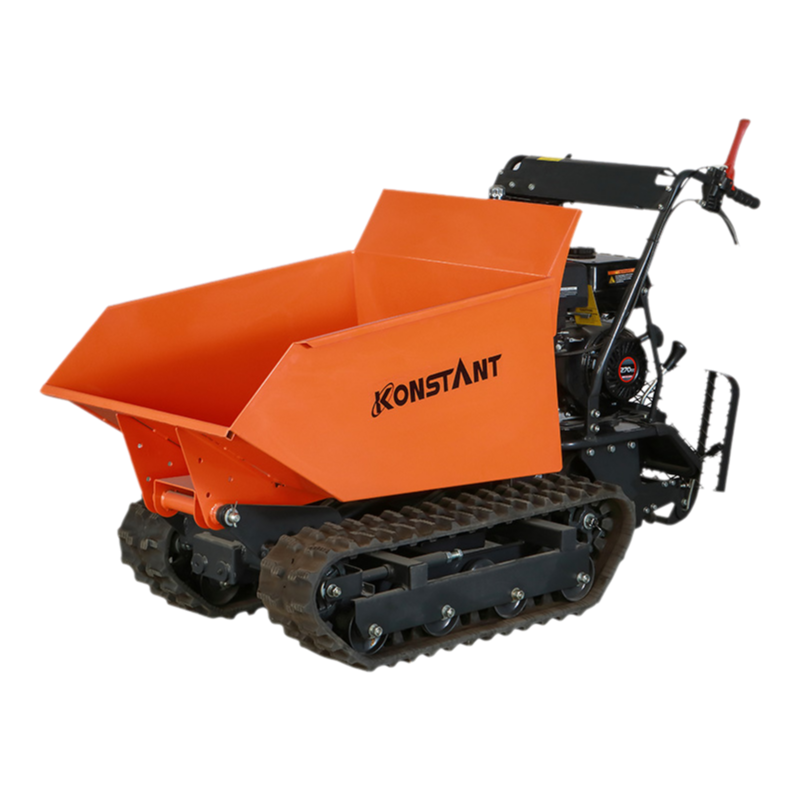
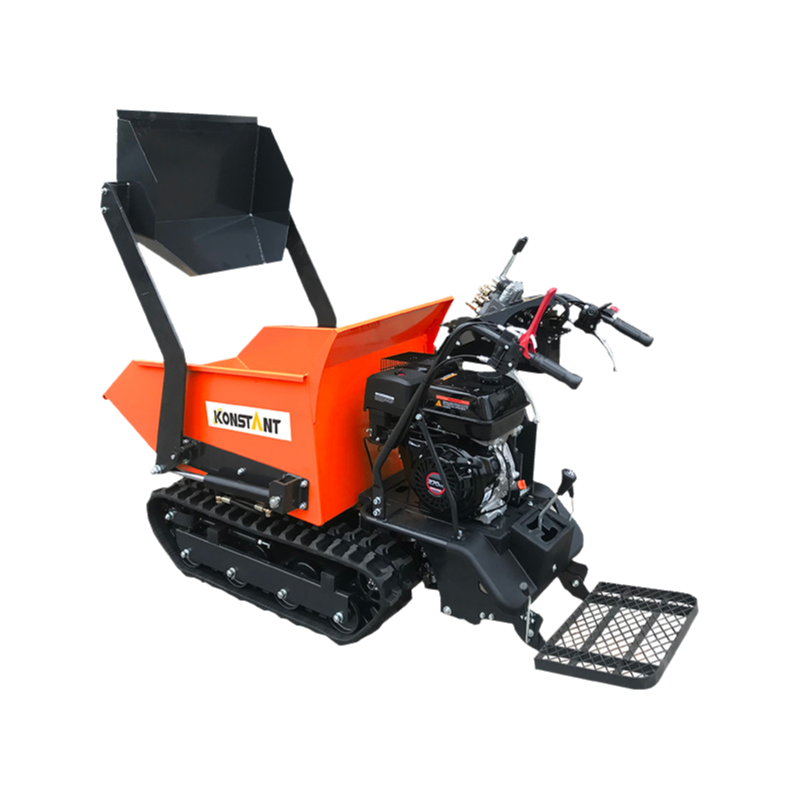
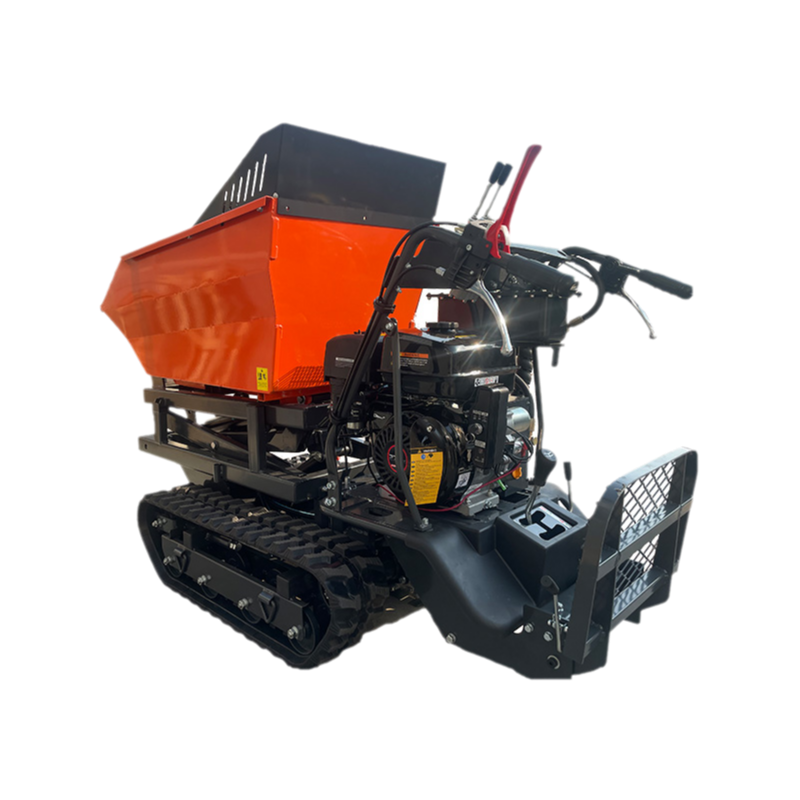
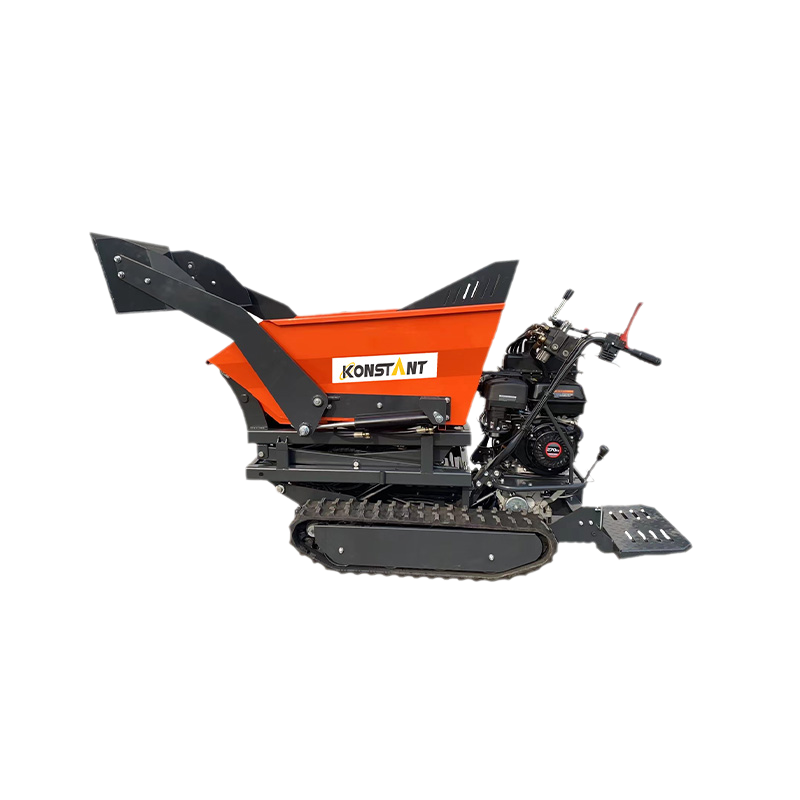
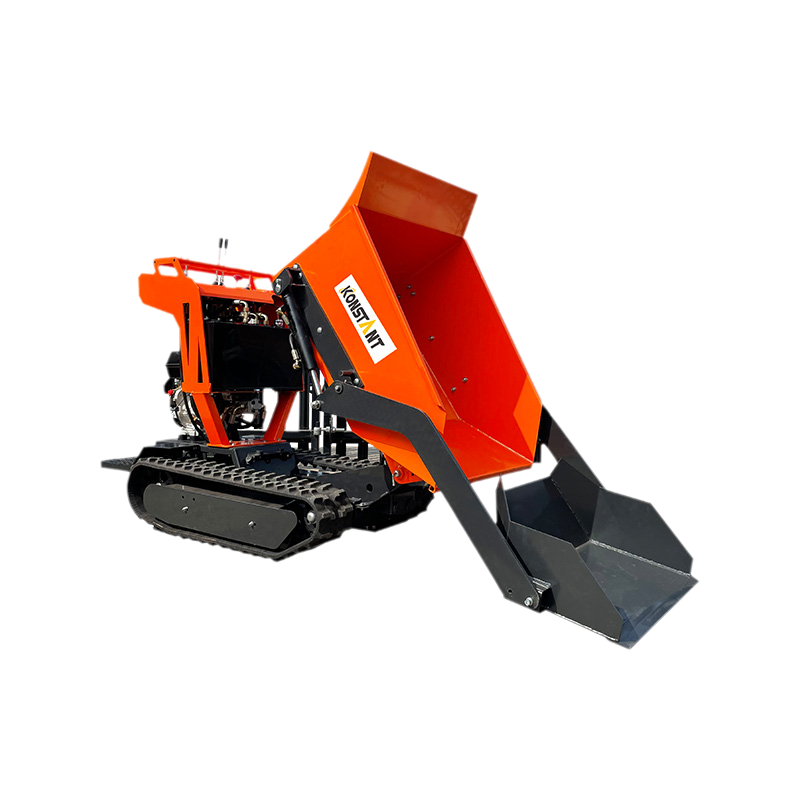
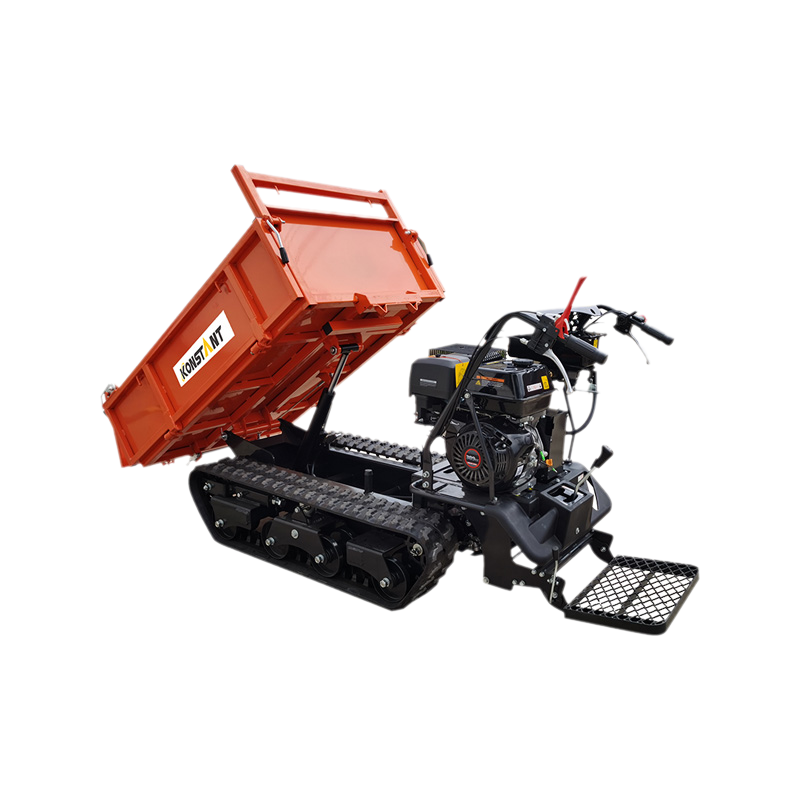
Provide you with the latest enterprise and industry news
How Does an Electric Mini Dumper Improve Work on Sites
Update:09-01-2026
Posted by Admin
Content
- 1 What Real Sites Notice About Using an Electric Mini Dumper
- 1.1 Quiet and Clean: Indoor Work Gets Easier
- 1.2 Predictable Trips — Better Planning
- 1.3 Stability on Slopes and Rough Ground
- 1.4 Battery Management That Actually Works
- 1.5 Safer Handling and Less Cleanup
- 1.6 Where Electric Dumpers Don't Replace Everything
- 1.7 Costs and Practical Returns
- 1.8 Simple Rules That Keep It Working Well
- 2 How an Electric Mini Dumper Actually Speeds Up Landscaping Work
What Real Sites Notice About Using an Electric Mini Dumper
On a typical construction morning, there's always a point where the crew asks the same question: why is moving materials taking so long? It's rarely glamourous work — shifting sand, moving bags, clearing rubble — but it sets the pace for everything else. Lately, teams I talk to say one change makes a practical difference: bringing a compact electric dumper onto the site.
Below I'm not listing spec sheets or sales lines. I'm talking about what crews notice on day three, week two, and month one after the dumper becomes part of the daily routine. These are the kinds of small, useful observations that cut down hassle and keep a project moving.
Most sites have places trucks simply can't reach: narrow gaps between buildings, temporary walkways, basements, or steep approaches. That's where a compact electric dumper shines.
Operators report fewer tight squeezes, fewer jams, and less time spent transferring loads by hand. Instead of wheelbarrows that need two people to tip and push, one person can take a larger load, navigate to the spot, and dump it precisely. That change alone shortens many small tasks into single trips rather than a string of back-and-forths.
A simple scene: two workers used to spend 20 minutes moving several bags into a corner. With the dumper, one person does it in five. Not because the machine is flashy, but because it removes the repeated stops and manual lifting that slow crews down.
Quiet and Clean: Indoor Work Gets Easier
There are two practical gains on interior jobs. First, electric drive means no exhaust. When teams work inside partially finished rooms or long corridors, the air stays cleaner and breathable. Second, the noise level drops. On renovation sites this matters: you can talk to each other without shouting, hear alarms, and keep better situational awareness.
Those aren't marketing lines — they're the sort of daily comfort that reduces errors. When operators can hear each other and aren't coughing from fumes, small mistakes become less common. That lowers rework and saves time across the shift.
Manual material handling wears people down. That's obvious. What is less obvious is how much productivity is lost to fatigue: slower walking, more rests, and a higher chance of muscle strains. When one machine takes the heaviest loads, teams move faster and with fewer interruptions.
This doesn't mean removing people from the process. It means reallocating human energy to tasks that require judgment — placing materials accurately, finishing details, or prepping the next batch. The collective pace improves because key tasks are no longer stuck behind repetitive manual moves.
Predictable Trips — Better Planning
A practical advantage that often goes unnoticed until after a few days: predictability. When an operator knows the dumper can carry a load to a specific point without repeated stops, crews plan sequences differently. They schedule concrete pours, deliveries, and finishing work with more confidence because material is where it should be on time.
This effect shows up in two ways. First, fewer surprise delays. Second, supervisors stop padding schedules so aggressively. When material flow is steady, planning becomes more realistic and less reactive.
Stability on Slopes and Rough Ground
Not all compact vehicles are the same. On sites with uneven ground, traction and center of gravity matter. The machines crews prefer are the ones that don't tip when loaded and keep materials contained on gravel, mud, or temporary flooring.
Practical tip from operators: avoid overloading, and pay attention to balance when carrying heavier, awkward items. A steady, moderate load beats a risky, overloaded run every time. The dumper smooths the trip, but sensible loading is still the operator's job.
Battery Management That Actually Works
Electric machines bring new logistics: charging and battery care. In practice this is straightforward if you plan for it.
A few on-site practices that work well:
- Charge during breaks or overnight rather than mid-shift if the schedule is tight.
- Keep a spare battery or a quick-swap routine if you have continuous runs.
- Teach operators to avoid deep discharges; shallow, regular charging preserves battery life.
Those small routines prevent downtime and make electricity a predictable resource instead of a surprise problem.
Safer Handling and Less Cleanup
One of the quiet benefits is reduced spillage and less cleanup. Operators who can position the vehicle close to the delivery point tend to spill less material and leave the area cleaner. That reduces the number of cleanup tasks at the end of the day and cuts the chance of slips or minor mishaps.
Another safety note: training matters. Even simple machines require basic guidance — safe loading, awareness on slopes, and a habit of scanning the route before moving. A 15-minute on-boarding session for a new operator saves time and reduces risk more than you'd expect.
Where Electric Dumpers Don't Replace Everything
They're not a cure-all. For bulk hauling across long distances or for extremely heavy earthmoving, larger equipment still has its place. The value of a compact electric dumper is in the gaps: tight spaces, quick runs, and tasks where bringing a big machine would be inefficient or impossible.
A practical yardstick used on sites: if a wheelbarrow run is common and tiring, a dumper will probably help. If you're moving truckloads over kilometers every day, a larger machine is the right tool.
Costs and Practical Returns
Everyone asks about cost. Instead of theoretical ROI, crews talk about time saved and extra tasks completed. Think of it this way: when a dumper reduces the number of manual trips in a shift, that crew accomplishes more without overtime or extra hires. That savings is real and repeatable.
Maintenance is not complicated. Electric drivetrains have fewer mechanical parts to service than combustion engines. Still, routine checks for wheels, drive components, and battery health are needed. Treat the vehicle like any other tool: small, consistent care prevents bigger repairs.
Simple Rules That Keep It Working Well
From multiple sites, a few repeatable rules stand out:
- Plan routes with clear turning and dumping points.
- Balance loads and avoid trying to carry unstable stacks.
- Keep charging practical — schedule it into the day, don't gamble on a half-charge.
- Train new operators on a short checklist: controls, safe speeds, and emergency stop.
- Check tires and wheels daily; field debris is a common cause of slowdowns.
These are low-effort practices that avoid the interruptions teams worry about.
If you strip away the marketing, what remains is straightforward: a compact electric dumper reduces repetitive manual work, fits into spaces larger vehicles can't, and makes materials flow more predictably. For small to medium jobs, renovations, landscaping, and tight urban sites, that matters more than glossy specs.
The real measure is not an hourly rate on a data sheet. It's whether crews finish sequences faster, with less fatigue and fewer interruptions. If that's happening on your site after adding one of these vehicles, you've seen the benefit in action.
How an Electric Mini Dumper Actually Speeds Up Landscaping Work
On landscaping days you quickly notice where the slow spots are: carrying sacks across muddy slopes, ferrying mulch in tiny wheelbarrows, or threading stone through narrow gates. Those small, repetitive tasks add up. The compact electric dumper changes that routine in ways crews notice right away — not because of a spec sheet, but because the day just flows better.
Below I'll lay out what tends to matter in real jobs: what the vehicle does, how crews use it, and simple habits that make a big difference on site.
It moves where people and larger machines struggle
A common situation: the truck drops a pallet at the curb, but the planting bed is fifty meters away and the path is narrow. Pushing wheelbarrows eats time and energy. A compact dumper gets close to the bed, makes tight turns, and delivers the load without all the back-and-forth.
That practical reach matters on jobs with constrained access — courtyards, terraced yards, and sites with temporary walkways. One operator can carry what used to take two people and a wheelbarrow, which frees hands for planting and finishing work.
Precise placement saves more time than you think
It's one thing to move soil; it's another to put it exactly where it belongs. The tipping bed on a small dumper lets crews deposit material in the right spot, so landscapers don't spend extra minutes raking or dragging piles around.
When you place mulch, topsoil, or stone right at the face of a bed, the spreaders and shovels that follow are far more efficient. That reduces rework and keeps crews focused on installation instead of cleanup.
Manual handling is exhausting. Over a day it slows everyone down: people pause more often, pace falls, mistakes creep in. Move the heavy lifting to a compact vehicle and the whole rhythm changes. Teams take fewer rests, and the experienced members concentrate on tasks that need judgement — layout, detail work, quality checks.
That shift from brute force to skillful finishing is why supervisors often report projects finishing sooner than scheduled after introducing one of these machines.
Works on awkward ground — but use it sensibly
Landscaping ground is rarely even. Gravel, soft turf, and recently dug soil challenge movement. Good small dumpers keep traction and don't spill loads on bumpy runs — but they still follow basic physics. Tips operators give:
Don't overload the bed; balance the weight front-to-back.
Slow down on steep grades and make shorter runs rather than a single heavy haul.
Plan the route to avoid soft patches when possible.
Those simple habits prevent little incidents that otherwise create big delays.
Charging and battery habits that actually work
Electric power means planning, but the logistics are straightforward if you set a routine.
A few practical rules that teams use:
- Charge during lunch and overnight rather than mid-shift if schedules are tight.
- Keep a spare battery or set up a short-swap routine for long days.
- Avoid running the battery flat; topping up during breaks helps lifespan.
- Treat battery care like tool care: the more consistent you are, the less likely you are to face an unexpected halt.
Safety and site cleanliness improve together
Bringing the load closer to the point of use reduces spills and foot traffic across finished areas. Less cleanup, fewer slip hazards, and fewer awkward lifting motions — all of which cut small accident risks. Add a quick operator briefing on safe tipping and route checks, and you keep both output and safety steady.
A short onboarding for new users on controls, safe loading, and reversing routines prevents of the awkward first-day errors.
Where the dumper is not the right answer
They're not intended to replace trucks or heavy equipment for large earthworks. For long-distance bulk hauling or trench excavation, larger machines make sense. The compact dumper fills the gap: short runs, tight profiles, and repeated light-to-medium loads.
If your typical task is dozens of wheelbarrow trips across a tight site, it's likely worth trying a dumper. If you're moving truckloads over long distances all day, stick with larger machinery.
A few on-site rules that save time
From multiple crews, the guidelines that actually reduce headaches are surprisingly simple:
- Walk the route before loading. Spot tight turns, steep grades, and obstacles.
- Keep loads balanced and secure. A steady load beats a risky one.
- Charge smart: schedule battery swaps during natural breaks.
- Train every operator on a short safety checklist before use.
- Check wheels and clear debris daily; small stones and twigs cause field slowdowns.
These low-effort practices prevent interruptions and keep the vehicle earning its place on the crew.
If you strip out marketing language, the value boils down to three things: fewer trips, less heavy lifting, and more precise placement. Those translate into fewer delays, less fatigue, and smoother handoffs between tasks. For small to medium landscaping jobs — patios, gardens, park pathways — that adds up to real, repeatable time savings.
The machine is a tool. Used thoughtfully, it shortens the day, keeps people sharper, and turns awkward handling into straightforward logistics. That's the kind of improvement crews notice first, week one, and keep appreciating week after week.
Related products

Latest Updates
-
Mini Dumper Purchases: Include the Charging Plan in the Enquiry
A battery powered mini dumper may be selected for its size and payload, while charging is left as a ...
-
Can Wheelbarrow Function Support Different Types of Work
Moving materials from one place to another is part of many types of outdoor work. A gardener may n...

-
Welcome To Visit Us
No.30, Third Furong Road, Wuxi City, Jiangsu. 214100, China.
-
Call Us
Phone: +86 181-1889-1139
Phone: +86 181-1889-2139
-
Contact Us Online
E-mail: sales@konstantpm.com
E-mail: marketing@konstantpm.com
Copyright WUXI KONSTANT POWER TECH CO., LTD All Rights Reserved
 China Mini Dumpers Manufacturers Power Wheelbarrow Factory