
 English
 русский
 Français
 Español
 Deutsch

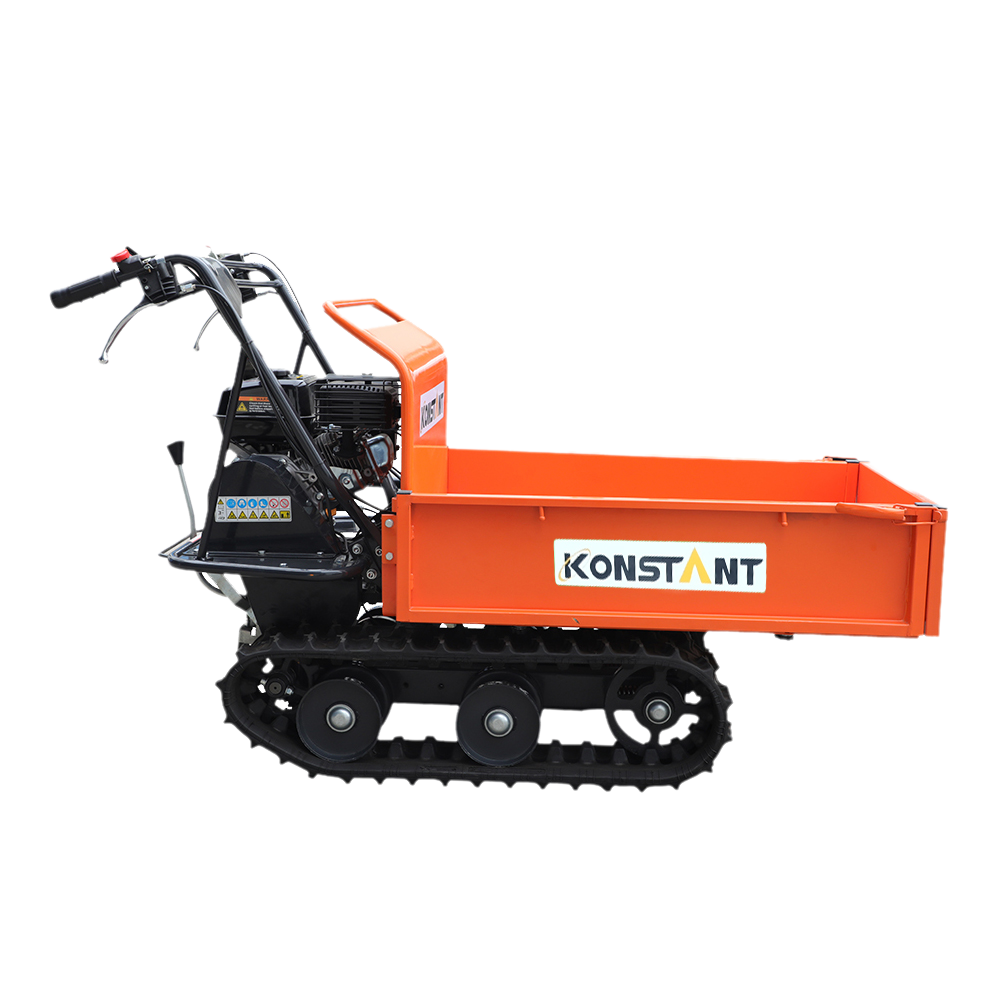
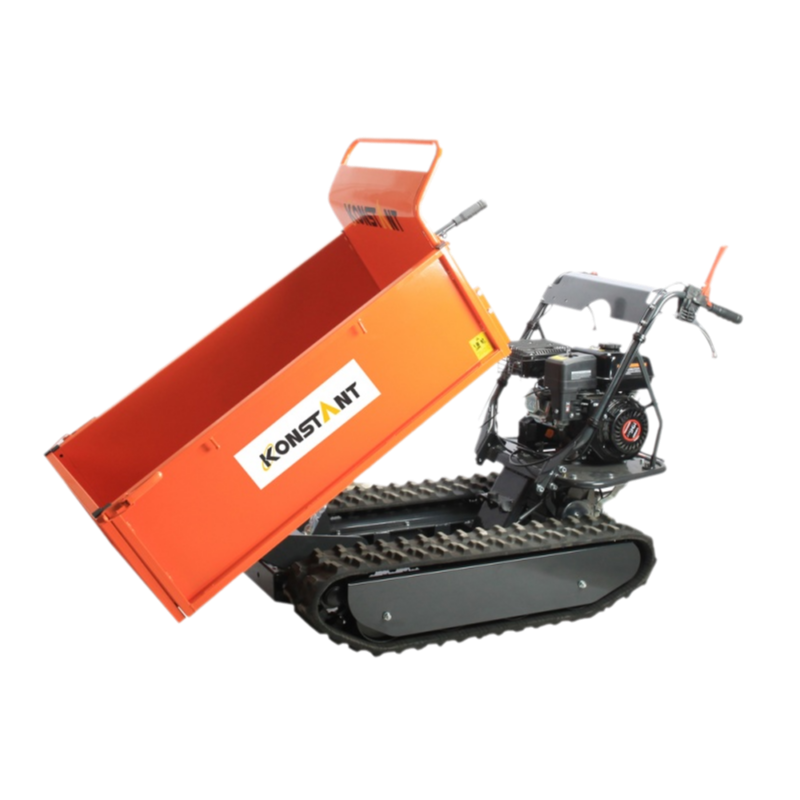
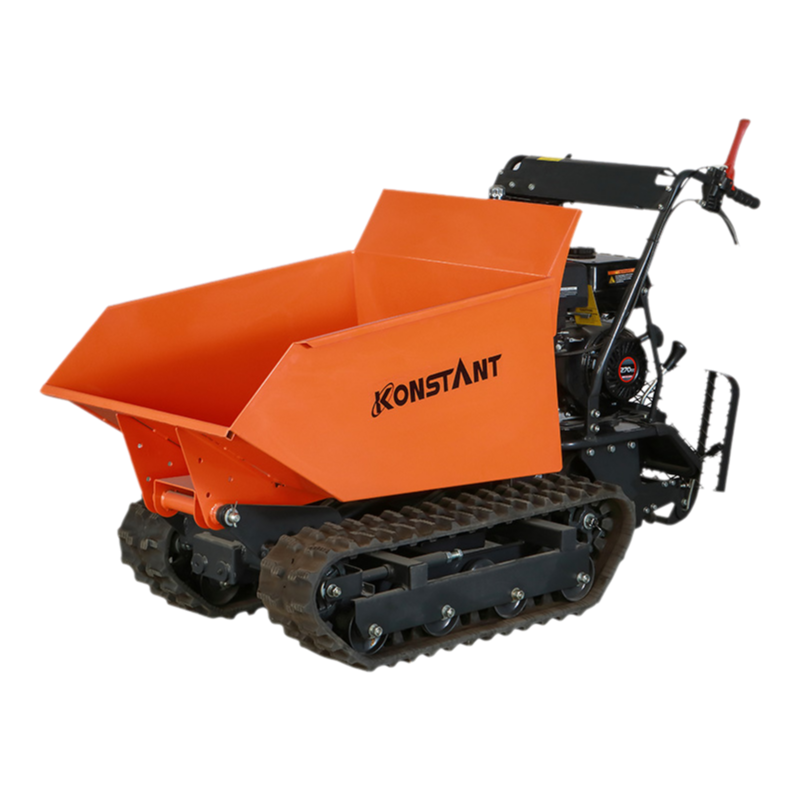
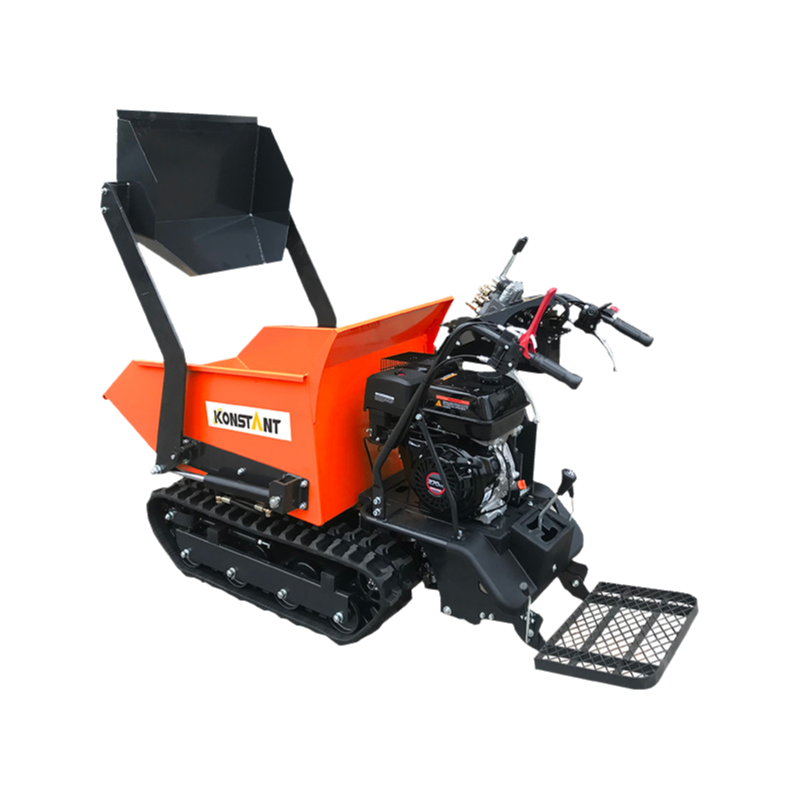
Provide you with the latest enterprise and industry news
How Does an Electric Garden Loader Improve Landscaping
Update:16-01-2026
Posted by Admin
Content
- 1 Why Modern Landscaping Projects Are Rethinking Manual Transport
- 2 How Electric Power Shifts the Cost and Planning Equation
- 3 Real-World Workflows: What Changes on Site
- 4 Noise, Comfort, and the Human Factor
- 5 Choosing the Right Model for Your Type of Work
- 6 Training and Integration: Making the Transition Smooth
- 7 Maintenance Reality: What You'll Actually Do on the Job
- 8 Charging Strategy and Energy Planning
- 9 Safety Improvements and Daily Practices That Actually Work
- 10 Environmental and Community Benefits — What Clients Notice
- 11 The Financial Case: How the Numbers Tend to Add Up
- 12 Procurement Checklist: What to Ask Before You Buy
- 13 Short Case Vignette: A Small Crew That Changed the Season
- 14 Supplier Relations: What Service Looks Like in Practice
- 15 Market Outlook: What's Next for Small Electric Loaders
- 16 Quick Decision Roadmap: How to Try Before You Buy
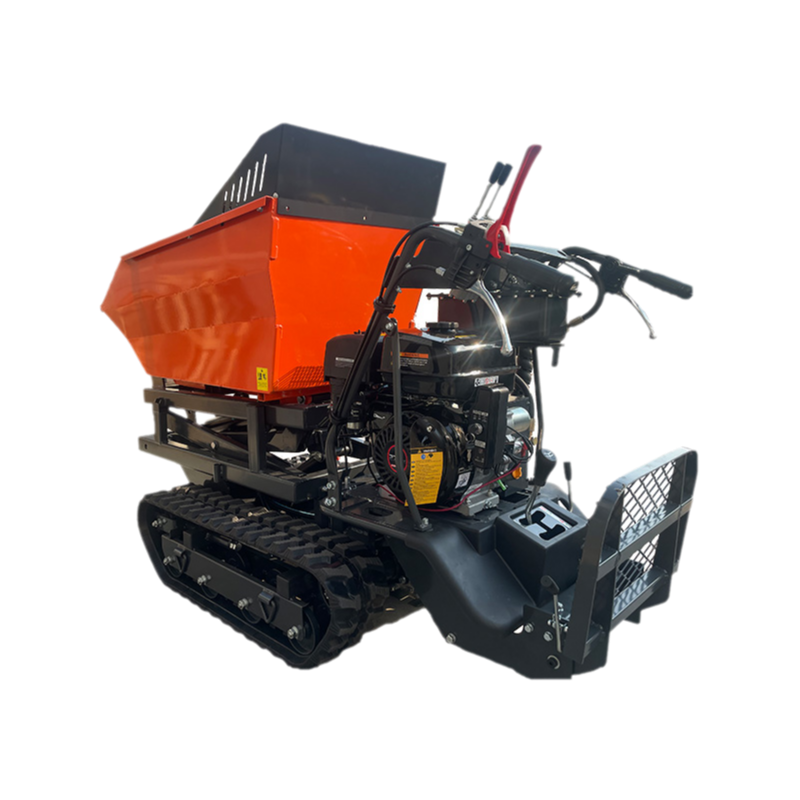
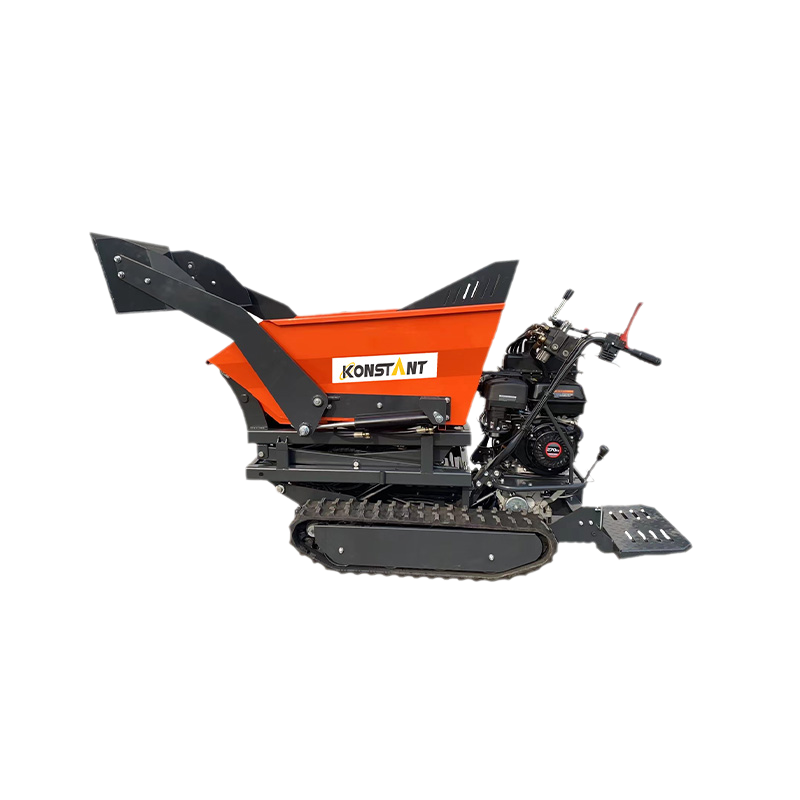
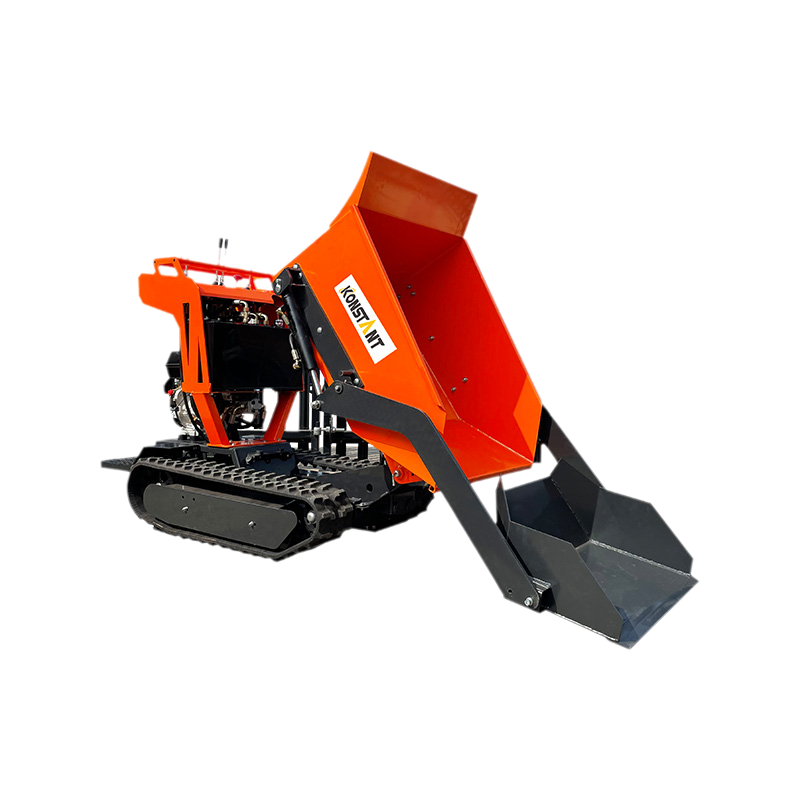
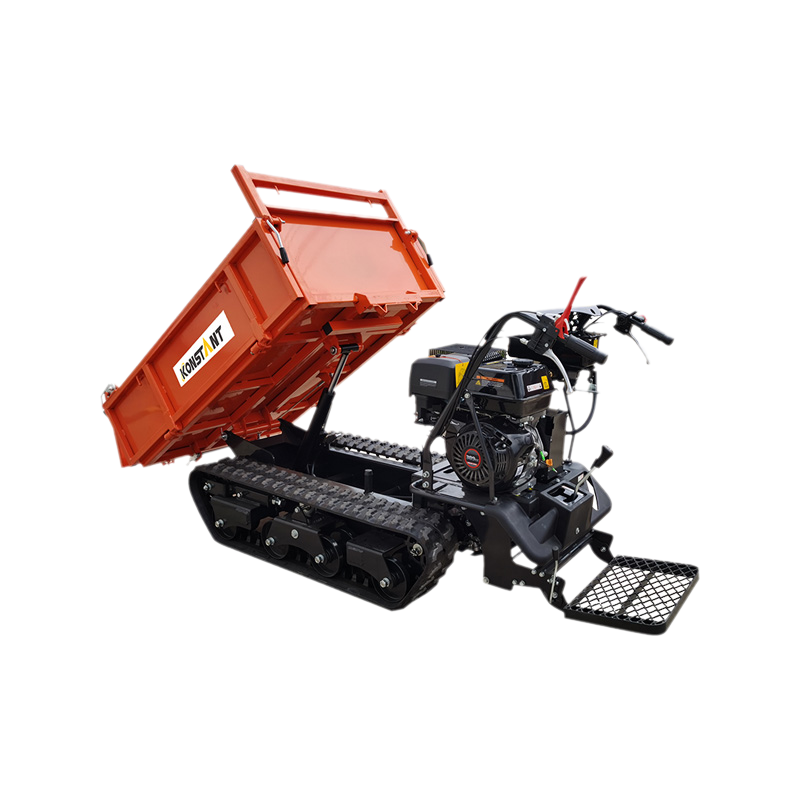
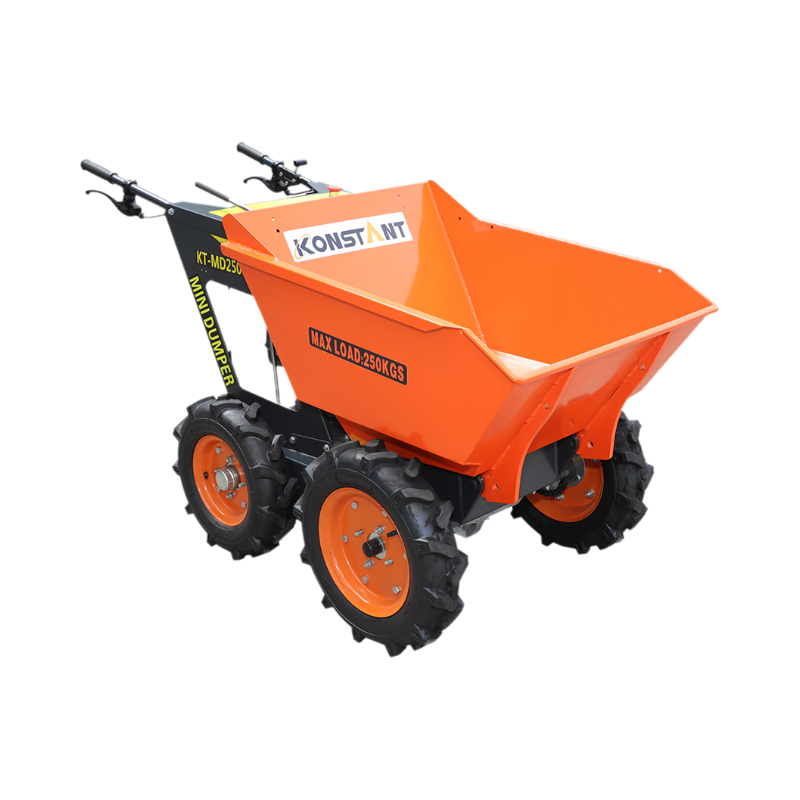
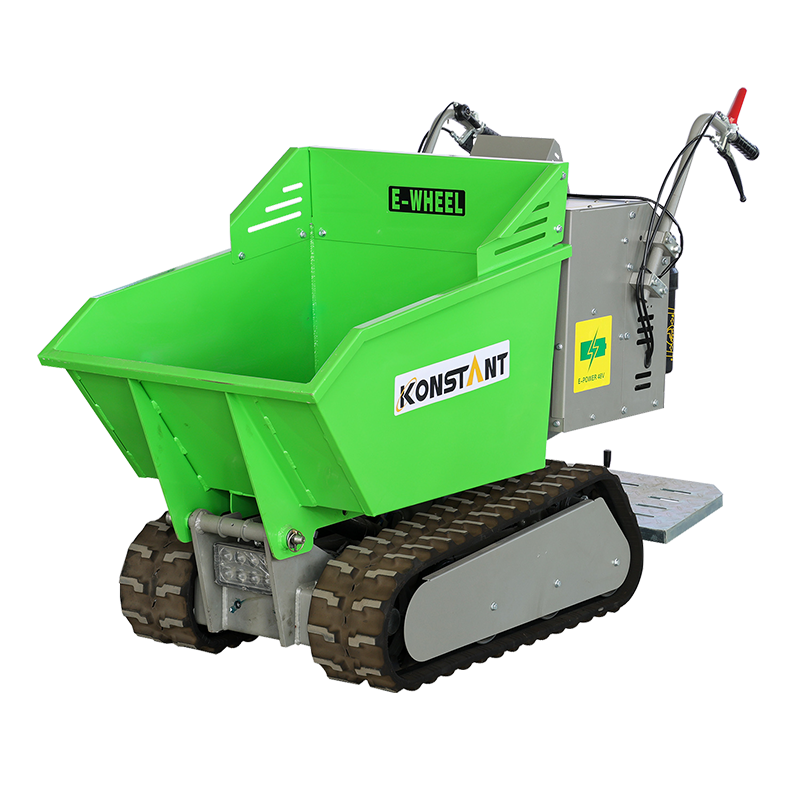
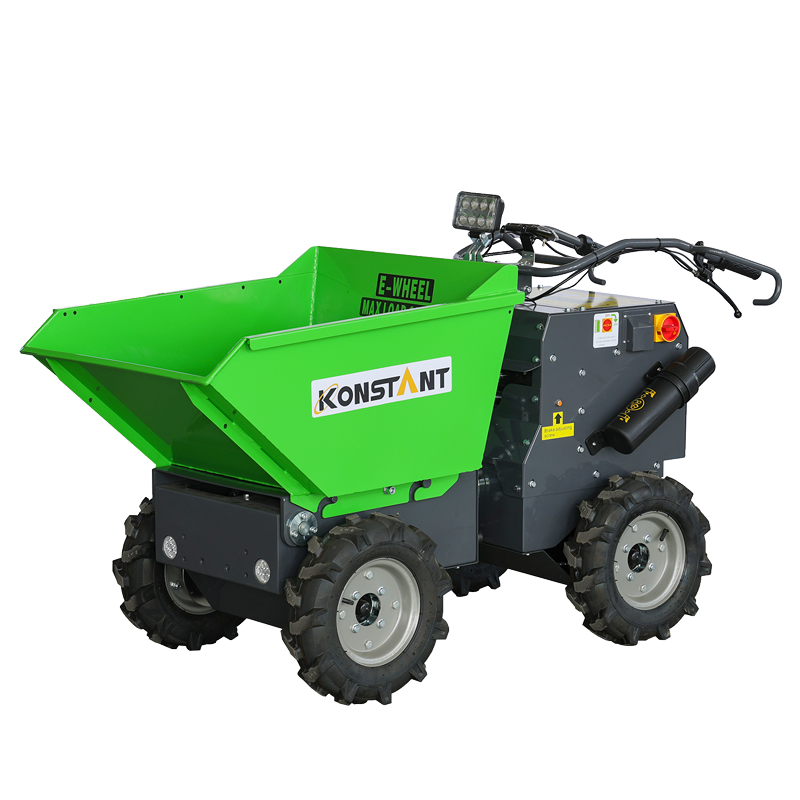
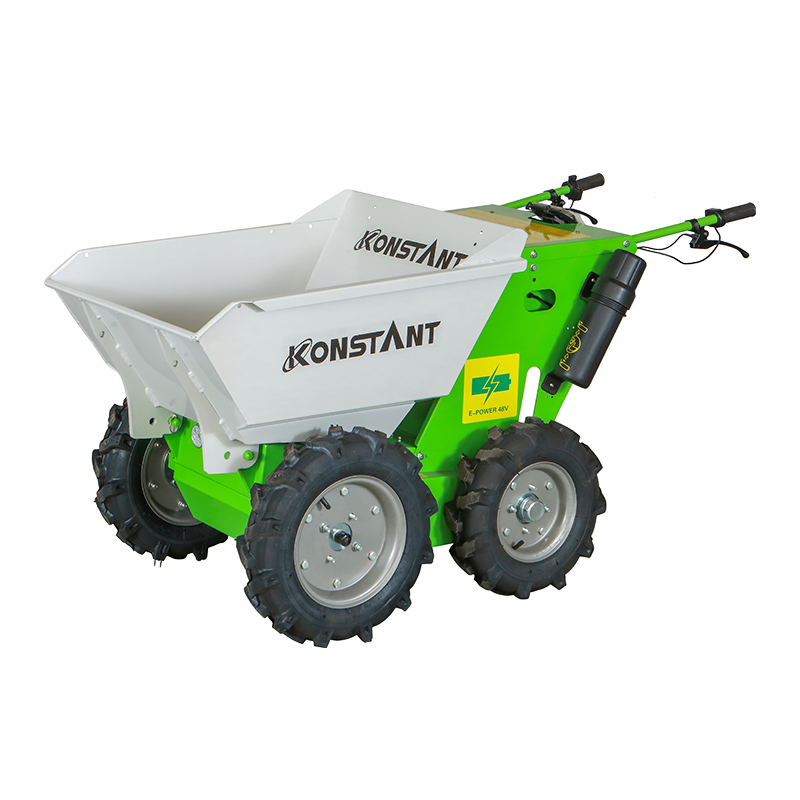
Electric Garden Loader has quietly become the tool that many landscaping teams start talking about after just one busy week on site. Walk onto a renovation project in the early morning—dew still on the grass, crew loading soil by hand—and you can feel the difference immediately once the machine rolls in. Instead of four people shuttling wheelbarrows back and forth, one operator handles the movement, the rest of the team stays focused on planting, leveling, trimming. Less rushing. Fewer breaks. The day runs smoother.
This shift is not about chasing new technology for its own sake. It's about solving the same old problems: fatigue, wasted minutes, and the kind of physical strain that slowly drains a crew over the season. Contractors are noticing that small improvements in daily workflow compound into serious gains over months.
Why Modern Landscaping Projects Are Rethinking Manual Transport
Every job starts the same way: materials arrive, plans are set, and the crew begins moving soil, gravel, stone, mulch, or waste from one side of the site to another. On paper, it looks manageable. On the ground, it becomes a cycle of lifting, pushing, navigating narrow paths, and repeating the same route dozens of times.
After few hours, even experienced workers slow down. Not because they lack skill—but because the human body has limits. Knees tighten. Shoulders burn. Focus slips. That's when small mistakes appear: a misaligned paver, a crooked edge, a plant set too shallow.
An electric loader changes the rhythm. Instead of workers acting as the engine of transport, the machine carries that burden. The crew becomes what they should be—installers, builders, finishers. People stop spending energy just getting materials to the point of use and start spending it on the quality of the job itself.
Over time, the impact shows up in surprising places:
- Fewer sick days during peak season
- Less overtime caused by fatigue-related delays
- More consistent pacing from morning to afternoon
The work feels different. And when work feels different, productivity usually follows.
How Electric Power Shifts the Cost and Planning Equation
On a job site, operating costs hide in the details. Fuel delivery schedules. Engine service appointments. Downtime while waiting on parts. Each individual cost looks small, but the total adds up fast across a year.
Electric machines simplify this side of the operation.
Instead of tracking fuel levels and engine hours, crews shift to a predictable charging routine. Plug in after work. Unplug before the next morning's shift. That consistency makes budgeting easier and scheduling far more reliable—especially for companies juggling multiple crews.
Another often overlooked factor is site restrictions. Many residential zones, parks, and commercial complexes now enforce noise limits and air-quality expectations. Diesel equipment can create headaches with permits, neighbor complaints, or restricted work hours. Electric units avoid friction. Crews can start earlier, finish later, and work closer to occupied buildings without constant concern.
When planners and project managers look at the numbers across an entire season, the pattern becomes clear: fewer interruptions, more usable hours, and tighter project timelines.
Real-World Workflows: What Changes on Site
Picture a sloped backyard renovation. Soil needs to be removed from the lower yard, moved up a narrow pathway, and replaced with crushed stone. With manual transport, this becomes the bottleneck of the entire project.
Introduce an electric loader and the job breaks into clean phases:
- One operator cycles material
- Two crew members shape and compact
- Another finishes edging and layout
No one waits. No one stands idle. The work flows.
On commercial jobs, the effect is even more pronounced. Materials often travel longer distances, and sites involve multiple elevation changes. Electric loaders handle these routes repeatedly without the fatigue that limits human output. The crew's role becomes coordination instead of constant exertion.
Over weeks of work, this steady rhythm reduces injuries, improves morale, and makes daily output more predictable. When productivity becomes predictable, planning improves—and that's where real profitability grows.
Noise, Comfort, and the Human Factor
Noise isn't just an environmental issue—it's a communication problem. On loud sites, instructions get repeated. Signals get missed. Accidents happen when people mishear each other.
Electric machines run quietly enough that teams can talk normally. That alone changes site behavior. Instructions are clearer. Warnings are heard. Mistakes decrease.
Comfort matters too. Reduced vibration and smoother control systems make the operator's day easier. Less strain on wrists, arms, and back means workers finish shifts with energy left. Over months, that adds up to fewer injuries and longer retention of experienced staff.
When a crew feels better at the end of the day, tomorrow's work usually goes better.
Choosing the Right Model for Your Type of Work
Not every project needs the same machine. A residential landscaper working narrow yards and gardens needs something very different from a contractor handling commercial walkways or municipal parks.
Key factors that buyers evaluate:
- Site width and access points
- Typical material weight and volume
- Average daily working hours
- Terrain conditions and slope
Matching the machine to the actual job prevents underuse and overload. It also extends the service life of the equipment.
Many teams start by reviewing the past year's projects. Where were the biggest transport delays? Where did crews lose energy? Those answers point directly to the loader configuration that makes sense.
Training and Integration: Making the Transition Smooth
New equipment only delivers value if people are comfortable using it.
Fortunately, electric loaders are generally easier to learn than traditional machines. Controls are intuitive. Maintenance procedures are simple. Most operators adapt within a day or two.
The transition period often becomes an opportunity to refine job workflows. Managers reorganize task assignments. Crew members rotate roles. Communication improves. The machine becomes part of the team instead of an obstacle to manage.
That adjustment phase usually pays off faster than expected.
Maintenance Reality: What You'll Actually Do on the Job
If you're used to diesel engines, the maintenance picture for electric loaders looks different — not necessarily lighter, but more predictable.
Routine checks that matter
Most of the day-to-day tasks are simple:
- Walk around the machine and check tire/track condition.
- Inspect hydraulic hoses and quick couplers for leaks or abrasion.
- Clean debris from cooling vents and electrical connectors.
- Check battery state and look for loose cables or corrosion.
These are quick checks you can do in the morning, and they prevent service issues. A 5-minute visual routine makes a big difference.
Scheduled service vs surprise repairs
Electric drivetrains remove oil changes and fuel-system work from the list, but you still need to plan for:
- Hydraulic fluid replacement intervals
- Wear items (belts, rollers, bushings)
- Battery service or eventual replacement cycles
The big advantage is predictability. You're less likely to be surprised by an engine failure at the busiest time of year. Spare parts planning becomes simpler: stock a set of common wear items and one spare hydraulic filter, and you're often fine.
Who should do the work
Daily checks are great for operators. More detailed inspections—hydraulics, structural checks—are handled by a trained technician on a weekly or monthly schedule. Many small companies build a short maintenance checklist into their shift routine and rotate deeper tasks across the week.
Practical tip: print a one-page checklist and tape it to the machine. Operators appreciate the clarity and managers get fewer “it broke” calls.
Charging Strategy and Energy Planning
Charging is probably the part crews worry about when switching to electric. That anxiety is usually easier to manage than expected.
Overnight charging works
For many small crews, the simplest approach is effective: charge overnight at the yard. If a loader has, say, 8–10 hours of runtime per full charge (typical for medium-duty models), plugging in after the shift is enough to start the next day fully ready.
Staggered shifts and battery swapping
If you run multiple shifts or long single-day schedules, consider:
- Staggered charging: rotate machines between shifts so one charges while another runs.
- A small spare battery if the model supports quick swaps (not all do).
You don't need industrial chargers to start. A 32–amp single-phase charger covers a lot of use cases, and installation cost is modest compared to the benefit of continuous operation.
Site solar and off-grid options
Some teams pair a modest solar array with battery storage to reduce peak electricity costs and provide resilience on remote sites. It's an up-front investment, but on projects where grid connection is limited or power costs are high, it can be sensible.
Practical tip: plan your power needs like you plan fuel costs. Track daily kWh per machine for a month, then size a charger and determine whether on-site solar makes sense.
Safety Improvements and Daily Practices That Actually Work
A quieter, cleaner piece of equipment is not just more pleasant — it changes how a crew behaves.
Better communication, fewer mistakes
When operators can talk without shouting over an engine, hand signals become clearer and near-miss incidents drop. Teams that switch to quieter machines often comment on how much smoother handovers and instructions become.
Reduced manual handling injuries
The immediate safety benefit is fewer repetitive lifting injuries. A loader doing the heavy lift takes pressure off backs and shoulders. Over a season, this tends to reduce sick days and low-level aches that erode crew morale.
Operator ergonomics
Modern electric models tend to have smoother controls and less vibration. That reduced fatigue translates into fewer errors late in the day. Good operator training—covering load balancing and safe travel on slopes—keeps machines working safely and crews confident.
Practical tip: include a 10-minute safety huddle at the start of each shift. Quick reminders about load limits, slope travel, and foot placement keep safety front of mind.
Environmental and Community Benefits — What Clients Notice
Clients notice subtle things. A homeowner hiring a landscaper for evening planting won't love a noisy diesel engine outside their window. A quieter, cleaner machine removes a common source of friction.
Reduced site complaints
Less noise and no diesel smell reduce the chance of neighbor complaints. That makes scheduling flexible and avoids project pauses.
Cleaner job sites
No fuel spills, no oil drips — the work area stays cleaner. This matters for sites near storm drains, turf installations, or sensitive landscaping where contamination is a real concern.
Marketing value
Clients increasingly appreciate sustainable choices. Mentioning the use of battery-powered tools in proposals or bids contributes to a professional image and can be persuasive in competitive tenders.
The Financial Case: How the Numbers Tend to Add Up
You don't buy equipment on feelings; you buy it on numbers. Here's a practical way to look at the total cost.
Compare total cost of ownership
TCO includes:
- Purchase price (or lease payments)
- Energy/fuel cost per operating hour
- Maintenance and service costs
- Downtime risk and indirect labor cost impacts
Electric models often have a higher purchase price but lower fuel and maintenance costs. The gap closes over time, especially if fuel prices are volatile or if the crew uses the machine extensively.
A simple back-of-envelope check
- Calculate current fuel + maintenance cost per month on your existing fleet.
- Estimate electricity cost for the electric machine (kWh per day × local rate).
- Add a modest monthly amortized value for the purchase or lease.
- Compare these to see payback windows.
For many small operations, the financial break-even appears within a few seasons. For others, the non-financial benefits (less downtime, quieter work) justify the investment faster.
Procurement Checklist: What to Ask Before You Buy
When you're ready to evaluate models, use this checklist:
- What is the rated load capacity and how does it compare with typical loads?
- How long is a full charge under normal use?
- What charger types are supported and how long does a full charge take?
- Are replacement batteries readily available and what are expected replacement costs?
- What is the service network like — local tech support or long times?
- Are attachments compatible with existing tools (buckets, forks, hoppers)?
- What are the transport and trailer requirements for moving the machine between sites?
- Warranty terms and what's covered (battery warranty, hydraulic systems)?
These questions prevent surprises. Don't skip the local-support and transport checks — they often make the difference between a smooth experience and one full of delays.
Short Case Vignette: A Small Crew That Changed the Season
Here's a quick, realistic example.
A three-person landscaping crew in a mid-sized town handled lawn renovation and small retaining walls. Before changing equipment, they spent mornings wheelbarrowing compost and moving stones, which stretched the day into evenings. They switched to a compact electric loader with a 6-hour runtime and a trailer for easy site moves.
Result after one season:
- Average project duration fell by 15%
- The foreman reported two fewer injury-related sick days during heavy months
- The crew accepted three small evening jobs they would have declined before, thanks to lower noise
Not every crew will see identical numbers, but the qualitative impact—less fatigue, more flexible scheduling—was immediate.
Supplier Relations: What Service Looks Like in Practice
A machine is only as good as the service behind it.
Local dealers vs. direct importers
Dealers with local presence offer faster parts and service. Direct imports can be cheaper initially but factor in shipping time for parts and distance for technicians.
Training and onboarding
Good suppliers provide an operator training session, a simple maintenance plan, and diagnostic support for months. That support reduces early downtime and speeds up ROI.
Practical tip: negotiate a short on-site training visit as part of the purchase. The cost is small and the operational value high.
Market Outlook: What's Next for Small Electric Loaders
Battery tech keeps improving, and that expands what small machines can do. Expect to see:
- Improved runtime and faster charging
- Better diagnostics and remote monitoring on higher-end models
- More modular designs that accommodate different attachments and batteries
The buyer landscape is evolving too. Rental fleets are adopting electric options, which lets small teams try machines without committing to full purchase — a low-risk way to test fit.
Quick Decision Roadmap: How to Try Before You Buy
If you're thinking about a machine but unsure:
- Identify two projects where material transport is the current bottleneck.
- Rent an electric loader for one week or a full project cycle.
- Track time saved, fuel saved, and operator feedback.
- Compare rental cost vs expected savings to shape the purchase case.
This hands-on test is the fastest way to see practical benefits specific to your work.
Small Change, Big Practical Impact
Swapping a few wheelbarrows for an electric loader doesn't transform your business overnight. But it does change the daily rhythm, the crew's energy levels, and your ability to schedule work with confidence.
If you manage crews, this is a practical tool that reduces strain and smooths workflow. If you run bids and scheduling, it's one more lever to improve predictability. And if you sell services to clients who value low-noise, low-impact work, it can open up projects you could not otherwise take on.
Takeaway: focus on fit, not hype. Match the loader to your work, plan your charging and maintenance, and use a short rental or trial before committing. You'll learn fast whether it's a game-changer for your operation.
Related products

Latest Updates
-
What Makes a Small Tracked Dump Truck Practical for Construction Work
Short-distance movement of soil, sand, gravel and demolition debris is a constant requirement on man...
-
What Causes Reduced Performance in an Electric Mini Dumper
Electric mini dumpers sometimes lose speed, range or climbing ability after a stretch of ordinary us...

-
Welcome To Visit Us
No.30, Third Furong Road, Wuxi City, Jiangsu. 214100, China.
-
Call Us
Phone: +86 181-1889-1139
Phone: +86 181-1889-2139
-
Contact Us Online
E-mail: sales@konstantpm.com
E-mail: marketing@konstantpm.com
Copyright WUXI KONSTANT POWER TECH CO., LTD All Rights Reserved
 China Mini Dumpers Manufacturers Power Wheelbarrow Factory