
 English
 русский
 Français
 Español
 Deutsch


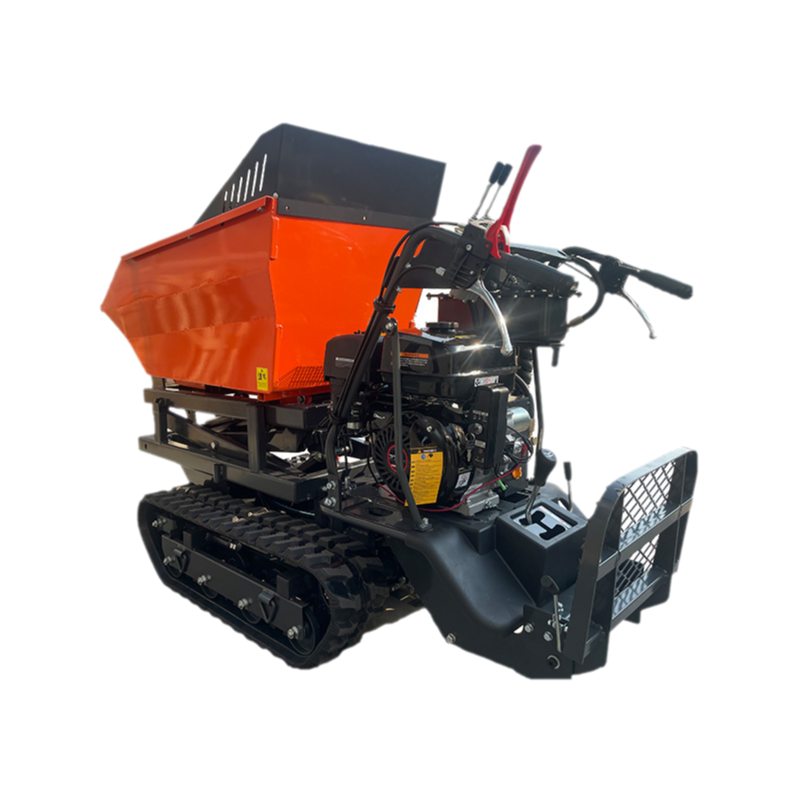
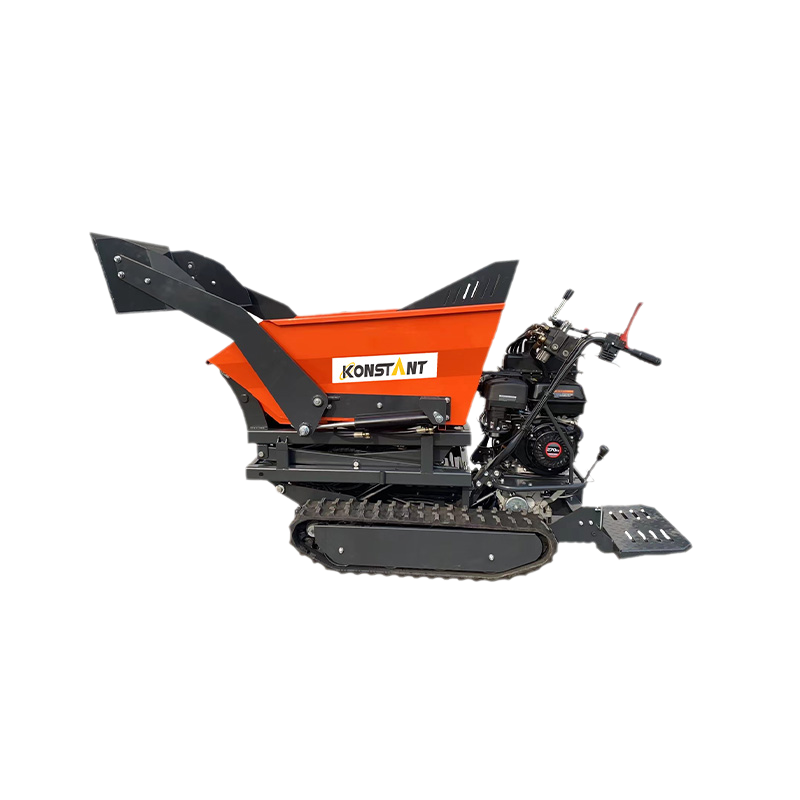
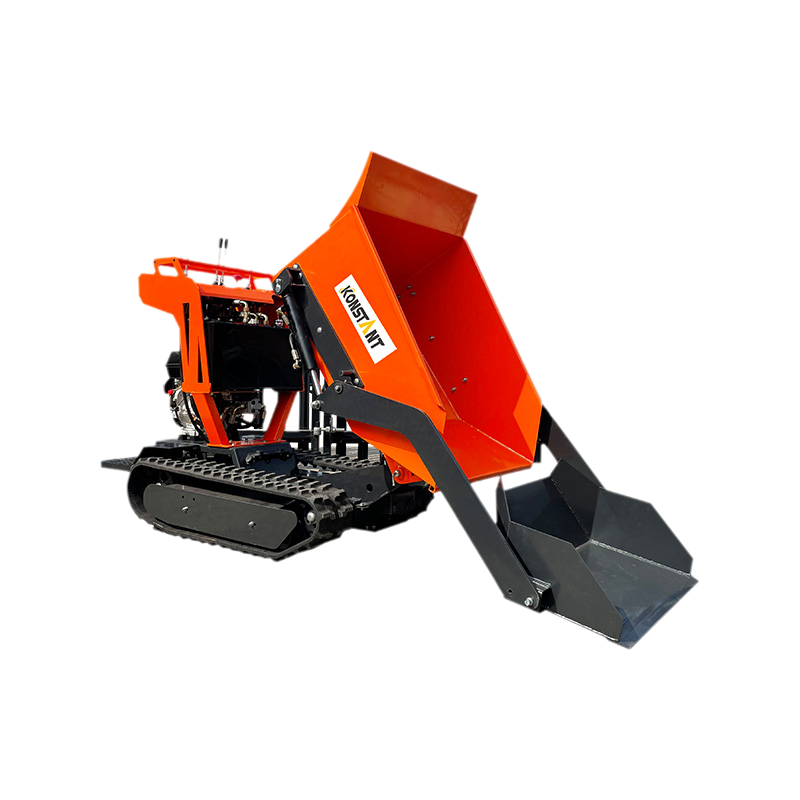
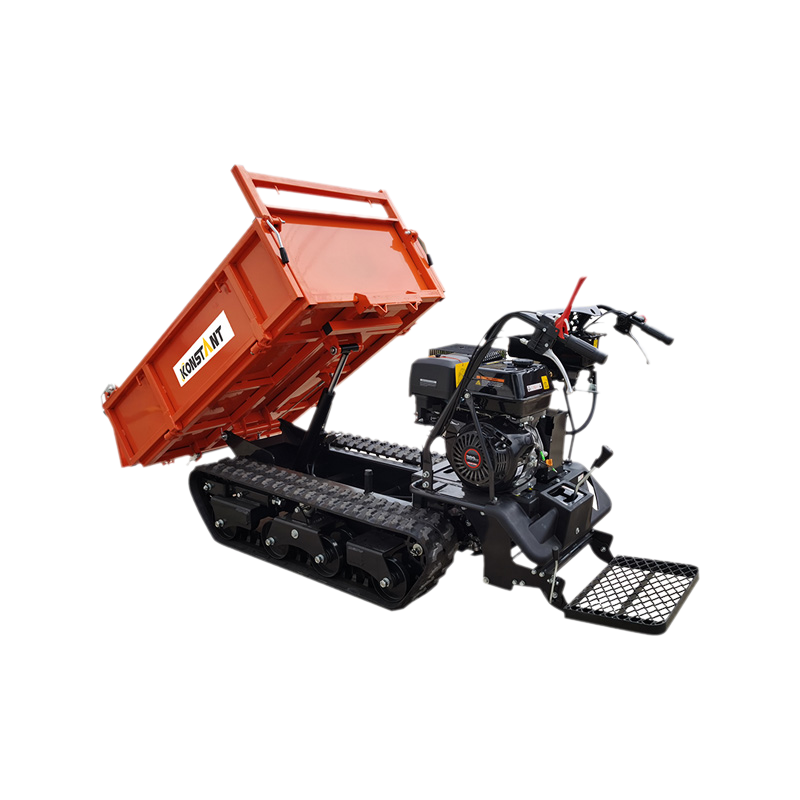
Provide you with the latest enterprise and industry news
What Should You Consider When Buying a Power Barrow Mini Dumper
Update:27-11-2026
Posted by Admin
Content
- 1 Clarify Working Needs Before Comparing Machines
- 2 Loading and Dumping Layout
- 3 Tracks and Ground Conditions
- 4 Size, Access and Site Fit
- 5 Power and Drive Behaviour
- 6 Controls and Operator Effort
- 7 Maintenance and Ongoing Use
- 8 Deciding on Overall Fit and Value
- 9 Purchase Checklist by Theme
- 10 Buying Against Real Work, Not Generic Claims
Clarify Working Needs Before Comparing Machines
Understanding the Types of Materials You Need to Transport
Purchase decisions start with the materials that will fill the skip on a regular basis. Dry soil and sand behave differently from wet clay, gravel, rubble or compost. Density, stickiness and particle size affect how full the body can be loaded and how cleanly it empties. Listing the main materials prevents ordering a layout that only suits a secondary cargo.
Evaluating Daily Workloads and Transportation Frequency
Some sites need continuous shuttle runs; others need only occasional moves between stockpile and spread area. Frequency and distance shape whether a compact dumper is in use all day or only at peak times. Matching expected cycles to machine duty avoids both under-use and constant overload.
Matching Machine Functions with Actual Job Requirements
Loading method, travel terrain and dump style should reflect the real job, not a generic brochure scene. A clear requirements list makes later comparison of skip shape, tracks and controls more objective.
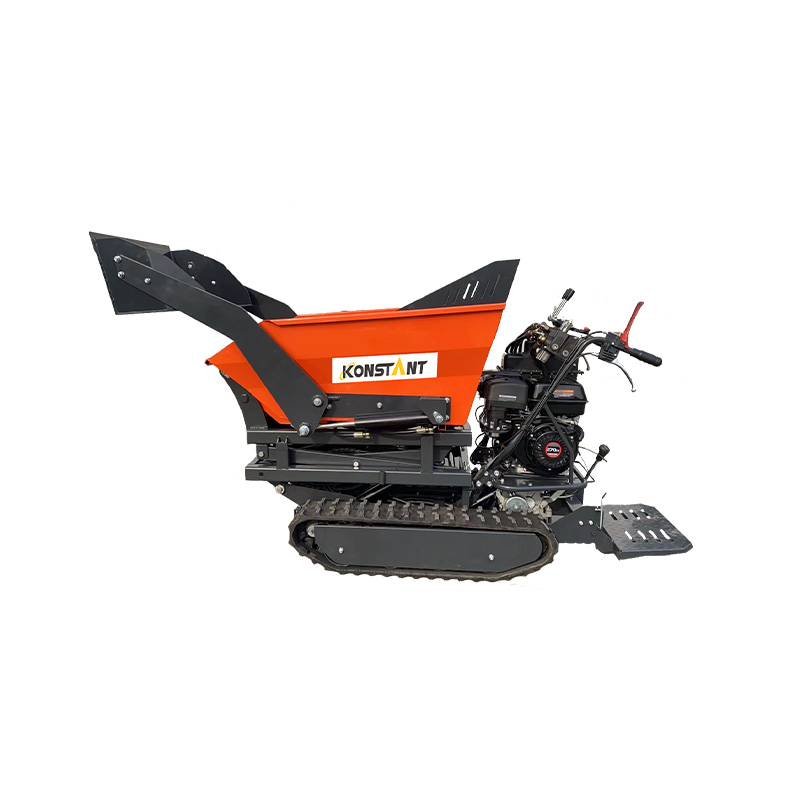
Loading and Dumping Layout
Considering the Size and Shape of the Loading Bucket
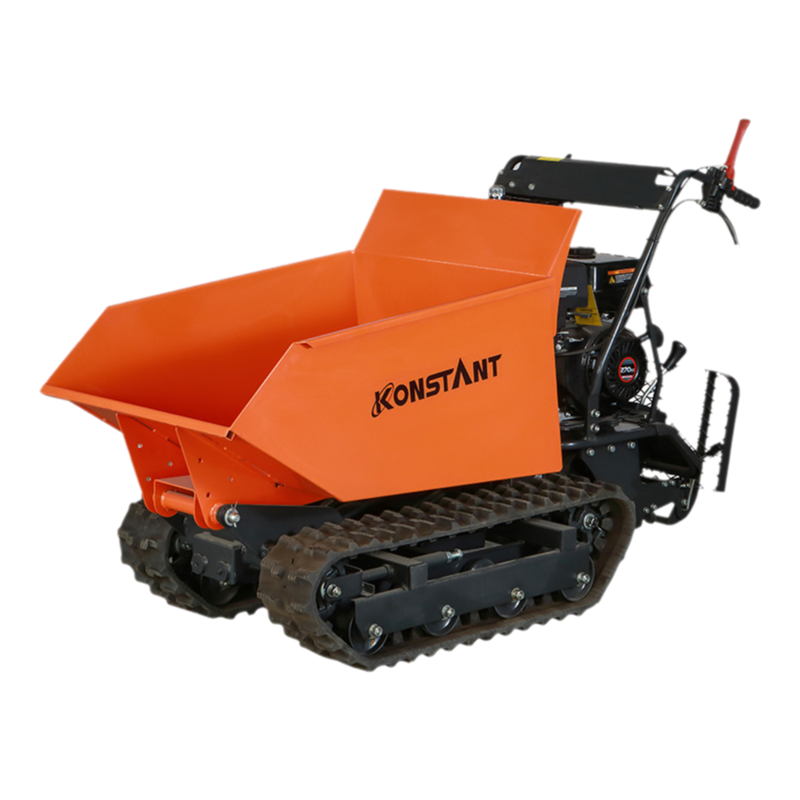
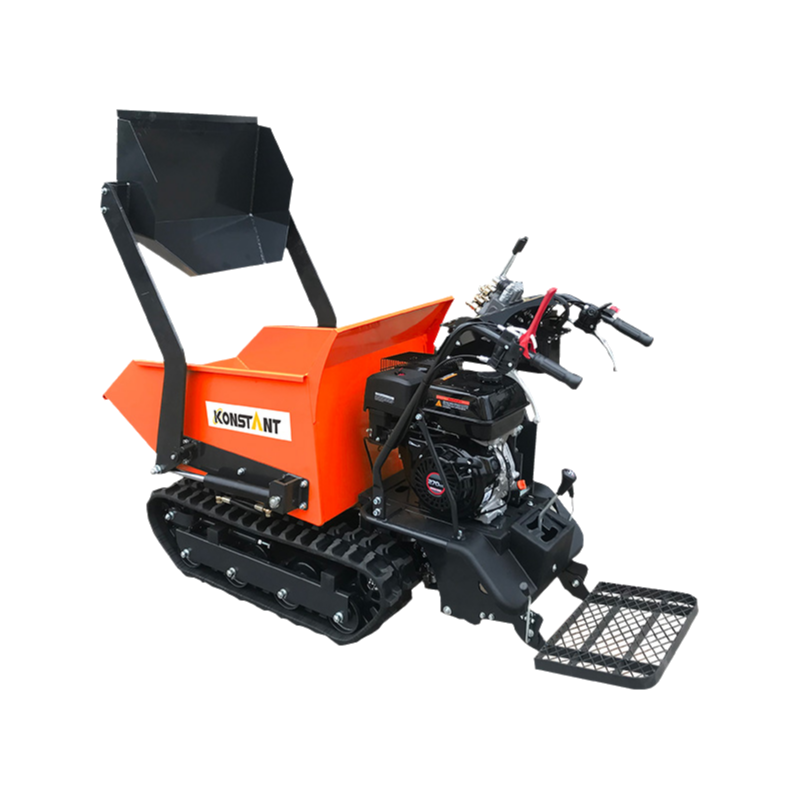
Skip volume and shape must fit the way material is loaded—by hand, chute or small machine—and the width of the paths it will travel. A body that is awkward to fill or that spills on every turn slows the whole cycle.
Evaluating Hydraulic Dumping for Convenient Material Discharge
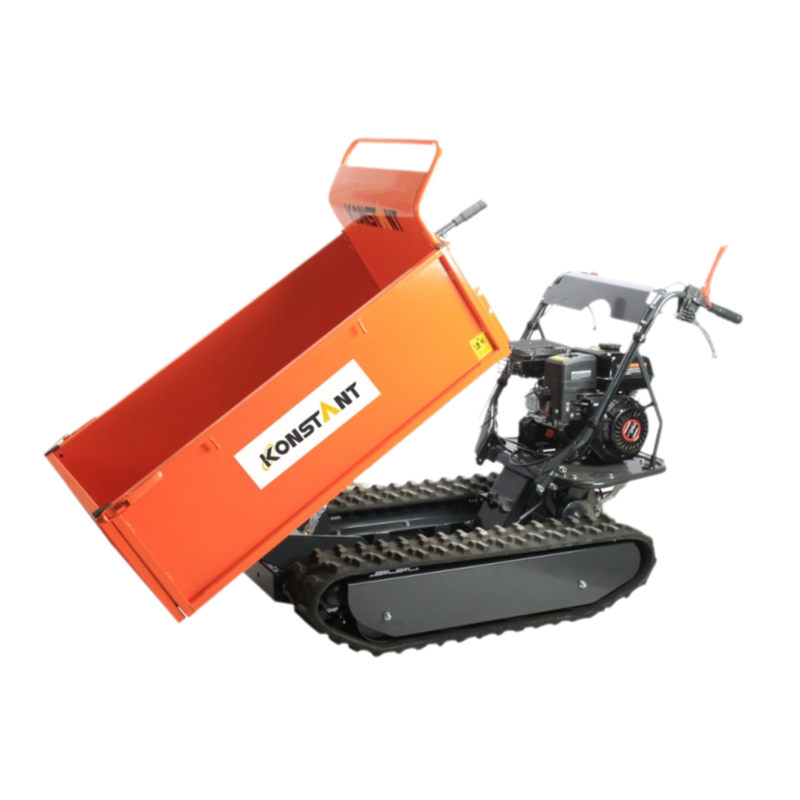
Hydraulic tip raises the body so material leaves at the chosen point without manual lifting of the skip. Controlled raise and lower matter when dumping near edges or into containers. Convenience here directly cuts physical strain on repeated cycles.
Selecting a Loading Structure for Different Material Types
Free-flowing aggregates leave cleanly; sticky soils may need steeper tip angles and smoother inner walls. Choosing a body style with the dominant material in mind reduces hang-up and cleaning time.
Tracks and Ground Conditions
Choosing Tracks for Muddy, Soft and Uneven Surfaces
Tracks spread weight and maintain drive on soft or rutted ground where narrow wheels dig in. Sites with mud, lawn, gravel or broken concrete benefit from that contact patch. Track type and shoe design should be reviewed against the worst ground the machine will see regularly.
Considering Maneuverability Around Buildings and Narrow Paths
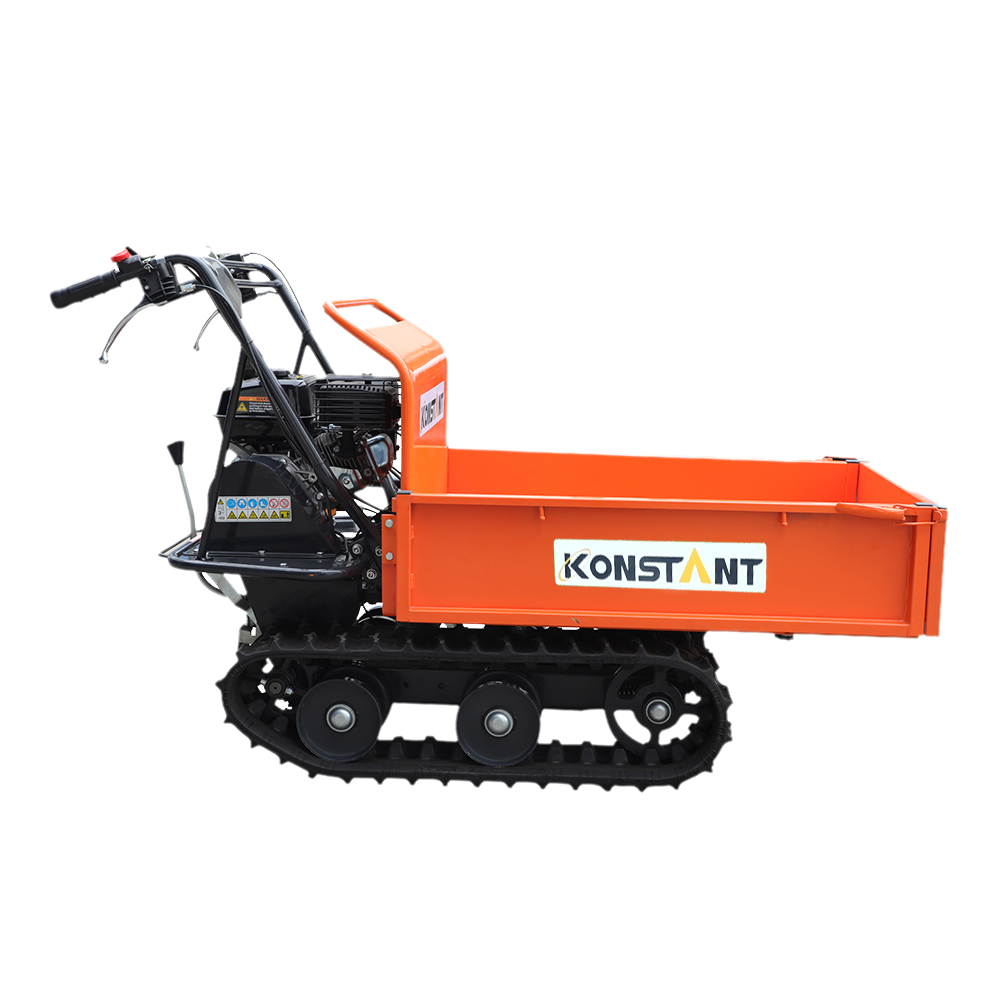
Turning radius and overall width decide whether the dumper can pass gates, side alleys and partly built interiors. A Power Barrow Mini Dumper is often chosen specifically because it can work inside those limits.
Understanding How Terrain Conditions Affect Daily Transportation
Slopes, side cambers and mixed surfaces change safe speed and load height. Honest assessment of terrain avoids buying a machine that only works on the flat show area.
Size, Access and Site Fit
Selecting a Compact Structure for Restricted Construction Sites
Overall length, width and height must clear the tightest permanent opening on the route. Compact structure is a functional requirement on renovation and garden sites, not only a marketing label.
Checking Whether the Dumper Can Pass Through Narrow Access Routes
Measure gates, doors and corridors before ordering. A machine that cannot enter the work area has no practical value regardless of skip size.
Balancing Loading Space with Overall Machine Dimensions
Larger skips move more per trip but can make the machine wider or less stable. Balance capacity against the access and ground limits already identified.
Power and Drive Behaviour
Understanding the Power Requirements of Different Transportation Tasks
Hauling up soft slopes with a full skip asks more of the engine and drive than level travel with light loads. Power should be judged against the harder runs, not only empty travel on hardstand.
Considering Smooth Movement Under Changing Ground Conditions
Jerky drive or easy stalling on mixed ground wastes time and stresses components. Smooth response when the machine meets resistance improves daily usability.
Evaluating the Relationship Between Power Output and Working Demands
Excess capacity that is never used still adds weight and cost; insufficient capacity shows up as constant struggle. Alignment with real loads and grades is the goal.
Controls and Operator Effort
Looking for Accessible Controls and Straightforward Operation
Levers and switches should be reachable and clearly understood for travel, steer and dump. Simple layouts reduce mistakes during busy cycles.
Considering Steering Flexibility During Repeated Maneuvers
Frequent direction changes in tight yards demand steering that does not fight the operator. Fatigue rises quickly when every turn is heavy.
Reducing Operator Effort During Loading and Transportation Activities
Hydraulic dump, sensible control forces and stable standing or seating positions cut the physical cost of a full day of short hauls.
Maintenance and Ongoing Use
Checking the Accessibility of Key Components for Routine Inspection
Filters, grease points, hydraulic connections and track adjusters should be reachable without major dismantling. Hidden service points get skipped and then fail.
Considering the Maintenance of Tracks, Hydraulic Parts and Moving Components
Tracks, pumps, cylinders and pivots need planned attention. Availability of wear parts and clarity of service steps affect uptime.
Evaluating Cleaning and Servicing Needs After Daily Operations
Mud and sticky loads pack into underframes and skips. Designs that allow hosing and access for scraping keep the next shift from starting with a blocked machine.
Deciding on Overall Fit and Value
Comparing Machine Configurations Against Actual Application Needs
Score each option against the material list, ground, access and duty cycle already written down. Brochure features that do not serve those points carry little weight.
Considering Versatility Across Construction, Agriculture and Landscaping
A Crawler Dumper Mini that can move soil one week and mulch the next earns its keep on mixed property and contractor work. Versatility should be real, not only claimed.
Choosing a Mini Dumper That Supports Long-Term Operational Requirements
Purchase value includes durability of tracks and hydraulics, parts support and suitability for the work that will still be there in coming seasons. A Power Barrow Mini Dumper selected on that basis remains useful when site conditions change slightly over time. A second look at Crawler Dumper Mini options against the same checklist confirms whether tracked mobility is necessary or whether another layout would suffice.
Purchase Checklist by Theme
| Theme | What to verify | Why it matters |
|---|---|---|
| Materials and duty | Main cargos, trip frequency, distances | Right skip and power band |
| Dump and body | Hydraulic tip, body shape, release of sticky loads | Faster, cleaner unload cycles |
| Ground and access | Tracks, width, gates, slopes | Machine can enter and travel the real site |
| Power and drive | Behaviour under load on soft or inclined ground | Fewer stalls and less strain |
| Operation | Control layout, steering effort | Lower fatigue across repeated maneuvers |
| Care | Service access, cleaning, wear parts | Sustainable daily and weekly upkeep |
Buying Against Real Work, Not Generic Claims
A sound purchase matches materials, ground, access, power, controls and maintenance to the jobs the machine will actually perform. WUXI KONSTANT POWER TECH CO., LTD produces mini crawler dumpers for construction, landscaping and related material transport. Review of site constraints and typical loads against skip design, track layout and service access supports selection of equipment that stays useful across changing daily tasks.
Related products

Latest Updates
-
What Should You Consider When Buying a Power Barrow Mini Dumper
Clarify Working Needs Before Comparing Machines Understanding the Types of Materials You Need to Tra...
-
How Does a Hydraulic Dumping Mini Crawler Dumper Handle Different Materials
Material Handling Strengths of a Compact Tracked Dumper How a Crawler Dumper Supports Daily Material...

-
Welcome To Visit Us
No.30, Third Furong Road, Wuxi City, Jiangsu. 214100, China.
-
Call Us
Phone: +86 181-1889-1139
Phone: +86 181-1889-2139
-
Contact Us Online
E-mail: sales@konstantpm.com
E-mail: marketing@konstantpm.com
Copyright WUXI KONSTANT POWER TECH CO., LTD All Rights Reserved
 China Mini Dumpers Manufacturers Power Wheelbarrow Factory