
 English
 русский
 Français
 Español
 Deutsch

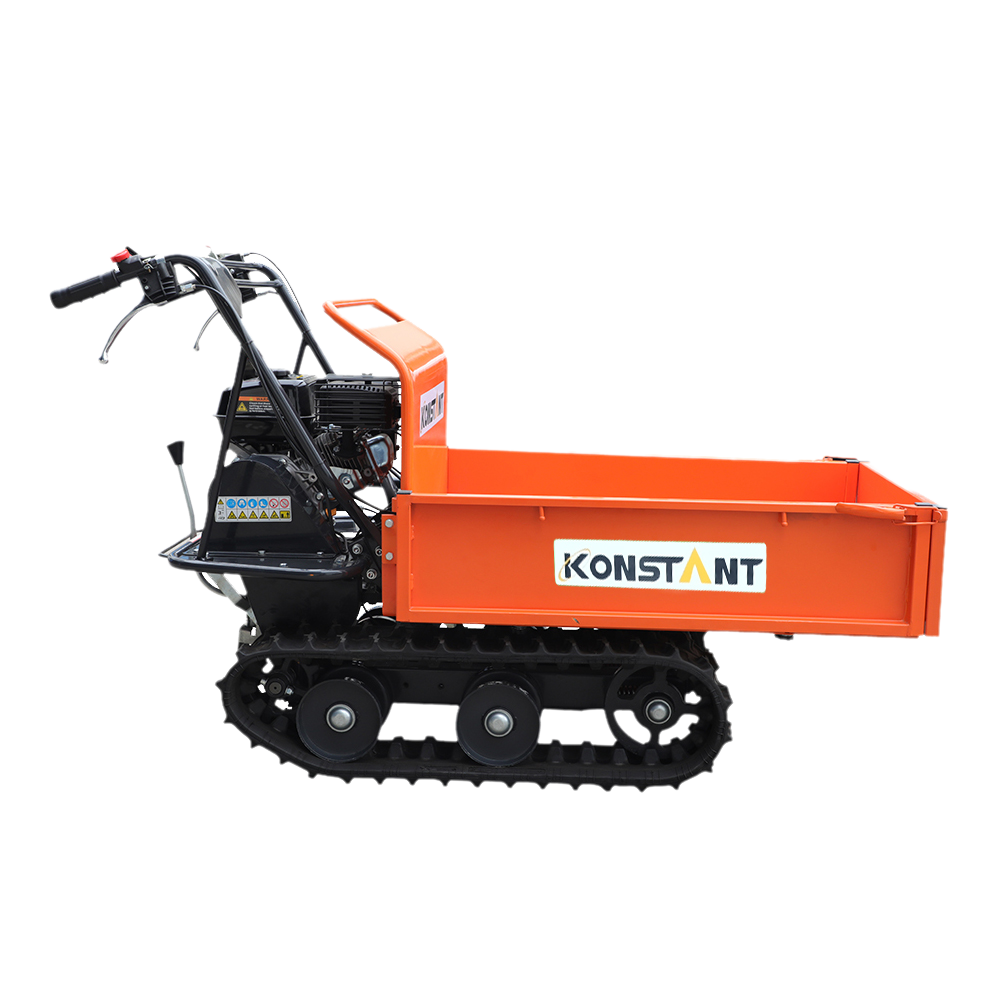
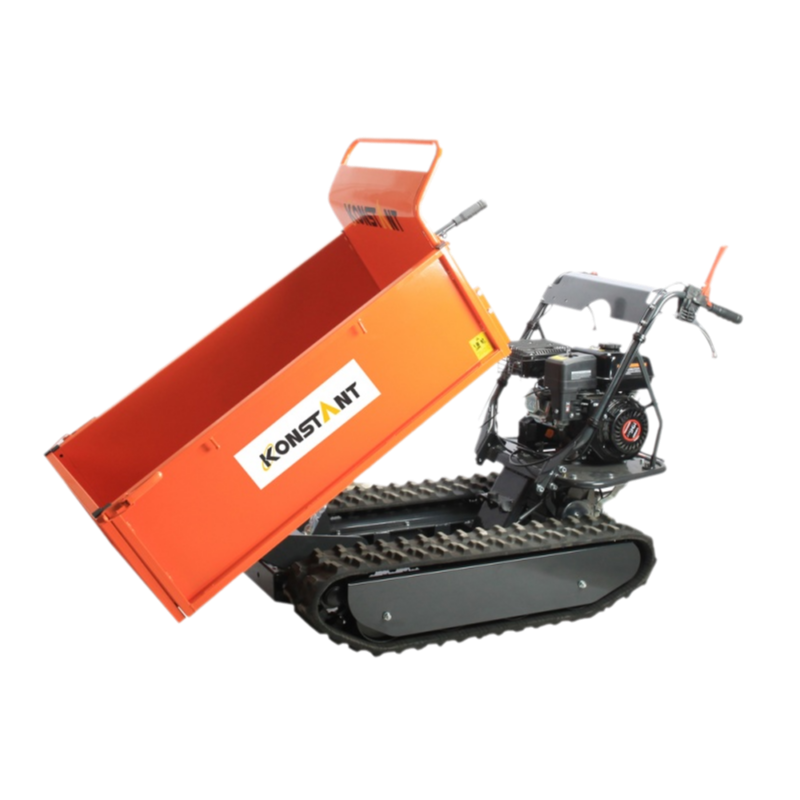
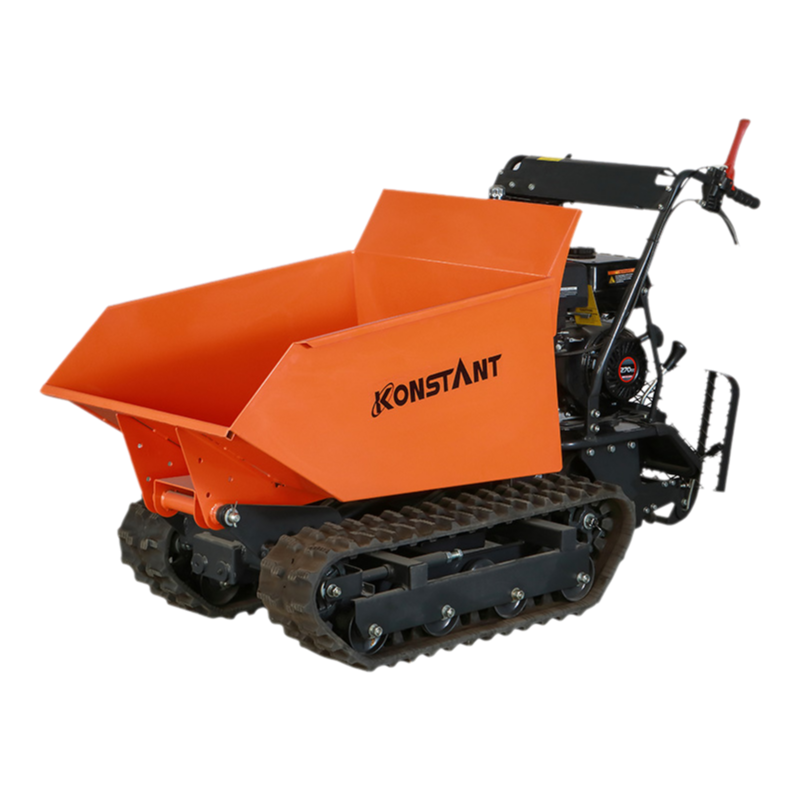
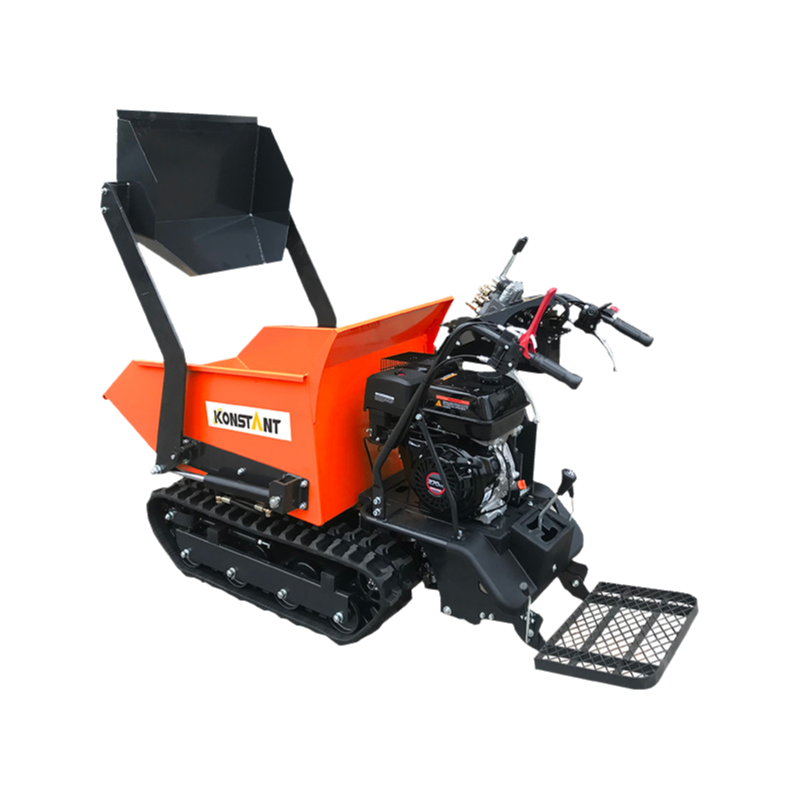
Provide you with the latest enterprise and industry news
Why Choose a Garden Loader for Your Yard
Update:21-11-2025
Posted by Admin
Content
- 1 What Features Make a Garden Loader Ideal for Home Landscaping
- 2 How to Choose the Right Garden Loader for Your Yard
- 2.1 Assessing Yard Size and Terrain
- 2.2 Determining Load Requirements
- 2.3 Considering Power Options
- 2.4 Evaluating Build Quality and Safety Features
- 2.5 Checking Maneuverability and Control
- 2.6 Assessing Maintenance and Accessibility
- 2.7 Seasonal and Environmental Considerations
- 2.8 Example Overview of Selection Factors
- 3 Why Garden Loaders Are Essential for Efficient Garden Work
What Features Make a Garden Loader Ideal for Home Landscaping
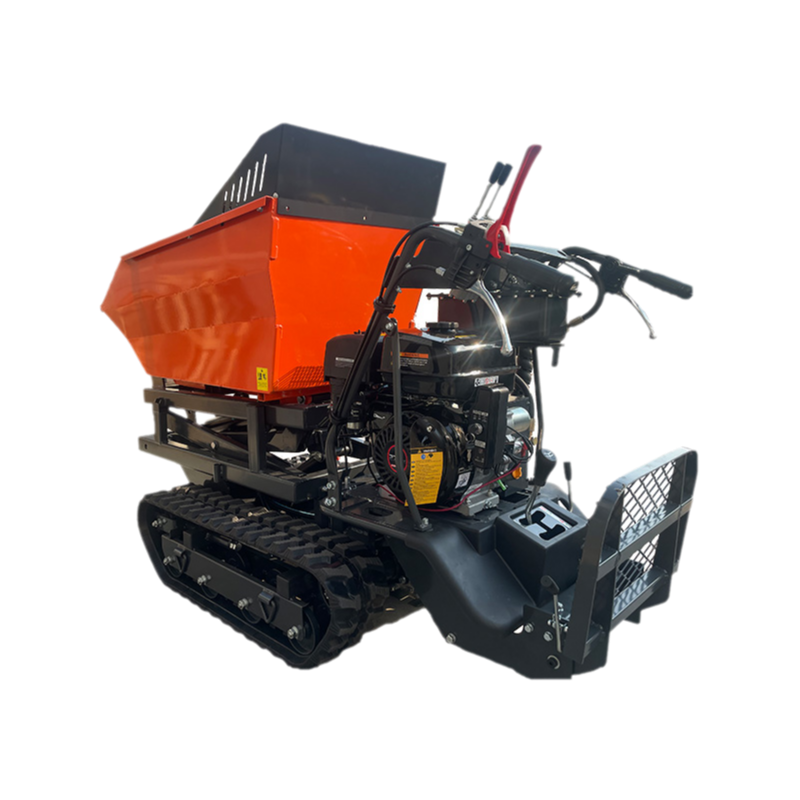
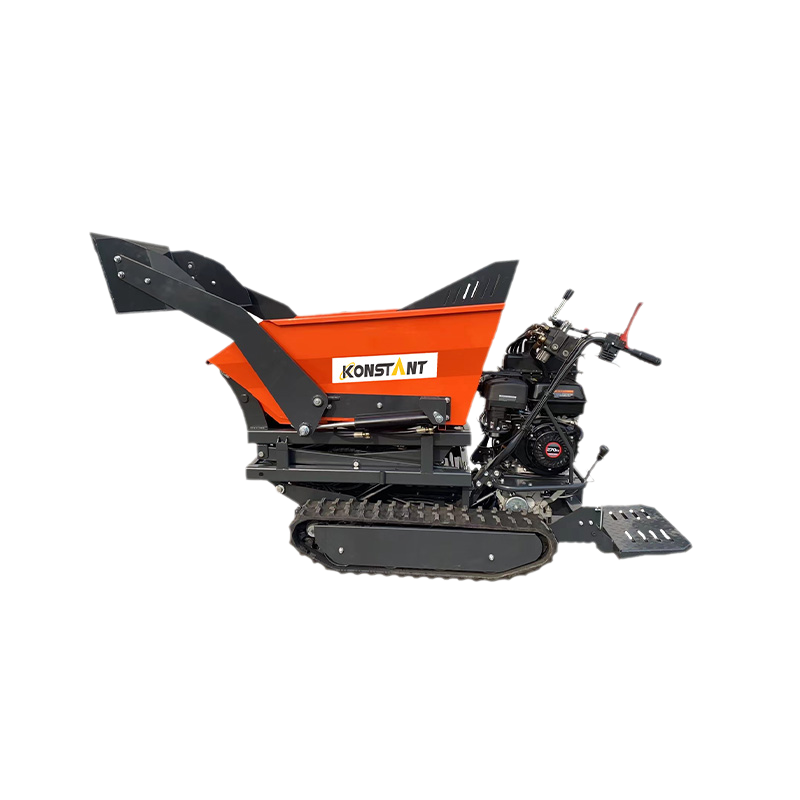
A Garden Loader can greatly simplify home landscaping tasks by assisting with moving soil, mulch, stones, and other materials. Choosing the right equipment ensures efficiency, safety, and long-term durability for residential gardening projects. Understanding key features helps homeowners select a machine that meets their needs without unnecessary complexity.
Compact and Maneuverable Design
For residential spaces, size matters. Home gardens often have narrow pathways, tight corners, or uneven terrain. Equipment that is compact enough to navigate these areas without damaging lawns, plants, or structures is ideal. Maneuverable designs, including swivel steering or adjustable wheels, improve control and ease of movement in limited spaces.
Versatile Load Handling
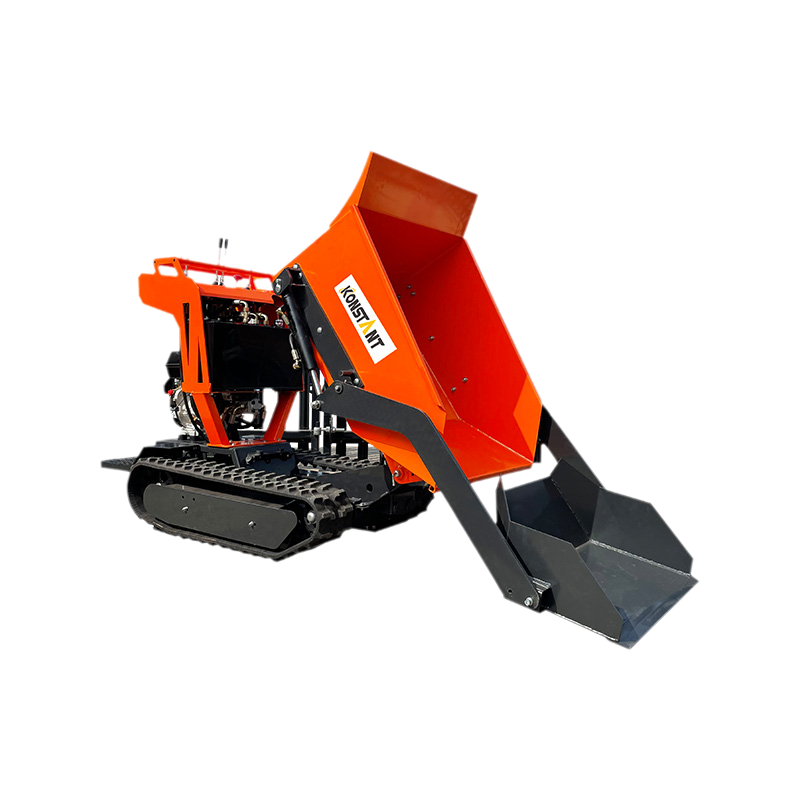
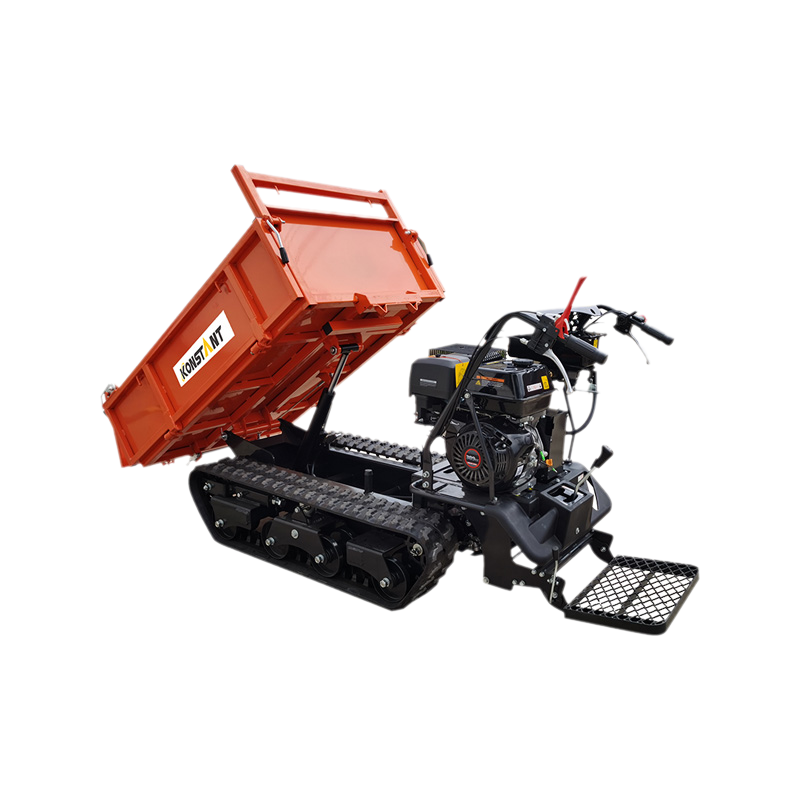
The ability to manage different types of materials efficiently is important. From soil and mulch to stones and compost, a machine that can carry, lift, and unload various loads adds utility. Features such as tilting or hydraulic lifts allow users to move materials with minimal effort and increased accuracy.
Sturdy Construction and Safety Features
Durability is a key consideration for residential landscaping tools. Machines made with reinforced frames, quality fasteners, and corrosion-resistant coatings provide long-term reliability. Safety features like secure handrails, anti-slip platforms, and emergency stops help prevent accidents during operation, ensuring peace of mind for homeowners and family members.
Easy Operation and Control
Homeowners may not have professional experience with machinery, so simplicity in operation is important. Devices with intuitive controls, clear labeling, and adjustable handles reduce the learning curve. Smooth steering, controlled lifting mechanisms, and responsive braking contribute to a user-friendly experience for both novices and experienced gardeners.
Efficient Power Options
While traditional models rely on fuel, many modern machines offer electric or hybrid options. These reduce noise, minimize emissions, and are easier to maintain. Energy-efficient power sources also make daily tasks quieter and more environmentally conscious.
Adaptability for Seasonal Use
Equipment should perform reliably in different weather conditions and seasons. Features like adjustable tires for traction, weather-resistant materials, and versatile attachments extend usefulness throughout the year. This ensures tasks like moving soil, leaves, mulch, or even snow can be handled effectively.
Maintenance and Accessibility
Routine maintenance is essential for long-term operation. Designs that allow easy access to moving parts, hydraulic components, or battery systems simplify cleaning, lubrication, and inspections. Homeowners benefit from models that are easy to maintain without specialized tools, supporting consistent performance and minimizing downtime.
Example Overview of Key Features
| Feature | Benefit for Home Landscaping |
|---|---|
| Compact size | Easy navigation in tight spaces |
| Versatile load handling | Can move soil, mulch, stones, and compost |
| Sturdy construction | Long-lasting durability |
| Safety features | Reduced risk of accidents |
| Easy operation | User-friendly controls for all skill levels |
| Efficient power options | Lower emissions and quieter operation |
| Seasonal adaptability | Reliable performance year-round |
| Accessible maintenance | Simplified upkeep and longevity |
Investing in a well-chosen machine for home landscaping improves efficiency, reduces physical strain, and supports long-term garden care. By considering features like compact design, versatile handling, durability, safety, and energy-efficient power, homeowners can ensure their gardening projects are easier, safer, and more productive.
How to Choose the Right Garden Loader for Your Yard
Selecting the right Garden Loader can make a significant difference in managing landscaping tasks efficiently and safely. From transporting soil to moving mulch, leaves, or stones, choosing a machine that fits your yard's specific needs is essential. Several factors should guide your decision to ensure the equipment provides long-term utility and convenience.
Assessing Yard Size and Terrain
The consideration is the layout and surface of your garden. Uneven ground, slopes, narrow pathways, and tight corners all influence the type of equipment suitable for your space. Compact and maneuverable designs are ideal for smaller areas, while more robust units may be necessary for larger yards or heavy-duty tasks. Understanding your terrain helps ensure smooth operation and prevents accidental damage to plants, paving, or other structures.
Determining Load Requirements
Different gardening tasks demand varying load capacities. Evaluate the typical weight of soil, mulch, compost, or other materials you plan to move. Machines that offer adjustable load handling or tilting mechanisms allow for precise placement, reduce physical strain, and improve efficiency. Ensuring the device can safely carry the required load minimizes risk of tipping or overworking the system.
Considering Power Options
Yard equipment is available in a variety of power sources. Electric or battery-operated units are quieter, environmentally friendly, and require less maintenance. Traditional fuel-powered options may provide more power for larger projects or extended use. Choosing the correct power system depends on your yard size, frequency of use, and preference for sustainable operation.
Evaluating Build Quality and Safety Features
Durability is crucial for reliable performance. Look for equipment with reinforced frames, corrosion-resistant materials, and quality fasteners. Safety components such as stable platforms, secure handles, anti-slip surfaces, and emergency stops enhance protection for users and reduce the likelihood of accidents. Investing in a well-constructed unit ensures consistent support over time.
Checking Maneuverability and Control
Ease of operation is important, especially for those unfamiliar with heavy-duty equipment. Smooth steering, responsive braking, and ergonomic controls make tasks simpler and more comfortable. Machines with adjustable handles or modular attachments allow for better positioning and adaptability to different yard tasks.
Assessing Maintenance and Accessibility
Routine maintenance keeps equipment functioning optimally. Choose models that provide easy access to moving parts, battery systems, or hydraulic components. Simplified cleaning and lubrication procedures save time and extend the life of the loader. Readily available replacement parts and clear user manuals further enhance maintenance efficiency.
Seasonal and Environmental Considerations
Consider how the equipment will perform under different weather conditions. Machines designed to handle wet soil, slippery surfaces, or moderate snow conditions provide year-round utility. Moisture-resistant materials and protective coatings help prevent corrosion and maintain reliable performance, regardless of seasonal challenges.
Example Overview of Selection Factors
| Factor | Consideration |
|---|---|
| Yard layout | Compact, maneuverable units for small or irregular spaces |
| Load requirements | Ability to safely carry soil, mulch, or stones |
| Power options | Electric, battery, or fuel depending on usage and sustainability |
| Build quality | Durable materials with reinforced frames |
| Safety features | Anti-slip surfaces, secure handles, emergency stops |
| Maneuverability | Smooth steering, responsive brakes, adjustable controls |
| Maintenance | Easy access to moving parts, simplified cleaning |
| Seasonal performance | Moisture-resistant materials, adaptable to varied conditions |
Choosing the right Garden Loader for your yard involves evaluating space, load needs, power options, durability, safety, and maintenance requirements. By carefully considering these factors, homeowners can select equipment that improves efficiency, reduces physical effort, and ensures long-lasting performance. Proper selection not only enhances everyday gardening tasks but also protects the yard and surrounding structures from unnecessary wear.
Why Garden Loaders Are Essential for Efficient Garden Work
A Garden Loader plays a critical role in streamlining outdoor tasks, making landscaping, planting, and yard maintenance significantly easier. By handling heavy loads and repetitive movements, this equipment reduces manual labor, saves time, and allows gardeners to focus on precision and design rather than strenuous lifting.
Reducing Physical Strain
Transporting soil, compost, mulch, or stones manually can be exhausting and may go to fatigue or injury. Using a loader minimizes the need for heavy lifting, bending, or carrying, which not only protects your body but also improves productivity. Consistent use of a supportive device helps maintain energy levels during extended gardening sessions.
Improving Task Efficiency
Loaders can move materials quickly across a yard, especially when managing multiple projects or large areas. This efficiency allows for faster completion of planting beds, leveling soil, or clearing debris. By reducing downtime between tasks, users can accomplish more without compromising quality.
Supporting Yard Versatility
Modern equipment is designed to adapt to various garden tasks. From moving heavy containers to transporting mulch or trimming waste, a well-chosen loader accommodates a range of jobs. Adjustable features and modular attachments further enhance usability, ensuring the device meets different operational needs throughout the year.
Enhancing Safety
Handling heavy or bulky materials can pose risks, particularly on uneven or sloped surfaces. Loaders provide stable platforms for moving goods, reducing the likelihood of slips, trips, or dropped loads. Secure grips, steady wheels, and balanced weight distribution contribute to safer gardening practices for both homeowners and professionals.
Saving Time and Effort
Efficiency is not only about speed but also about conserving energy and reducing repetitive strain. By using a loader, gardeners can complete larger projects in less time while maintaining consistent effort levels. This allows for more planning, creative landscaping, or simply enjoying the outdoor space rather than spending excessive hours on labor-intensive tasks.
Encouraging Proper Yard Maintenance
With easier movement of soil, fertilizers, and other materials, maintaining healthy garden conditions becomes simpler. Loaders help distribute materials evenly, avoid overloading certain areas, and prevent soil compaction. Proper handling of resources supports plant growth, reduces erosion, and preserves the overall appearance of the yard.
Long-Term Investment Benefits
Although initial investment requires consideration, using reliable equipment reduces wear and tear on tools, prevents back strain, and lowers the likelihood of accidental damage to landscaping or hardscaping features. In the long run, a well-maintained loader contributes to smoother workflow, fewer repairs, and consistent performance in garden care.
A Garden Loader is more than just a utility machine; it is a practical companion for enhancing efficiency, protecting the user, and supporting the overall upkeep of a yard. By reducing physical strain, increasing task speed, and improving safety, this equipment allows homeowners and professionals alike to achieve better results with less effort. Choosing the right model and using it correctly ensures years of reliable service and more enjoyable gardening experiences.
Related products

Latest Updates
-
Can Wheelbarrow Function Support Different Types of Work
Moving materials from one place to another is part of many types of outdoor work. A gardener may n...
-
What Types of Materials Can a Petrol Wheelbarrow Move
Moving material around a job site is just part of the work in a lot of outdoor trades. Constructio...

-
Welcome To Visit Us
No.30, Third Furong Road, Wuxi City, Jiangsu. 214100, China.
-
Call Us
Phone: +86 181-1889-1139
Phone: +86 181-1889-2139
-
Contact Us Online
E-mail: sales@konstantpm.com
E-mail: marketing@konstantpm.com
Copyright WUXI KONSTANT POWER TECH CO., LTD All Rights Reserved
 China Mini Dumpers Manufacturers Power Wheelbarrow Factory